Dance Crazes That Took Over Entire Decades
Remember when it felt like everyone around you suddenly knew the same dance moves? There’s something special about a dance that catches fire and spreads through a whole generation. These weren’t fancy routines that required years of training at a studio.
They were moves that regular people learned at parties, copied from friends, or picked up by watching others. A true dance craze didn’t care if you were young or old, clumsy or coordinated.
It just invited everyone to join in and be part of something fun. The best ones became time capsules of their eras, forever linked to the music, fashion, and spirit of when they happened.
So let’s step back through time and revisit the dances that had everyone moving, grooving, and sometimes looking a bit silly.
The Charleston
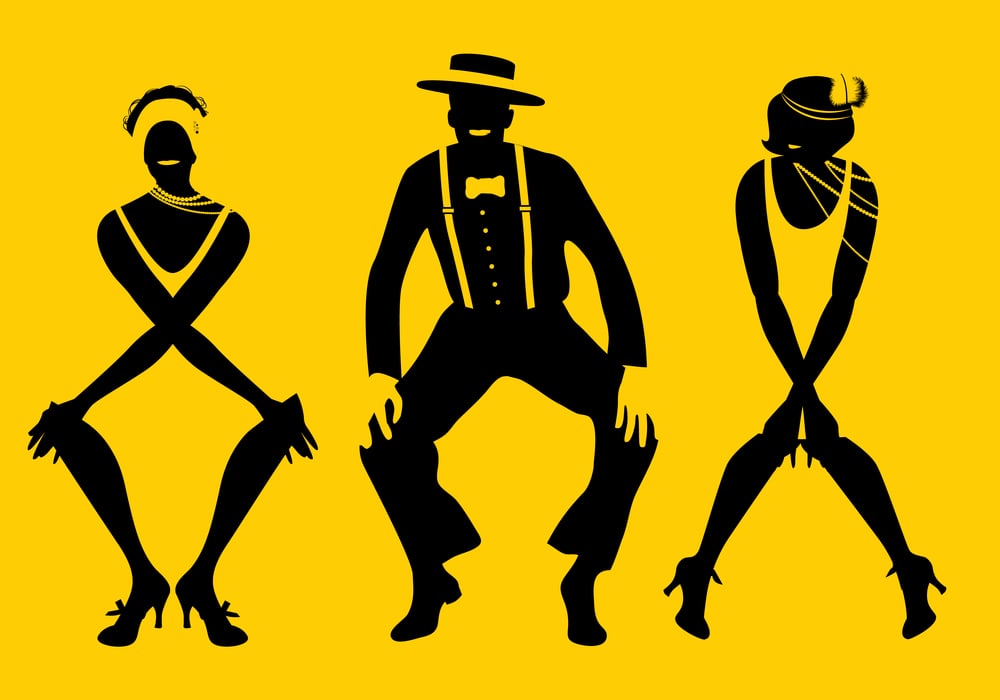
Flappers in the 1920s kicked their legs and swung their arms to this wild dance that shocked the older generation. The Charleston came from African American communities in the South and exploded onto the national stage when it appeared in a Broadway show.
Women wearing short dresses and bobbed hair danced it in speakeasies during Prohibition, and it became a symbol of rebellion and freedom. The energetic kicks and swiveling feet looked completely different from the formal dances that came before it.
Dance halls sometimes banned it because the moves were considered too reckless and the floors couldn’t handle all that stomping.
The Jitterbug

When swing music took over America in the 1930s and 1940s, the Jitterbug became the dance that matched its energy. Partners spun each other around, flipped through the air, and moved so fast that watching them was almost exhausting.
The dance started in African American clubs but quickly spread to white audiences as swing music became mainstream. Soldiers danced it before shipping off to war, and it appeared in countless movies that celebrated American spirit.
The Jitterbug required real athletic ability and trust between partners, making it as much a sport as a dance.
Like Go2Tutors’s content? Follow us on MSN.
The Twist

Chubby Checker told everyone to twist again like they did last summer, and millions of people actually listened. This 1960s sensation was beautifully simple because you didn’t need a partner and the moves were easy to copy.
People just moved their hips back and forth like they were stubbing out a nicotine stick with their feet while drying their back with a towel. Adults and teenagers both loved it, which was rare for a dance craze.
The Twist appeared on national television and brought rock and roll dancing into respectable venues where parents actually joined their kids on the dance floor.
The Mashed Potato
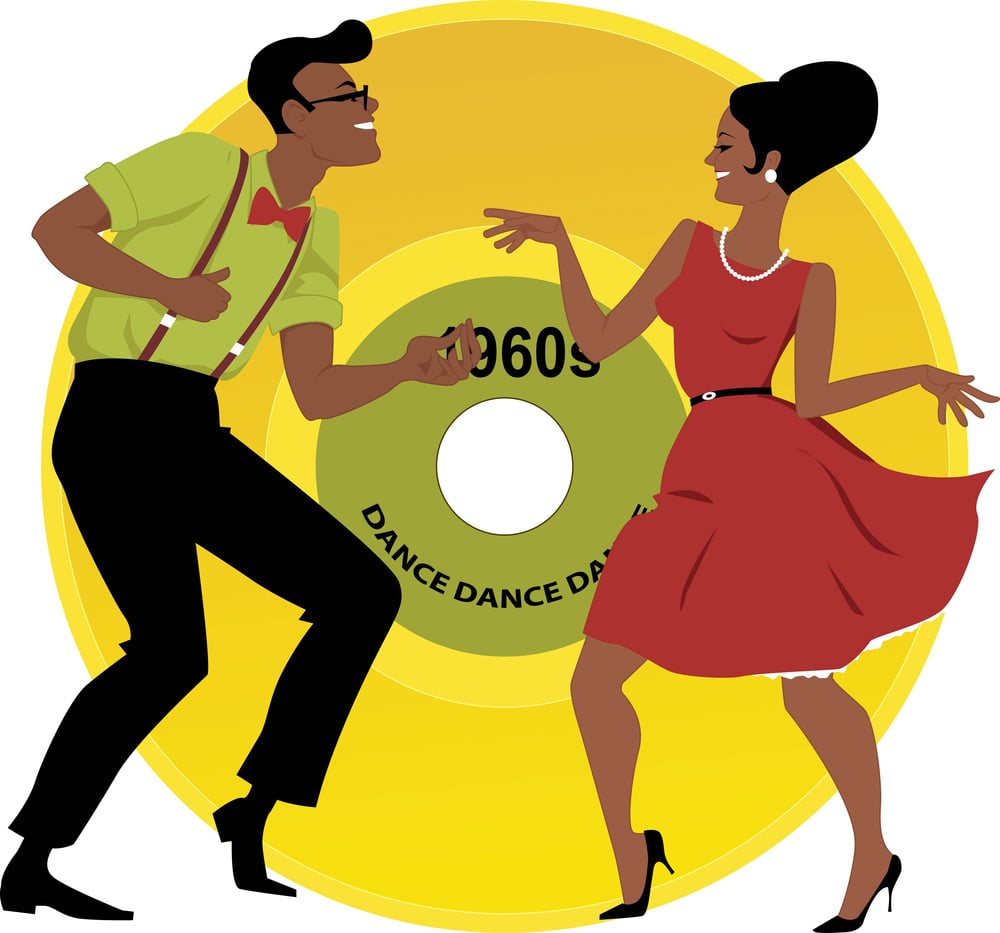
James Brown helped make this dance famous in the early 1960s, and kids everywhere started grinding their feet into the ground. Dancers shifted their weight from foot to foot while twisting their heels, making it look like they were literally mashing potatoes into the floor.
The move was smooth and cool, fitting perfectly with the soul music of the era. It was easier than the Twist but looked more complicated, which made people feel skilled when they pulled it off.
Dance shows on television featured the Mashed Potato regularly, and it became a staple at parties throughout the decade.
The Swim

Another 1960s favorite, this dance made people look like they were doing the front crawl right there on the dance floor. Dancers moved their arms in swimming motions while shuffling their feet and swaying their hips.
It caught on quickly because the movements came naturally to anyone who had ever been in a pool. The Swim appeared in beach party movies and became part of the whole surf culture phenomenon.
Kids practiced it at sock hops and turned gymnasiums into imaginary oceans filled with dancing teenagers.
Like Go2Tutors’s content? Follow us on MSN.
The Funky Chicken

Rufus Thomas created this goofy dance in the late 1960s, and somehow it became a legitimate craze. People flapped their arms like wings, bobbed their heads forward like pecking chickens, and generally looked ridiculous while having the time of their lives.
The whole point was to let loose and not care about looking cool. It showed up at weddings, bar mitzvahs, and family reunions throughout the 1970s.
The Funky Chicken proved that dances didn’t need to be smooth or sophisticated to bring joy to a crowd.
The Hustle
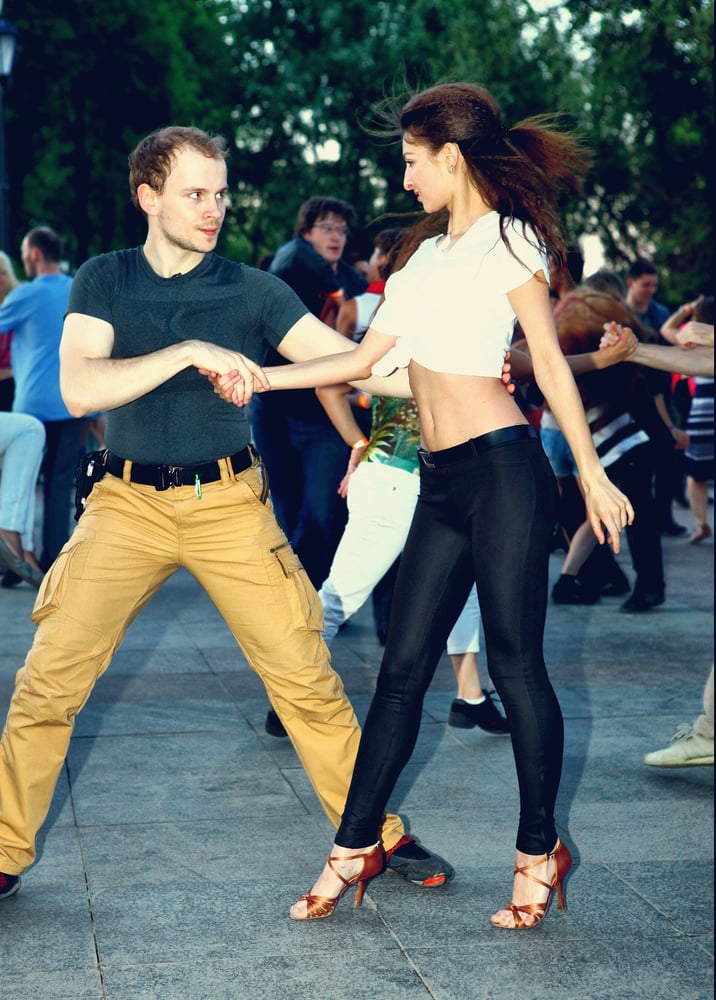
Disco took over the 1970s, and the Hustle was its signature dance. Partners moved together in patterns that required actual choreography and practice.
Unlike earlier partner dances, the Hustle worked perfectly with the steady beat of disco music and could be done in the tight spaces of crowded clubs. Saturday Night Fever made it a worldwide phenomenon and inspired people to take dance lessons just to learn it properly. The Hustle brought back partner dancing after years of solo moves dominating the dance floor.
The Robot

Dancers in the 1970s moved like machines with jerky, mechanical movements that mimicked robots and automatons. The key was making your body move in stiff, precise motions with sudden stops and starts.
It took real muscle control to do it well, and the best dancers could make it look effortlessly mechanical. The Robot fit perfectly with the futuristic themes popular in 1970s culture and appeared in music videos and dance competitions.
Michael Jackson later incorporated it into his performances, giving it new life in the 1980s.
Like Go2Tutors’s content? Follow us on MSN.
Breakdancing
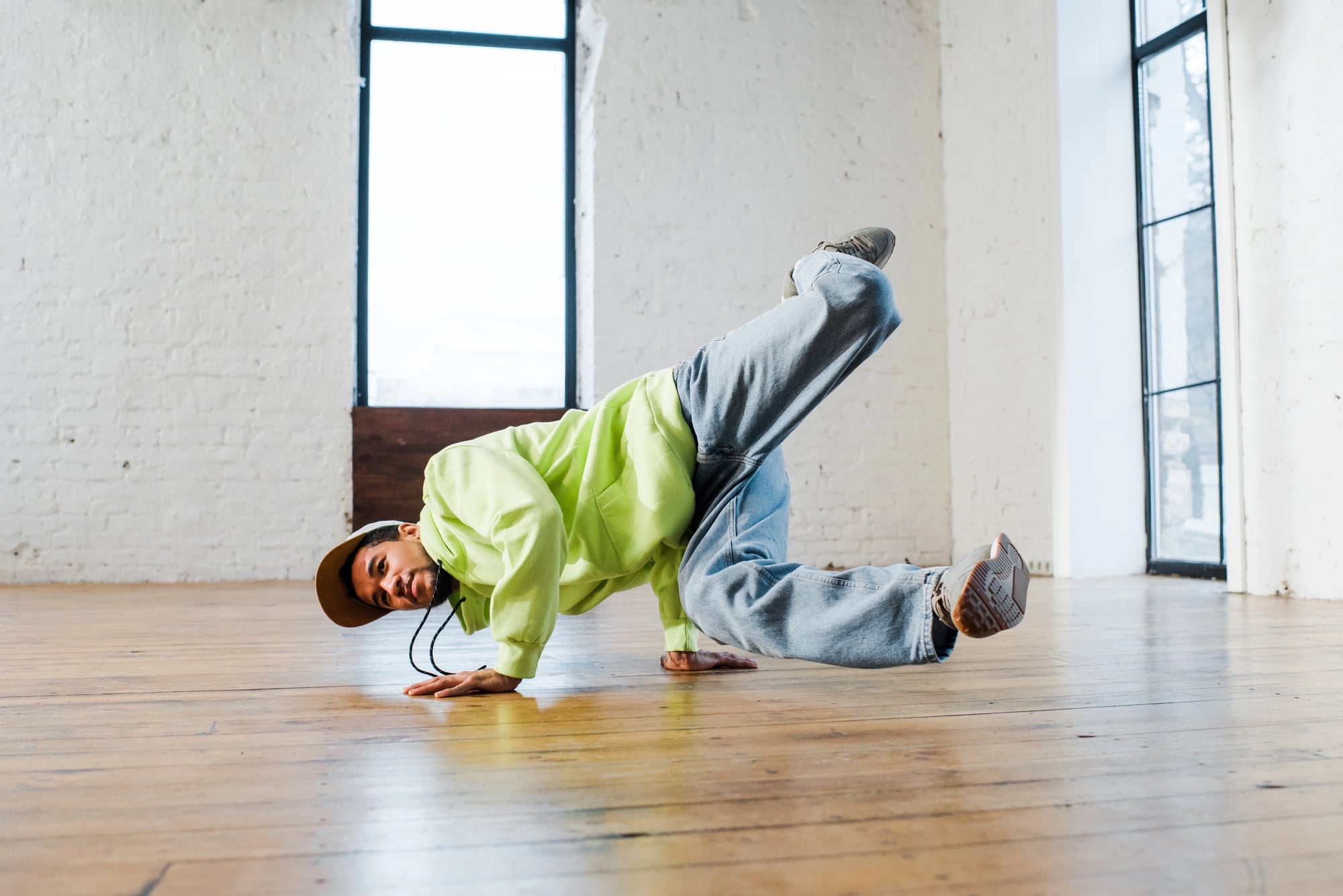
Hip hop culture gave birth to this athletic dance style that turned sidewalks and cardboard boxes into stages. Dancers spun on their heads, froze in impossible positions, and moved their bodies in ways that seemed to defy physics.
Breakdancing started in the Bronx but spread across the country through the 1980s, appearing in movies and music videos. Crews competed against each other in battles that were as much about respect and artistry as winning.
The dance required serious physical training and pushed the boundaries of what people thought dancing could be.
The Moonwalk
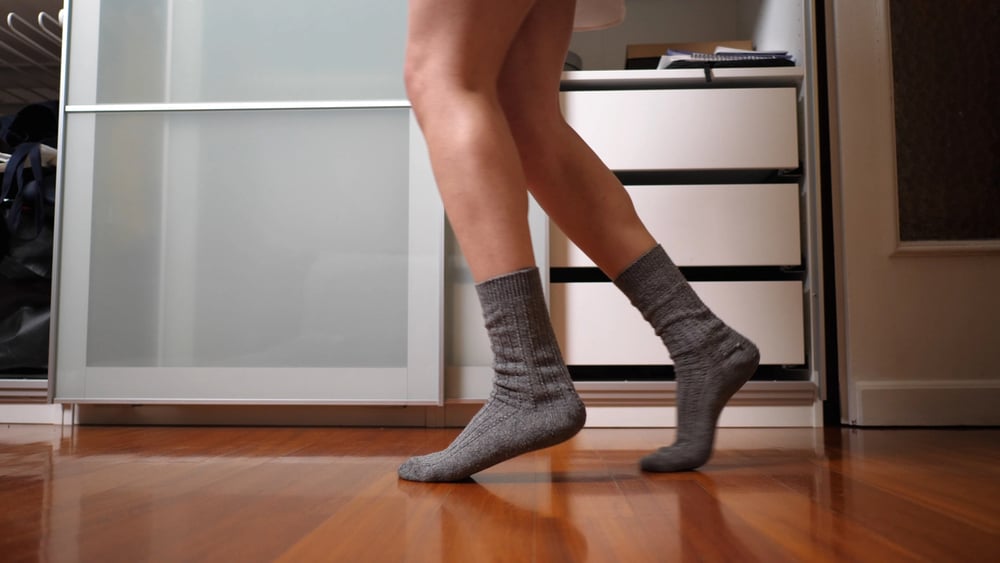
Michael Jackson glided backwards across the stage at Motown 25 in 1983, and the world lost its mind. The move created the illusion of walking forward while actually moving backwards, and it looked like pure magic.
Kids practiced it on linoleum floors and driveways throughout the 1980s, usually with mixed results. The Moonwalk became Jackson’s signature move and one of the most recognizable dance steps in history.
It combined elements of mime, popping, and breakdancing into something that looked completely original and impossible.
The Running Man
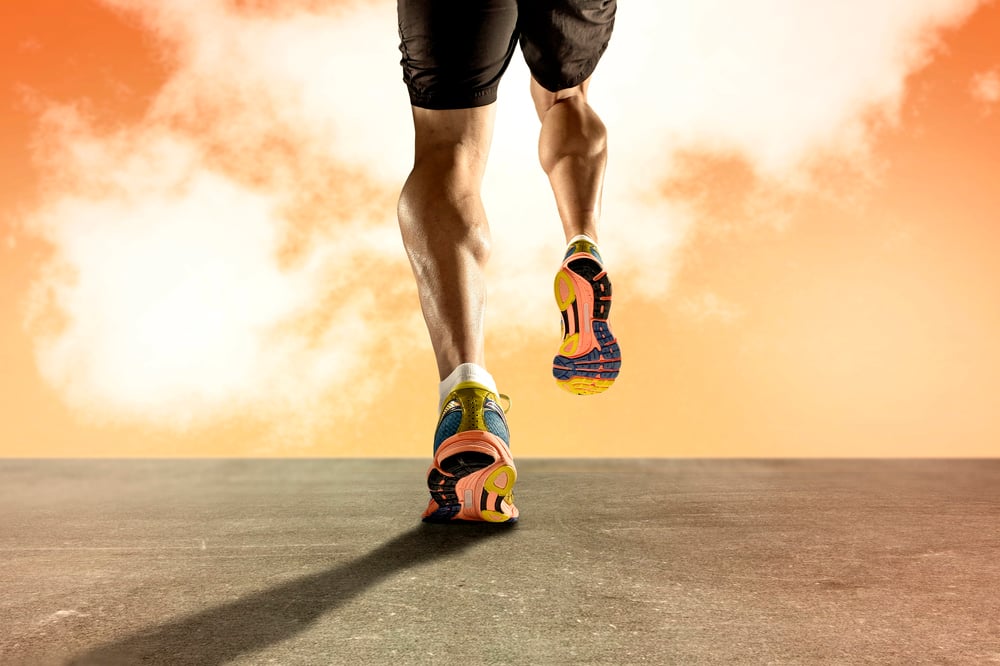
This 1980s staple had dancers moving their legs like they were running in place while sliding backwards. The move appeared in music videos, on dance shows, and at every school dance across America.
MC Hammer and other hip hop artists incorporated it into their routines, making it even more popular. The Running Man was easy enough for beginners but looked impressive when done with confidence and speed.
It survived into the 1990s and occasionally resurfaces in modern dance videos.
Like Go2Tutors’s content? Follow us on MSN.
Vogueing

Madonna brought this underground dance style from Harlem’s LGBTQ ballroom scene to mainstream audiences in 1990. Dancers struck poses inspired by fashion models and moved with sharp, angular precision.
Vogueing was about attitude, confidence, and creating living sculptures with your body. The dance had its own culture and history long before Madonna’s hit song introduced it to wider audiences.
It influenced fashion, music videos, and how people thought about the relationship between dance and identity.
The Macarena

Los Del Rio created a simple dance that took over weddings, sporting events, and parties throughout the mid-1990s. Everyone learned the same sequence of arm movements and hip swings, creating instant unity on any dance floor.
The Macarena was embarrassingly simple but impossible to resist when the song came on. It became a global phenomenon, teaching millions of people the same choreography.
Sports stadiums still play it occasionally, proving that some dance crazes never completely die.
The Electric Slide

Line dancing came to urban dance floors with this smooth, synchronized routine from the 1970s that peaked in popularity during the 1990s. Groups of people lined up and moved through the steps together, creating waves of coordinated movement.
The Electric Slide appeared at every kind of celebration and got people of all ages participating together. Nobody needed a partner, and everyone could join in once they learned the pattern.
It democratized dancing by making participation easy and creating instant community through shared movement.
Like Go2Tutors’s content? Follow us on MSN.
The Soulja Boy

Teenage rapper Soulja Boy taught millions of people his dance through a viral music video in 2007. The routine included signature moves like the Superman and had specific steps that everyone tried to copy exactly.
YouTube allowed the dance to spread faster than any previous craze, with kids posting their own versions online. The Soulja Boy represented how internet culture could create and spread dance phenomena without traditional media.
It showed that a teenager with a camera and internet connection could influence global dance trends.
The Dougie

This smooth, swaying dance from Dallas became a nationwide sensation in the early 2010s. The move involved leaning and swaying with confident, loose movements that looked effortless when done right.
Athletes celebrated touchdowns with it, and celebrities posted videos of themselves doing the Dougie. The dance emphasized individual style within a recognizable framework, letting people add their own personality.
It spread through social media and became a cultural touchstone for a generation that grew up with smartphones.
The Harlem Shake
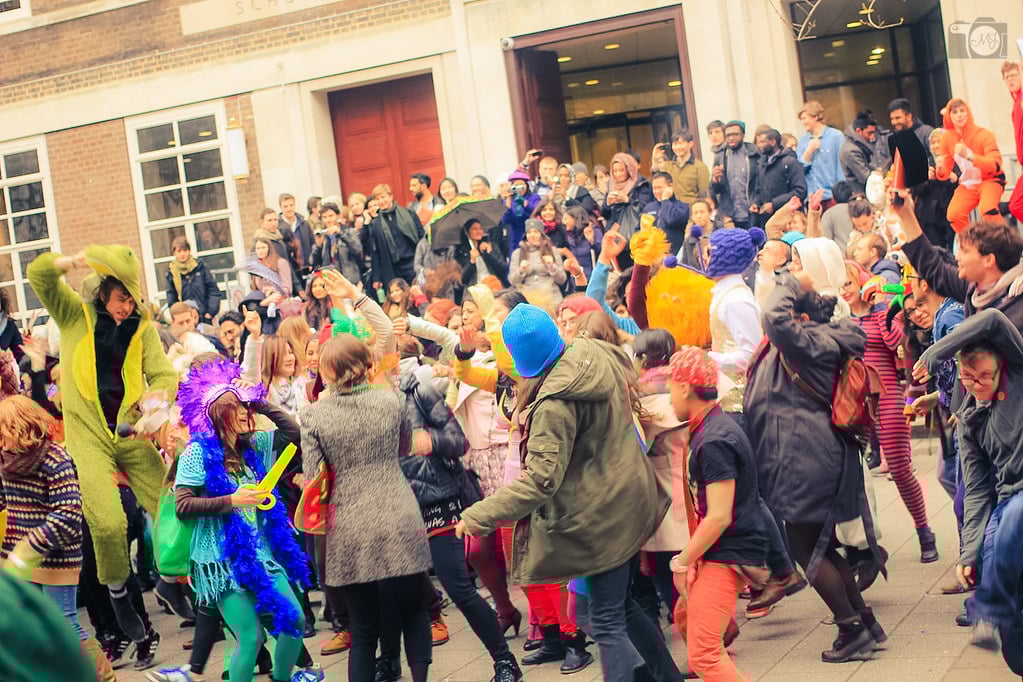
A 30-second format took over the internet in 2013, with videos showing one person dancing while others ignored them, then suddenly everyone went wild. This wasn’t really a traditional dance craze but rather a viral video phenomenon.
People filmed versions in offices, schools, and even on submarines. The Harlem Shake showed how dance crazes had evolved in the digital age, becoming more about video creation than actual dancing.
The trend burned bright and fast, then disappeared almost as quickly as it had arrived.
Like Go2Tutors’s content? Follow us on MSN.
The Floss

A teenage boy on a talent show did a simple arm-swinging, hip-moving dance in 2017, and suddenly everyone knew how to Floss. Kids taught it to their parents, celebrities did it on television, and it became a victory celebration in video games.
The move was awkward and silly but strangely addictive to watch and perform. The Floss represented how quickly a dance could spread in an era of constant social media sharing.
It proved that even in a fragmented media landscape, a simple dance could still unite people across the world.
From dance floors to phone screens

Dance crazes have always reflected their times, changing with technology and culture while serving the same basic purpose. They give people a way to connect, express themselves, and participate in something bigger than themselves.
The dances that once spread through dance halls and television now go viral on social media, but the joy they bring remains constant. Each generation thinks their dance craze is unique, and in some ways it is, but the human need to move together in rhythm connects us all across the decades.
Tomorrow’s dance sensation is probably being created right now, ready to make the world move in ways nobody has imagined yet.
More from Go2Tutors!

- 16 Historical Figures Who Were Nothing Like You Think
- 12 Things Sold in the 80s That Are Now Illegal
- 15 VHS Tapes That Could Be Worth Thousands
- 17 Historical “What Ifs” That Would Have Changed Everything
- 18 TV Shows That Vanished Without a Finale
Like Go2Tutors’s content? Follow us on MSN.



