20 Cities Built in the Worst Possible Places for Human Survival
Some cities just make you scratch your head and ask, Why would anyone build here?
From deserts with blistering heat to flood zones that can barely stay above water, there are places on the map that defy common sense. And yet, millions of people call them home.
History, money, politics—something always plays a part. But when you really look closely, the locations seem like someone lost a bet.
Here is a list of 20 cities around the world that were built in locations that seem fundamentally unsuitable for large human populations. Yet, they persist and even grow despite nature’s constant challenges.
Las Vegas, USA
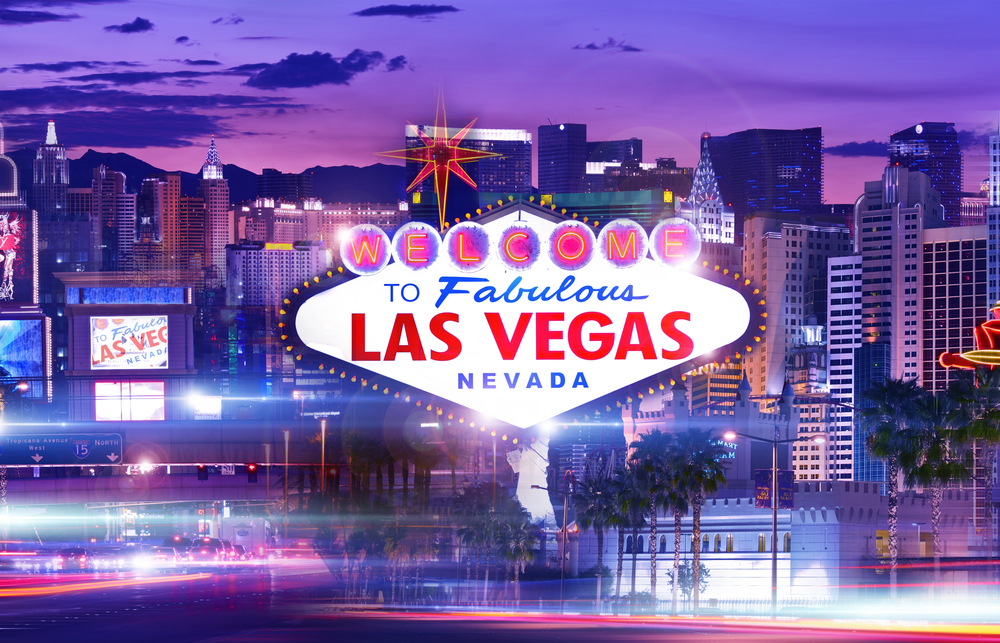
Las Vegas is bright, loud, and full of energy—but it’s also in the middle of a desert. It gets most of its water from Lake Mead, which has been shrinking fast.
The city faces a serious water crisis with little rainfall and rising temperatures. Building a mega-city here felt bold, but keeping it running is turning into a constant struggle.
You can’t gamble with nature and expect to win every time.
Jakarta, Indonesia
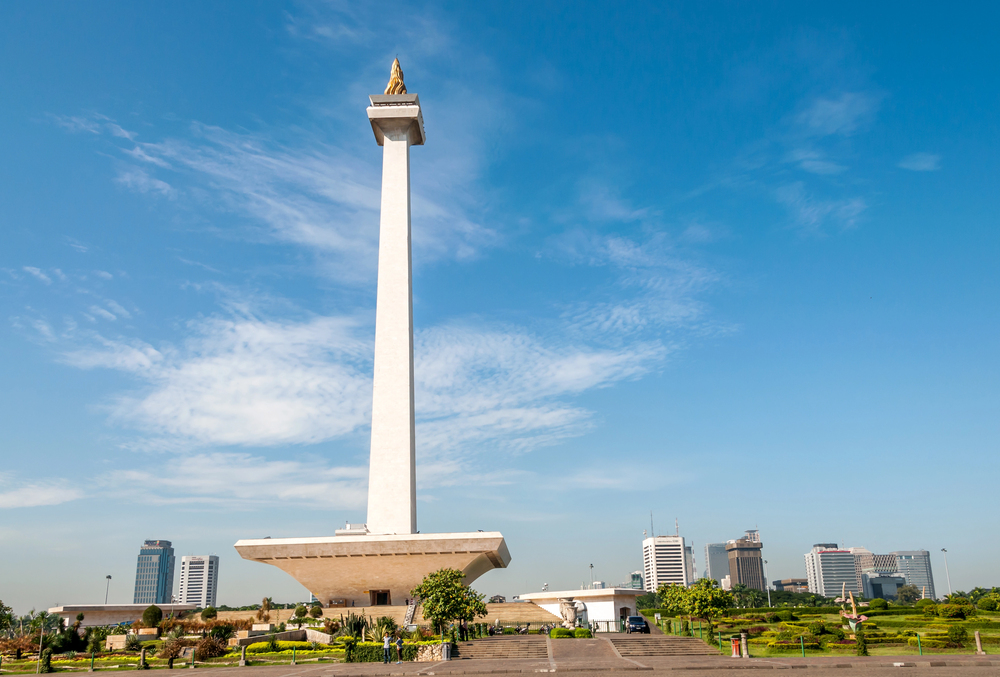
Jakarta is slowly sinking—literally. The city was built on swampy land and relies heavily on groundwater, causing the ground beneath it to collapse.
Add rising sea levels and constant flooding to the mix, and it’s easy to see why this city is in trouble. Plans are in place to move the capital, but millions still live in risky zones.
It’s a race between water and time.
Cairo, Egypt
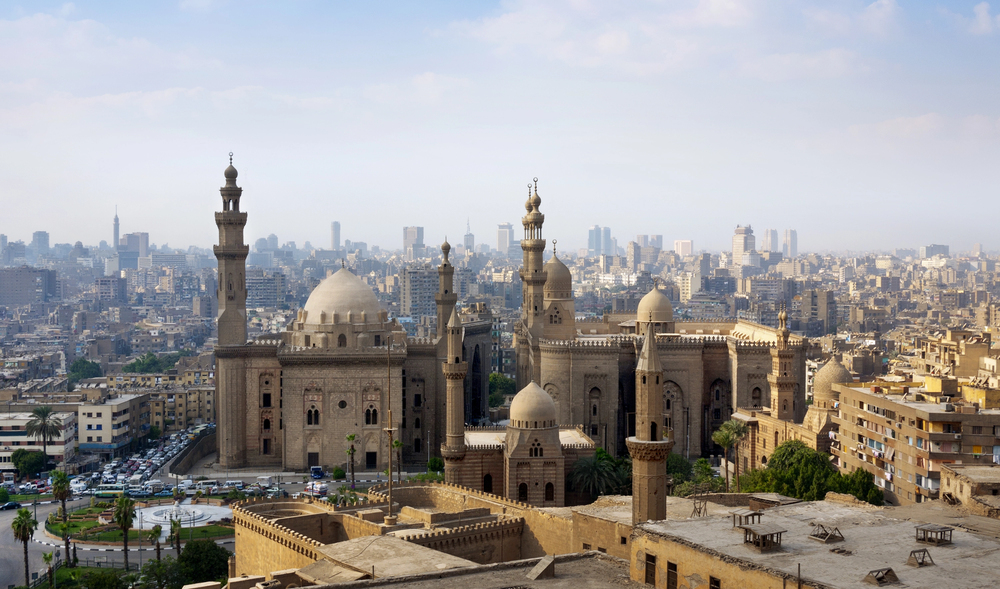
Cairo depends almost entirely on the Nile River for water, yet it’s surrounded by dry desert. The city’s rapid growth is putting pressure on already limited resources.
Pollution and overuse are making things worse. It’s a city where water is everything—but where there’s never quite enough.
Not the best recipe for long-term survival.
Dhaka, Bangladesh
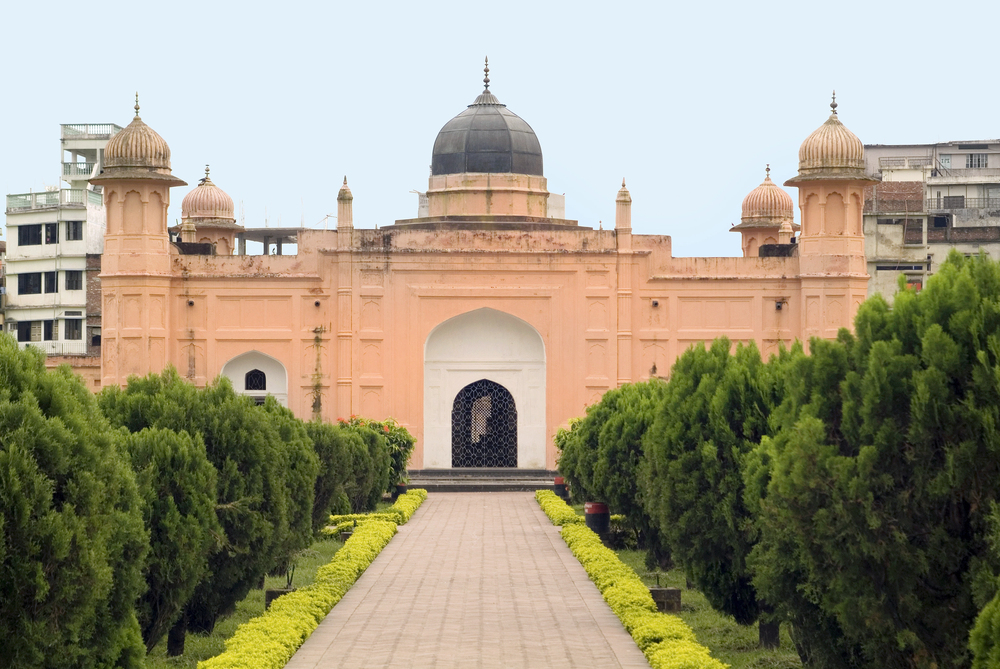
Dhaka is overcrowded, flood-prone, and regularly hit by deadly cyclones. The city sits in a low-lying delta, which means water finds its way in often—and with force. With poor drainage and weak infrastructure, even a little rain can bring chaos.
And yet, it’s one of the fastest-growing cities in the world. Growth doesn’t always mean safety.
Venice, Italy
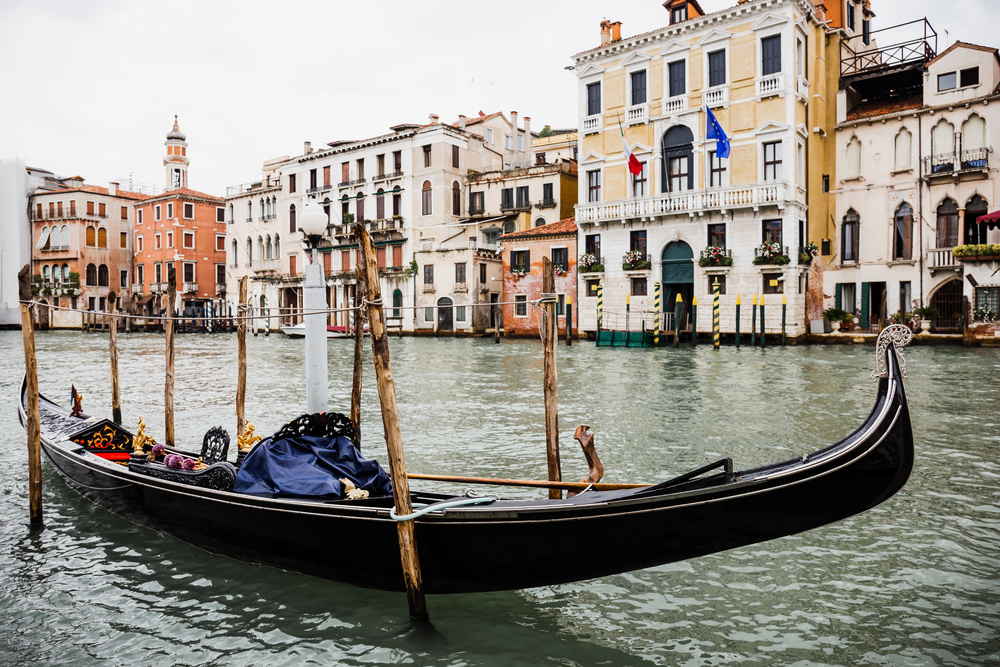
Venice is beautiful, no doubt. But building a city on water, supported by wooden piles driven into soft mud, was always a risky move.
Sea levels are rising, tides are stronger, and floods are more frequent than ever. The city is slowly sinking, and high-water days are becoming normal.
Romance aside, this place is fighting a losing battle with the sea.
Mexico City, Mexico
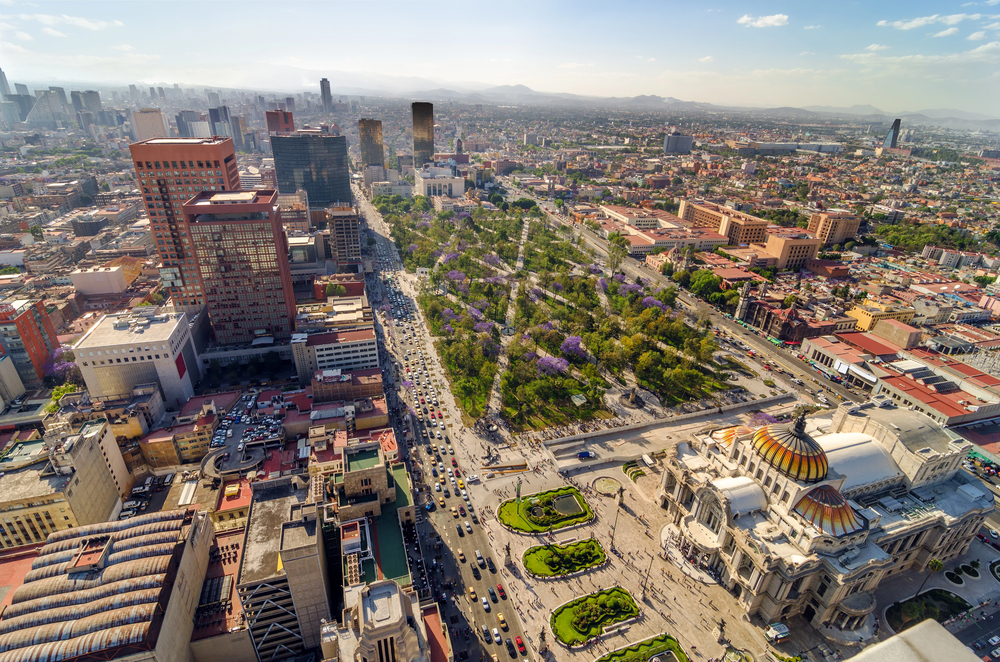
Mexico City was built on a drained lake bed. Now it’s sinking under its own weight.
The city takes water from underground, which causes the soft soil beneath to collapse. Some parts are dropping by several inches every year.
You’d think someone would’ve stopped after the first warning signs, but here we are.
New Orleans, USA
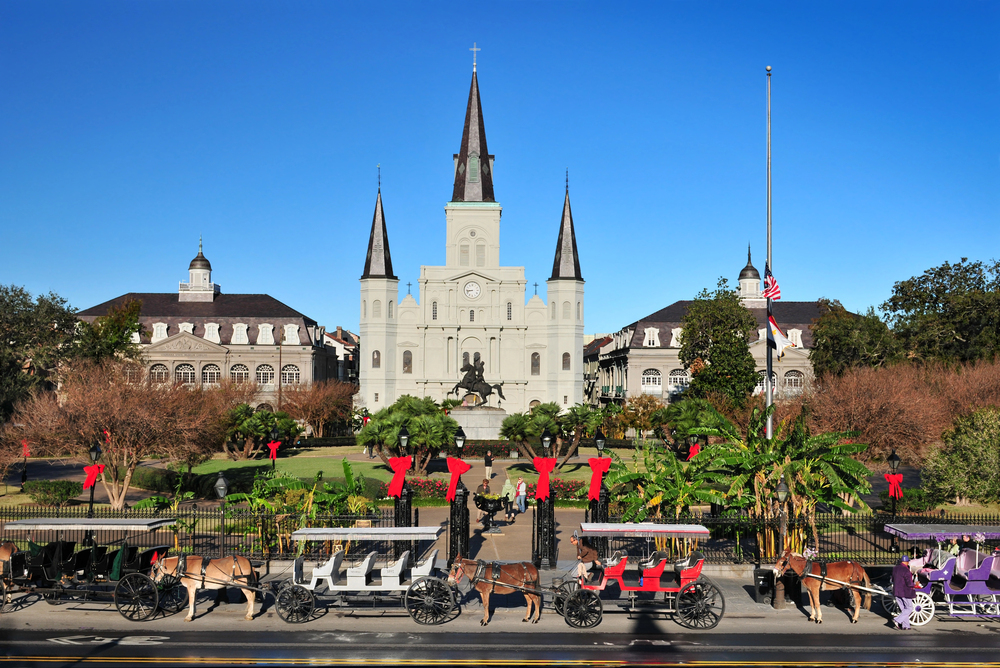
New Orleans sits below sea level and is surrounded by water. Levees and pumps do their best, but hurricanes like Katrina proved just how fragile it all is.
Wetlands that once offered protection are disappearing fast. Living here means keeping one eye on the sky and another on the levees.
Nature doesn’t knock—it barges in.
Lima, Peru
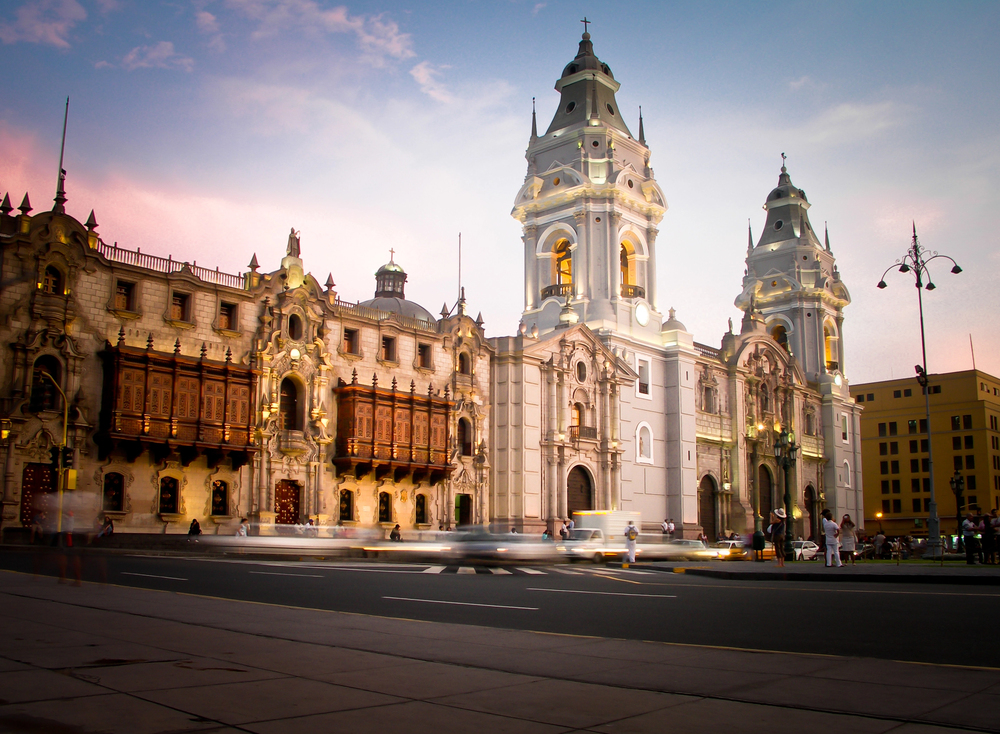
Lima is a coastal city that barely gets any rain. It depends on rivers fed by shrinking glaciers in the Andes.
Water scarcity is becoming a major issue, especially as the population grows. Imagine living in a city where it never rains, but millions still need water daily.
That’s Lima’s everyday problem.
Phoenix, USA
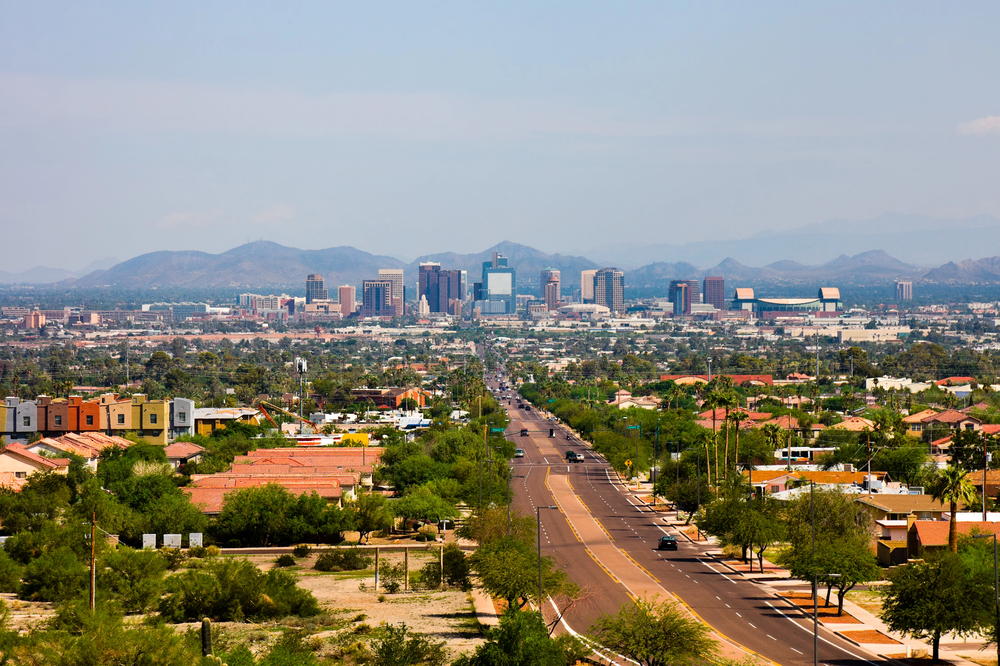
Phoenix gets hot—really hot. Summer temperatures can hit 115°F (46°C) or more.
Add in long dry spells and it becomes clear this desert city wasn’t meant for so many people. It uses a lot of energy just to keep things cool.
Surviving here means fighting the heat almost all year round.
Baku, Azerbaijan
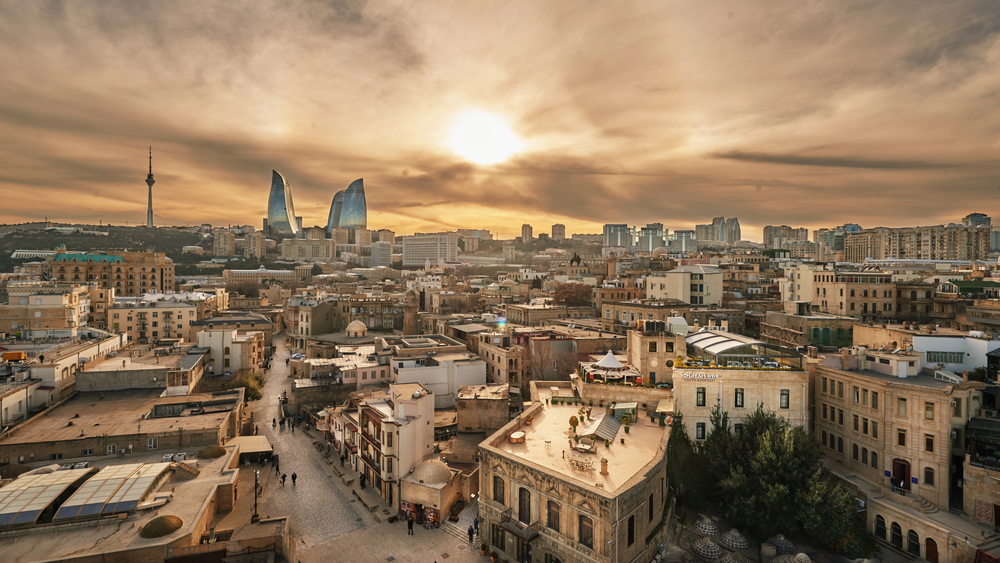
Baku sits below sea level on the edge of the Caspian Sea. The area is prone to earthquakes and strong winds.
It’s also heavily polluted due to years of oil drilling. The ground isn’t stable, the air isn’t clean, and the sea might one day rise even more.
There’s not much working with the environment here.
Iquitos, Peru
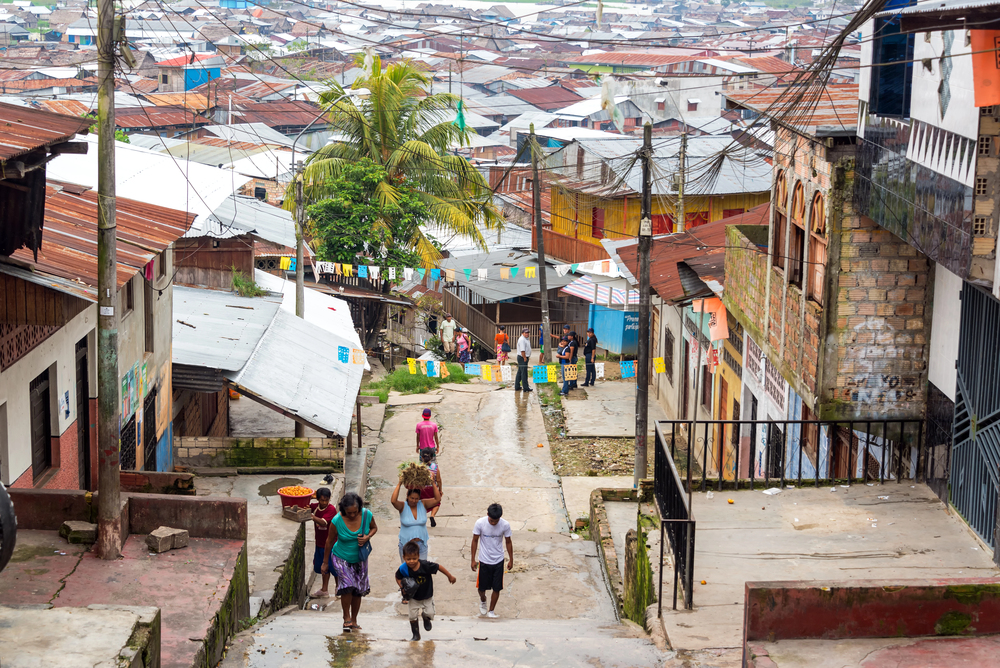
You can only get to Iquitos by boat or plane, surrounded by the thick Amazon jungle. The city floods regularly, and insects carrying diseases are a year-round threat.
Supplies are expensive to bring in, and building here is tough. It’s like nature put up a sign that said “Keep Out,” and humans ignored it.
La Paz, Bolivia
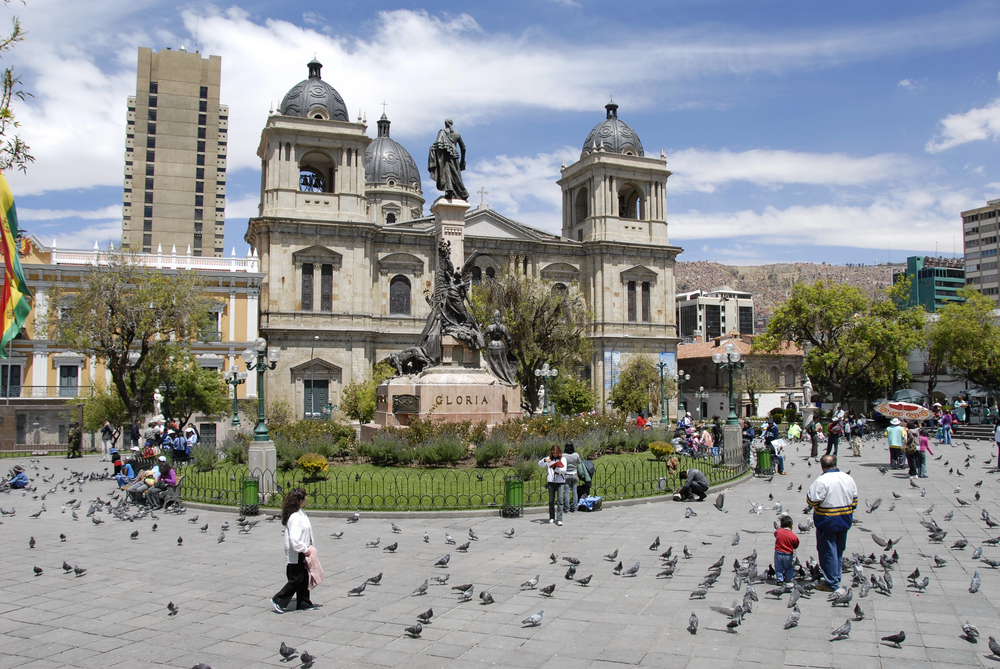
La Paz sits high in the Andes at over 11,000 feet. Breathing can be tough, especially for visitors.
The cold, thin air and steep terrain make daily life a challenge. Landslides are a risk, and transport isn’t easy.
It’s beautiful but harsh—definitely not your average city setup.
Dubai, UAE
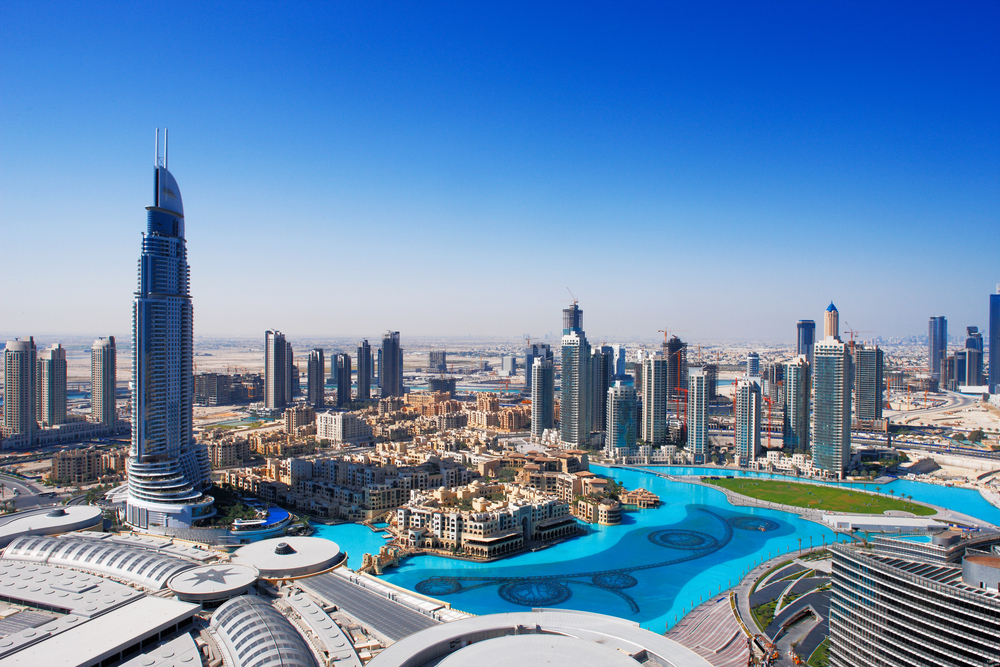
Dubai was built in the desert, where daytime temperatures can soar and water is scarce. It relies on desalinated seawater and imported food.
Without energy and tech, it wouldn’t last long. It’s a city that looks shiny and strong but needs constant support to keep going.
Nothing about this setup is simple.
Port-au-Prince, Haiti
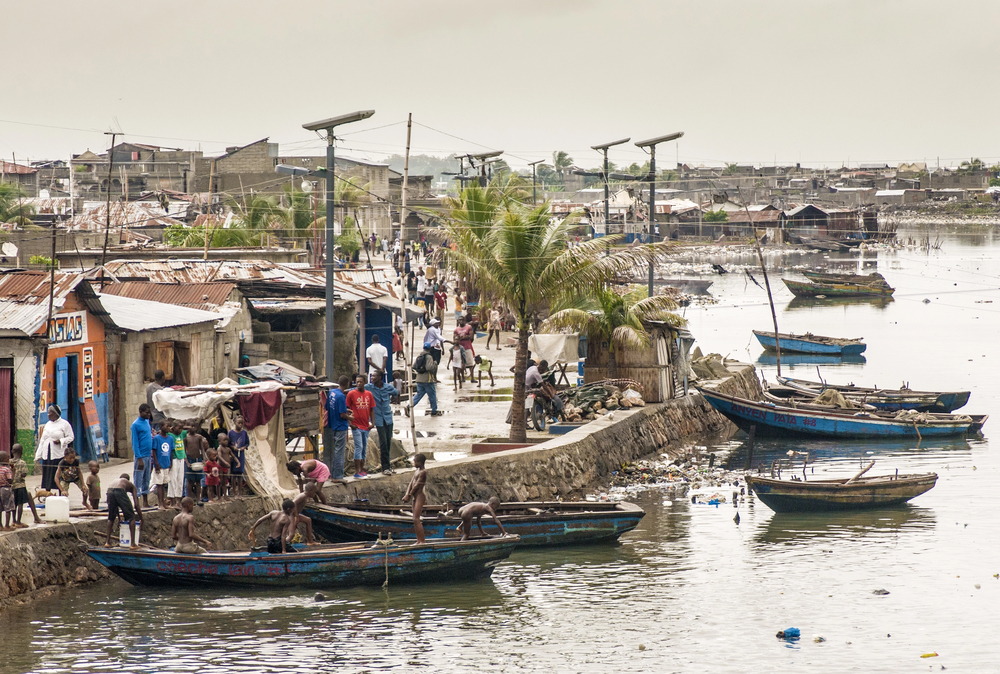
Port-au-Prince faces earthquakes, hurricanes, and flooding. The 2010 earthquake showed just how dangerous the area can be.
Poor construction and weak infrastructure make disasters even worse. Recovery is slow because the risks never stop coming.
It’s a city that never gets to fully rest.
Bam, Iran
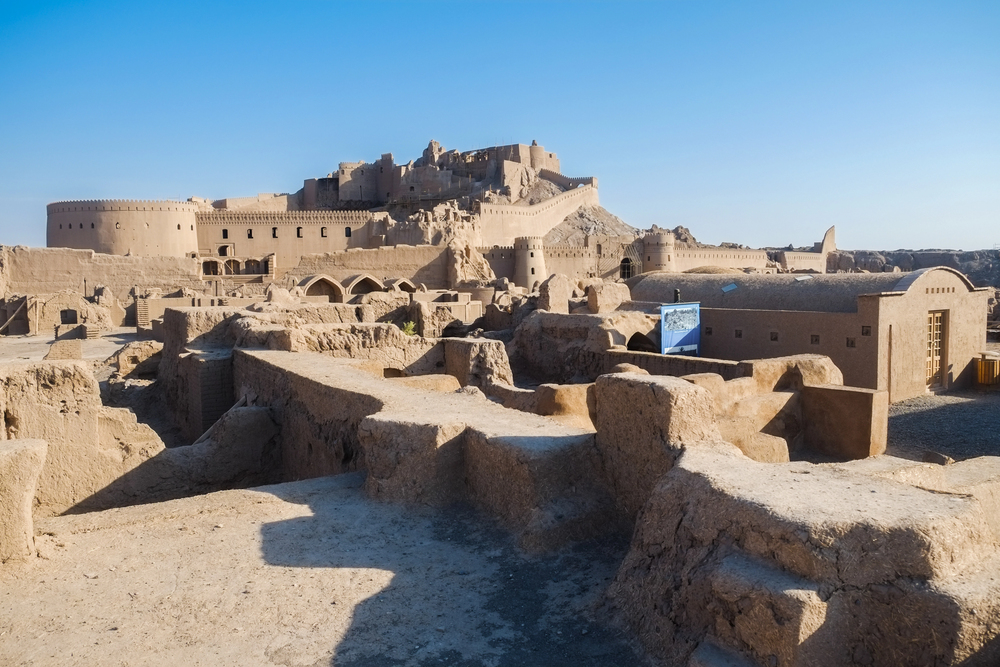
Bam sits on a major fault line. In 2003, an earthquake nearly flattened the city, killing tens of thousands.
It was rebuilt, but the danger remains. Living here means living with constant risk beneath your feet.
Earthquakes don’t give warnings—they just hit.
Thule, Greenland
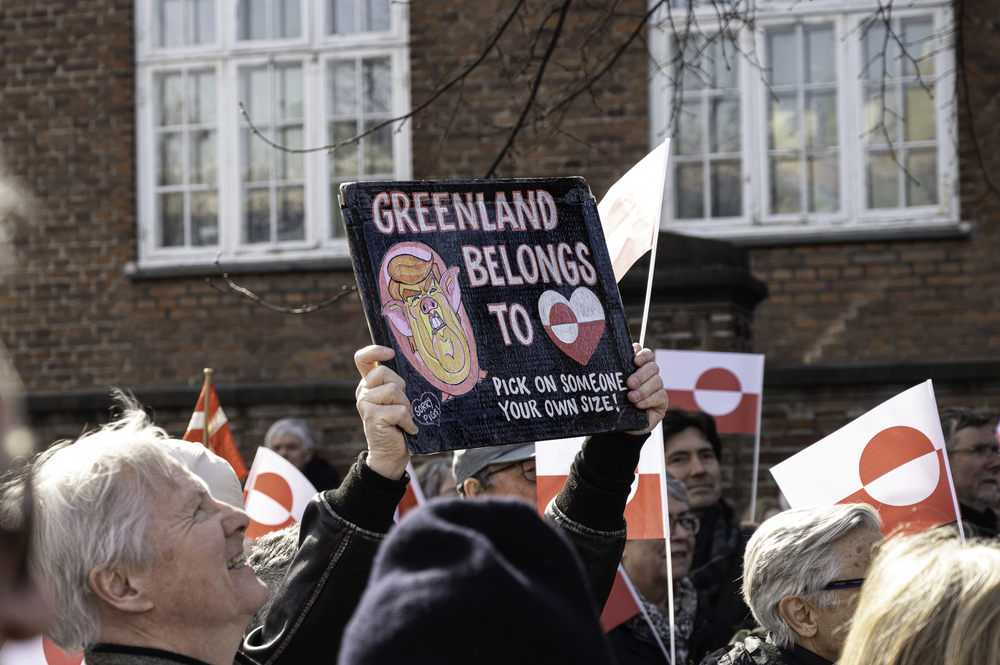
Thule is one of the northernmost places on Earth. It’s dark for months and freezing most of the year.
Supplies have to be flown or shipped in during short windows. It’s isolated and harsh.
People here don’t just live—they survive.
Homs, Syria
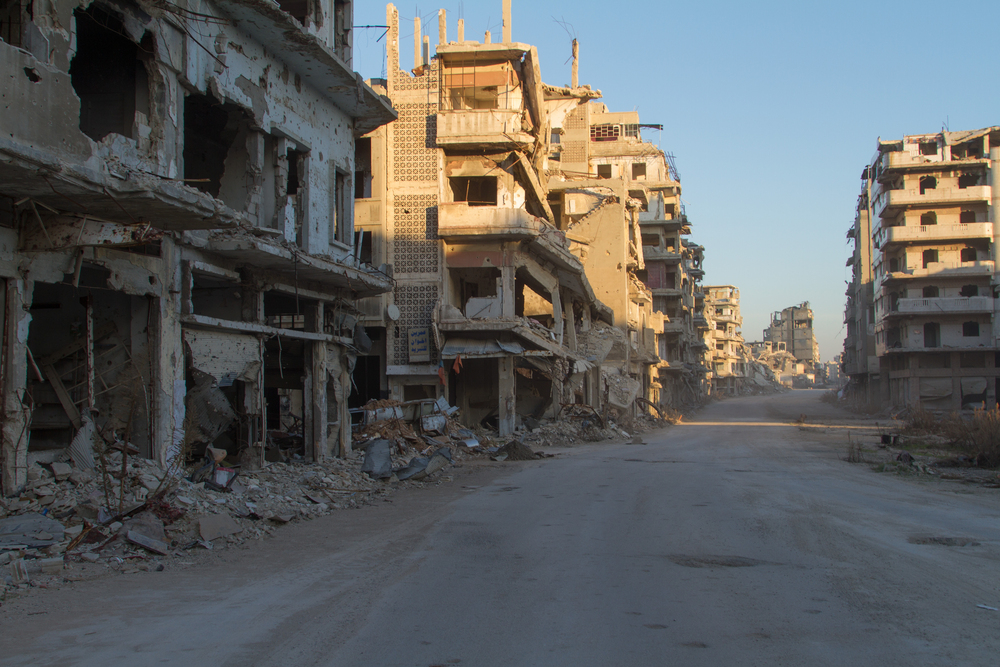
Before the war, Homs was already struggling with water and food access. Now, after years of conflict, the infrastructure is in ruins.
The climate is dry, and rebuilding is hard without stable conditions. People here are caught between natural hardship and man-made crisis.
It’s a tough place to rebuild life.
Cherrapunji, India
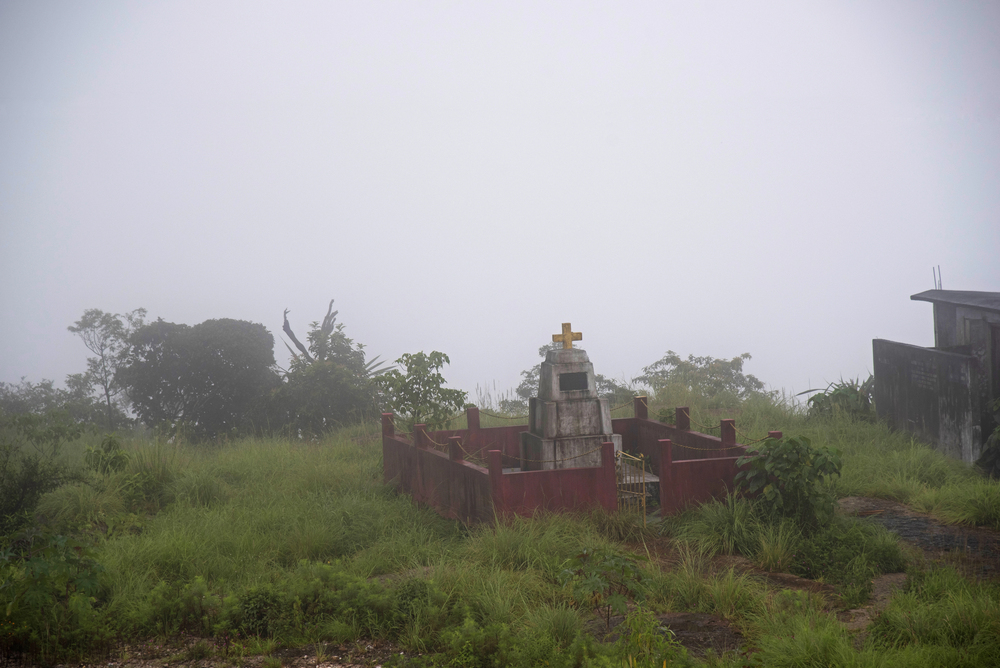
Cherrapunji gets more rain than almost anywhere on Earth. But strangely, it still struggles with water shortages.
The rain comes all at once, then disappears. The ground can’t hold it, and much of it flows away.
It’s a place soaked in water but thirsty for supply.
Monrovia, Liberia
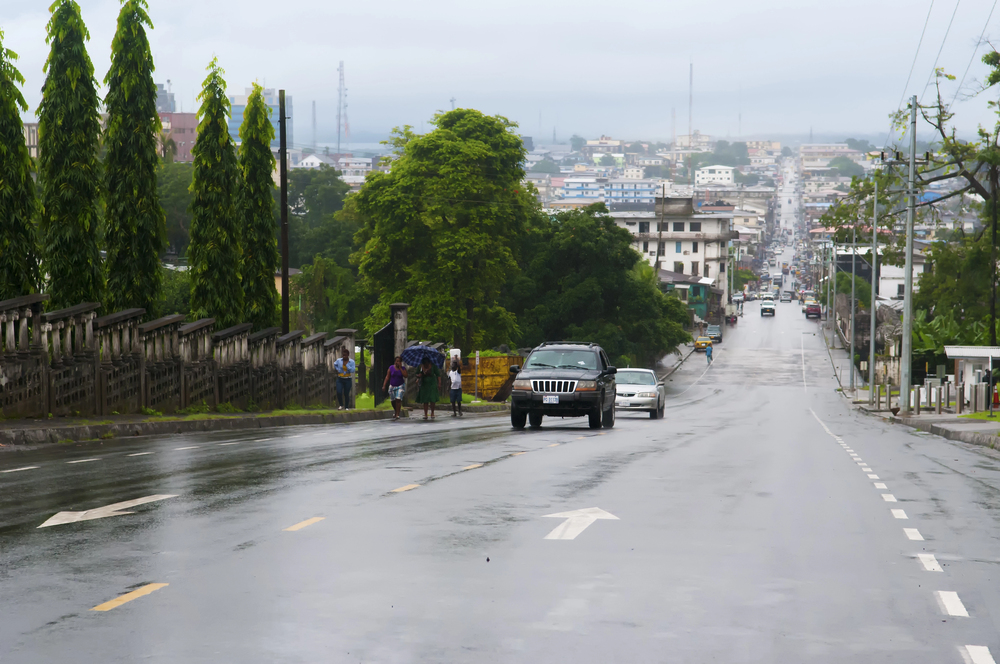
Monrovia sits on the Atlantic coast and floods easily. Poor waste systems and drainage mean water sticks around—along with diseases.
Coastal erosion is also chewing away land. Every storm brings new damage. And rebuilding isn’t quick or easy.
Funafuti, Tuvalu
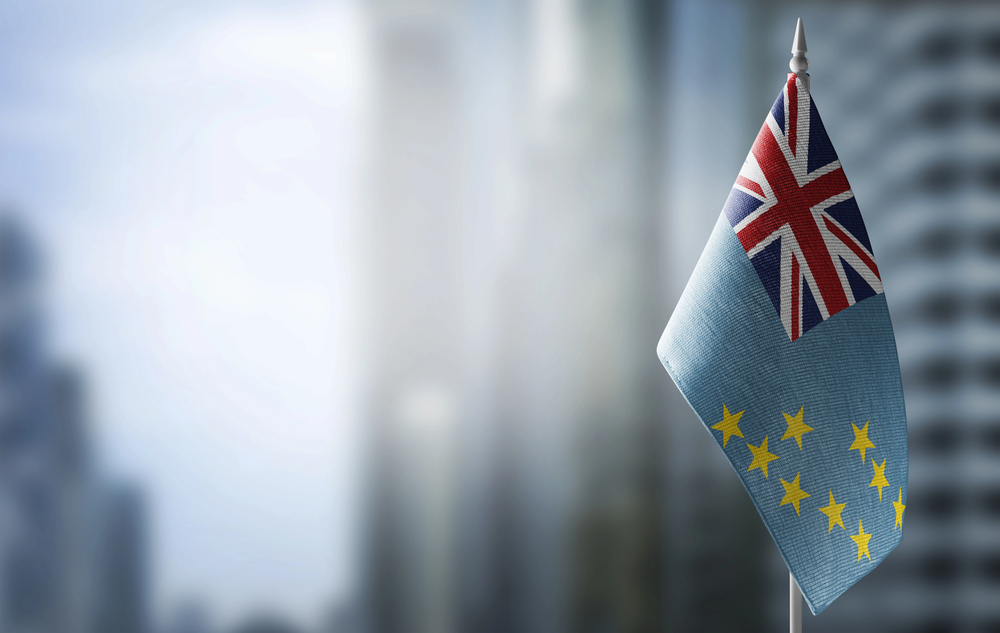
Funafuti is only a few feet above sea level. It’s the capital of one of the world’s smallest countries, Tuvalu.
Rising oceans are a serious threat. One strong wave can flood big parts of the island.
There’s barely any space to run, and even less room to grow.
When Nature Had the Final Say
Many of these cities were built with hope, ambition, or just plain stubbornness. They stand today not because they’re easy to live in, but because people pushed through impossible odds.
Technology has helped, but even that has limits. Nature doesn’t forget, and it always keeps a score.
Whether sinking, flooding, overheating, or running dry—these cities are living proof that location matters. Building against the rules of nature is like swimming against the tide.
You might make progress, but it’ll wear you out.
More from Go2Tutors!

- The Romanov Crown Jewels and Their Tragic Fate
- 13 Historical Mysteries That Science Still Can’t Solve
- Famous Hoaxes That Fooled the World for Years
- 15 Child Stars with Tragic Adult Lives
- 16 Famous Jewelry Pieces in History
Like Go2Tutors’s content? Follow us on MSN.