15 Amazing Bird Sleep Behaviors
Birds have some of the most fascinating and unusual sleep habits in the animal kingdom. While we humans simply crawl into bed and close our eyes, our feathered friends have developed incredible strategies to catch some rest while staying alive in a world full of predators and challenges. From sleeping while flying thousands of feet in the air to keeping one eye open for danger — birds have mastered the art of power napping in ways that would make any sleep-deprived human jealous.
These remarkable sleep behaviors have evolved over millions of years, helping birds survive everything from long migrations to harsh winters. Here is a list of 15 amazing bird sleep behaviors that showcase just how creative nature can be when it comes to getting some shut-eye.
Unihemispheric Slow-Wave Sleep
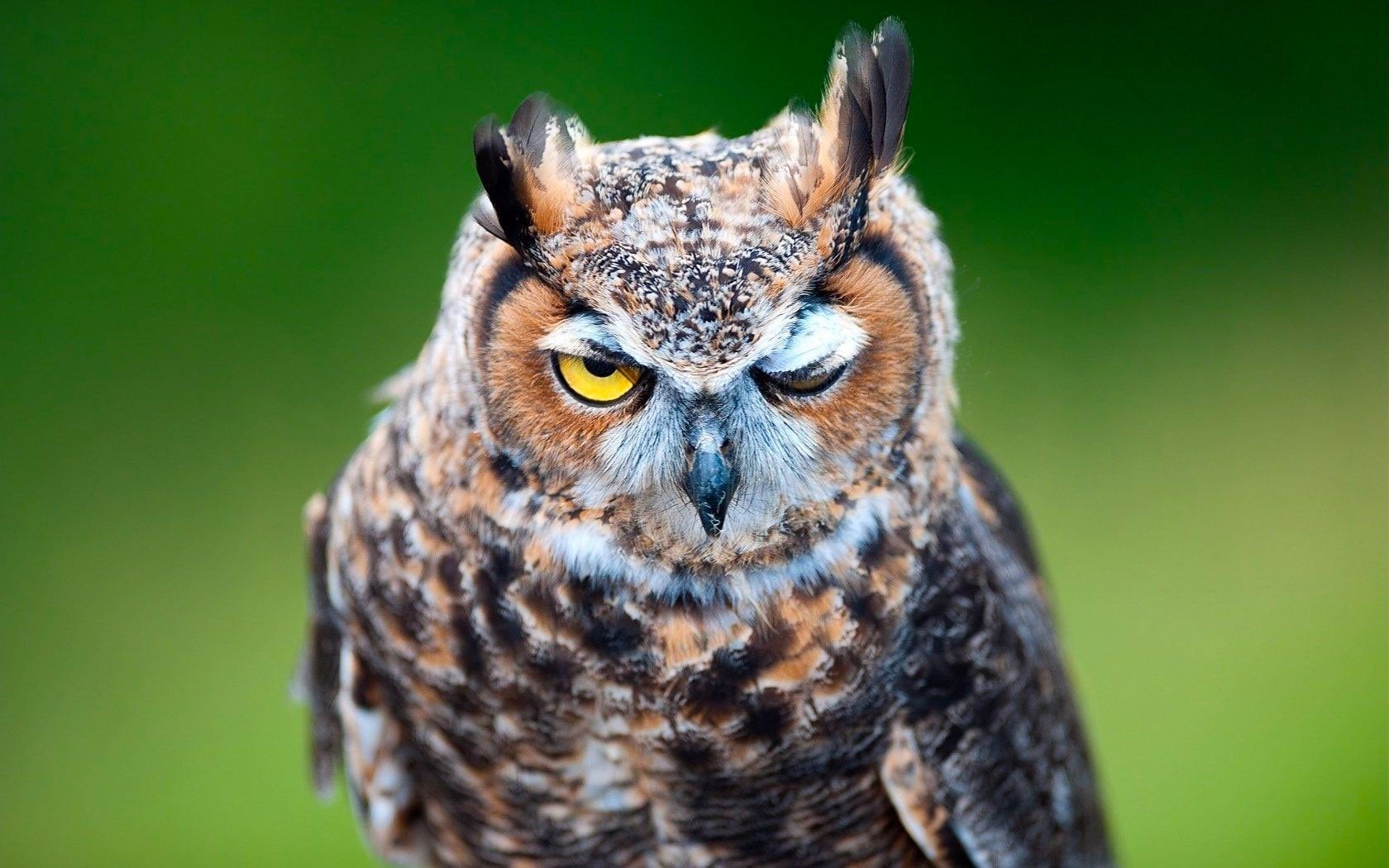
Many birds can literally sleep with one eye open by shutting down only half their brain at a time. This incredible ability allows them to rest while still watching for predators or maintaining basic functions like breathing and balance.
Ducks and other waterfowl are masters of this technique — often sleeping in groups where the birds on the outside keep their outward-facing eye open while the inner birds get deeper rest.
Aerial Sleep During Migration

Some migrating birds actually sleep while flying, using brief microsleep episodes that last just a few seconds at a time. Alpine swifts have been recorded staying airborne for up to 200 days straight during migration — catching quick naps between wing beats.
This behavior is like a trucker taking power naps at red lights, except these birds are cruising at 25,000 feet above sea level.
Communal Roosting
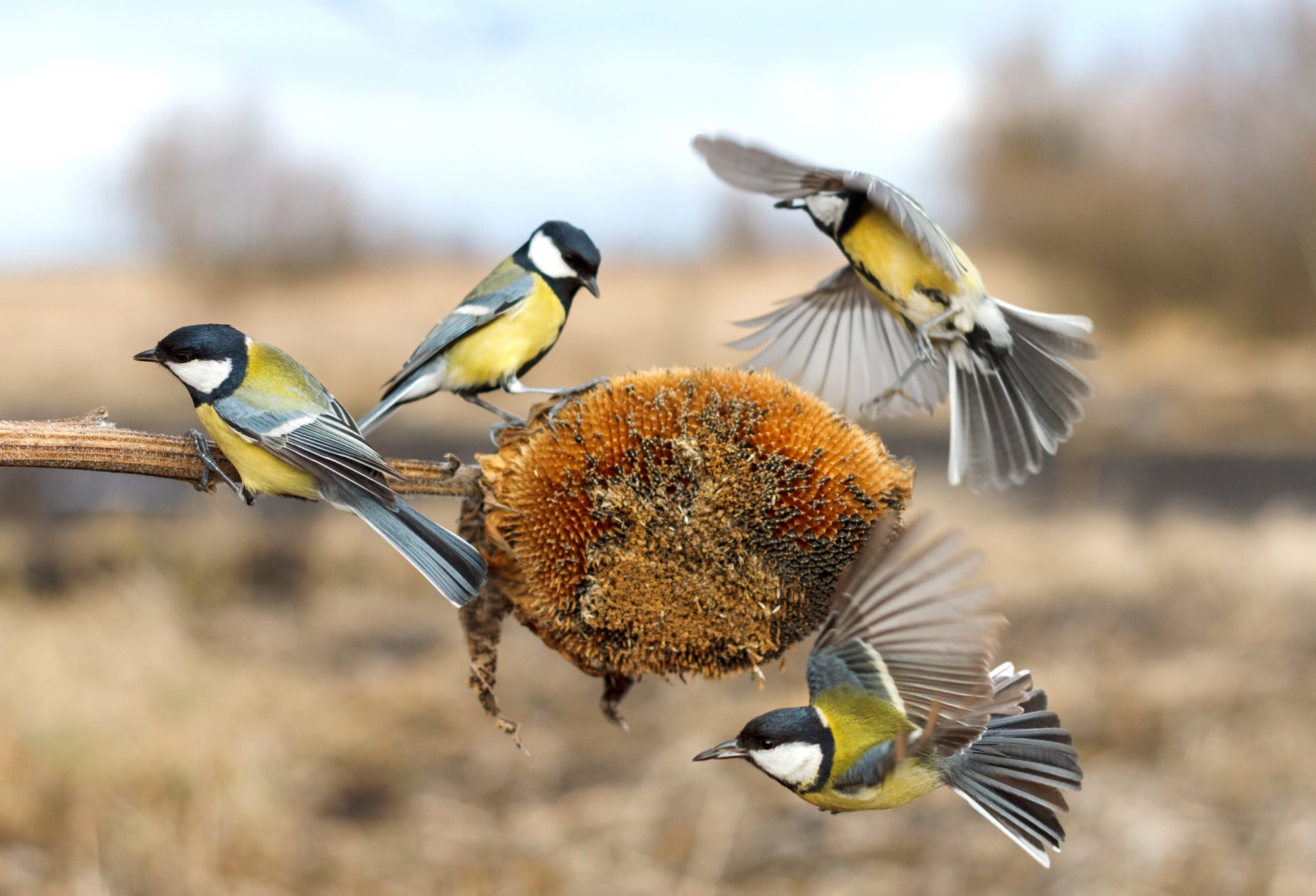
Many bird species gather in massive groups to sleep together, creating warmth and safety through sheer numbers. Small birds like starlings and blackbirds form roosts that can contain hundreds of thousands of individuals — turning trees into living, breathing apartment complexes.
The birds in the center stay warmest while those on the outside rotate inward throughout the night, creating a constantly shifting blanket of feathers.
Standing Sleep
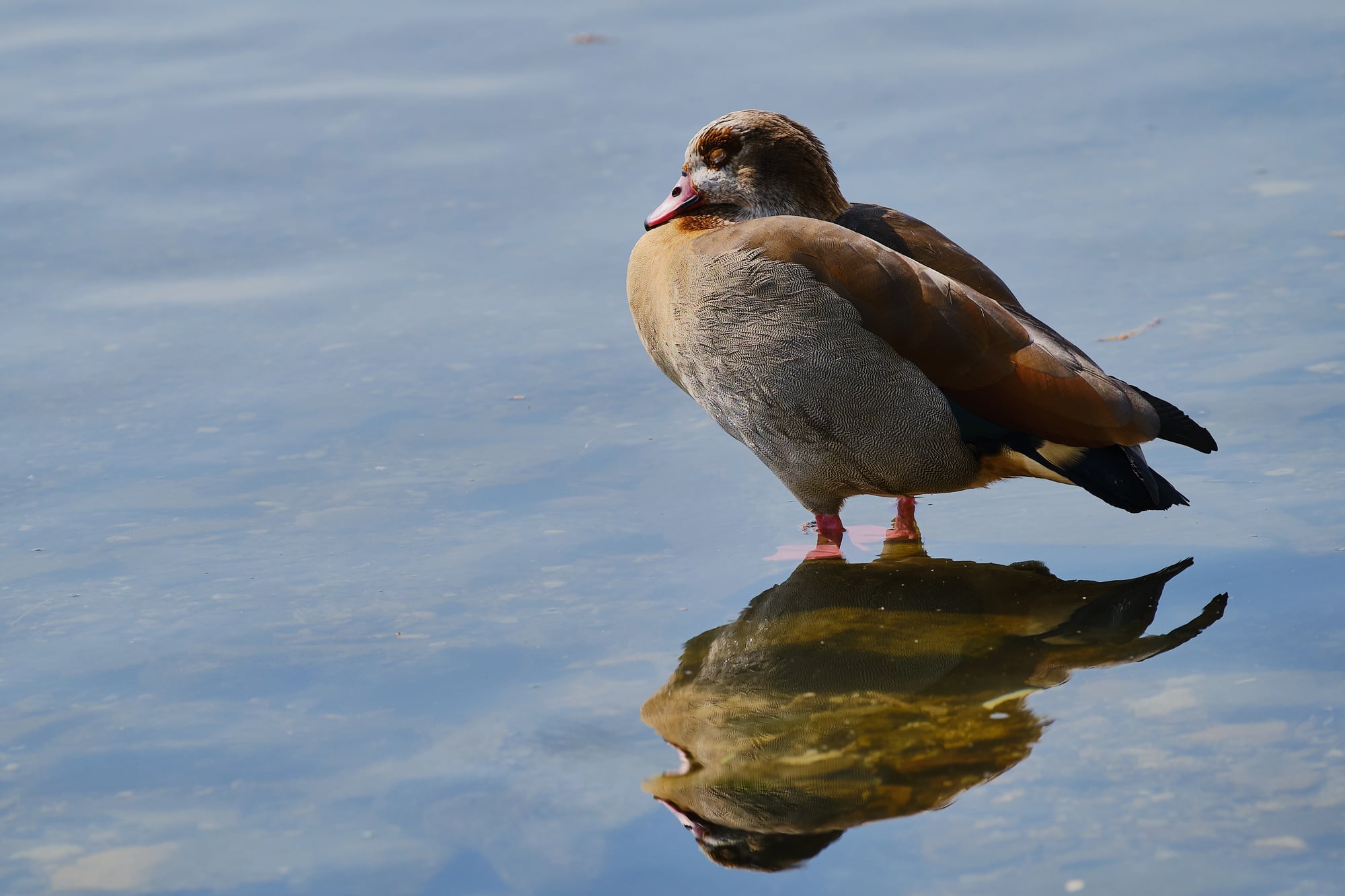
Most birds sleep standing up on one leg, tucking the other leg up into their belly feathers to conserve heat. This position might look uncomfortable to us, yet birds have a special locking mechanism in their leg tendons that keeps them stable without any conscious effort.
It’s like having an automatic parking brake that engages every time they perch — allowing them to sleep without falling off their branch.
Head-Turning Sleep Position
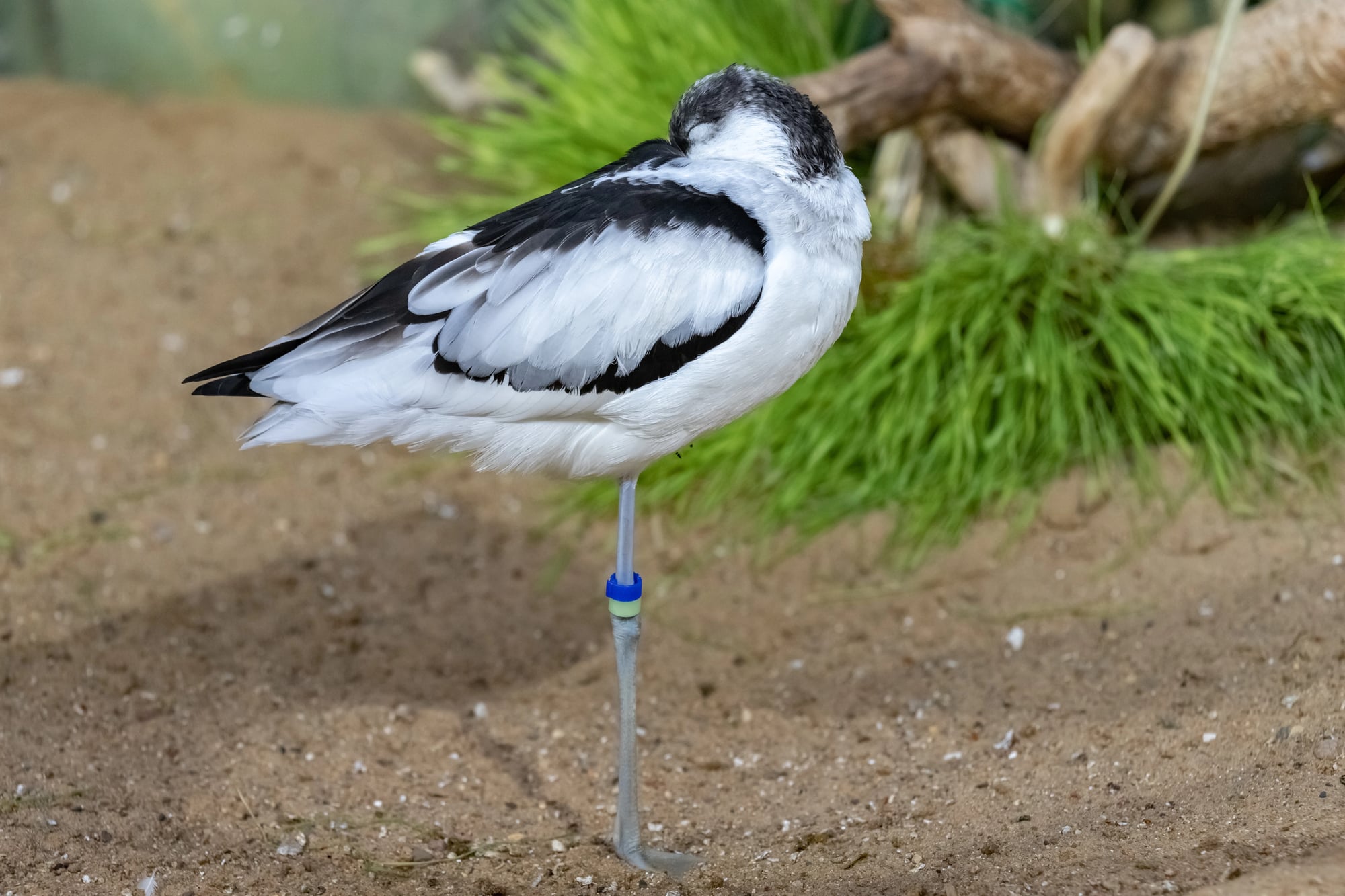
Birds often sleep with their heads turned completely around and tucked under their wing feathers. This position helps them retain body heat by covering their heads and necks — which lose heat quickly due to poor feather coverage in these areas.
Watching a sleeping bird with its head twisted backwards can be startling for humans, though it’s perfectly normal and comfortable for our feathered friends.
Cavity Roosting
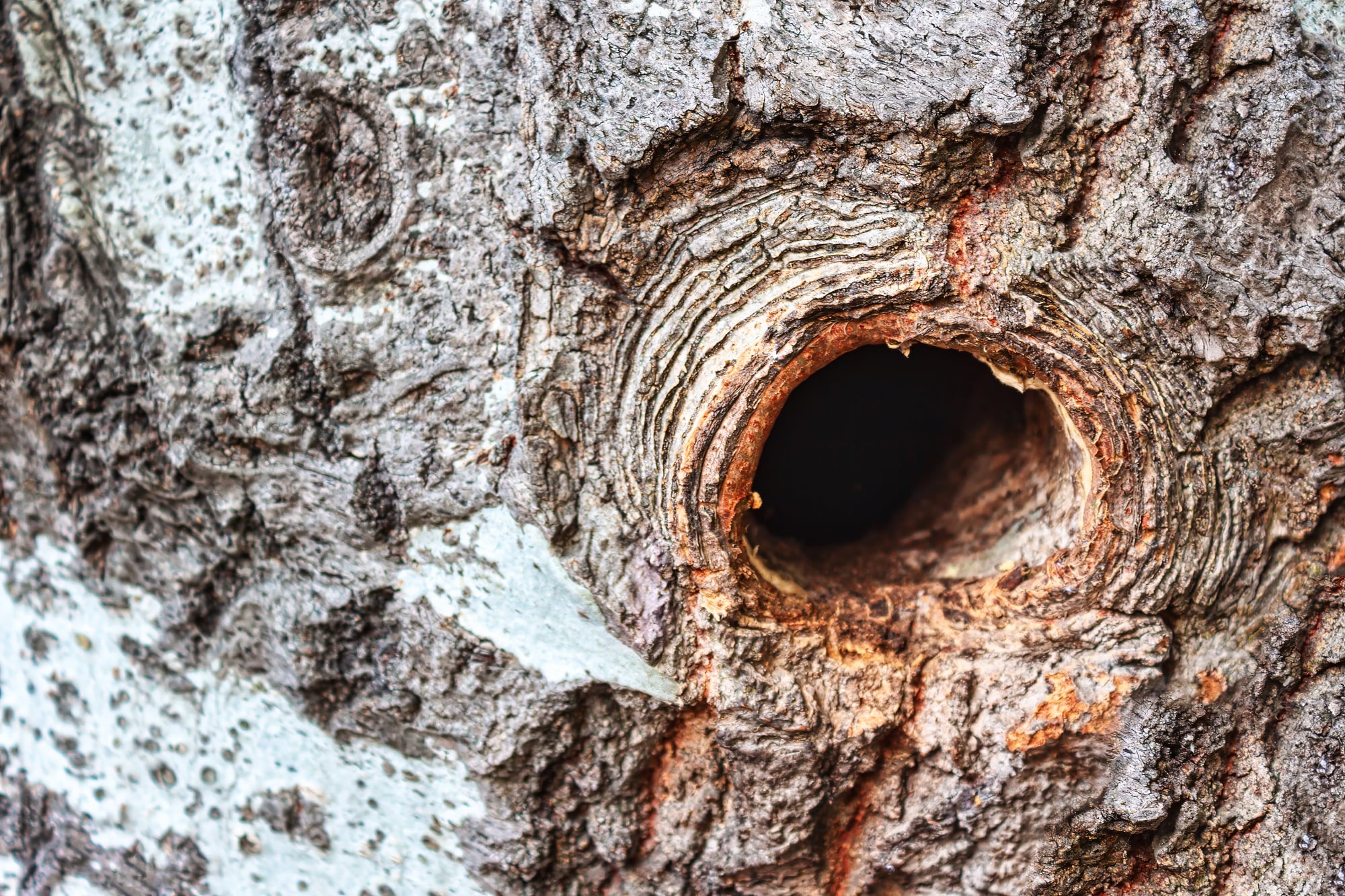
Many birds seek out protected spaces like tree cavities, nest boxes, or even human-made structures for their nighttime rest. Woodpeckers often excavate special roosting cavities that are separate from their nesting sites — creating cozy bedrooms just for sleeping.
These spaces provide protection from weather and predators, functioning like natural hotels that birds return to night after night.
Torpor Sleep

Some small birds like hummingbirds enter a state called torpor during sleep — dramatically slowing their metabolism and lowering their body temperature. This energy-saving mode helps them survive cold nights when their tiny bodies would otherwise burn through their fat reserves too quickly.
It’s similar to how a smartphone goes into power-saving mode when the battery gets low, except birds wake up perfectly refreshed instead of sluggish.
Group Huddle Sleeping

Penguins and some other cold-weather birds form tight huddles during sleep — rotating positions so everyone gets a turn in the warm center. Emperor penguins create these huddles with thousands of individuals, moving in slow-motion waves as birds shuffle from the outside to the inside.
This behavior is like a massive, feathered dance where everyone takes turns being the warm middle spoon in a giant cuddle pile.
Perch Gripping Reflex
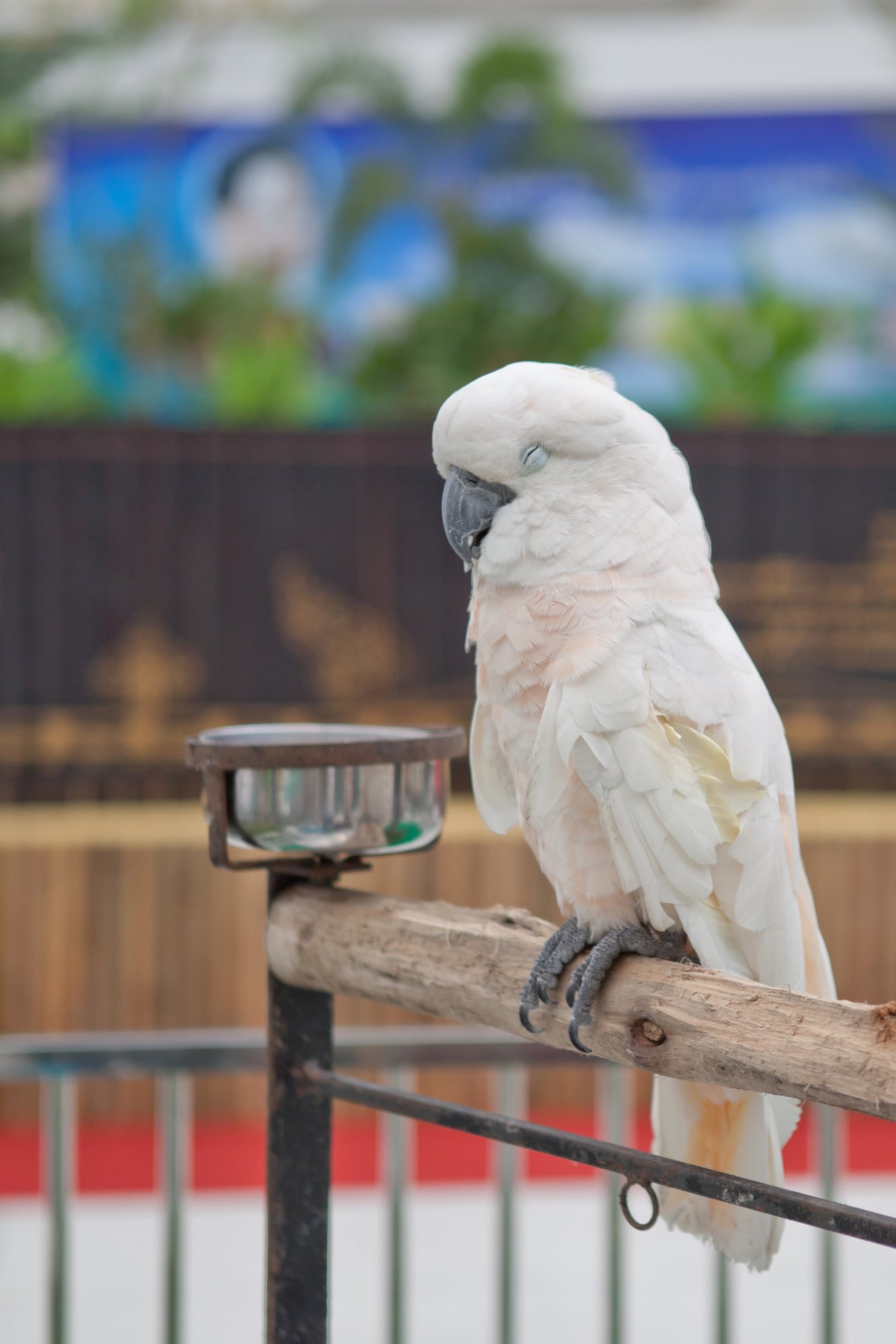
When birds fall asleep on a perch, their toes automatically curl and lock around the branch due to their body weight pulling down on special tendons. This reflexive gripping actually gets stronger when they relax — meaning sleeping birds hold on tighter than awake ones.
It’s nature’s version of a safety harness that works better the more relaxed the user becomes.
Floating Sleep

Ducks and other waterfowl often sleep while floating on water — using their natural buoyancy and waterproof feathers to stay comfortable and safe. They can paddle with one foot while sleeping to maintain position or drift with currents while keeping one brain hemisphere alert.
This behavior turns every pond and lake into a potential bedroom where birds can rest while staying mobile.
Underground Roosting

Some birds like burrowing owls sleep underground in tunnels and burrows, either ones they’ve dug themselves or borrowed from other animals. These subterranean bedrooms provide consistent temperatures and protection from weather and aerial predators.
It’s like having a basement apartment that stays cool in summer and warm in winter, with the added bonus of being completely hidden from nosy neighbors.
Synchronized Sleeping

Birds in flocks often synchronize their sleep cycles, with the entire group falling asleep and waking up at roughly the same times. This coordination helps ensure that some birds are always alert for danger while others rest deeply.
The behavior is similar to how military units organize watch schedules, except birds do it instinctively without any formal training or organization.
Seasonal Sleep Pattern Changes

Many birds dramatically alter their sleep patterns with the changing seasons, sleeping much longer during winter months when food is scarce and energy conservation is critical. Some species sleep up to 15 hours per day during winter compared to just 8-10 hours in summer.
This seasonal adjustment is like having a built-in hibernation mode that automatically activates when conditions get tough.
Nest Sleeping vs. Perch Sleeping

Birds use different sleeping strategies depending on whether they have access to a nest or must sleep on exposed perches. Nest sleepers can sprawl out more comfortably and enter deeper sleep phases, while perch sleepers must maintain their balance and stay more alert.
It’s the difference between sleeping in your own bed versus dozing on a subway train — both work, but one is definitely more restful.
Preening Before Sleep

Most birds engage in extensive preening and feather maintenance before settling down for the night, ensuring their insulation and waterproofing are in perfect condition. This behavior serves the same function as putting on pajamas and brushing teeth, preparing the body for optimal rest and comfort.
Birds that skip their evening preening routine often sleep poorly and wake up looking disheveled, just like humans who fall asleep in their day clothes.
Masters of Adaptive Rest

Bird sleep behaviors reveal just how creative evolution can be when faced with the challenge of staying alive while getting necessary rest. These remarkable adaptations have allowed birds to conquer nearly every habitat on Earth, from arctic tundra to tropical rainforests to open oceans.
While human sleep patterns seem simple by comparison, we can learn valuable lessons from our feathered friends about the importance of adapting our rest to our environment and circumstances. The next time you see a bird standing peacefully on one leg with its head tucked under its wing, remember that you’re witnessing millions of years of evolutionary innovation in action.
More from Go2Tutors!

- The Romanov Crown Jewels and Their Tragic Fate
- 13 Historical Mysteries That Science Still Can’t Solve
- Famous Hoaxes That Fooled the World for Years
- 15 Child Stars with Tragic Adult Lives
- 16 Famous Jewelry Pieces in History
Like Go2Tutors’s content? Follow us on MSN.