Largest Animal Migrations on Earth
Animals don’t stay in one place their whole lives. Many species travel thousands of miles every year, crossing oceans, deserts, and continents to find food, breed, or escape harsh weather.
These journeys are some of the most impressive feats in nature, involving millions of creatures moving together in patterns that have existed for centuries. Some migrations happen in the sky, others underwater, and some across vast plains where predators wait at every turn.
Here are the biggest animal migrations that happen on our planet. The distances and numbers involved will leave you amazed.
Arctic Tern
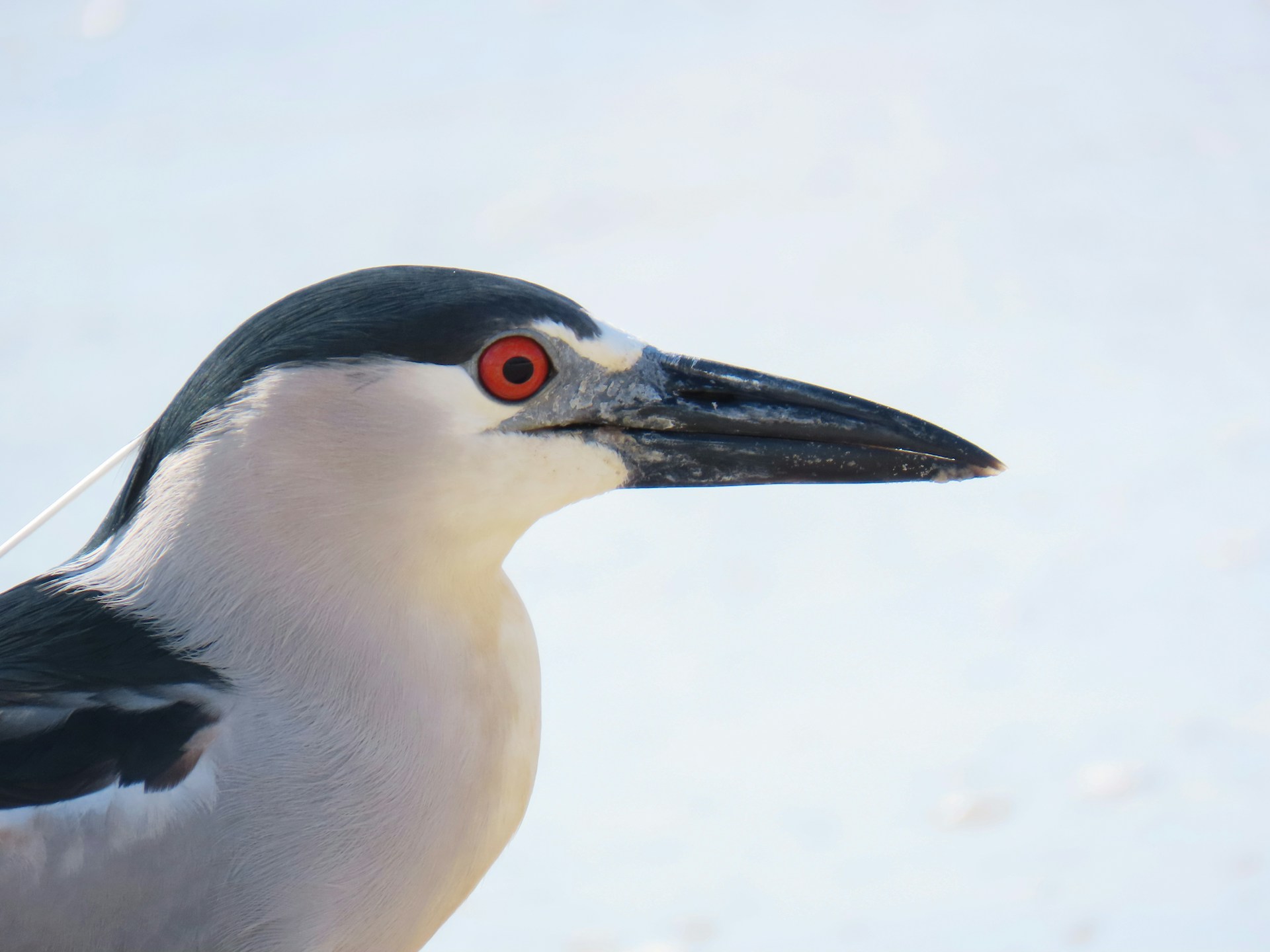
This small seabird holds the record for the longest migration of any animal on Earth. Arctic terns fly from the Arctic to the Antarctic and back again each year, covering about 44,000 miles in total.
That’s almost twice around the entire planet. They spend their lives in endless summer, chasing daylight between the two poles.
Some Arctic terns can live for over 30 years, meaning they might fly more than 1.3 million miles in their lifetime.
Wildebeest in the Serengeti
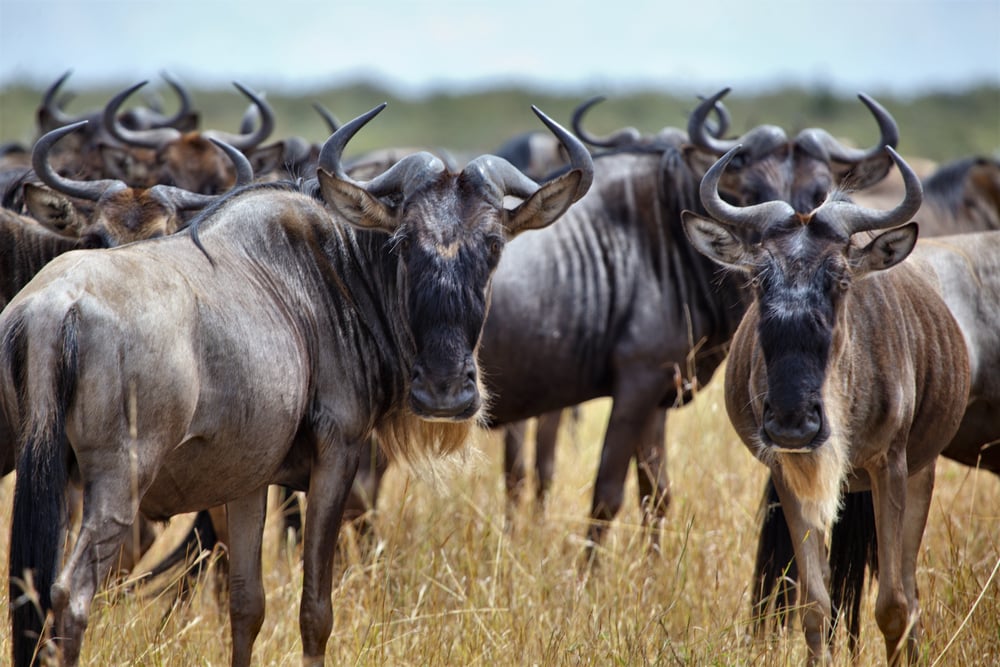
Around 1.5 million wildebeest move through Tanzania and Kenya every year in a giant loop. They’re joined by hundreds of thousands of zebras and gazelles, creating one of the most famous wildlife spectacles on Earth.
The herds follow the rains, searching for fresh grass to eat. Crossing rivers full of crocodiles and facing hungry lions along the way, many don’t make it.
The migration never really stops because different groups are always on the move somewhere in the circuit.
Monarch Butterfly
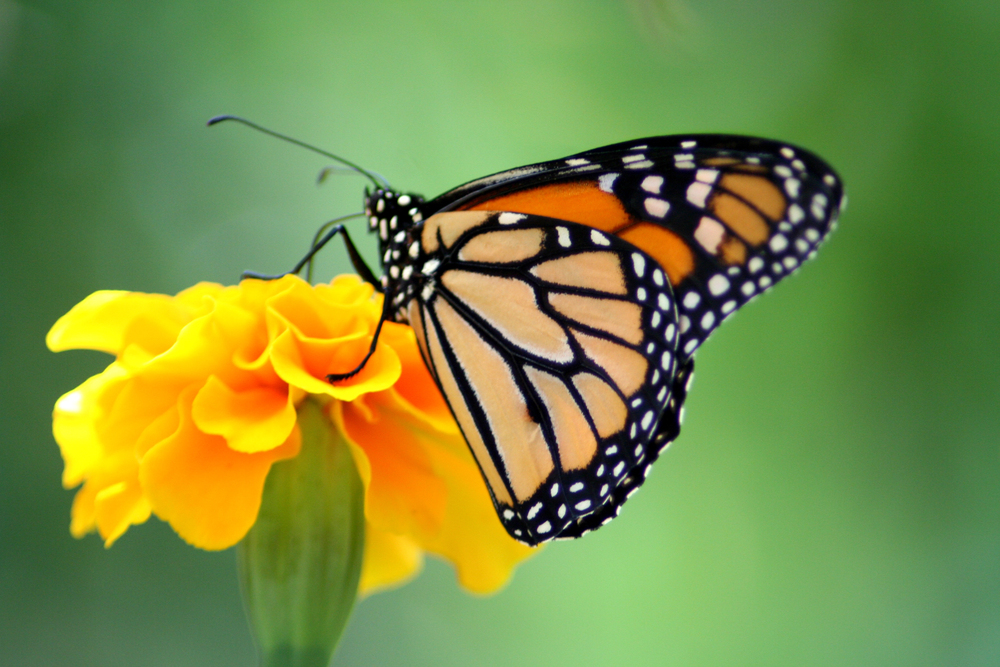
These delicate insects travel up to 3,000 miles from Canada and the United States to Mexico every fall. What makes this migration truly special is that no single butterfly makes the round trip.
It takes four or five generations to complete the full cycle, with great-great-grandchildren returning to places their ancestors left. The butterflies that make the journey south live much longer than summer monarchs, sometimes up to eight months.
Scientists still don’t fully understand how they navigate to the same small forests in Mexico year after year.
Caribou
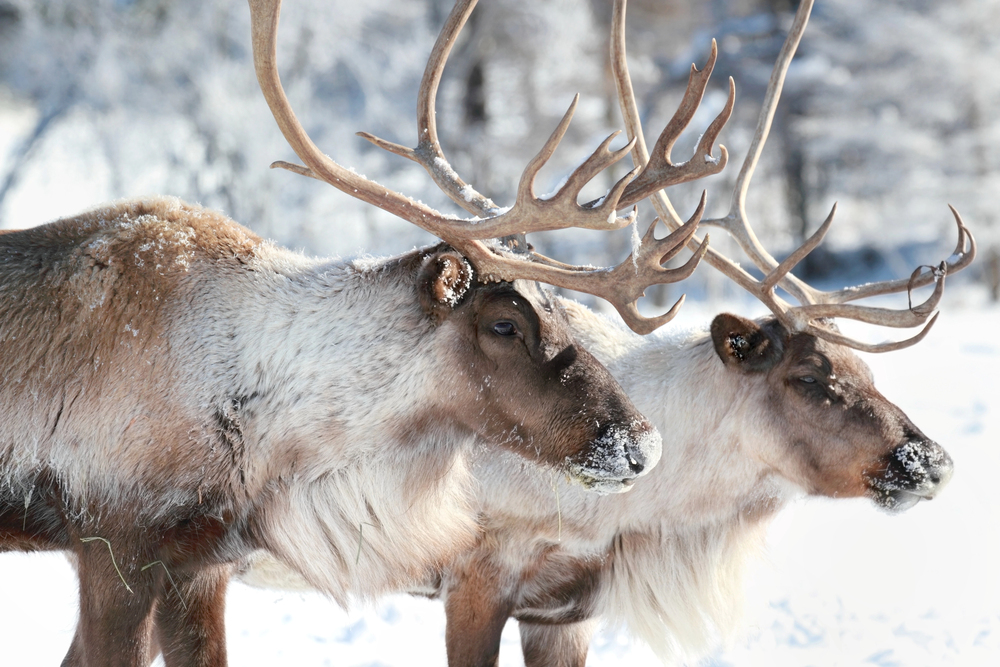
The caribou of northern Canada and Alaska travel farther than any other land mammal, with some herds covering 3,000 miles annually. The Porcupine caribou herd, which numbers around 200,000 animals, moves between their winter forest homes and summer calving grounds in the Arctic.
They face freezing temperatures, deep snow, and long distances with little food during parts of their journey. Calves are born during the migration and must be able to keep up with the herd within days of birth.
The herds have used the same routes for thousands of years.
Humpback Whale
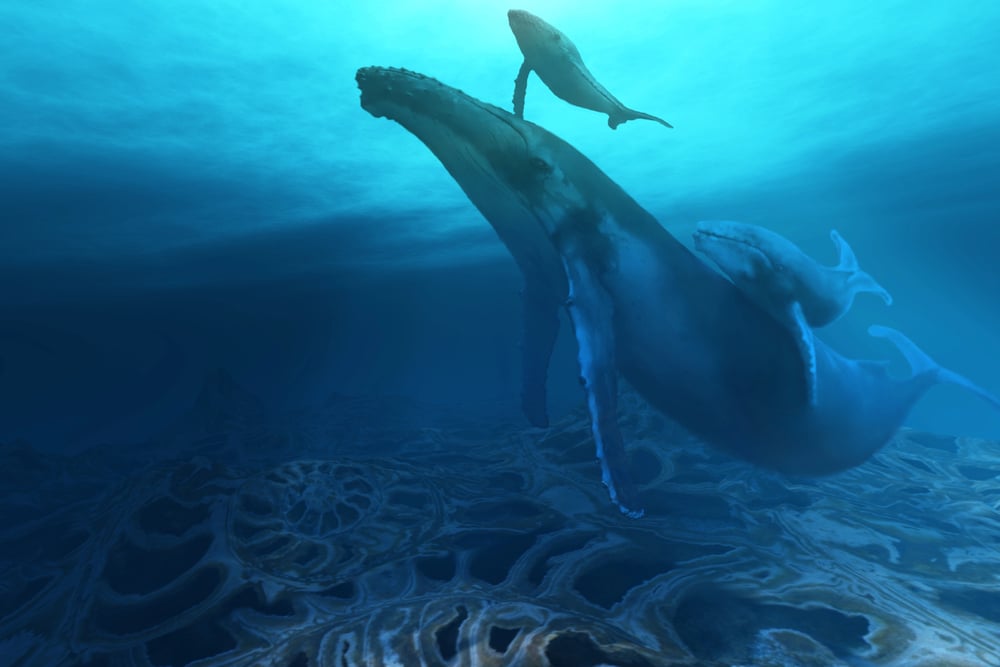
These massive creatures swim up to 5,000 miles each way between their feeding grounds in polar waters and breeding areas in the tropics. They eat almost nothing during their time in warm waters, living off fat reserves built up during months of feeding in cold seas.
Some populations travel from Antarctica to Colombia or from Alaska to Hawaii. The whales navigate using Earth’s magnetic field and possibly by remembering underwater landmarks.
Their songs, which can be heard for miles underwater, might also help them communicate during these long journeys.
Christmas Island Red Crab
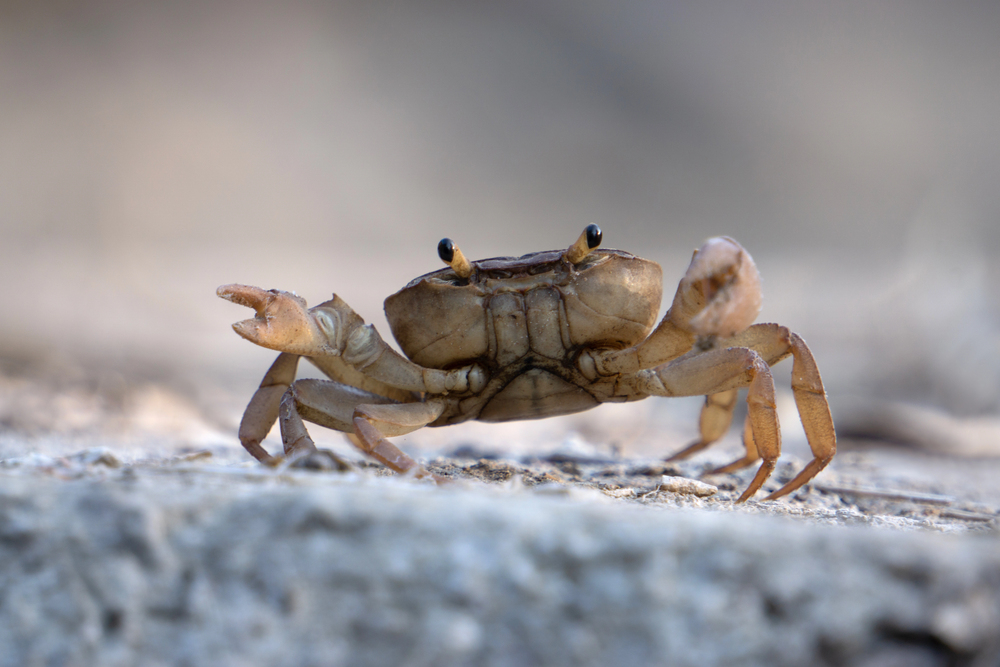
About 50 million red crabs live on this small Australian island, and nearly all of them migrate at once. When the rainy season starts, the crabs leave the forest and head to the ocean to breed, turning roads and beaches bright red.
The journey only covers a few miles, but the sheer number of crabs makes it spectacular. Island residents have built special bridges and tunnels to help the crabs cross roads safely.
After laying their eggs in the ocean, the adult crabs return to the forest, and weeks later, tiny baby crabs make the journey back.
Sooty Shearwater
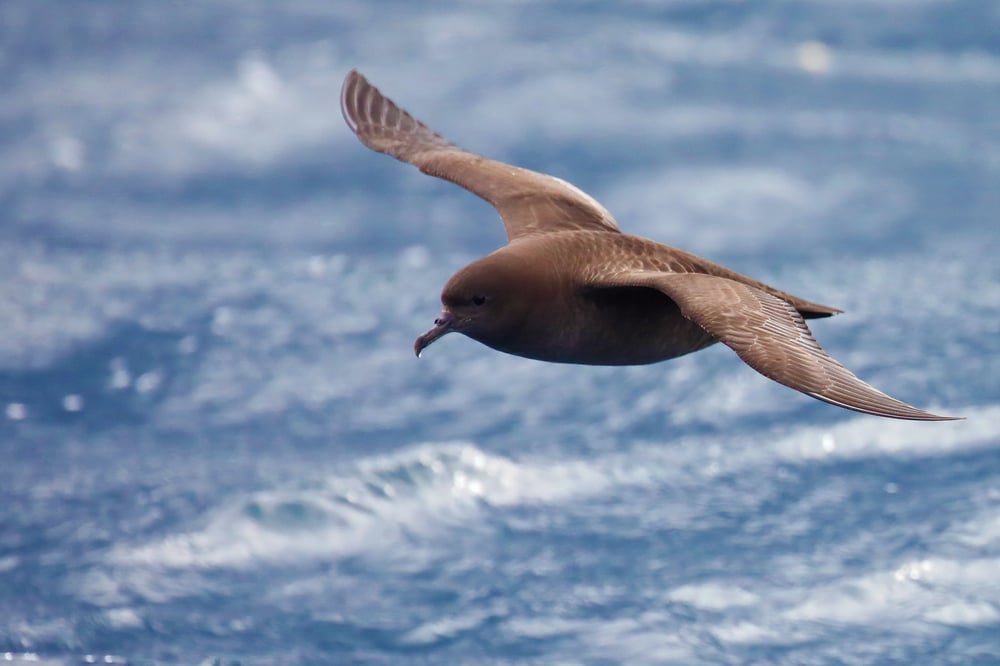
These seabirds complete a figure-eight migration pattern across the entire Pacific Ocean each year. Starting from breeding colonies in New Zealand, they fly north along the coasts of Asia or the Americas, sometimes reaching Alaska or Japan.
The total journey can exceed 40,000 miles annually. They time their migration to take advantage of different food sources that bloom at various times in different parts of the ocean.
Scientists tracked one bird that flew 46,000 miles in a single year.
Dragonfly
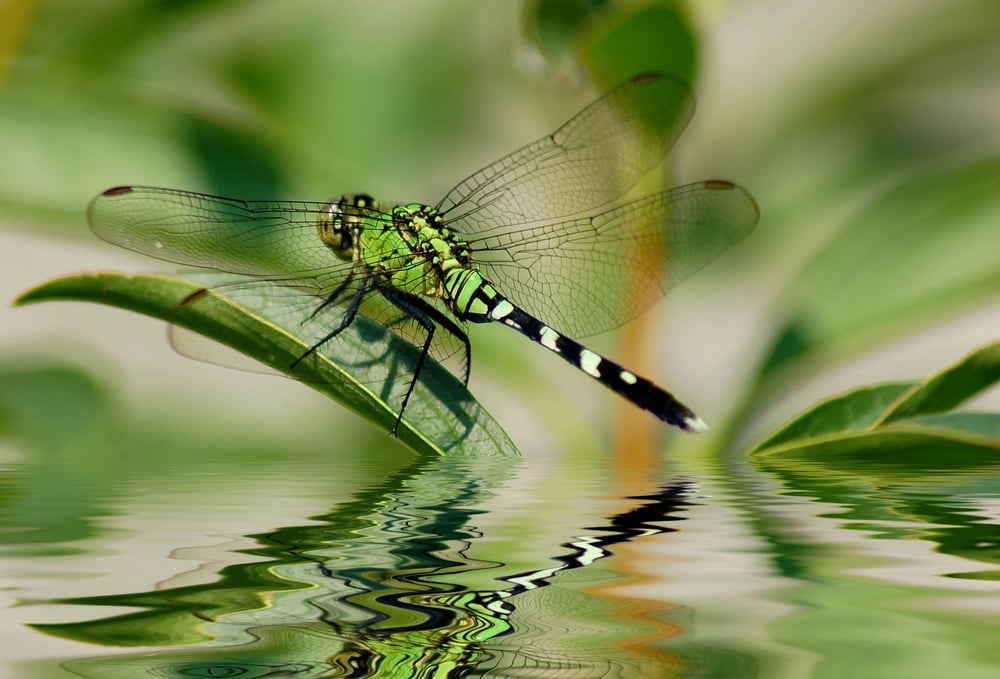
The globe skimmer dragonfly makes the longest migration of any insect, traveling about 11,000 miles across the Indian Ocean. Like monarch butterflies, no single dragonfly completes the entire route.
Multiple generations are born and die along the way, with the journey taking several months to complete. These tiny insects fly from India to Africa and back, crossing open ocean with no place to rest.
They time their movement with monsoon rains that create temporary ponds where they can breed.
Leatherback Sea Turtle
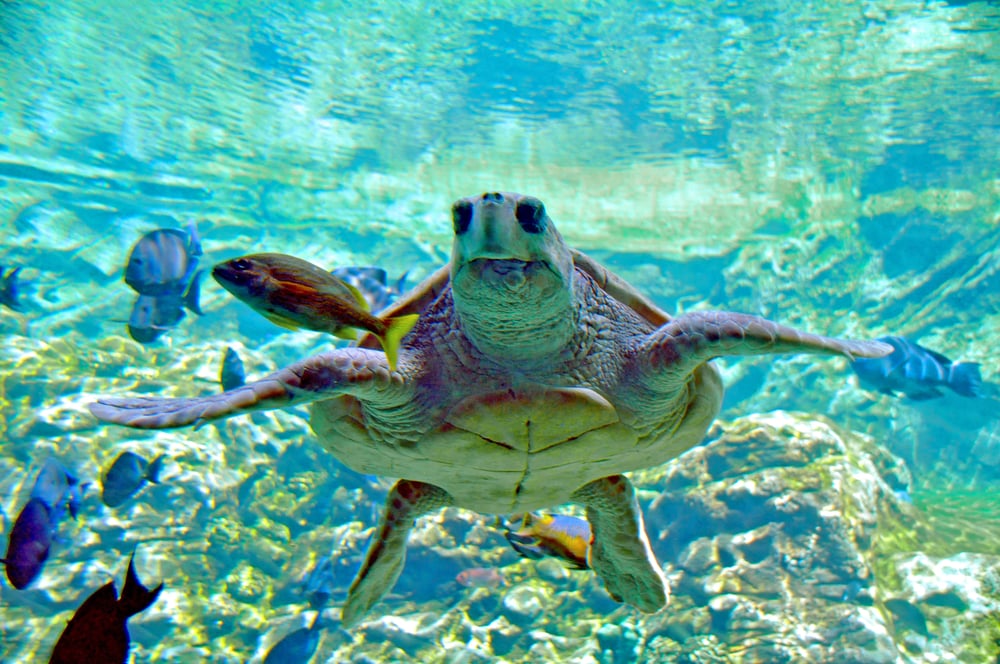
These enormous turtles, which can weigh up to 2,000 pounds, swim across entire ocean basins. One female was tracked swimming from Indonesia to Oregon, covering over 12,000 miles.
They dive deeper than 4,000 feet to hunt jellyfish in cold, dark waters. Leatherbacks return to the same beaches where they were born to lay their own eggs, sometimes traveling for years between nesting attempts.
Their epic journeys take them through the territories of many different countries, making conservation difficult.
Bar-Tailed Godwit
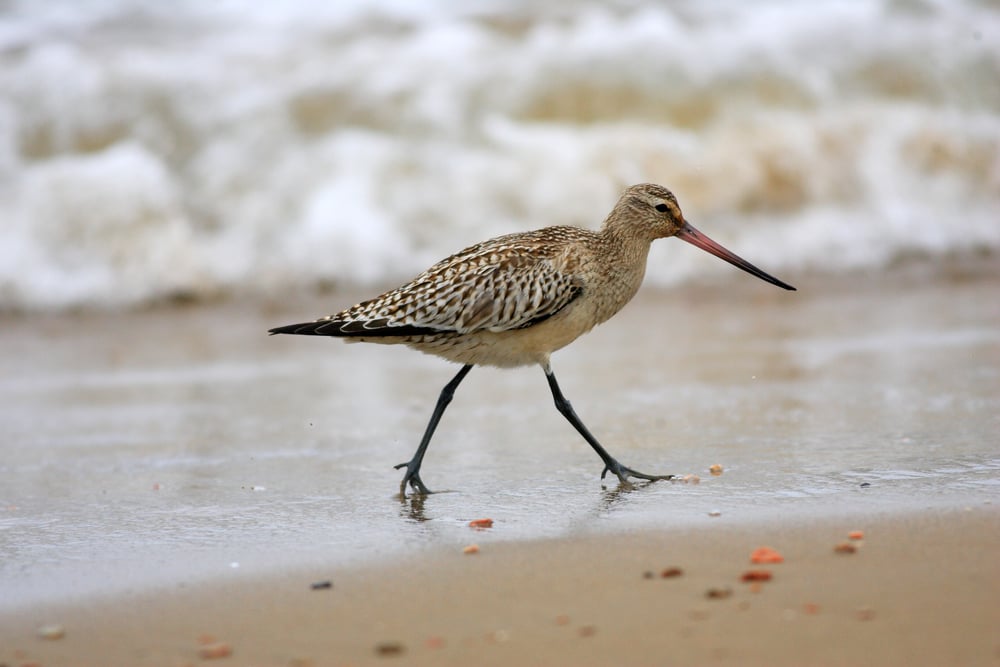
This shorebird flies non-stop from Alaska to New Zealand, covering about 7,000 miles without eating, drinking, or resting. The journey takes roughly eight days of continuous flight over the open Pacific Ocean.
Before leaving, the birds nearly double their body weight by eating constantly. Their internal organs actually shrink during the flight to reduce weight and save energy.
Scientists didn’t believe such a journey was possible until satellite tracking proved it.
Salmon
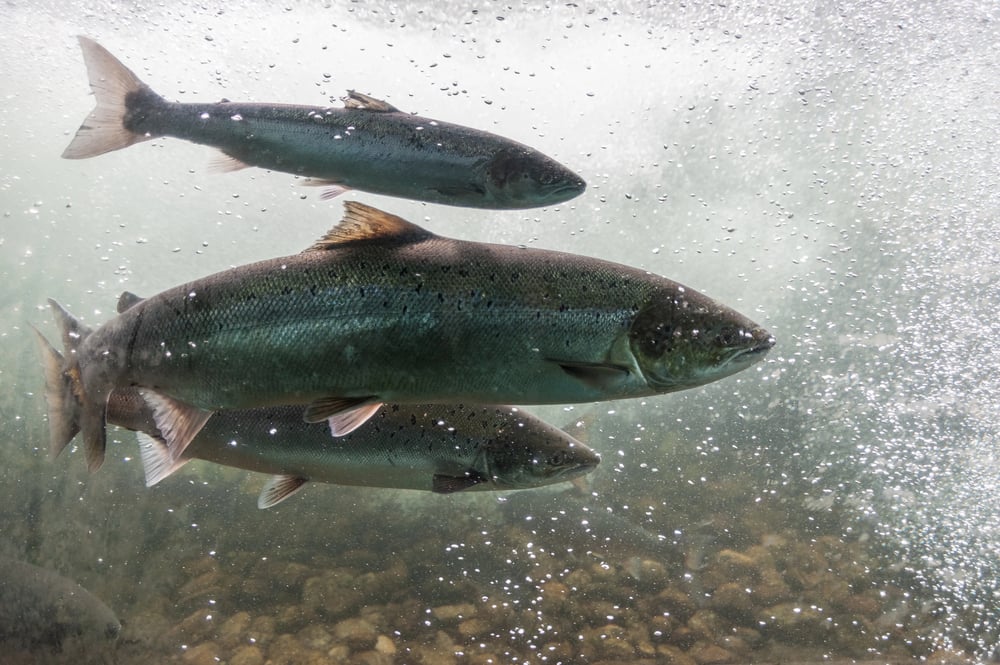
Pacific salmon are born in freshwater streams, swim out to the ocean where they grow for years, then return to the exact stream where they were born to spawn. Some species travel over 2,000 miles through the ocean before making the difficult journey back upstream.
They stop eating once they enter freshwater and use all their remaining energy to swim against strong currents and jump up waterfalls. After laying or fertilizing eggs, adult salmon die, providing nutrients to the stream ecosystem.
Their sense of smell helps them recognize their home stream from all others.
African Elephant
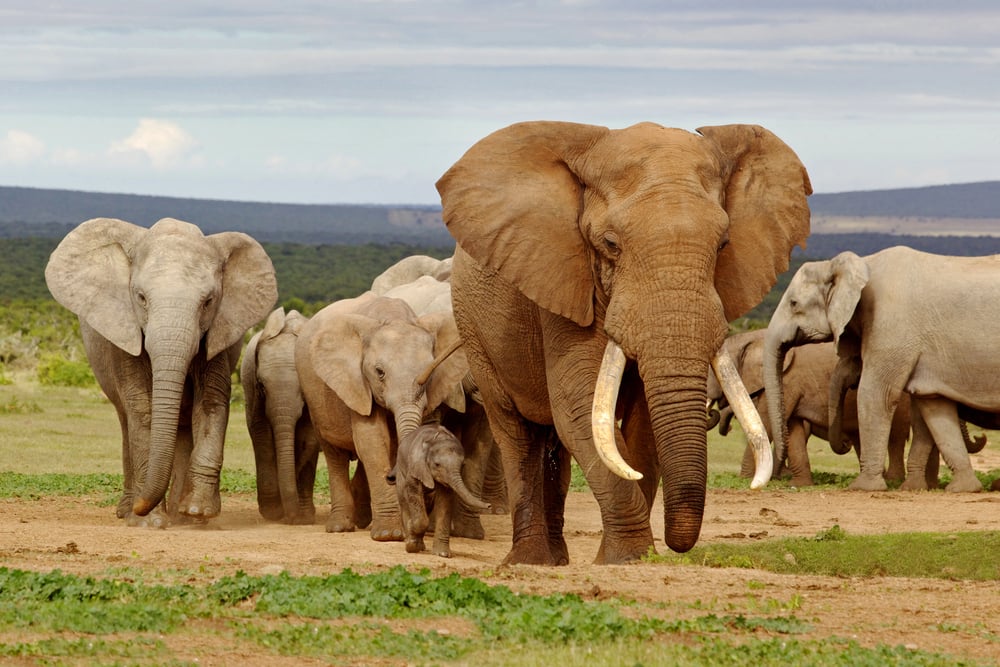
Elephant herds in Mali travel in a circular route of about 300 miles through some of the harshest desert in Africa. They move between different water sources and feeding areas, remembering the locations of wells and seasonal food sources.
The eldest females lead the group, passing down knowledge of the route to younger generations. Climate change and human activity have disrupted these ancient pathways.
Some herds travel through six different countries during their migration.
Straw-Colored Fruit Bat
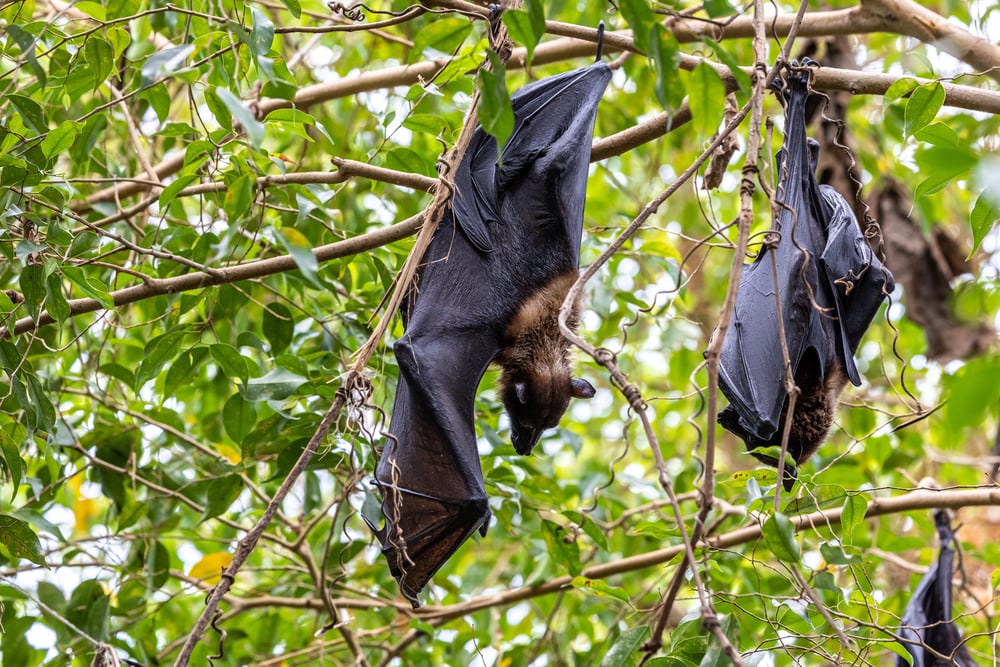
Around 10 million of these bats gather in Zambia’s Kasanka National Park each year between October and December. They arrive from all over Central Africa, creating one of the largest concentrations of mammals anywhere on Earth.
The bats come to feed on wild fruits that ripen during this season. They fly out each evening in swirling clouds that take hours to pass.
After the fruit season ends, the bats disperse back across the continent.
Gray Whale
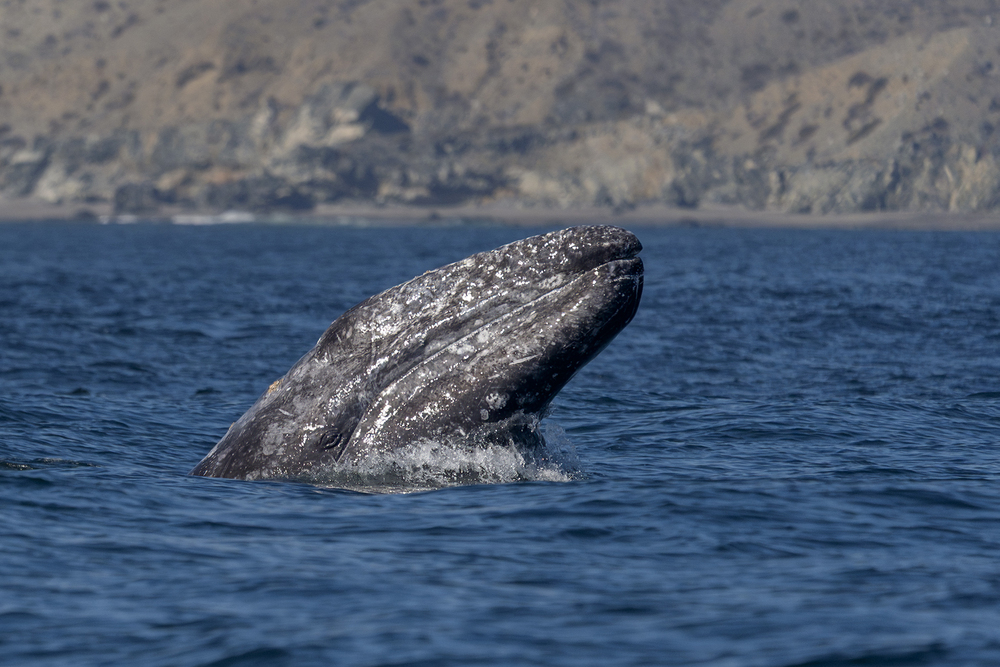
These whales make one of the longest migrations of any mammal, traveling up to 12,000 miles round trip along the Pacific coast. They move from feeding grounds in the Arctic to breeding lagoons in Baja California, Mexico.
Mother whales with newborn calves face the return journey just weeks after giving birth. The whales stay close to shore, making them easier to spot than many other migrating marine animals.
Some populations were hunted nearly to extinction but have since recovered.
Springbok
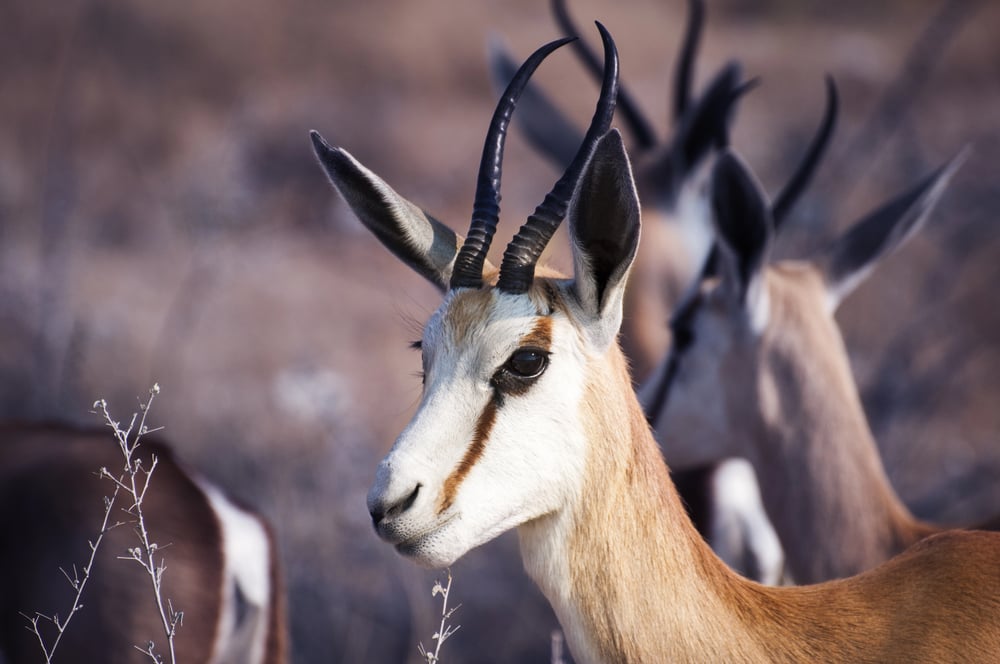
Historical accounts describe springbok migrations in South Africa that numbered in the millions, covering the landscape like a moving carpet. These migrations have mostly disappeared due to fencing and habitat loss.
In the 1800s, herds could be 15 miles wide and take days to pass a single point. They moved in search of fresh grazing land and water during droughts.
Small migrations still occur in parts of Botswana and Namibia, but nothing like the massive movements of the past.
Barn Swallow
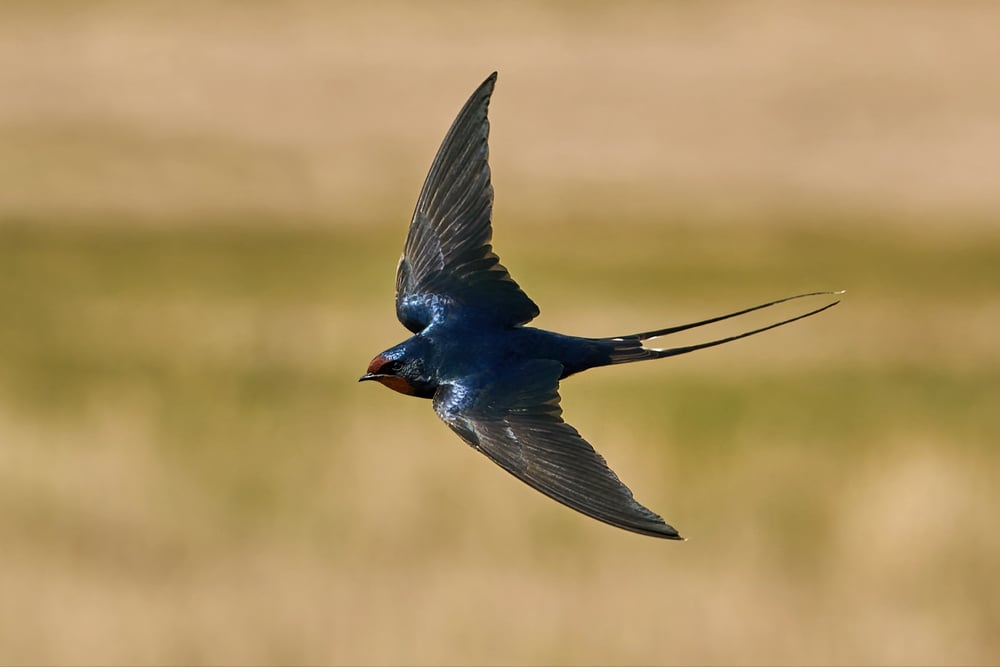
These common birds migrate between Europe and sub-Saharan Africa, with some traveling over 7,000 miles each way. They make the journey twice a year, once in spring and once in fall.
Barn swallows fly during the day and hunt insects along the way to fuel their flight. They navigate using the sun, stars, and Earth’s magnetic field.
Young birds making their first migration have never seen the destination but still find their way to the correct wintering grounds in Africa.
Sardine Run
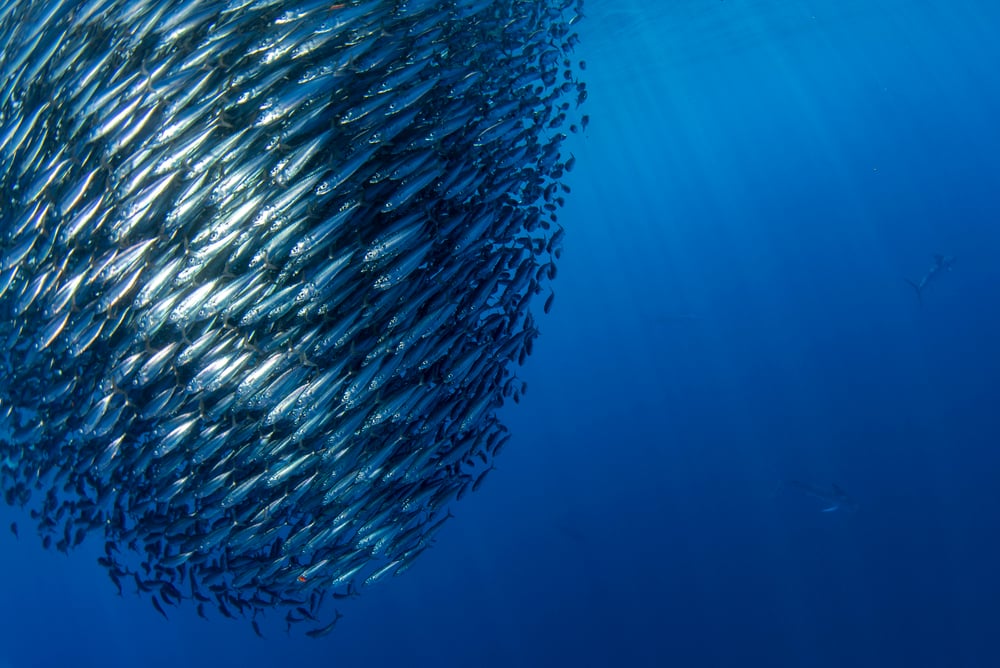
Billions of sardines move north along the coast of South Africa each year, creating a feeding frenzy for predators. The run happens during the southern winter when cold water moves along the coast.
Dolphins, sharks, seals, whales, and thousands of seabirds follow the sardine schools, creating one of nature’s greatest hunting spectacles. The sardines move in huge groups that can be seen from aircraft, sometimes stretching for miles.
Ocean currents and water temperature determine when and where the run happens each year.
When Nature Keeps Moving
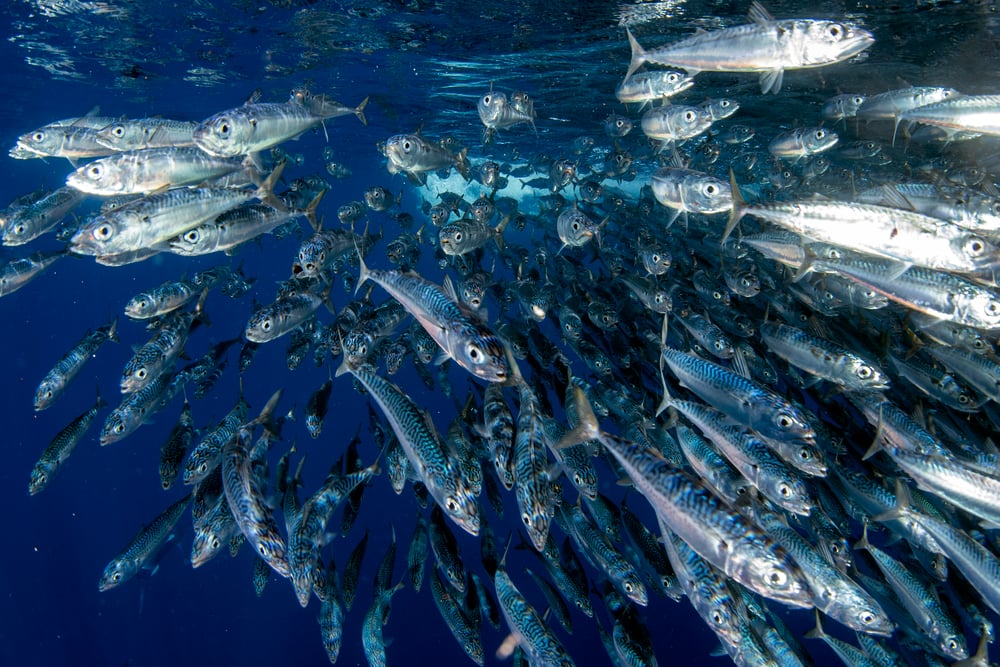
These migrations connect different parts of our planet in ways that scientists are still discovering. Animals carry nutrients from one ecosystem to another, spread seeds across continents, and link the health of distant places together.
Many of these ancient journeys now face threats from climate change, habitat destruction, and human barriers like dams and fences. Protecting migration routes means preserving not just the animals themselves but entire ecological systems that depend on their movement.
The fact that creatures as small as dragonflies and as large as whales make these incredible journeys shows just how connected life on Earth really is.
More from Go2Tutors!

- The Romanov Crown Jewels and Their Tragic Fate
- 13 Historical Mysteries That Science Still Can’t Solve
- Famous Hoaxes That Fooled the World for Years
- 15 Child Stars with Tragic Adult Lives
- 16 Famous Jewelry Pieces in History
Like Go2Tutors’s content? Follow us on MSN.