Curious History Behind Holiday Baking Traditions
Warm air fills rooms when cinnamon meets melted butter – December begins here. Drawers open, revealing paper scraps stained with decades of use.
Flour spreads across counters without asking permission. Yet each cookie cooled on wire racks holds whispers from centuries gone by.
Shapes cut into dough – a star, a tree, a person – all began in moments nobody talks about at parties. Gingerbread stood tall before fairy tales claimed it.
Fruitcake arrived long before jokes were made. These sweets grew not from trends but odd beliefs, distant hungers, forgotten celebrations.
Gingerbread’s Journey from Medicine to Magic
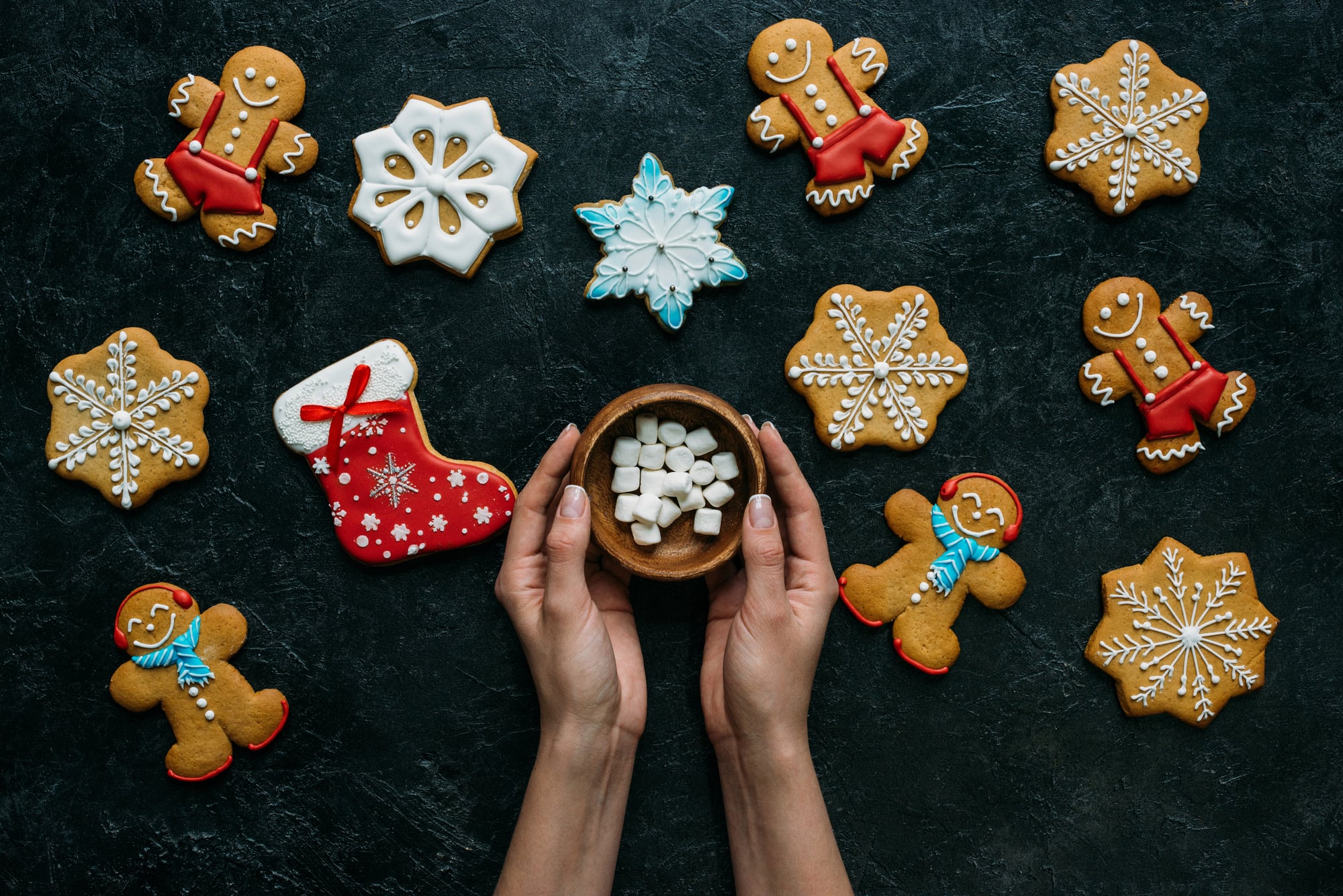
Gingerbread didn’t begin as a holiday treat. It started as a stomach remedy.
Medieval Europeans believed ginger could ward off illness, and they mixed it with breadcrumbs and honey to make it easier to swallow. Monks in monasteries shaped these mixtures into elaborate figures, and by the 15th century, gingerbread guilds had formed across Germany and France, fiercely protecting their recipes and techniques.
The tradition of gingerbread houses likely took off in Germany after the Brothers Grimm published Hansel and Gretel in 1812. Interestingly, the original story described a house of bread and cake, not gingerbread specifically.
But German bakers soon began creating gingerbread versions, and the two became inseparable in popular imagination. Some historians argue gingerbread houses may have predated the fairy tale, with the story perhaps inspired by existing confections.
Either way, German immigrants brought this custom to America, where it became inseparable from Christmas.
Why Fruitcake Became the Joke Nobody Asked For

Fruitcake has an image problem. But centuries ago, it was a luxury item.
The dense cake packed with dried fruits and nuts could last for months without spoiling, making it perfect for long sea voyages and military campaigns. Roman soldiers carried a version of it.
Crusaders packed it for their travels. The cake became associated with celebrations because its expensive ingredients—imported spices, candied fruits, alcohol—made it a status symbol.
Only the wealthy could afford to make one. By Victorian times, fruitcake had become standard at weddings and Christmas, often wrapped in marzipan and royal icing.
Queen Victoria even served it at her wedding, starting a British royal tradition. The jokes started in the 20th century when commercial versions became overly sweet and artificially preserved, a far cry from the original.
Late-night host Johnny Carson helped cement fruitcake’s reputation as a punchline, joking in the 1960s that there was only one fruitcake in the world that people kept passing around.
The Surprising Origins of Candy Canes
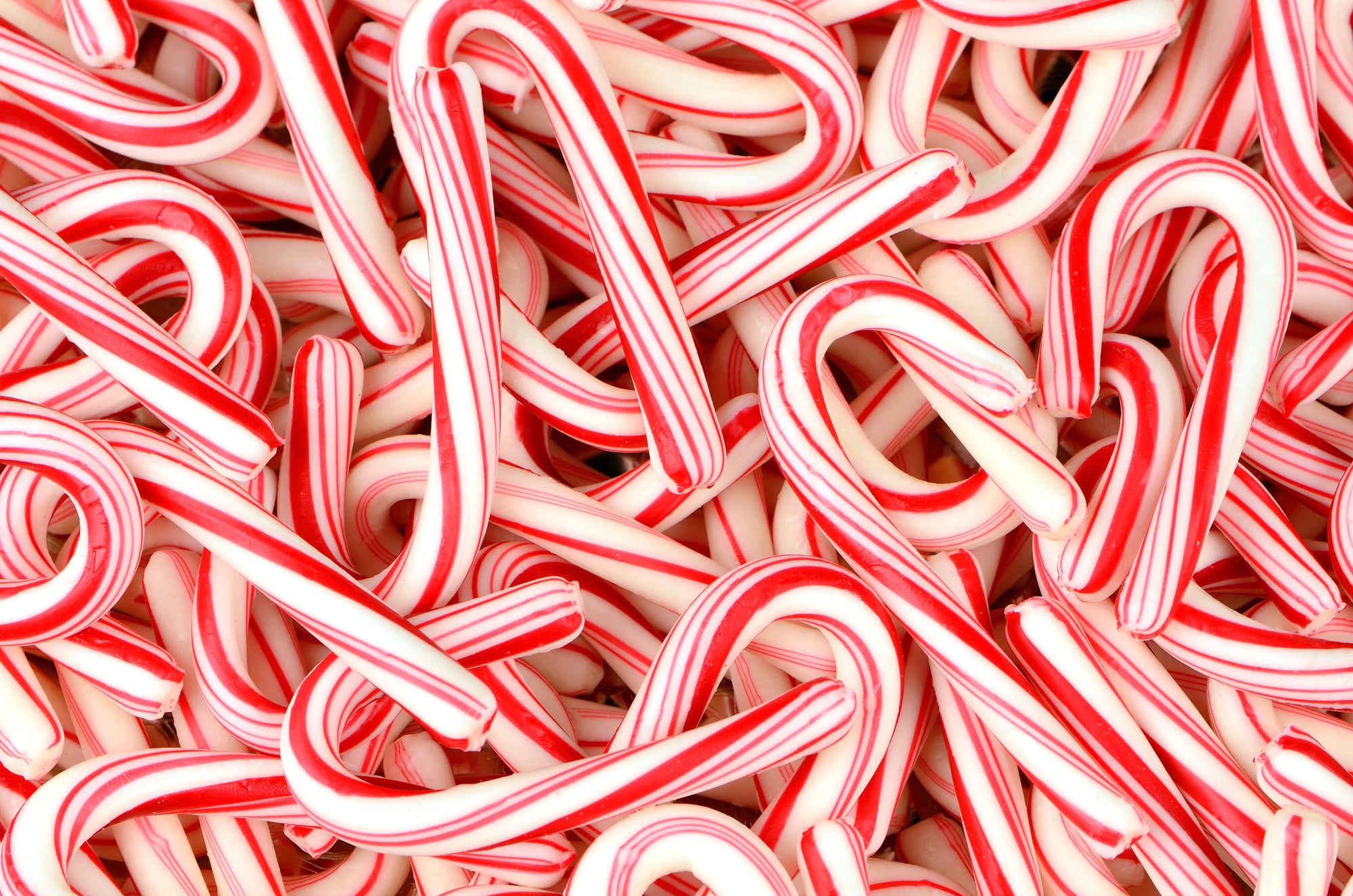
The curved shape of the candy cane has inspired countless origin stories, most of them invented long after the candy itself. One popular legend claims a German choirmaster in 1670 gave sugar sticks to children to keep them quiet during long Christmas services, bending them into shepherd’s crooks.
But the earliest documented “candy cane” reference in America dates to 1866. The most practical explanation for the hook shape is that it made the candies easier to hang on Christmas trees.
The red stripes came later, around the turn of the 20th century. Before that, candy canes were plain white.
The peppermint flavor also wasn’t original—early versions came in various flavors or none at all. Most of the religious symbolism attached to candy canes (the “J” for Jesus, the red representing sacrifice) appeared in the 20th century as marketing and folk explanations, not as original design intentions.
Yule Logs Started as Actual Logs

Before the Yule log was a chocolate cake, it was an actual tree trunk. In medieval Europe, families would drag the largest log they could find into their homes and set it burning in the fireplace.
The goal was to keep it lit for the twelve days of Christmas. A log that went out early meant bad luck for the coming year.
The tradition of the bûche de Noël—the chocolate sponge cake rolled and decorated to look like a log—began in France in the 19th century as families moved to smaller homes with smaller fireplaces, or none at all. Bakers created an edible version so the tradition could continue in a different form.
Mince Pies and Their Meat-Filled Past
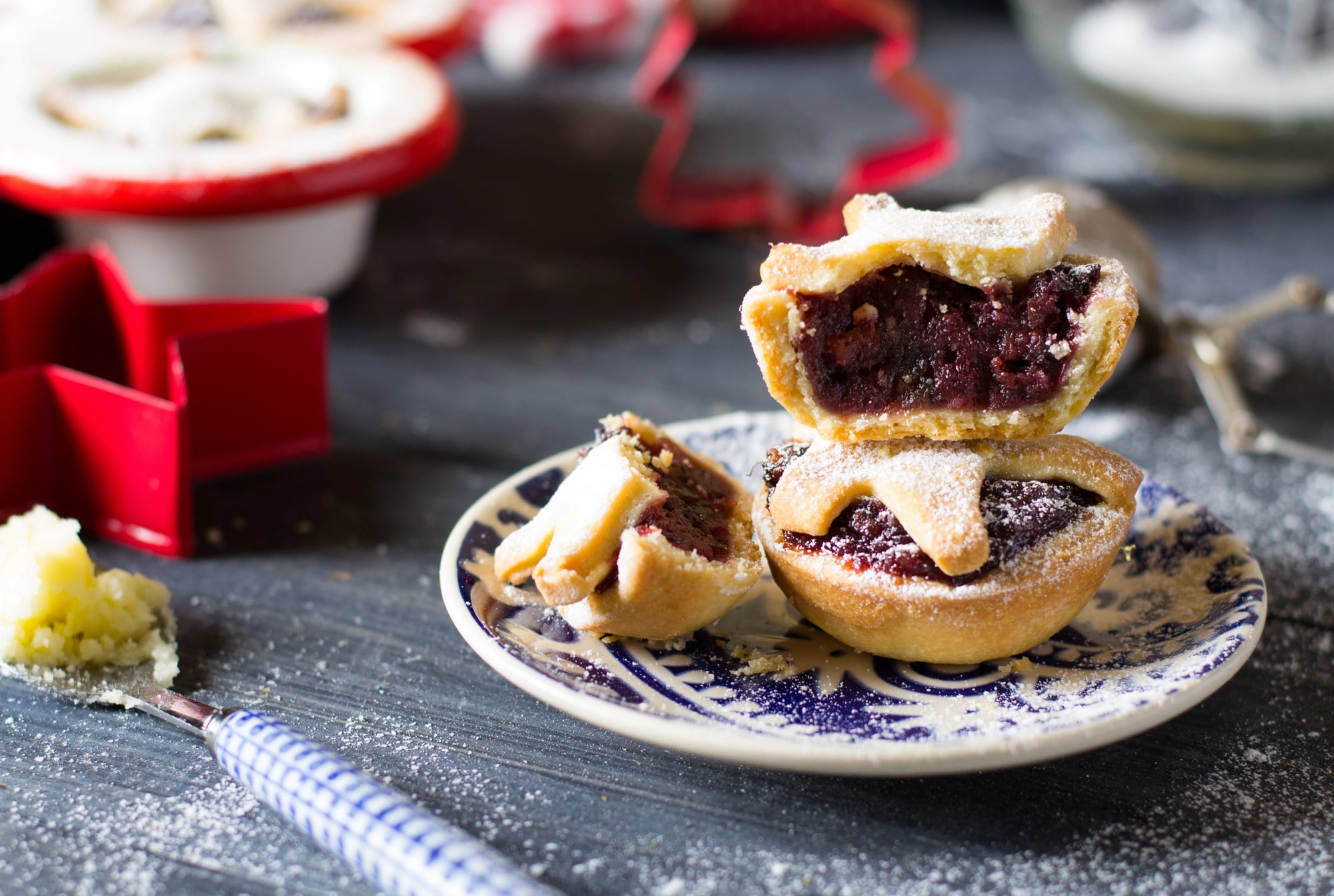
Modern mince pies contain no meat, just a mixture of dried fruits, spices, and suet. But the original versions were exactly what the name suggests: minced meat pies.
Medieval cooks combined mutton, beef, or game with fruits and spices in a way that seems strange now but made perfect sense then. The spices helped preserve the meat and masked any off flavors.
The oval shape of early mince pies was meant to represent the manger where Jesus was born, and some versions included a small pastry baby on top. Seventeenth-century Puritans frowned upon mince pies as “idolatrous” due to their Catholic associations, though the treats were never formally banned.
The pies survived and gradually lost their meat content over the centuries, becoming the sweet pastries familiar today by Victorian times.
Stollen and the Swaddled Christ Child

German stollen is a dense, yeasted bread filled with dried fruits and marzipan, dusted thickly with powdered sugar. The long, folded shape is supposed to represent the infant Jesus wrapped in swaddling clothes.
Dresden became famous for its stollen, and bakers there still follow strict traditional recipes. The bread was once much plainer.
Medieval church law restricted the use of butter during Advent, so early stollen was made only with oil and tasted fairly bland. In 1490, after years of petitions from Saxon princes, Pope Innocent VIII finally issued the famous “Butterbrief” (butter letter), allowing bakers to use butter in their stollen.
The recipe improved dramatically after that. Dresden still holds an annual Stollenfest where a giant stollen weighing several tons parades through the city.
Sugar Cookies and the Art of Rolling Dough

The rolled sugar cookie seems simple enough, but getting dough thin and even without tearing it took centuries of refinement. Early versions appeared in the Middle Ages, but they were thick and heavy.
The light, crisp cookies familiar today required better flour milling techniques and access to refined white sugar, both of which became more common in the 1700s. German Protestant settlers in Nazareth, Pennsylvania are credited with creating the earliest recognizable sugar cookie in the mid-1700s, originally called the Nazareth cookie.
Pennsylvania Dutch communities popularized cookie cutters, creating elaborate tin shapes for their holiday baking. The tradition of decorating cookies with icing came later, as royal icing (made from egg whites and powdered sugar) became standard in Victorian kitchens.
Panettone’s Rise from Milanese Bakeries
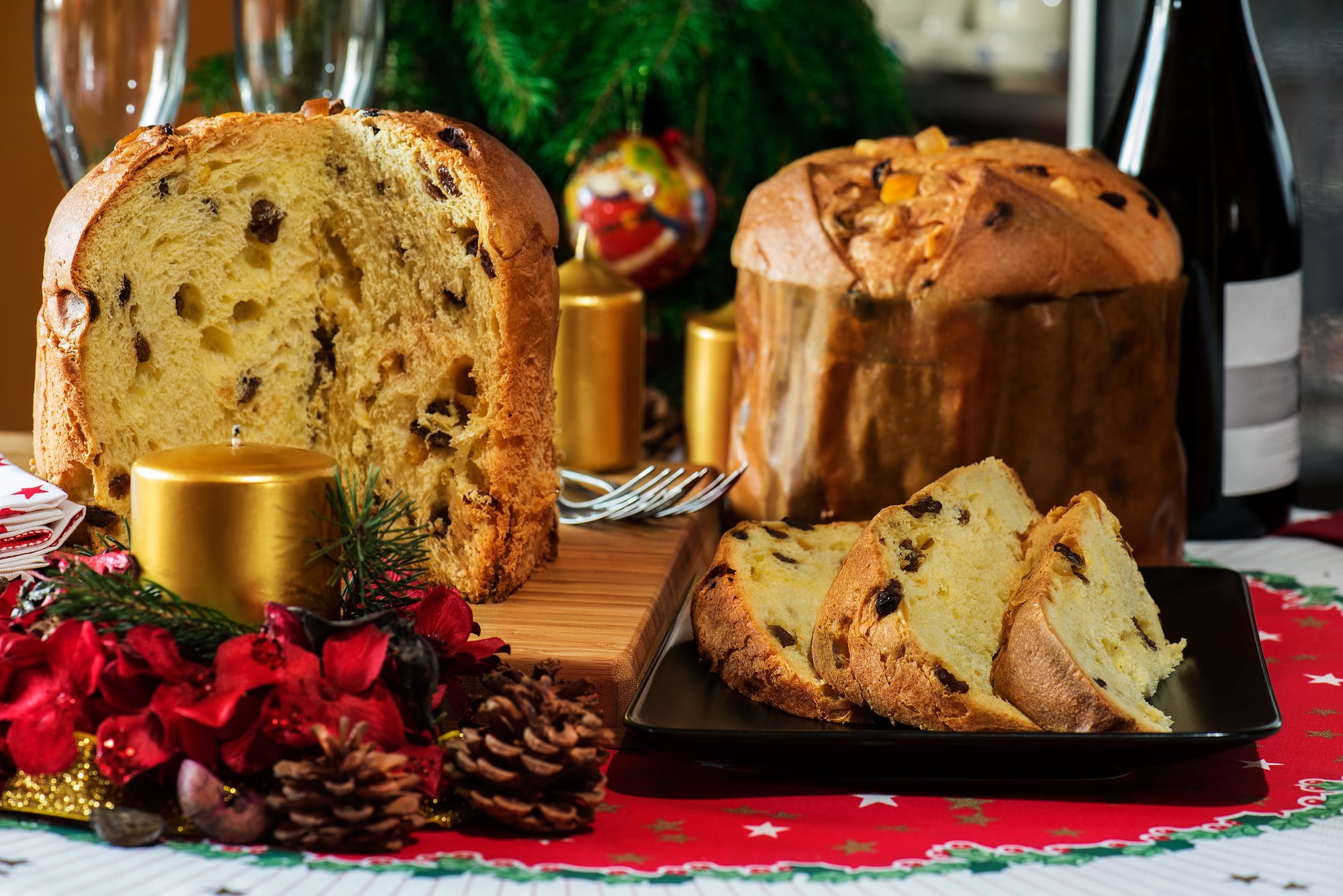
Panettone is the towering, domed bread studded with candied fruits that Italians eat at Christmas. Its origins are murky, surrounded by legends involving lovesick bakers and ruined holiday meals saved by quick thinking.
What’s certain is that the bread comes from Milan, with the earliest written reference dating to the 1470s. But panettone became widely popular only in the early 20th century.
In 1919, baker Angelo Motta revolutionized the recipe by introducing the tall paper mold and a triple-rise technique that gave the bread its now-iconic dome shape. His rival Gioacchino Alemagna followed shortly after, and competition between the two drove industrial production.
Traditional panettone takes days to make. The dough requires multiple rises with a special starter, and the bread must hang upside down while cooling to keep its distinctive dome from collapsing.
Most commercial versions shortcut this process, which is why bakery panettone often tastes noticeably better than supermarket versions.
Pfeffernüsse and the Pepper Connection
These small German cookies get their name from “pepper nuts,” though they contain no nuts. The pepper in the name refers to the combination of spices—traditionally including actual black pepper along with cinnamon, cloves, and cardamom.
Medieval spice blends often included pepper as a warming ingredient, and the name stuck even as recipes evolved. The cookies are hard and dry when fresh, traditionally softened by storing them in a tin with a slice of apple or bread.
This aging process mellows the spices and creates a different texture entirely. Some families preferred them rock-hard, dunked in coffee or wine.
Springerle and the Carved Molds

German springerle cookies are pressed with intricately carved wooden molds before baking, creating raised designs on their surfaces. The molds themselves are works of art, often carved from pear wood and passed down through generations.
Some antique molds date back hundreds of years. The cookies are flavored with anise and allowed to dry overnight before baking, which helps the design stay crisp.
The tradition likely originated in monasteries where monks created the molds and used the cookies as teaching tools, pressing images of saints and biblical scenes into the dough.
Lebkuchen and the Spice Trade

These soft German gingerbread cookies became famous in Nuremberg, a city that sat at the crossroads of medieval spice trade routes. Local bakers had access to exotic ingredients that other regions couldn’t get, and they developed recipes showcasing these expensive spices.
Nuremberg lebkuchen are still protected by law. Only cookies made in the city can carry the Nürnberger Lebkuchen name, similar to how champagne must come from Champagne.
The traditional versions are baked on thin wafer discs called Oblaten and often coated in chocolate or a sugar glaze.
Christmas Pudding’s Slow Steam
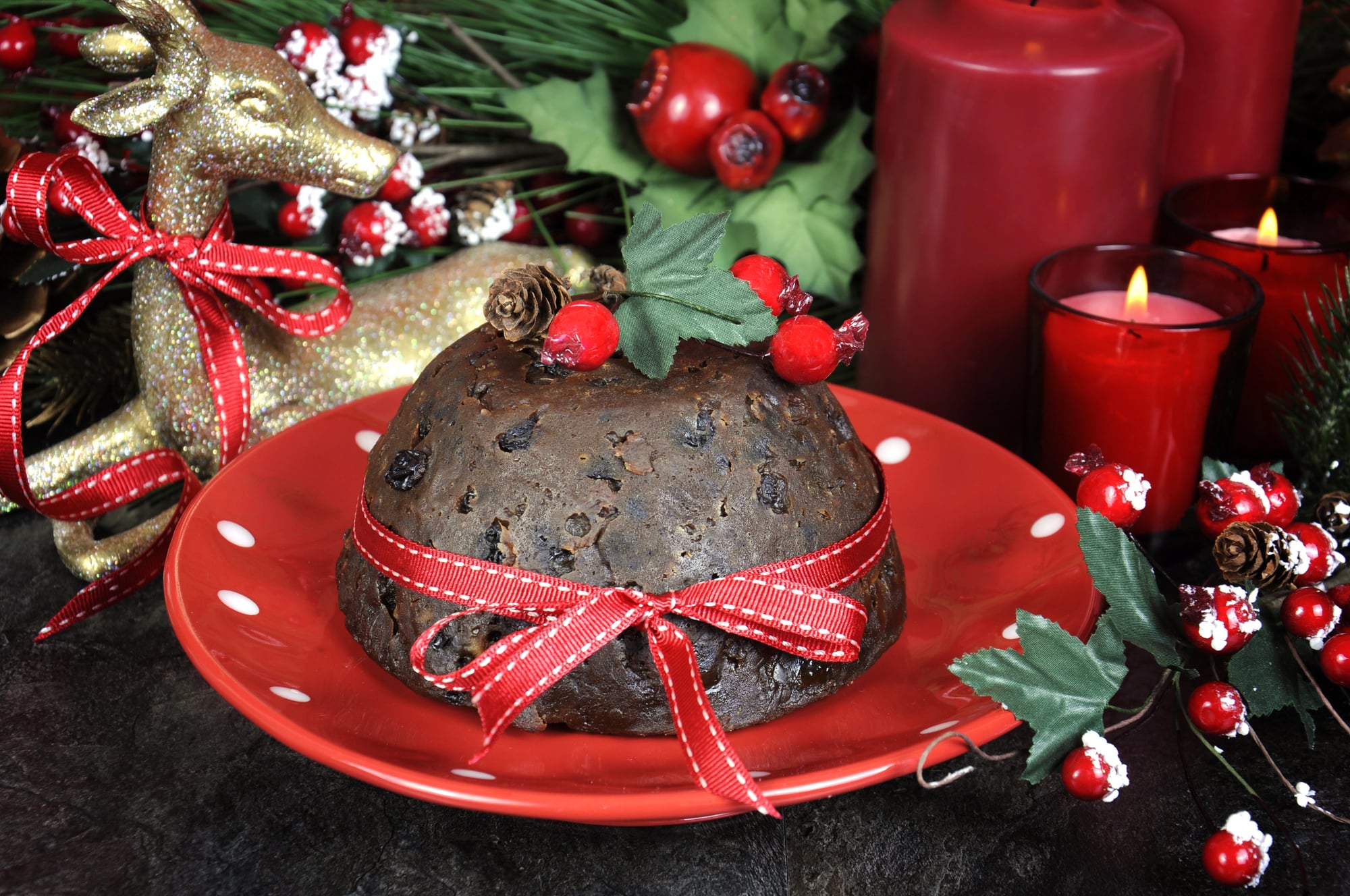
British Christmas pudding is neither a pudding in the American sense nor quick to make. The dense, dark mixture of dried fruits, suet, and breadcrumbs steams for hours and traditionally gets made weeks before Christmas to allow the flavors to mature.
Families often make their puddings on “Stir-Up Sunday,” the last Sunday before Advent. The name actually comes from a prayer in the Book of Common Prayer that begins “Stir up, we beseech thee, O Lord,” though the association with stirring pudding became popular in Victorian times.
Each family member takes a turn stirring the batter from east to west (honoring the Magi’s journey) and making a wish. Silver coins or charms were once hidden inside, with each charm predicting a different future for whoever found it in their slice.
The pudding gets flamed with brandy before serving, a dramatic finale to the Christmas meal.
Krumkake and the Iron That Shapes Them
These delicate Norwegian waffle cookies require a special two-sided iron that presses the batter into thin, patterned discs. While still warm, the cookies are rolled around a wooden cone to create their distinctive shape.
Work too slowly and the cookie hardens flat. The timing takes practice.
The irons were once heated over open fires and required careful temperature control. Modern electric versions make the process easier, but many families still use the heavy cast-iron krumkake irons their grandmothers owned.
When Sugar Met Ceremony

Something had to begin each holiday recipe. Not every keeper won because it tasted best or came together fast.
These stayed around by mattering more – forms that whispered tales, components showing full barns, directions needing everyone nearby. Leftover bits on ceramic tie stoves through ages, attaching your winter nights to candlelit monks, lace-curtained homes, vessels slicing icy ocean paths.
Dustings stuck to fingers have lingered long before.
More from Go2Tutors!

- The Romanov Crown Jewels and Their Tragic Fate
- 13 Historical Mysteries That Science Still Can’t Solve
- Famous Hoaxes That Fooled the World for Years
- 15 Child Stars with Tragic Adult Lives
- 16 Famous Jewelry Pieces in History
Like Go2Tutors’s content? Follow us on MSN.



