Iconic hat designs through history
Hats have been more than just head coverings throughout human civilization. They’ve signaled social status, marked military rank, protected against harsh weather, and sometimes just made people look incredibly stylish.
The evolution of hat design mirrors the changes in society itself, reflecting everything from political movements to fashion revolutions. Here is a list of iconic hat designs that shaped history and continue to influence modern style.
Tricorn Hat
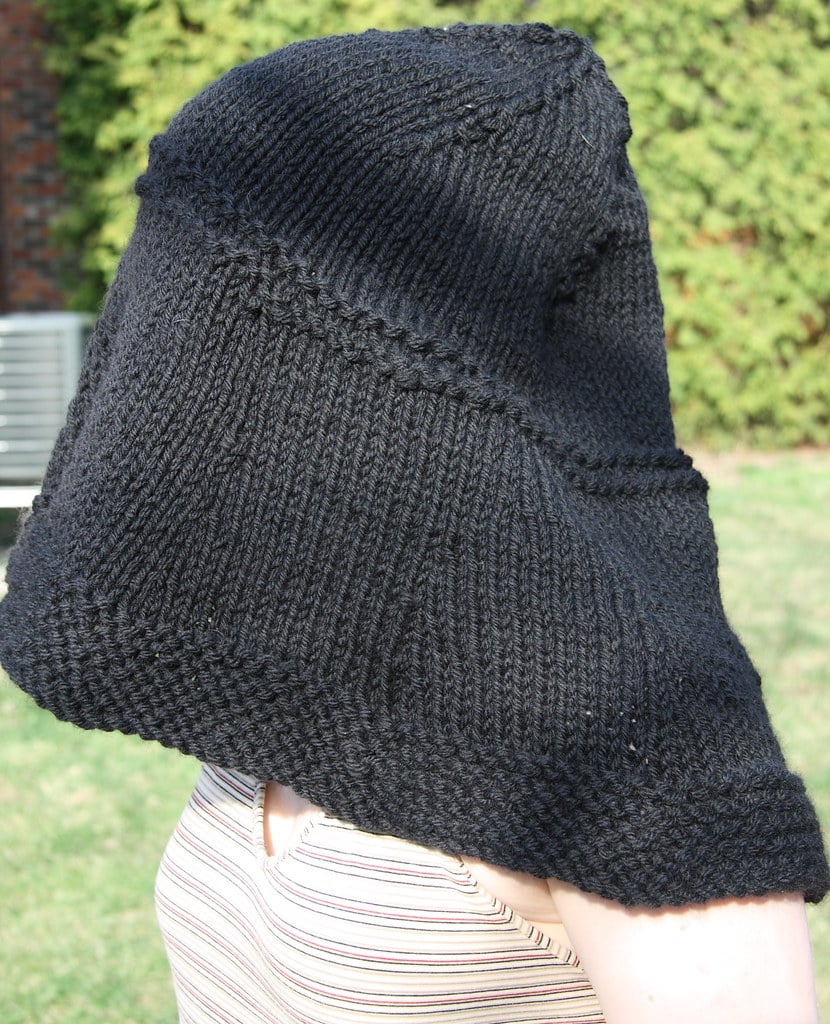
The tricorn dominated the 1700s as the must-have accessory for anyone who wanted to look fashionable or authoritative. Spanish soldiers in Flanders during the 1600s started folding up the brims of their wide hats in three places so their muskets wouldn’t knock the hats off their heads, and French King Louis XIV turned this practical solution into a fashion statement that swept across Europe.
The triangular shape had a bonus feature that made it genuinely useful—those upturned brims acted like rain gutters, channeling water away from the wearer’s face and shoulders during downpours.
Bicorne Hat
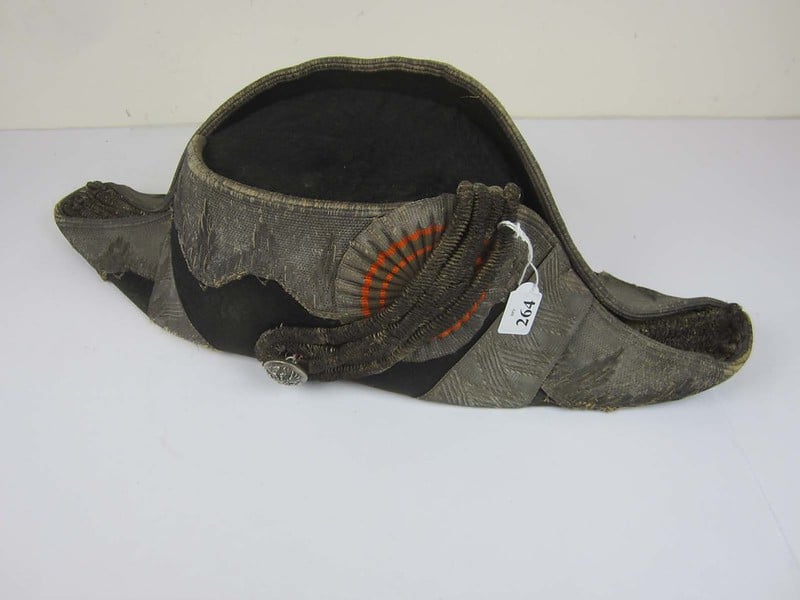
When the tricorn started feeling a bit dated by the 1790s, military officers across Europe adopted its sleeker cousin with just two points instead of three. Napoleon Bonaparte became so associated with the bicorne that several of his personal hats have sold at auction for over a million dollars each.
The design was practical enough to fold flat and tuck under your arm when you walked indoors, which earned it the nickname ‘chapeau-bras’ or arm-hat in French.
Top Hat
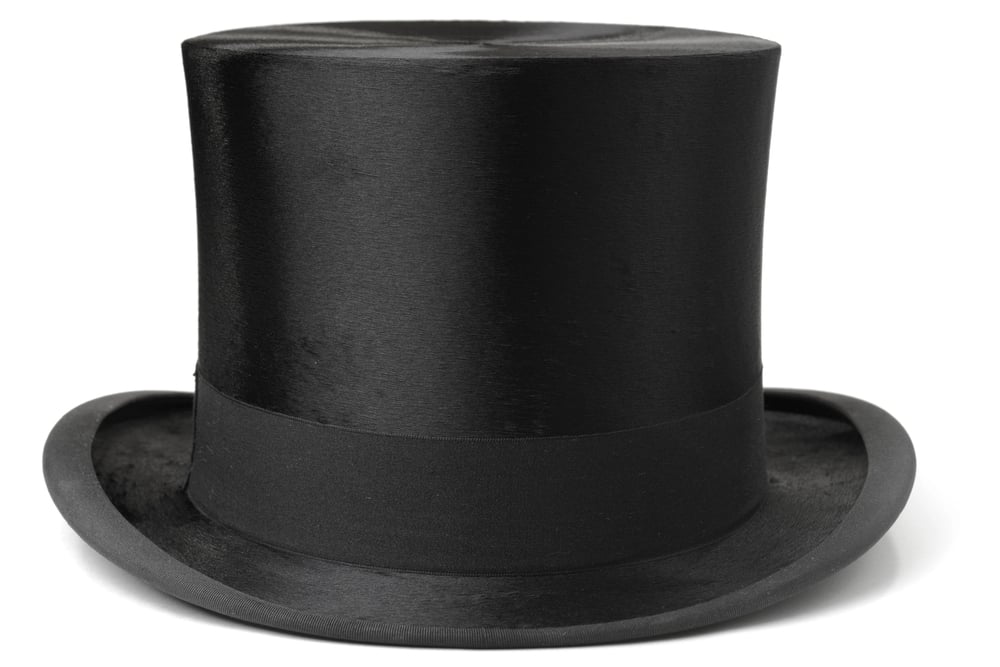
Nothing screamed ‘I’m important’ quite like the top hat when it emerged in the early 1800s. These towering cylinders of beaver felt or silk added several inches to a man’s height and became the uniform of wealthy gentlemen, politicians, and anyone trying to project an air of sophistication.
Abraham Lincoln, already standing at six feet four inches, added another eight inches with his signature stovepipe top hat, making him literally impossible to miss in a crowd.
Bowler Hat
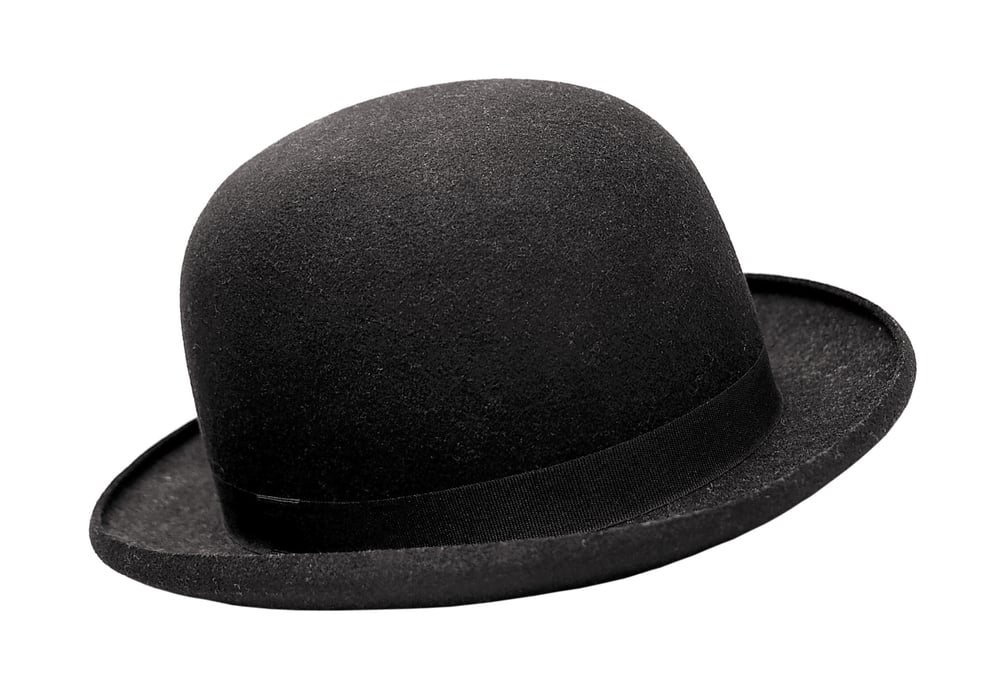
British hat makers Thomas and William Bowler created this sturdy felt hat in 1849 for a completely different crowd than you might expect. Originally designed as practical headwear for British gamekeepers and American railroad workers, the bowler eventually became the symbol of businessmen commuting through London with their umbrellas and newspapers.
The rounded crown could take a beating better than a top hat, which is exactly what working folks needed before it became a fixture of the middle class.
Fedora
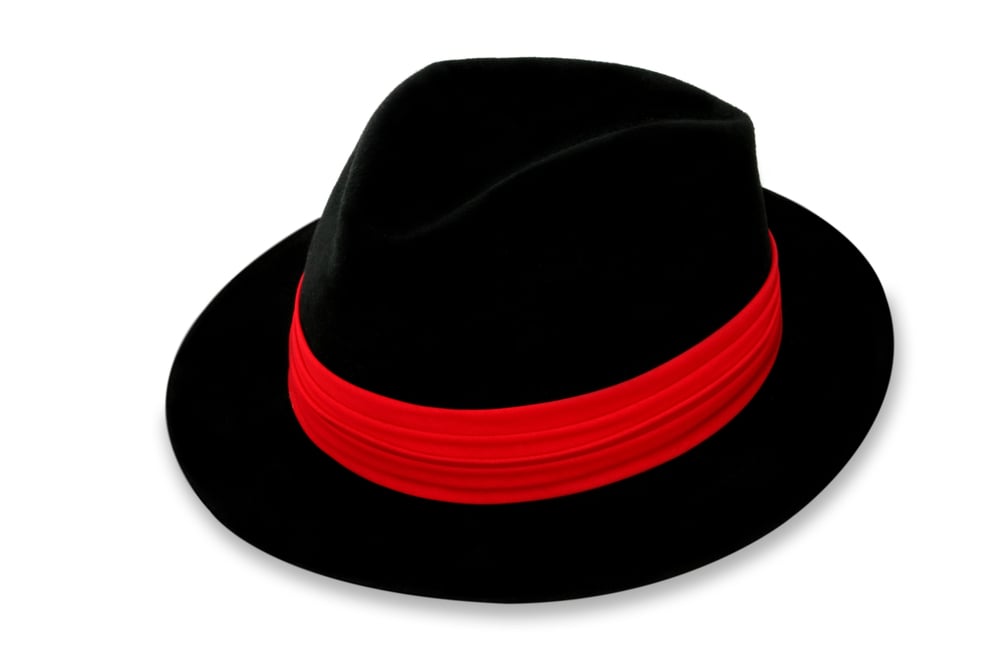
The fedora started making waves in the 1880s and got its name from a French play called ‘Fédora,’ though it really hit its stride in the 1920s. Gangsters like Al Capone turned this soft felt hat with its center crease into an icon of both style and shadiness, wearing them tilted at jaunty angles that newspapers and newsreels broadcast across America.
Even after Prohibition ended, the fedora stuck around as the go-to hat for detectives in film noir and anyone trying to channel that mysterious, tough-guy vibe.
Homburg
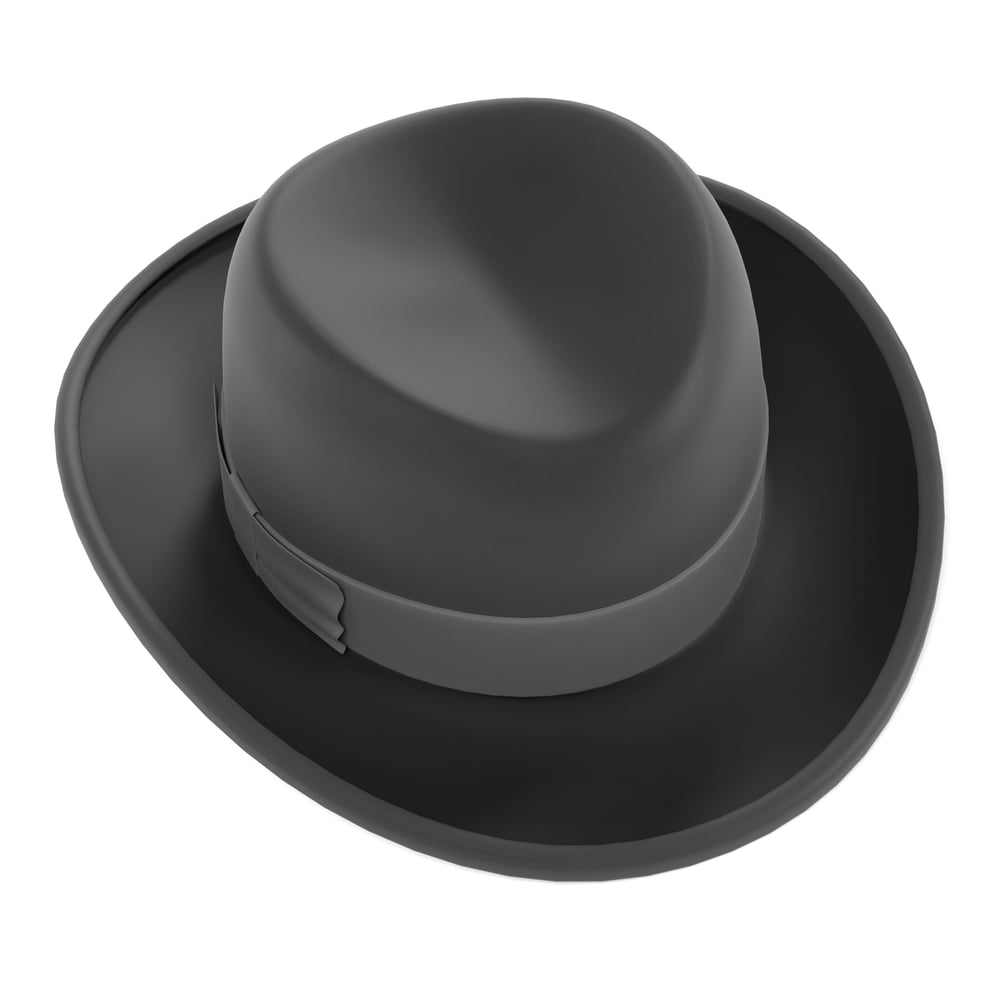
This elegant hat with its curled brim and center crease first showed up in the German spa town of Bad Homburg in the 1880s. The Prince of Wales wore one and got people interested, but it was Winston Churchill’s gray homburg during World War II that really cemented the style’s place in history.
The hat’s slightly dressier look compared to the fedora made it the choice for diplomats and businessmen who wanted to appear refined without going full top-hat formal.
Cowboy Hat
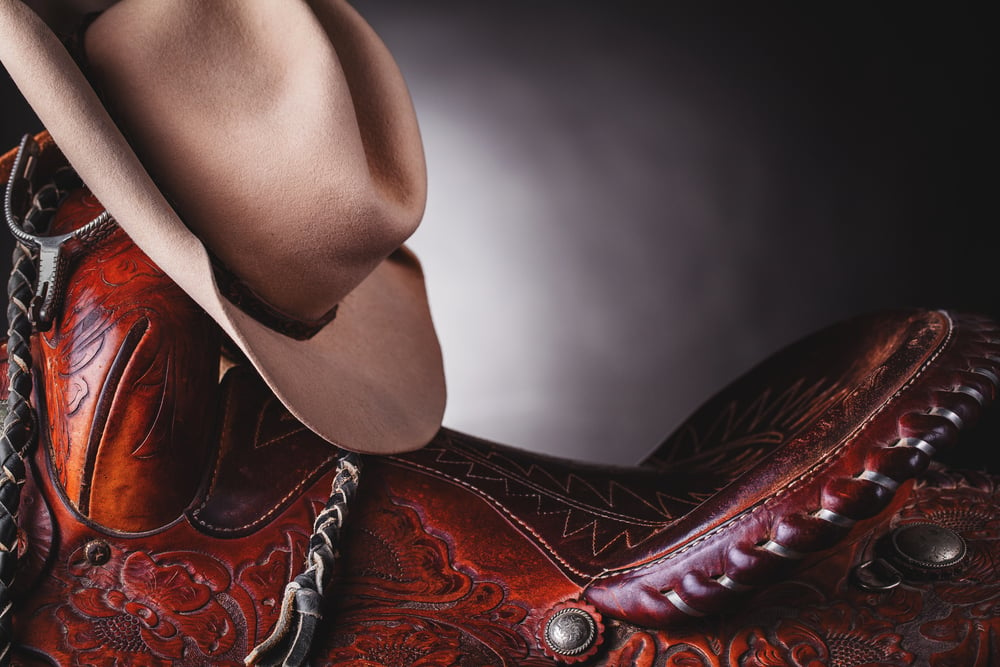
John B. Stetson didn’t set out to create an American icon when he designed the ‘Boss of the Plains’ in 1865, but that’s exactly what happened. After spending time in Colorado’s harsh conditions, this Philadelphia hat maker crafted a wide-brimmed, high-crowned felt hat that could protect from sun and rain, hold water for your horse, and even fan a campfire.
Buffalo Bill Cody and countless other Western legends wore Stetsons, turning the practical design into a symbol of the American frontier that’s just as recognizable today whether you spot one in Texas or Tokyo.
Pith Helmet
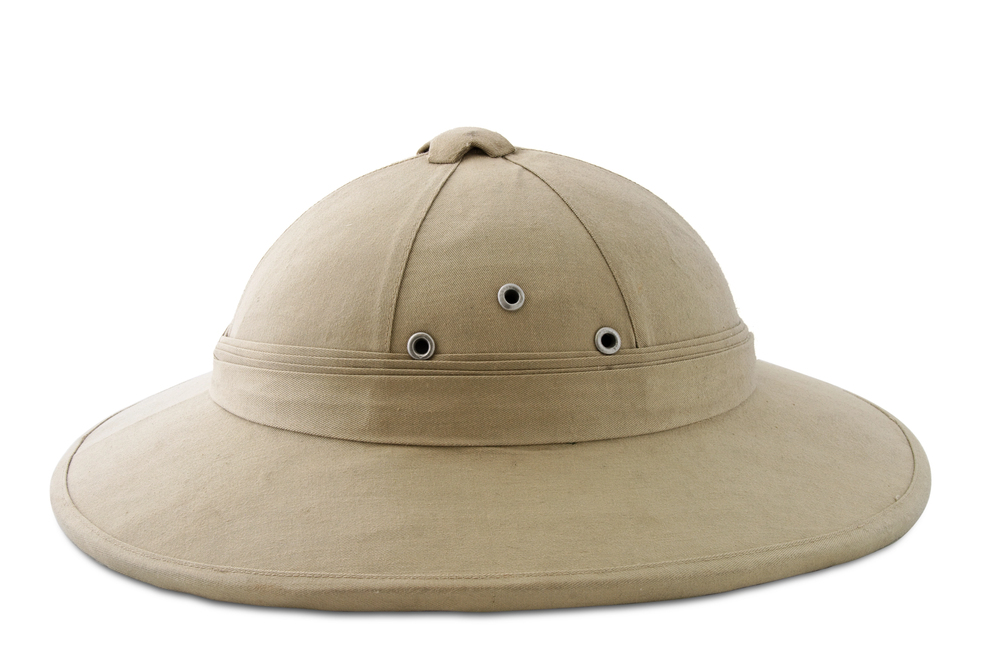
The lightweight pith helmet originated from traditional Filipino headgear called the salakot before European colonizers adapted it for tropical campaigns in the mid-1800s. Made from spongy plant material and covered with cloth, these dome-shaped helmets became the uniform of colonial officials, soldiers, and explorers across Africa, Asia, and the Middle East.
While they were supposedly worn to protect Europeans from ‘tropical solar radiation’ that was thought to damage their nervous systems, modern medicine has thoroughly debunked that theory, though the helmet remains a powerful symbol of the colonial era.
Beret
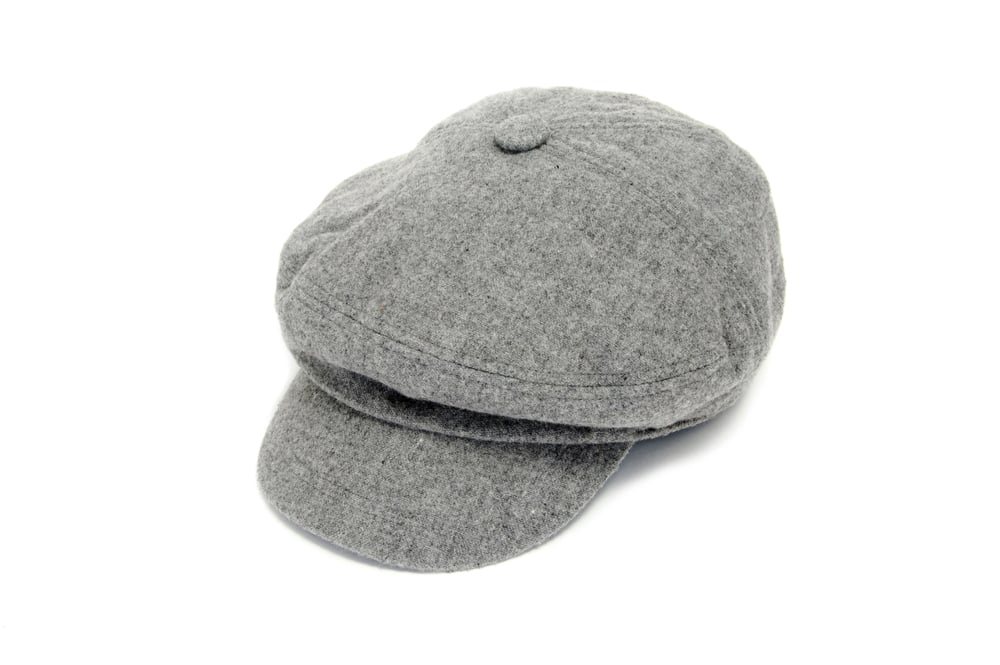
This simple, flat-crowned hat has been keeping heads warm across Europe for centuries, but France really made it their own. Practical for everyone from Basque shepherds to artists in Montmartre, the beret became associated with bohemian culture and French identity by the early 1900s.
Military forces around the world adopted different colored berets to distinguish various units, turning a humble piece of wool into a badge of honor that special forces still wear with pride today.
Cloche Hat
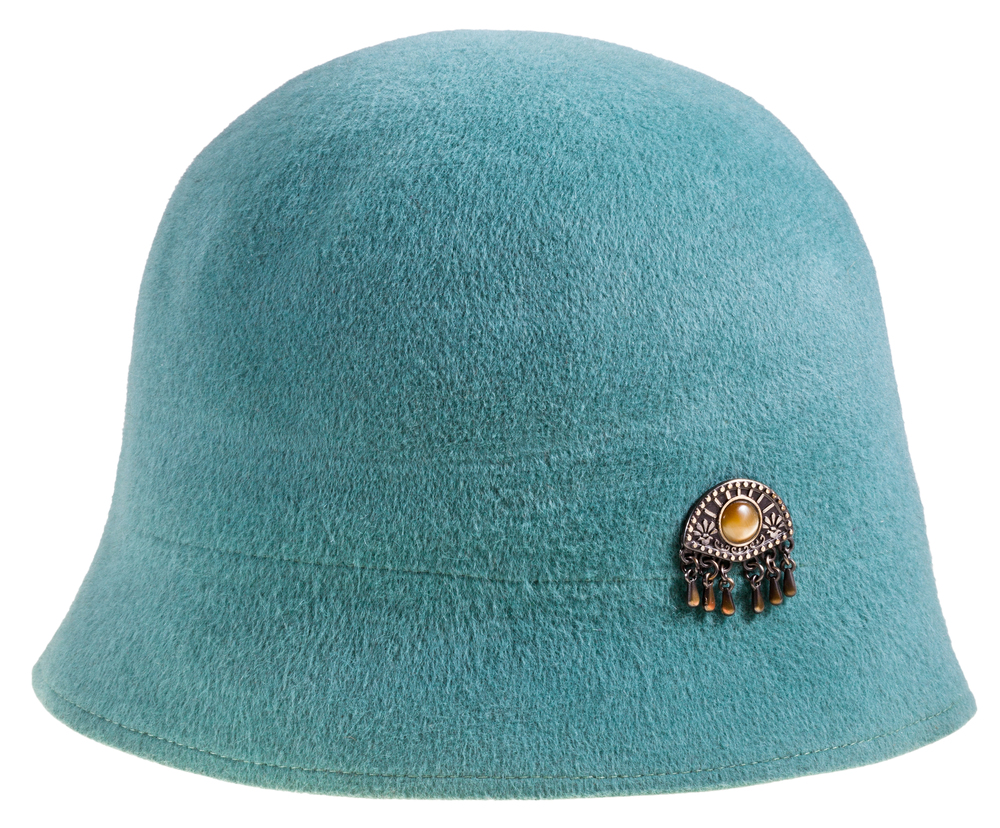
French milliner Caroline Reboux created the cloche in 1908, but this snug, bell-shaped hat didn’t explode in popularity until the 1920s. Flappers wore these felt hats pulled down so low over their eyebrows that they had to hold their chins up and look down with their eyes, creating an air of confidence and mystery that perfectly matched the era’s spirit.
The cloche’s tight fit worked beautifully with the short bob haircuts that were all the rage, and women wouldn’t leave the house without one during the Roaring Twenties.
Pillbox Hat

Small, round, and sitting right on top of the head, the pillbox hat existed for decades before First Lady Jackie Kennedy made it legendary. When she wore a pink pillbox to John F. Kennedy’s 1960 presidential campaign events in front of two million people, American women rushed to copy her sophisticated style.
That same pink hat became tragically iconic when she wore it during the Dallas motorcade in 1963, forever linking this simple design to a moment that changed American history.
Panama Hat
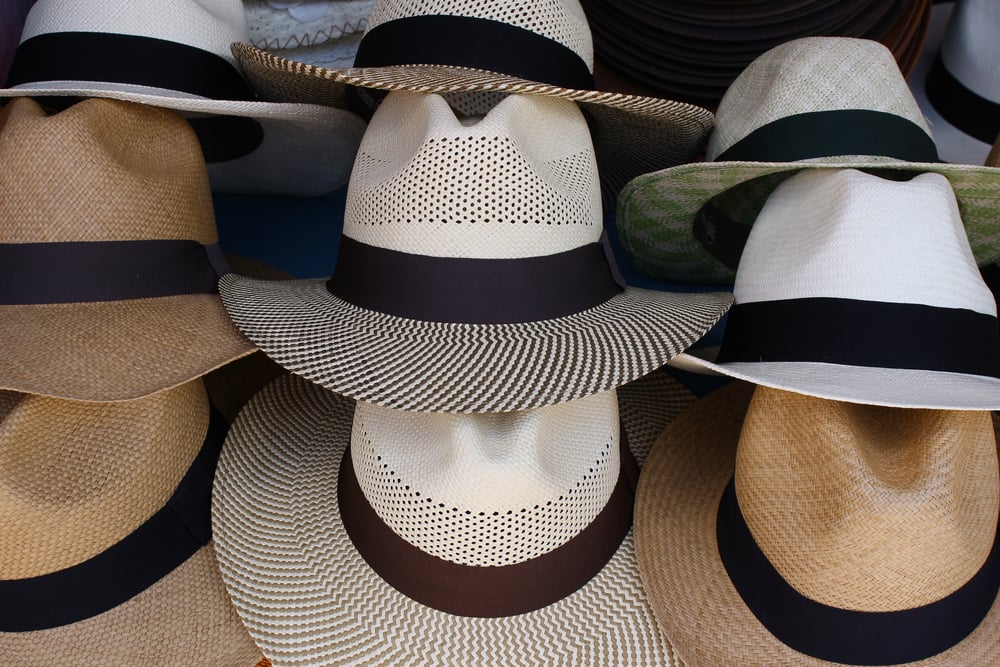
Despite the name, Panama hats actually come from Ecuador, where skilled artisans have been weaving them from toquilla straw for centuries. The hat earned its misleading name because workers building the Panama Canal in the early 1900s wore them for sun protection, and that’s where the rest of the world first noticed them in large numbers.
These lightweight, breathable hats became the summer alternative to heavy felt fedoras, equally at home on a tropical beach or a city street during the warmer months.
Sombrero
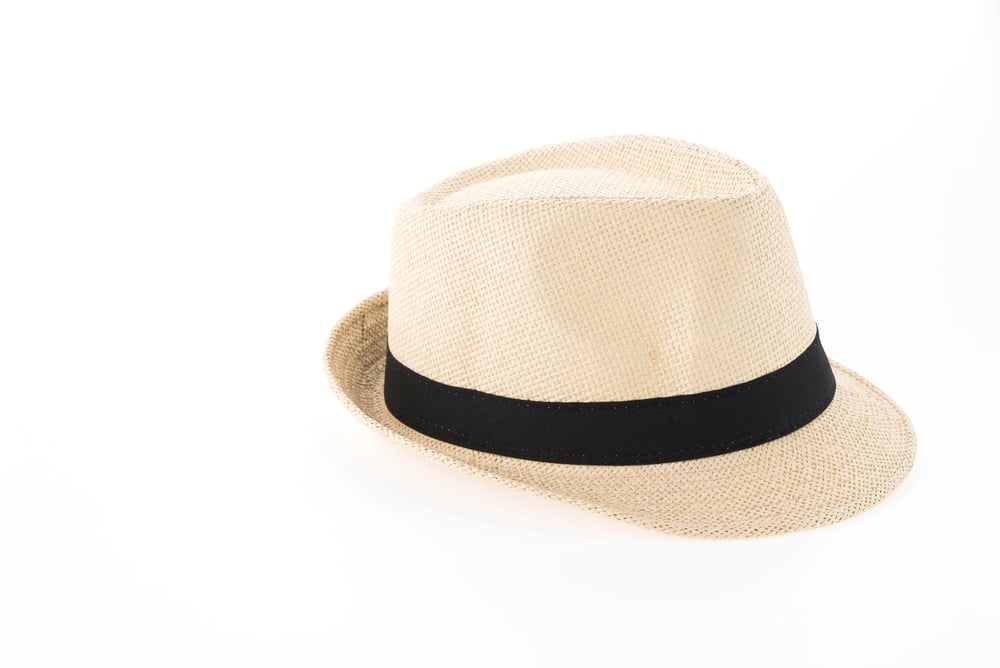
The wide-brimmed Mexican sombrero was originally designed with one purpose—providing serious shade in intense sun. The name literally means ‘shade maker’ in Spanish, and these hats delivered on that promise with brims that could extend well over a foot on either side of the crown.
While mariachi musicians made ornately decorated versions famous, working vaqueros relied on more practical designs that could stand up to long days outdoors while protecting their faces and necks from brutal sun exposure.
Baseball Cap
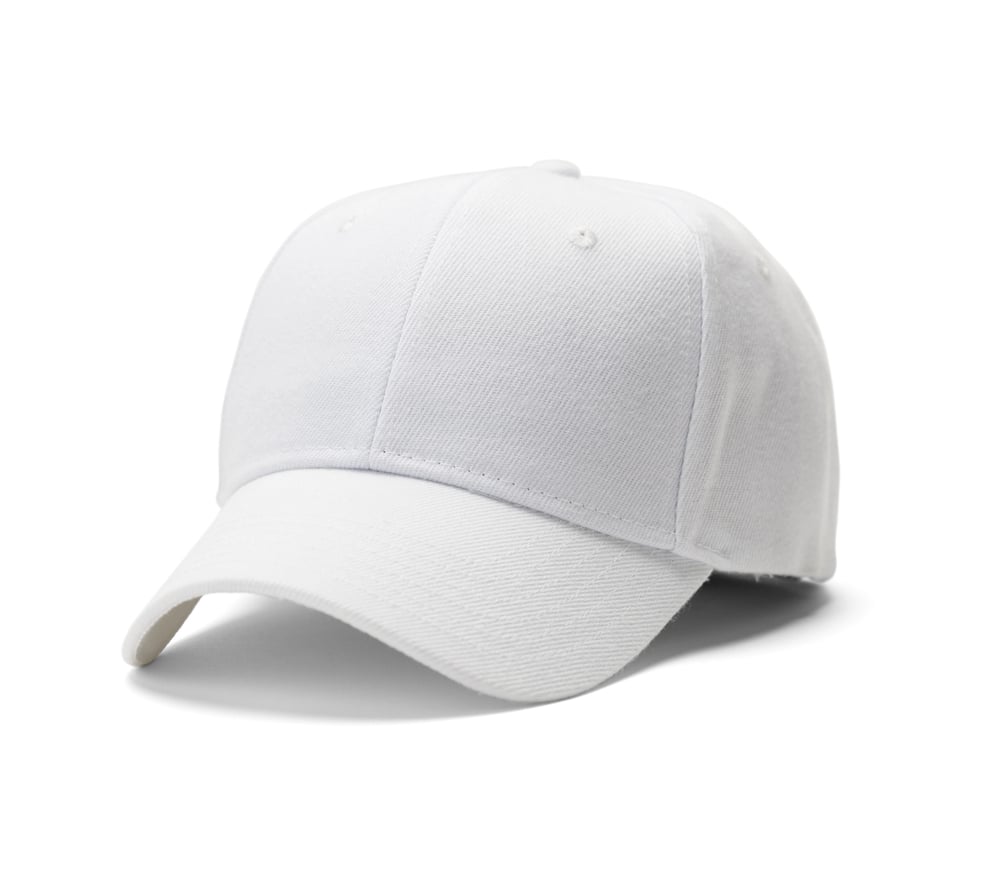
Baseball teams initially wore straw hats in the 1840s before someone realized that wasn’t the brightest idea for catching fly orbs. The modern baseball cap design emerged by the 1860s with its distinctive crown and bill, though it took until 1894 for the Boston Baseball Club to add the first logo.
The Detroit Tigers really changed the game in 1901 when they stuck a tiger logo on their caps, essentially inventing the team merchandise concept that now generates billions of dollars and has made the baseball cap America’s unofficial national hat.
Fez
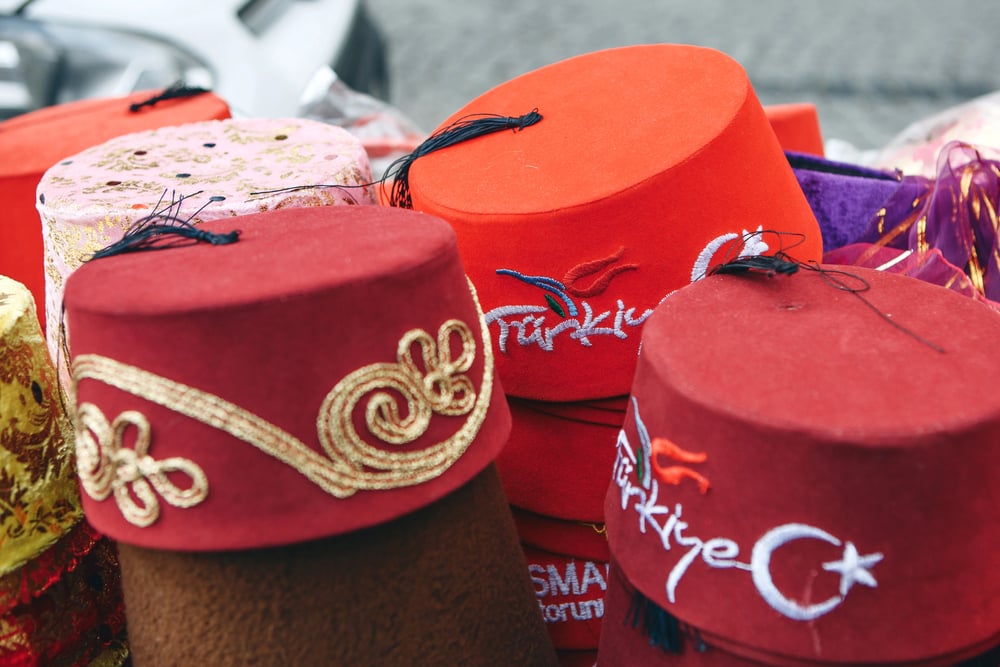
This red, cone-shaped hat with a tassel became deeply associated with the Ottoman Empire and spread across North Africa and the Middle East. Made from felt and traditionally colored with red dye, the fez was practical in hot climates because it didn’t have a brim to get in the way during prayer.
The hat became so entrenched in Ottoman culture that Turkey’s modernization movement in the 1920s actually banned the fez as part of their push toward Western-style dress reforms.
Ushanka
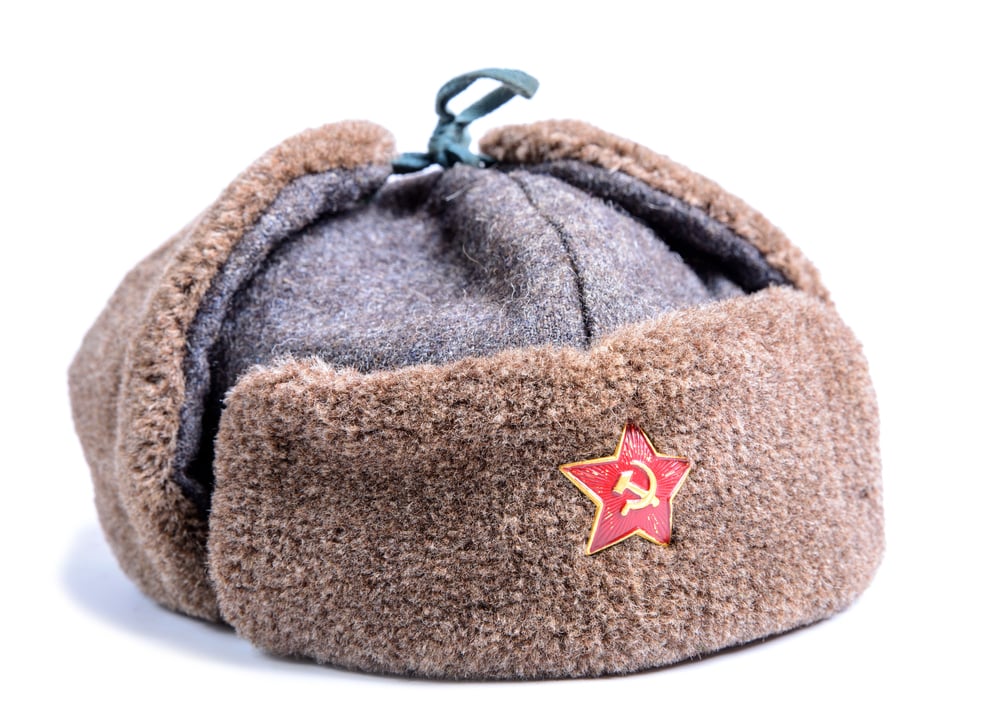
This Russian fur hat with fold-down ear flaps was specifically designed to survive winters that would make most people want to hibernate. The Soviet military adopted the ushanka during World War II after discovering that their previous pointed hats were absolutely useless against Finnish winter conditions.
The name comes from ‘ushi,’ meaning ears in Russian, and anyone who’s experienced temperatures below zero understands why protecting those particular body parts became a military priority that spread to police forces in cold climates worldwide.
Hats That Outlast Empires
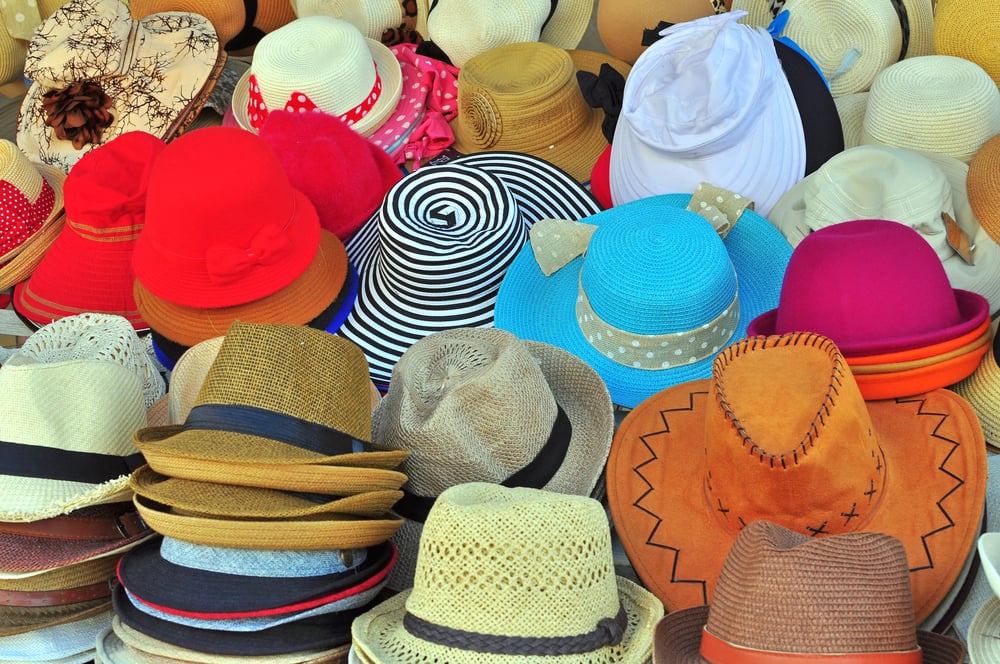
The most successful hat designs share a common thread—they solved real problems before becoming fashion statements. That utilitarian beginning is what gave these hats staying power beyond their original context, allowing them to evolve from battlefield necessity or sun protection into cultural symbols that transcend borders and generations.
Today’s fashion designers still draw inspiration from these historical designs, proving that good ideas never really go out of style, they just get reinterpreted for new audiences. Whether it’s a baseball cap in Seoul or a fedora in Sydney, these hat designs continue connecting people to history in ways both practical and profound.
More from Go2Tutors!

- The Romanov Crown Jewels and Their Tragic Fate
- 13 Historical Mysteries That Science Still Can’t Solve
- Famous Hoaxes That Fooled the World for Years
- 15 Child Stars with Tragic Adult Lives
- 16 Famous Jewelry Pieces in History
Like Go2Tutors’s content? Follow us on MSN.


