Iconic Bridges With Hidden Histories
Every famous bridge has a postcard image. You’ve seen the photos countless times—the Golden Gate shrouded in fog, Tower Bridge framed against London’s skyline, the Brooklyn Bridge at sunset.
But the stories behind these structures rarely make it into tourist brochures. The real histories involve scandals, deaths, engineering gambles, and decisions that almost never happened.
These bridges carry more than traffic. They carry secrets.
The Golden Gate Bridge and Its Self Harm Net Debate
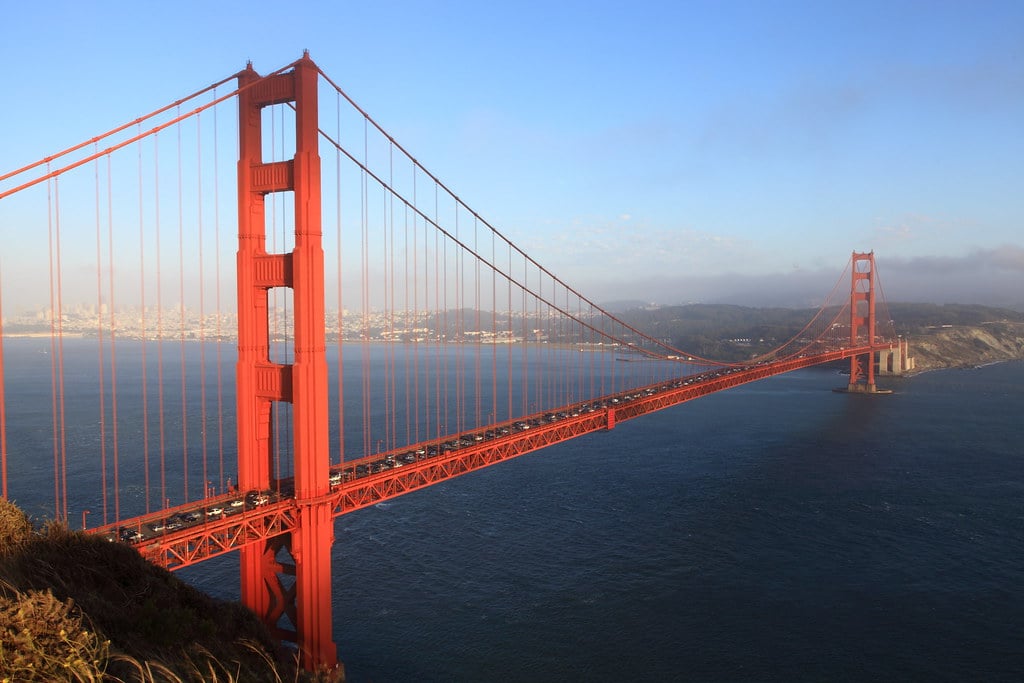
San Francisco’s most recognizable landmark wasn’t always painted International Orange. The Navy wanted it striped yellow and black for visibility.
An architect convinced them otherwise, arguing the orange-red would complement the natural landscape and cut through fog better than any other color. But here’s what tour guides don’t mention: the bridge became America’s most common location for people to end their lives within years of opening in 1937.
Over 1,800 confirmed deaths have occurred there. For decades, officials resisted installing barriers, arguing they would ruin the aesthetic.
A safety net finally began construction in 2017, but only after families spent years fighting against the “preservation of beauty” argument that valued appearance over human life.
Tower Bridge’s Engineering Lies
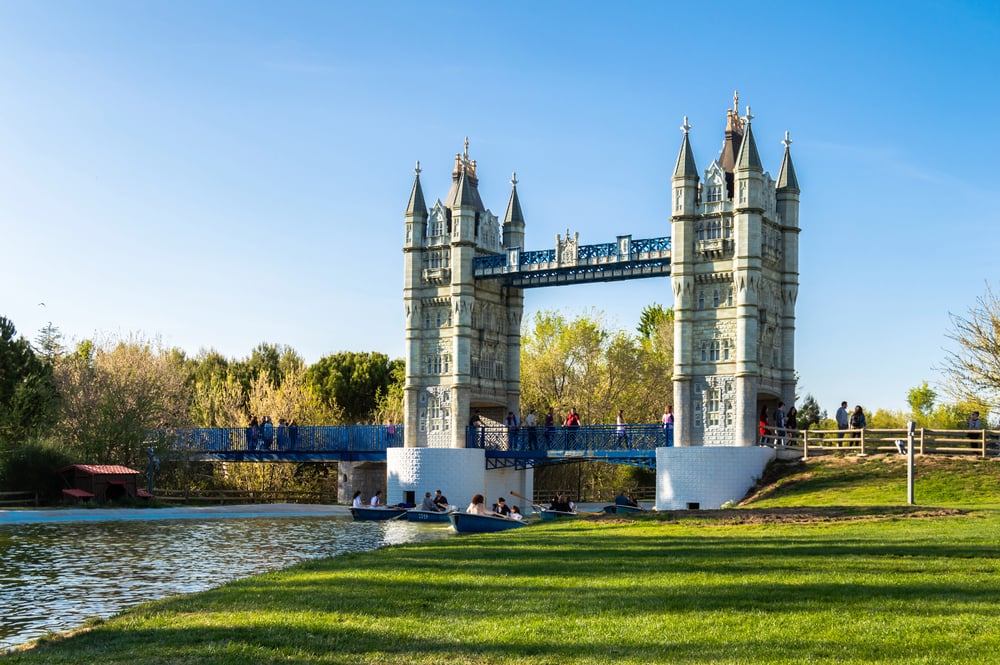
London’s Tower Bridge looks medieval, but it opened in 1894 using cutting-edge hydraulic technology. The Victorian Gothic style was purely decorative—a facade added to make the modern bridge fit the Tower of London’s aesthetic.
The bridge’s bascules were lifted dozens of times daily when it first opened, allowing tall ships to pass. Engineers told the public the hydraulic system was perfectly safe and would never fail.
They were lying. The bridge got stuck in the raised position multiple times during its first years of operation, trapping pedestrians on one side and vehicles on the other.
Mechanics worked through the night on several occasions to unstick the massive gears while officials downplayed the incidents in newspapers.
Brooklyn Bridge’s Caisson Disease
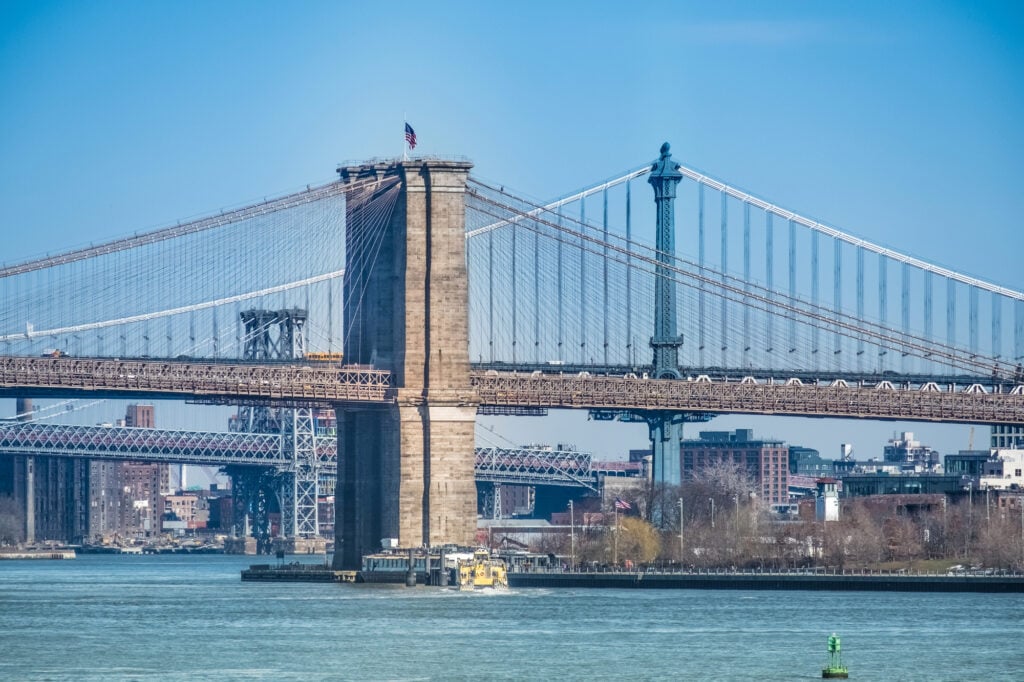
Building the Brooklyn Bridge killed at least 27 workers, but the most insidious danger was invisible. Workers descended into massive caissons—watertight chambers—on the river floor to excavate bedrock for the bridge foundations.
The air pressure inside these chambers was three times normal atmospheric pressure. When workers finished their shifts and returned to the surface too quickly, nitrogen bubbles formed in their blood.
They called it “caisson disease,” now known as decompression sickness or “the bends.” Men writhed in agony.
Some died. Others became paralyzed.
The chief engineer himself, Washington Roebling, spent years bedridden from the condition. His wife Emily took over directing the construction, though she received almost no credit at the time.
Pont Neuf Isn’t New At All
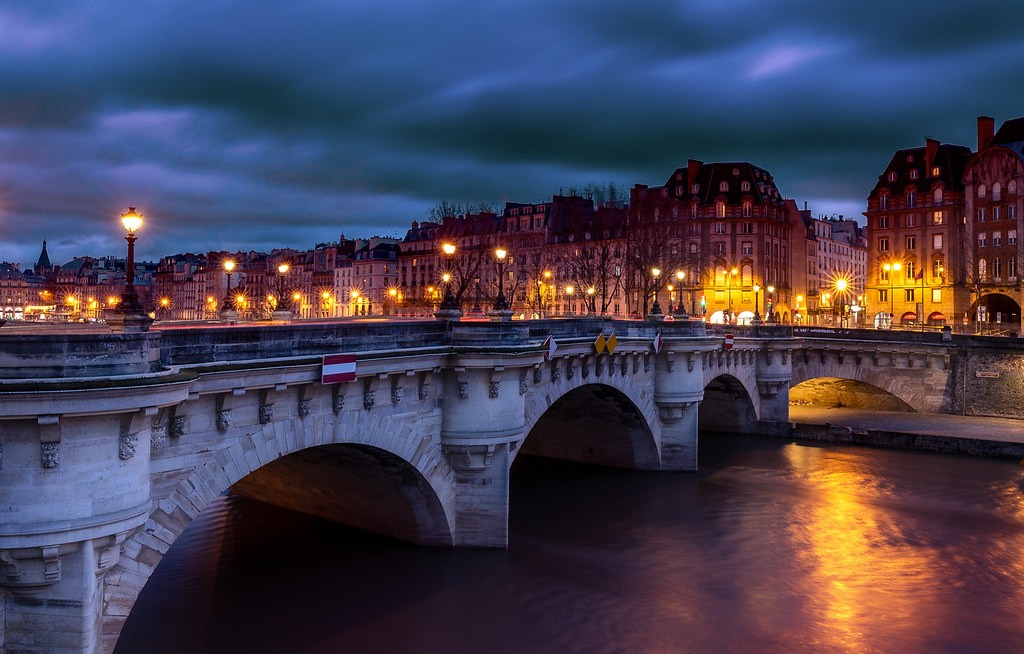
Paris’s Pont Neuf translates to “New Bridge,” but it’s actually the oldest standing bridge across the Seine. Construction started in 1578 under Henry III, and it took 30 years to complete.
The bridge earned its name because it was new in design, not age. Earlier Parisian bridges were crowded with buildings and shops.
Pont Neuf was revolutionary because it had sidewalks and no structures blocking the view of the river. But the real scandal came later: the bridge became a notorious gathering place for petty criminals, performers, and people selling dubious remedies.
Police regularly raided the area, making it simultaneously one of Paris’s most celebrated landmarks and one of its most disreputable addresses.
Sydney Harbour Bridge’s Missing Ribbon
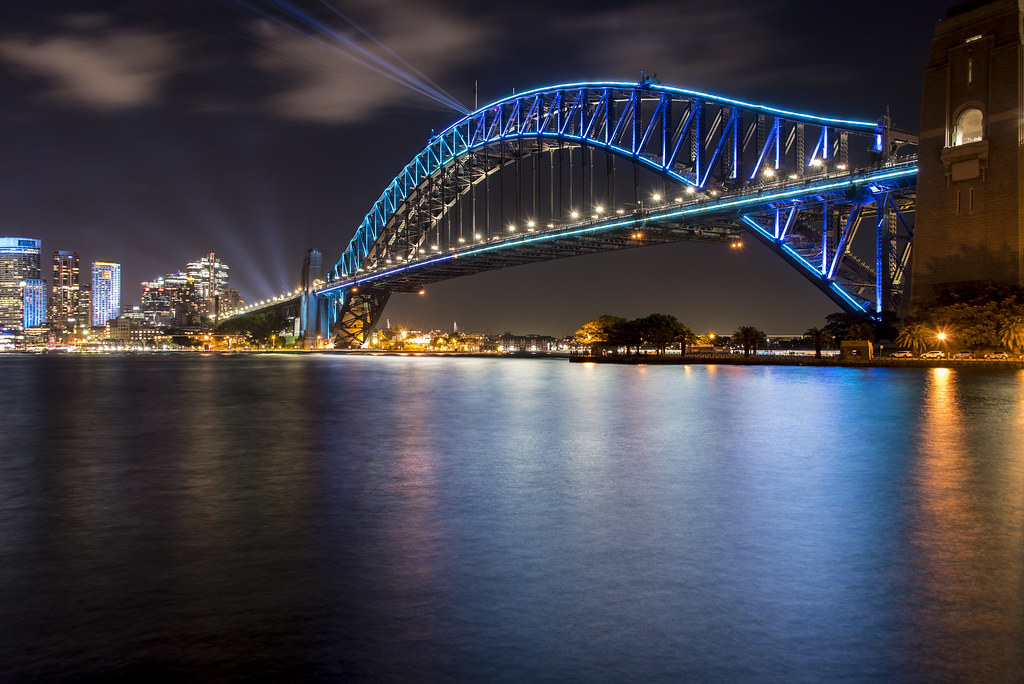
When the Sydney Harbour Bridge opened in 1932, New South Wales Premier Jack Lang was supposed to cut the ceremonial ribbon. Before he could, a man on horseback named Francis de Groot rode up and slashed the ribbon with his sword, declaring the bridge open in the name of the people rather than the government.
De Groot belonged to a right-wing paramilitary group opposed to Lang’s Labor government. Authorities arrested him immediately and charged him with offensive behavior. They had to re-tie the ribbon so Lang could cut it properly.
De Groot paid a small fine, and the incident became a footnote—except it perfectly captured the political tensions of Depression-era Australia that most bridge celebrations ignore.
The Rialto Bridge’s Architectural Rebellion
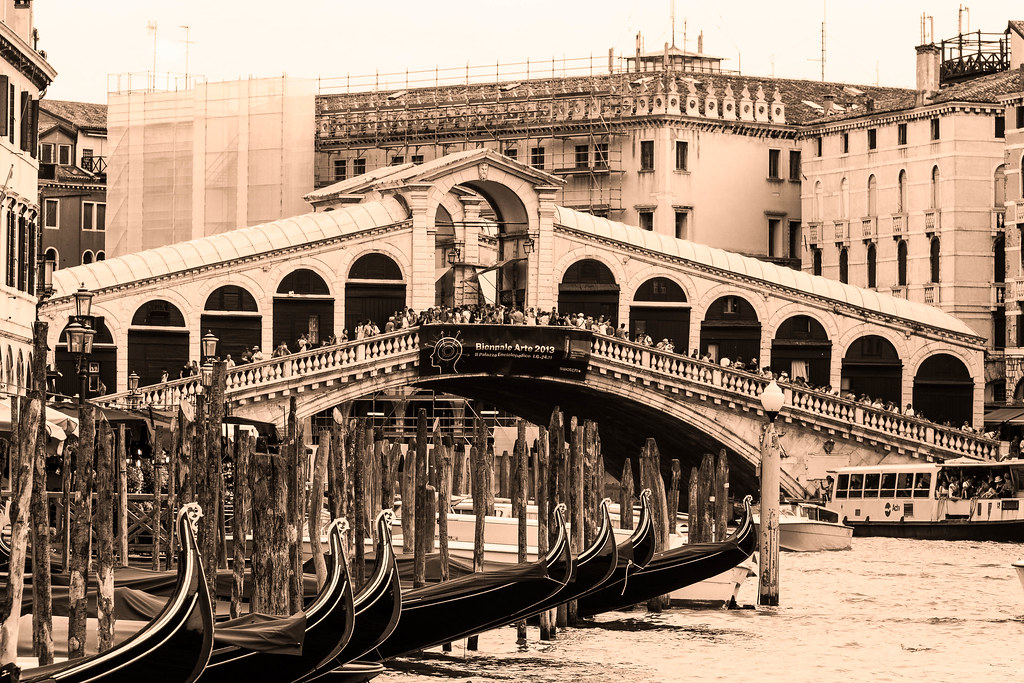
Venice’s Rialto Bridge faced fierce opposition from the establishment when Antonio da Ponte proposed his design in 1588. Leading architects declared the single-span stone arch would collapse into the Grand Canal.
They demanded pillars for support.
Da Ponte proceeded anyway, and the bridge has stood for over 400 years. But the controversy reveals how the structure was as much a political statement as an engineering feat.
Da Ponte was an outsider who won the commission despite having less prestigious credentials than his competitors. The Venetian elite wanted him to fail.
When the bridge succeeded, it humiliated the architectural establishment and proved that innovation sometimes comes from unexpected sources.
Charles Bridge’s Astrological Foundation
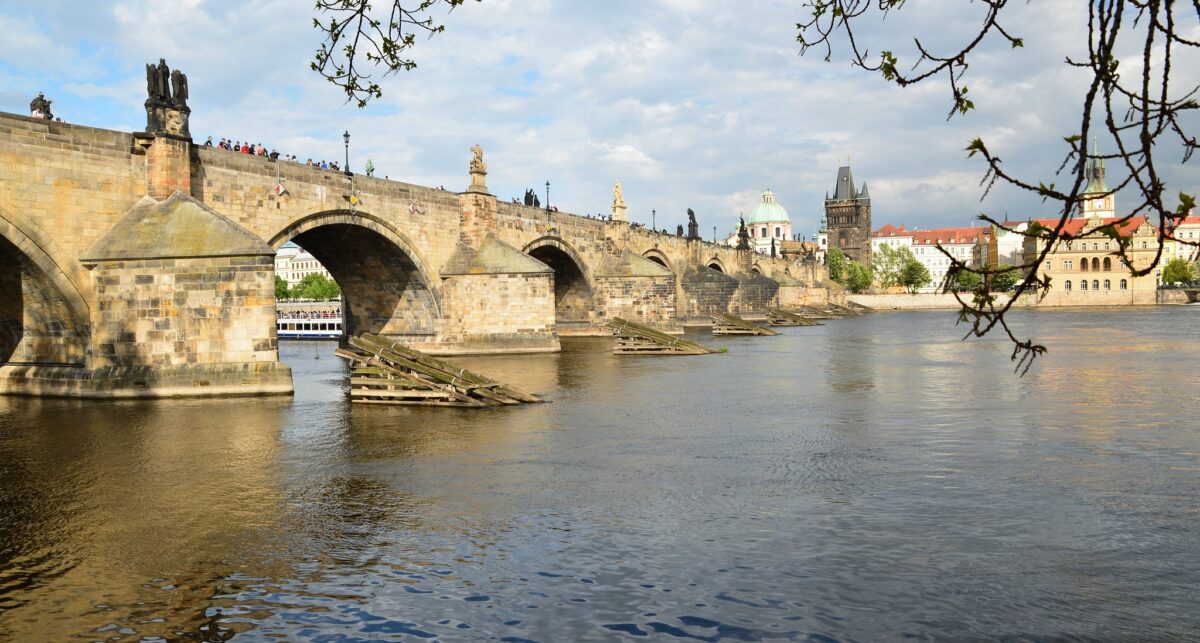
Prague’s Charles Bridge began construction in 1357, and legend says King Charles IV consulted astrologers to determine the perfect moment to lay the foundation stone. They calculated the ideal time down to the minute: 5:31 AM on July 9.
The numbers formed a palindrome in medieval notation: 1-3-5-7-9-7-5-3-1. Whether this mathematical symmetry actually contributed to the bridge’s stability is doubtful, but Charles believed it would.
The bridge survived massive floods that destroyed other structures, which only reinforced the mystical origin story. Sometimes superstition gets credit that belongs to good engineering.
Alcántara Bridge and the Architect’s Inscription
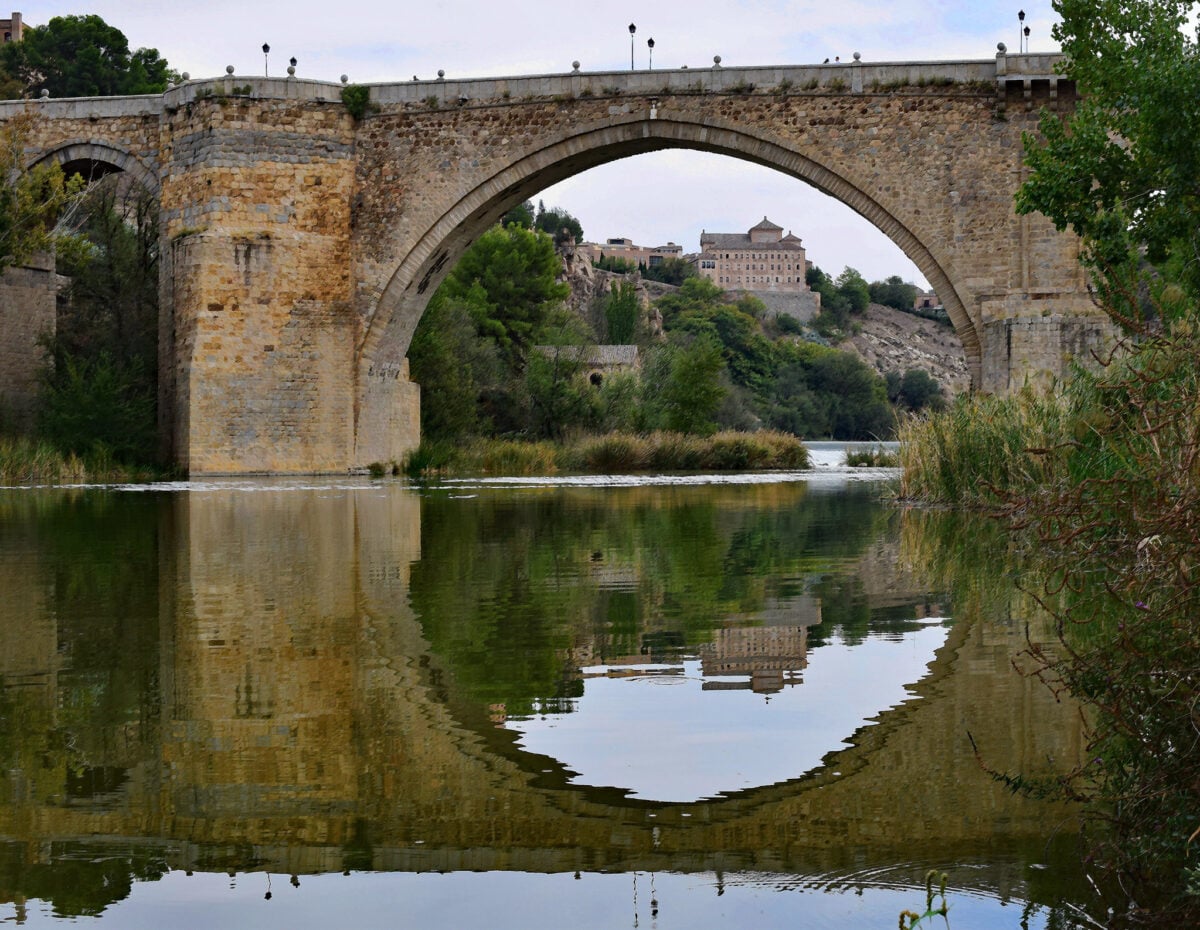
This Roman bridge in Spain, completed in 106 AD, includes a small temple at one end. Inside, the architect Gaius Julius Lacer carved an inscription that translates roughly to: “I have built a bridge which will stand forever.”
That’s either breathtaking confidence or stunning arrogance, depending on your perspective. The bridge has survived for nearly 2,000 years despite multiple wars that damaged it.
The Moors partially destroyed it in the 11th century. Spanish forces blew up one arch in the early 19th century to slow Napoleon’s army.
Each time, someone rebuilt it. Lacer’s boast turned out to be more accurate than he had any right to expect.
Millau Viaduct’s Wind Tunnel Tests
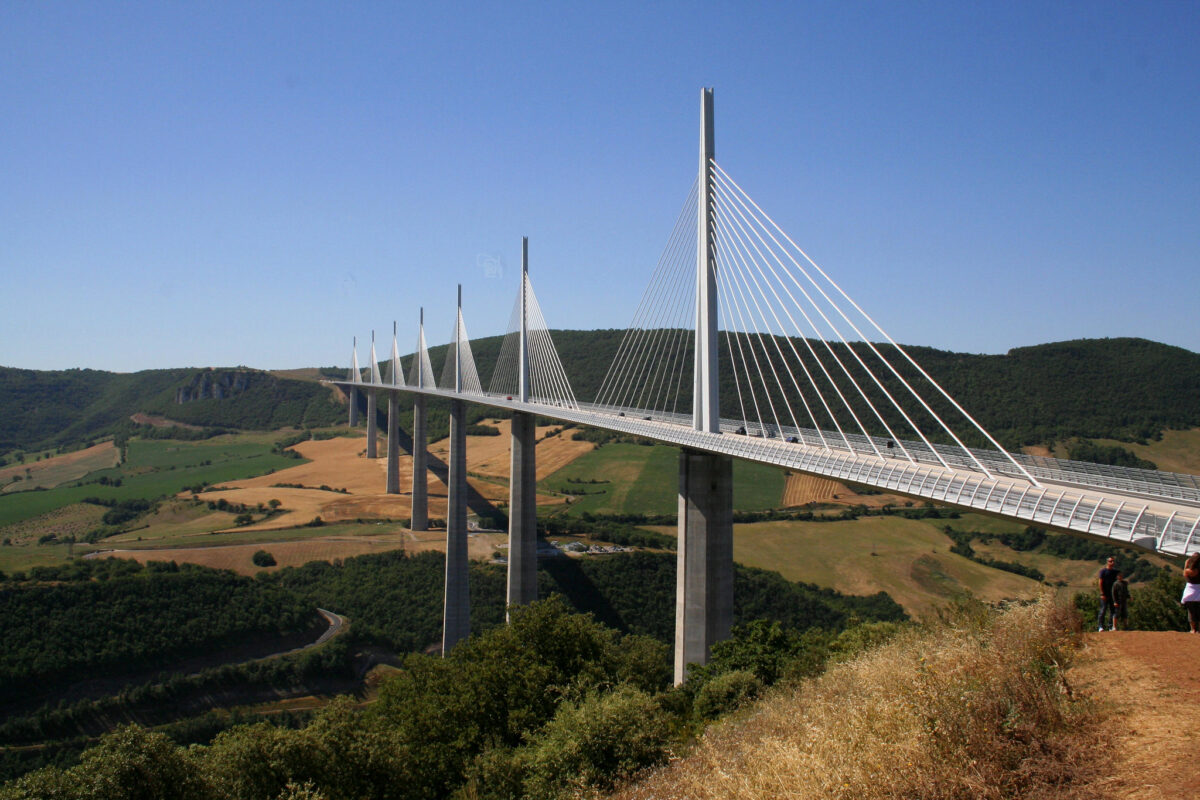
France’s Millau Viaduct, opened in 2004, is the tallest bridge in the world. Its highest pillar stretches 1,125 feet—taller than the Eiffel Tower.
Engineers worried constantly about wind. The Tarn Valley experiences powerful crosswinds that could make the bridge sway dangerously or create turbulence that would terrify drivers.
Designers built a scale model and tested it in wind tunnels for months. They discovered that the original design would create a humming sound loud enough to disturb the nearby town.
They modified the deck structure to eliminate the noise. The final bridge is so stable that drivers often don’t realize they’re 890 feet above the valley floor until they look down.
Ponte Vecchio’s Wartime Exception
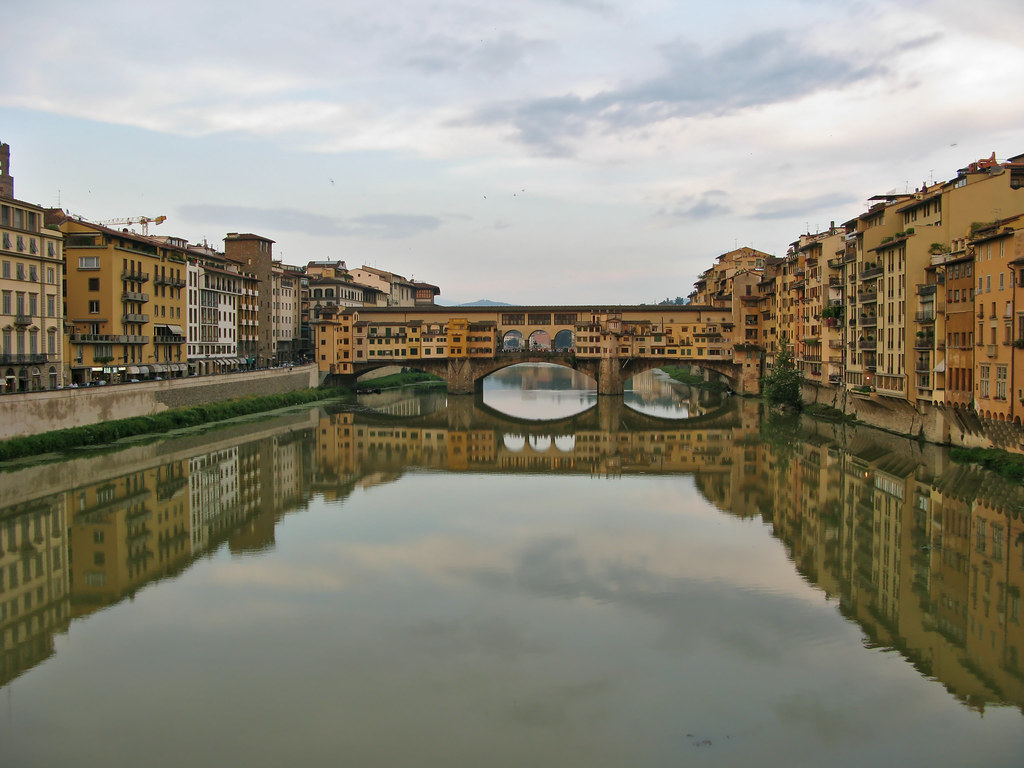
Florence’s Ponte Vecchio is the only bridge over the Arno River that German forces didn’t destroy during their 1944 retreat from the city. Every other bridge fell.
This one survived. The common story credits Hitler with ordering its preservation because he admired Florence’s beauty.
That’s romantic but likely false. The more plausible explanation involves a simple military strategy: destroying the Ponte Vecchio would have created too much rubble, potentially blocking the river and creating new crossing points for Allied forces.
The Germans instead destroyed the buildings on both ends of the bridge, blocking access more effectively than demolition would have. Art survived because of tactical calculation, not sentiment.
Tacoma Narrows Bridge’s Dancing Death
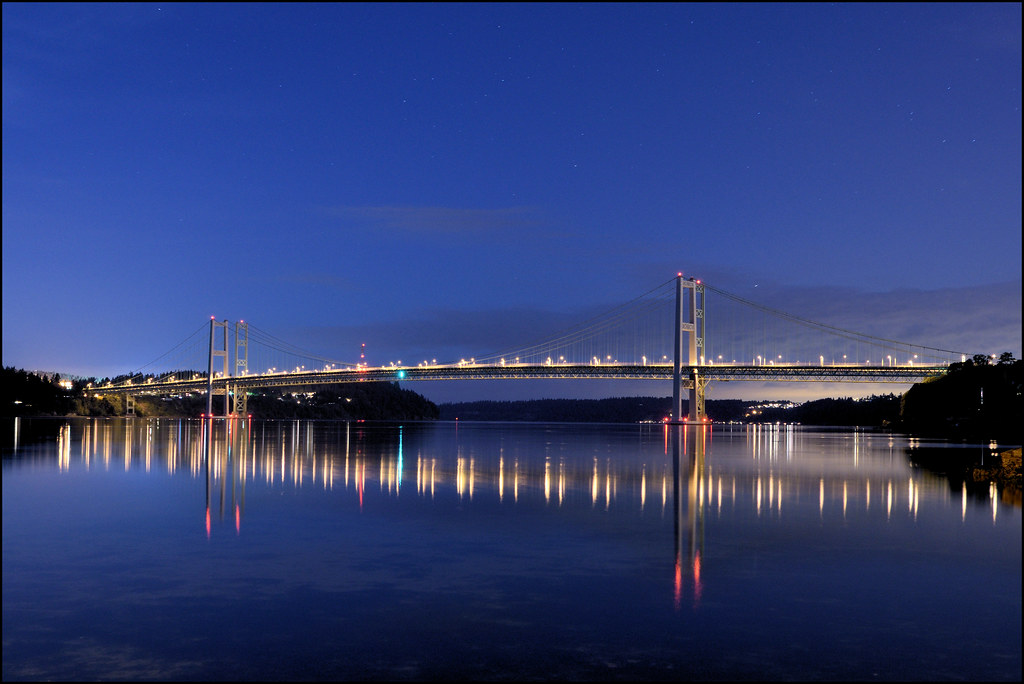
The original Tacoma Narrows Bridge earned the nickname “Galloping Gertie” for the way it swayed in the wind. Engineers knew it moved.
They thought it was harmless. On November 7, 1940, just four months after opening, the bridge began oscillating violently in 40-mph winds.
The deck twisted and heaved like something alive. A dog trapped in an abandoned car died—the only fatality—before the entire center span tore apart and crashed into Puget Sound.
Film footage of the collapse became required viewing in engineering schools. The failure taught engineers about aerodynamic instability and changed how suspension bridges were designed worldwide.
Galloping Gertie destroyed herself, but she educated everyone who came after.
Si-o-se-pol Bridge’s Coffeehouse Arches
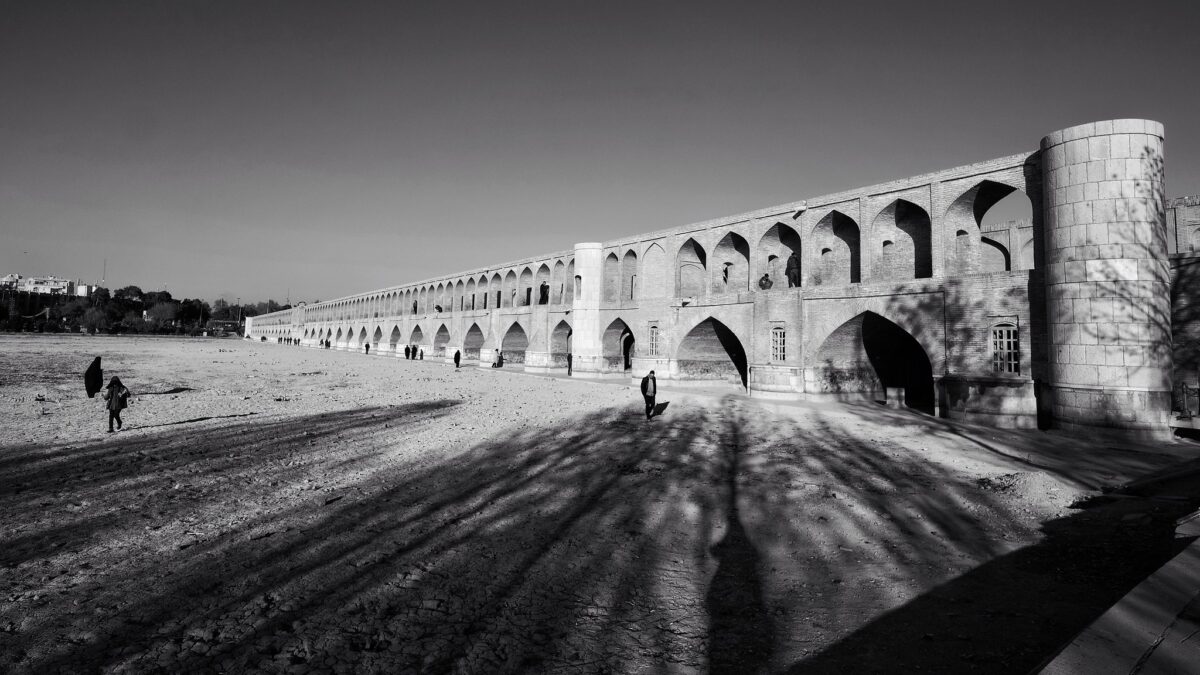
Isfahan’s Si-o-se-pol Bridge has 33 arches spanning the Zayandeh River in Iran. Built in the early 1600s, it served as both a crossing and a social space.
The lower level features recessed arches that historically housed coffeehouses and tearooms. Shah Abbas I commissioned the bridge partly as infrastructure and partly as a public gathering space.
People came to walk, talk, and watch the river. The bridge was architecture designed for community, not just transportation.
When the river runs dry during droughts—which happens more frequently now—locals still gather on the bridge to socialize in the empty riverbed below. The structure maintains its social function even when it no longer needs to serve its original purpose.
Chengyang Wind and Rain Bridge’s No-Nail Construction
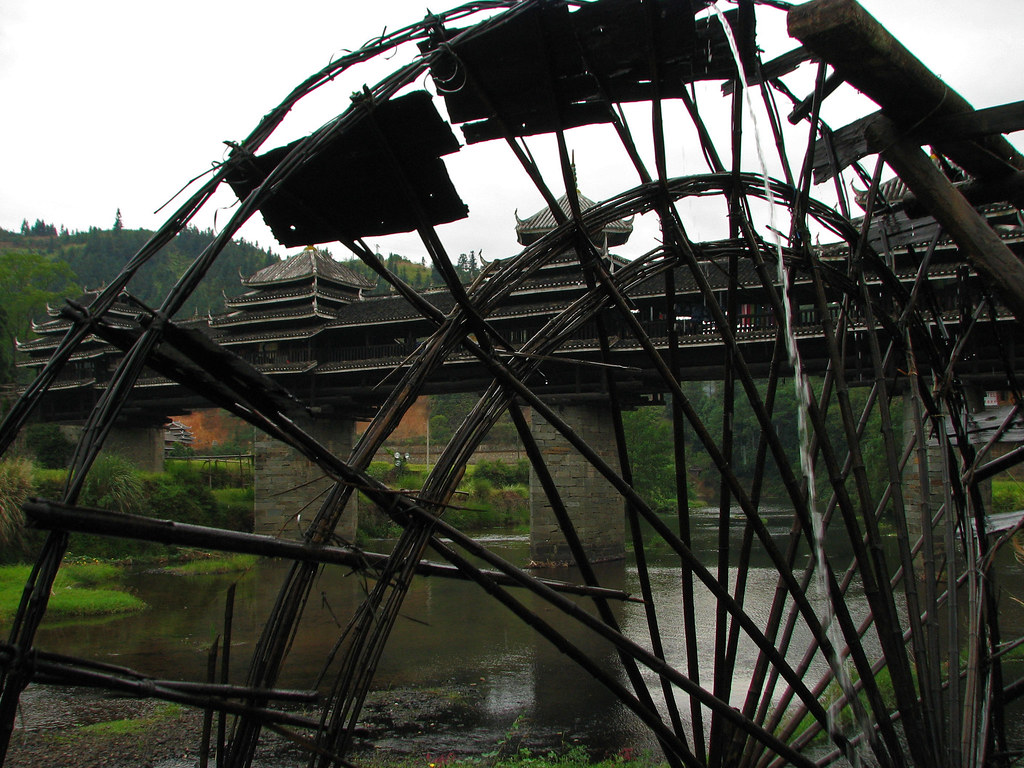
The Chengyang Bridge in China, built in 1916, used traditional Dong minority architecture techniques that avoided nails entirely. Builders fitted wooden components together using precise joinery and wooden pegs.
The covered bridge includes pavilions where travelers could rest and escape weather. Its name—Wind and Rain Bridge—reflects this protective function.
But the remarkable part is durability: a wooden structure assembled without metal fasteners has survived for over a century in a humid climate that should have rotted decades ago. The Dong people understood wood properties and joinery better than engineers with modern tools.
Sometimes ancient techniques outperform contemporary ones.
Bridges That Remember
These structures aren’t just engineering achievements or tourist attractions. They’re records of the compromises, failures, innovations, and sometimes pure luck that went into building them.
The real stories include the parts people tried to hide—the workers who suffered, the designs that failed, the political battles nobody wanted documented. Every time you cross a famous bridge, you’re traveling over somebody’s disaster that got fixed, someone’s radical idea that worked despite opposition, or someone’s calculated risk that paid off.
The hidden histories matter more than the postcards because they remind you that nothing impressive gets built without struggle. The bridges that look effortless required the most effort.
The ones that seem timeless almost didn’t get built at all.
More from Go2Tutors!

- The Romanov Crown Jewels and Their Tragic Fate
- 13 Historical Mysteries That Science Still Can’t Solve
- Famous Hoaxes That Fooled the World for Years
- 15 Child Stars with Tragic Adult Lives
- 16 Famous Jewelry Pieces in History
Like Go2Tutors’s content? Follow us on MSN.