Strange Facts About Modern Synthetic Diamond Making
The diamond industry has always been shrouded in mystery, but nothing prepared anyone for what happened when scientists figured out how to grow diamonds in laboratories. What started as a scientific curiosity has turned into a technological revolution that’s rewriting everything people thought they knew about the world’s most coveted gemstone.
These aren’t cheap imitations or knockoffs — they’re chemically identical to diamonds pulled from the earth, yet the process of making them reveals some truly bizarre realities.
Temperature Requirements Mirror The Earth’s Core
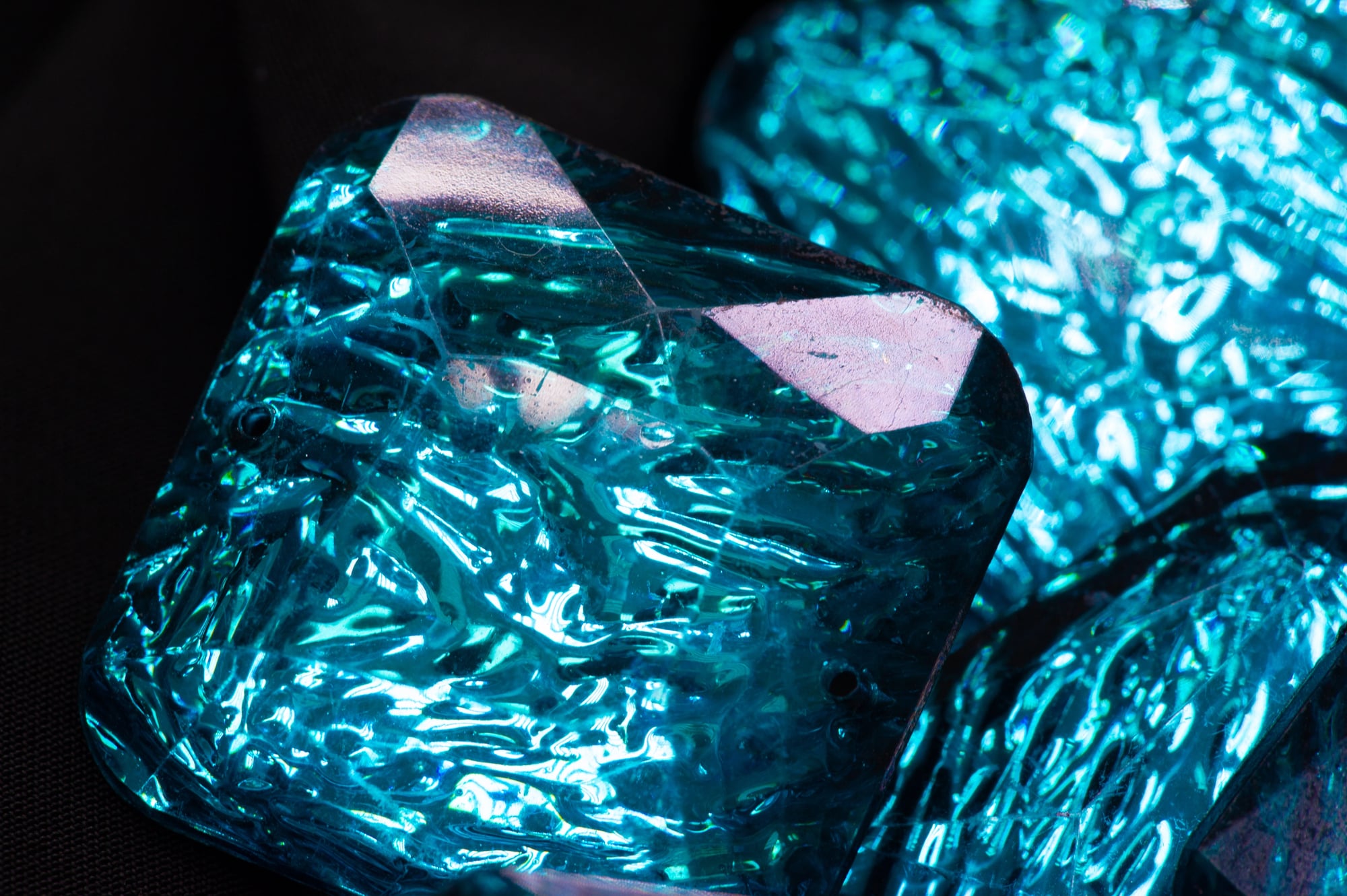
Making synthetic diamonds demands temperatures that reach 2,700 degrees Fahrenheit. That’s hot enough to melt copper instantly.
The machines that create these conditions look more like something from a nuclear facility than a jewelry workshop.
Synthetic Diamonds Grow Faster Than Bamboo
Laboratory diamonds can grow at a rate of one millimeter per day under the right conditions. Compare that to natural diamonds, which take millions of years to form deep underground.
It’s as if someone discovered how to accelerate geological time itself.
So these crystals that symbolize eternal commitment can now be rushed into existence faster than most people finish a weekend project.
The Process Uses More Electricity Than Small Towns

Creating a single carat of synthetic diamond consumes roughly the same amount of electricity as powering 750 homes for an hour — and that’s just for one stone, not accounting for the energy required to maintain the specialized equipment between production runs.
The electrical infrastructure required is staggering: most diamond-growing facilities need their own dedicated power substations because the local grid simply can’t handle the sudden, massive draws of electricity that occur when the growth chambers fire up.
But here’s where it gets weird. The energy cost per carat actually decreases as the diamonds get larger, meaning it’s more efficient to grow one massive diamond than several small ones, which explains why some labs are experimenting with growing diamonds the size of dinner plates just to see if they can.
And yet jewelers still talk about synthetic diamonds being the “environmentally friendly” option.
Seed Crystals Come From Existing Diamonds

The process works like sourdough starter — you need a piece of diamond to grow more diamond. These seed crystals are tiny slivers, often smaller than a grain of rice, but without them the entire process fails.
The carbon simply won’t organize itself into the crystal structure that makes a diamond.
Imagine needing gold to make gold, or requiring a tree to grow another tree from scratch. The synthetic diamond industry literally depends on having real diamonds to begin with, which creates a strange dependency loop that few people consider.
Gas Becomes Solid Without Liquid Phase

The chemical vapor deposition method turns methane gas directly into solid diamond crystal without ever becoming liquid — a process that defies most people’s understanding of how matter behaves, since nearly everything else transitions through liquid form when changing from gas to solid.
This isn’t just unusual; it’s genuinely rare in nature. Phase transitions that skip the liquid state entirely happen under very specific conditions that don’t occur naturally on Earth’s surface, which means synthetic diamond production recreates environments that exist primarily in outer space or deep within planetary cores.
So the machine humming away in a laboratory in Virginia is essentially creating a pocket of alien physics, complete with pressure and temperature combinations that would be more familiar to the interior of Jupiter than anything terrestrial.
The gas goes in. Diamond comes out. No messy middle step.
Color Control Works Like Cooking
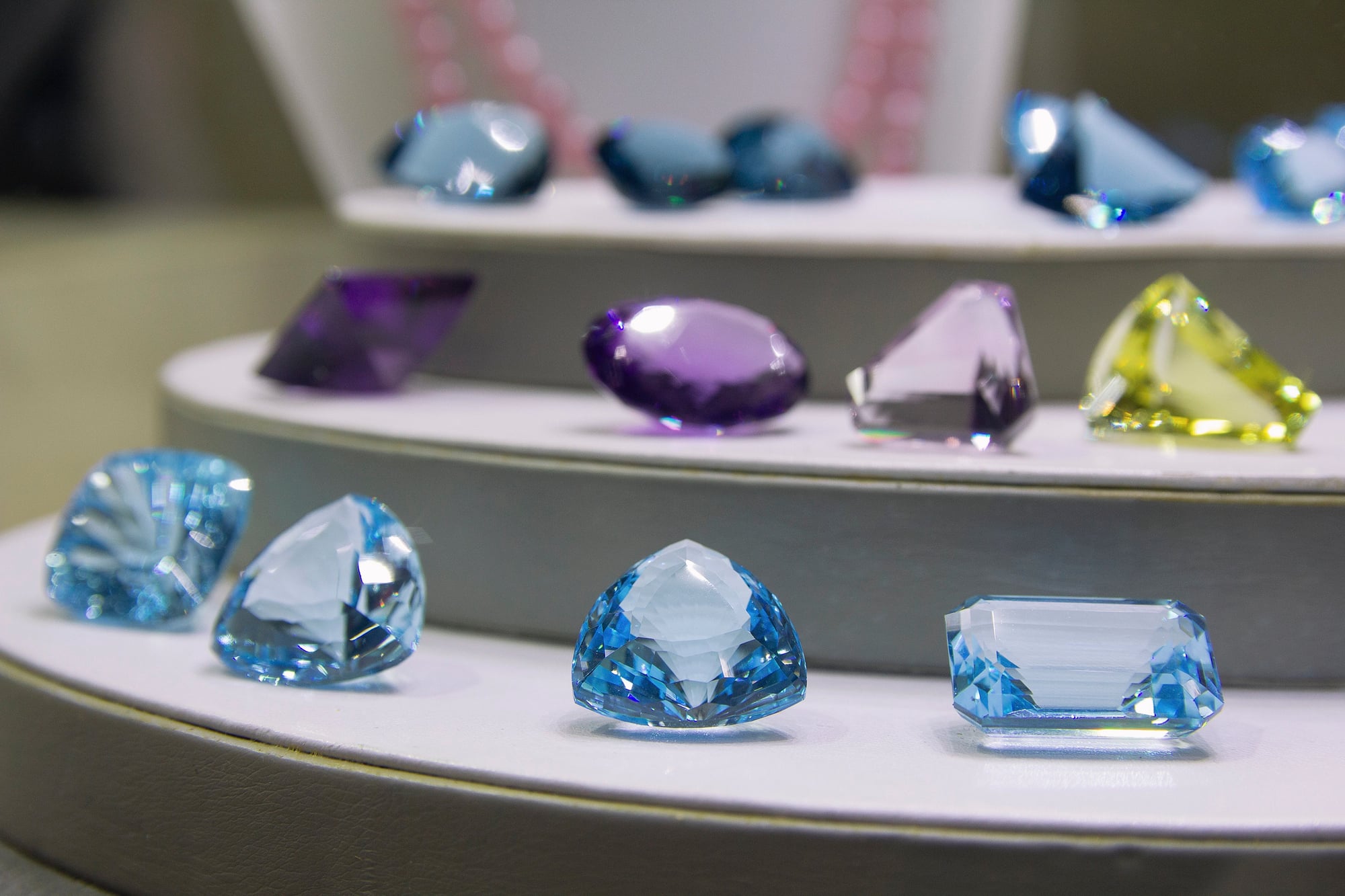
Adding different elements during growth changes the diamond’s color in predictable ways. Nitrogen creates yellow diamonds. Boron makes them blue. Green stones are produced through controlled irradiation after growth.
It’s as systematic as following a recipe, except the ingredients are chemical elements and the oven operates at temperatures that could vaporize most metals.
The precision is remarkable — labs can produce specific shades of pink or champagne by adjusting the chemical mixture by parts per million. Natural diamonds get their colors through geological accidents spanning millions of years.
Synthetic diamonds get theirs through careful measurement and timing.
Lab Equipment Doubles As Scientific Research Tools

Those same machines grinding out engagement ring diamonds are quietly advancing materials science in ways that have nothing to do with jewelry. The high-pressure, high-temperature chambers used for diamond synthesis happen to be perfect for testing how other materials behave under extreme conditions.
Research facilities share equipment between diamond production runs and experiments that probe the fundamental behavior of matter. The diamond industry accidentally created some of the most sophisticated materials testing equipment on the planet.
One day the machine is growing a three-carat stone for a wedding ring; the next day it’s helping scientists understand how carbon behaves in conditions similar to those found in Neptune’s core.
Which means your anniversary gift might have been made using the same technology that’s helping unlock the mysteries of planetary formation.
Growth Patterns Create Unique Fingerprints
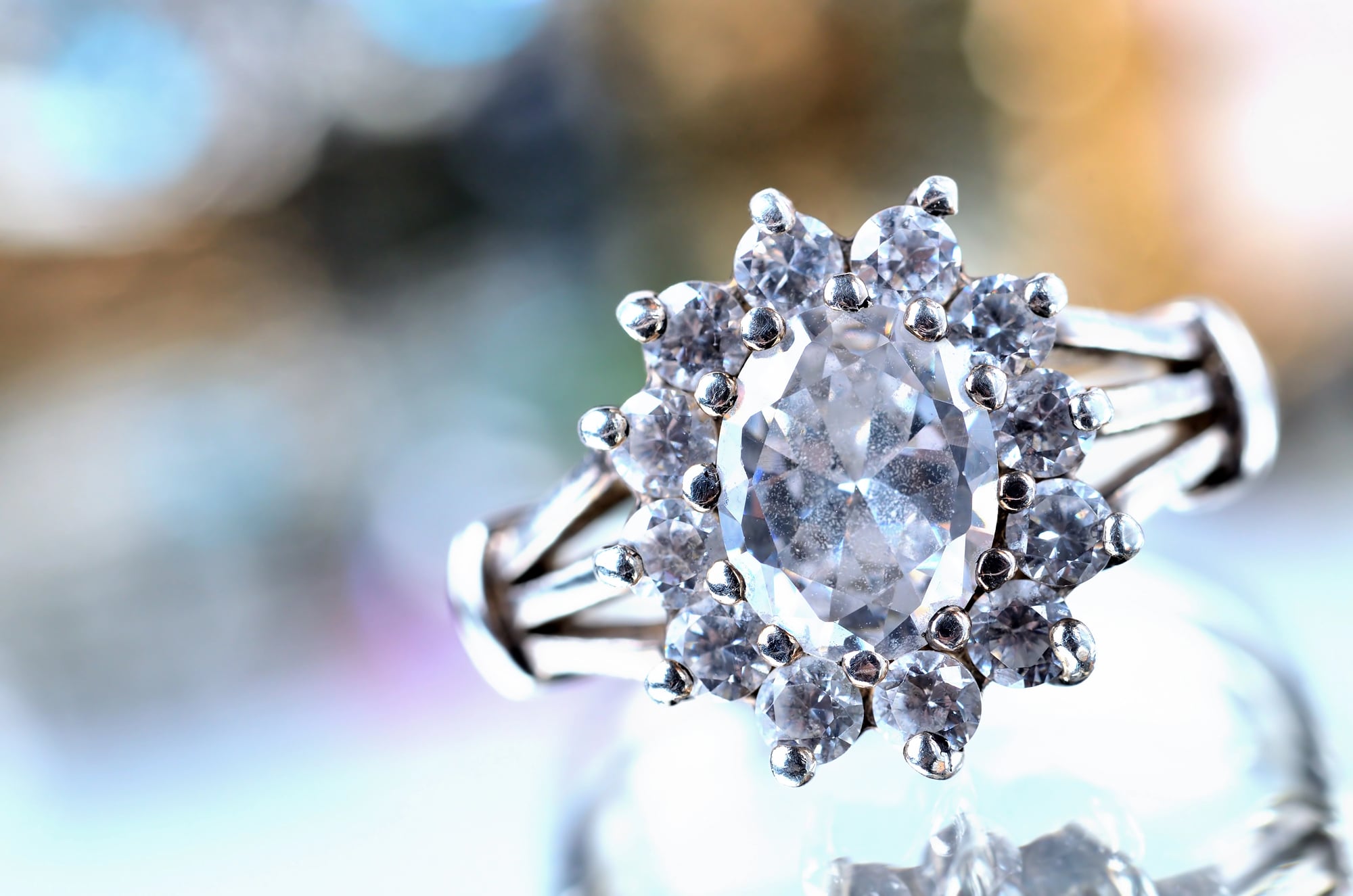
Each synthetic diamond develops microscopic growth patterns that are as unique as human fingerprints, but here’s what makes this particularly strange: these patterns form based on tiny vibrations in the machinery, fluctuations in power supply, even minor temperature variations that occur when someone opens a door in the facility.
So while two diamonds might be chemically identical and grown using the exact same process, the microscopic signature embedded in their crystal structure reflects every small disturbance that happened during the hours or days they were forming.
Gemologists can examine these patterns and determine not just that a diamond is synthetic, but often which specific machine made it and approximately when. It’s like each diamond carries a detailed diary of its creation process, written in crystal formations too small to see without specialized equipment.
The diamonds remember everything that happened while they were growing, whether anyone intended them to or not.
Pressure Systems Use Anvils Made Of Diamonds
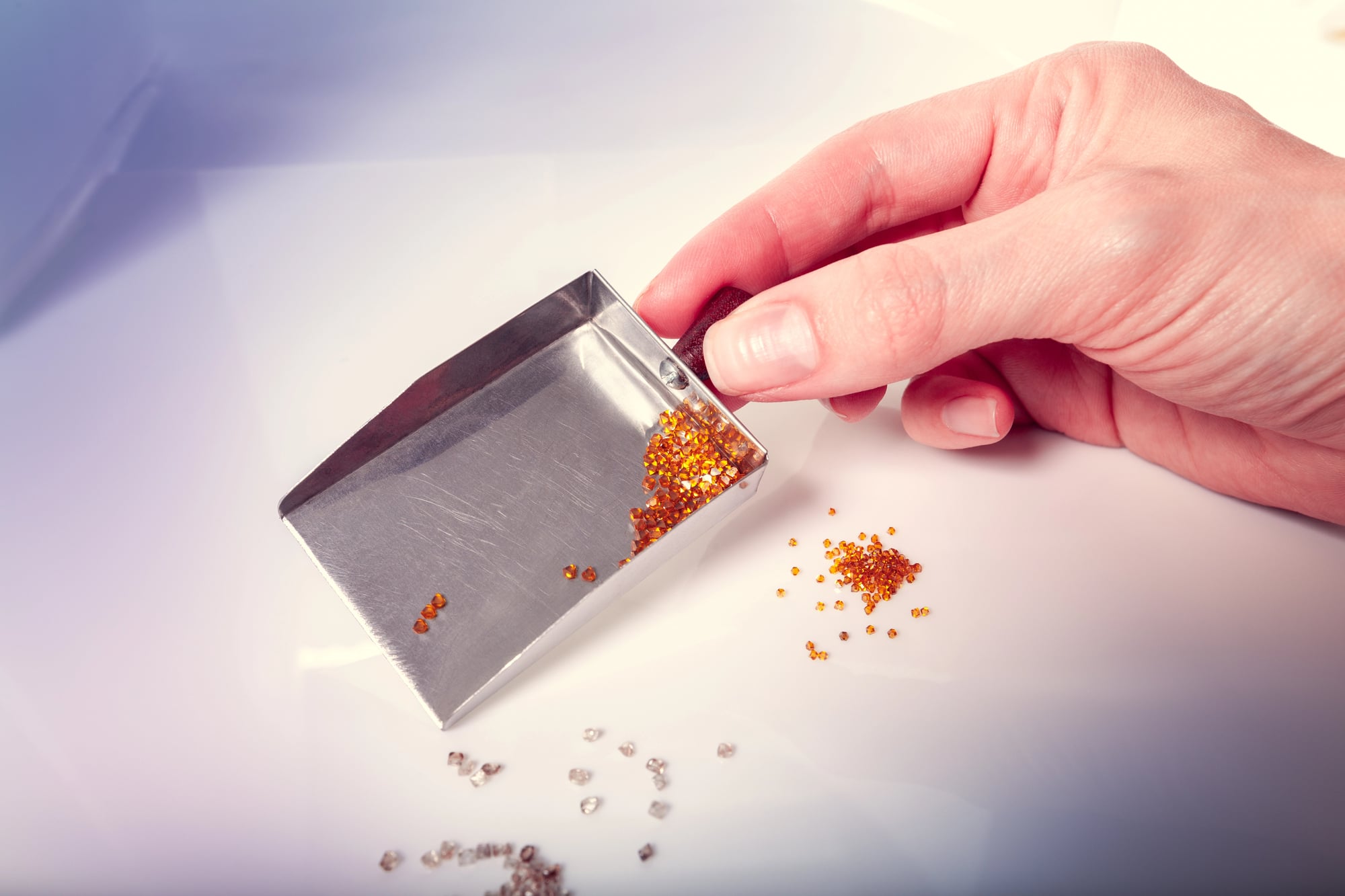
The most absurd part of high-pressure diamond synthesis might be this: the equipment uses diamond anvils to create the pressure needed to make more diamonds. These aren’t decorative touches — diamond is the only material hard enough to withstand the crushing forces required without deforming or shattering.
So diamonds make diamonds using diamonds as tools. The recursive logic feels like something from a philosophy textbook, but it’s pure engineering necessity.
Nothing else works.
Quality Often Exceeds Natural Stones

Synthetic diamonds frequently have fewer flaws than natural ones. The controlled environment eliminates the random geological events that create inclusions, fractures, and irregular crystal growth in earth-formed diamonds.
This creates an odd situation where the “artificial” version is often more perfect than the natural original. Jewelers have had to develop new grading standards because synthetic diamonds kept scoring higher than the traditional scales expected.
Microwave Technology Powers Some Production
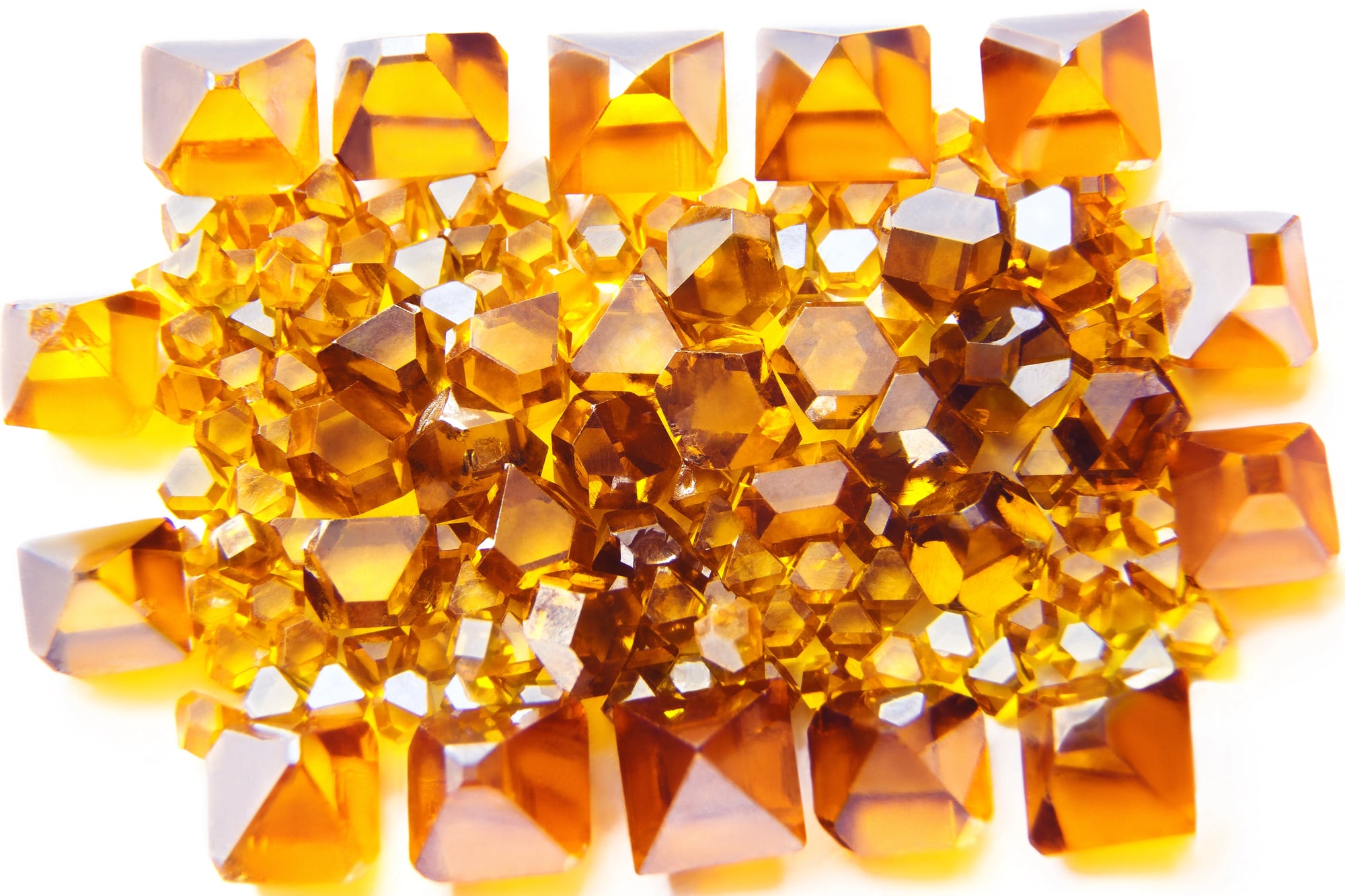
Chemical vapor deposition systems use modified microwave technology to break down gas molecules and deposit carbon atoms onto seed crystals, which means some synthetic diamonds are essentially cooked using the same basic technology that heats leftover pizza.
The microwave energy excites the methane and hydrogen gas mixture until the molecular bonds break apart, freeing carbon atoms to settle onto the growing diamond surface — but the process requires such precise control over frequency, power, and timing that even tiny adjustments can ruin days of growth progress.
Some facilities run multiple microwave generators simultaneously, carefully synchronized to avoid interference patterns that could create dead zones where the diamond simply stops growing, leaving behind incomplete crystal structures that look more like industrial carbon waste than precious gems.
The technology that reheats coffee is now producing engagement rings. Modern life has taken some interesting turns.
Size Limitations Still Apply
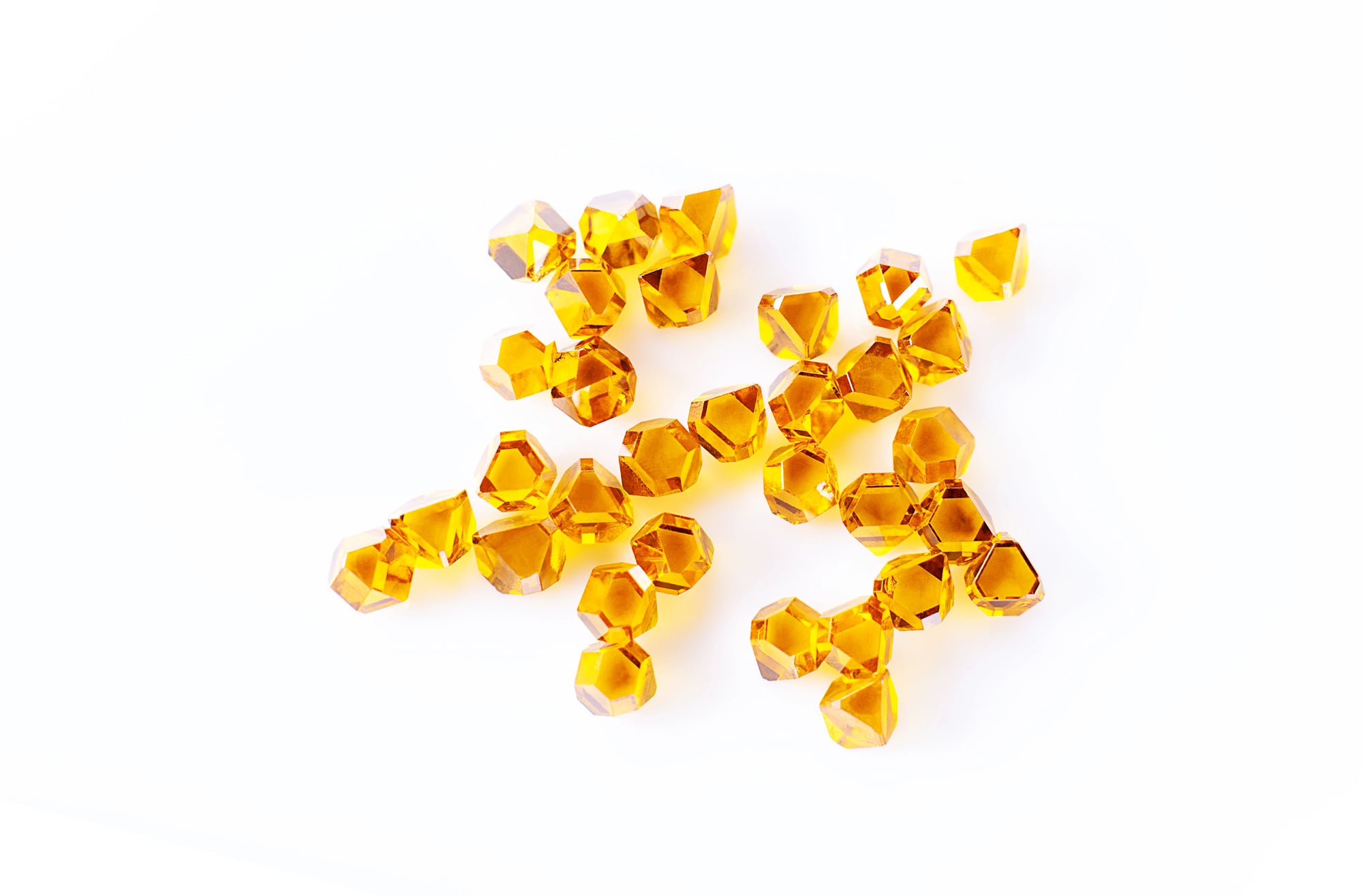
Current technology caps synthetic diamond size at around 20 carats for gem-quality stones. Beyond that threshold, maintaining the precise conditions needed for perfect crystal growth becomes nearly impossible.
The larger the diamond, the longer the growth time, and the more opportunities for something to go wrong.
Even with perfect control, physics eventually wins. The dream of growing diamond boulders remains just that — a dream. For now.
Industrial Applications Dwarf Jewelry Production

Most synthetic diamonds never see the inside of a jewelry store. They end up in drill bits, cutting tools, and industrial equipment where their hardness matters more than their sparkle.
The jewelry market gets the pretty ones, but industry gets the majority. This flips the traditional diamond narrative completely.
Instead of rare gems occasionally finding practical uses, synthetic diamonds are primarily industrial materials that sometimes happen to be beautiful enough for rings.
Beyond The Laboratory Walls
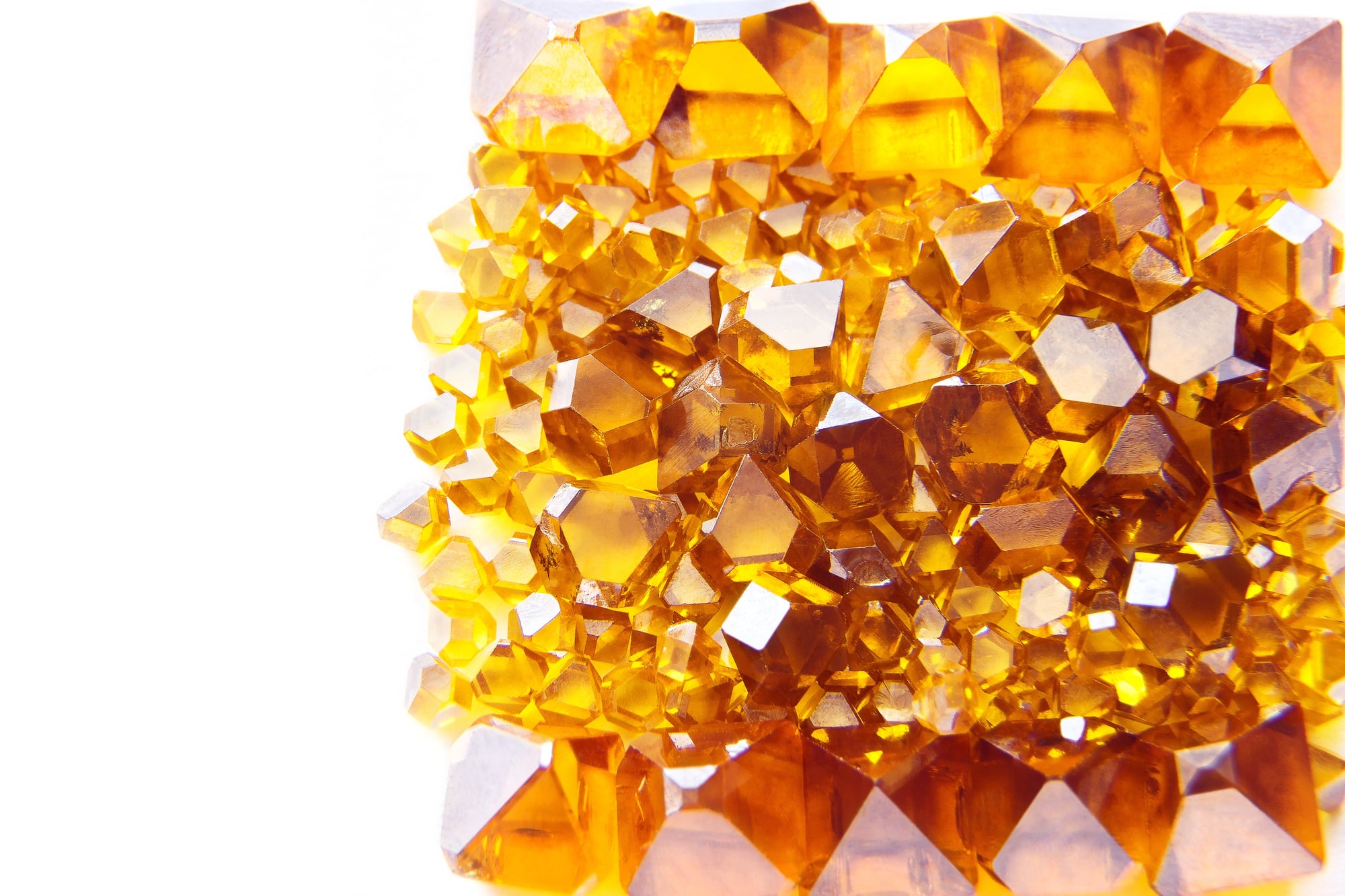
The strangest fact about synthetic diamond making might be how quickly it went from scientific curiosity to industrial reality to luxury market disruptor. What took nature billions of years to perfect, humans figured out in a few decades of concentrated effort.
These machines humming away in laboratories around the world aren’t just making pretty stones — they’re rewriting the rules about scarcity, value, and what it means for something to be precious.
The technology keeps advancing, the costs keep dropping, and somewhere in a facility that looks more like a power plant than a jewelry workshop, diamonds are growing faster than weeds.
More from Go2Tutors!

- The Romanov Crown Jewels and Their Tragic Fate
- 13 Historical Mysteries That Science Still Can’t Solve
- Famous Hoaxes That Fooled the World for Years
- 15 Child Stars with Tragic Adult Lives
- 16 Famous Jewelry Pieces in History
Like Go2Tutors’s content? Follow us on MSN.