Famous Brand Rivalries Throughout History
Competition between brands shapes the products you use daily. Sometimes that competition stays professional and quiet.
Other times it erupts into public feuds that define entire industries. The best rivalries push companies to innovate faster, spend more on advertising, and occasionally make spectacular mistakes trying to one-up each other.
These battles weren’t just about market share. They became part of popular culture. People chose sides.
Families debated preferences at dinner tables. The companies themselves sometimes seemed to forget they were selling soft drinks or fast food and acted like they were fighting wars.
Coca-Cola vs. Pepsi
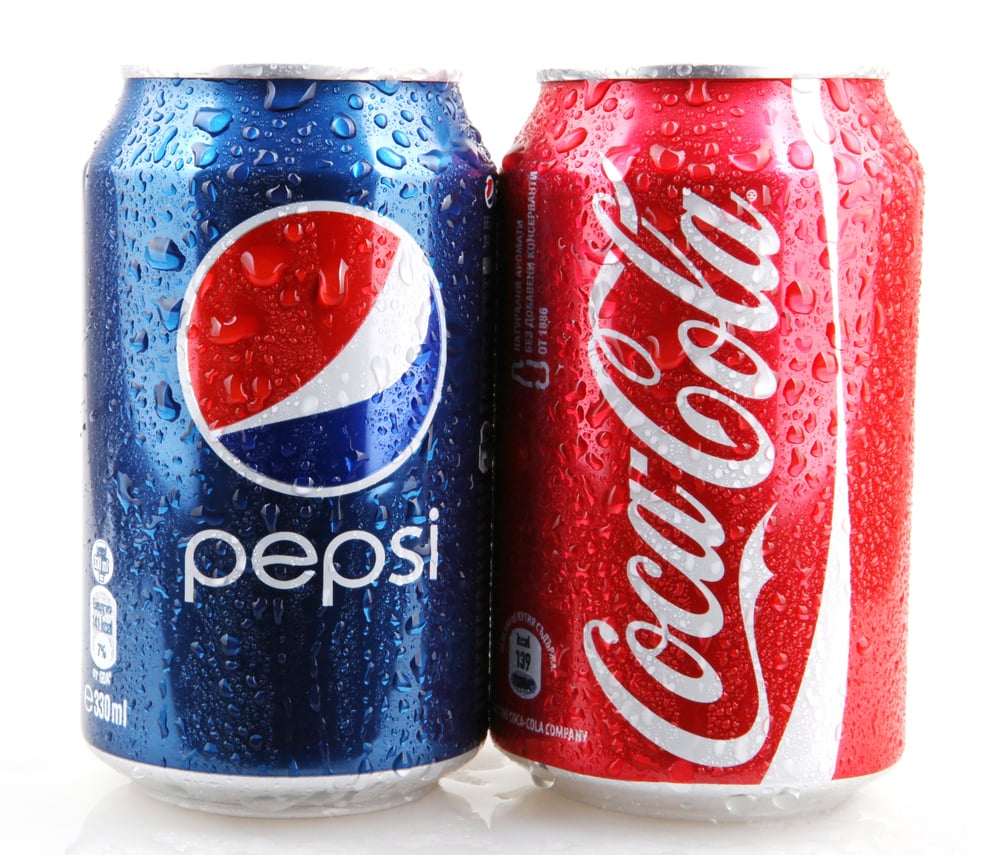
The cola wars dominate any discussion of brand rivalry. Both companies have spent over a century trying to prove their brown fizzy drink tastes better than the other brown fizzy drink.
The competition reached its peak in the 1980s when both brands poured millions into celebrity endorsements and blind taste tests. Pepsi struck first with the Pepsi Challenge in 1975, setting up booths where people could taste both sodas without knowing which was which.
Most people picked Pepsi. Coca-Cola panicked and reformulated their recipe in 1985, creating New Coke.
The backlash was immediate and fierce. People hoarded old Coke.
Protest groups formed.The company brought back the original formula as Coca-Cola Classic within months.
That disaster actually helped Coca-Cola in the long run. The controversy reminded people how much they cared about the brand.
Pepsi won the taste tests but Coca-Cola won the loyalty battle. The rivalry continues today, though it’s less visible than it was in the 80s and 90s.
McDonald’s vs. Burger King

Fast food competition gets personal. Burger King built its entire identity around not being McDonald’s.
The company ran ads comparing burgers directly, claiming flame-grilling beat frying. McDonald’s mostly ignored the attacks and focused on happy meals and playgrounds.
Burger King trolled McDonald’s relentlessly in recent years. When McDonald’s ice cream machines broke down constantly, Burger King offered free ice cream.
When a McDonald’s location burned down, Burger King ran an ad saying “store flame-grilled, burgers flame-grilled.” The Whopper detour campaign in 2018 made customers drive to a McDonald’s location before they could unlock a one-cent Whopper deal.
McDonald’s rarely responds directly. The company doesn’t need to. It has more locations, makes more money, and reaches more customers.
But Burger King’s aggressive marketing creates headlines and gets people talking, which matters when you’re number two.
Nike vs. Adidas

Athletic shoe companies compete on every level—technology, design, athlete endorsements, and cultural relevance. Nike dominates in revenue and market share.
Adidas holds its ground by emphasizing heritage and style over pure athletic performance. The rivalry intensified when Nike signed Michael Jordan in 1984.
Adidas had the chance to sign him first but didn’t think basketball shoes mattered much. The Air Jordan line became one of the most successful product launches in history.
Adidas spent decades recovering from that mistake. Both companies now chase the same athletes, musicians, and influencers.
Kanye West switched from Nike to Adidas, creating the Yeezy line. Nike responded by signing every other major artist they could find.
The competition pushes both brands to create more innovative designs and pay attention to fashion trends beyond sports.
Apple vs. Microsoft

Tech rivalries feel different because they’re about competing visions of how people should interact with computers. Apple wanted beautiful, intuitive devices that just worked.
Microsoft wanted affordable, customizable systems that worked with everything. The “I’m a Mac” ad campaign from 2006-2009 personified the rivalry.
A cool, casual guy represented Mac. A stiff, nerdy guy in a suit represented PC. Microsoft fought back with “I’m a PC” ads showing diverse, normal people using Windows computers.
The campaigns reinforced stereotypes both companies spent years trying to escape. The rivalry mattered less once phones became more important than computers.
Both companies now compete in different areas—Apple in hardware and services, Microsoft in cloud computing and business software. They still watch each other carefully, but the intense personal animosity from the 1980s and 90s has faded.
Ford vs. Chevrolet
American car buyers divided themselves into Ford people and Chevy people for generations. The rivalry started in the 1920s and intensified after World War II when both companies competed for the growing suburban market.
The argument about which truck handles better still starts fights in certain bars. The competition focused heavily on trucks and muscle cars.
Ford had the F-Series trucks and the Mustang. Chevrolet had the Silverado and the Camaro.
Buyers developed fierce loyalty to one brand and refused to consider the other, even when the vehicles were mechanically similar. The rivalry looks different now that both companies struggle against foreign competitors.
But the tribal loyalty remains. You still see Ford vs. Chevy debates online, and families still pass down brand preferences through generations.
Avis vs. Hertz
Avis did something brilliant in 1962 by admitting they were number two. “We’re number two, so we try harder” became one of the most famous advertising slogans in history.
The campaign acknowledged Hertz’s dominance while positioning Avis as the scrappy underdog that cared more about customer service. Hertz responded by emphasizing their size and reliability. More locations, more cars, more experience.
But Avis’s honesty resonated with customers tired of corporate arrogance. The campaign worked so well that Avis became synonymous with the honest underdog approach to advertising.
The rental car industry has changed dramatically with online booking and new competitors. But the Avis vs. Hertz rivalry established the template for how number two brands position themselves against market leaders.
Airbus vs. Boeing

Commercial aircraft manufacturing is effectively a duopoly. Airbus and Boeing split most of the market between them, and their rivalry determines which planes airlines buy for decades into the future.
The stakes are enormous—a single order can be worth billions of dollars. The competition gets political because both companies receive government support.
Boeing benefits from U.S. defense contracts. Airbus gets support from European governments. Both sides have filed trade complaints accusing the other of receiving unfair subsidies.
The disputes have lasted decades and involved the World Trade Organization multiple times.
Airlines play the rivalry to their advantage, negotiating better deals by threatening to buy from the other manufacturer. The competition has produced better, more efficient aircraft.
It has also created situations where both companies rushed new planes to market, sometimes with terrible consequences.
Target vs. Walmart

Discount retail spawned a rivalry based on class perception. Walmart dominated on price and selection.
Target positioned itself as the slightly nicer option—”cheap chic” instead of just cheap. The companies competed for the same customers but tried to make them feel different about shopping there.
Target succeeded by treating design as important. They hired famous designers to create affordable product lines and made their stores brighter and more organized than Walmart’s.
The strategy worked for middle-class shoppers who wanted to save money without feeling like they were slumming it. Walmart responded by improving store layouts and launching better design initiatives.
But the perception stuck—Target attracts a different customer even when prices are similar. The rivalry shows how important brand image is, even in retail categories where price matters most.
Coke vs. Pepsi in the Restaurant Wars
The cola rivalry extended into fast food restaurants, creating exclusive deals that lasted decades. Restaurants had to pick a side. McDonald’s served Coke.
Taco Bell served Pepsi. Burger King switched from Pepsi to Coke and back to Pepsi over the years. These exclusive contracts cost millions but guaranteed placement in thousands of restaurants.
The companies didn’t just provide syrup—they paid for fountain equipment, helped with marketing, and sometimes influenced menu decisions. Winning a major chain meant guaranteed sales and brand visibility.
The exclusivity mattered more before fountain drinks had as many alternatives. Now restaurants serve multiple brands or offer both Coke and Pepsi products.
But the decades of exclusive deals shaped which soda you associate with which restaurant.
Nintendo vs. Sega
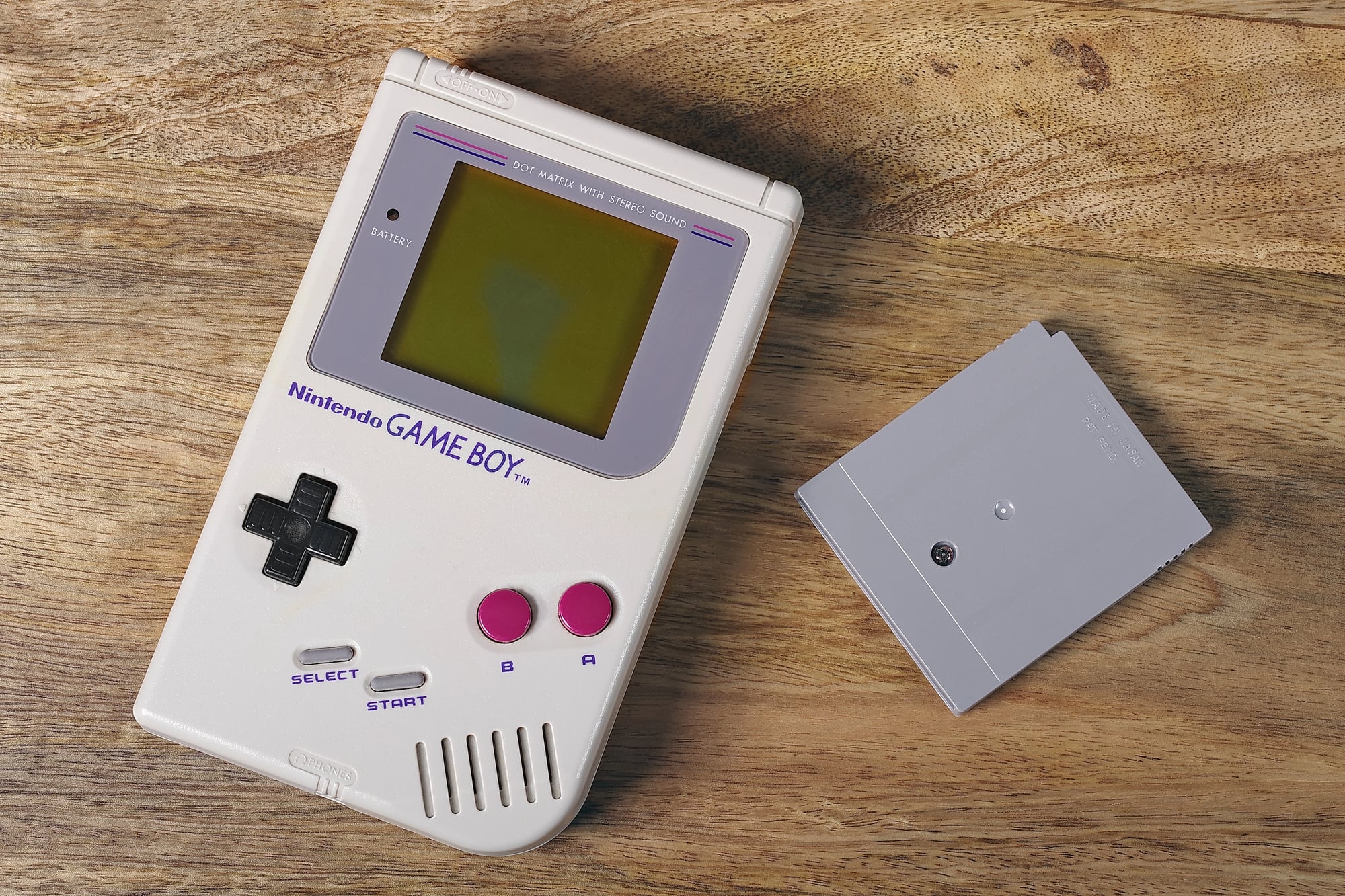
The console wars of the early 1990s created one of the most aggressive marketing campaigns in gaming history. Sega positioned the Genesis as the cool, mature alternative to Nintendo’s family-friendly Super Nintendo.
“Sega does what Nintendon’t” became a rallying cry for teenagers who thought Nintendo was for kids. The rivalry got personal.
Sega ran comparative ads attacking Nintendo directly. They emphasized faster processing speed and cooler games like Sonic the Hedgehog.
Nintendo mostly stayed above the fight but occasionally took subtle jabs at Sega’s edgier image. Sega lost the war long-term. They stopped making consoles after the Dreamcast failed in 2001.
But the rivalry pushed both companies to innovate faster and create better games. It also established the template for console competition that Sony, Microsoft, and Nintendo still follow.
Dunkin’ vs. Starbucks
Coffee shop competition splits along class and regional lines. Starbucks built its brand on European-style cafes with comfortable seating and premium drinks.
Dunkin’ (formerly Dunkin’ Donuts) focused on speed, convenience, and regular coffee for regular people. Starbucks charges more but offers an experience beyond just caffeine.
Dunkin’ mocks that approach, positioning itself as the no-nonsense option for people who just want coffee without the pretension. The rivalry plays into cultural stereotypes—coastal elites drink Starbucks, working people drink Dunkin’.
Both approaches work for their target customers. Starbucks has more revenue globally. Dunkin’ dominates in the northeastern United States.
The rivalry shows how two companies can thrive by appealing to different customer values even when selling similar products.
Lyft vs. Uber
Rideshare competition started friendly and turned nasty quickly. Uber launched first and grew aggressively through controversial tactics.
Lyft positioned itself as the nicer alternative—friendlier drivers, pink mustaches on cars, a more community-focused image. The competition turned into a price war that neither company could afford.
Both lost billions of dollars trying to undercut each other and expand into new cities. Uber dealt with scandal after scandal about company culture and tactics.
Lyft tried to capitalize on Uber’s problems but faced its own challenges with driver pay and safety. The rivalry reshaped urban transportation and forced the taxi industry to modernize.
Both companies now focus more on profitability than growth. The intense competition of the 2010s settled into a more stable duopoly, though tensions remain.
Samsung vs. Apple

Smartphone rivalry dominates tech news and social media arguments. Apple created the modern smartphone.
Samsung iterated faster, offering more options at different price points. The competition quickly became personal, with both companies suing each other over patents and design.
Apple accused Samsung of copying the iPhone’s design. Samsung fought back by mocking iPhone users in ads and highlighting features their phones had first—bigger screens, stylus support, better cameras.
The legal battles lasted years and spread across multiple countries. The rivalry benefits consumers by pushing both companies to improve their technology constantly.
It also created tribal loyalty where people defend their phone choice like a sports team. The competition extends beyond the phones themselves into entire ecosystems of apps, services, and accessories.
When Everyone Wins the Fight

Brand feuds spice things up for spectators. One firm despises the other – maybe it’s real, maybe not. Shoppers end up with sharper gear since no one likes playing catch-up.
Marketers cook up ads people actually remember, stuff that sticks around longer than expected. The best feuds stick around forever – shifting whenever markets shift.
Coke versus Pepsi? Still going strong. When folks keep buying phones, Apple fights Samsung no matter what. These clashes decide what you like – and who feels real to you.
When you think about it, the fight often means more than what actually sets things apart. Coke tastes almost like Pepsi.
Pretty much every car gets you where you need to go. Rivalries build tales folks wanna join – yet those tales stick deeper than any gadget trick ever might.
More from Go2Tutors!

- The Romanov Crown Jewels and Their Tragic Fate
- 13 Historical Mysteries That Science Still Can’t Solve
- Famous Hoaxes That Fooled the World for Years
- 15 Child Stars with Tragic Adult Lives
- 16 Famous Jewelry Pieces in History
Like Go2Tutors’s content? Follow us on MSN.



