Secrets Your Grocery Store Doesn’t Want You to Know
Grocery stores might seem like straightforward places where you pick up food and household essentials, but there’s actually a sophisticated science behind nearly every aspect of the shopping experience. From the moment you walk through those automatic doors to the second you hand over your payment, retailers are using carefully researched strategies to influence what you buy and how much you spend.
Most shoppers have no idea just how calculated these tactics are. Here is a list of secrets that grocery stores would prefer to keep under wraps.
The Milk Migration
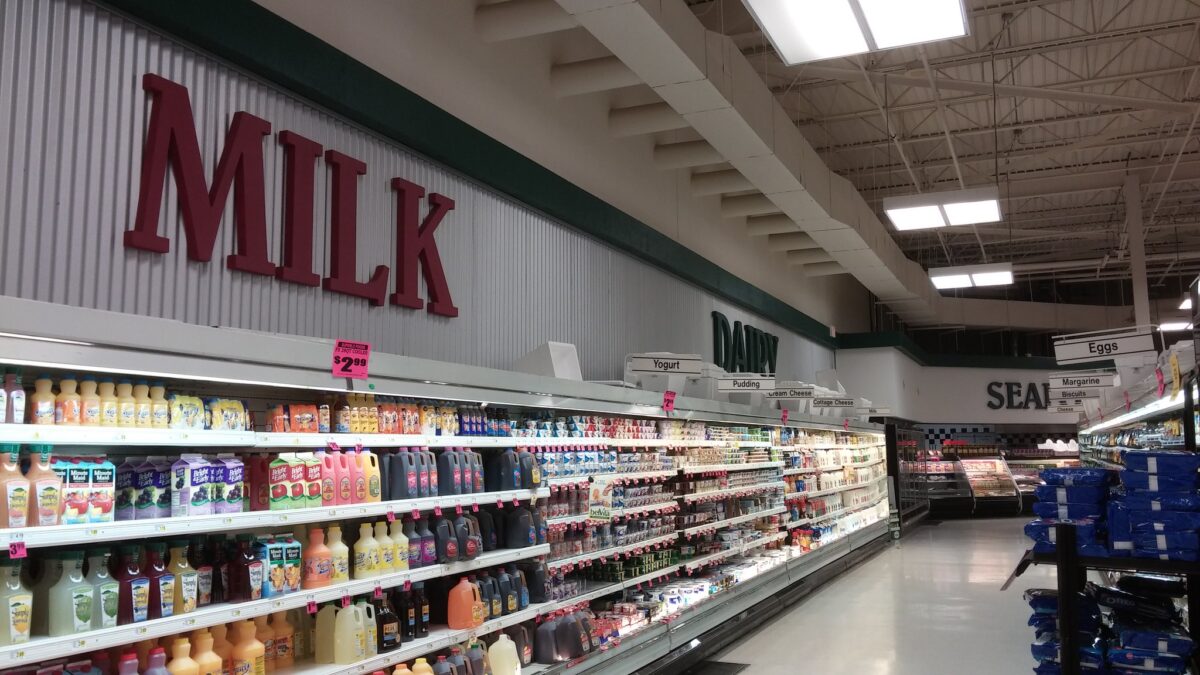
Ever wonder why milk is almost always located at the very back of the store? It’s not random. Retailers know that milk is one of the most frequently purchased items, so they strategically place it as far from the entrance as possible to force you to walk past hundreds of other products.
This increases the chances you’ll grab additional items you didn’t plan to buy, turning a quick milk run into a much more profitable trip for the store.
Loss Leader Traps
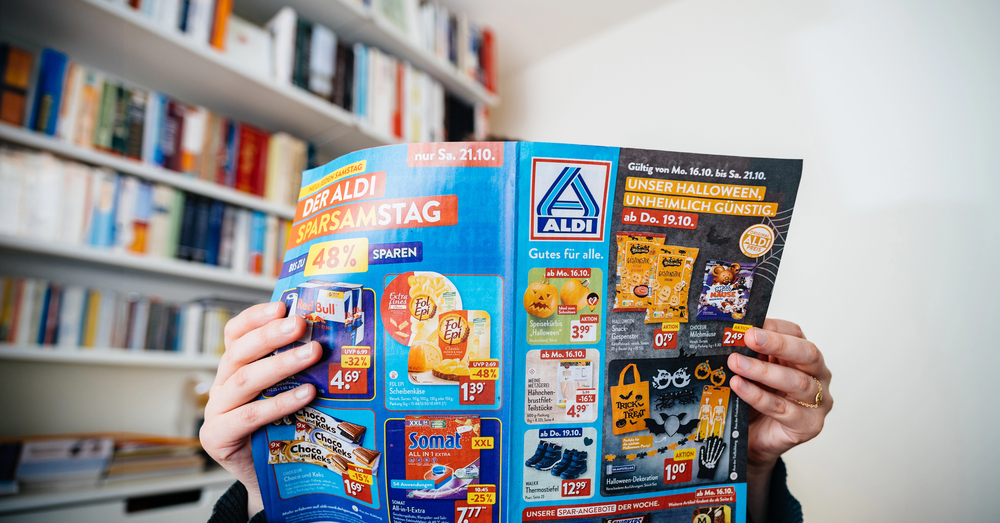
Those unbelievably cheap prices advertised in weekly flyers aren’t acts of generosity. Stores deliberately sell certain items at a loss or minimal profit to get you through the door.
Once you’re inside for that discounted chicken or cereal, they’re counting on you to pick up other regularly priced items that more than make up for the loss. The entire business model hinges on you not being disciplined enough to buy only the advertised special.
Eye-Level Equals Premium Price
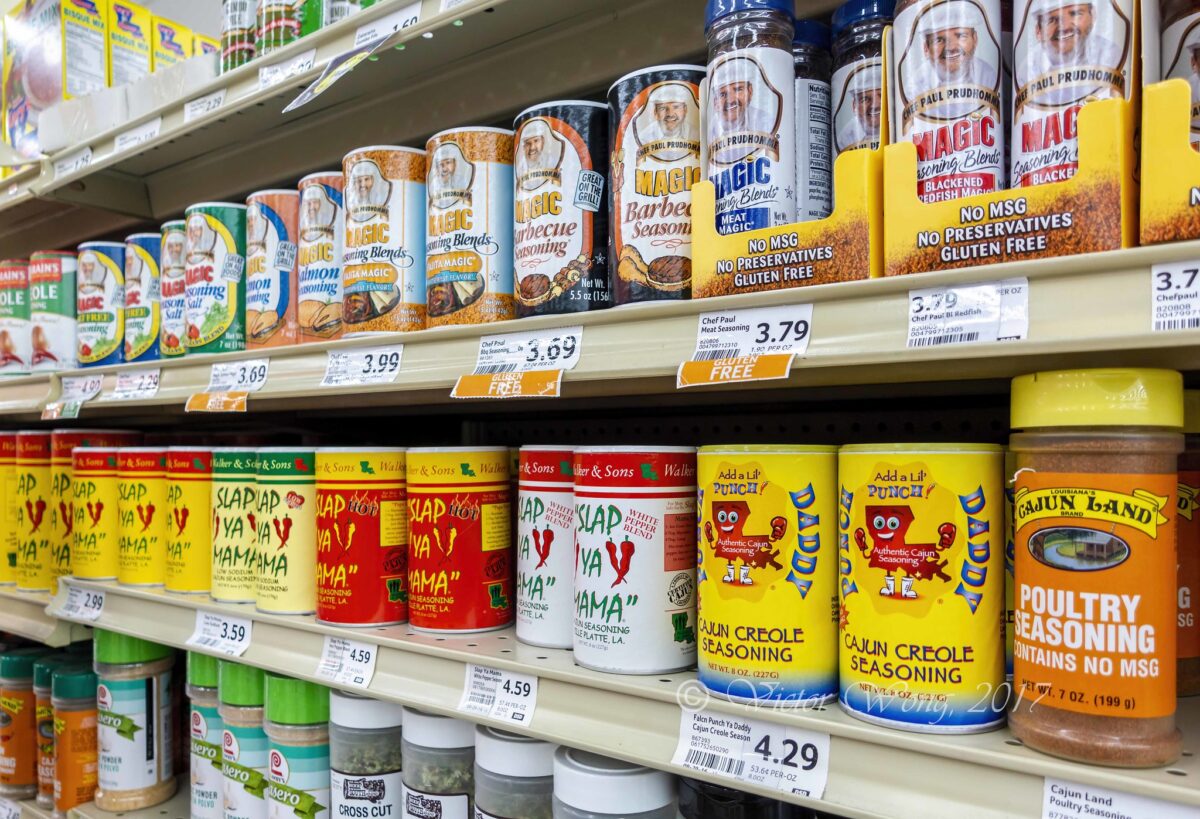
The most expensive products are almost always placed at eye level because that’s where your gaze naturally lands first. Cheaper alternatives are typically shoved down near your ankles or up high where you have to stretch.
Stores actually charge manufacturers premium fees for those coveted eye-level spots, and those costs get passed directly to you through higher prices.
Your Cart Is Supersized on Purpose
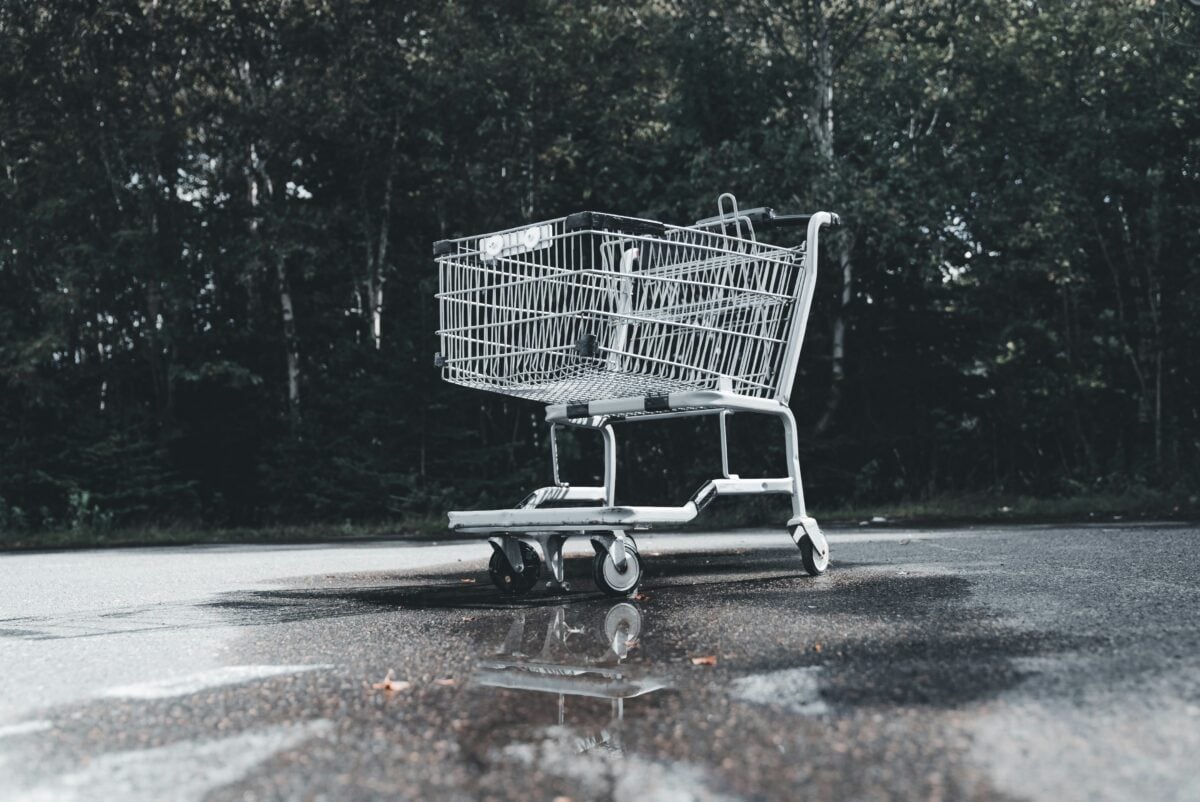
Grocery carts have grown significantly larger over the decades, and it’s not because families are buying more groceries. Research shows that shoppers with bigger carts feel compelled to fill them up, subconsciously purchasing more items than they actually need.
A half-empty cart creates psychological discomfort that retailers are happy to exploit.
The Store Brand Secret
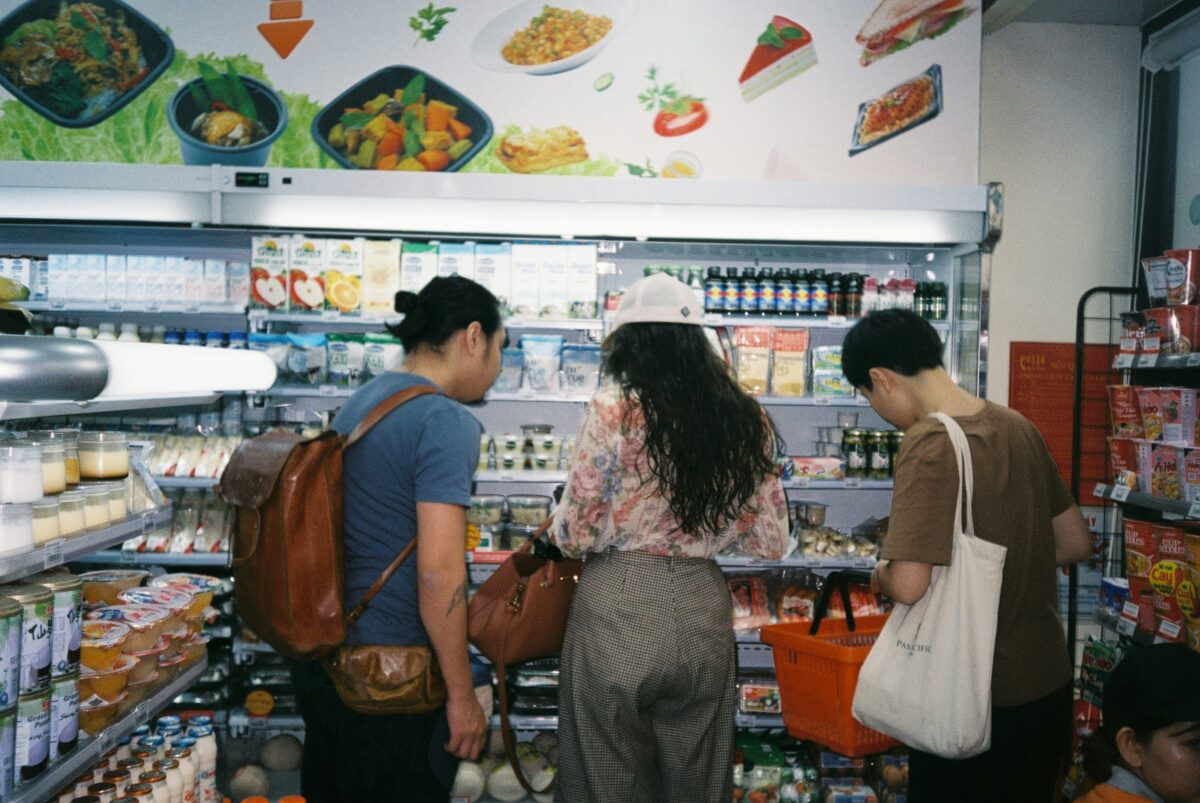
Many store-brand products are manufactured in the exact same facilities, using the same recipes, as their name-brand counterparts. The only real difference is the label and the price tag.
Companies with excess production capacity will package identical products under multiple brands, letting grocery stores offer you ‘their’ version at a lower price while still maintaining healthy profit margins.
Shrinkflation Sleight of Hand
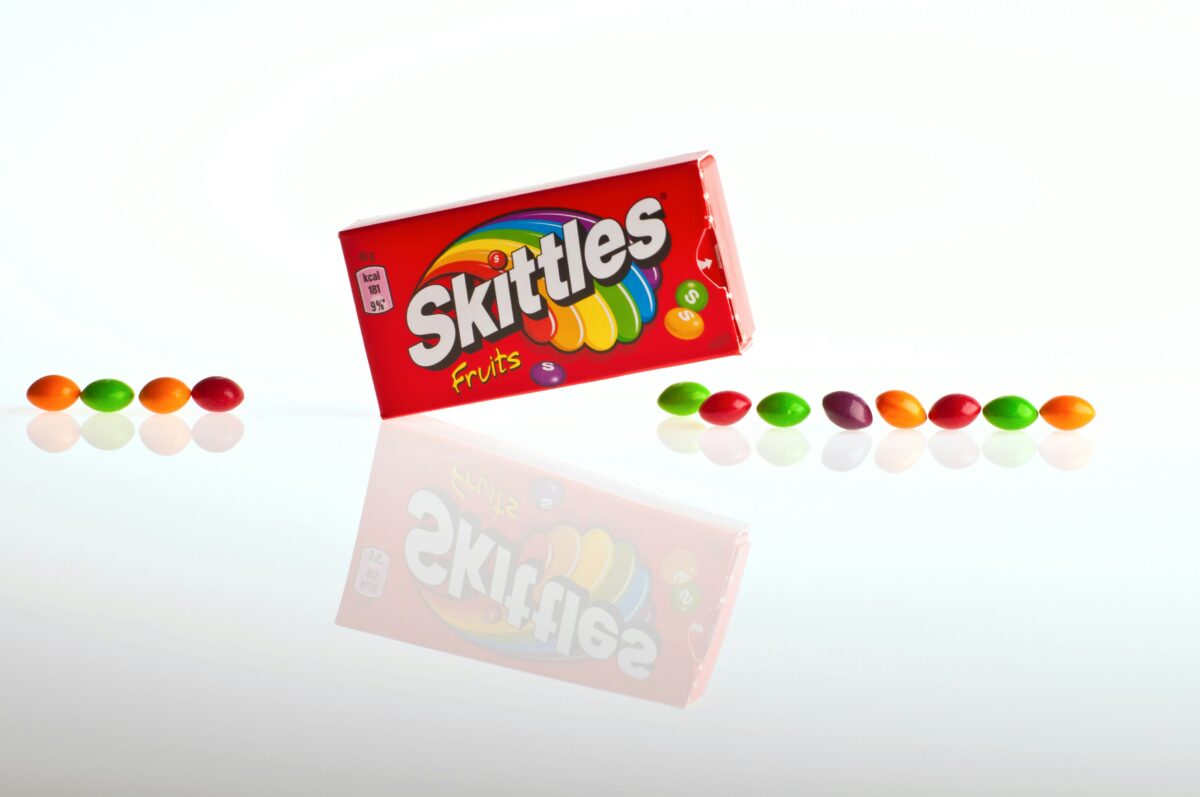
Packages are getting smaller, but prices are staying the same or even increasing. This practice, called shrinkflation, allows manufacturers and retailers to effectively raise prices without the sticker shock of actually changing the price.
That bag of chips might cost the same as it did two years ago, but it probably contains two ounces less product than it used to.
Unit Price Deception
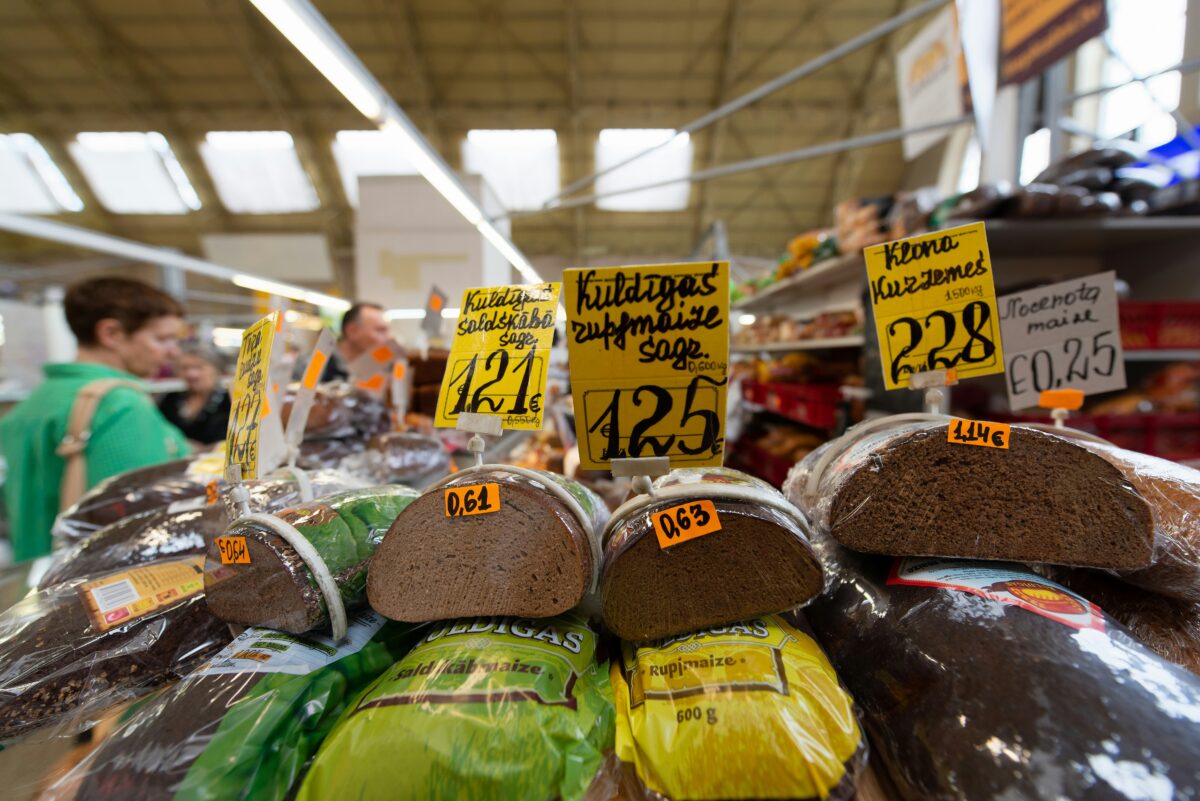
Even though stores are required to display unit prices, they often use inconsistent measurements to make comparisons nearly impossible. One brand might show price per ounce while the competing brand shows price per pound, forcing you to do mental math that most people won’t bother with.
This confusion keeps you from easily identifying the best deal.
The Fresh Bread Illusion
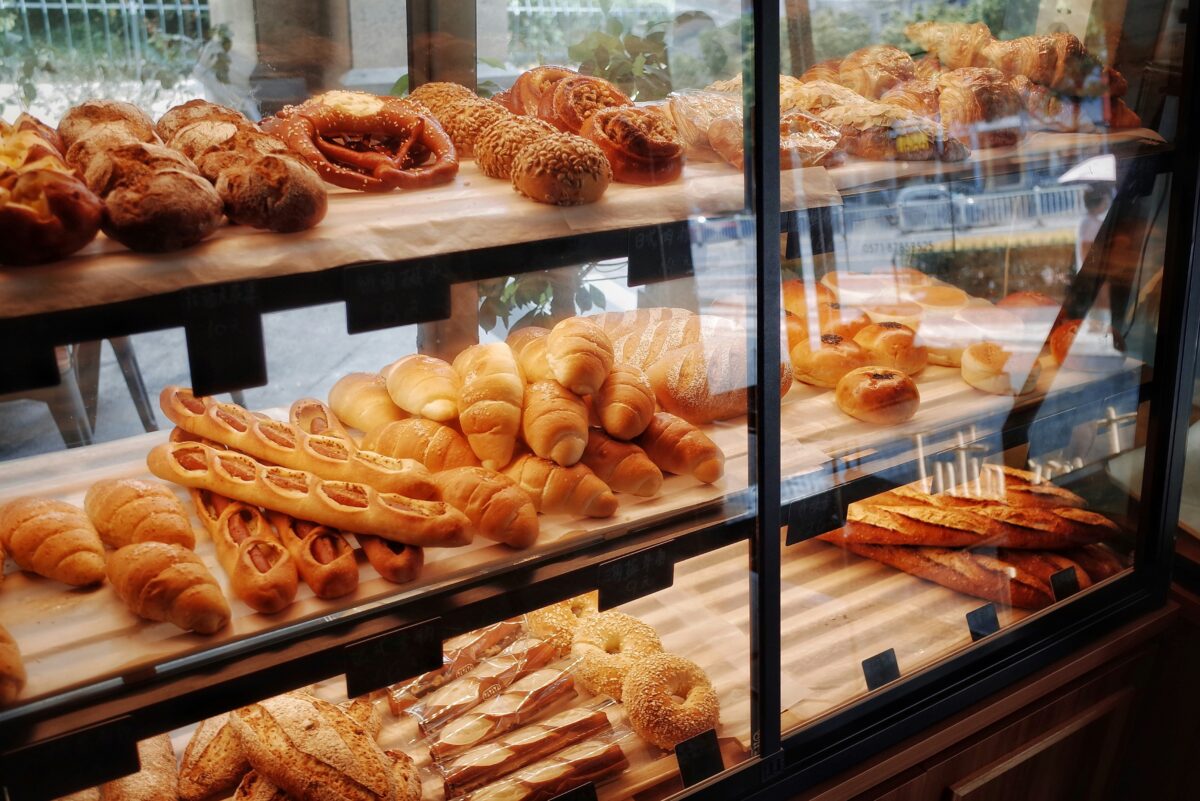
That wonderful smell of fresh-baked bread wafting through the store isn’t always coming from the bakery. Some stores use scent marketing systems that pump artificial bread and cookie smells through their ventilation systems because research shows these aromas make people hungrier and more likely to make impulse purchases.
Your nose is being manipulated just as much as your eyes.
Prepared Food Markup Madness
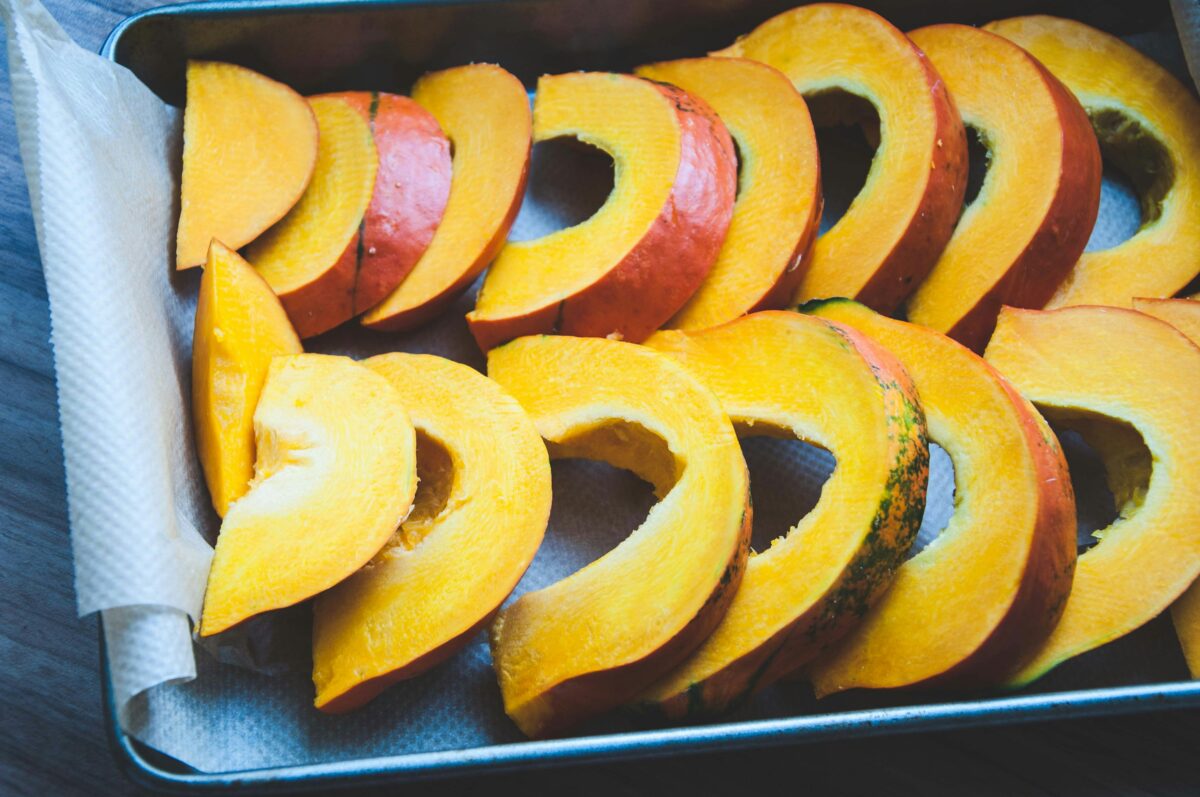
Pre-cut fruits, vegetables, and prepared meals carry markups that would make your head spin. You’re paying for convenience, sure, but you’re typically paying three to five times more than you would if you spent ten minutes doing the prep work yourself.
A whole pineapple might cost three dollars while pre-cut pineapple chunks cost nine dollars for half the amount.
Expiration Date Confusion
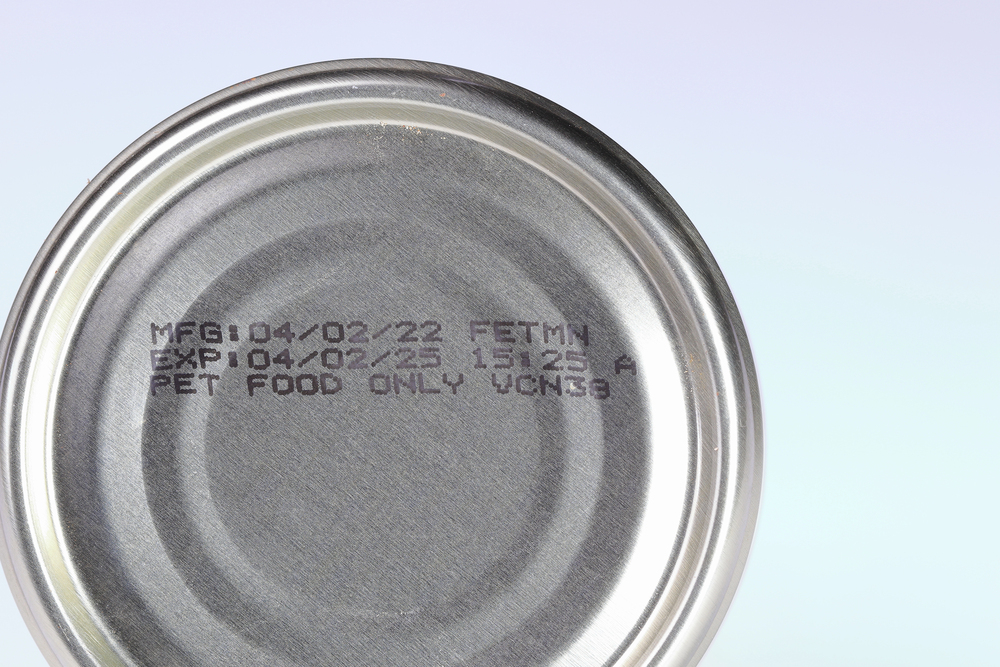
The dates stamped on food products are far less straightforward than most people realize. ‘Sell by’ dates are for store inventory management and have nothing to do with food safety, while ‘use by’ dates are usually conservative manufacturer suggestions rather than hard deadlines.
Stores know this confusion leads people to throw away perfectly good food and buy replacements sooner than necessary.
Loyalty Cards Mine Your Data
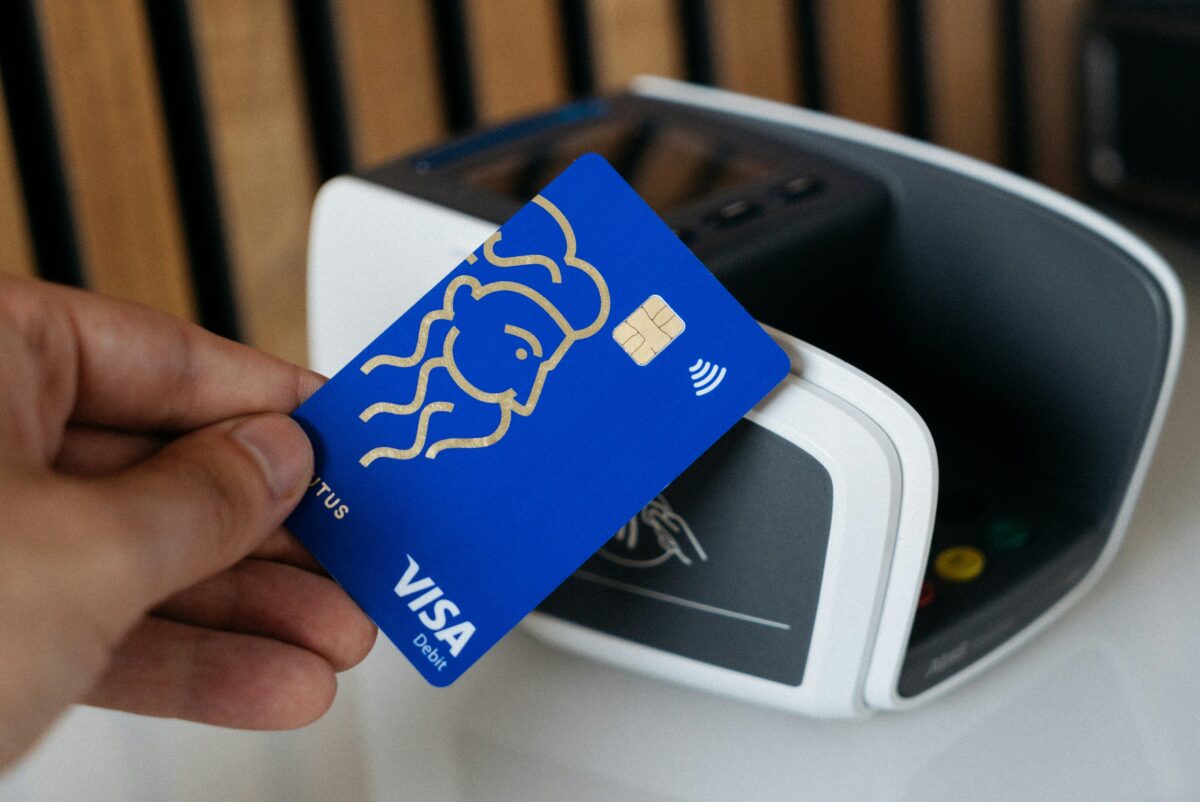
Those loyalty cards that offer discounts aren’t just about saving you money. Every swipe creates a detailed profile of your shopping habits, including what you buy, when you buy it, and how much you spend.
This data gets analyzed to send you targeted coupons and marketing, and in some cases, it’s even sold to third parties who want to know everything about your purchasing behavior.
Endcap Illusion
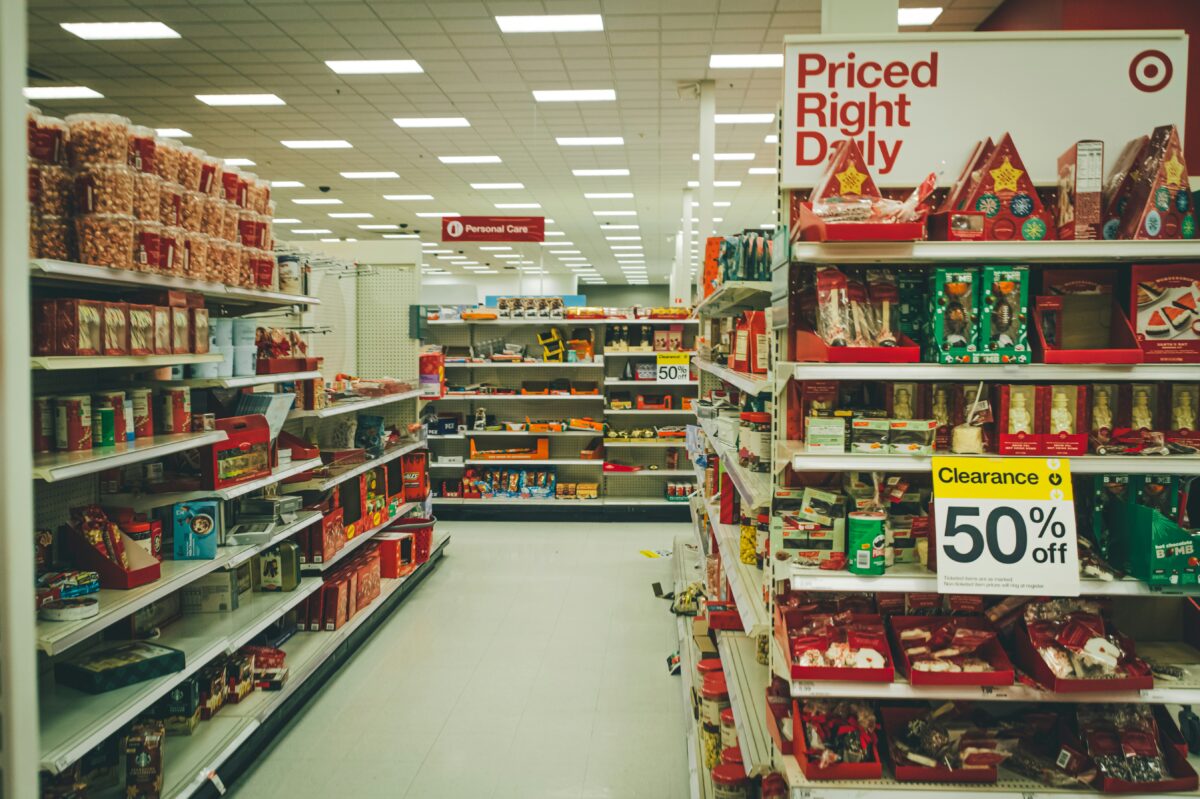
Products displayed at the end of aisles, called endcaps, seem like they must be special deals or featured items. In reality, brands pay hefty fees to secure these premium spots, and the products displayed there aren’t necessarily on sale at all.
The prominent placement creates an assumption of value that often isn’t backed up by actual savings.
The Perimeter Isn’t Accidental
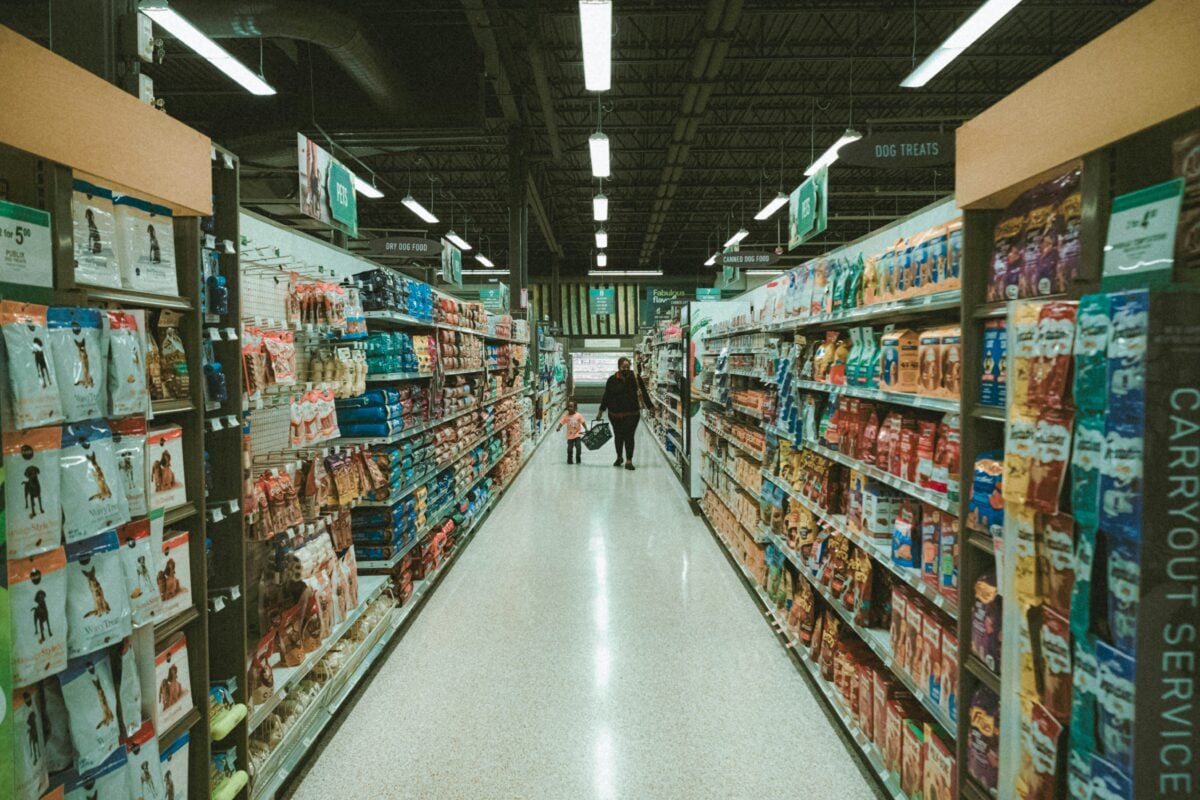
You’ve probably heard advice to ‘shop the perimeter’ where fresh foods live, and there’s a reason stores are fine with this guidance becoming common knowledge. They’ve designed the perimeter to include their highest-margin departments like floral, bakery, and deli.
Walking the perimeter still leads you past plenty of opportunities for the store to profit.
Checkout Lane Strategy
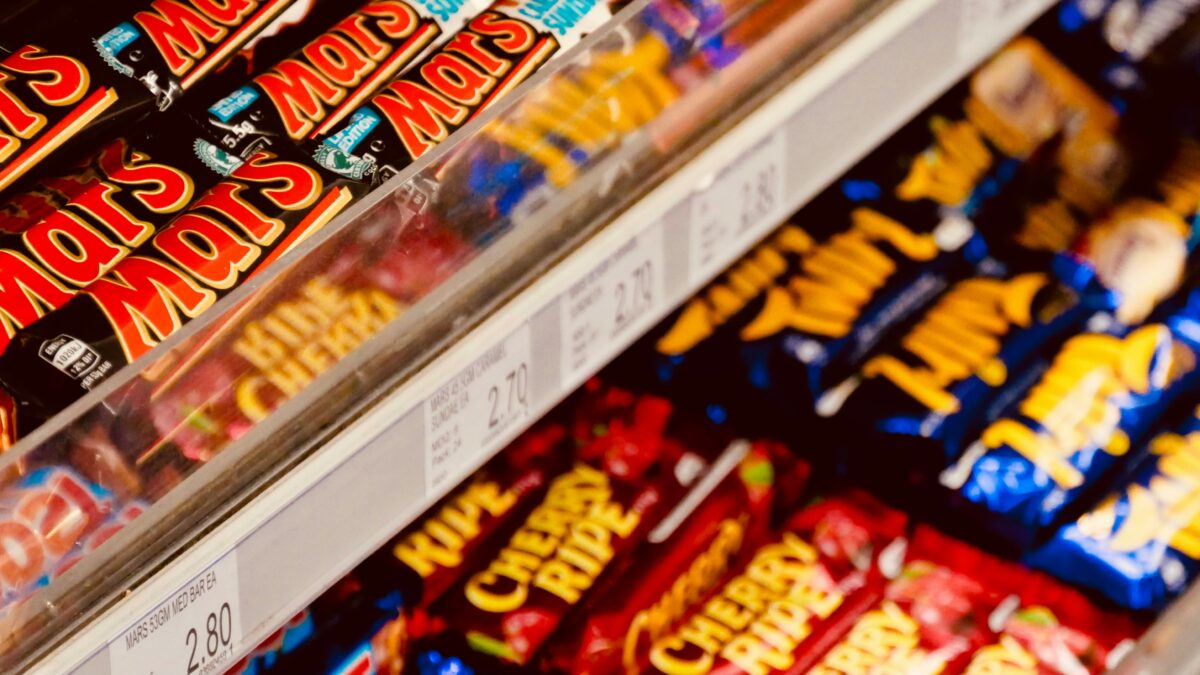
Everything near the checkout is there because of cold, hard data about impulse purchases. Candy, magazines, and small items with high profit margins crowd these areas because stores know you’re stuck waiting in line with nothing to do but browse.
Parents with kids are especially vulnerable since children at eye level with candy create additional purchasing pressure.
Music Controls Your Pace
The tempo and volume of in-store music is carefully calibrated to affect how quickly you shop. Slower music makes people move through stores more leisurely, leading to more browsing and purchasing.
Faster music during peak hours keeps people moving efficiently. Either way, the soundtrack isn’t picked for enjoyment but for profit optimization.
The Entrance Psychology

Flowers and colorful produce displays near the entrance aren’t just aesthetically pleasing. They create positive emotions and make the entire shopping experience feel fresher and healthier, which research shows makes people more willing to spend money.
This deliberate mood manipulation continues throughout your entire visit.
Confusing Layouts Get Refreshed
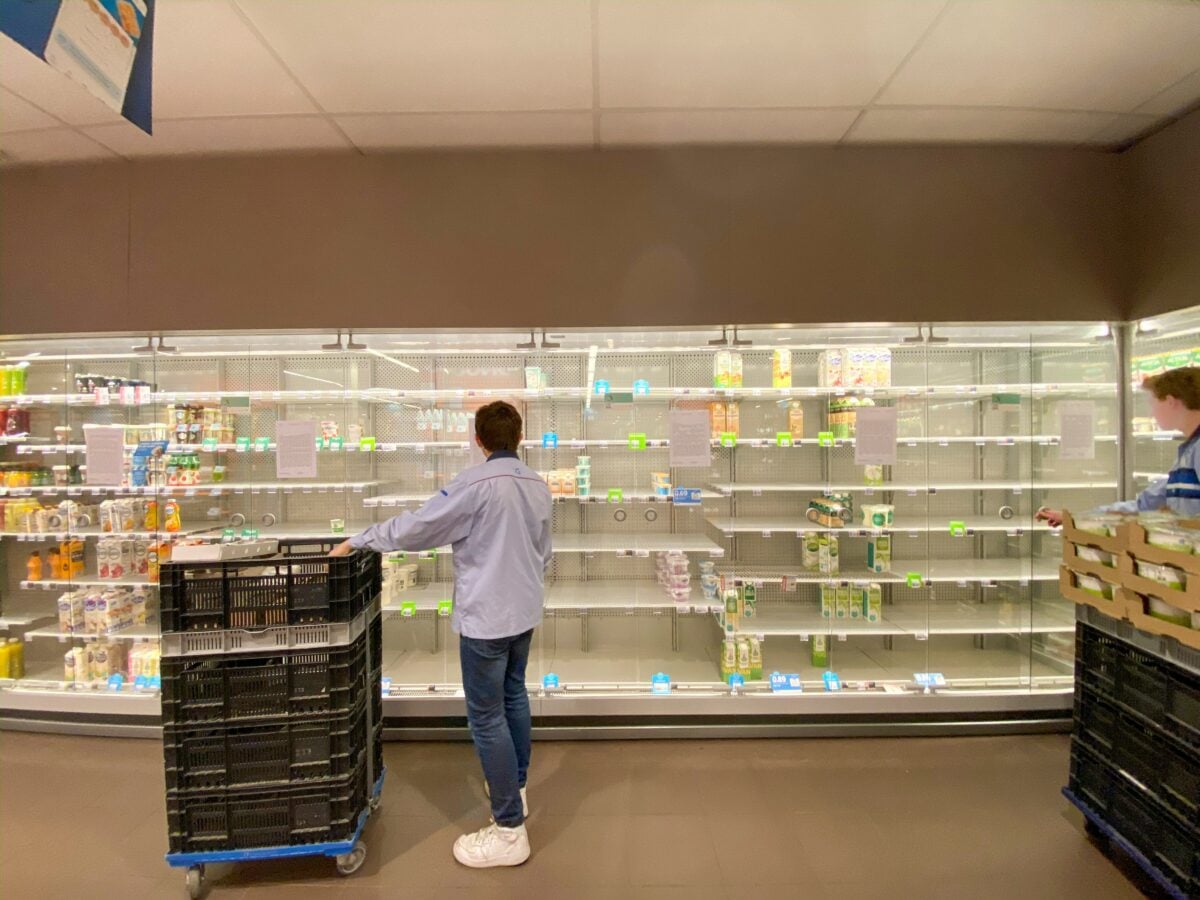
When stores rearrange their layouts every few months, it’s not to annoy loyal customers who knew exactly where everything was. Familiar shoppers move quickly and buy only what’s on their list, but confused shoppers wander around longer, expose themselves to more products, and make more unplanned purchases.
Your disorientation is their profit opportunity.
From Corner Stores to Corporate Science
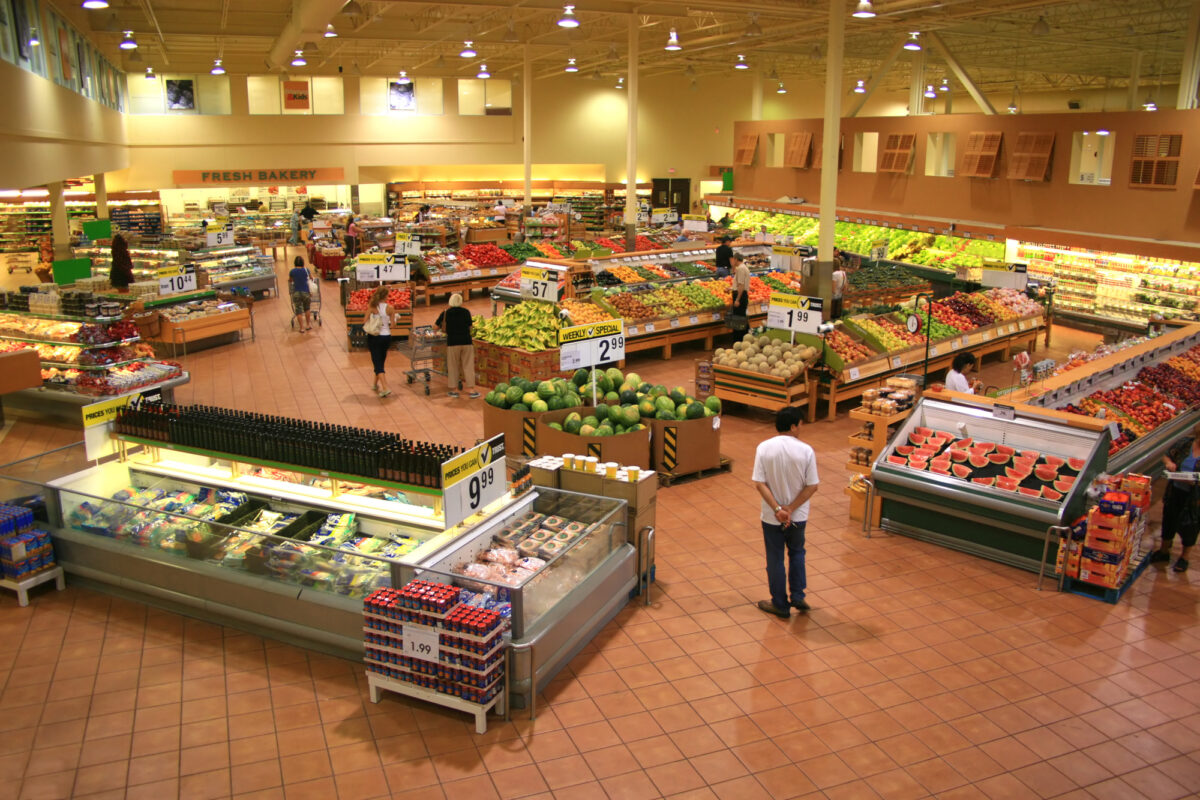
The neighborhood grocery store your grandparents visited operated on much simpler principles, with straightforward pricing and layouts designed primarily for efficiency rather than psychological manipulation. Today’s supermarkets employ teams of behavioral scientists, data analysts, and marketing experts who’ve transformed shopping into a carefully orchestrated experience where nearly everything you encounter is designed to separate you from more of your money.
Understanding these tactics won’t eliminate them, but awareness gives you the power to shop more intentionally and resist the subtle pressures that retailers have spent millions perfecting.
More from Go2Tutors!

- The Romanov Crown Jewels and Their Tragic Fate
- 13 Historical Mysteries That Science Still Can’t Solve
- Famous Hoaxes That Fooled the World for Years
- 15 Child Stars with Tragic Adult Lives
- 16 Famous Jewelry Pieces in History
Like Go2Tutors’s content? Follow us on MSN.