Earliest Cartoons on TV
Before Saturday morning cartoons became a childhood tradition, before Scooby-Doo and SpongeBob, television animation barely existed. The first cartoons on TV were experiments in a brand-new medium that nobody fully understood yet.
Studios that had been making theatrical shorts for movie theaters suddenly faced a strange rectangular box in living rooms across America. The shift from big screens to small ones forced animators to completely rethink how they worked, often cutting corners in ways that horrified purists but delighted kids who had never seen anything like it before.
These early shows laid the groundwork for everything that followed, proving that cartoons could thrive outside movie theaters. The pioneers of TV animation worked with tight budgets and even tighter deadlines.
What they created changed entertainment forever.
Felix the Cat went first

One of the first images ever broadcast over television was Felix the Cat back in 1928. Felix wasn’t moving or doing anything fancy.
A paper mache figure of the character simply sat on a rotating turntable under hot studio lights while engineers tested their equipment. The figure survived two hours of intense heat that would have melted a human face.
Felix became an unlikely television guinea pig decades before cartoons actually aired regularly, proving that even in TV’s earliest experiments, animation played a role.
Willie the Worm tried in 1938
Cartoonist Chad Grothkopf created an eight-minute experimental film called Willie the Worm in 1938, which has been cited as the first animated film created specifically for television. The film aired on NBC as a test to see if animation could work on the new medium.
Very few people actually saw it since television sets were extremely rare in 1938, with only a handful of wealthy families or businesses owning them. The technology was so new that creating content for it felt like shooting in the dark, but Grothkopf took the chance anyway.
Crusader Rabbit led the charge
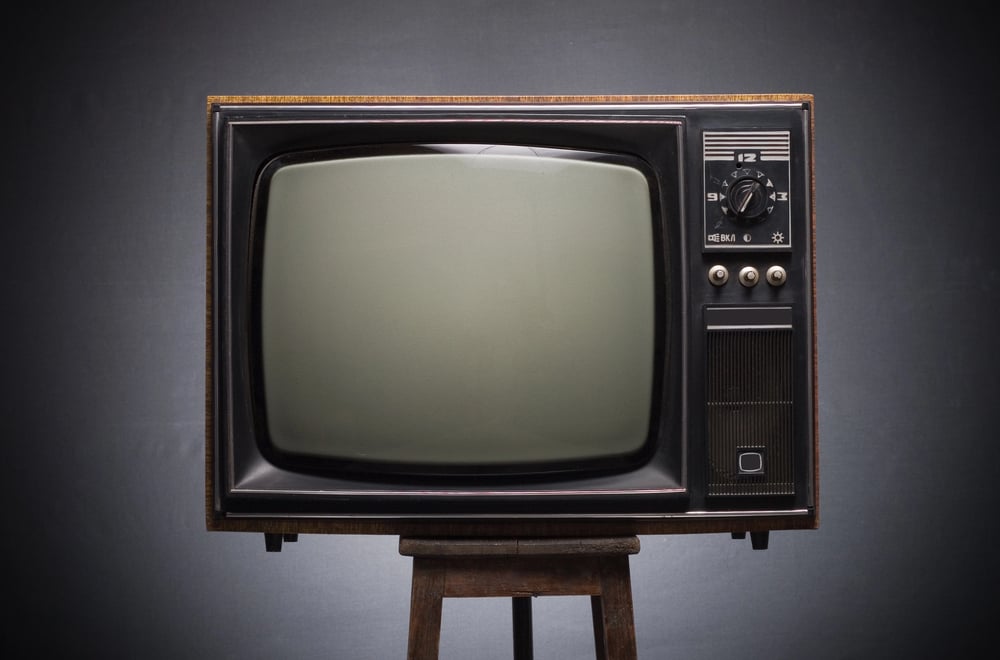
The first animated series produced specifically for television aired on KNBH in Los Angeles on August 1, 1949, when Crusader Rabbit made its debut. Alex Anderson and Jay Ward created the show using what they called limited animation, which meant far fewer drawings than theatrical cartoons required.
Each episode lasted only about five minutes, and with budgets of about $2,800 per episode, the show looked more like a comic strip than motion animation. The stories followed a brave rabbit and his cowardly tiger sidekick Rags through various adventures.
Anderson had originally pitched a donkey character to his uncle at Terrytoons, but animators didn’t want to draw donkeys, so he changed it to a rabbit and kept the Don Quixote inspiration intact.
Colonel Bleep went to space
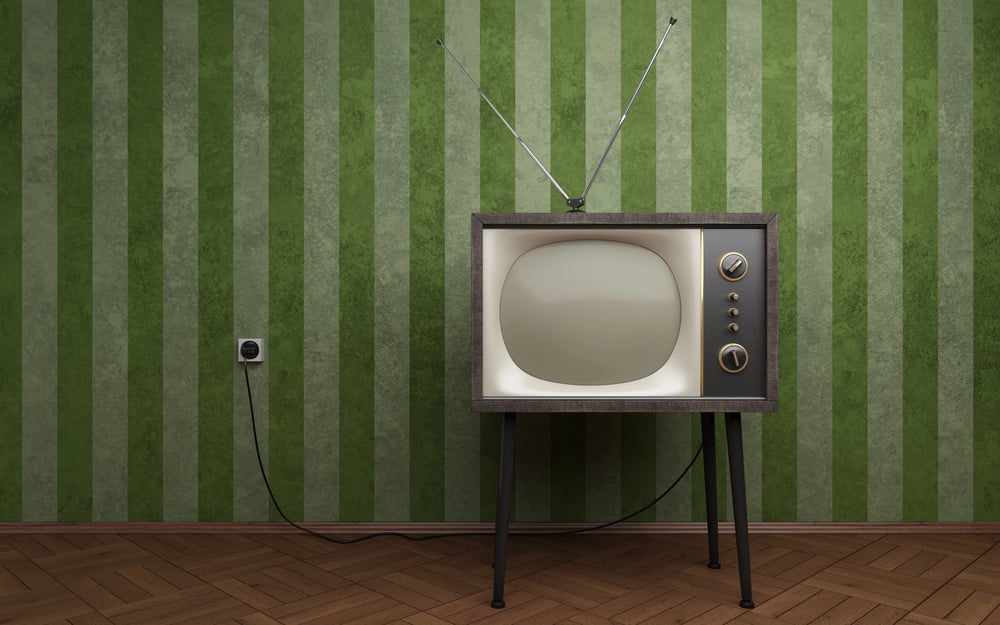
In 1957, a Florida studio called Soundac produced Colonel Bleep, the first color cartoon created specifically for TV. The show featured science fiction themes that were wildly bizarre even by 1950s standards.
Colonel Bleep lasted only one season, and episodes are now incredibly rare and difficult to find. Anyone who does track down an episode quickly discovers just how strange the show really was, with plots and characters that made little sense even to children watching at the time.
Huckleberry Hound made history
The Huckleberry Hound Show premiered in syndication on September 29, 1958, sponsored by Kellogg’s, and became Hanna-Barbera’s second series for television. The show featured a blue dog with a Southern drawl who held different jobs in each episode.
Huckleberry might appear as a cowboy one week, a police officer the next, always singing ‘My Darling, Clementine’ in his slow, laid-back style. Voice actor Daws Butler based Huck’s accent on a veterinarian neighbor from his wife’s hometown in North Carolina.
In 1959, the show won an Emmy for Best Children’s Program, becoming the first cartoon series ever to win such an honor.
Yogi Bear stole the show
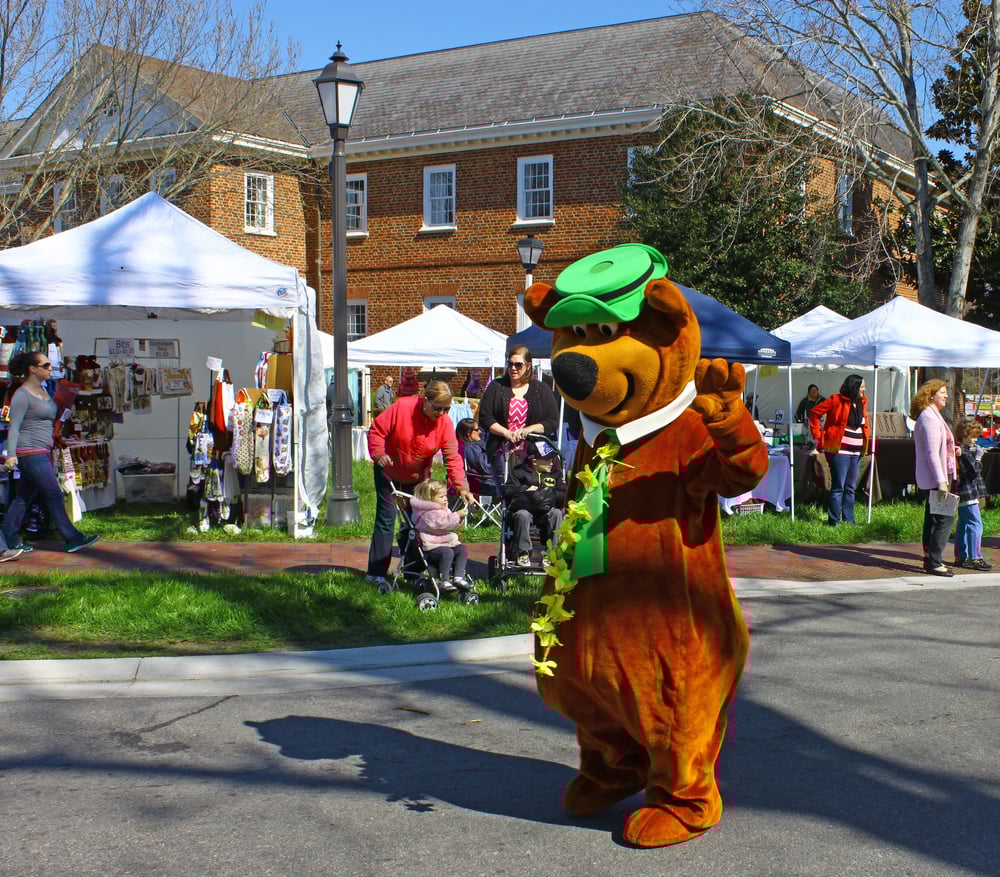
Yogi Bear started as just one segment on The Huckleberry Hound Show, appearing between the main Huckleberry cartoons. The Yogi Bear segment proved more popular than Huckleberry’s own cartoons, eventually spinning off into its own series in 1961.
Daws Butler voiced Yogi too, basing the character’s personality and speech patterns on Art Carney’s Ed Norton from The Honeymooners sitcom. Yogi lived in Jellystone National Park and spent his time stealing picnic baskets despite the objections of his small friend Boo Boo and the park’s Ranger Smith.
The character’s popularity rivaled and eventually surpassed that of Huckleberry Hound himself.
Pixie and Dixie outsmarted a cat
The Huckleberry Hound Show included another segment featuring two mice named Pixie and Dixie who constantly outwitted Mr. Jinks, a cat who spoke with a beatnik style. Mr. Jinks became famous for his catchphrase ‘I hate meeces to pieces’ whenever the mice got the better of him.
Don Messick voiced both mice while Daws Butler handled Mr. Jinks. The setup was borrowed but the addition of dialogue and the beatnik personality made Mr. Jinks unique for his time.
Quick Draw McGraw played cowboy
Following the success of The Huckleberry Hound Show, Hanna-Barbera released Quick Draw McGraw around a year later in 1959. Quick Draw was a dimwitted horse sheriff in the Old West who could barely get his gun out of its holster and usually shot the wrong person when he did.
His sidekick Baba Looie, a Mexican burro, constantly tried to help Quick Draw avoid disasters. The show also included an alter ego called El Kabong, where Quick Draw dressed as a Zorro-like masked hero and hit bad guys with a guitar, creating the sound effect that gave him the name.
Limited animation cut costs

Hanna-Barbera pioneered a technique called limited animation that made TV cartoons financially possible. Instead of the smooth, fluid movement seen in theatrical cartoons, limited animation used fewer drawings and repeated backgrounds.
Characters often stood still while only their mouths moved during dialogue. Chuck Jones, the legendary Warner Bros. animator, coined the term ‘illustrated radio’ to describe the style, noting how these TV cartoons depended more on their soundtracks than visuals.
Critics hated it, but kids didn’t care, and the cost savings meant studios could produce enough content to fill television schedules.
Theatrical cartoons moved to TV
Before original TV cartoons existed, television stations filled time by airing old theatrical cartoons made for movie theaters. Cartoon producer Paul Terry sold the rights to the Terrytoons cartoon library to television in the early 1950s, guaranteeing a long life for characters like Mighty Mouse and Heckle and Jeckle.
These cartoons aired in children’s programming blocks for the next 30 to 40 years, introducing new generations to cartoons from the 1920s and 1930s. This practice helped establish animation as children’s entertainment rather than the general audience medium it had been in theaters.
The Ruff and Reddy Show came first
Before Huckleberry Hound, Hanna-Barbera created The Ruff and Reddy Show, which aired on NBC from 1957 to 1960 as their very first television series. The show featured a cat and dog duo getting into adventures.
Daws Butler voiced Reddy the dog with an accent nearly identical to what he later used for Huckleberry Hound. The Ruff and Reddy Show proved that Hanna and Barbera could make television animation work profitably, paving the way for their more successful follow-up shows.
Gumby bent into shape
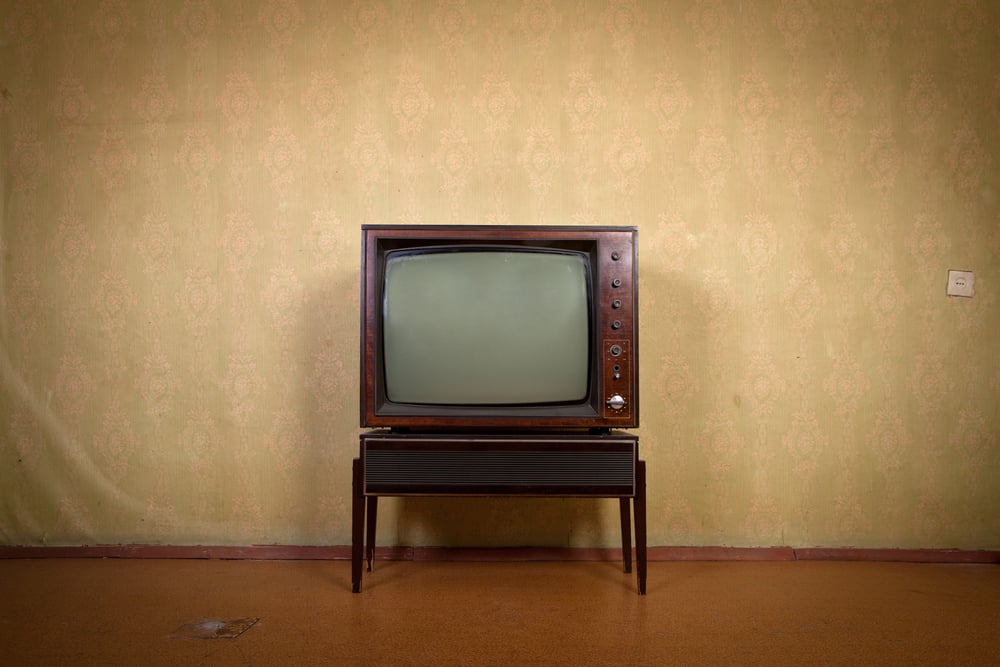
In 1956, the Howdy Doody show aired the first Gumby clay animated cartoon from creator Art Clokey. Gumby was made using stop-motion animation with clay figures rather than drawn cartoons.
The green clay character could bend into any shape and went on adventures with his orange horse friend Pokey. Gumby eventually got his own series and became one of television’s most recognizable characters, proving that TV animation didn’t have to be drawn to succeed.
Saturday mornings became sacred
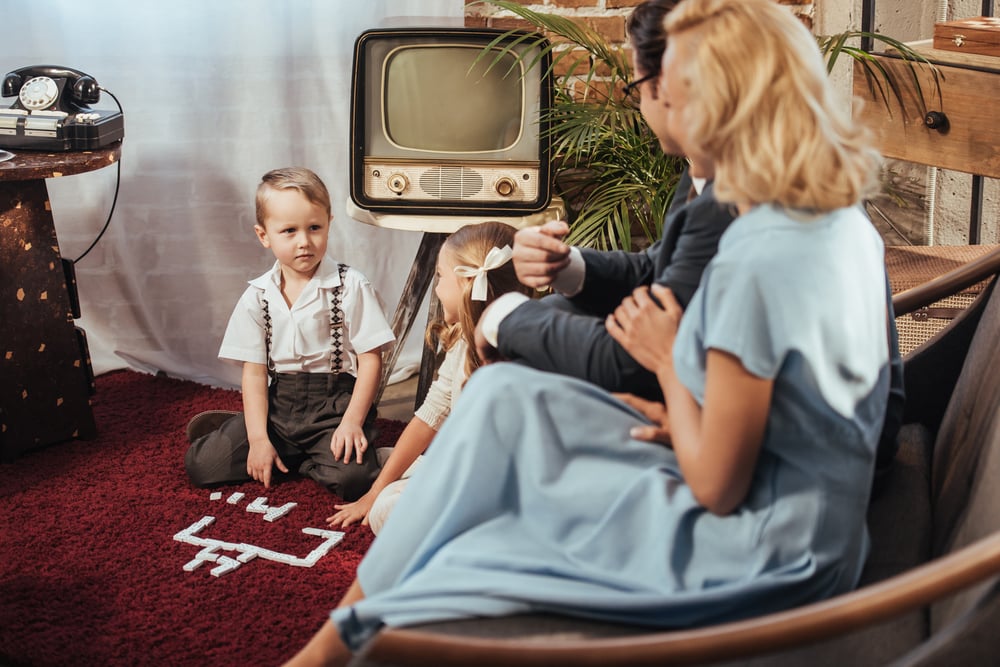
By the mid-1960s, watching Saturday morning cartoon programming became a favorite pastime for most American children. Networks scheduled up to four hours of animated shows on Saturday mornings, creating a weekly ritual that lasted for decades.
Parents used Saturday morning cartoons as a few hours of peace while kids sat glued to the television. The tradition shaped an entire generation’s childhood memories and made animation studios incredibly profitable.
The Flintstones went prime time
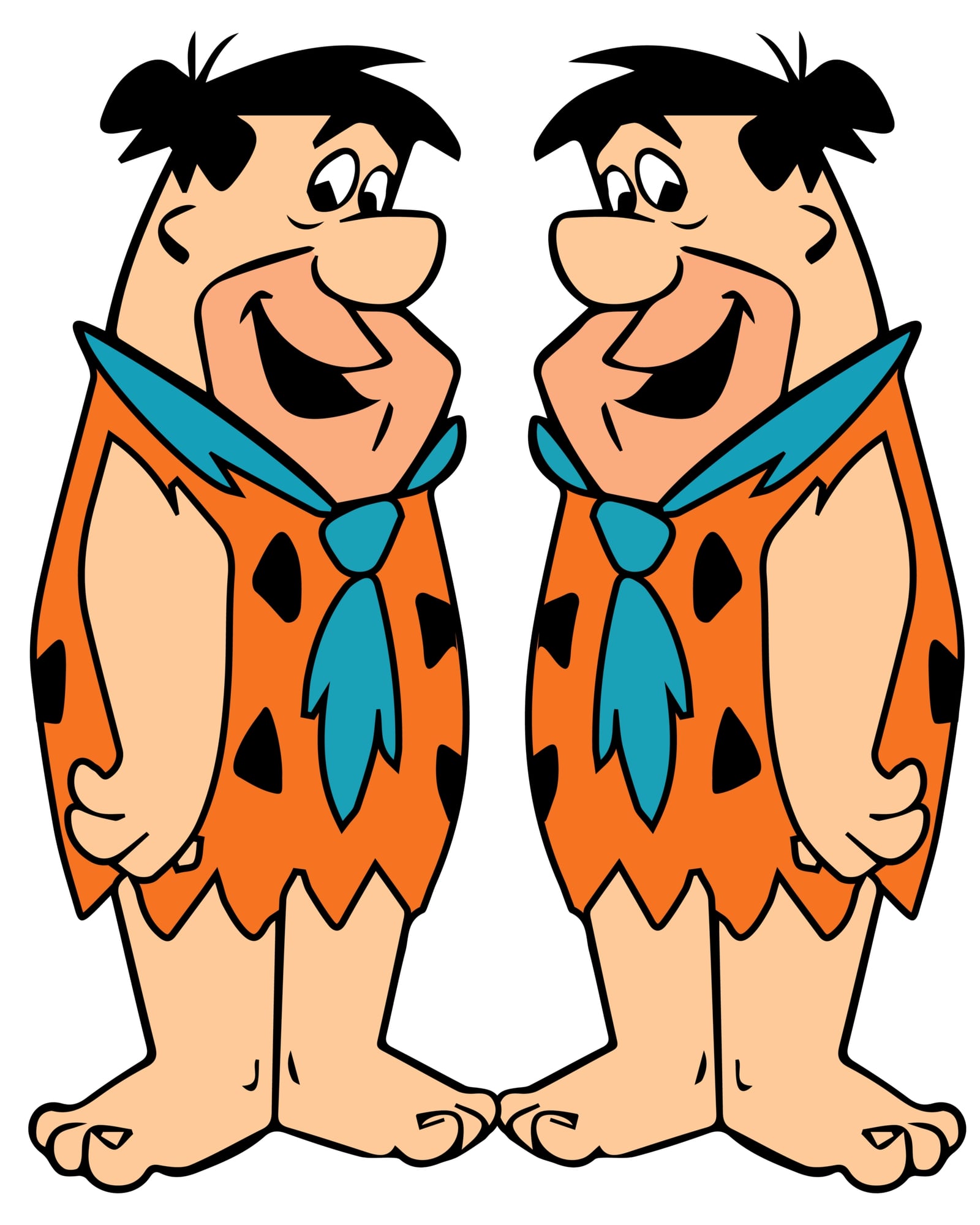
In 1960, Hanna-Barbera launched The Flintstones as the first animated series designed for prime-time television viewing. The show aired at night when the whole family would be watching, not just during children’s hours.
The Flintstones borrowed heavily from The Honeymooners sitcom, transplanting the working-class family comedy to the Stone Age. The show ran for six seasons and proved that animation could appeal to adults as well as children, though most animated shows after it returned to targeting kids exclusively.
Color came slowly
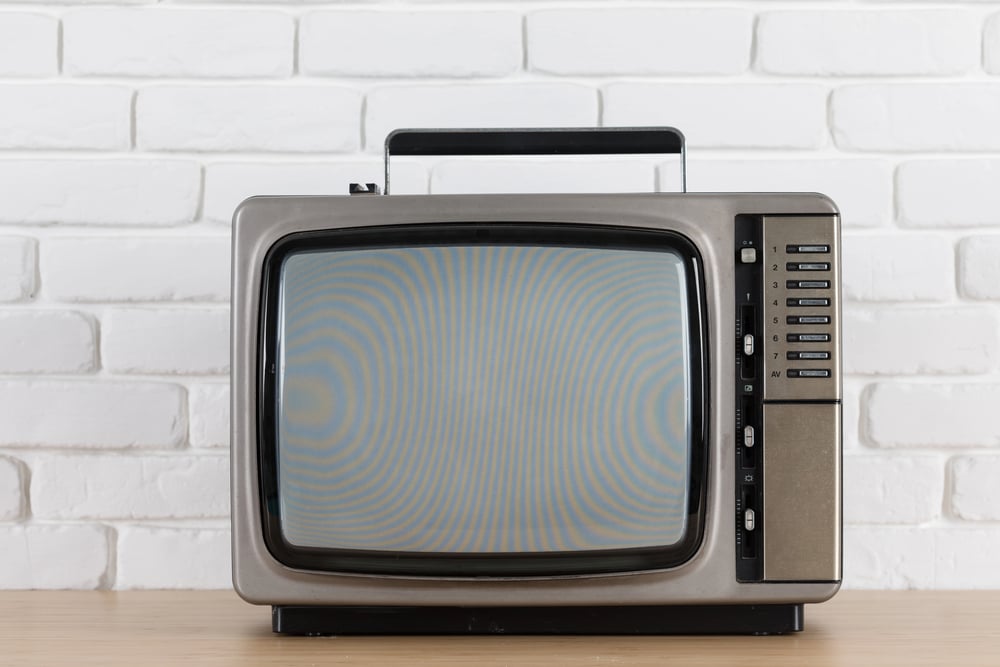
Crusader Rabbit began in black and white because all television sets except some experimental models were in monochrome. Another studio bought the show and produced more episodes in color starting in 1956, though many households still couldn’t watch them in color.
The transition to color television happened gradually through the 1960s, with black-and-white sets remaining common in American homes well into the 1970s. Early color cartoons had to work in both color and black-and-white since producers never knew which type of set viewers owned.
Folks who do voices also pulled extra shifts
Voices behind many classic cartoon figures came mostly from Daws Butler and Don Messick. Huckleberry Hound, Yogi Bear, even Snagglepuss – those belonged to Butler.
Boo Boo and Ranger Smith? That was Messick. Through their work, the way animated shows sounded on TV began to take shape.
Countless characters flowed from just these two. A whole era of Saturday morning sounds rested on them.
Twelve separate Southern dialects came naturally to Butler – producers got a full cast in one person. One voice, many faces: budgets stayed tight yet roles felt unique.
A single performer shaped so much variety it skipped the need for extras altogether.
The golden age ended
By the 1960s, American animation’s shining era began fading fast. As TV rose, moviegoers lost interest in cartoon reels shown before films.
These previews once filled theater seats; now they vanished without a trace. Without that steady stream of viewers, studios like Disney, Warner Bros., and MGM found their old way of making cartoons falling apart.
Talented artists shifted gears – some jumped into TV projects, others walked away from drawing characters altogether. What aired on television paid far less than cinema did, cutting corners on quality.
Even though fans look back fondly on those broadcast years, experts label them a slump – a step down marked by cheaper looks and simpler stories.
When TV Screens Got Crowded
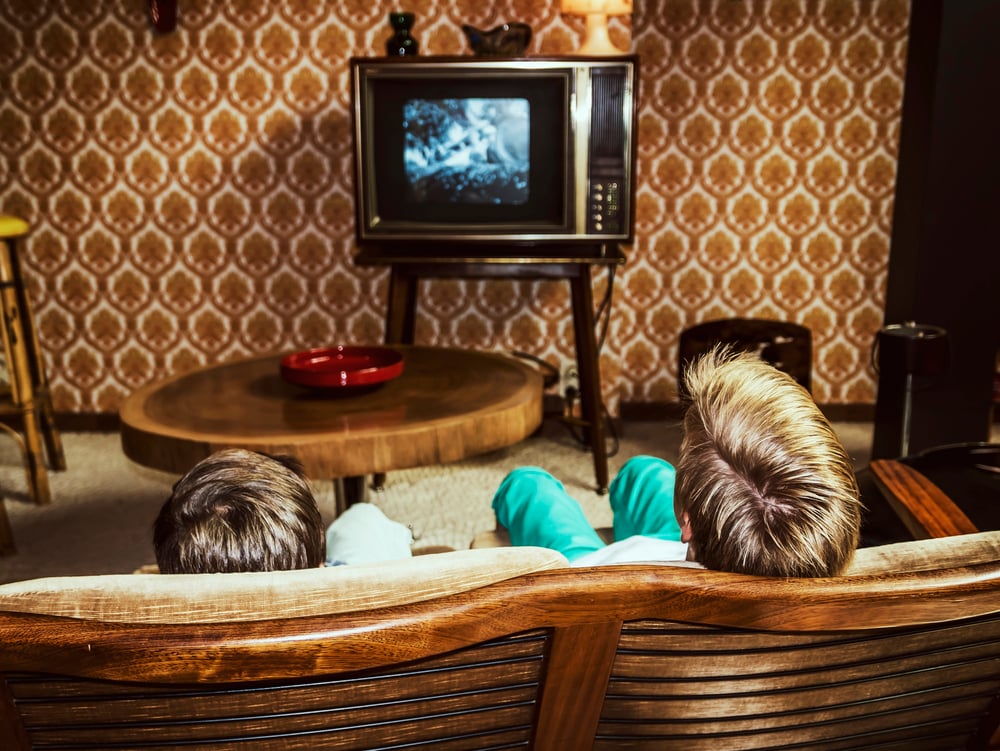
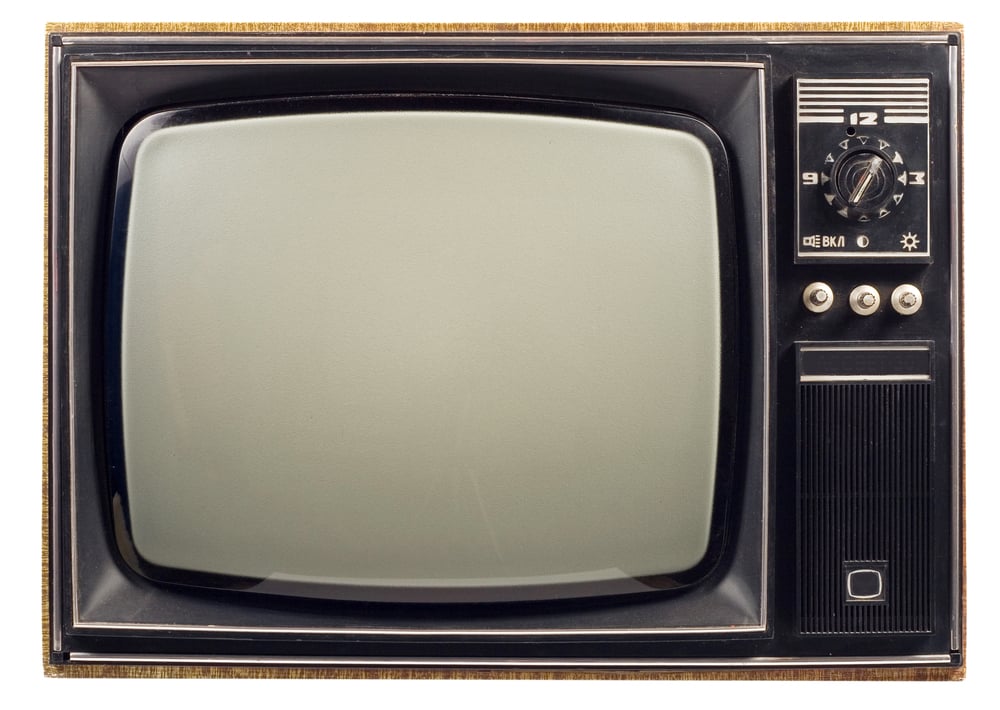
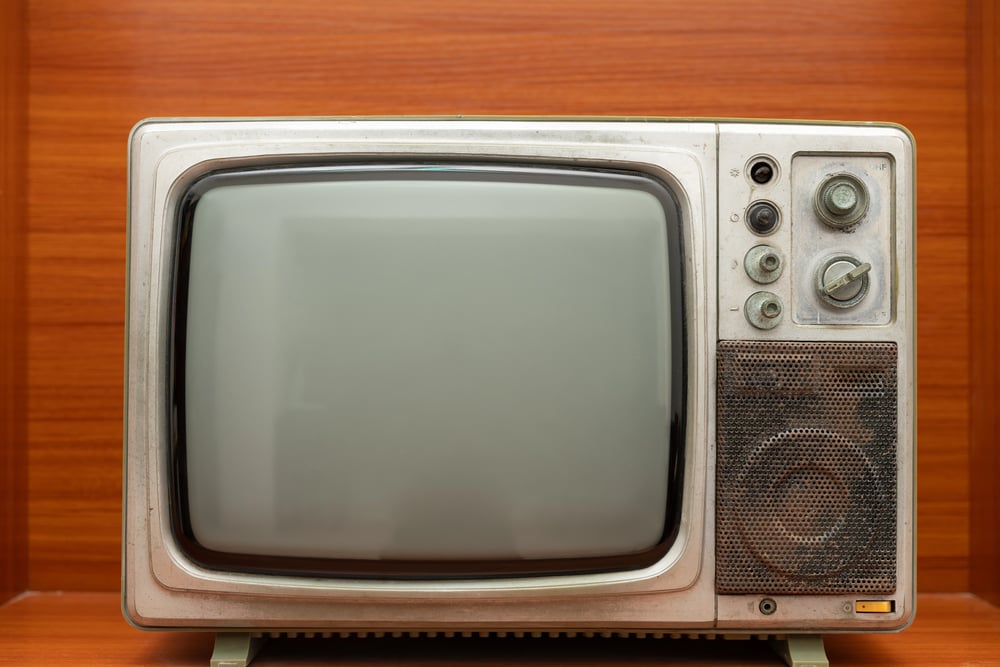
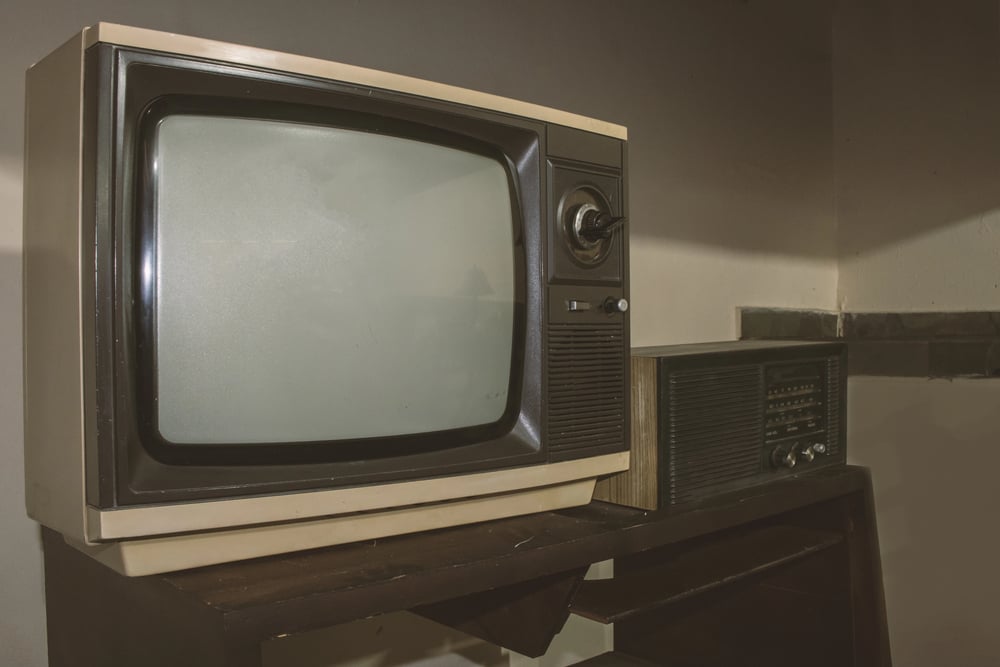
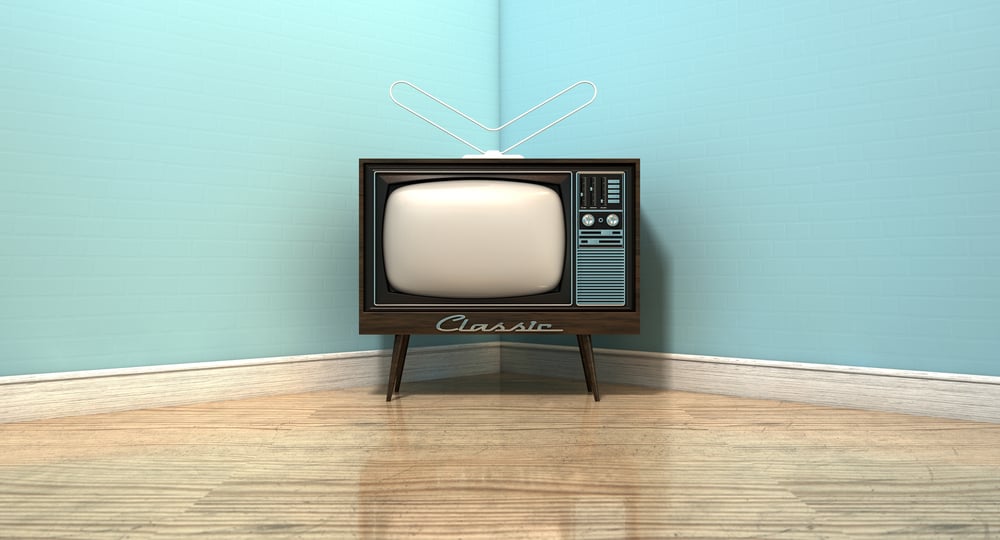
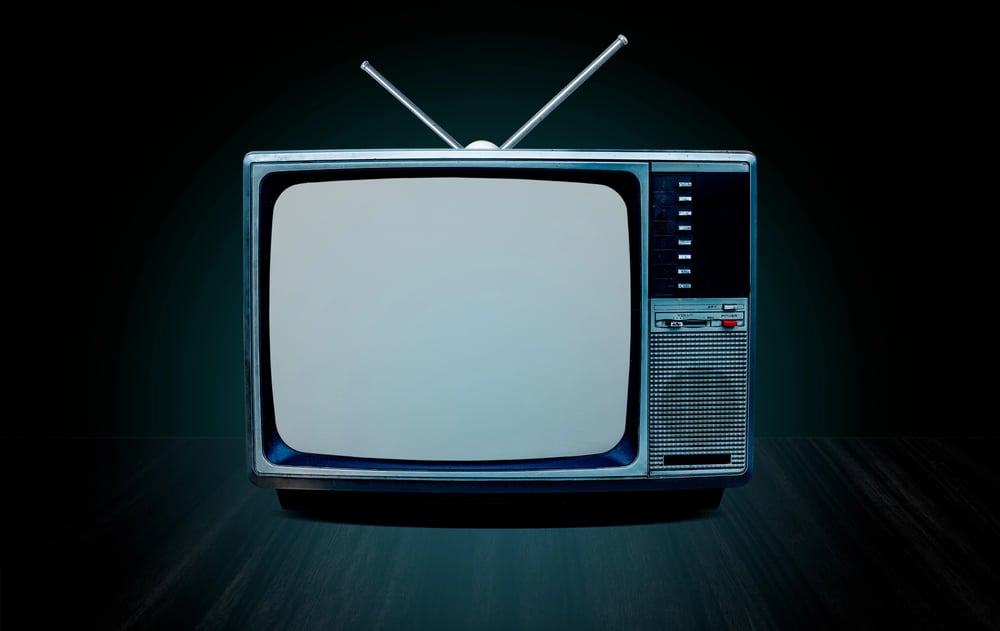
Back then, TVs were hard to find, yet cartoons found their way onto tiny sets with blurry monochrome pictures. Now, crisp visuals bring animated scenes to life in ways past creators wouldn’t believe possible.
Because budgets were tight, shortcuts turned into a look that sticks in memory even now. It didn’t take long for moving drawings to feel right at home on broadcast channels, not just cinema screens.
Some figures drawn years ago remain familiar, surviving far beyond the old machines they once lived inside.
More from Go2Tutors!

- The Romanov Crown Jewels and Their Tragic Fate
- 13 Historical Mysteries That Science Still Can’t Solve
- Famous Hoaxes That Fooled the World for Years
- 15 Child Stars with Tragic Adult Lives
- 16 Famous Jewelry Pieces in History
Like Go2Tutors’s content? Follow us on MSN.