Fake Movie Products That Became Real Items
Movies have always been about creating worlds that feel real, even when they’re completely made up. Part of that magic comes from the props and products that fill the screen, things that look so convincing you’d swear they existed before the cameras started rolling.
Sometimes, though, the opposite happens. A product invented purely for a film ends up jumping off the screen and into stores, becoming something people can actually buy and use in their everyday lives.
Let’s look at some of the most interesting examples of fictional products that made the leap from Hollywood fantasy to actual reality.
Reese’s Pieces
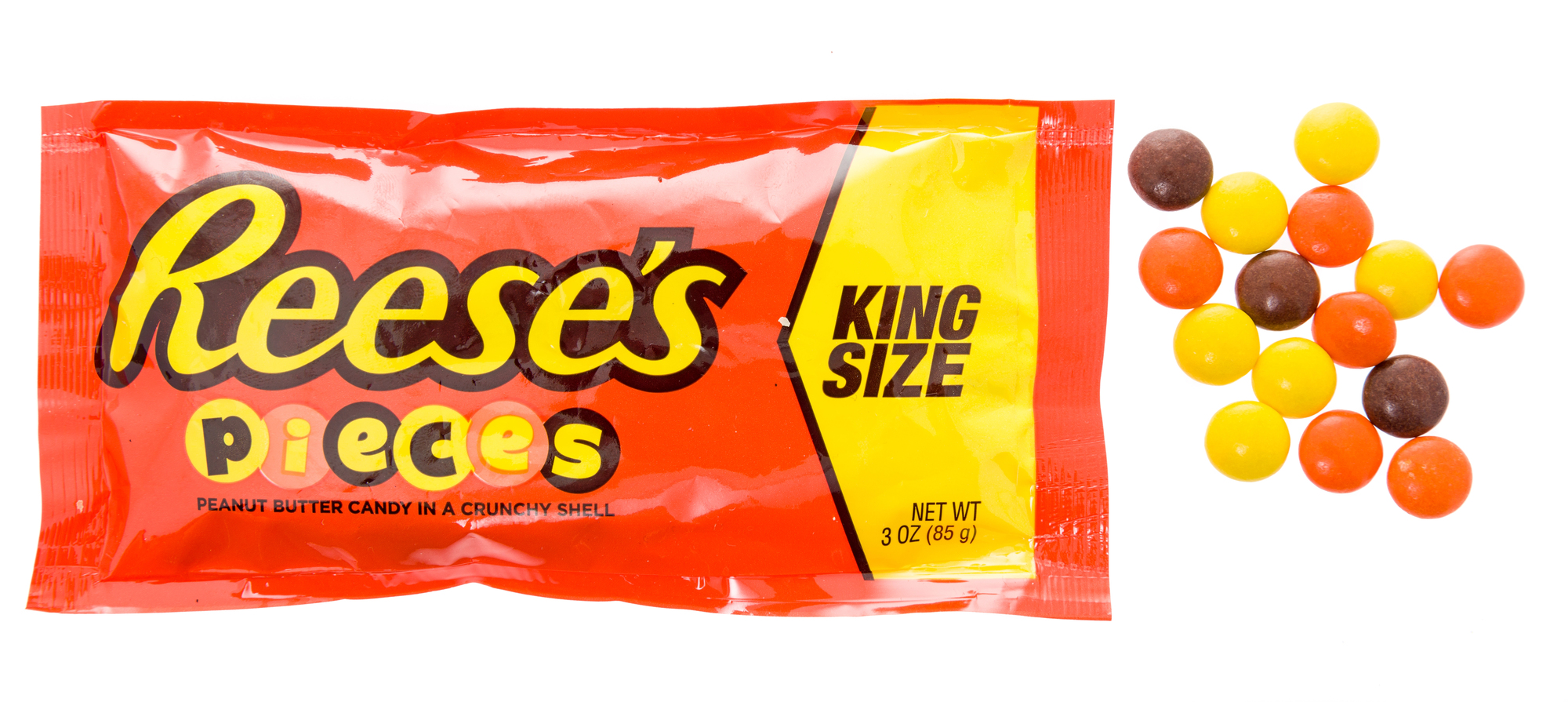
Before 1982, Reese’s Pieces were just another candy struggling to compete with M&Ms. Then E.T. came along and changed everything. The little alien’s obsession with the peanut butter candies wasn’t originally planned for this brand.
Mars turned down the chance to feature M&Ms in the film, so Hershey’s jumped at the opportunity. Within two weeks of the movie’s release, Reese’s Pieces sales tripled. The candy went from being a minor player to a household name, all because a fictional alien couldn’t resist them.
Nike Air Mag
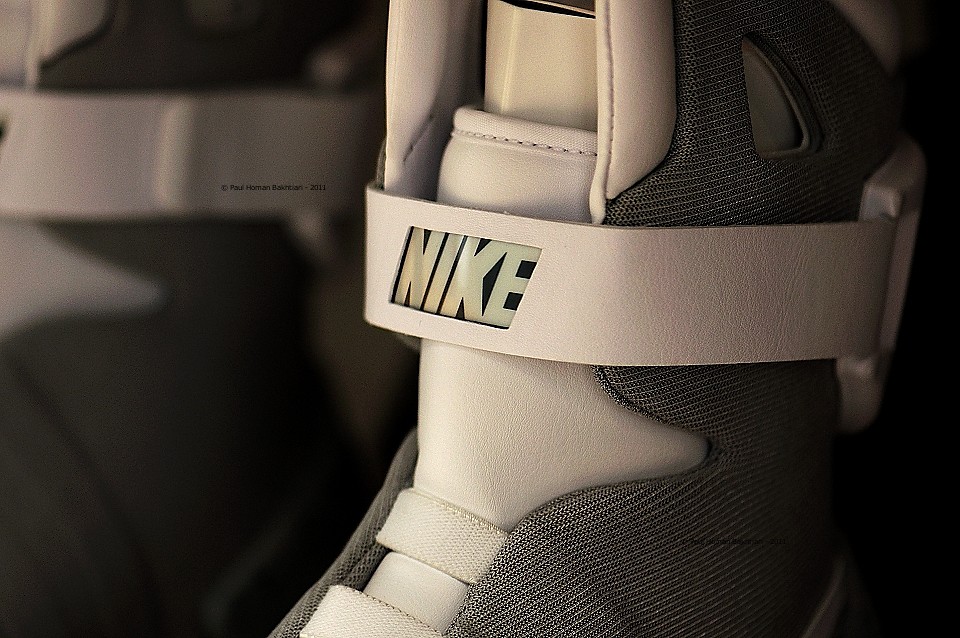
Back to the Future Part II showed Marty McFly wearing self-lacing sneakers in 2015, and sneaker fans spent decades wishing they were real. Nike finally made a limited version in 2011 that looked like the movie shoes but didn’t actually lace themselves.
Then in 2016, they released the real deal with power laces that actually worked. Only 89 pairs were made and auctioned off for charity, raising over $6 million. These shoes prove that sometimes waiting 27 years for technology to catch up is worth it.
Bubba Gump Shrimp Company
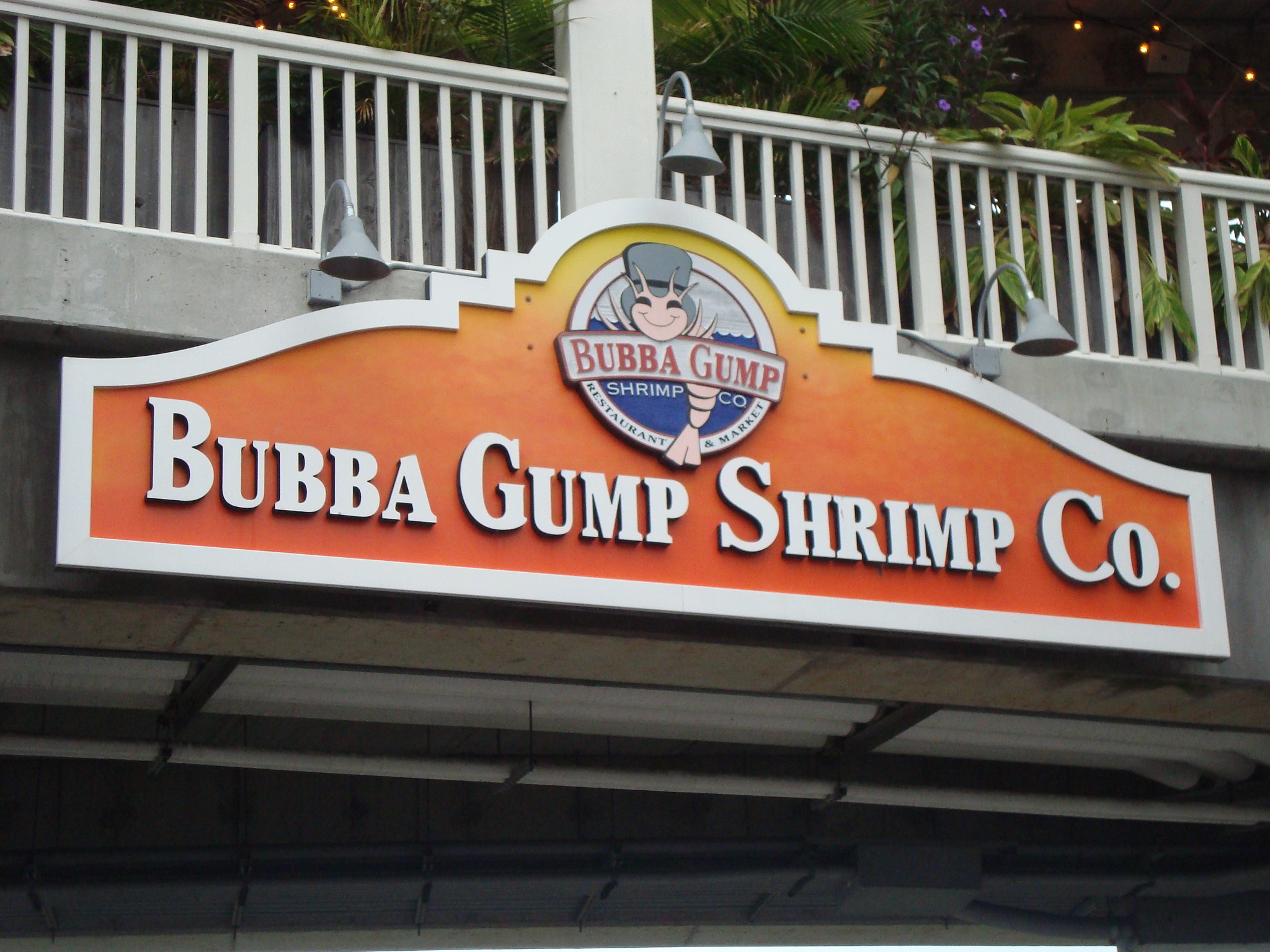
Forrest Gump’s shrimp boat business was just a plot device in the 1994 film, but someone saw dollar signs in that fictional company. The first Bubba Gump Shrimp Co. restaurant opened in 1996 in Monterey, California.
Today there are over 40 locations worldwide serving every kind of shrimp dish you can imagine, just like Bubba described.The restaurants are filled with movie memorabilia and staff who quiz diners on Forrest Gump trivia.
It’s one of the most successful examples of a fake business becoming a real empire.
Duff Beer
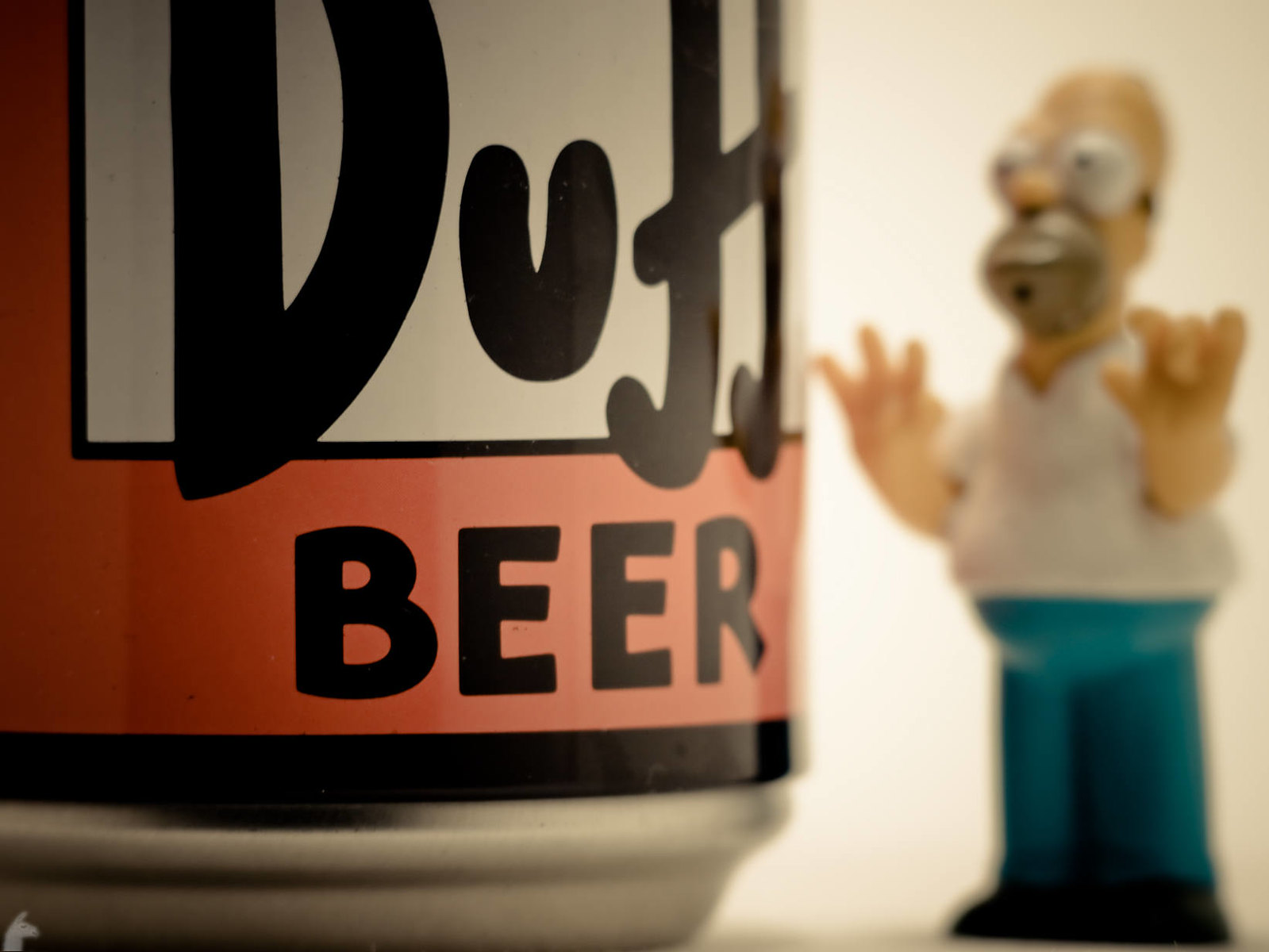
The Simpsons created Duff Beer as Homer’s drink of choice, making it one of the most recognizable fake products in TV history. For years, Fox fought against unauthorized Duff beers popping up in various countries.
Then in 2013, they partnered with a brewery to create official Duff Beer for sale at Universal Studios theme parks. Eventually, licensed versions became available in stores in several countries.
The irony isn’t lost on anyone that a show known for satirizing consumer culture now profits from selling its own fictional beer.
Bertie Bott’s Every Flavour Beans
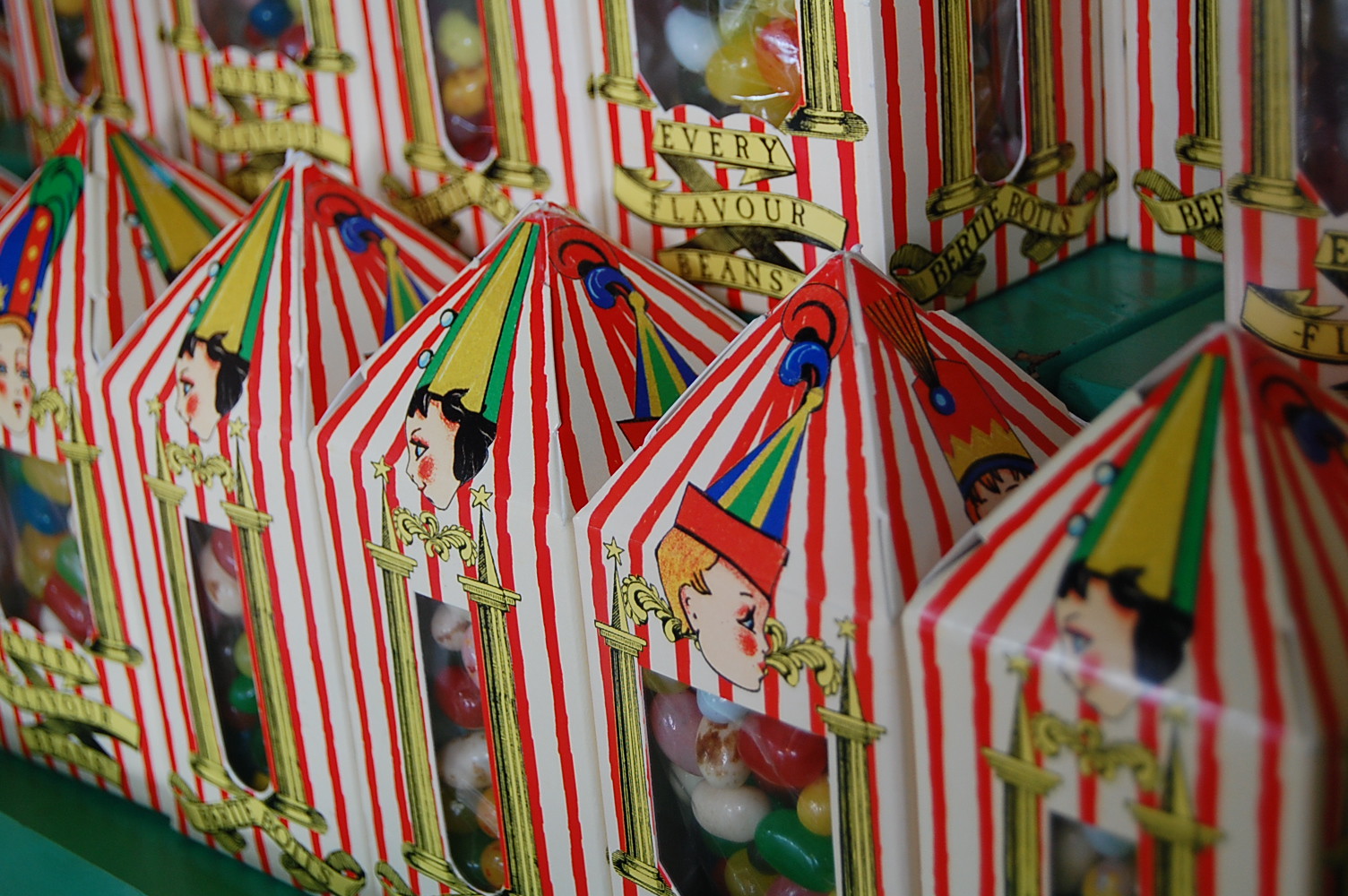
Harry Potter mentioned these magical candies that came in every flavor imaginable, including truly disgusting ones like earwax and vomit. Jelly Belly took on the challenge of making them real, creating a line of jelly beans with both normal and intentionally awful flavors.
The beans became a massive hit when the first Harry Potter movie came out in 2001. Now you can buy them in stores worldwide, and they taste exactly as advertised, from toasted marshmallow to rotten egg. Brave souls still play Russian roulette with the mixed boxes.
Wonka Candy
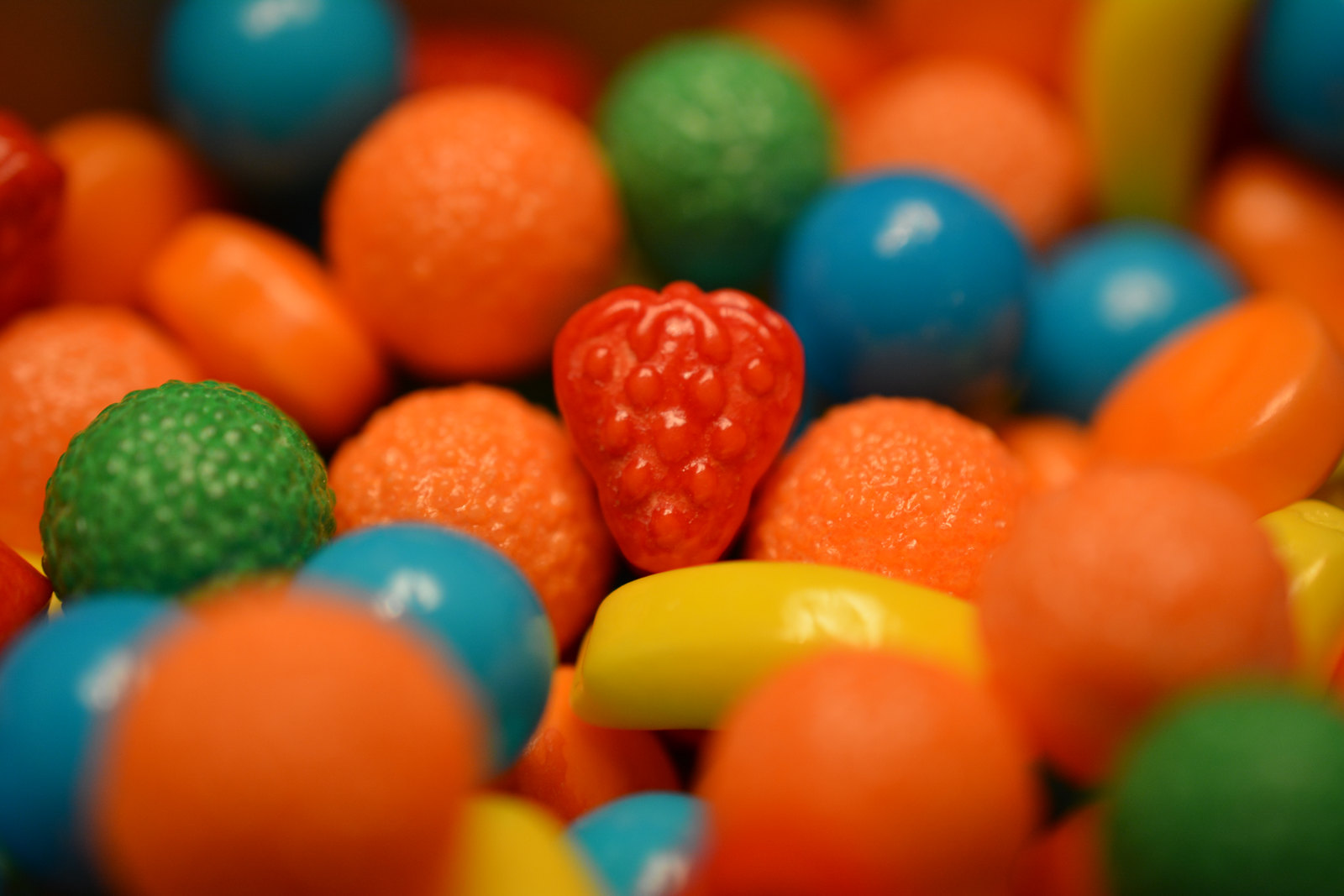
In both Roald Dahl’s novel and the 1971 movie, Willy Wonka’s chocolate factory was a work of pure fantasy. In fact, Quaker Oats introduced a Wonka candy line in the same year the film was released.
Despite being owned by several businesses over the years, the brand has endured for more than 50 years. SweeTarts and Nerds were among the products that used the Wonka brand at different times. In 2018, Nestle retired the Wonka name after absorbing the majority of the line; however, the candies themselves are still sold under a different brand.
Stay Puft Marshmallows
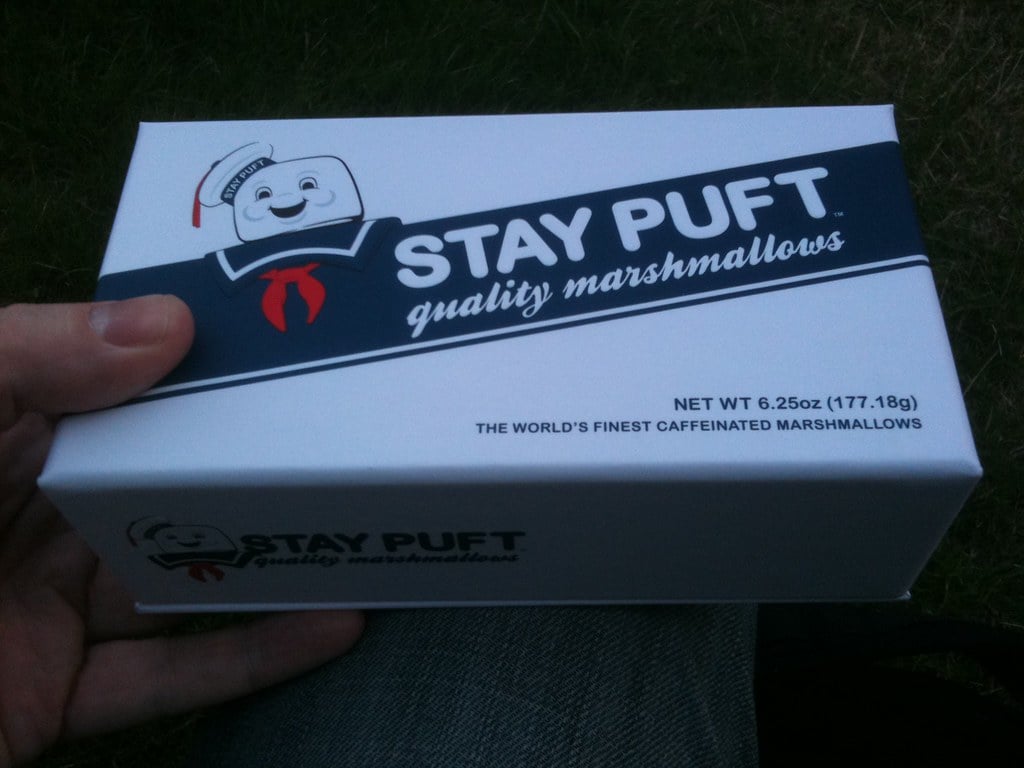
In Ghostbusters, the enormous Stay Puft Marshmallow Man terrorized New York, leaving a lasting impression on consumers. Fans produced unofficial versions for years before the official Stay Puft Caffeinated Gourmet Marshmallows were released in 2016.
They are available in strawberry and vanilla flavors, and yes, they do contain caffeine. The puffy mascot from the film is prominently displayed on the packaging.
Thirty years later, eating marshmallows that make reference to a destructive monster seems perfectly normal.
Krusty O’s Cereal
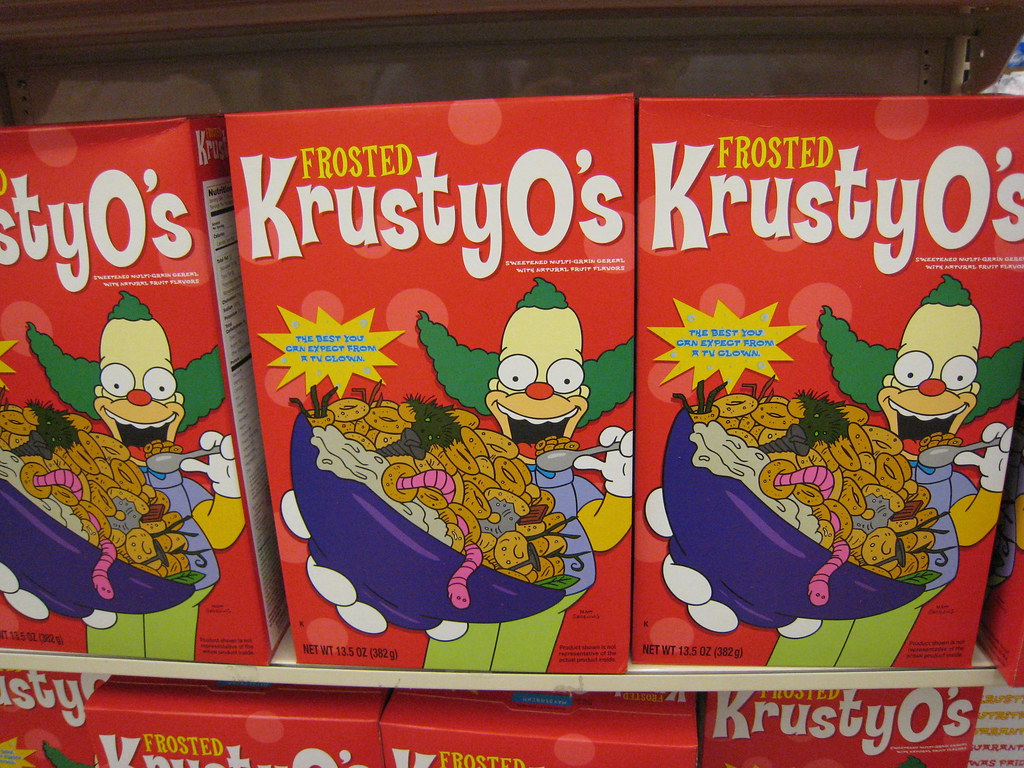
The Simpsons struck again with Krusty the Clown’s fictional cereal, which the show depicted as barely edible and possibly dangerous. In 2020, an official Krusty O’s cereal launched exclusively at FYE stores.
The fruity cereal came in a box designed to look like it came straight from Springfield. It sold out quickly, proving that people will buy almost anything if it connects them to a beloved show.
The cereal probably tasted better than the show version, which once came with a free jagged metal Krusty O in every box.
Acme Corporation Products
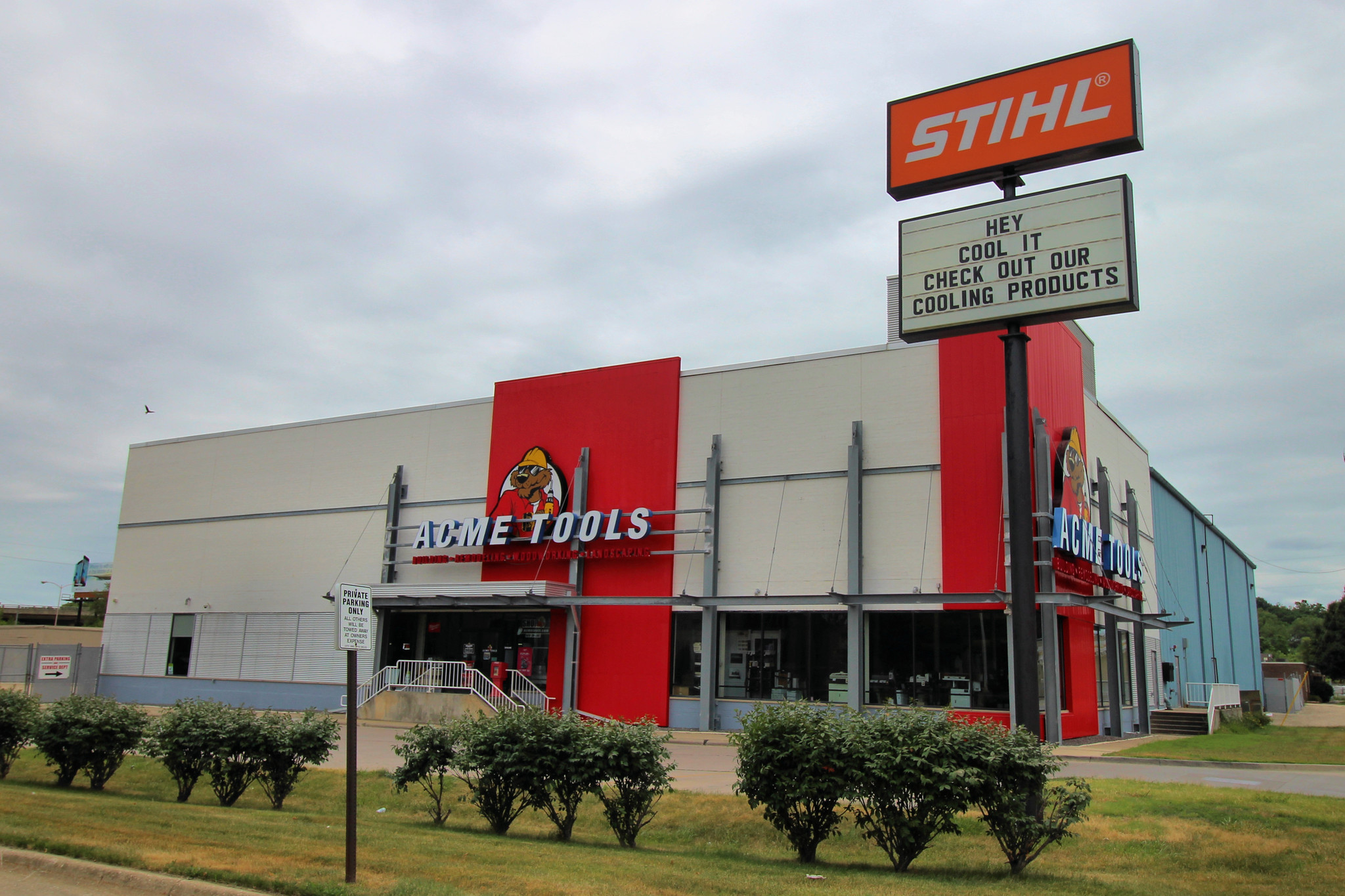
Wile E. Coyote ordered countless products from Acme Corporation in his quest to catch the Road Runner. While you can’t buy rocket-powered roller skates or giant anvils, Acme became a real brand selling various merchandise and novelty items.
Several companies have used the Acme name over the years, trading on the Warner Bros. cartoon connection. The name itself became shorthand for generic companies in fiction, but the cartoon version remains the most famous.
Real Acme products are significantly less likely to explode in your face.
Buzz Beer
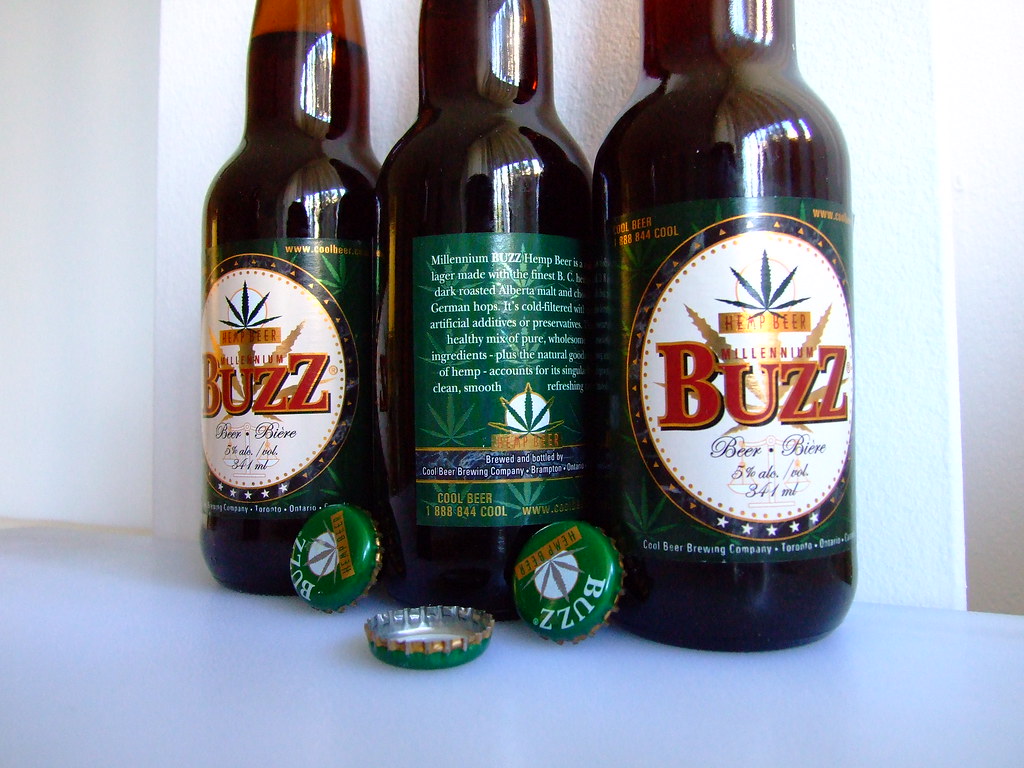
The sitcom The Drew Carey Show featured Buzz Beer, a home-brewed drink that the main characters tried to turn into a business. Several real breweries have since created their own versions of Buzz Beer as limited releases.
These beers reference the show while actually being drinkable craft beverages. The original show recipe included coffee and was supposedly pretty terrible. Modern versions improved the concept considerably, proving that real brewers can do better than fictional Cleveland residents.
Pied Piper Compression Technology
Silicon Valley, the HBO comedy about tech startups, featured a fictional compression algorithm so efficient it seemed impossible. While you can’t buy Pied Piper’s exact technology, the show’s technical consultants created real code that worked.
Several real companies cited the show as inspiration for their own compression innovations. The show’s commitment to accurate technical details meant their fake product actually pushed real engineers to think differently.
Sometimes fiction sets goals that reality works hard to achieve.
Krabby Patty
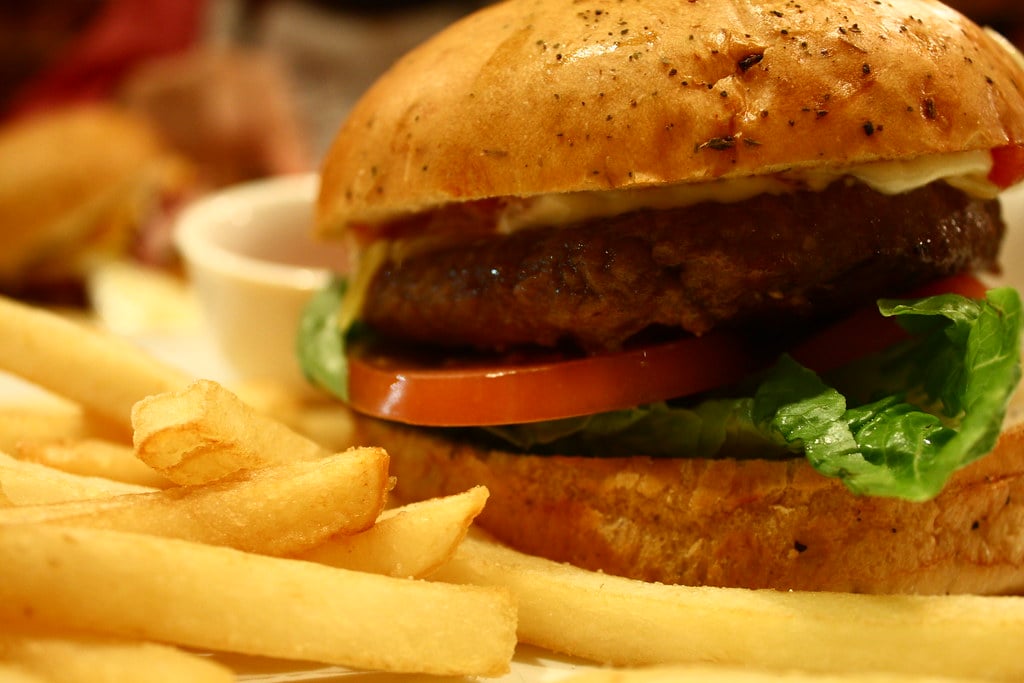
SpongeBob SquarePants made the Krabby Patty the most desirable burger in Bikini Bottom. In 2016, Wendy’s created a real Krabby Patty burger as a limited promotion.
It didn’t contain the secret formula from the show, but it let fans taste something they’d wondered about for years. Various other companies have since released Krabby Patty-themed products, from gummy candies to frozen meals.
The burger’s appeal proves that good marketing in a cartoon can create real-world demand.
Panther Cologne
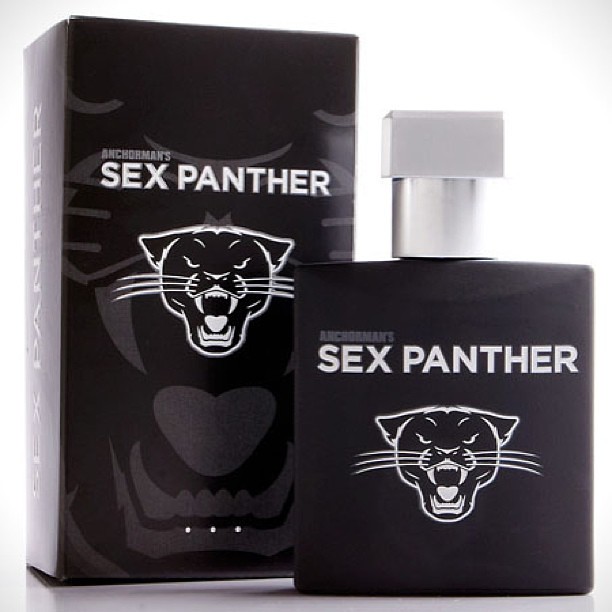
Anchorman featured Panther, a cologne so bad it was described as ’60 percent of the time, it works every time.’ The absurd product from the comedy became a real fragrance sold in stores.
The actual cologne doesn’t smell nearly as offensive as the movie version supposedly did. It’s marketed as a joke gift, and everyone who buys it knows exactly what they’re getting.
The willingness of companies to make intentionally ridiculous products from comedies shows how far brand tie-ins will go.
Slurm Energy Drink
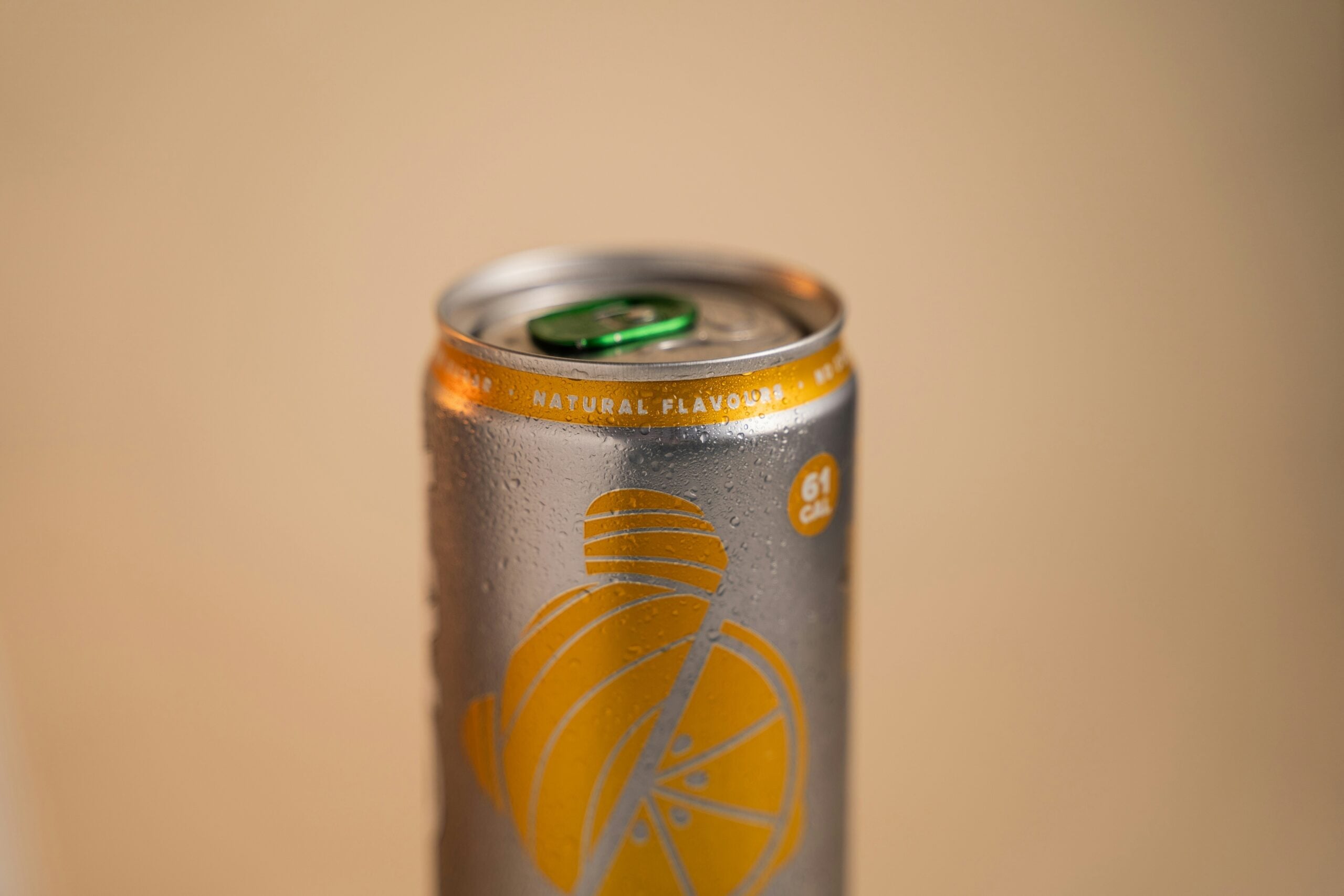
Futurama’s Slurm was a highly addictive soft drink supposedly made from a disgusting source. Real energy drink companies have created unofficial Slurm knockoffs over the years for fans.
These drinks range from small-batch creations to limited official merchandise runs. The show’s version was bright green and probably unhealthy, which describes most energy drinks anyway.
Fans who drink it presumably don’t think too hard about the show’s explanation of where Slurm comes from.
Big Kahuna Burger
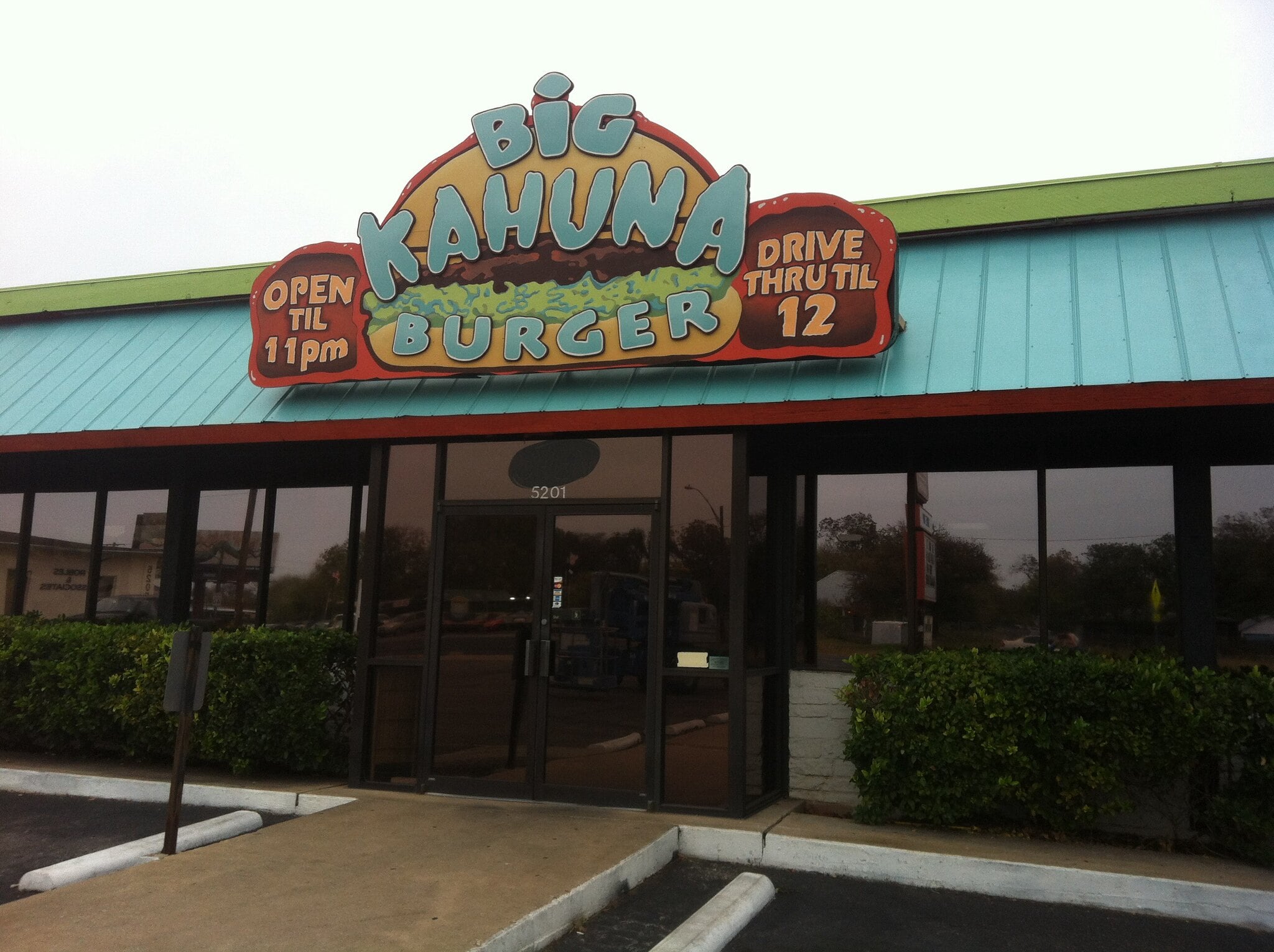
Pulp Fiction made Big Kahuna Burger sound like the best fast food chain in Los Angeles, even though it didn’t exist. An actual restaurant by that name opened years after the movie in various locations.
The burgers cash in on the film’s cult status and that famous scene with Samuel L. Jackson. Whether they’re actually as good as the movie made them sound is debatable.
The restaurants prove that even a brief mention in the right film can spawn a real business.
Brawndo Energy Drink
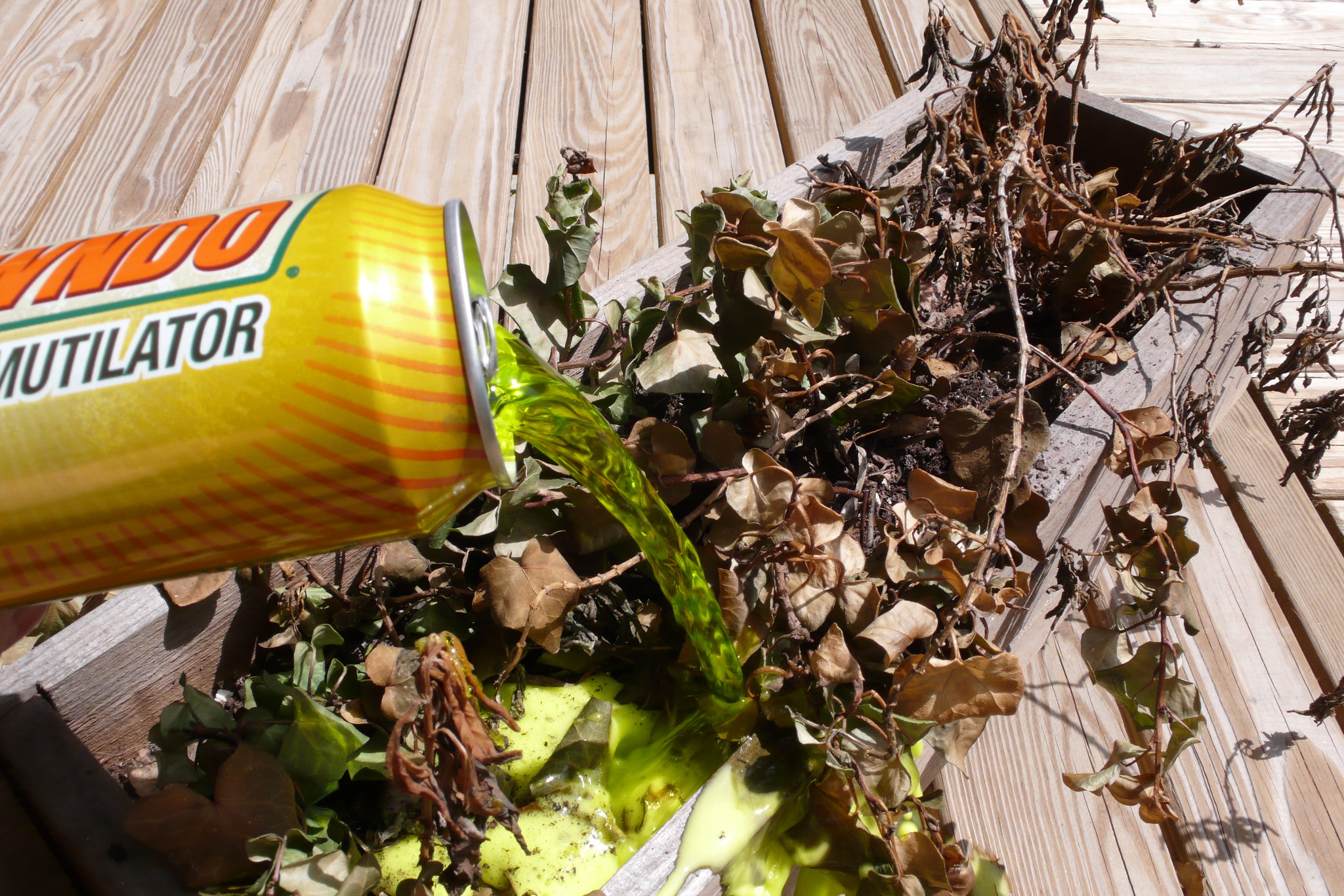
Idiocracy created Brawndo, the sports drink that replaced water in a dystopian future because ‘it’s got electrolytes.’ A real version hit stores as a limited release, marketed to fans of the cult comedy.
The drink came in flavors like Blue Mean Machine and Turbo Thirst Mutilator. Buying and drinking Brawndo requires a sense of humor about the movie’s satirical message.
The existence of real Brawndo suggests we might be closer to the movie’s timeline than anyone wants to admit.
Tres Comas Tequila
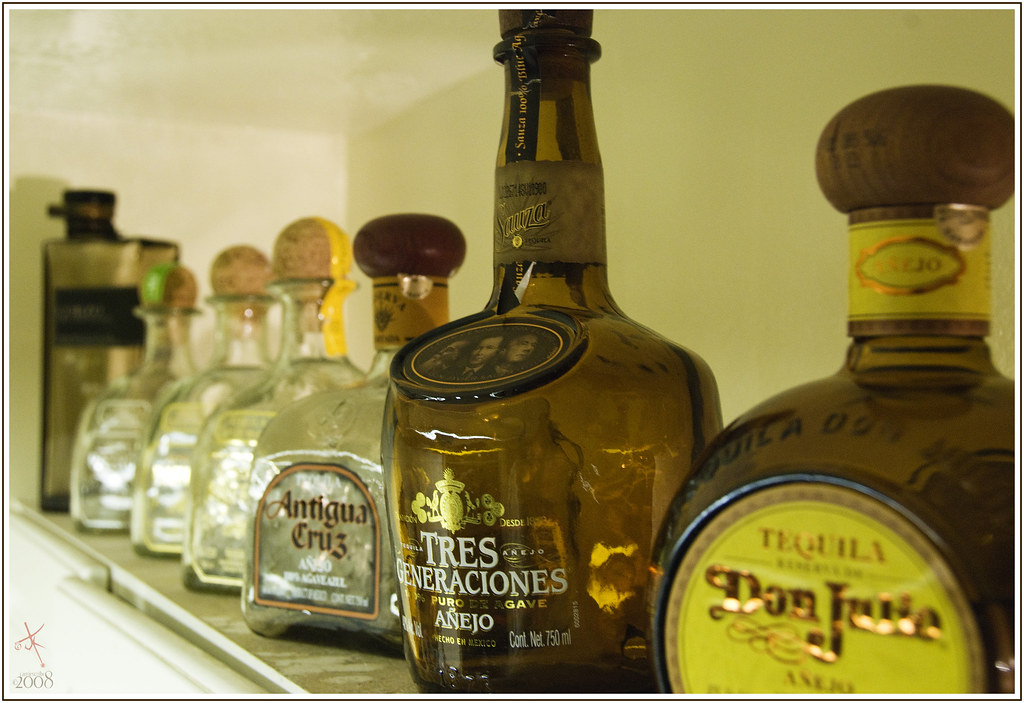
Silicon Valley introduced Tres Comas, the tequila for billionaires that came in bottles with actual shots built into the cap. A real spirits company created an actual Tres Comas tequila that fans could buy.
The bottle design mimicked the show’s version, making it instantly recognizable. It became a status symbol for tech fans who probably weren’t billionaires themselves.
The tequila’s existence blurs the line between parody and actual luxury branding.
Red Apple Cigarettes
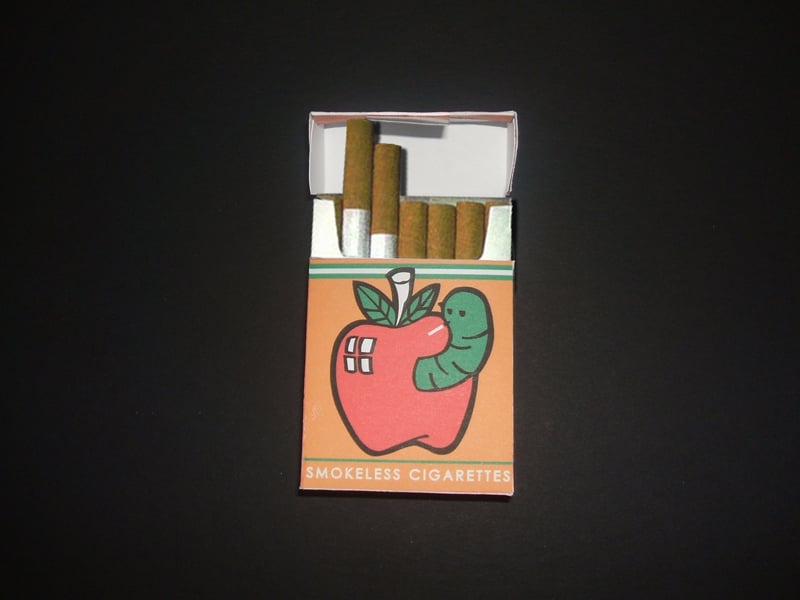
Quentin Tarantino created Red Apple as a recurring fake brand across multiple films. While actual Red Apple packs never hit stores for obvious legal and health reasons, the brand appears in Kill Bill, Pulp Fiction, and other Tarantino movies.
Merchandise featuring the Red Apple logo became popular with film fans. The fake brand became Tarantino’s signature Easter egg, connecting his film universe.
Some props and promotional items exist, but thankfully, nobody’s actually manufacturing Tarantino-branded products you inhale.
From Fiction to Shopping Carts
These products show how the line between movies and merchandise keeps getting blurrier. What starts as a joke or throwaway detail in a script can become something sitting on store shelves if enough people want it.
The internet age makes it easier than ever for fans to demand products from their favorite films, and companies are happy to supply them. Some of these items are good products in their own right, while others trade purely on nostalgia and recognition.
Either way, they prove that Hollywood’s influence reaches far beyond the screen into what we eat, drink, and buy.
More from Go2Tutors!

- The Romanov Crown Jewels and Their Tragic Fate
- 13 Historical Mysteries That Science Still Can’t Solve
- Famous Hoaxes That Fooled the World for Years
- 15 Child Stars with Tragic Adult Lives
- 16 Famous Jewelry Pieces in History
Like Go2Tutors’s content? Follow us on MSN.


