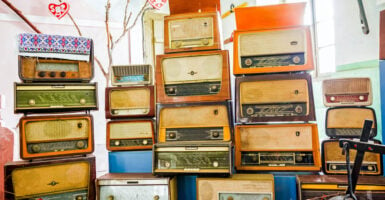
Objects That Are Way Older Than You Think
People love to believe they know the age of everyday things. A smartphone seems modern, so it must be recent.
A recipe feels old-fashioned, so it probably came from your grandmother’s kitchen. But here’s the thing: lots of objects people use today have stories that go back much further than anyone expects.
Some inventions people assume are brand new actually arrived decades ago. Others have been around so long that people forgot where they came from.
Let’s dig into some surprising discoveries about the real age of things we see every day. So get ready for a bunch of “I had no idea” moments.
These objects will make you rethink what old really means.
The fork
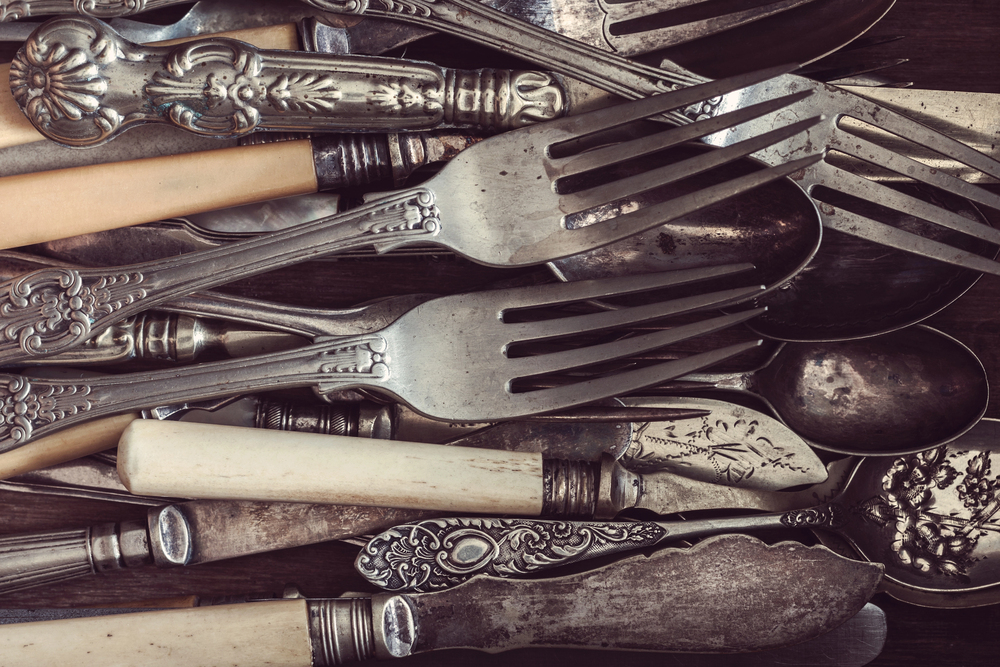
People think forks are ancient, but they’re actually way younger than most eating tools. Forks didn’t show up in Europe until the 11th century, which is pretty late compared to spoons and knives.
For thousands of years, Europeans just used their hands and a knife. The upper class in Venice and other Italian cities started using forks first, but regular people thought it was weird and snobbish.
Even by the 1600s, using a fork was considered strange in England. It took until the 1700s before forks became normal across most of Europe and America.
The zipper
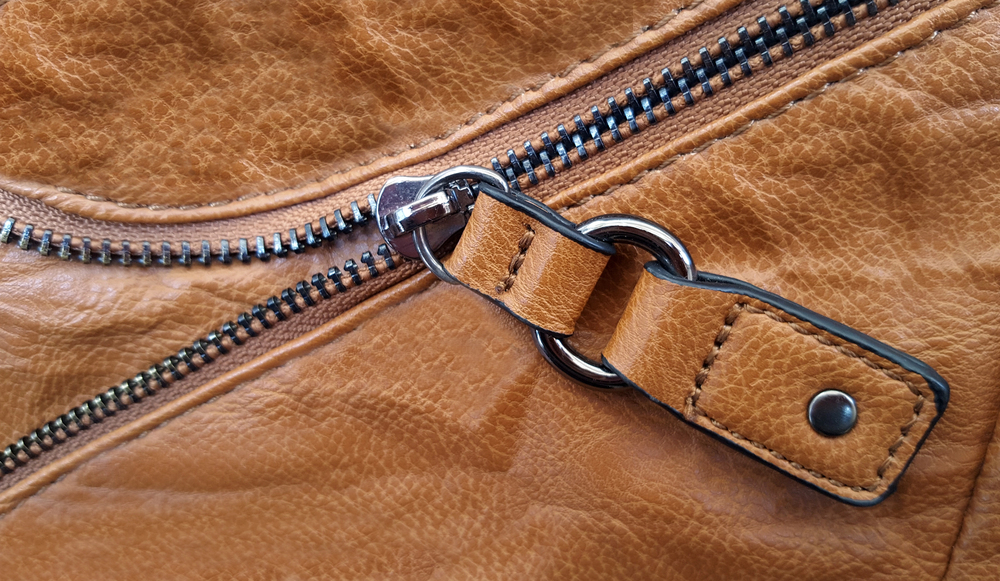
Zippers seem like they’ve been around forever, but they’re actually younger than cars. The first working zipper came out in 1913, though it was called the Hookless Fastener back then.
Before that, people used buttons, hooks, and laces for everything. The zipper didn’t become popular until the 1920s and 1930s, and even then, many people resisted the new technology.
Kids’ jackets were some of the first things to get zippers. It took another decade or so before zippers showed up on work pants and regular clothes.
The electric light

Thomas Edison gets all the credit for the light bulb, but the story is messier than most people realize. Edison didn’t invent the light bulb in 1879.
Other inventors tested electric light before he did. What Edison actually did was create a light bulb that lasted long enough and worked well enough to be practical.
He also figured out how to build a system where electric light could power entire buildings. So Edison’s real achievement was making electric light something normal people could actually use every day, not just scientists in labs.
Dentures
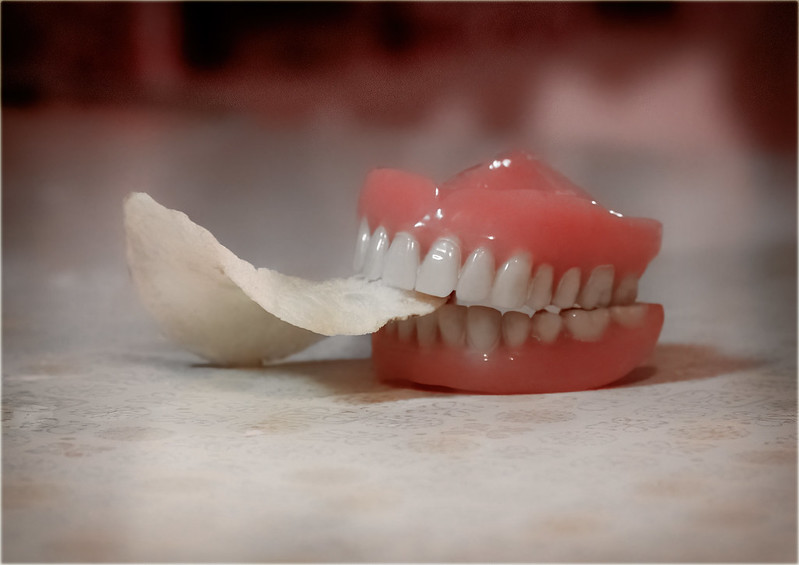
False teeth are a lot older than people think, and they go back way further than the dentist’s office. Ancient Egyptians made fake teeth from materials like animal bone and ivory.
The Romans also had false teeth, though they weren’t exactly comfortable. During the 1700s and 1800s, dentures got better as people used materials like human teeth, animal teeth, and sometimes gold.
Early dentures often fit badly and caused lots of problems. Modern dentures with plastic bases came around only in the early 1900s.
Bubble wrap
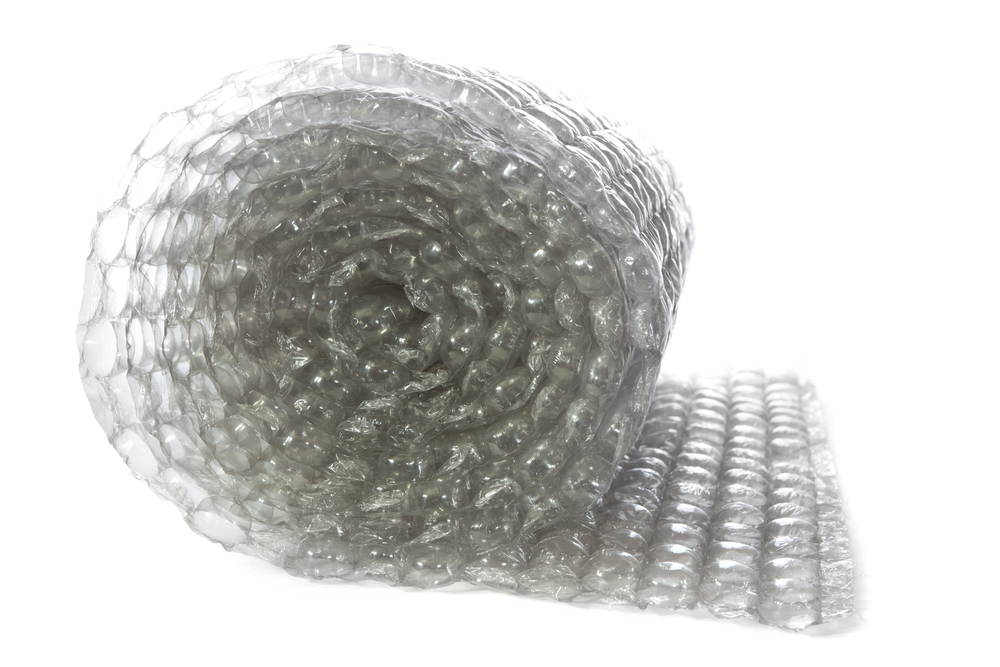
Bubble wrap feels like a modern invention, but it’s been around since the 1950s. Two engineers created it by accident in 1957 when they were trying to make a textured wallpaper.
They noticed the bubbles protected fragile things, so they started selling it as packing material instead. Before bubble wrap, people wrapped delicate items in newspaper, sawdust, or straw.
The first customers for bubble wrap were people shipping fancy electronics. It didn’t become the go-to packing material everyone knows until the 1960s.
The can opener
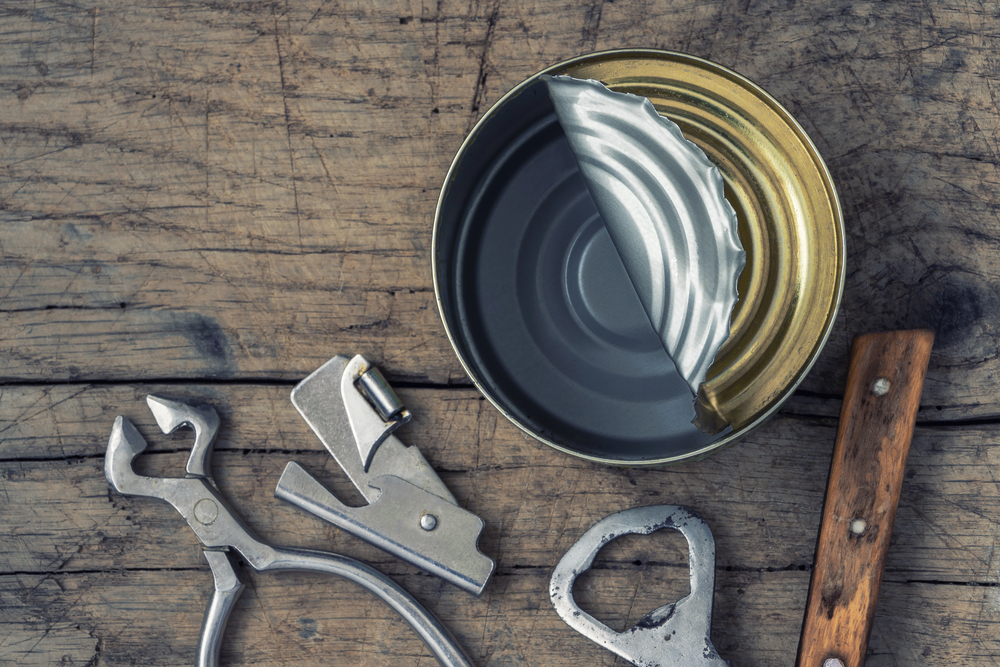
Canned food existed for about 50 years before anyone invented a good way to open the cans. People used knives, hammers, and other sharp tools to cut through the metal.
The first can opener came out in 1858, which is pretty amazing when you think about it. Before that, canned goods were such a pain to open that only wealthy people bothered with them.
The lever-style can opener most people know today came later. It took several more decades of improvements before can openers became efficient and safe enough for regular home use.
Roller skates
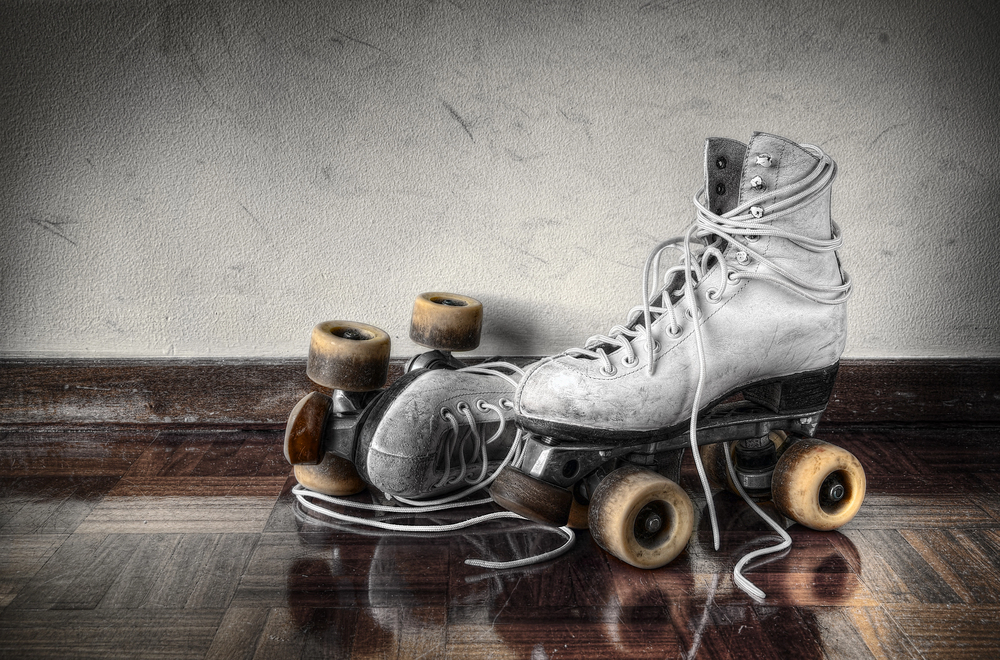
Roller skates seem fun and modern, but they showed up in the 1700s. A Belgian inventor created the first roller skate in 1760 by attaching wooden spools to the bottom of shoes.
They were terrible. The skates didn’t steer well, and people constantly fell over.
It wasn’t until the 1880s that roller skates became actually fun to use. That’s when a guy named James Leonard Plimpton invented the quad roller skate with wheels arranged in a rectangle shape.
Suddenly, roller skating became a real sport and entertainment.
Glass bottles

Glass containers seem ancient, but they didn’t become common until much later than people realize. The Romans made some glass bottles, but they were expensive and rare.
Most people stored things in ceramic jars, wooden barrels, or leather pouches. Glass bottles only became affordable for regular people in the 1800s after manufacturing got better.
Machines that could make bottles quickly didn’t exist until the late 1800s and early 1900s. Before that, every bottle was hand-blown by skilled workers, which made them way too expensive for regular storage.
Refrigerators

Before modern refrigerators, people used ice boxes that actually held blocks of ice. The first mechanical refrigerator for home use came out in 1913, but it was dangerous because the coolant could leak and poison people.
Adoption was slow because refrigerators were expensive and people didn’t trust them. It wasn’t until safer models showed up in the 1920s and 1930s that homes started getting real refrigerators.
Even then, an ice box was cheaper, so plenty of families kept using ice well into the 1940s and 1950s.
Plastic bags
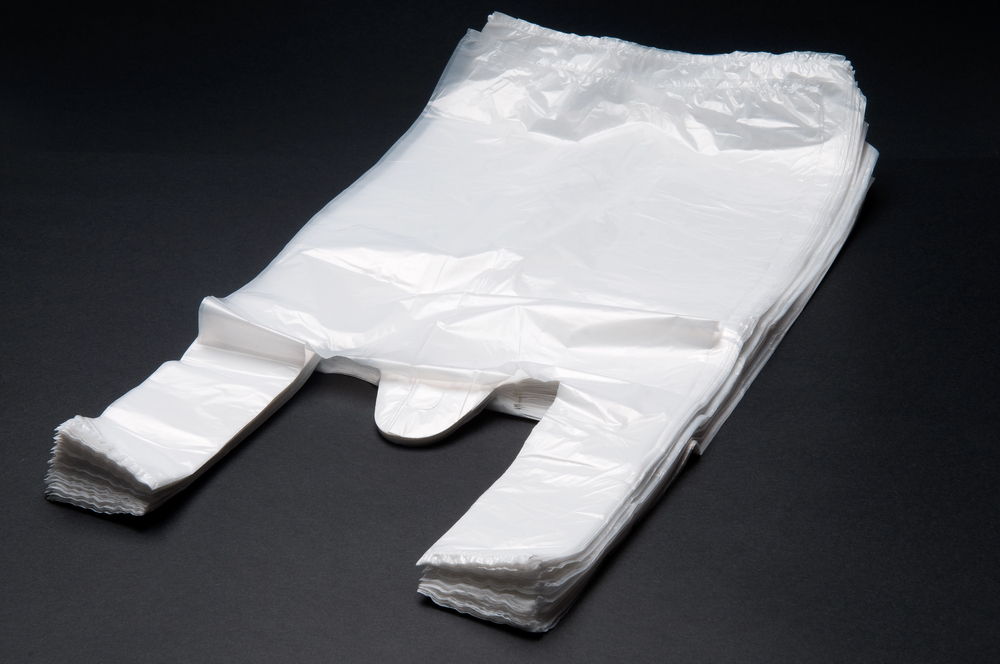
Plastic shopping bags feel like they’ve been around forever, but they’re surprisingly new. The first plastic bags came out in 1957, the same year as bubble wrap.
A Swedish engineer named Åke Thulin created them for a company called Celloplast. Before that, people used paper bags, cloth bags, or boxes when they went shopping.
Plastic bags didn’t take over the world until the 1960s and 1970s when supermarkets started using them instead of paper. Now people think plastic bags are ancient history, but they’ve only been around for about 65 years.
Credit cards
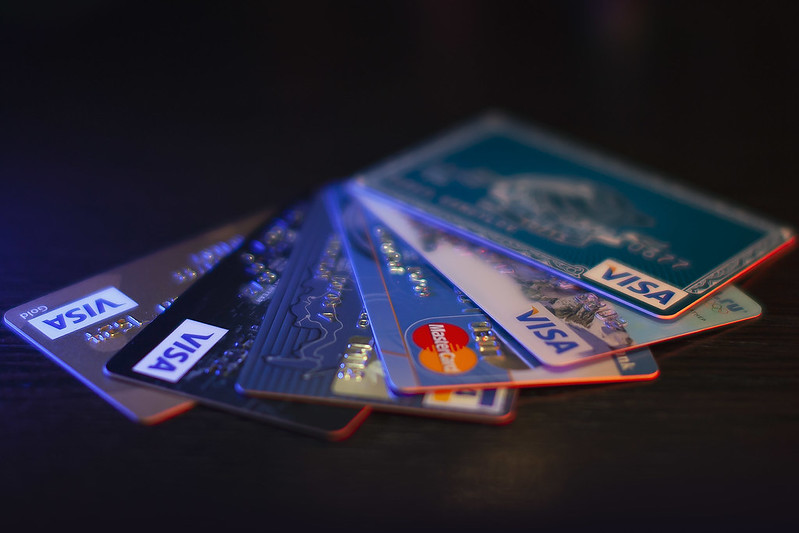
Credit cards feel like old technology now, but they’re younger than most people think. The Diners Club Card, the first modern credit card, came out in 1950.
Before that, people paid with cash, check, or store credit that was recorded on paper. The idea of a card you could use at multiple places was totally new.
Visa came along in 1958, and Mastercard showed up in 1966. Even with these options available, most people didn’t get credit cards until the 1970s and 1980s.
The microwave oven
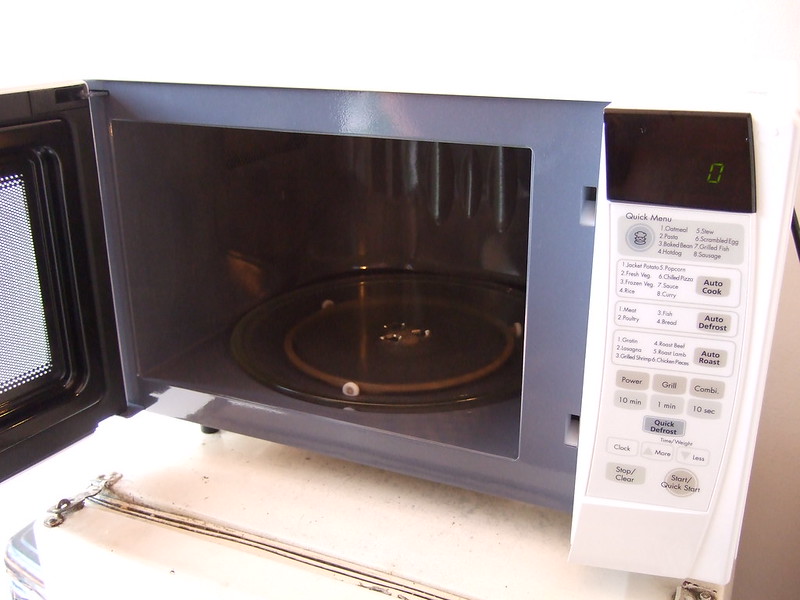
Microwave ovens were invented by accident in 1945 when an engineer named Percy Spencer was working on radar equipment. He noticed a chocolate bar in his pocket melted, which gave him an idea.
He built the first microwave oven a few years later, and it was massive. The first commercial microwave, called the Radarange, arrived in 1947.
It weighed 750 pounds and cost about 5,000 dollars, which is like spending 60,000 dollars today. Microwaves didn’t become small and affordable for home kitchens until the 1970s.
Ballpoint pens

People wrote with quills and fountain pens for centuries before ballpoint pens showed up. The first practical ballpoint pen was invented in 1938 by a Hungarian journalist named László Bíró.
He got frustrated with fountain pens because they leaked and took forever to dry. His ballpoint pen worked much better, but it didn’t become popular until World War II.
Soldiers found ballpoint pens useful because they worked upside down and didn’t leak on airplanes. After the war, ballpoint pens slowly took over from fountain pens, but this took until the 1950s and 1960s.
Nylon
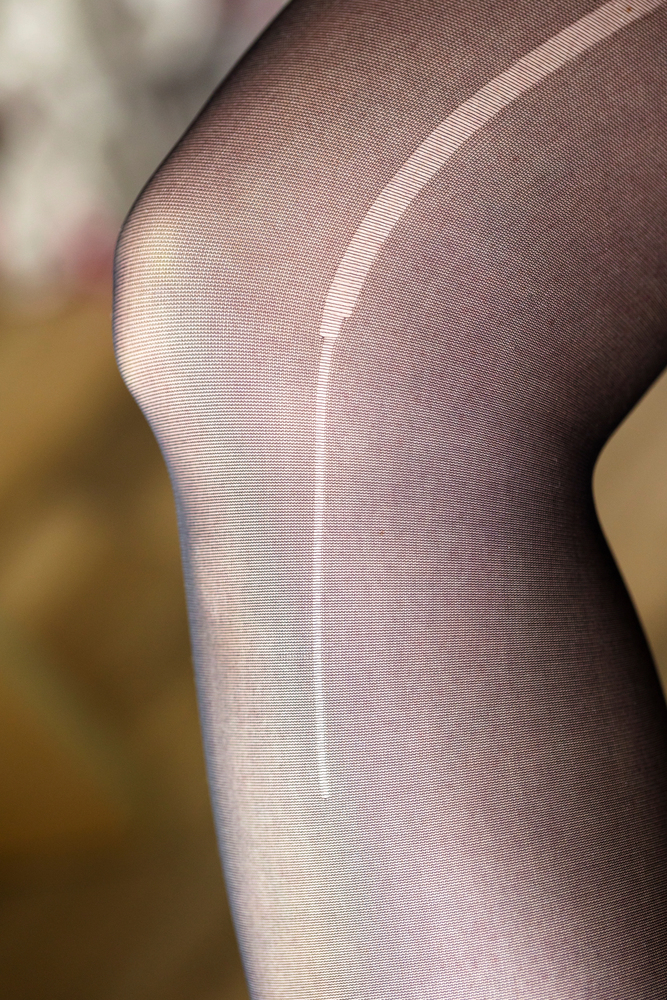
Nylon is a totally human-made material that didn’t exist until the 1930s. Scientists at DuPont developed it in 1935 as a replacement for silk.
The first consumer product made from nylon was stockings, which came out in 1940. Women lined up around the block to buy them because they were cheaper and tougher than silk stockings.
Nylon stockings sold out immediately on their first day. Since then, nylon has become one of the most common materials in the world, but it’s actually younger than a lot of people alive today.
Tape
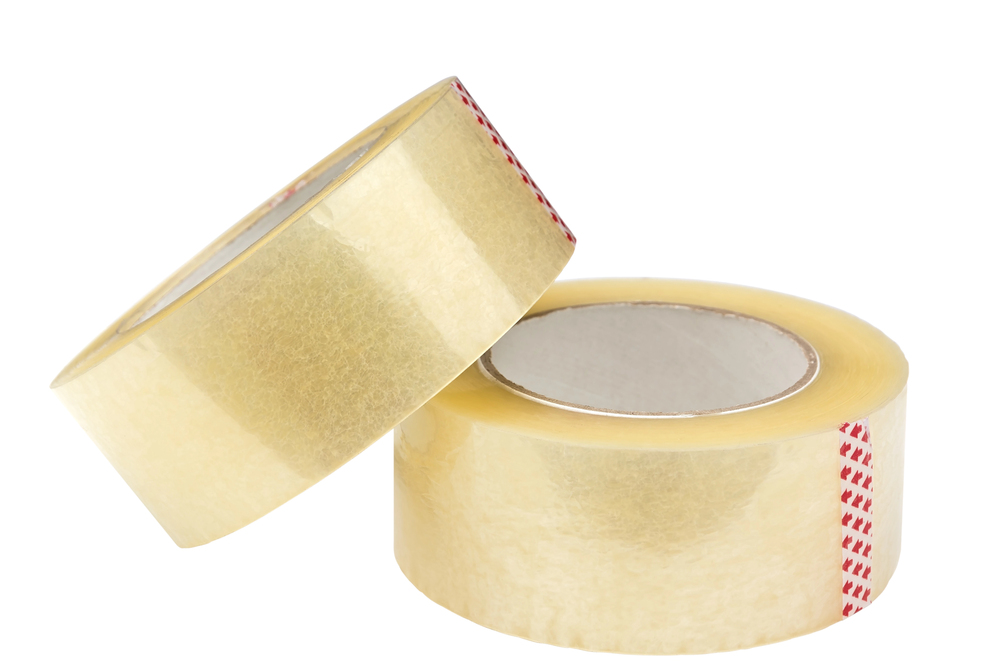
Masking tape and transparent tape both came from the same company in different decades. A 3M scientist invented masking tape in 1925, and workers loved it because it was better than string for keeping things together.
Transparent tape came along in 1930, also from 3M. Before tape existed, people used string, wax, glue, or just held things in their hands.
Tape was such a simple idea that people wonder how anyone got anything done without it. Now it’s hard to imagine life without tape, even though it’s less than 100 years old.
Ink pens
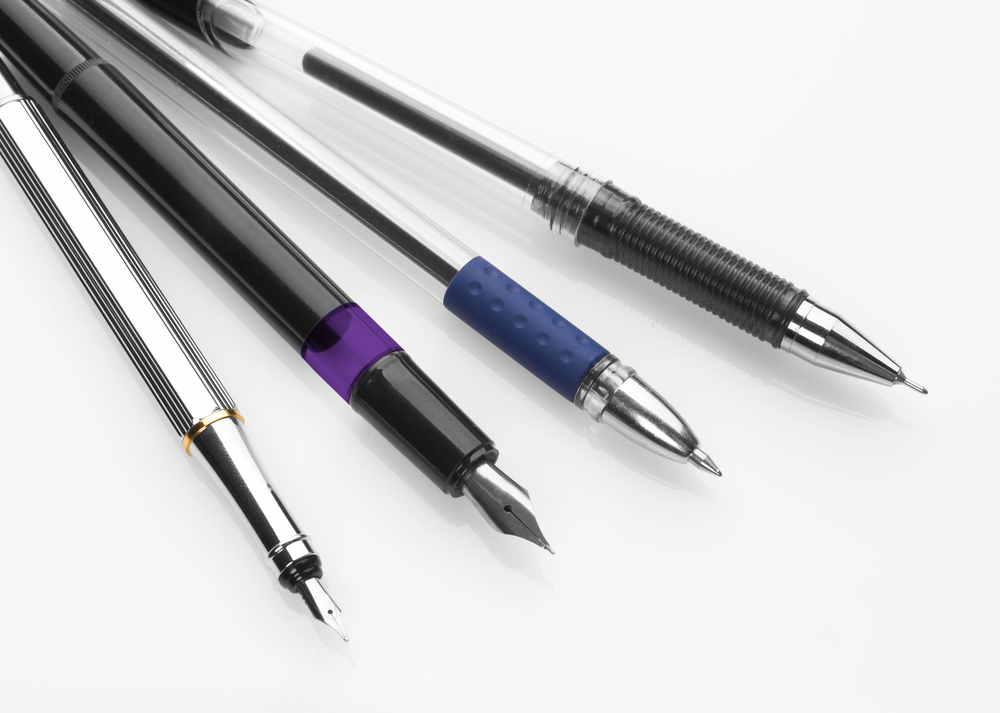
Before ballpoint pens became standard, people relied on fountain pens that needed constant refilling and cleaning. Early fountain pen designs go back to the 1800s, but they were messy and unreliable.
People had to carry ink bottles, and the pens often leaked on clothes and papers. Ink pens got more reliable through the late 1800s and early 1900s, but they were still a hassle compared to modern writing tools.
Many people didn’t switch to ballpoint or roller pens until well after they became available.
The sandwich

The sandwich has a surprising history that connects to an actual person. The Earl of Sandwich invented the sandwich in the 1700s because he didn’t want to leave his gambling table to eat.
He asked for meat between bread so he could eat with one hand and keep gambling with the other. Before that, people ate meat and bread separately or used bread as a plate.
The sandwich caught on in England and eventually spread everywhere. Now it’s so common that most people don’t think about its origin at all.
How old is old, really?
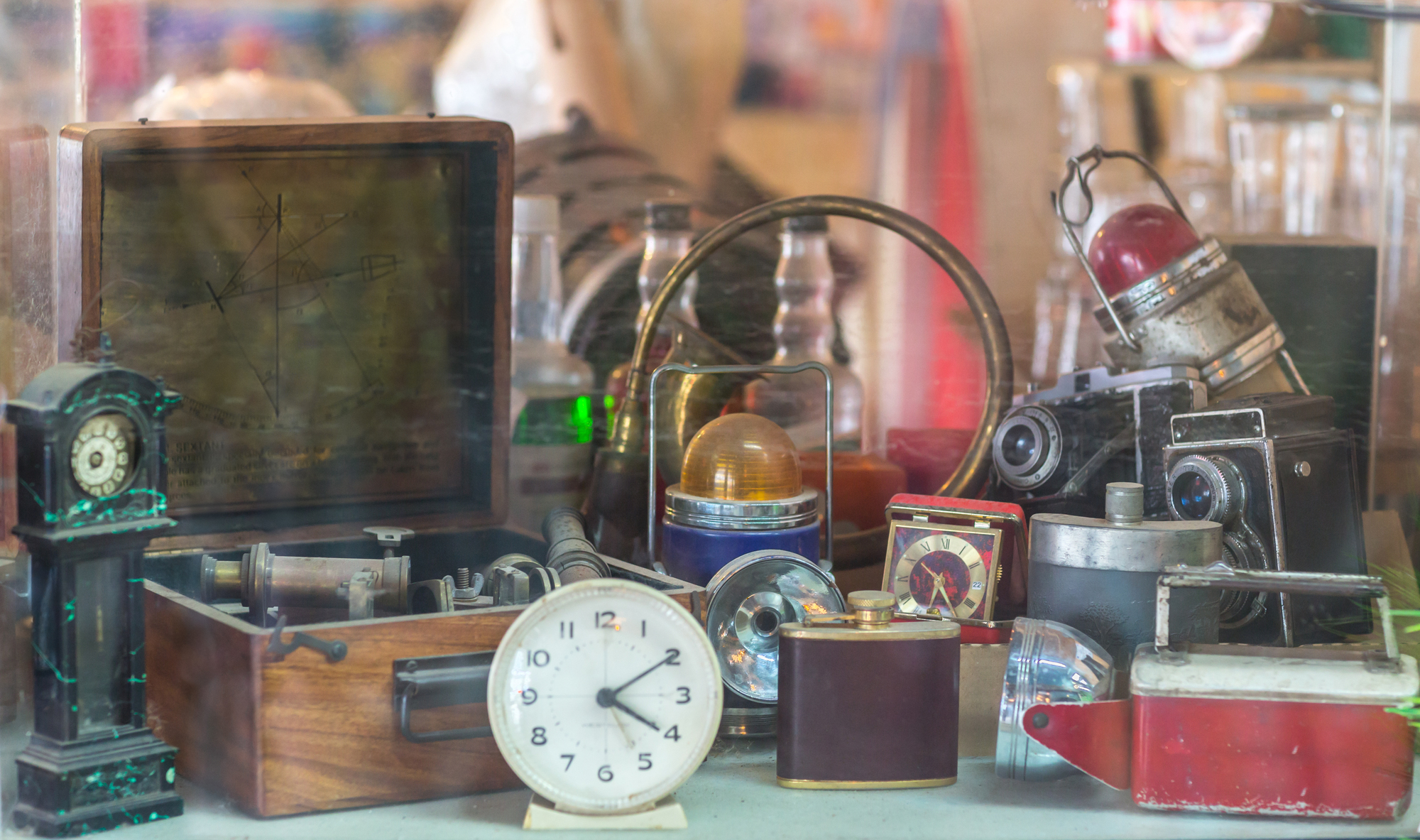
Looking at these objects teaches something interesting about what people consider ancient. A technology that feels ancient to someone might be younger than their grandparents.
The zipper, the microwave, and credit cards all feel like they’ve always existed, but they’re all less than 100 years old.
More from Go2Tutors!

- The Romanov Crown Jewels and Their Tragic Fate
- 13 Historical Mysteries That Science Still Can’t Solve
- Famous Hoaxes That Fooled the World for Years
- 15 Child Stars with Tragic Adult Lives
- 16 Famous Jewelry Pieces in History
Like Go2Tutors’s content? Follow us on MSN.