14 Historical Crafting Techniques We Can’t Replicate
Throughout history, master craftspeople developed techniques so refined and complex that their secrets died with them. These weren’t just simple methods passed down through generations—they were intricate processes that required specific materials, environmental conditions, and knowledge that vanished when civilizations fell or when the last practitioners took their expertise to the grave.
Despite our advanced technology and scientific understanding, many of these ancient techniques still can’t be fully replicated. Here is a list of 14 historical crafting methods that continue to baffle modern artisans and scientists.
Damascus Steel

The legendary Damascus steel, forged primarily in the Middle East between 300 and 1700 CE, produced blades with distinctive watered patterns and exceptional sharpness. The steel came from wootz steel ingots imported from India, though the exact forging process remains a mystery.
Modern metallurgists have spent decades trying to recreate the unique microstructure that gave Damascus steel its legendary properties—yet despite producing visually similar patterns, they haven’t matched the original’s combination of hardness and flexibility.
Roman Concrete
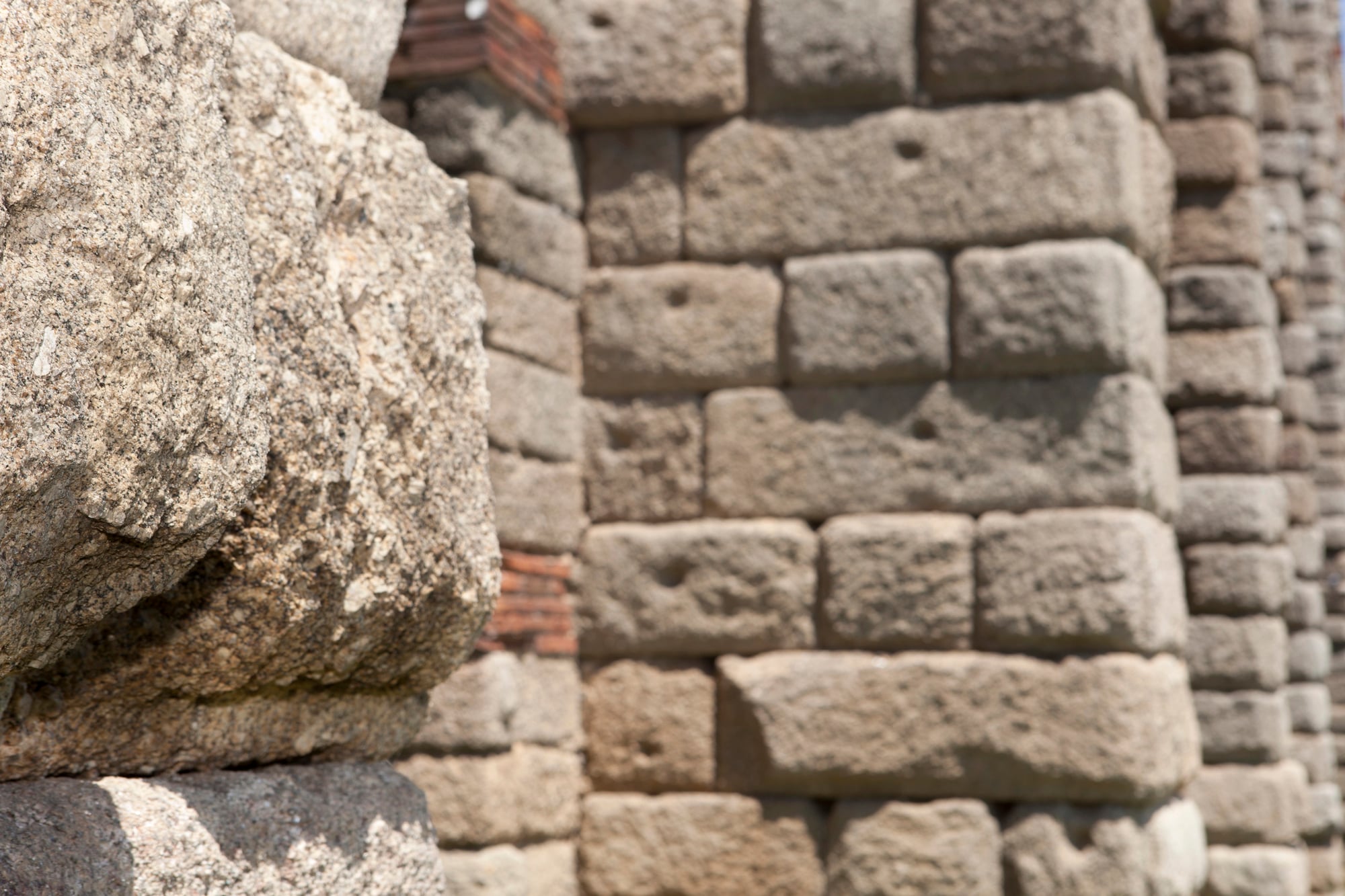
Roman concrete has lasted over 2,000 years while modern concrete often crumbles after just 50 years. The Romans used volcanic ash from specific regions, particularly Pozzuoli near Naples, mixed with lime and seawater to create remarkably durable building material.
Though we understand the basic components, the precise ratios and mixing techniques that allowed Roman structures like the Pantheon to remain standing for millennia continue to elude modern engineers.
Like Go2Tutors’s content? Follow us on MSN.
Greek Fire

This incendiary weapon was the Byzantine Empire’s secret weapon for nearly 800 years—capable of burning on water and nearly impossible to extinguish. The exact formula was so closely guarded that only the ruling family and a few trusted chemists knew it.
When the Byzantine Empire fell in 1453, the knowledge died with them, leaving historians and chemists to speculate about ingredients that might’ve included petroleum, sulfur, and various other compounds.
Stradivarius Violin Varnish

Antonio Stradivari’s violins from the early 1700s produce sound quality that modern instrument makers struggle to match. While the wood selection and construction techniques play a role, many experts believe the secret lies in Stradivari’s varnish formula.
The varnish not only protected the wood—it also seemed to enhance the instrument’s acoustic properties in ways that modern synthetic varnishes simply can’t replicate.
Chinese Porcelain

True Chinese porcelain, developed during the Tang Dynasty, required specific clay compositions and firing techniques that remained closely guarded secrets for centuries. The Chinese used kaolin clay and petuntse (a feldspathic rock) fired at extremely high temperatures, though the exact proportions and firing methods varied by region and workshop.
European attempts to recreate Chinese porcelain failed for hundreds of years—until they developed their own distinct formulations.
Like Go2Tutors’s content? Follow us on MSN.
Japanese Sword Folding

Japanese sword smiths developed folding techniques that could create blades with thousands of layers, resulting in steel with incredible strength and flexibility. The process involved repeatedly heating, hammering, and folding the steel, yet the exact number of folds, heating temperatures, and cooling methods varied among master smiths.
Modern attempts often result in over-folding—which actually weakens the steel rather than strengthening it.
Tyrian Purple Dye
This ancient dye, worth more than gold in Roman times, was extracted from murex shells found in the Mediterranean. The process required thousands of shells to produce just a small amount of dye, and the exact extraction and processing methods were closely guarded by Phoenician dye makers.
While we can produce similar purple colors today, the specific chemical composition and colorfastness of authentic Tyrian purple remain difficult to replicate.
Mayan Blue

This vibrant blue pigment has survived for over 1,000 years on Mayan murals and ceramics without fading—despite exposure to acid rain and harsh tropical conditions. The Maya created this pigment by combining indigo dye with a special clay called palygorskite, yet the exact heating process and proportions remain unclear.
Modern attempts to recreate Mayan blue often result in pigments that fade or change color over time.
Like Go2Tutors’s content? Follow us on MSN.
Wootz Steel
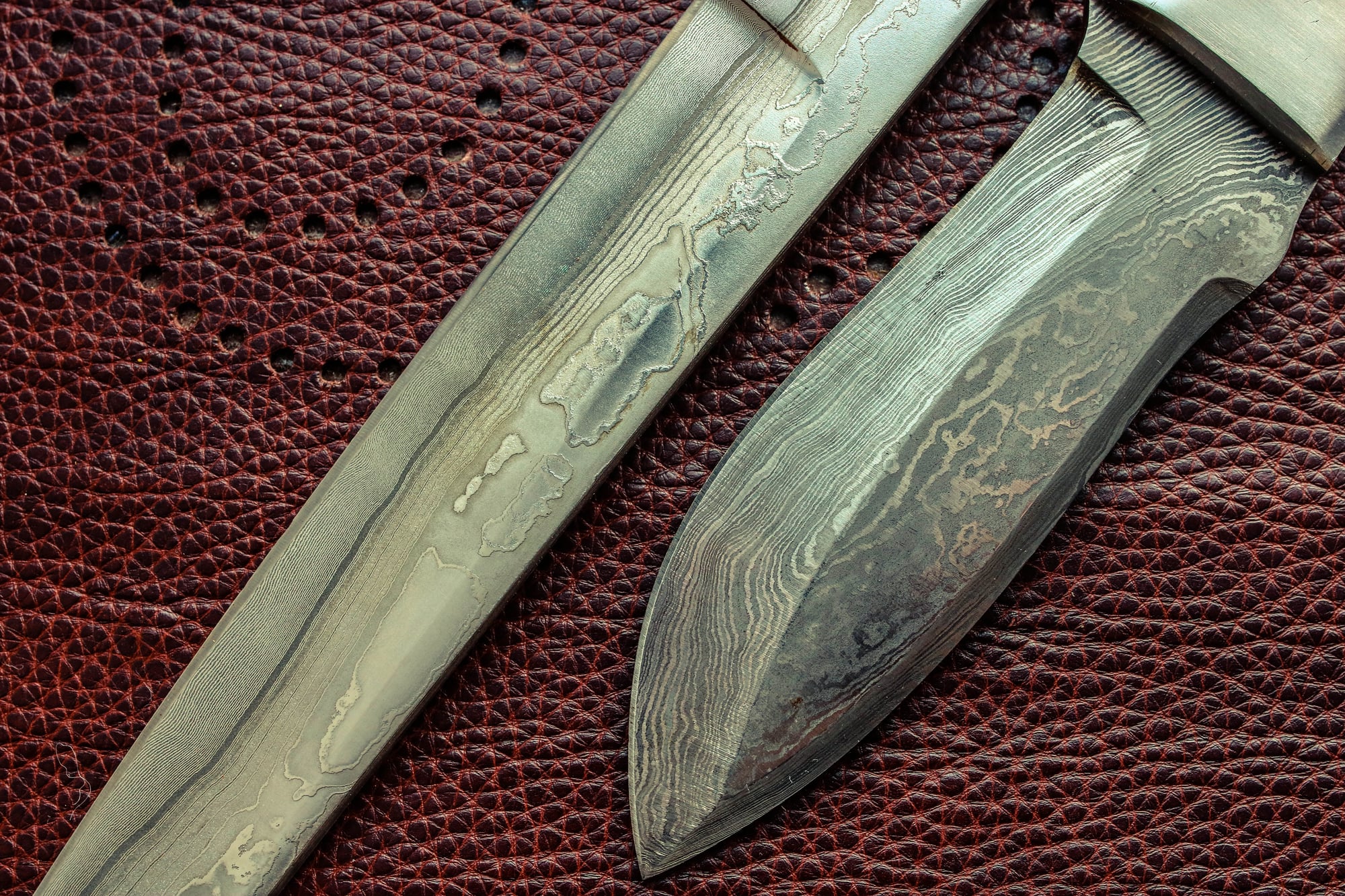
Before Damascus steel became famous, wootz steel from India was renowned for its exceptional quality and distinctive patterns. The steel was made from a specific type of iron ore found in certain regions of India—combined with organic materials during the smelting process.
The exact smelting techniques, including temperature control and timing, were passed down through generations of Indian metalworkers but eventually disappeared as the ore sources were depleted.
Lycurgus Cup Glass
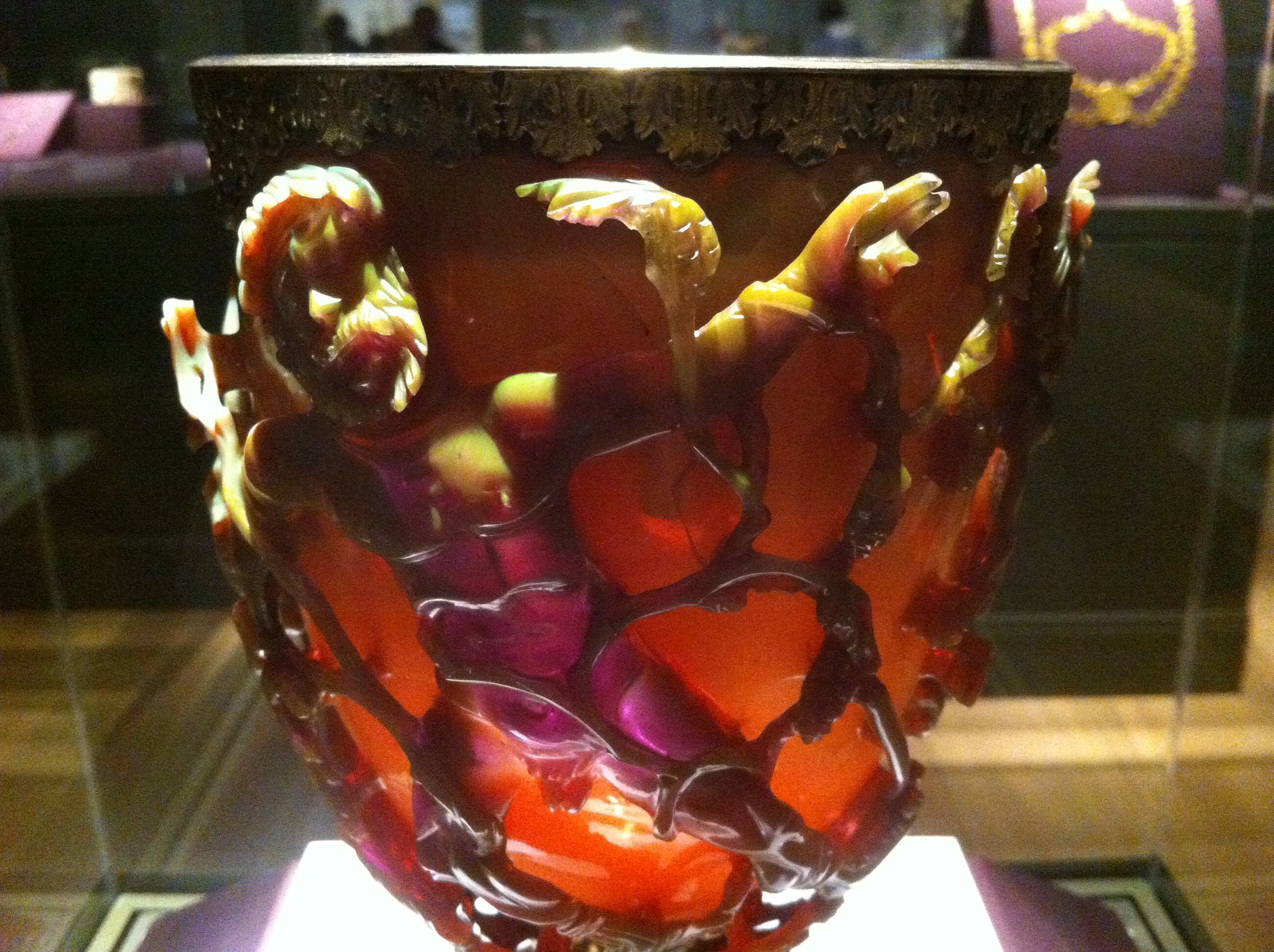
This 4th-century Roman glass cup appears green in normal light but glows red when backlit—a phenomenon that puzzled scientists for decades. Research revealed that the glass contains tiny particles of gold and silver, though the exact process used to create this dichroic effect remains unknown.
Modern attempts to recreate similar effects require sophisticated nanotechnology that clearly wasn’t available to ancient glassmakers.
Chinese Lacquerware
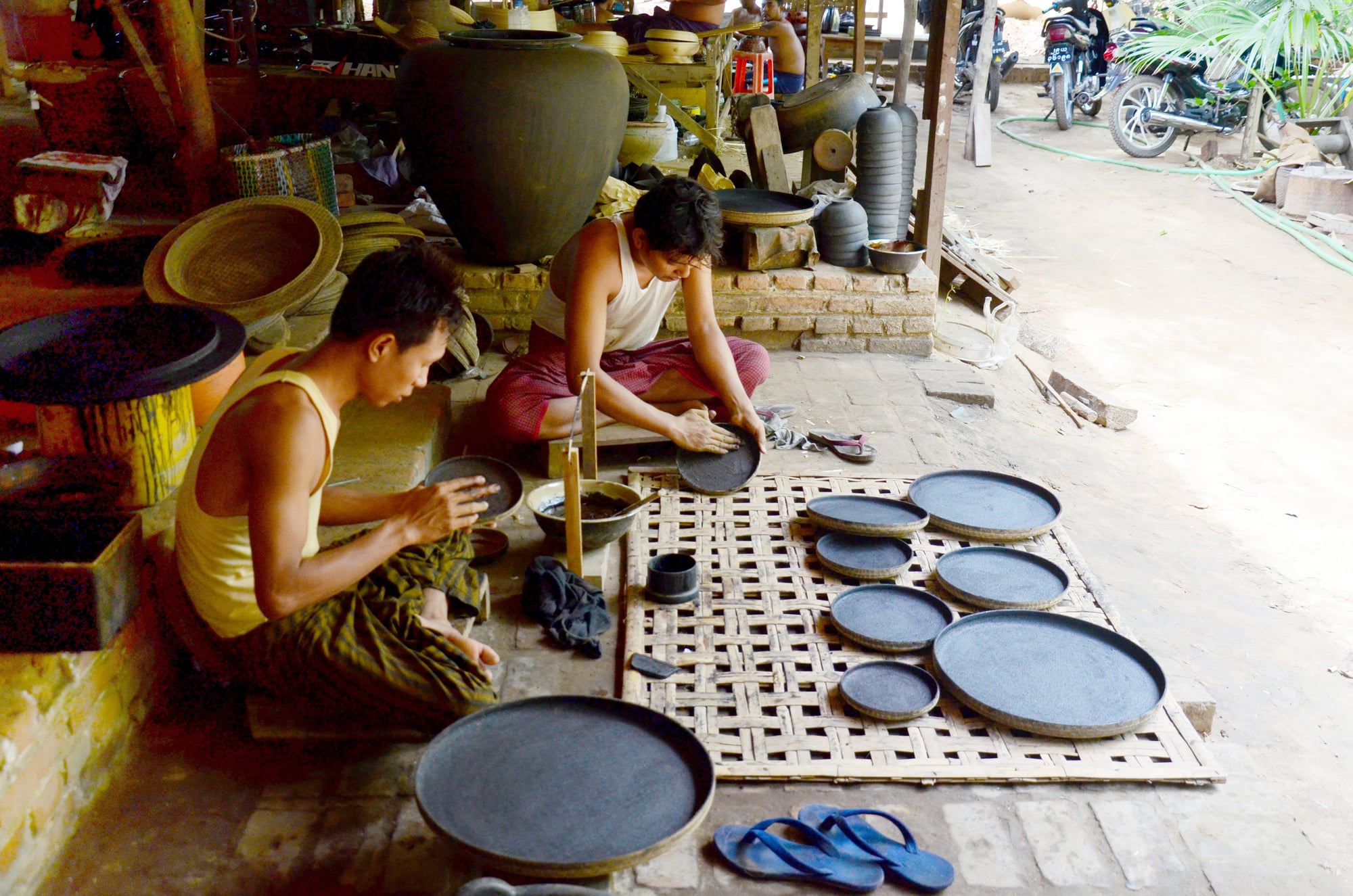
Traditional Chinese lacquer, made from the sap of the Toxicodendron vernicifluum tree, created finishes that were incredibly durable and beautiful. The application process involved dozens of thin layers, each requiring specific drying conditions and timing.
Master lacquer artists developed techniques for creating intricate patterns and achieving particular textures, though many of these methods were never written down and vanished with their practitioners.
Like Go2Tutors’s content? Follow us on MSN.
Cremona Violin Wood Treatment

Beyond Stradivarius, the entire city of Cremona in Italy was famous for producing exceptional violins during the 17th and 18th centuries. The wood treatment processes used by Cremonese violin makers involved aging and conditioning techniques that modern science still doesn’t fully understand.
Some theories suggest they used specific chemical treatments or that local environmental conditions contributed to the wood’s unique properties.
Persian Carpet Dyes

Ancient Persian carpet makers used natural dyes that produced colors of extraordinary depth and longevity. These dyes were extracted from plants, insects, and minerals using techniques that varied by region and were often kept as family secrets.
While we know many of the source materials, the exact extraction methods, mordanting processes, and color-mixing techniques that produced the most prized carpets remain largely mysterious.
Obsidian Blade Knapping

Mesoamerican craftspeople could create obsidian blades sharper than modern surgical scalpels, with edges just a few molecules thick. The knapping techniques required to achieve such precision without modern tools involved understanding the stone’s fracture patterns and applying exactly the right pressure at precise angles.
While modern knappers can create sharp obsidian tools, matching the consistent quality and extreme sharpness of ancient examples remains challenging.
Like Go2Tutors’s content? Follow us on MSN.
The Lost Arts Live On

These vanished techniques remind us that technological progress isn’t always linear—sometimes knowledge disappears, leaving gaps that even our advanced understanding can’t fill. The loss of these crafting methods occurred through various means: political upheaval, natural disasters, economic changes, or simply the failure to pass knowledge to the next generation.
Today’s craftspeople and scientists continue working to unlock these ancient secrets, driven by both curiosity and the practical benefits these techniques might offer. Whether through archaeological discoveries, scientific analysis, or experimental archaeology, we keep trying to bridge the gap between past mastery and present knowledge.
More from Go2Tutors!

- 16 Historical Figures Who Were Nothing Like You Think
- 12 Things Sold in the 80s That Are Now Illegal
- 15 VHS Tapes That Could Be Worth Thousands
- 17 Historical “What Ifs” That Would Have Changed Everything
- 18 TV Shows That Vanished Without a Finale
Like Go2Tutors’s content? Follow us on MSN.