Historical Figures Who Died in Ironic Ways
Death comes for everyone eventually, but sometimes it arrives with a twisted sense of humor. Throughout history, some of the brightest minds and most accomplished people have met their end in ways that seemed almost like cosmic jokes.
The very things they invented, warned against, or built their reputations on became the instruments of their demise. Let’s look at some of these strange and unfortunate twists of fate that prove truth really can be stranger than fiction.
Clement Vallandigham
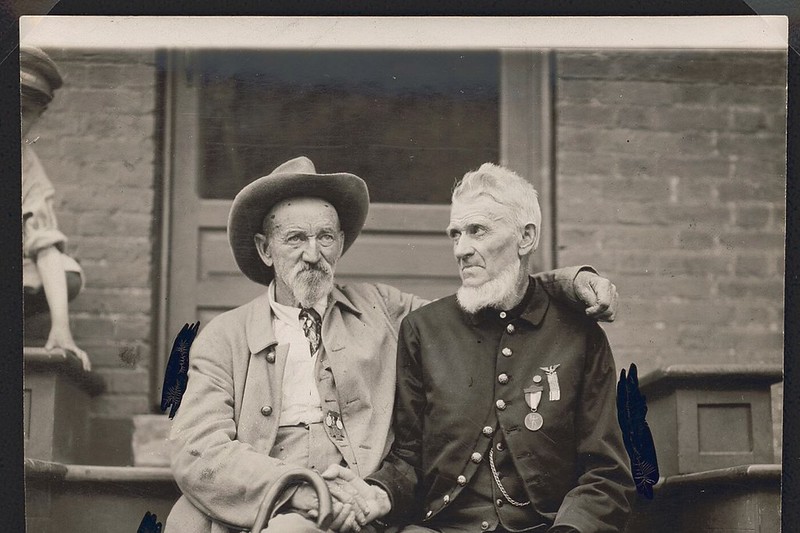
This Ohio lawyer and politician made his career defending people accused of crimes. In 1871, he took on a murder case and wanted to prove his client was innocent by showing the victim could have accidentally shot himself.
Vallandigham grabbed what he thought was an unloaded gun to demonstrate his theory in front of witnesses. The gun was loaded, and he shot himself in the exact way he was trying to describe.
He died from the wound, but his demonstration actually worked. The jury agreed the shooting could have been accidental, and his client walked free.
Aeschylus
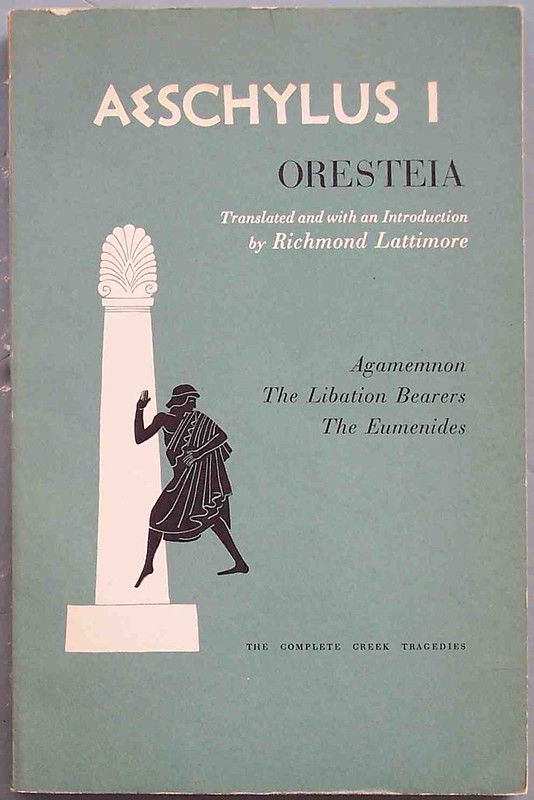
Ancient Greek playwrights didn’t usually die from falling objects, but this famous writer had particularly bad luck. According to legend, an eagle flying overhead dropped a tortoise on his bald head, mistaking it for a rock.
Eagles apparently did this to crack open tortoise shells for food. Aeschylus had been spending time outdoors because a prophecy warned him a falling object from the sky would kill him.
He thought staying away from buildings would keep him safe. The year was around 455 BC, and one of the greatest playwrights in history died because a bird made a targeting error.
Horace Lawson Hunley
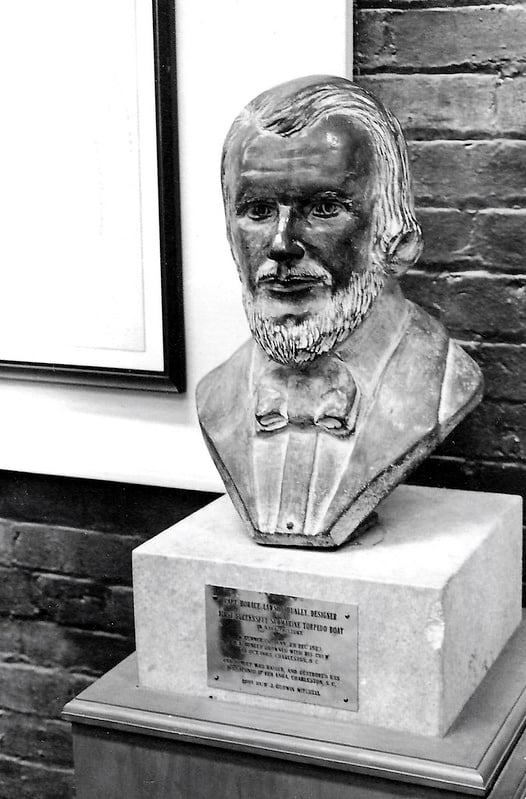
Submarines were still new and dangerous technology in the 1860s when Hunley designed and built one for the Confederate Navy during the Civil War. The vessel was named after him, called the H.L. Hunley.
During a test dive in Charleston Harbor in 1863, something went wrong with the controls. The submarine sank with Hunley and seven crew members trapped inside.
They all drowned. The sub was later raised, fixed, and put back into service, where it successfully sank a Union ship before disappearing forever on its return journey.
Franz Reichelt

This Austrian tailor became obsessed with inventing a parachute suit that would let people jump safely from great heights. He spent years working on designs and testing them, usually with dummies.
In 1912, he got permission to test his latest version by jumping off the Eiffel Tower in Paris. Friends and reporters gathered to watch, and some tried to talk him out of it.
Reichelt insisted his suit would work and climbed to the first deck, about 187 feet up. He hesitated for a long time at the edge before finally jumping.
The suit failed completely, and he fell straight down to his death while cameras captured the whole thing on film.
Jerome Irving Rodale

Rodale spent decades promoting organic farming and healthy living through his magazines and books. He appeared on the Cavett Show in 1971 to talk about his health philosophy and claimed he would live to be 100 years old because of his lifestyle.
During a break in taping, while another guest was being interviewed, Rodale slumped over in his chair. He had suffered a heart attack and died right there in the studio.
He was 72 years old. The show never aired that episode.
Thomas Midgley Jr.

Few inventors have caused as much unintentional harm as Midgley. He developed leaded gasoline and chlorofluorocarbons, both of which damaged the environment and human health for decades.
Later in life, he contracted polio and became disabled. Being an inventor, he designed an elaborate system of ropes and pulleys to help lift himself out of bed.
In 1944, he became entangled in his own device and strangled to death. The contraption meant to help him killed him instead.
Garry Hoy

This Toronto lawyer wanted to prove how strong the windows were in his office building. He worked on the 24th floor of the Toronto-Dominion Centre, and during a meeting with law students in 1993, he threw himself against the glass to demonstrate its strength.
Hoy had done this trick many times before to impress people. This time, the window frame gave way, and he fell through the opening.
The glass itself didn’t break, but that didn’t matter. He plunged to his death in front of the horrified students.
William Bullock
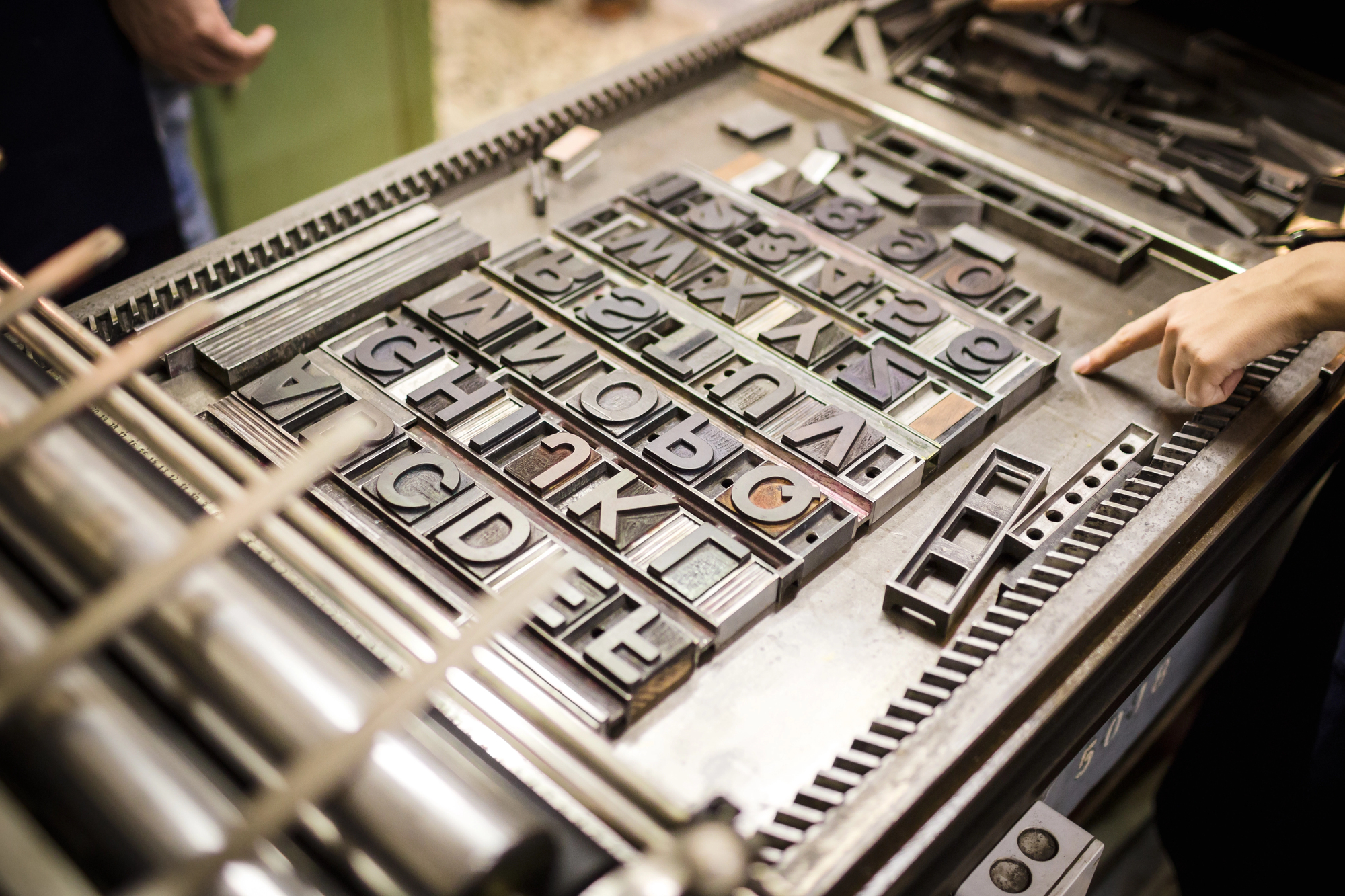
Bullock invented an improved rotary printing press in the 1860s that revolutionized the newspaper industry. His machines could print thousands of pages per hour, much faster than previous models.
In 1867, he was making adjustments to one of his presses at the Philadelphia Public Ledger when his leg got caught in the machinery. The press crushed his foot and lower leg badly.
Doctors amputated the leg, but gangrene set in during recovery. Bullock died from complications a few days after the surgery.
The invention that made him successful killed him while he was trying to fix it.
Bobby Leach

Leach was a stunt performer who gained fame in 1911 by going over Niagara Falls in a steel barrel. He survived the drop, though he broke both kneecaps and his jaw.
He spent months recovering but then went on tour showing off his barrel and telling the story. Years later, while walking down a street in New Zealand, he slipped on an orange peel.
The fall seemed minor, but his leg became infected. Doctors had to amputate, but complications from the surgery killed him.
He survived one of the most dangerous stunts imaginable only to die from tripping on fruit.
Attila the Hun

The fearsome warrior who terrified the Roman Empire and conquered vast territories didn’t die in battle as you might expect. In 453 AD, Attila married a young woman named Ildico.
During the wedding night celebrations, he drank heavily as was his custom. He suffered a severe nosebleed during the night, probably made worse by the alcohol.
Because he was lying on his back, the blood ran down his throat and he choked to death on it. His attendants found him dead in the morning.
One of history’s most feared military leaders died from a nosebleed on his wedding night.
Isadora Duncan

This famous American dancer pioneered modern dance and became known for her flowing, dramatic style. She often wore long, flowing scarves and loose clothing as part of her artistic image.
In 1927, she was riding in an open-top sports car in Nice, France. Her signature long scarf was draped around her neck and trailing behind her.
As the car accelerated, the scarf got caught in the rear wheel and axle. It yanked her violently from the car and broke her neck instantly.
She died from the very type of dramatic, flowing accessory that had become part of her trademark look.
Alexander Bogdanov

This Russian physician became fascinated with blood transfusions and believed they could reverse aging and cure diseases. He experimented on himself, performing multiple transfusions over several years and claiming they made him healthier.
In 1928, he transfused blood from a student who had malaria and tuberculosis. Bogdanov either didn’t know about the infections or believed his technique would protect him.
He died shortly after from the diseases transmitted through the blood. The experimental treatment he thought would extend his life ended it instead.
Sigurd the Mighty

This Norse earl ruled over parts of northern Scotland in the 9th century. After winning a battle, he decapitated his enemy and strapped the head to his saddle as a trophy.
While riding home, the dead man’s teeth scratched against Sigurd’s leg. The wound became infected, and he died from the infection shortly afterward.
A dead enemy got the last revenge from beyond the grave. The Vikings valued battle trophies, but this one proved fatal.
Li Po

This celebrated Chinese poet from the Tang Dynasty loved drinking wine and writing verses about nature and drinking. According to legend, in 762 AD he was riding in a boat at night while drunk.
He saw the reflection of the moon in the water and became enchanted by it. He reached down to embrace the reflection and fell overboard.
Li Po drowned trying to grab the moon. The romantic, drunken lifestyle he celebrated in his poetry led directly to his death.
Some historians doubt this story is true, but it became the accepted version because it fit his poetic reputation so perfectly.
John Kendrick

This American sea captain was trading along the Pacific coast in the 1790s. In 1794, his ship was anchored in Hawaii’s Honolulu Harbor when a British ship arrived.
The British vessel fired a salute to honor Kendrick’s ship, which was standard naval courtesy. Unfortunately, the British crew had forgotten to remove the cannonball before firing.
The shot struck Kendrick and killed him instantly. He died from a gesture meant to show respect.
The British captain was reportedly devastated by the accident.
Kurt Gödel

The brilliant mathematician developed groundbreaking theories in logic that changed mathematics forever. But he also suffered from paranoia and mental health problems that worsened with age.
He became convinced people were trying to poison his food. The only person he trusted to prepare his meals was his wife, Adele.
When she became ill and had to stay in the hospital for six months in 1977, Gödel refused to eat. He starved himself to death rather than risk eating food he feared was poisoned.
He weighed only 65 pounds when he died. One of the greatest minds in mathematics couldn’t logic his way out of his own irrational fears.
Allan Pinkerton

Pinkerton founded the famous detective agency that bore his name and spent his career tracking down criminals. He was walking down a Chicago street in 1884 when he bit his tongue after tripping on the sidewalk.
The injury seemed minor at first, but the wound became badly infected. In the days before antibiotics, even small injuries could turn deadly.
Gangrene developed, and Pinkerton died from the infection. A man who survived confrontations with outlaws and dangerous criminals died from biting his tongue.
When fate plays the final card

History reminds us that greatness offers no protection from absurdity. The inventor killed by his invention, the daredevil felled by fruit, the conqueror defeated by a nosebleed.
These stories stick with us because they reveal something uncomfortable but true. Control is mostly an illusion, and sometimes the universe has the last laugh.
We can build submarines, survive waterfalls, and unlock the secrets of mathematics, but we can’t predict which ordinary moment might become our last.
More from Go2Tutors!

- The Romanov Crown Jewels and Their Tragic Fate
- 13 Historical Mysteries That Science Still Can’t Solve
- Famous Hoaxes That Fooled the World for Years
- 15 Child Stars with Tragic Adult Lives
- 16 Famous Jewelry Pieces in History
Like Go2Tutors’s content? Follow us on MSN.



