Bizarre Culinary Traditions from Early America
Early American colonists faced a world completely different from what they’d known back in Europe. The ingredients were unfamiliar, the climate was harsh, and survival often meant getting creative with food in ways that would make modern diners squirm.
Between the 17th and 18th centuries, settlers developed eating habits that ranged from resourceful to downright strange, combining Old World traditions with New World necessity in sometimes shocking ways. The result was a culinary landscape filled with practices that seem almost unbelievable today.
Here is a list of bizarre culinary traditions from early America that colonists considered perfectly normal.
Oyster Ice Cream
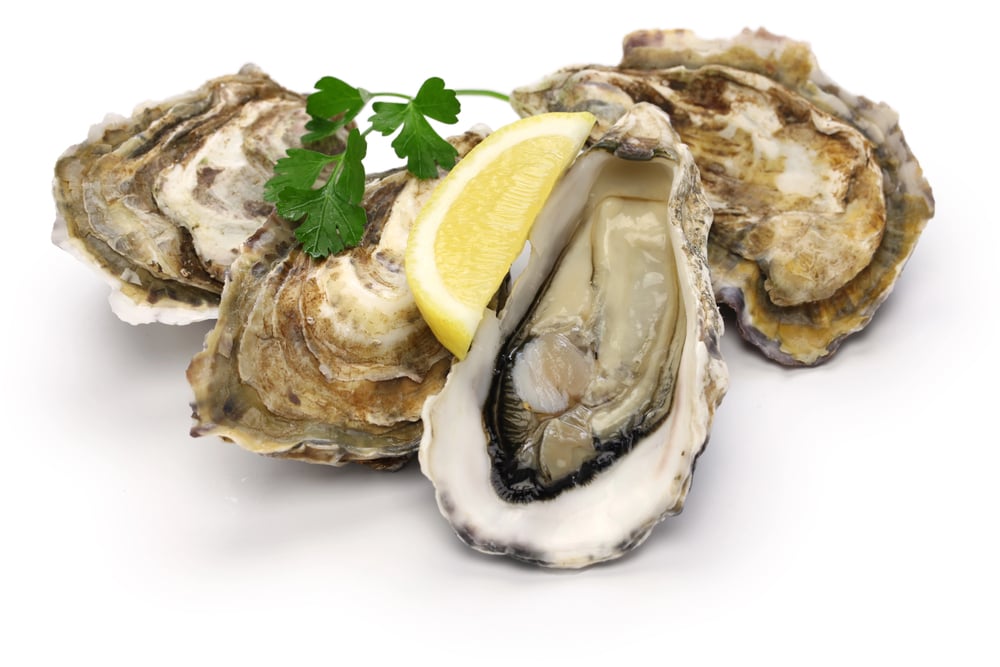
Dolley Madison apparently favored ice cream made with oysters from the Potomac River, which she would churn into a dessert for after-dinner entertainment. The wealthy needed massive ice houses and staff to keep frozen water on hand since refrigeration didn’t exist.
Mixing seafood with a sweet frozen treat sounds like a culinary disaster, but the ‘small, sweet’ oysters were considered a delicacy worth the effort.
Beaver Tail Delicacy
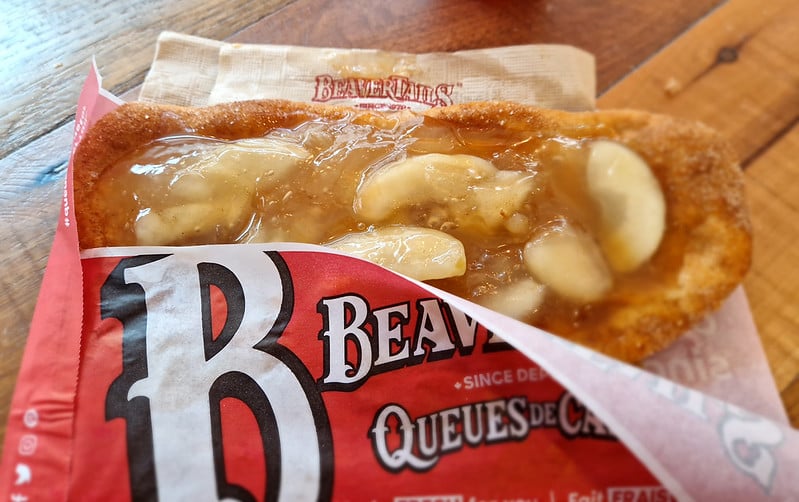
The booming fur trade in the Great Lakes region meant beaver was plentiful, and colonists didn’t let any part go to waste. Beaver tail was typically roasted and described as ‘essentially gamey-tasting fat’ by cookbook writers of the era.
The extremely fatty meat became a peculiar status symbol, proving you had access to the resources of the frontier.
Ambergris-Flavored Chocolate
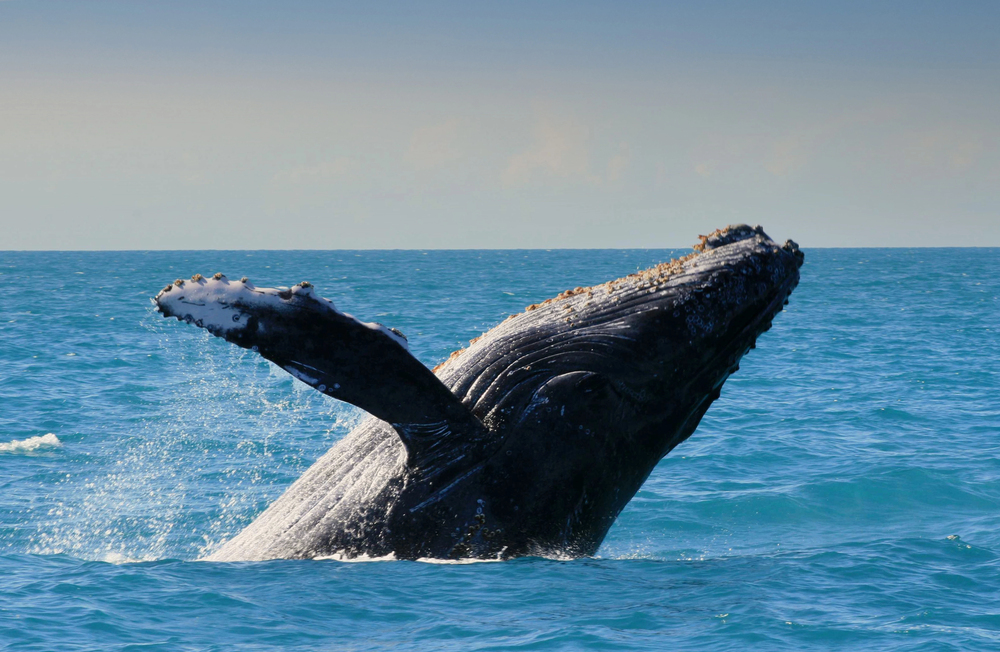
Whale vomit, known as ambergris, was added to chocolate as a decadent treat in colonial America, a practice imported from Europe in the 17th century. The New England whaling industry made this bizarre ingredient more accessible, and people genuinely believed it enhanced their drinking chocolate.
Today ambergris appears mostly in expensive perfumes, though some fancy hot chocolate shops still offer it.
Clabber for Breakfast
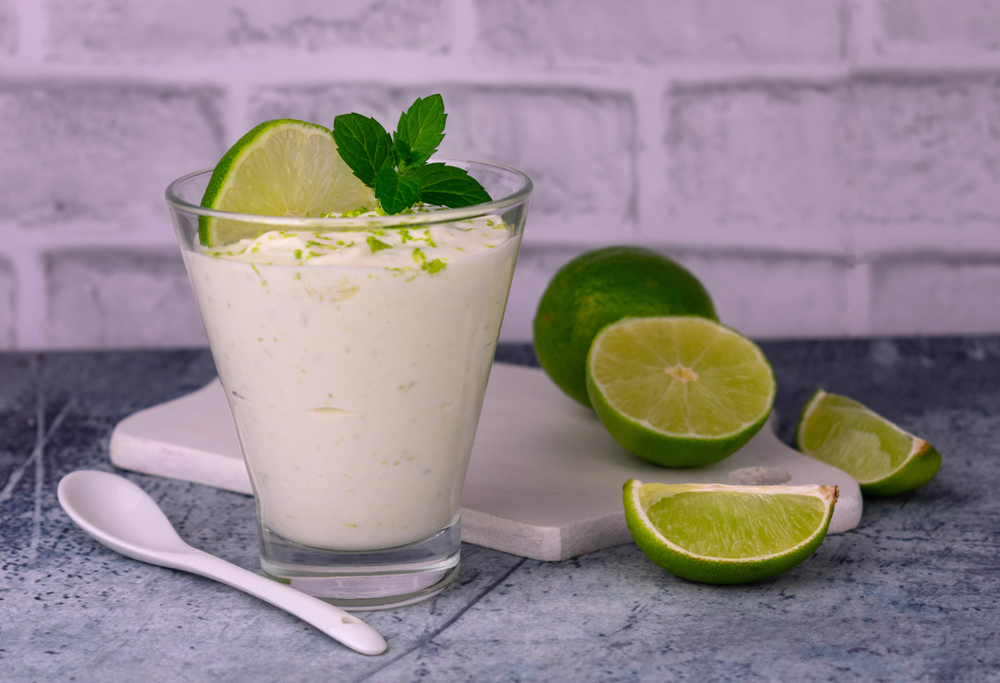
Clabber, a yogurt-like food made from soured milk, was a standard breakfast dish eaten by backcountry settlers of all ages, though British immigrants and people back in Britain found it revolting. An Anglican missionary described Ulster Irish immigrants as depending on foods that ‘in England are given to hogs.’
The thick, soured milk product was basically an early version of yogurt, but its slimy texture and strong taste didn’t win many fans outside the communities that grew up eating it.
Eel Pie
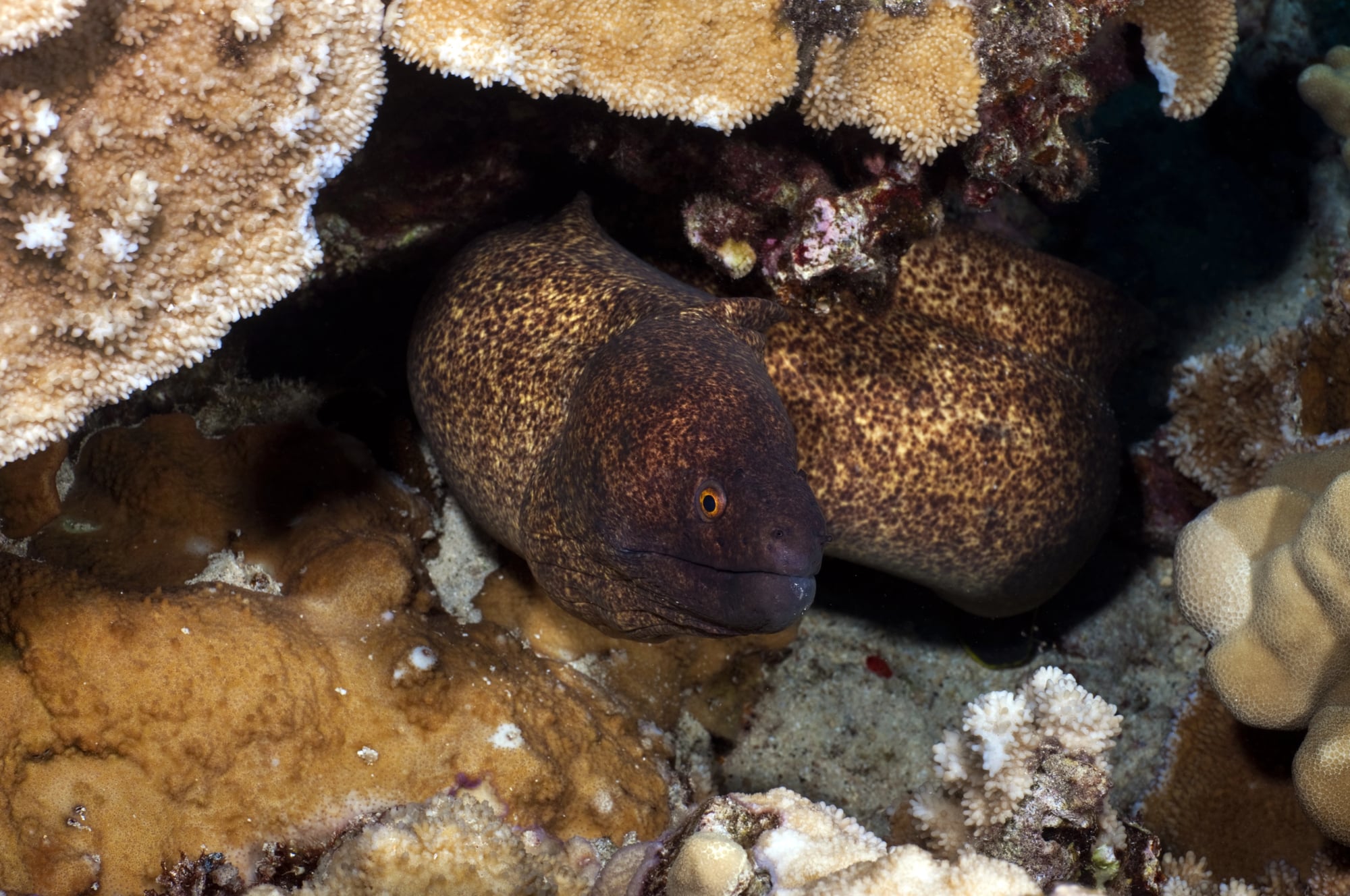
Colonial Americans were wild about eel, especially in New England, where colonists used lobster as bait in eel traps. Imagine a time when lobster was so abundant and cheap that people used it to catch other fish.
Eel pie became a popular way to prepare the slippery creatures, baked into crusts and served at regular meals throughout the colonies.
Animals Served Whole

Meat dishes often came to the table with the animal’s head and feet still attached, which was standard presentation for formal colonial dinners. Wealthy families would serve roasted birds, rabbits, and even larger animals with all their parts intact as a display of abundance.
The practice was meant to show guests exactly what they were eating, though it probably killed the appetite of anyone with a weak stomach.
Calf’s Foot Jelly
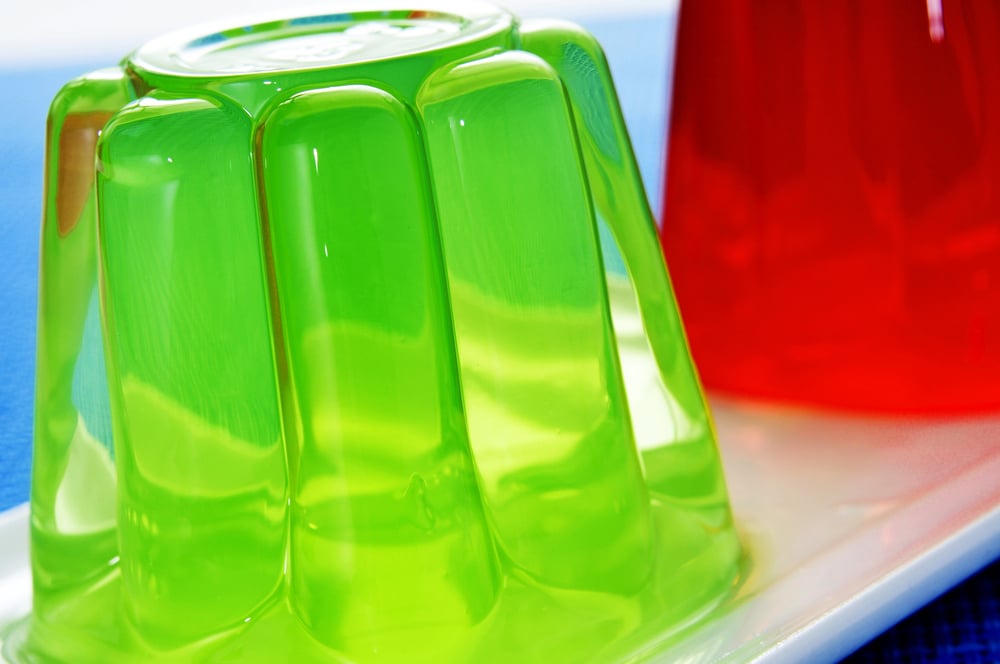
Molded gelatins and jellies were all the rage on both sides of the Atlantic in the 18th century, with calf’s foot jelly being particularly well-known. Colonists would boil down the feet of calves to extract the gelatin, then mold it into wobbly desserts or savory dishes.
The hours of work required to create a jiggly foot-based dish seems absurd now, but it was considered refined cuisine for the colonial upper class.
Standing Room Only

A typical family would stand around the table because they wouldn’t have chairs for everyone, making meals a literal stand-up affair. Furniture was expensive and often scarce, so only the head of household might have a proper seat.
Eating while standing probably made meals faster, which was useful when you had a full day of backbreaking farm work ahead.
Hands-On Dining
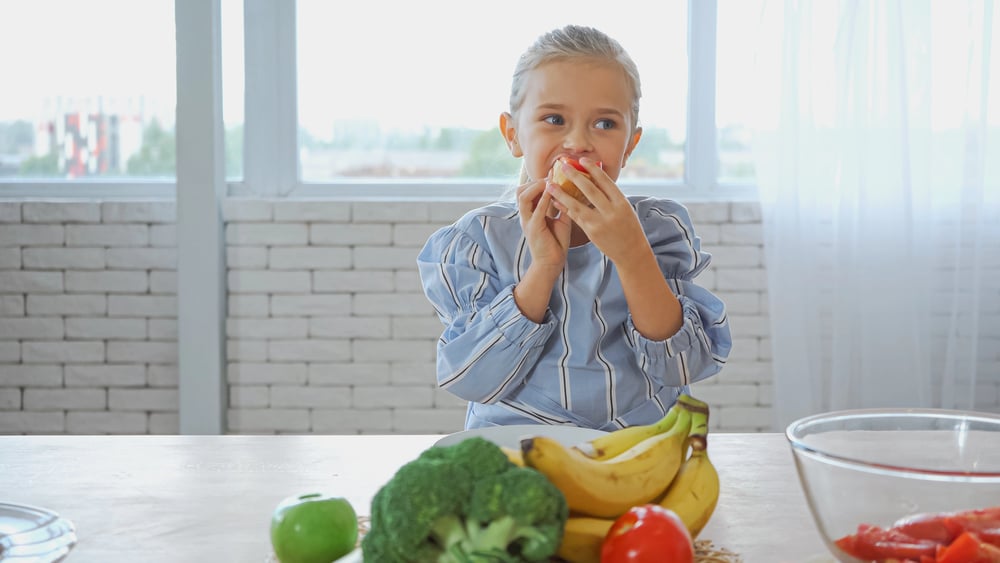
Colonists would eat mostly with their hands, with the main utensil being a knife, and forks were virtually nonexistent in most households. People used bread to push food around their plates and soak up gravies.
The upper class might have a roll specifically for maneuvering food, treating it more like an edible utensil than actual bread.
Passenger Pigeon Feasts
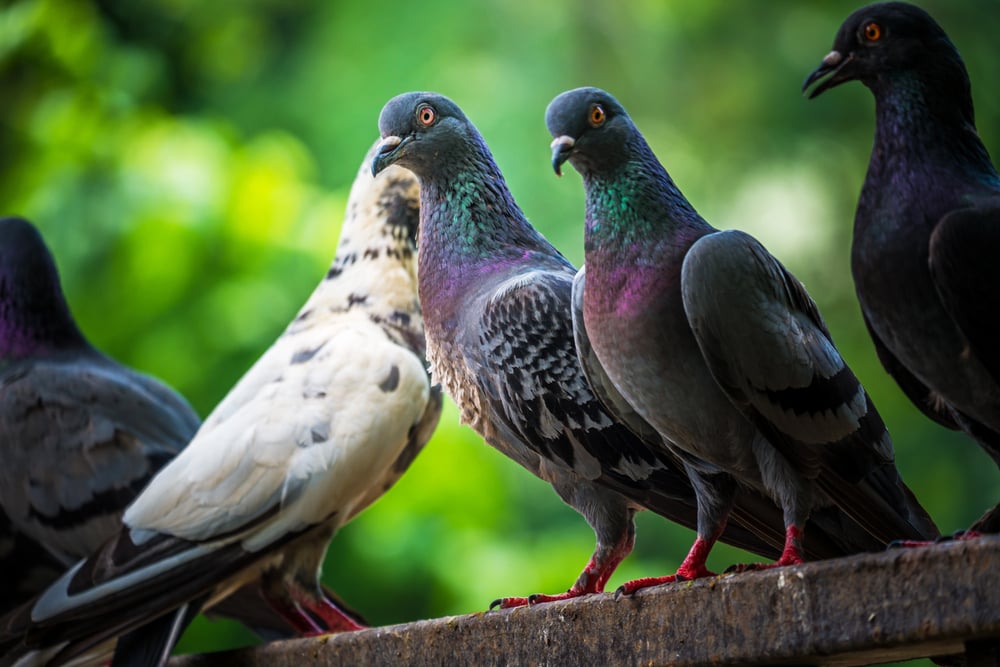
Passenger pigeons were incredibly plentiful in colonial times, and their meat was prepared in many ways including boiled, roasted, and baked into pie, similar to how we use chicken today. The birds were so abundant that people thought they’d never run out, but the population was completely wiped out by 1914.
Colonial Americans ate these birds at nearly every meal in some regions, never imagining their dinner would one day be extinct.
Bear Oil Cooking
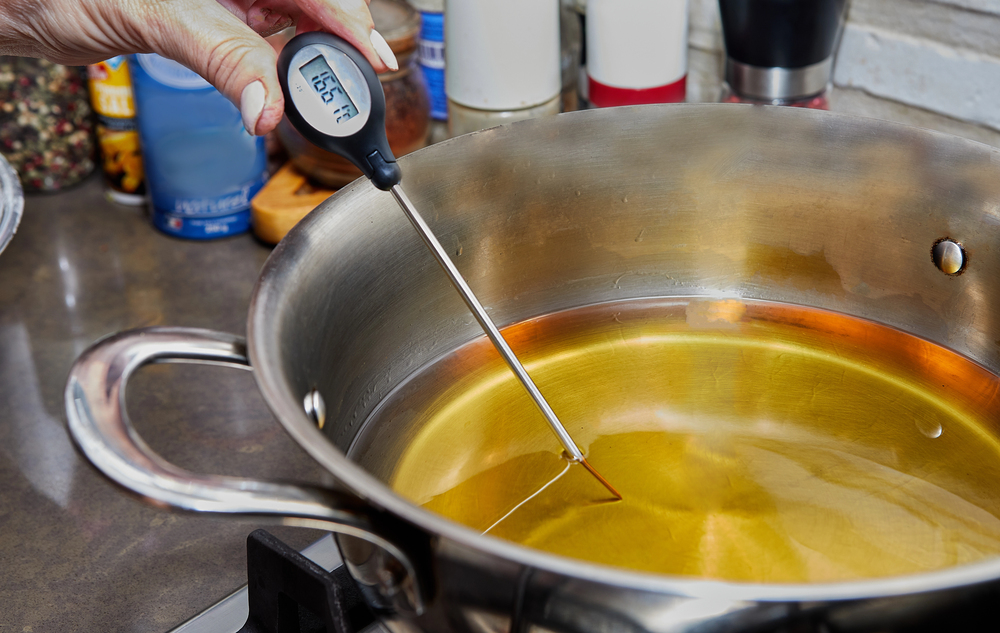
Many homes kept a deerskin sack filled with bear oil for use in cooking, and solidified bear fat resembled shortening. Hunters would render down bear fat after a successful hunt, storing it like a precious resource.
The strong, gamey flavor probably made everything taste like the wilderness, but colonists considered it better than going without fat entirely.
Milking Into Alcohol
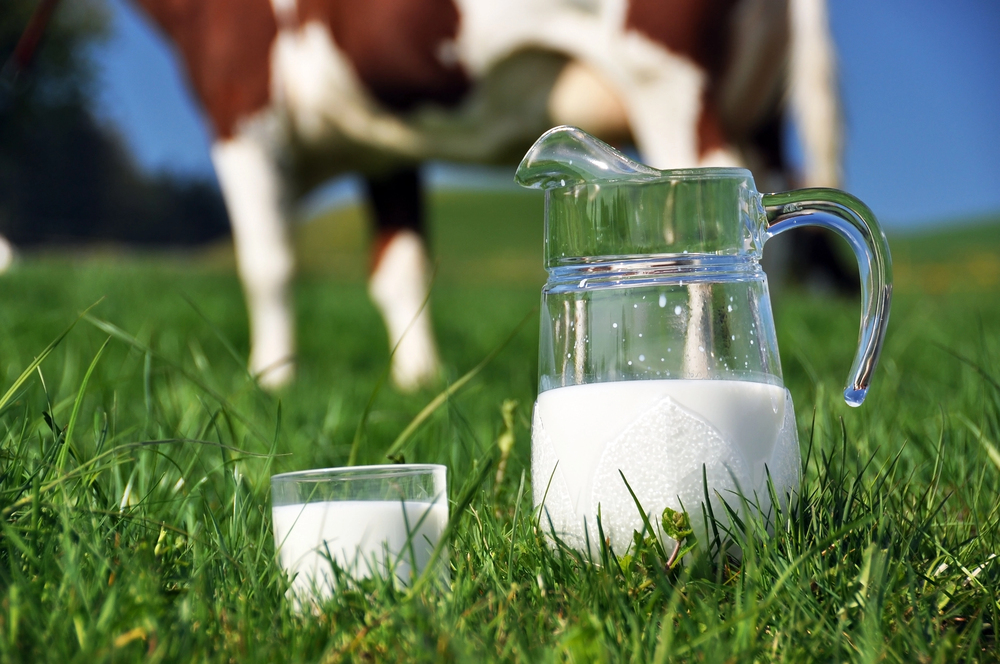
Syllabub recipes called for the cook to flavor cider with sugar and nutmeg, then milk a cow directly into the liquor, creating a frothy dessert-drink hybrid on the spot. The warm milk would mix with the alcohol and create bubbles, which was apparently entertaining enough to make it a special occasion treat.
Imagine standing in a barn with a cow and a bowl of hard cider, thinking this was sophisticated entertaining.
Beer for Breakfast

Colonists drank cider and beer instead of water or milk, and even kids drank watered-down cider and beer from morning until night. Water could make people ill, and cows were scarce, so alcohol became the safe default beverage.
A typical Harvard student breakfast in 1642 consisted of bread and beer at 5 AM, proving that day drinking started early in American history.
Burying Meat in Coals
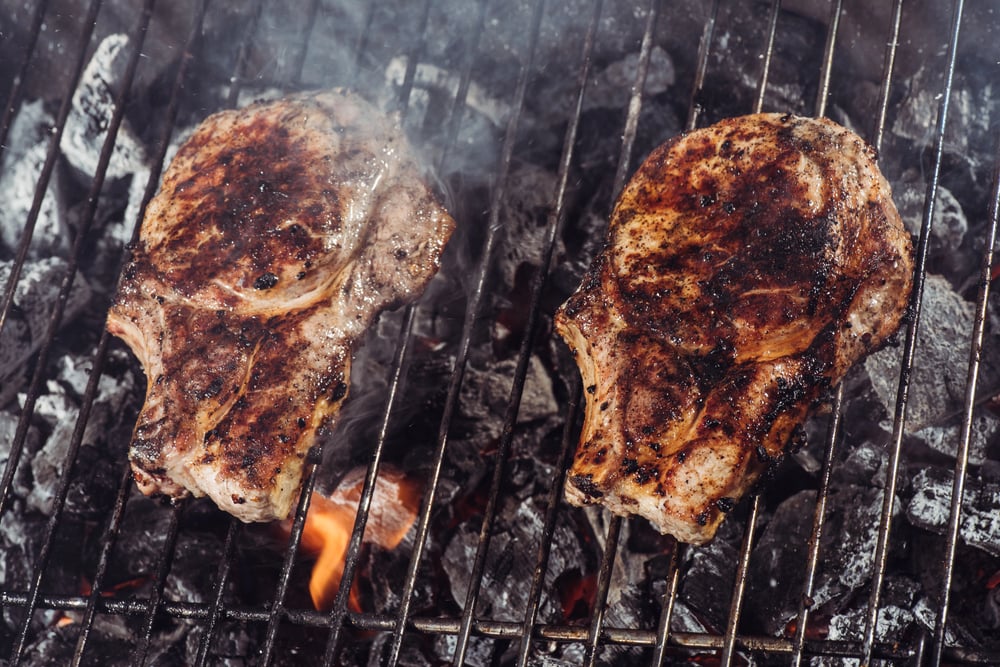
Meat was buried under hot coals, where the lack of light, reduced oxygen, and heat killed harmful microorganisms, preserving the meat for consumption in later months. This primitive preservation method sounds more like hiding evidence than preparing food, but it actually worked.
Colonists would dig up their buried meat when fresh food ran out, dust it off, and serve it up without much concern.
Eggs in Lime
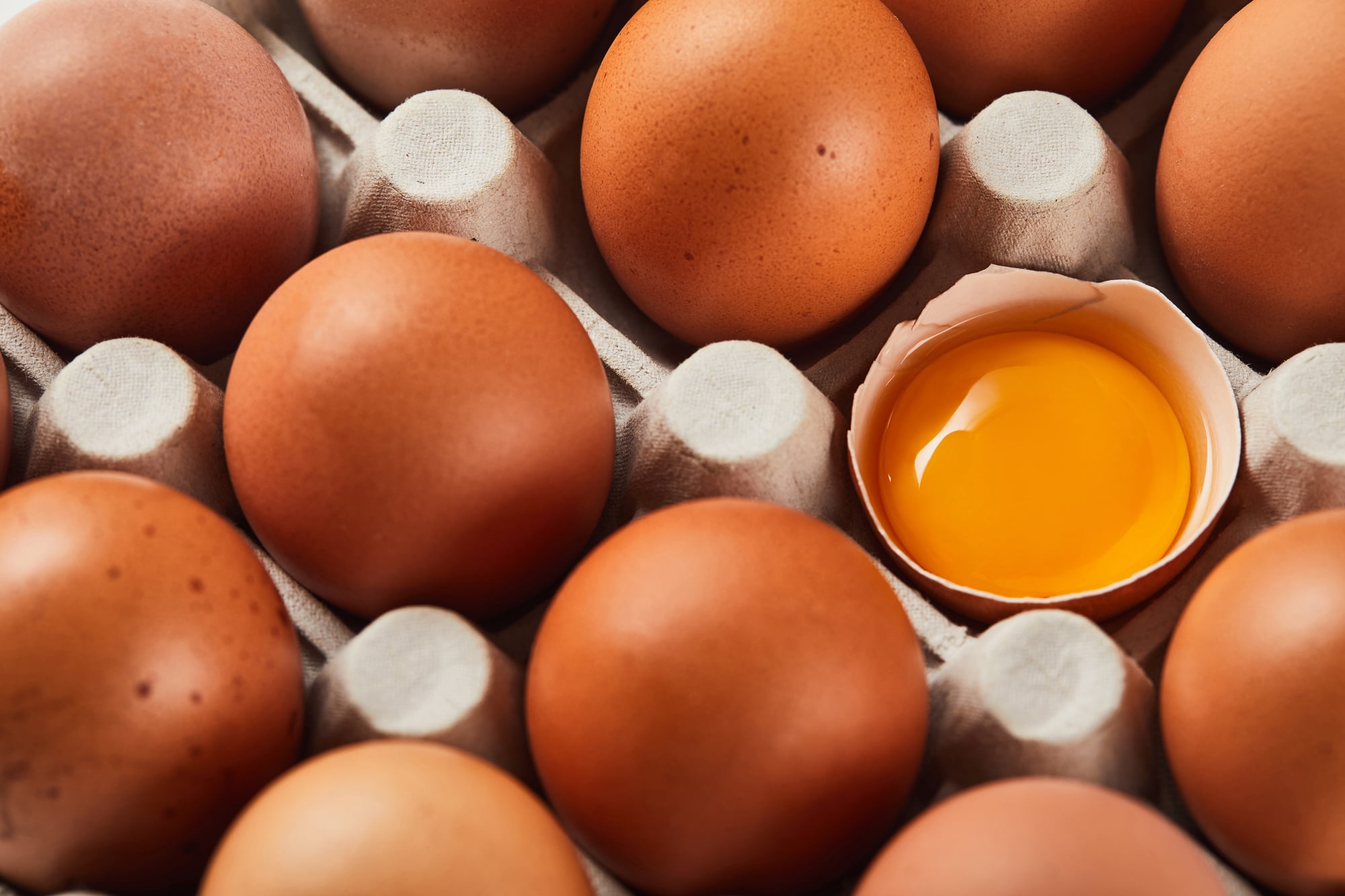
The best way to preserve eggs was to store them in slaked lime, which is quicklime soaked in water, creating a chemical bath that kept eggs edible for months. Without refrigeration, eggs would spoil quickly, so submerging them in this alkaline solution sealed them off from bacteria.
The eggs would come out with a slightly rubbery texture and chemical taste, but desperate times called for desperate measures.
Frozen Bean Porridge Blocks
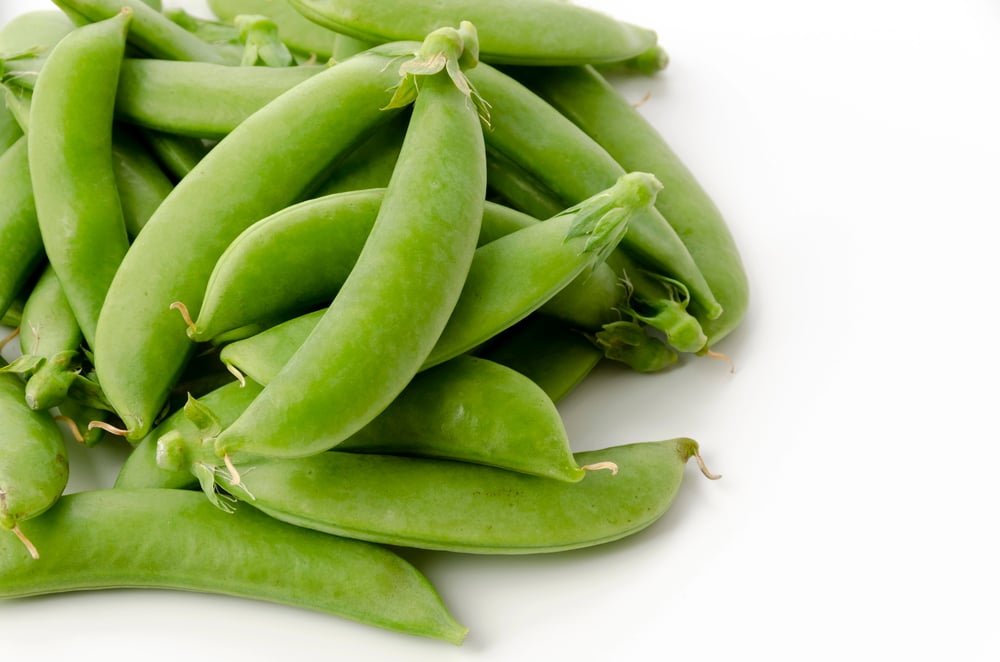
Bean porridge was cooked in bake ovens in large quantities, and some of it would be set aside for freezing, allowing families to chop off portions when taking a journey. The frozen blocks of beans traveled well and could be reheated over a fire.
Carrying around a hunk of frozen bean mush as trail food perfectly captures the practical but unappetizing reality of colonial eating.
Status Symbol Pepper Cake
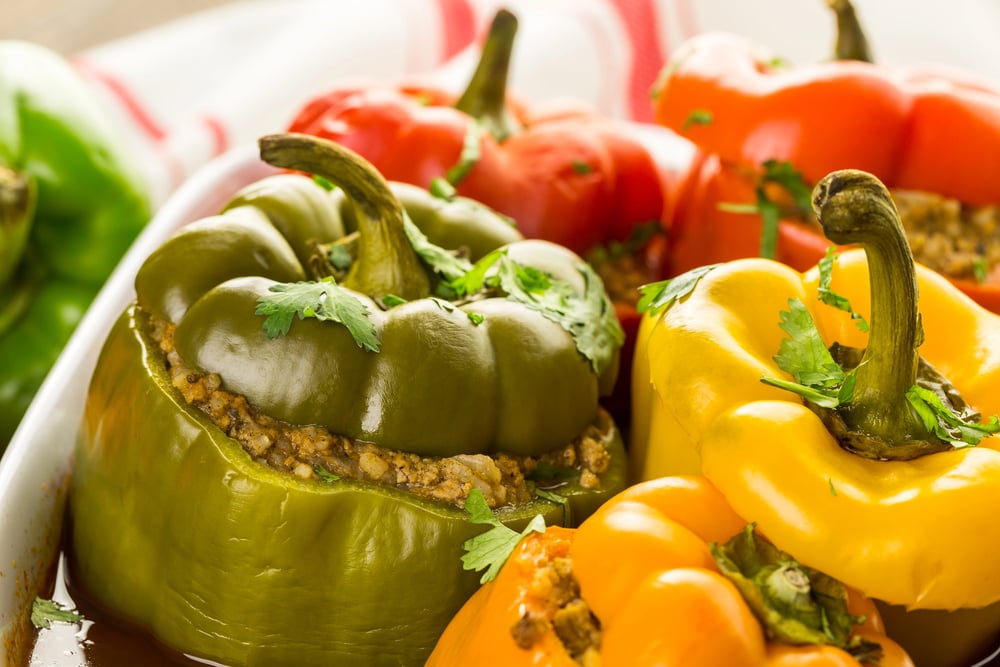
Martha Washington made Pepper Cake famous in the mid-1700s, and using heaps of pepper in a single cake was ideal for showing off wealth and status. Pepper was expensive and imported, so dumping massive amounts into a dessert proved you could afford to waste it.
The cake combined pepper with molasses and candied fruit, reportedly staying fresh for six months to a year, which raises questions about what exactly was in it.
From Survival to Flavor
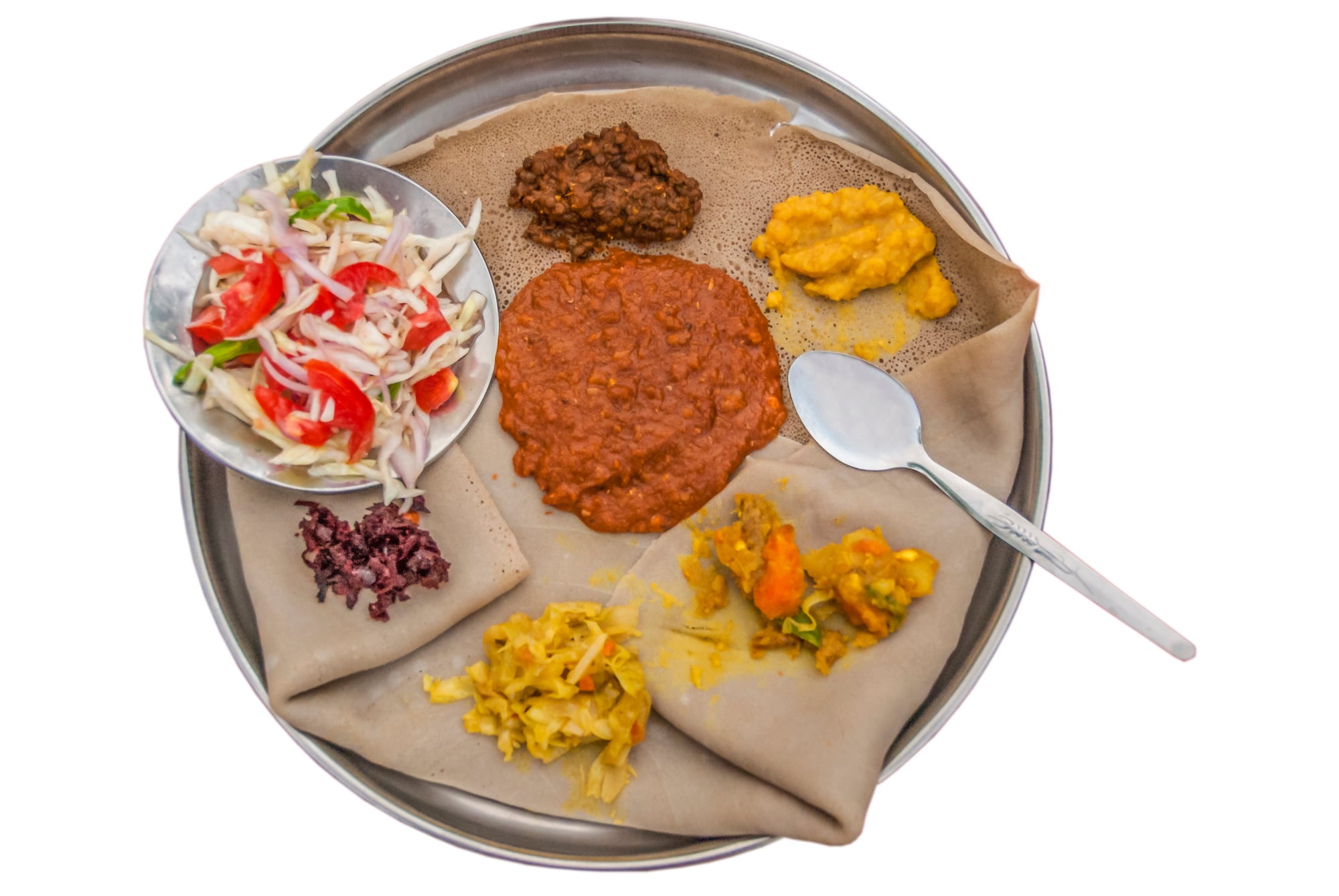
These bizarre traditions weren’t just about being weird for the sake of it—they were survival strategies born from necessity, scarcity, and a willingness to try anything to stay alive in a harsh new world. Many of these methods, from salting to roasting, stuck around because they actually created flavors people grew to love, transforming emergency measures into cuisine.
The bacon, smoked barbecue, and pickles we enjoy today are direct descendants of colonial desperation. What once seemed strange became tradition, and what was tradition eventually became the foundation of American food culture as we know it.
More from Go2Tutors!

- The Romanov Crown Jewels and Their Tragic Fate
- 13 Historical Mysteries That Science Still Can’t Solve
- Famous Hoaxes That Fooled the World for Years
- 15 Child Stars with Tragic Adult Lives
- 16 Famous Jewelry Pieces in History
Like Go2Tutors’s content? Follow us on MSN.



