14 Things Thrown Away Now in Museums
It’s funny how stuff we once tossed out ends up becoming historically significant. Throughout time, objects considered worthless have found their way behind glass cases in prestigious institutions worldwide. These everyday castoffs often tell more authentic stories about human history than the fancy artifacts made for the elite.
Here’s a look at 14 once-discarded items that museums now proudly display.
Apple I Computer
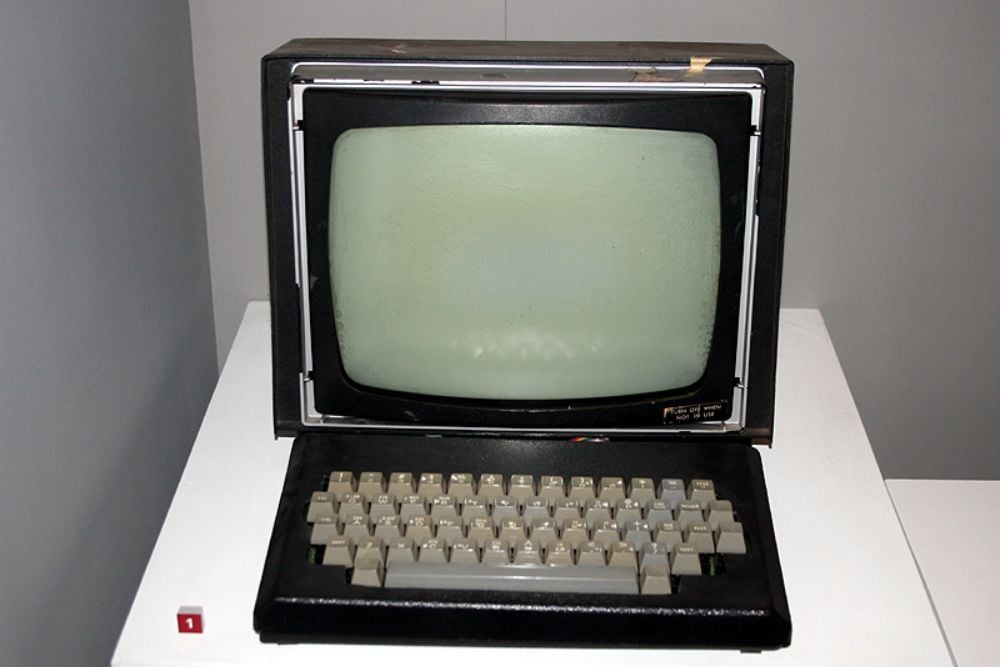
Back in 1976, Steve Wozniak and Steve Jobs built roughly 200 Apple I computers. In 2015, a woman in California dropped one off at a recycling center without leaving her name – she had no clue it was worth $200,000.
The recycling facility tried tracking her down to split the money after selling this rare machine to a museum, but she was never found. Today, approximately 60 Apple I computers still exist, with functioning models fetching over $900,000 at auction houses.
Van Gogh’s Paintings

It’s hard to believe, but Vincent van Gogh’s masterpieces were once considered worthless. The artist sold only one painting during his lifetime, and after his death, many of his works were stored in attics or even used to patch chicken coops by farmers who saw no value in them.
His mother reportedly threw away crates of his early drawings and paintings during household cleanings. Today, these same works command millions at auction houses and are centerpieces in museums like the Van Gogh Museum in Amsterdam and the Metropolitan Museum of Art.
Like Go2Tutors’s content? Follow us on MSN.
Victorian Taxidermy
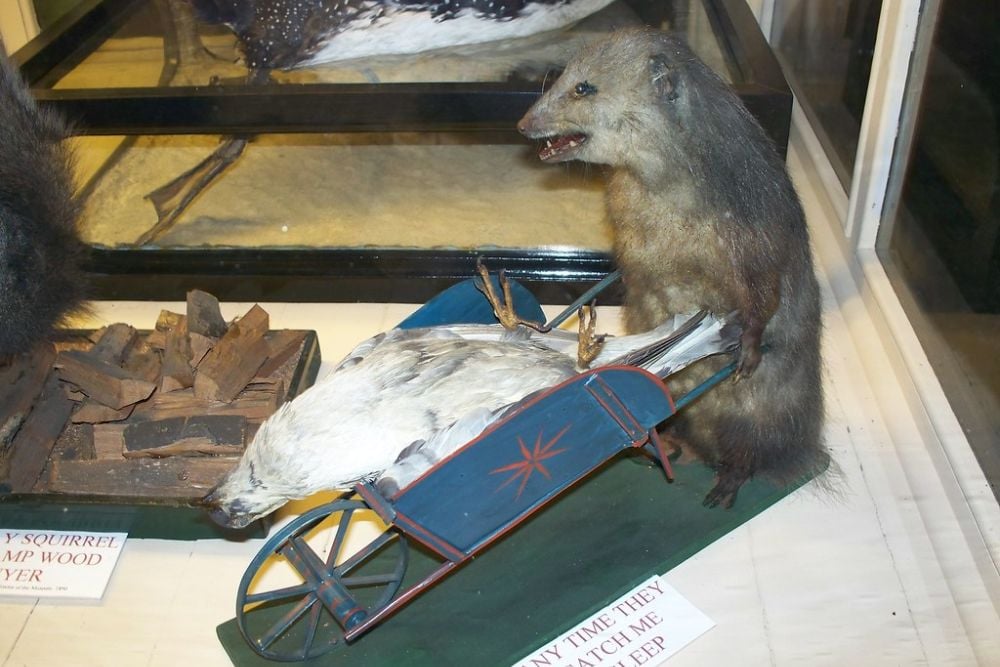
Walter Potter wasn’t just any taxidermist – he created whimsical scenes with preserved animals dressed in clothes and arranged in human activities during the Victorian era. When his private museum closed in the early 2000s, his collection faced potential destruction until collectors rescued many pieces.
Though once destined for the trash heap, Potter’s works now appear in museums worldwide as examples of Victorian-era entertainment and attitudes toward animals. His most famous pieces – kittens having tea parties or squirrels playing cards – now sell for thousands, despite being considered macabre curiosities in their time.
Discarded Slave Badges

Between 1783 and 1865, Charleston required enslaved people working away from their enslavers’ properties to wear metal identification tags. After the Civil War and emancipation, many of these dehumanizing badges were simply thrown away as painful reminders of a terrible system.
Construction workers and people with metal detectors have since discovered these tags in old dump sites and yards throughout the city. Museums now display these once-discarded items as powerful physical evidence of slavery’s brutal practices in American history – tangible connections to a past that some would prefer to forget.
Ancient Egyptian Mummified Cats
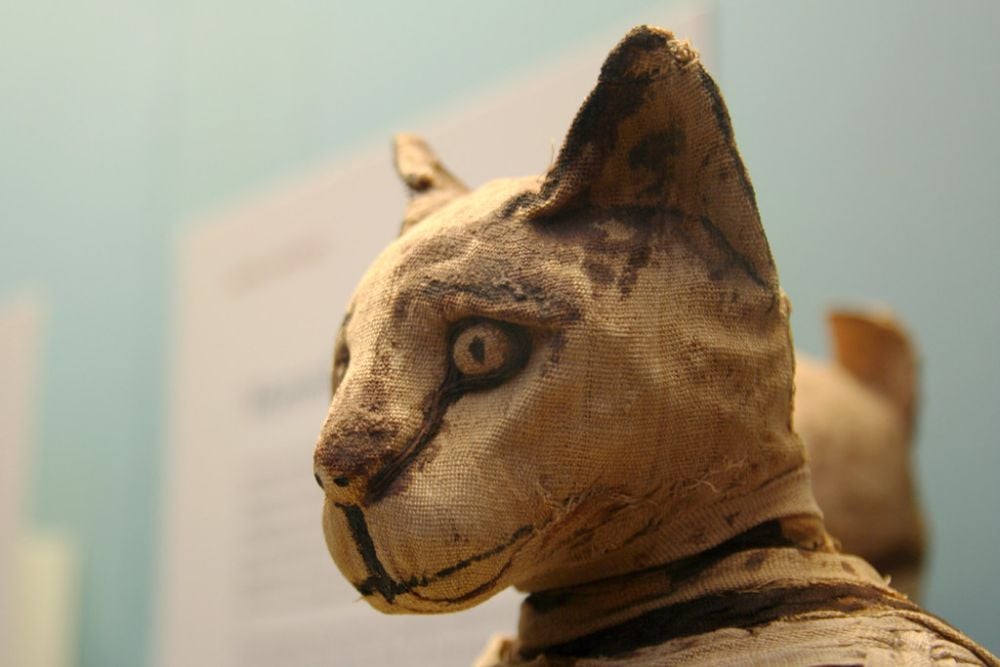
The ancient Egyptians mummified millions of cats as religious offerings, yet when excavated in the late 19th century, many were treated as worthless curiosities. British farmers actually imported shiploads of these cat mummies to grind into fertilizer, without any appreciation for their historical value.
The relatively few that survived this destruction now occupy prominent museum displays worldwide as important religious artifacts. Modern scanning technology reveals details about these cats’ lives and deaths, transforming what was once agricultural waste into valuable archaeological specimens worth studying.
Like Go2Tutors’s content? Follow us on MSN.
Apple Lisa Computer
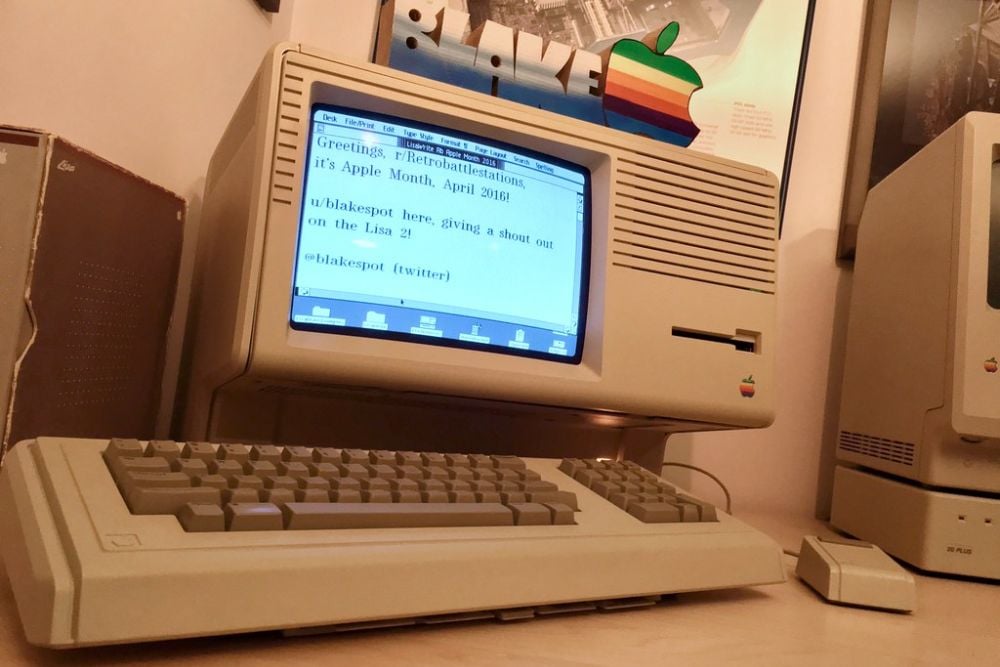
The Apple Lisa was a commercial flop when released in 1983 – priced at a staggering $10,000, most units were eventually scrapped or thrown away. Apple reportedly buried thousands of unsold computers in a Utah landfill rather than continue paying storage costs for a failed product.
Working Lisa computers now sell for over $25,000, and museums showcase them as crucial milestones in computing evolution. Though commercially unsuccessful, the Lisa pioneered features we take for granted today: the graphical user interface and mouse that later became standard on virtually all personal computers.
Shipwreck Garbage

Marine archaeologists don’t just recover treasure from shipwrecks – they carefully collect seemingly mundane items like broken dishes, food waste, and personal toiletries. These everyday objects often reveal more about life aboard ships than valuable cargo or weapons ever could.
Museums display these humble artifacts to help visitors understand what daily existence was like for sailors and passengers who used them. A simple medicine bottle, ceramic fragment, or discarded shoe can tell intimate stories about people who lived centuries ago in ways that gold coins simply cannot.
Vietnam War Graffiti

During their tours in Vietnam, American soldiers often wrote messages on helmets, lighters, and equipment – creating personal talismans in a frightening environment. Many veterans tossed these items upon returning home, not recognizing their historical significance amid their eagerness to move beyond a traumatic experience.
Museums now actively collect and display these personal artifacts as powerful windows into soldiers’ experiences during an extremely divisive conflict. The informal writing – whether political, humorous, or desperate – reveals how troops actually felt in ways official documents never could.
Like Go2Tutors’s content? Follow us on MSN.
Titanic Coal

Coal fragments from the Titanic’s boiler rooms sank to the surface of the wreckage after it sank in 1912; rescue ships gathered these fragments while looking for survivors. At the time, these coal lumps were only industrial fuel that would never be used to power the ship; they were not valued.
These same items can now be seen at Titanic museums all over the world, and some of them fetch hundreds of dollars from collectors who are enthralled with the well-known maritime catastrophe. They stand for physical remembrances of that fatal night that people may hold in their hands.
NASA Flight Manuals
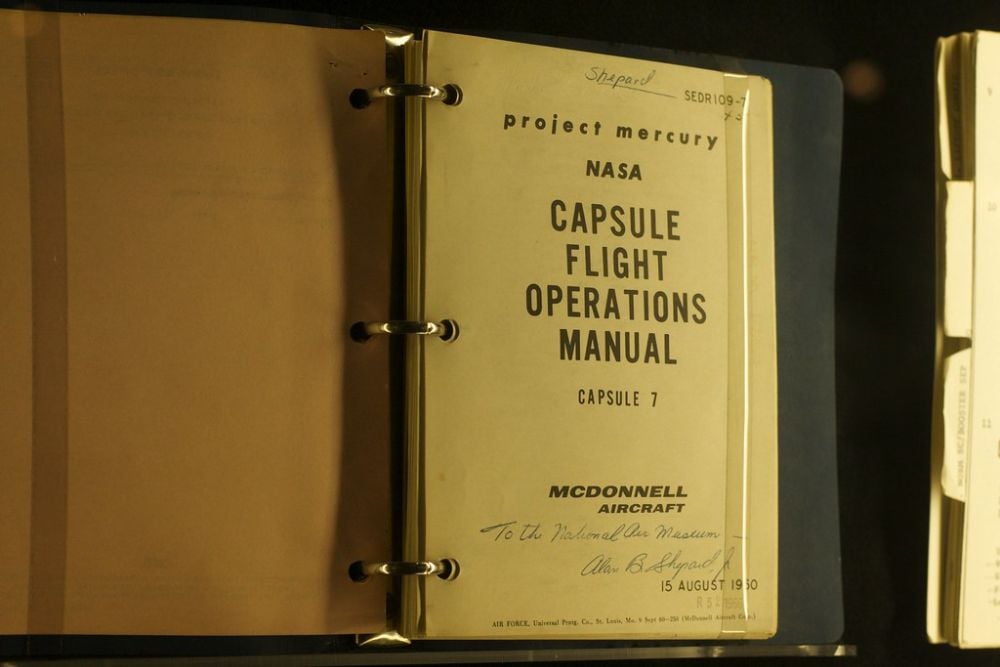
Astronauts referred to flight manuals and checklists during space missions, even though many of these items were later regarded as disposable operational materials. Some of the space explorers pocketed these items as personal souvenirs, while others simply discarded them after completing their missions.
These formerly procedural documents – with scribbled notes and check marks – now fetch tens of thousands at auction houses and feature in aerospace museums. They provide a glimpse of how missions actually transpired in space, revealing the human touch behind technological achievements.
Ancient Roman Shoes

Romans frequently threw their old leather shoes into bogs, rubbish dumps, and wells throughout their empire, never thinking anyone would be interested in them. If not for exceptional preservation conditions in oxygen-poor habitats that inhibited typical decay processes, these artifacts would have entirely decomposed.
Thousands of these abandoned shoes have been found by archaeologists; some of the designs appear remarkably contemporary. Museums display these everyday items to demonstrate that people living 2,000 years ago weren’t so different from us in their basic needs – they too needed comfortable, practical footwear.
Like Go2Tutors’s content? Follow us on MSN.
Vintage Video Games
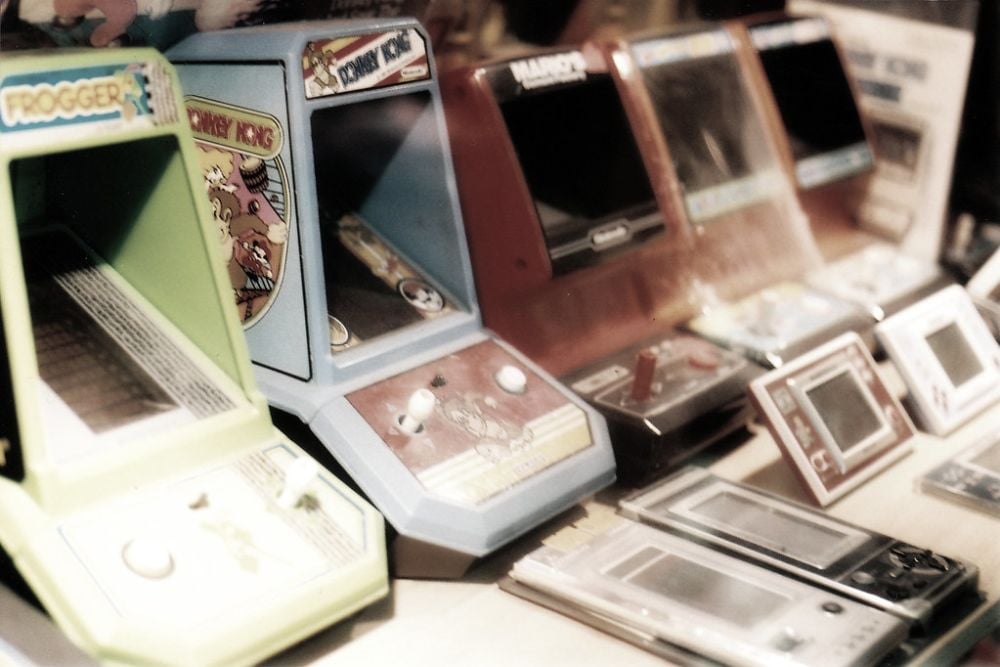
Early video game prototypes and test cartridges routinely ended up in dumpsters once games went into production – Nintendo, Atari, and other companies treated these items as developmental waste. Museum curators and collectors now desperately hunt for these discarded materials, which can sell for tens of thousands of dollars due to their rarity and historical significance.
The Strong National Museum of Play and similar institutions preserve these once-trashed items as important artifacts in interactive entertainment history – showing how quickly “worthless” technology becomes culturally important.
Celebrity Trash

Andy Warhol obsessively collected everyday items in sealed boxes he called “Time Capsules” – including junk mail, newspaper clippings, and even used napkins. He created 612 of these boxes throughout his life, essentially preserving his garbage as an artistic statement about consumer culture and temporality.
Following his death, the Andy Warhol Museum cataloged and preserved these collections instead of doing what most would consider logical – throwing them away. What was literally trash is now studied by art historians seeking insights into Warhol’s creative process and daily life in ways his famous artworks don’t reveal.
Damaged Ancient Sculptures
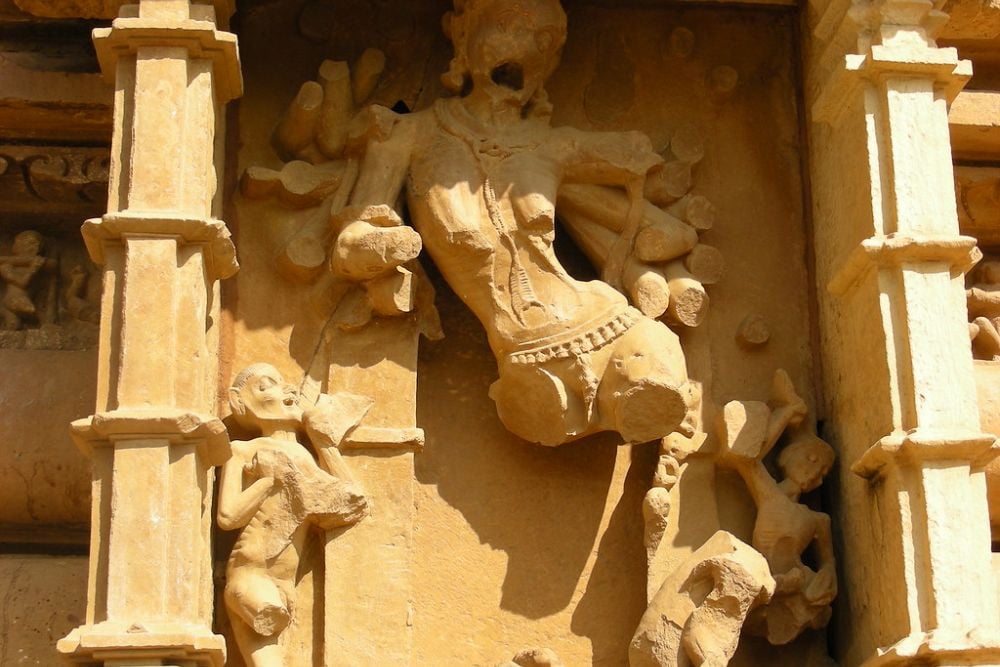
Greek and Roman temples once contained thousands of marble sculptures that were later broken during conflicts, discarded as worthless, or repurposed as building materials. Many classical sculptures were smashed during religious upheavals or burned in lime kilns to make cement – their artistic value completely disregarded.
Museums now painstakingly reassemble these fragments, with damaged pieces often historically more valuable than well-preserved ones. The famous Venus de Milo and Winged Victory of Samothrace – now centerpieces of the Louvre’s collection – were both found broken and discarded before becoming celebrated masterpieces of ancient art.
Like Go2Tutors’s content? Follow us on MSN.
From Trash to Treasure

What we throw in the garbage today might end up behind museum glass tomorrow – a humbling thought about the nature of value. These 14 examples demonstrate how dramatically our definition of “garbage” shifts over time.
Everyday items often tell us more about human history than special objects made for the wealthy and powerful ever could. Museums increasingly recognize that yesterday’s trash provides authentic windows into ordinary lives.
Next time you clean out your junk drawer, consider that future historians might find your discarded tech, receipts, and everyday items fascinating glimpses into early 21st-century existence.
More from Go2Tutors!

- 18 Unexpectedly Valuable Collectibles You Might Have Lying Around
- 15 Things Every Teenager in the ’70s Did That Teens Today Wouldn’t Understand
- 15 Strange Things People Have Tried to Ban (And Failed)
- 15 Inventions That Were Immediately Banned After Being Created
- 20 Actors Who Were Almost Cast in Iconic Roles
Like Go2Tutors’s content? Follow us on MSN.