Music Movements That Shifted Social Attitudes
Music has always been more than just entertainment. Throughout history, certain sounds and songs have challenged the way people think, acted as catalysts for change, and given voice to those who felt unheard.
From jazz clubs in New Orleans to punk rock basements in London, these movements didn’t just create new genres—they rewired entire cultures and forced society to reconsider its values, beliefs, and prejudices. So let’s dive into the music movements that didn’t just make people dance.
Jazz and the breaking of racial barriers

Jazz emerged from African American communities in New Orleans during the early 1900s, bringing together blues, ragtime, and improvisation into something entirely new. White audiences initially dismissed it as chaotic noise, but the music’s infectious rhythms and emotional depth eventually crossed color lines that seemed impossible to breach.
By the 1920s, jazz clubs became some of the first integrated spaces in America, where black and white musicians performed together and audiences mingled in ways that defied segregation laws. The music forced conversations about race and equality that polite society had been avoiding for decades.
Rock and roll’s challenge to conformity

When rock and roll exploded in the 1950s, it terrified parents across America. Elvis Presley’s hip movements on television caused actual panic, with some stations only filming him from the waist up.
The music blended black rhythm and blues with white country sounds, creating something that felt dangerous and rebellious to the conservative establishment. Teenagers suddenly had their own cultural identity separate from their parents, and that shift in generational power dynamics would reshape family structures and youth culture forever.
Folk music and the civil rights movement

Folk singers like Pete Seeger, Joan Baez, and Bob Dylan turned acoustic guitars into weapons against injustice during the 1960s. Their songs accompanied marches, sit-ins, and protests across the American South as activists fought for racial equality.
The simplicity of folk music made it perfect for group singing, turning demonstrations into unified choruses that gave courage to scared protesters facing violent opposition. These songs documented struggles, preserved stories, and created a shared soundtrack for a movement that would transform American law and society.
The Beatles and changing masculinity
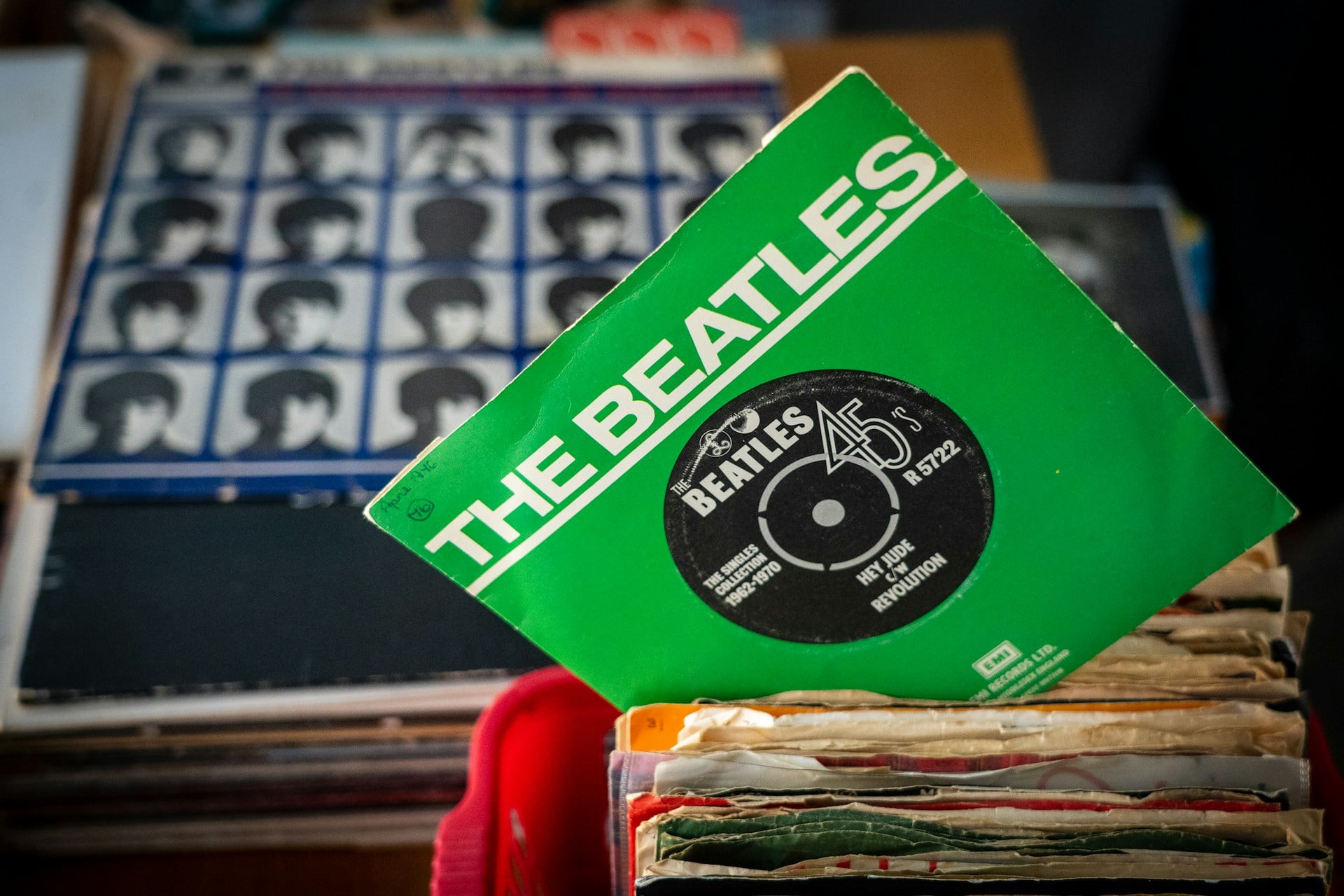
When four young men from Liverpool grew their hair past their collars in the early 1960s, it sparked genuine outrage. The Beatles didn’t just create catchy pop songs—they made it acceptable for men to be vulnerable, artistic, and emotional in public.
Their willingness to experiment with Indian music, psychedelic sounds, and introspective lyrics gave an entire generation permission to explore feelings and ideas beyond traditional masculine stereotypes. By 1967, young men worldwide were growing their hair long, wearing colorful clothes, and rejecting the rigid gender expectations their fathers had lived by.
Motown and black economic empowerment

Berry Gordy’s Motown Records in Detroit proved that African American artists could dominate mainstream charts while maintaining creative and financial control. The label’s polished sound and professional image countered racist stereotypes about black performers and businesses.
Artists like Stevie Wonder, Diana Ross, and Marvin Gaye became household names, accumulating wealth and influence that demonstrated black excellence to skeptical white audiences. Motown’s success showed that integration could work on black communities’ terms, not just as assimilation into white culture.
Punk rock’s rejection of excess
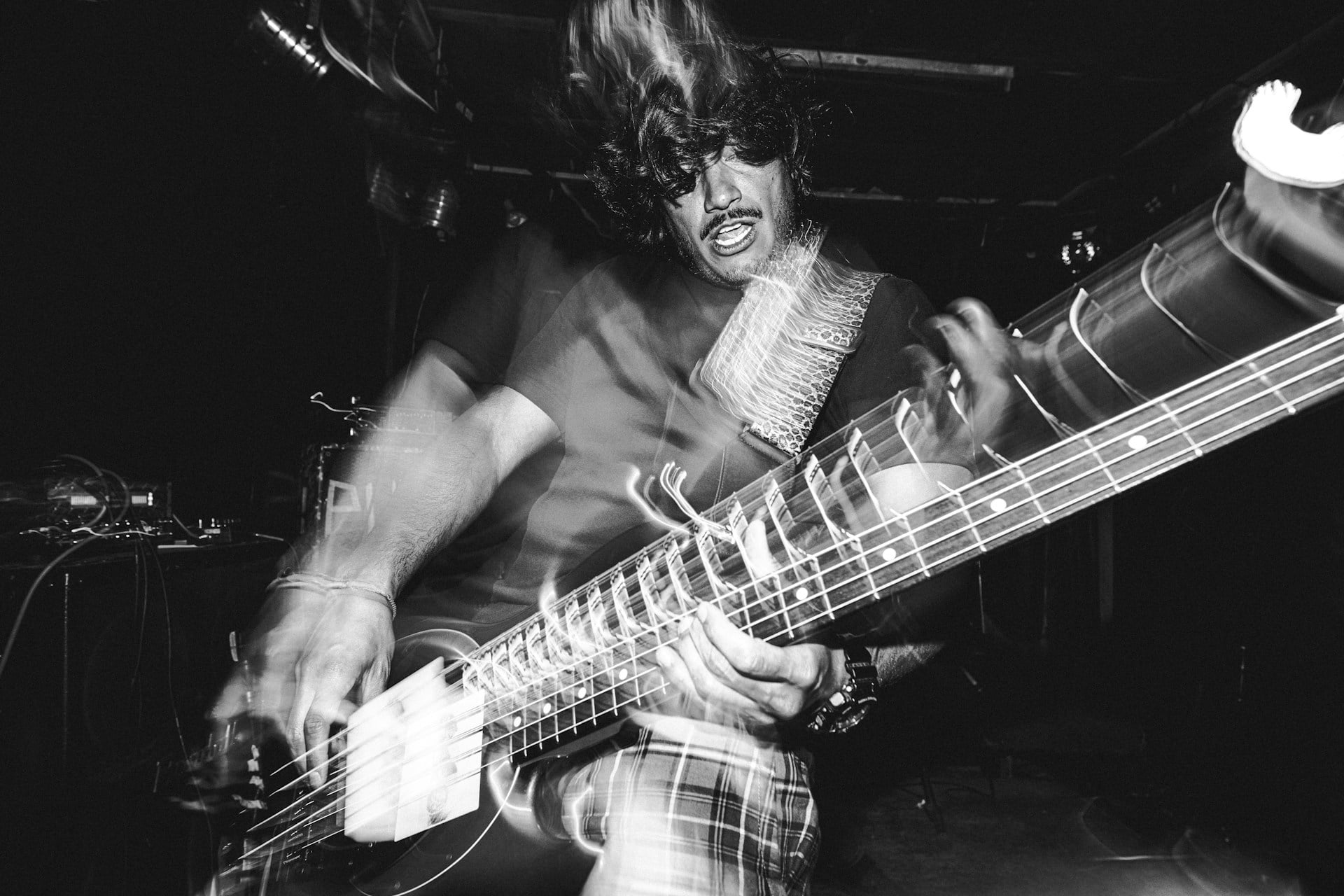
Punk erupted in the mid-1970s as a middle finger to the bloated, self-important rock stars who had lost touch with ordinary people. Bands like The Ramones and The Clash played fast, simple songs that anyone could learn, intentionally stripping away technical complexity.
The movement told working-class kids they didn’t need expensive equipment or formal training to make music that mattered. This do-it-yourself attitude spread beyond music into fashion, art, and publishing, empowering people to create their own culture instead of passively consuming what corporations sold them.
Hip-hop and giving voice to urban struggles

Hip-hop started at house parties in the Bronx during the 1970s, where DJs extended drum breaks and MCs rhymed over the beats. The music became a way for young people in neglected neighborhoods to document their lives, from poverty and police violence to community resilience and creativity.
Rappers like Grandmaster Flash and Public Enemy forced mainstream America to hear perspectives that the news media ignored or distorted. The genre proved that people without access to traditional instruments or recording studios could still create art that would eventually dominate global popular culture.
Disco and LGBTQ+ liberation

Disco music created safe spaces for LGBTQ+ communities during the 1970s, when being openly gay could cost someone their job, housing, or safety. Clubs like New York’s Studio 54 became refuges where people could express themselves freely through dance and fashion.
The music celebrated pleasure, connection, and freedom in ways that challenged conservative ideas about relationships and identity. Even when mainstream culture turned against disco in a backlash that had clear homophobic undertones, the community it had nurtured continued growing stronger.
Grunge and authenticity over image
Grunge bands from Seattle like Nirvana and Pearl Jam rejected the flashy aesthetics of 1980s rock, showing up in thrift store flannel and torn jeans. Their music expressed genuine pain, frustration, and confusion rather than manufactured rebellion or party anthems.
This raw honesty resonated with young people tired of glossy, fake pop culture that ignored real problems like economic anxiety and mental health struggles. The movement made it acceptable for men especially to admit vulnerability and struggle publicly without shame.
Riot grrrl and feminist punk
The riot grrrl movement of the early 1990s created space for young women to express rage, creativity, and political ideas through loud, aggressive music. Bands like Bikini Kill and Sleater-Kinney sang explicitly about issues like assault, body image, and gender discrimination that mainstream rock ignored.
They organized women-only concerts, published zines, and built networks that supported female musicians and challenged industry gatekeepers. This movement directly confronted the overwhelmingly male world of punk and alternative rock, changing it permanently.
Reggae and anti-colonial resistance

Reggae music from Jamaica carried messages of resistance against oppression and colonial legacy throughout the 1970s. Bob Marley became an international icon who sang about poverty, inequality, and the dignity of African peoples to audiences worldwide.
The music’s spiritual themes, drawn from Rastafarian beliefs, offered alternative worldviews to Western materialism and power structures. Reggae’s global spread connected liberation struggles across continents, from apartheid South Africa to working-class Britain, creating solidarity through shared rhythms and revolutionary lyrics.
Electronic dance music and rave culture

The rave scene of the late 1980s and early 1990s brought together people across racial, class, and cultural boundaries in massive dance parties. Electronic music’s repetitive beats created communal experiences that emphasized collective joy over individual performance or competition.
The movement’s ethos of peace, love, unity, and respect offered an alternative to mainstream culture’s aggressive individualism and materialism. Authorities tried to suppress raves through laws and raids, viewing these gatherings as threats to social order precisely because they created communities outside traditional control.
Country music and working-class identity

Country music has long given voice to rural and working-class Americans whose lives differ dramatically from coastal urban cultures. Artists like Loretta Lynn sang openly about poverty, difficult marriages, and women’s reproductive choices decades before these topics entered mainstream political discourse.
The genre validates experiences and values that educated elites often dismiss or mock, creating cultural pride for communities that feel left behind by economic changes. This role has made country music a powerful force in shaping regional identity and political consciousness.
Nu metal and teenage anger

Nu metal bands like Korn and Limp Bizkit captured the specific rage and confusion of teenagers in the late 1990s and early 2000s. Their music addressed bullying, family dysfunction, and feeling like an outsider with raw intensity that parents and critics found disturbing.
The genre gave permission for young people, especially boys, to express pain and vulnerability through aggression rather than silence or self-destruction. Schools and media outlets worried about the music’s influence, but for many listeners, it provided essential validation that their struggles were real and shared.
Latin music and cultural pride
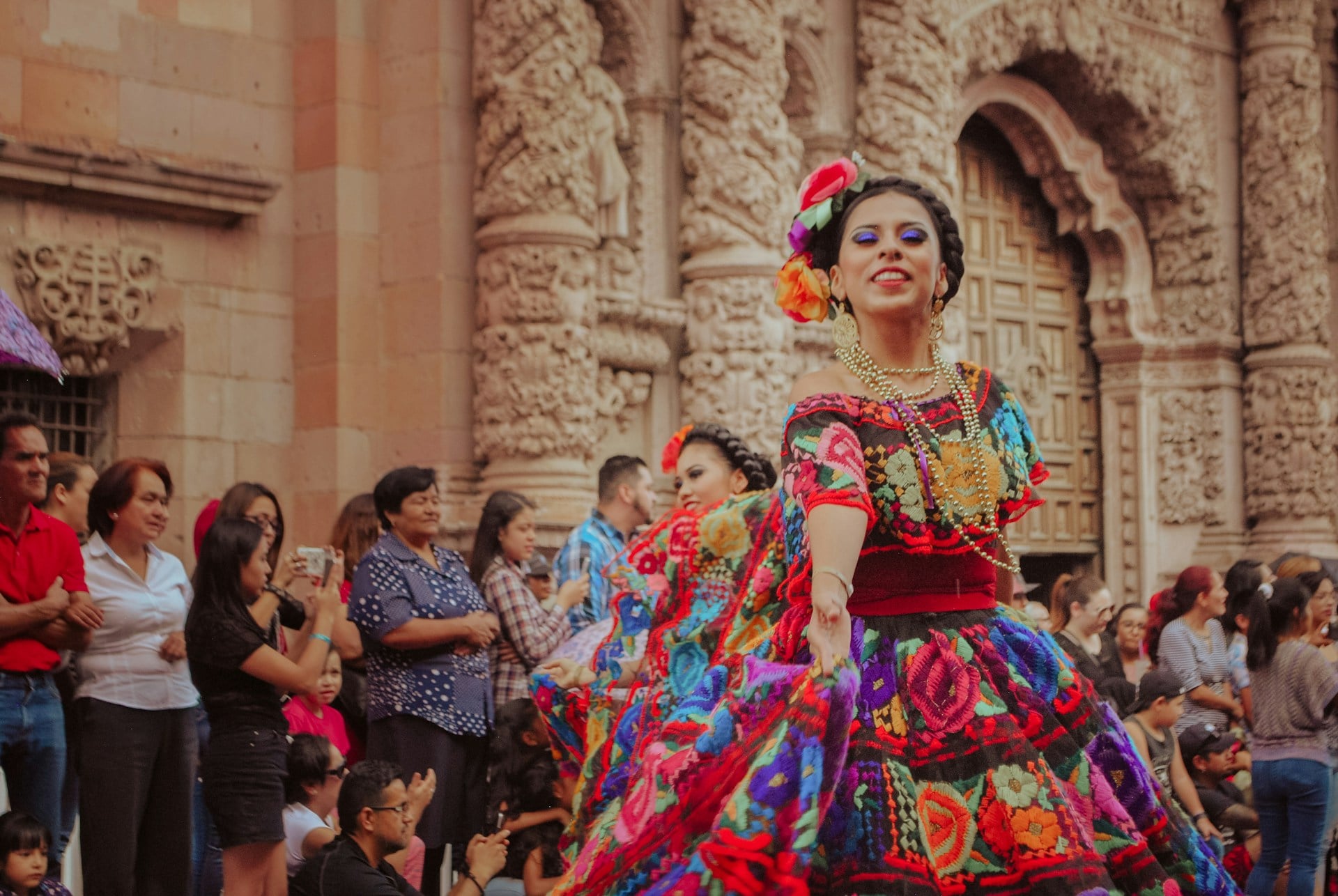
The Latin music explosion of the late 1990s, led by artists like Ricky Martin and Shakira, celebrated Hispanic culture to mainstream American audiences on unprecedented scales. These performers sang in Spanish on English-language radio and television, asserting that Latino identity didn’t require assimilation or hiding cultural roots.
The success challenged assumptions about who belonged in American popular culture and what languages deserved airtime. This visibility arrived as Latino communities faced increasing political attacks, making the cultural representation especially significant.
Indie rock and alternative economics

The indie rock movement built an entire infrastructure outside major record labels, proving artists could succeed without corporate backing. Bands toured in vans, recorded in cheap studios, and sold music directly to fans through small labels and early internet platforms.
This model demonstrated that success didn’t require surrendering creative control or conforming to commercial formulas. The approach influenced industries beyond music, inspiring artists, writers, and creators in various fields to imagine economic independence from traditional gatekeepers.
K-pop along with worldwide culture sharing

Korean pop music shook up Western control of global culture this century, building huge followings overseas without using English or copying Western styles. Instead of blending in, acts like BTS perform mostly in Korean yet still dominate international rankings and pack arenas around the world.
Because of this, U.S. and European labels now see that impact doesn’t just move from West to Asia anymore. Thanks to digital tools and online networks, fans can back artists on their own terms – bypassing traditional filters that once decided what got heard.
Grime and British working-class voices
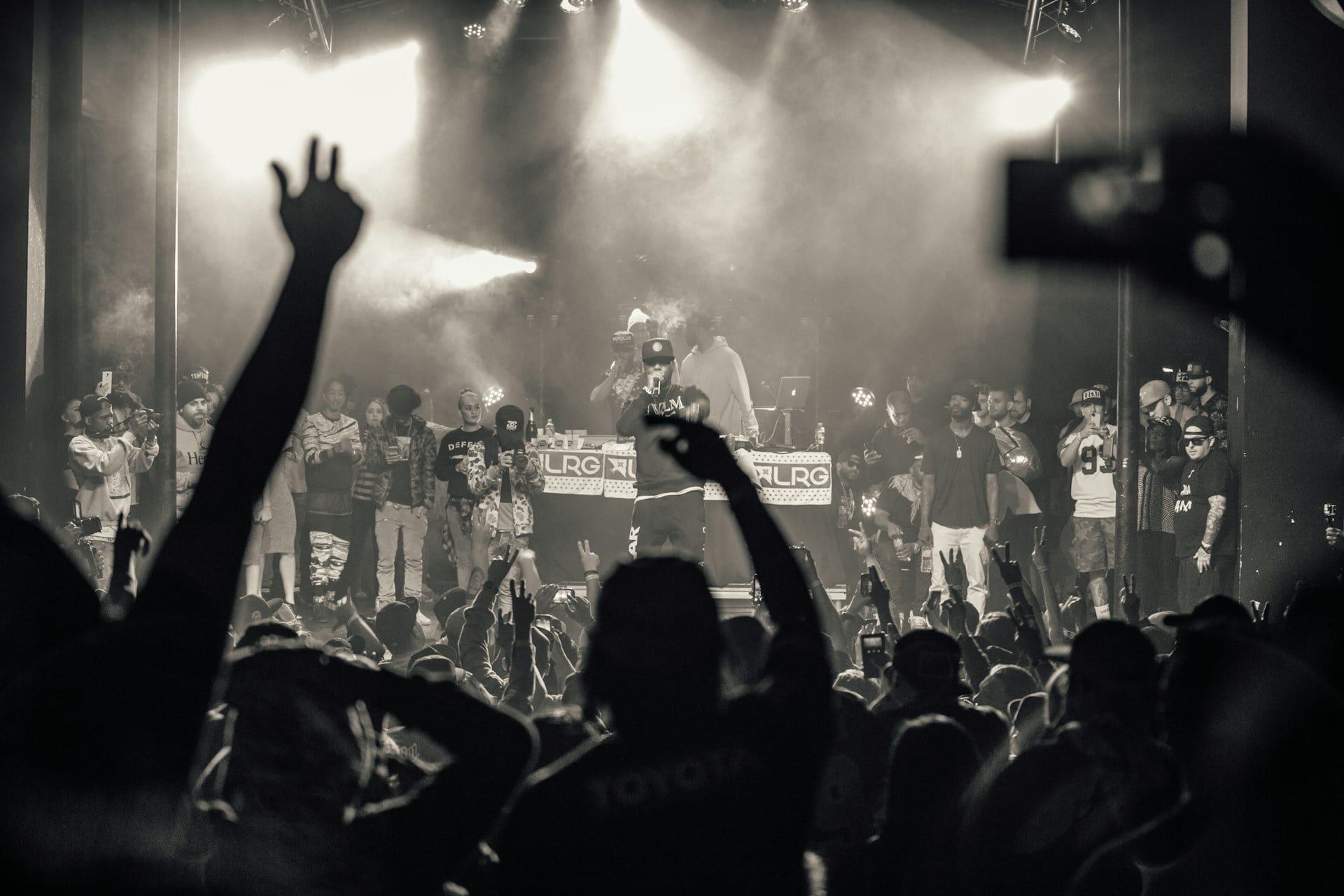
Grime started in London’s estates around 2000, speaking up for mixed-race young people stuck at the bottom who didn’t see themselves in US rap or UK guitar bands. Instead of just rhyming, performers such as Skepta plus Stormzy shouted raw truths on fast-paced synths – talking cash struggles, cops hassling them, surviving edge-town life.
It built a whole vibe: coded words, unique fits, inside jokes adults outside ignored – or called dangerous. Once these acts sold out arenas though, nobody could brush it off; suddenly everyone had to talk about money gaps, skin color divides, where you’re really from.
The lingering trace of noise
Music scenes prove life’s tough to split into neat boxes – culture ties tightly to what happens in government. Tunes we make and play carry our dreams, worries, our push for something different.
Sure, a few folks write off pop sounds as fluff, yet time after time they’ve cracked open old rules, backing those chasing fairer lives. Chances are, the wave that flips minds today is cooking up in a kid’s makeshift setup or dusty garage corner.
More from Go2Tutors!

- The Romanov Crown Jewels and Their Tragic Fate
- 13 Historical Mysteries That Science Still Can’t Solve
- Famous Hoaxes That Fooled the World for Years
- 15 Child Stars with Tragic Adult Lives
- 16 Famous Jewelry Pieces in History
Like Go2Tutors’s content? Follow us on MSN.