Forgotten Hobbies That Defined Entire Eras
Every generation has its own unique way of passing time, from activities that seem perfectly normal in one decade to downright bizarre in another. These hobbies people once devoted countless hours to reveal fascinating insights into how they lived, what they valued, and how they entertained themselves before smartphones and streaming services took over.
These pastimes weren’t just casual interests—they shaped social gatherings, defined entire movements, and sometimes even influenced fashion and culture.
Here is a list of forgotten hobbies that once captivated entire generations but have now faded into the history books.
Anthropomorphic Taxidermy
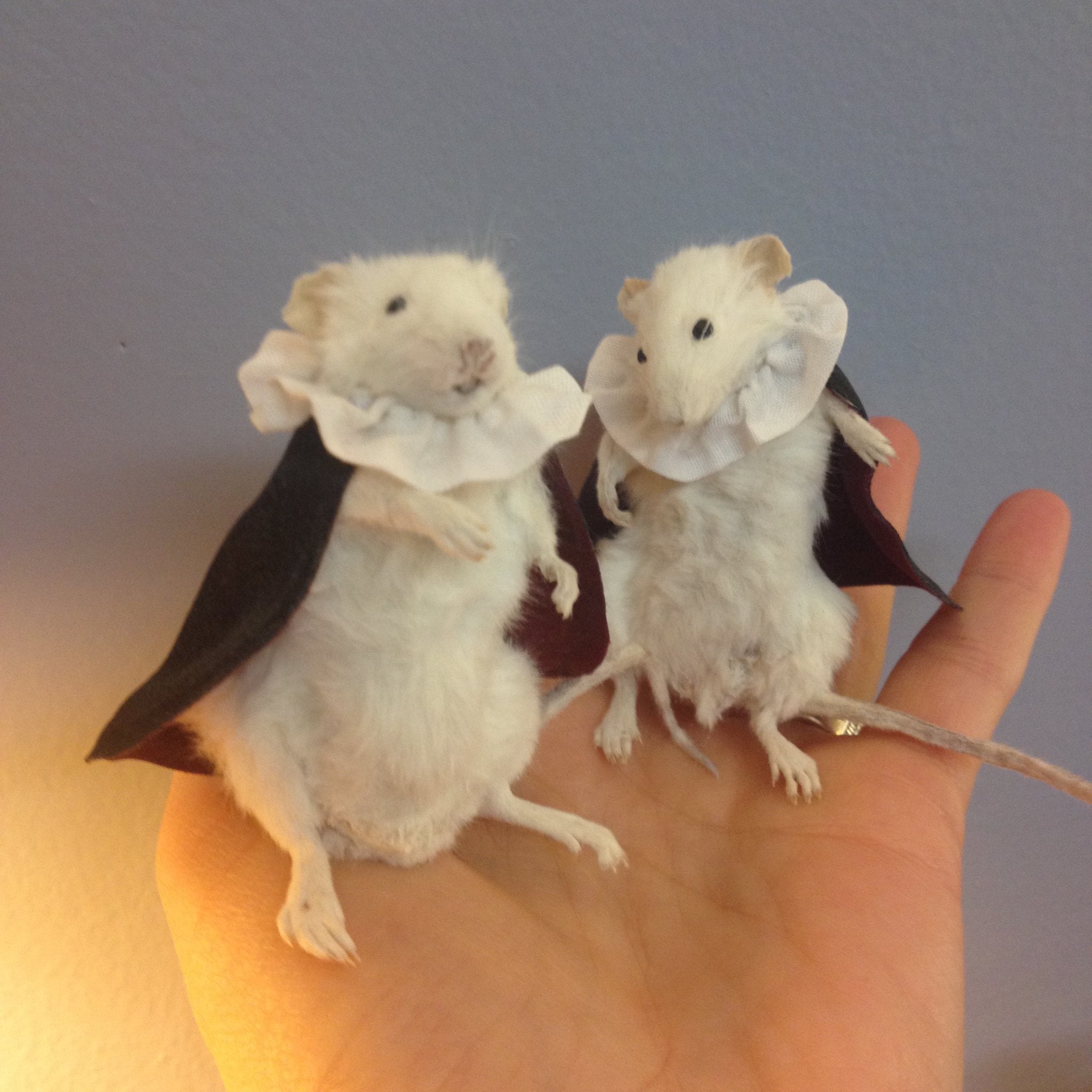
Enthusiasts of the Victorian era created scenes that ranged from charming to downright unsettling by posing preserved animals in intricate human scenarios. Taxidermists such as Walter Potter and Hermann Ploucquet rose to fame with their elaborate dioramas of hedgehogs ice skating, rabbits going to school, and kittens dressed for weddings.
These weren’t straightforward exhibits; the animals had to be posed naturally while wearing exquisitely made miniature outfits that reflected Victorian style.
Pteridomania
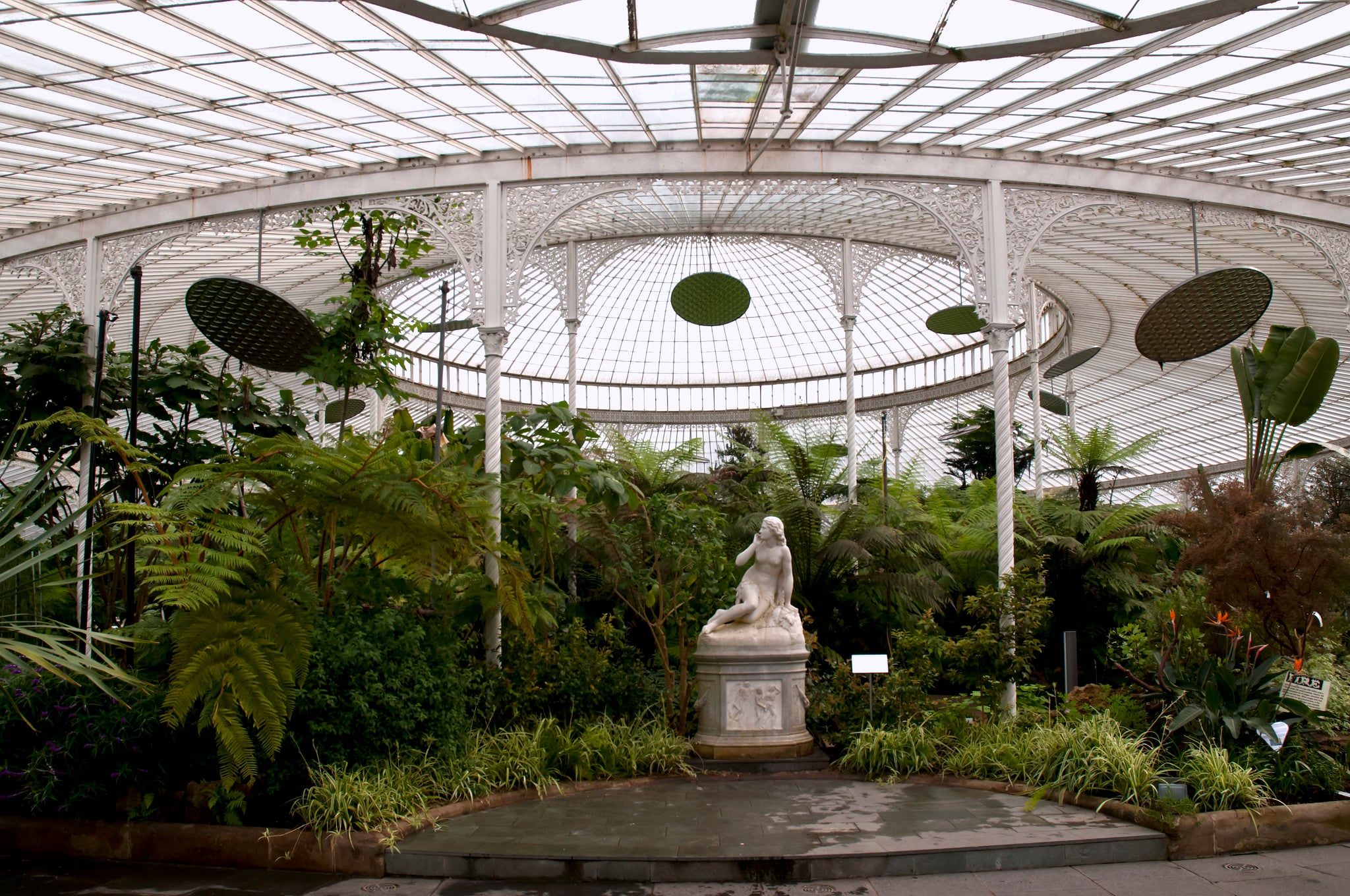
Victorian society was so affected by fern fever that a term for the obsession was created. This pastime was particularly popular among women because it provided them with a socially acceptable excuse to explore nature and go outside unattended.
The most ardent enthusiasts constructed whole greenhouse extensions onto their homes, and collectors showcased their valuable ferns in Wardian cases—glass terrariums that preserved the ideal humid environment.
Cemetery Picnics
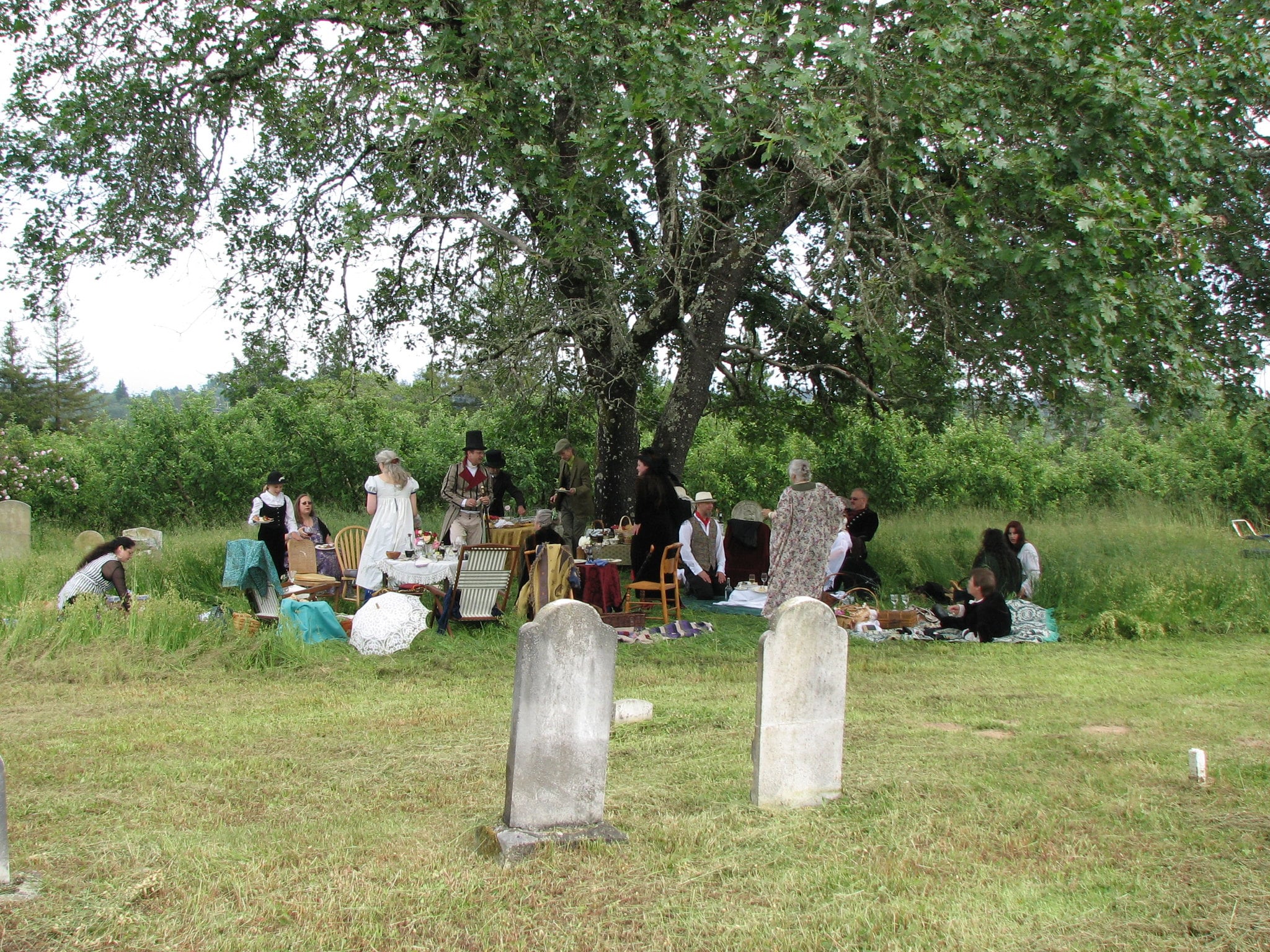
Before public parks became widespread in America, families packed lunches and spent leisurely afternoons among the tombstones of sprawling rural cemeteries. These burial grounds were deliberately designed to look like gardens rather than solemn graveyards, featuring landscaped lawns, winding paths, and peaceful scenery.
The practice became so popular that by the late 1800s, cemetery administrators had to create regulations prohibiting refreshments on the grounds because the crowds had gotten out of hand.
Hair Jewelry
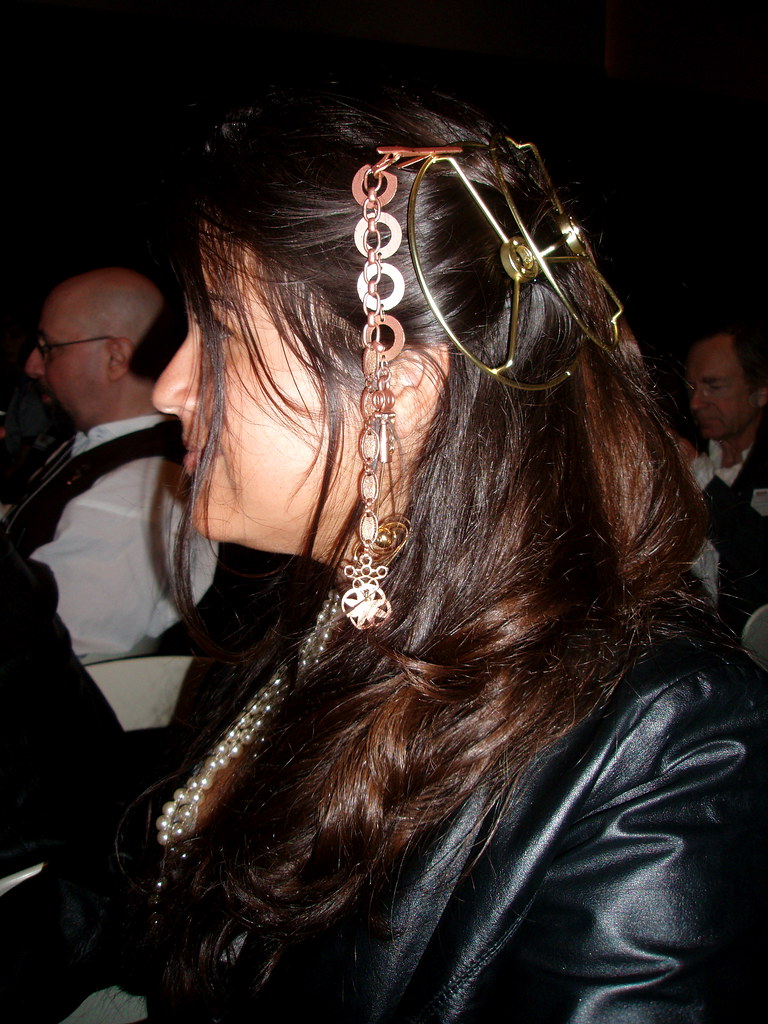
Victorians transformed locks of hair from deceased loved ones into intricate jewelry pieces, including brooches, earrings, and elaborate necklaces. This wasn’t just a mourning practice—friends would exchange hair as tokens of affection, and wives crafted practical items for their husbands.
Queen Victoria herself never remarried after Prince Albert died in 1861 and famously wore a necklace containing locks of his hair as a constant reminder of their bond.
Seaweed Scrapbooking
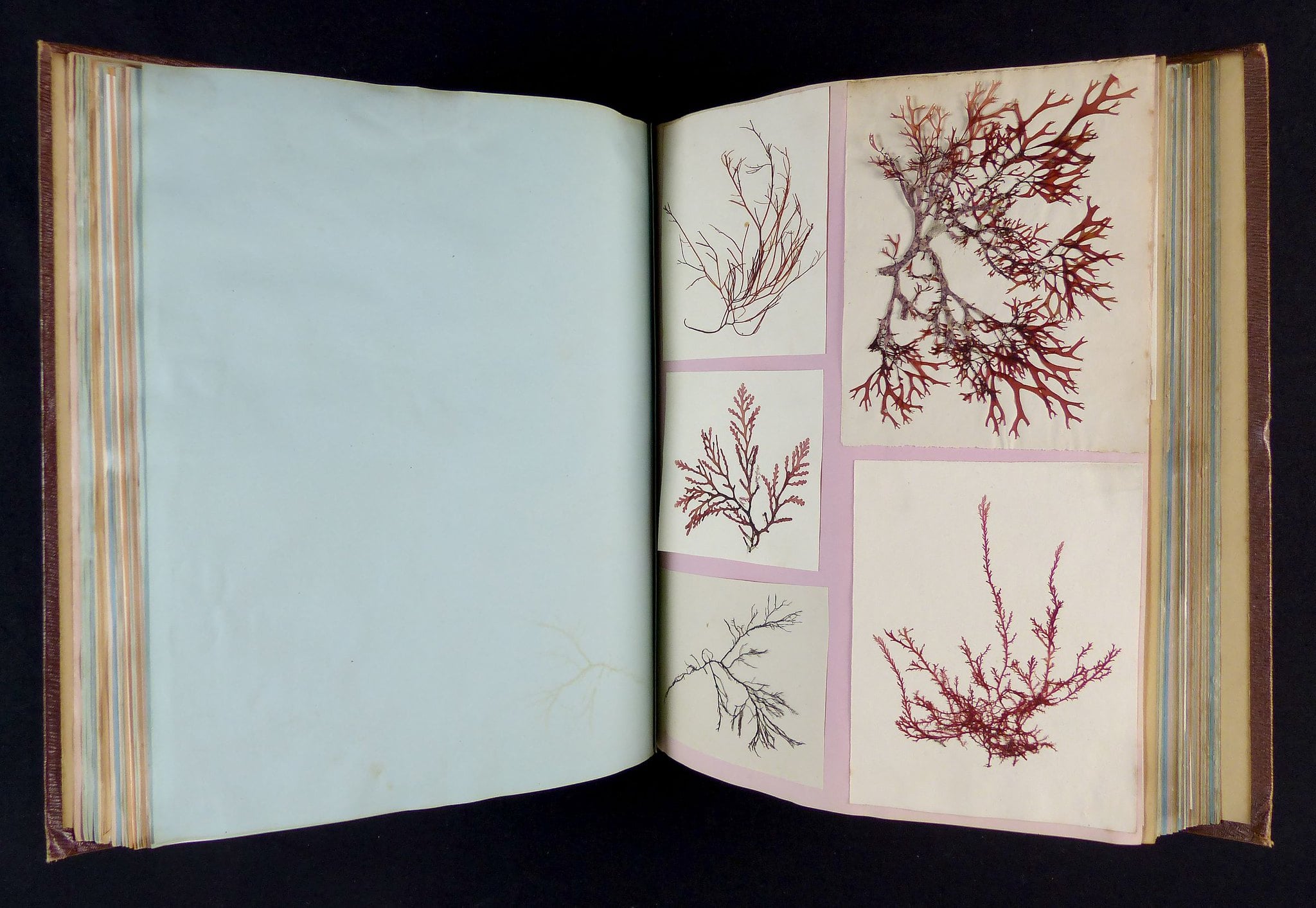
Victorian beachgoers collected seaweed and arranged the specimens artistically on paper, often embellishing their creations with doilies or lace. Despite using unconventional materials pulled from the ocean, these albums often turned out surprisingly elegant and beautiful.
Even Queen Victoria kept a seaweed scrapbook as a young girl, and the hobby became popular enough that publishers released guidebooks with detailed instructions on preserving these ‘ocean flowers.’
Cig Card Collecting
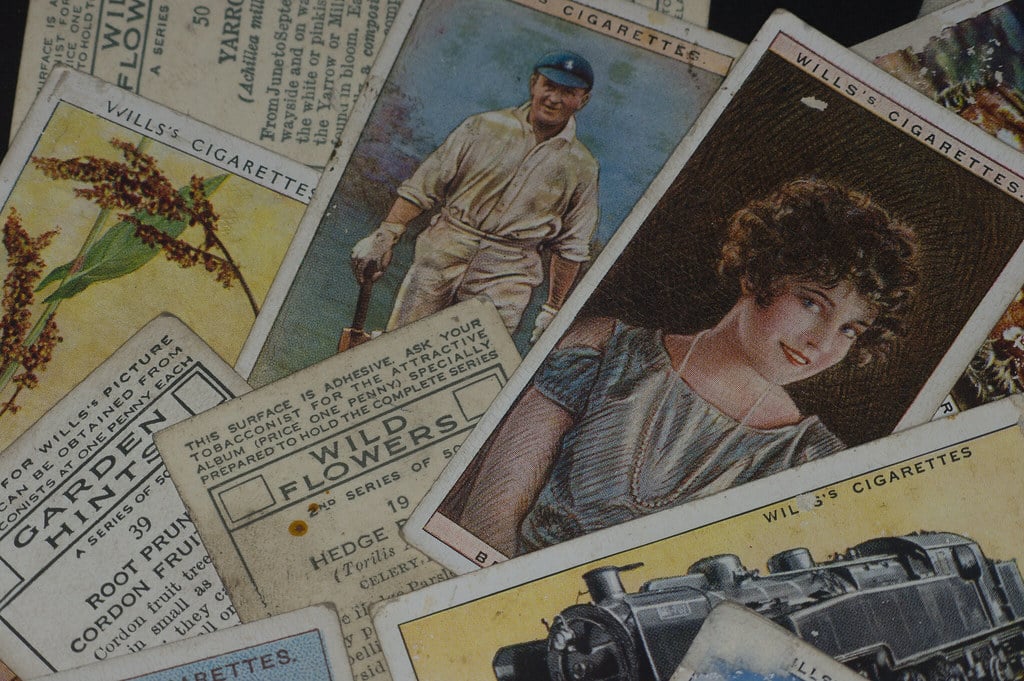
Small collectible cards tucked into cig packs became a nationwide obsession from the 1910s through the 1940s, featuring everything from exotic animals to famous athletes and historical events. Collectors eagerly traded cards to complete themed sets, and companies released new designs regularly to keep the public hooked.
The hobby reached such heights that specialized albums were sold to house complete collections, but health concerns about puffing and changing advertising regulations eventually killed off the practice entirely.
Shell Art
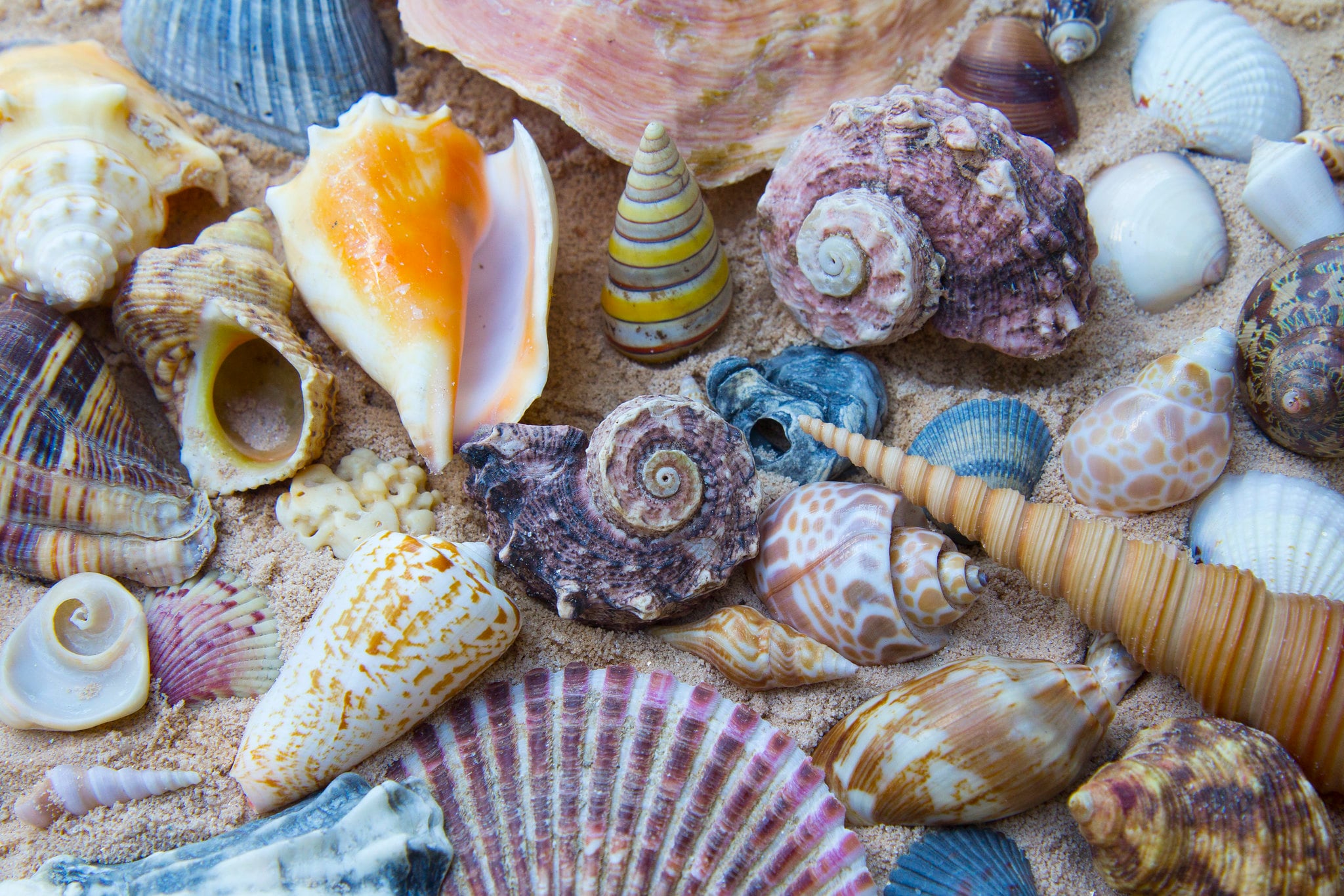
Victorian women turned seashells collected during seaside vacations into elaborate decorative pieces like picture frames, jewelry boxes, and even small furniture accents. Wealthy households displayed these creations as symbols of sophistication and refinement, while working-class families saw it as an affordable way to create beautiful keepsakes.
Magazines and how-to guides provided detailed instructions, encouraging women to incorporate their own unique designs into what became a showcase of both artistic skill and appreciation for nature.
Homemade Radio Building
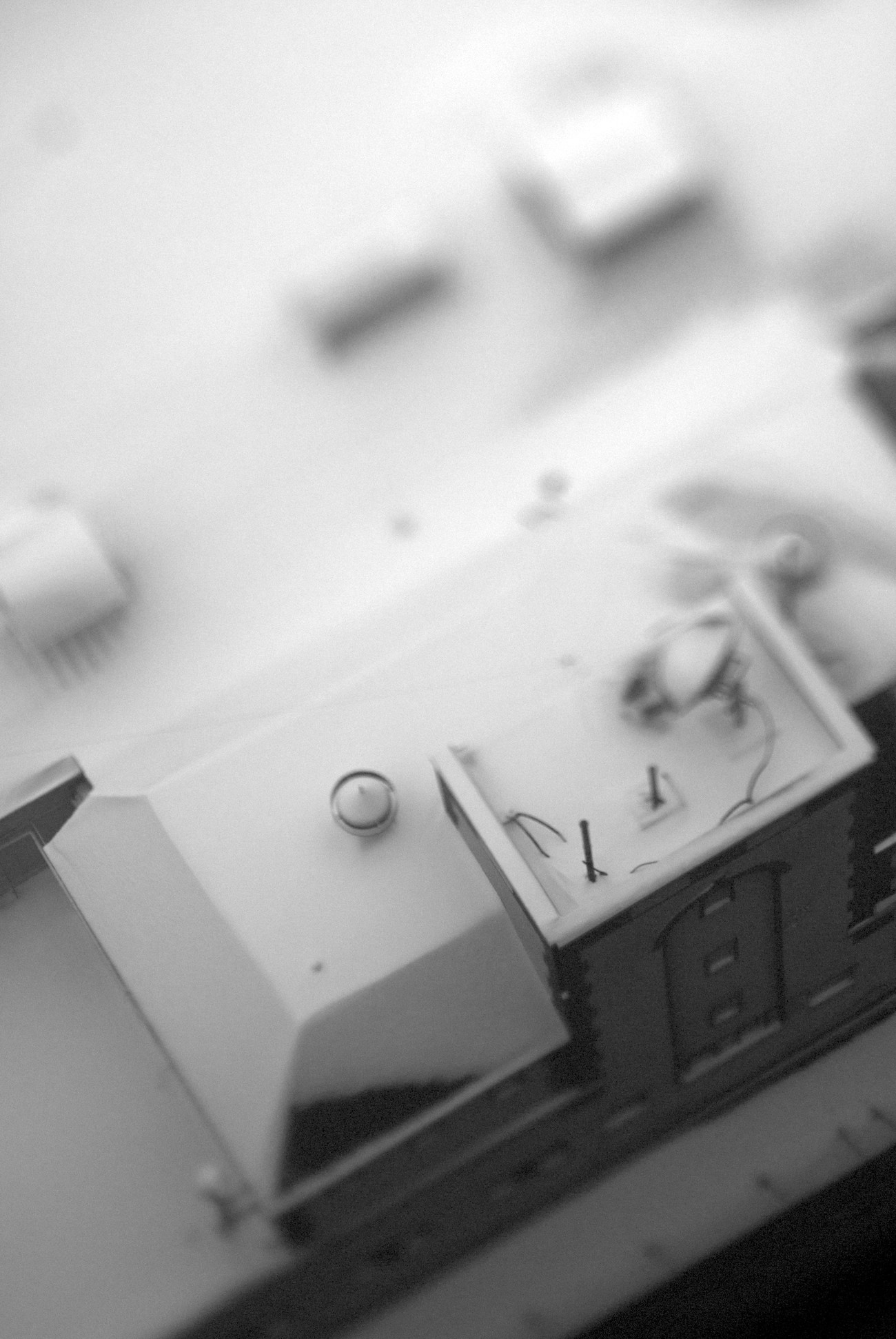
During the 1920s and 1930s, when radio technology still seemed like magic, enthusiasts built their own radio sets from kits or scavenged parts. Tinkering with different designs and antenna placements became an obsession for many families who would gather around homemade sets to listen to news, music, and entertainment.
This hands-on hobby taught people about electronics and broadcasting while connecting them to the wider world in ways that felt revolutionary for the time.
Soap Carving
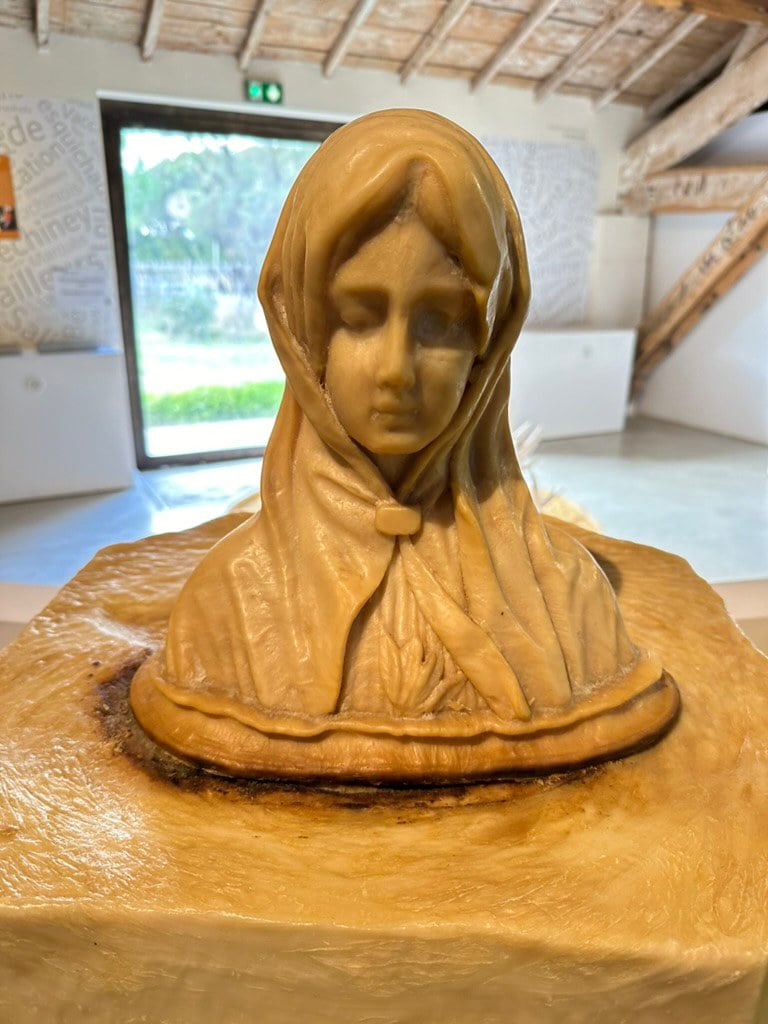
During the 1920s and 1930s, people transformed ordinary bars of soap into intricate sculptures using simple carving tools. Schools embraced soap carving as an educational activity to teach precision and patience, and it became especially popular during the Great Depression when families couldn’t afford expensive hobbies.
Newspapers regularly featured photos of soap carving champions alongside their delicate creations of flowers, animals, and detailed figurines that seemed almost too beautiful to use for washing.
Flagpole Sitting
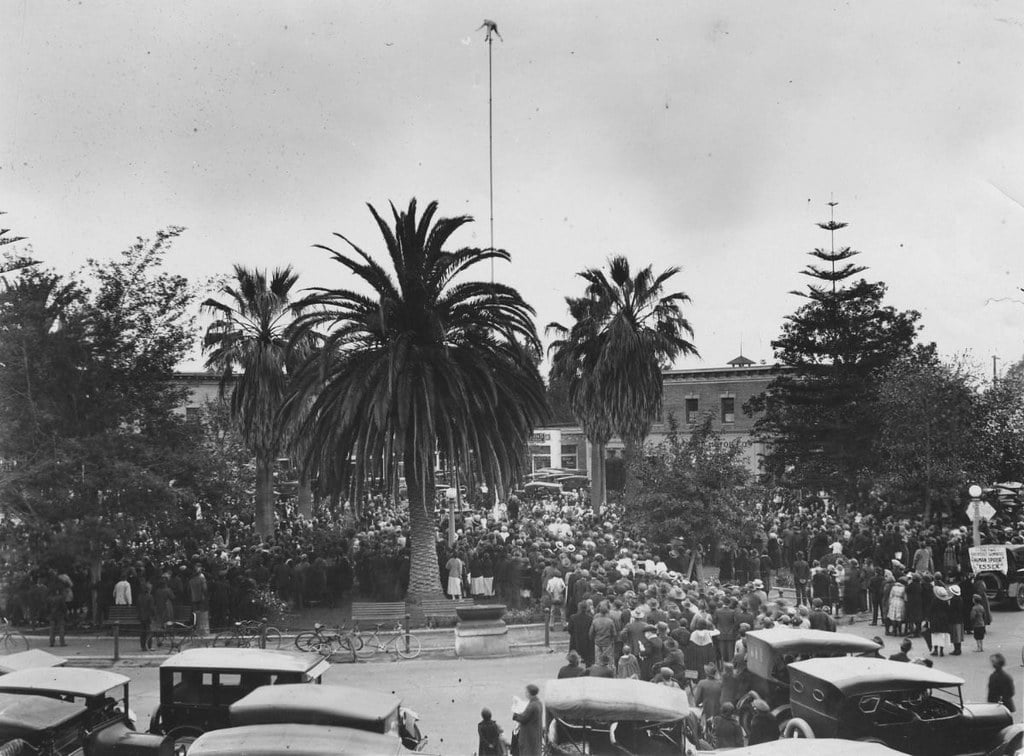
A colorful character named Alvin ‘Shipwreck’ Kelly kicked off this bizarre fad by perching atop flagpoles for extended periods, sometimes enduring sub-freezing temperatures and rain for days or weeks at a time. Imitators across America followed suit throughout the 1920s and 1930s, turning flagpole sitting into spectator events with admission fees and endorsement deals.
Kelly calculated he spent over 20,000 hours atop flagpoles during his career, but the hobby faded fast after the 1929 stock market crash when people had bigger concerns than watching someone sit on a pole.
Dance Marathons
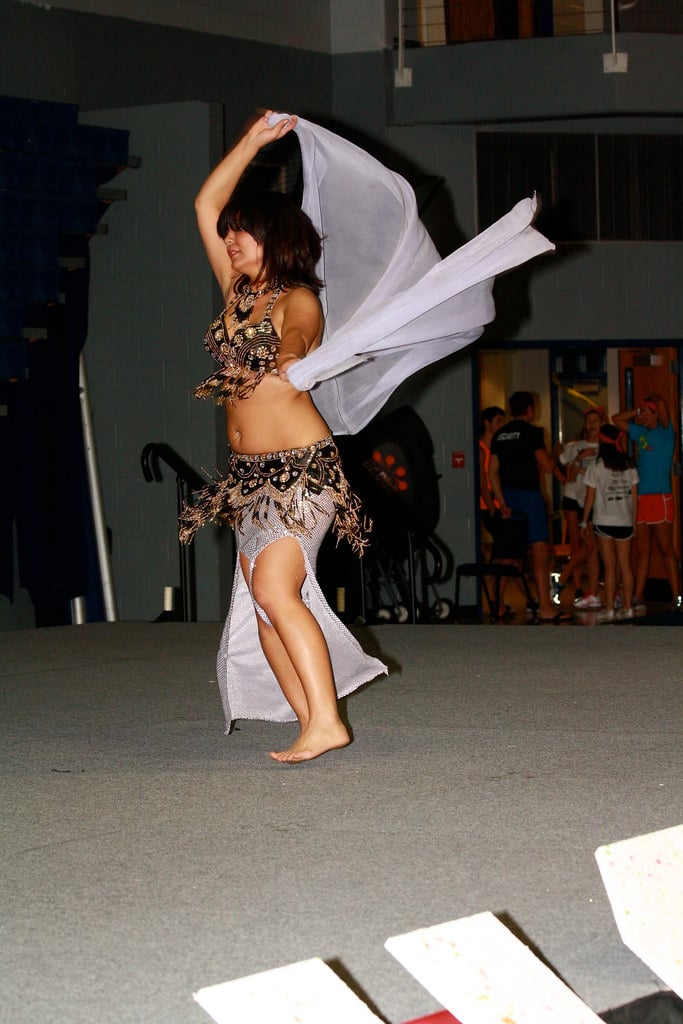
These grueling endurance contests saw couples dancing continuously for days or even weeks, competing for prize money while spectators paid to watch. What started as lighthearted fun in 1923 took on a darker tone during the Great Depression when desperate participants pushed their bodies to dangerous limits for cash.
The competitions eventually faced criticism for exploiting destitute dancers and exhibiting female bodies inappropriately, disappearing almost entirely by the end of World War II.
Letterboxing
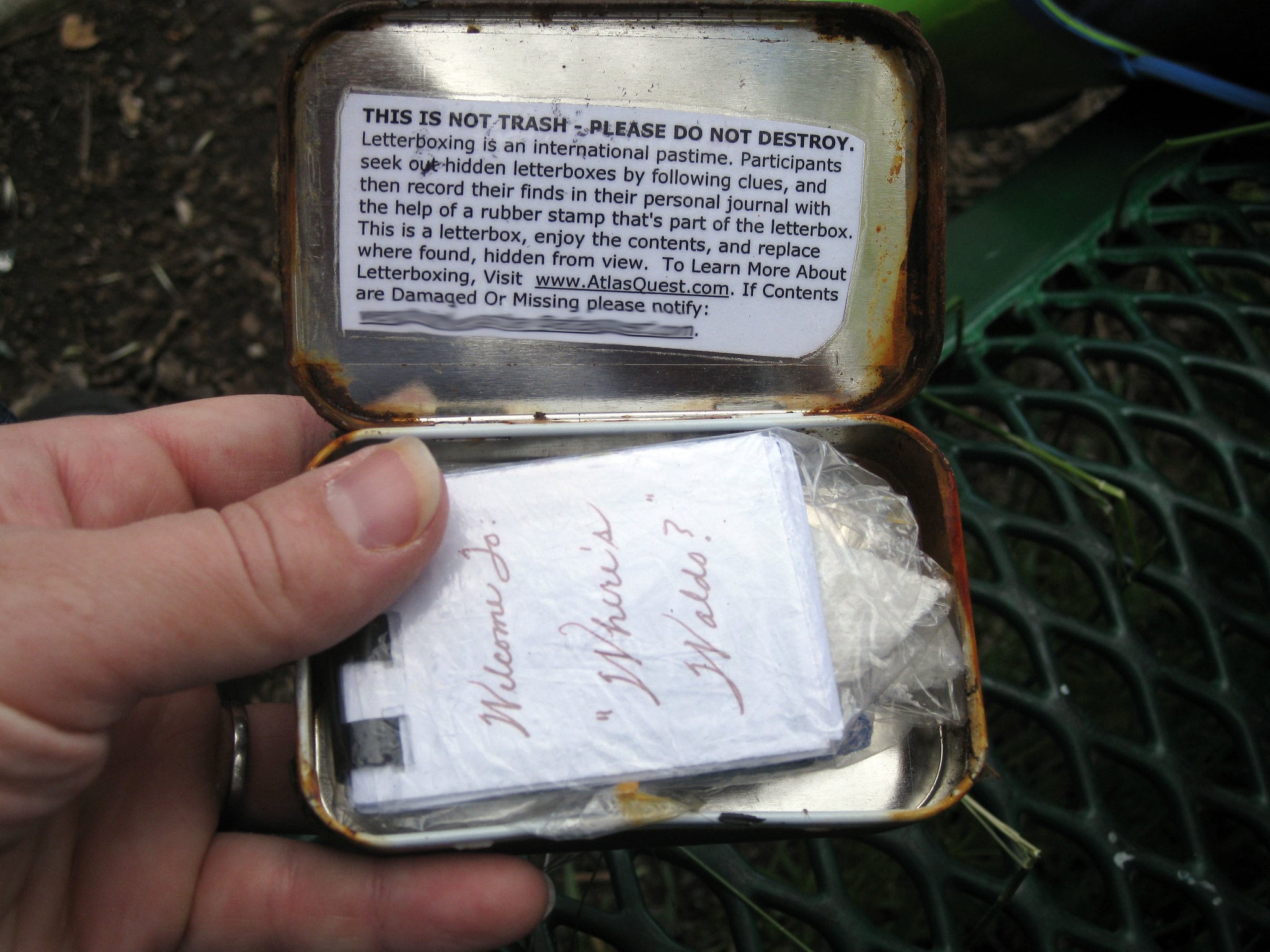
This treasure-hunting hobby originated in England during the mid-1800s and involved following written clues to find hidden containers with logbooks and hand-carved rubber stamps. Participants would stamp their personal journals with each unique stamp as proof of discovery, and enthusiasts crafted elaborate clues blending poetry, riddles, and maps.
While letterboxing still exists today, it’s been largely overshadowed by geocaching’s GPS technology, though a dedicated community continues preserving the tradition.
Model Building
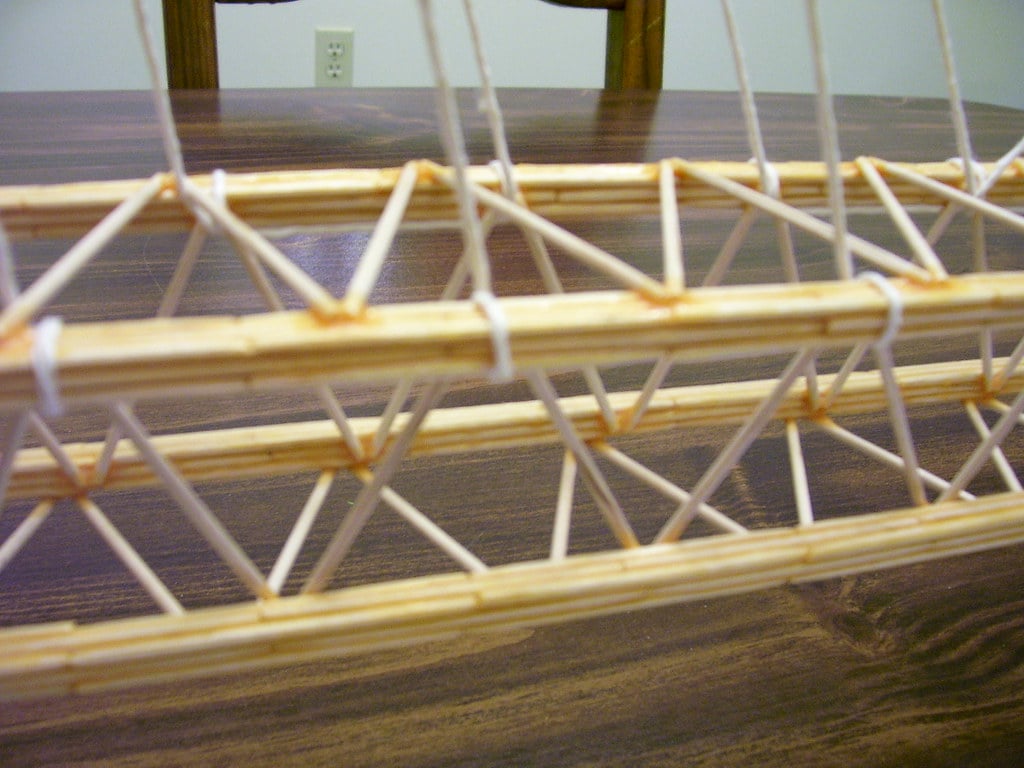
The 1950s saw an explosion in model plane, train, and boat building kits that fathers and sons assembled together in garages and workshops across suburban America. Sales of hobby goods hit an estimated $100 million by 1954, growing more than 10 percent annually as both children and adults fueled the boom.
Manufacturers found that grownups were just as obsessed with these kits as schoolboys, spending hours meticulously gluing together tiny pieces and painting intricate details.
Icebox Racing
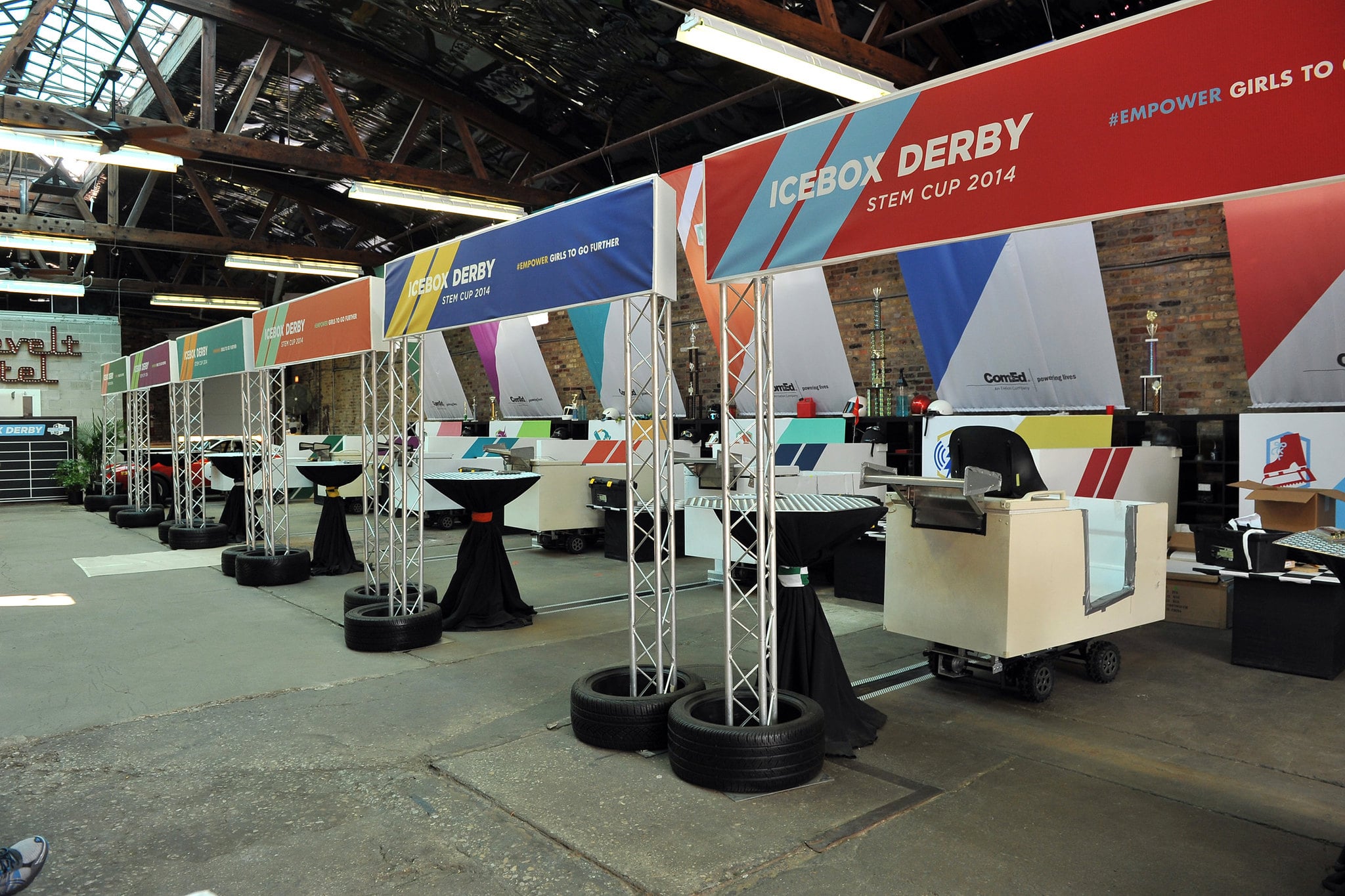
Small-town Americans in the 1950s and 1960s repurposed outdated wooden iceboxes into makeshift downhill carts and raced them on local hills. Contestants decorated their iceboxes with paint, flags, and embellishments while communities rallied around these lighthearted events with spectators and local business sponsors.
The grassroots pastime disappeared as modern refrigerators replaced iceboxes and soapbox racing became more professionalized, surviving only in the memories of those who participated.
Model Rocketry
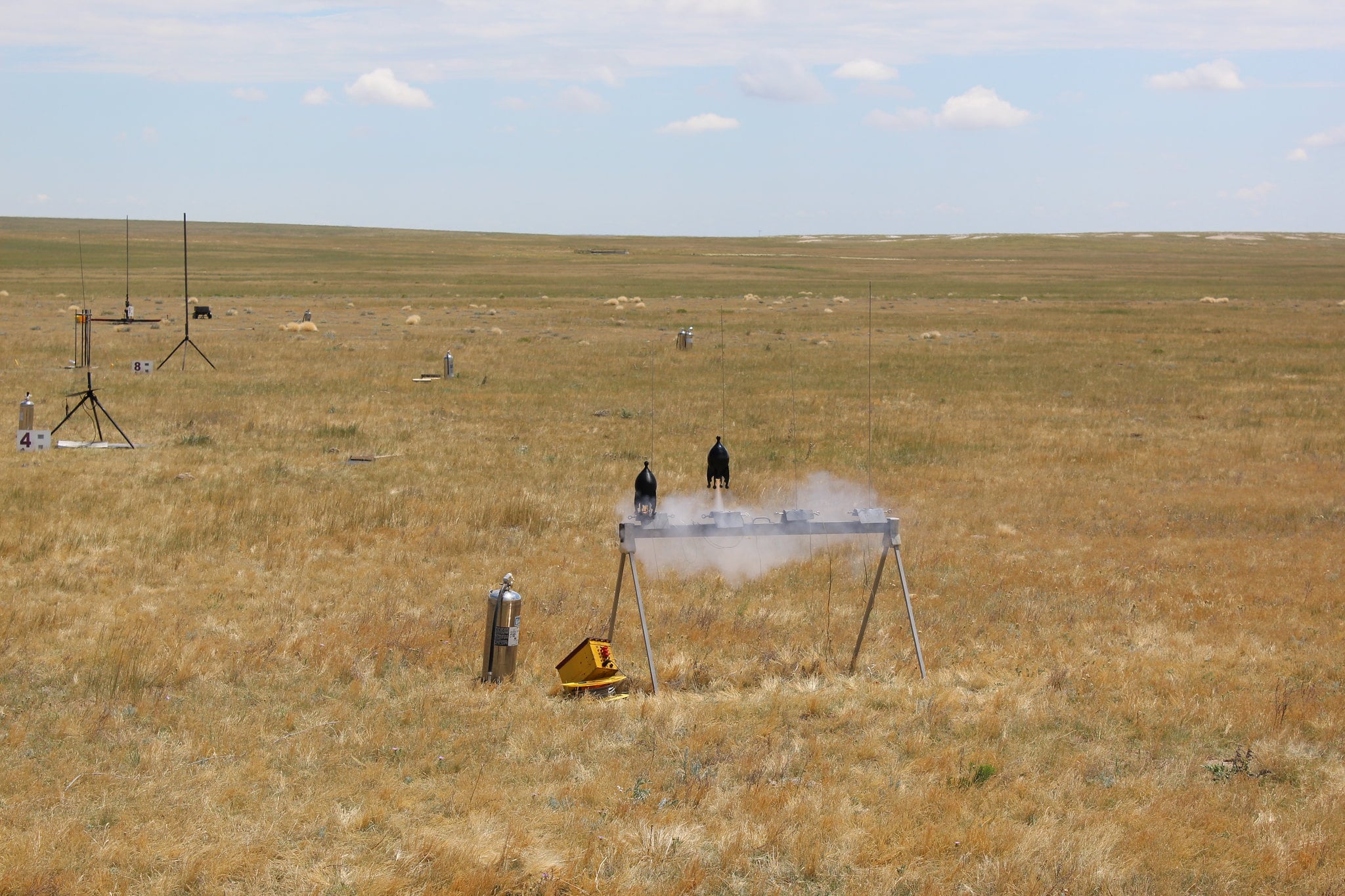
The space race of the 1960s sparked nationwide enthusiasm for building and launching model rockets that could soar hundreds or thousands of feet into the air. Hobbyists spent weekends assembling kits, painting their creations, and gathering in open fields to launch their rockets while clubs and competitions formed across America.
The hobby was both thrilling and educational, sparking interest in science and engineering among scientifically-minded youth who dreamed of following in NASA’s footsteps.
Sand Art
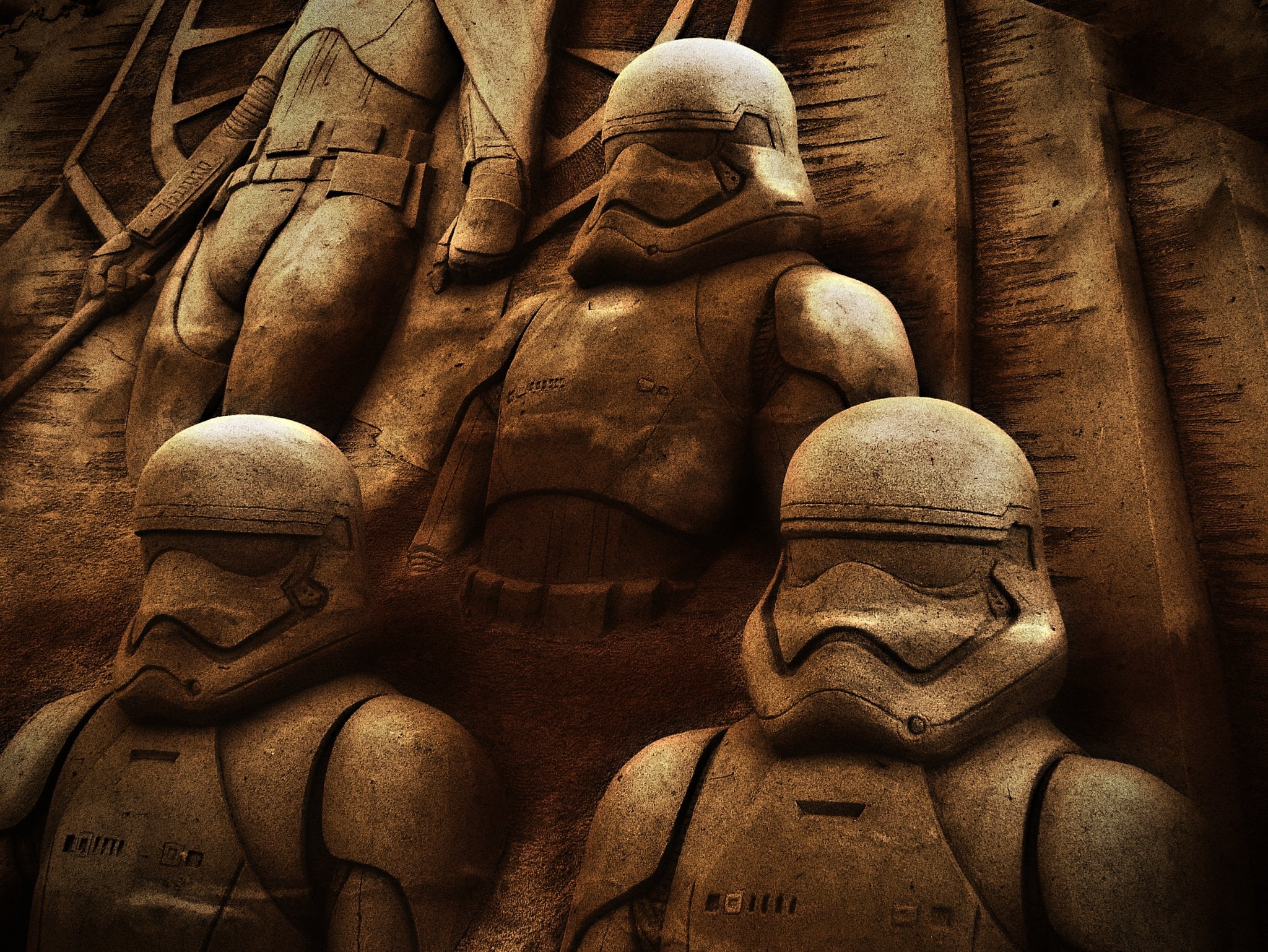
In order to create ornamental items for their homes, people in the 1960s layered colored sand into elaborate patterns inside glass containers. Without the need for pricey supplies or specialized knowledge, this accessible hobby allows people to express their creativity with colors, textures, and shapes.
While sand art can still be found in tourist shops and craft stores today, its widespread appeal from the time when millions of Americans were actively pouring and arranging sand into artistic designs never returned.
CB Radio

Millions of Americans installed Citizen’s Band radios in their cars during the 1970s, establishing a nationwide network of informal communication with vibrant nicknames and specialized slang. CB radios were used by drivers to alert one another to speed traps or just to avoid boredom on the highway.
The culture grew to such an extent that it influenced television series, films, and songs. Although most people no longer use CB radios due to the introduction of cell phones, truckers continue to use more recent models to stay connected during long trips.
When Hobbies Told Stories

These forgotten pastimes reveal how much our leisure time reflects the world around us, from Victorian society’s fascination with death and nature to the 1960s generation reaching for the stars. Each hobby emerged from the specific circumstances of its era—whether economic constraints, technological marvels, or cultural movements—and faded when those conditions changed.
What seems bizarre to us now once brought genuine joy and connection to millions of people. The hobbies we embrace today will likely puzzle future generations just as much as anthropomorphic taxidermy and flagpole sitting puzzle us now.
More from Go2Tutors!

- The Romanov Crown Jewels and Their Tragic Fate
- 13 Historical Mysteries That Science Still Can’t Solve
- Famous Hoaxes That Fooled the World for Years
- 15 Child Stars with Tragic Adult Lives
- 16 Famous Jewelry Pieces in History
Like Go2Tutors’s content? Follow us on MS