15 Failed Predictions That Still Sound Realistic
Throughout history, experts and visionaries have made bold claims about our future that seemed perfectly logical at the time. These forecasts were based on careful analysis, emerging trends, and what appeared to be solid evidence.
Many sounded so convincing that people built businesses, changed policies, or altered their lives based on these expert opinions.
Here is a list of 15 predictions that once seemed inevitable but never materialized, despite how reasonable they still sound to modern ears.
Paperless Offices

In the 1980s, technology experts confidently declared that offices would stop using paper by the early 2000s. Computers would replace the need for physical documents, and digital storage would make filing cabinets obsolete.
Decades later, the average office worker still uses about 10,000 sheets of paper annually. Our attachment to physical documents remains surprisingly persistent despite having more digital tools than those early predictors could have imagined.
Flying Cars
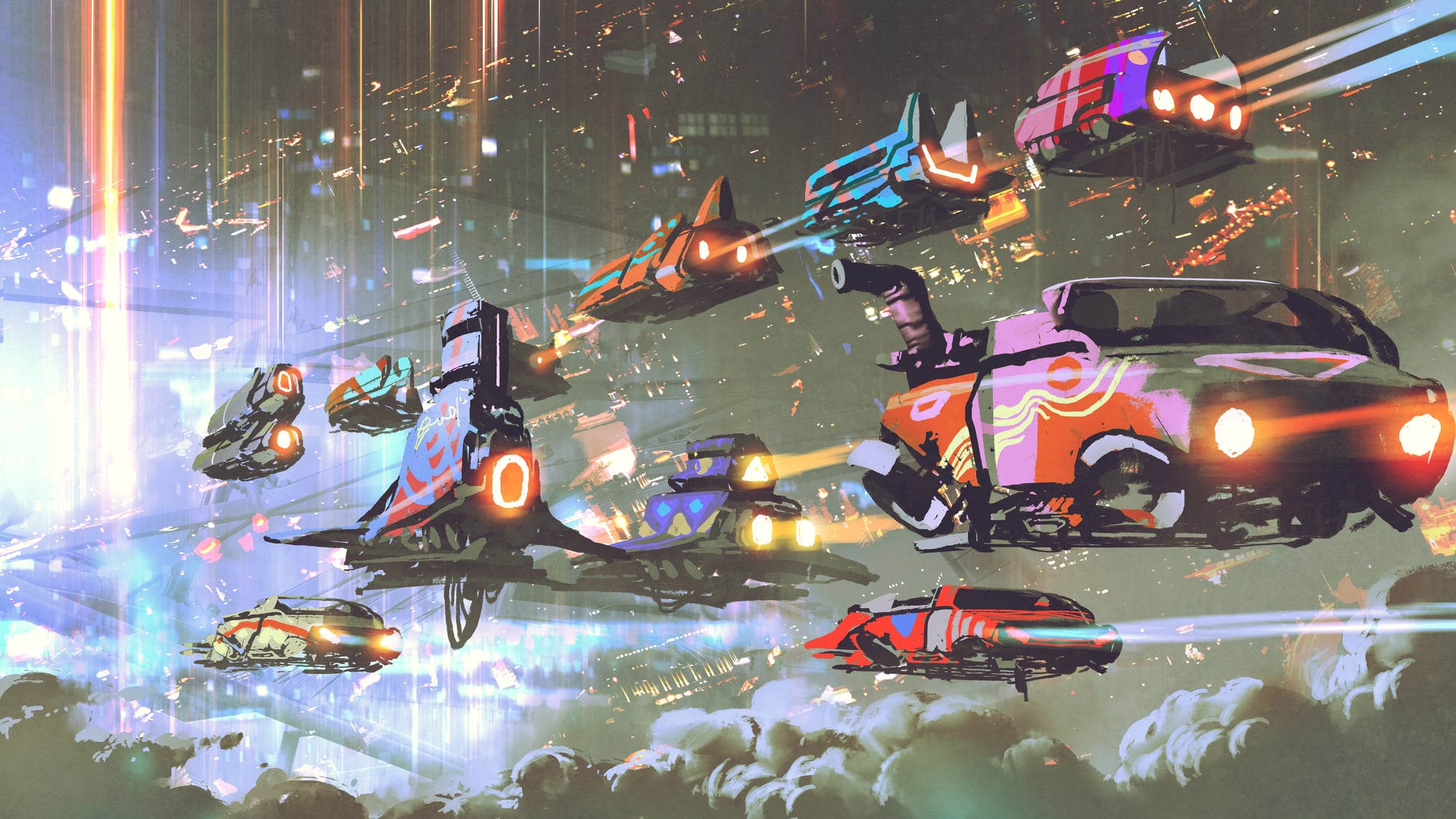
Since the 1950s, transportation specialists repeatedly assured us that personal flying vehicles would become common by the turn of the century. The concept makes perfect sense – why continue building expensive road infrastructure when the sky offers unlimited pathways?
The technical challenges proved far more complicated than anticipated. While prototypes exist today, the combination of air traffic control nightmares, energy requirements, and safety concerns keeps this seemingly logical prediction firmly grounded.
Like Go2Tutors’s content? Follow us on MSN.
Nuclear-Powered Homes

Mid-20th-century energy experts predicted that small nuclear reactors would power individual homes by the 1990s. The reasoning seemed sound – nuclear energy was clean, efficient, and could potentially provide nearly unlimited power at minimal cost.
The reality of radioactive waste management, security concerns, and the complex maintenance requirements quickly turned this prediction cold. The mini-reactors that once appeared in science magazines as household appliances never materialized beyond specialized industrial applications.
Four-Hour Workdays

In 1930, economist John Maynard Keynes famously predicted that technological advancement would lead to 15-hour workweeks by the end of the century. His logic tracked perfectly – increasing automation and productivity should reduce required human labor hours while maintaining output.
Instead, work expanded to fill available time, new industries emerged requiring human creativity, and consumer culture demanded ever-increasing income. The four-hour workday remains as elusive now as when Keynes first suggested it.
Moon Colonies
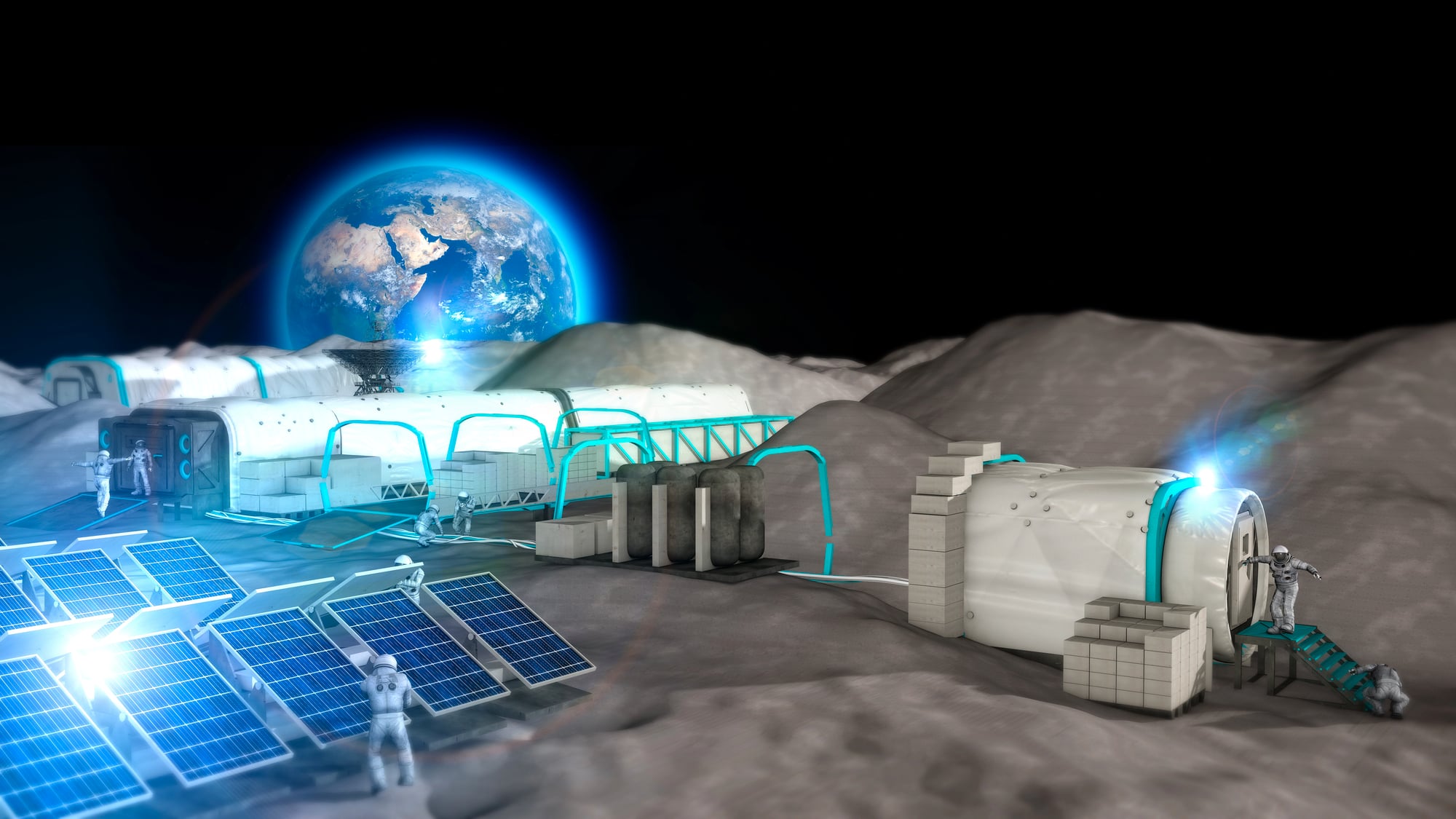
After the successful Apollo missions, NASA and space experts predicted permanent moon bases would exist by the 1990s. The reasoning seemed bulletproof – having proven we could reach the moon, establishing research stations and eventually colonies appeared to be the logical next step.
Budget constraints, shifting priorities, and the enormous practical challenges of sustaining human life in space indefinitely postponed these plans repeatedly. Today’s renewed interest in lunar bases shows the prediction wasn’t wrong, just premature by several decades.
Like Go2Tutors’s content? Follow us on MSN.
Video Phone Dominance

Bell Telephone showcased video calling at the 1964 World’s Fair, predicting it would replace voice calls entirely within 20 years. The logic was compelling – who wouldn’t prefer seeing the person they’re talking to?
The technology existed but human behavior didn’t align with expectations. People valued privacy, convenience, and the ability to multitask during calls. Even today, with video calling readily available, many people still prefer audio-only communication for routine conversations.
Underwater Living

Marine scientists in the 1960s predicted that significant human populations would live in underwater habitats by 2020. The oceans cover most of Earth’s surface and contain untapped resources, making submarine settlements seem like a rational frontier for expansion.
The practical challenges of pressure, isolation, and maintenance made large-scale underwater living impractical. Despite continued interest in ocean exploration, permanent underwater communities remain limited to research stations and the occasional extreme tourism opportunity.
Universal Translation Devices

Linguists and computer scientists of the 1990s confidently predicted that perfect, universal translation devices would eliminate language barriers by 2020. The reasoning was sound – with increasing computational power and growing linguistic databases, algorithms should eventually master all language patterns.
While translation technology has improved dramatically, the nuances of idioms, cultural contexts, and newly evolving slang continue to challenge even the most sophisticated systems. Human translators remain essential for sensitive communications despite impressive technological advances.
Like Go2Tutors’s content? Follow us on MSN.
Weather Control

Meteorologists in the mid-20th century predicted humans would control local weather conditions by the early 2000s. Early experiments with cloud seeding and atmospheric modification showed promising results that suggested full weather management was just decades away.
The atmosphere proved far more complex than anticipated, with chaotic systems that resist precise manipulation. Modern climate science now focuses more on understanding and adapting to weather patterns rather than controlling them outright.
Robot Housekeepers
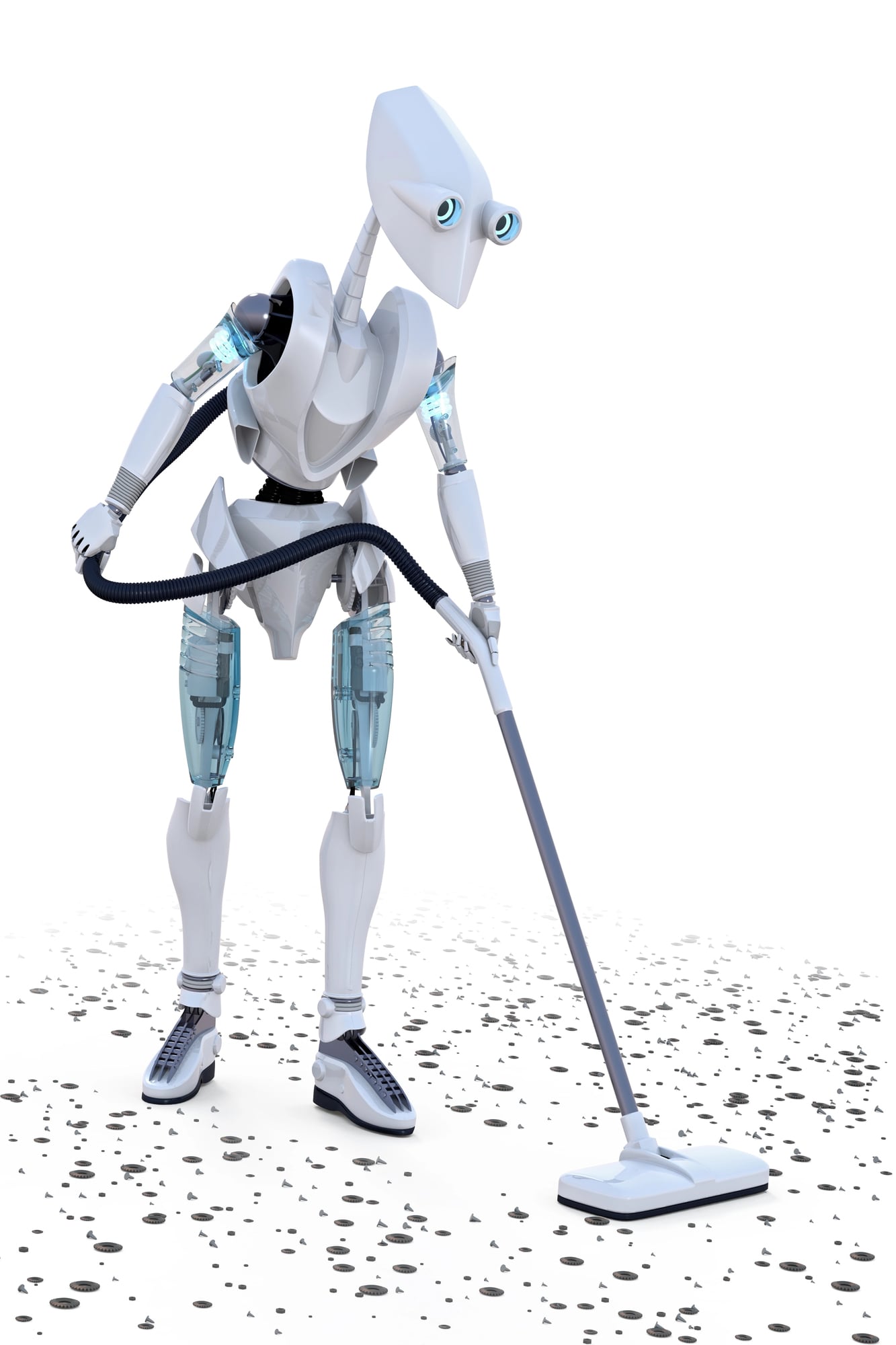
Robotics experts of the 1980s assured us that household robots would handle all domestic chores by 2010. The progression seemed logical – from simple vacuum cleaners to increasingly sophisticated helpers that would eventually manage cooking, cleaning, and home maintenance.
While specialized devices like robot vacuums have become common, the general-purpose household robot remains elusive. The complex dexterity, judgment, and adaptability required for varied household tasks present engineering challenges that continue to exceed expectations.
End of Physical Money

Financial experts have repeatedly predicted the complete disappearance of cash since the 1970s. The reasoning seemed irrefutable – electronic transactions are more efficient, trackable, and convenient than physical currency.
Yet cash persists worldwide for reasons ranging from privacy concerns to inclusivity for unbanked populations. Even in highly digitized societies, physical currency continues to play an important role during emergencies, in rural areas, and for small everyday transactions.
Like Go2Tutors’s content? Follow us on MSN.
Virtual Reality Education

Education futurists of the 1990s predicted that virtual reality would replace traditional classrooms by 2020. Students would attend immersive digital environments from home, making physical schools obsolete.
The technology developed roughly as expected, but the social aspects of education proved more valuable than anticipated. Even during periods of remote learning, the benefits of in-person interaction remained apparent. VR supplements rather than replaces traditional education, despite the logical appeal of the original prediction.
Meal Pills

Nutritional scientists in the mid-20th century predicted that by the 2000s, traditional meals would be replaced by nutritionally complete pills or capsules. This efficiency would save preparation time and eliminate food waste.
What these experts failed to account for was the cultural and sensory importance of food. While meal replacement products exist, they serve specific niches rather than replacing the fundamental human experience of eating. The pleasure of taste, texture, and shared meals proved too important to sacrifice for efficiency.
Extinct Insects

Entomologists in the 1970s predicted that widespread pesticide use would eliminate most insect species by the early 21st century. The reasoning followed observable declines in certain populations and seemed scientifically sound.
While insect populations have indeed decreased in many regions, these creatures proved remarkably resilient and adaptive. Many species developed resistance to chemicals or found new ecological niches. The complex web of insect life continues to endure despite facing unprecedented pressures.
Like Go2Tutors’s content? Follow us on MSN.
Death of Radio

Media experts proclaimed radio’s imminent demise first when television emerged, then again when the internet arrived. The logic seemed clear – newer media forms offered visual components and greater choice that audio-only broadcasts couldn’t match.
Yet radio adapted repeatedly, finding new formats and delivery methods. The audio-only medium offers unique advantages during commutes, workouts, and other activities where visual attention isn’t possible. Today’s podcasting boom represents just the latest evolution of a format that refuses to disappear.
Tomorrow’s Wisdom

These failed predictions remind us that even the most logical forecasts often miss crucial human and systemic factors that shape our world. Technological capability alone doesn’t determine adoption, and apparent trends can shift unexpectedly when they encounter real-world complexity.
Perhaps the most realistic prediction is that we’ll continue to make perfectly reasonable forecasts about the future that will seem amusingly off-target to generations yet to come.
More from Go2Tutors!

- 18 Unexpectedly Valuable Collectibles You Might Have Lying Around
- 20 Little-Known Historical Battles That Had Huge Consequences
- 20 Historical Artifacts That Scientists Can’t Explain
- 15 Inventions That Were Immediately Banned After Being Created
- 20 Actors Who Were Almost Cast in Iconic Roles
Like Go2Tutors’s content? Follow us on MSN.



