15 Food Trends That Were Huge for a Period and Then Disappeared Forever
Remember when everyone was obsessed with certain foods that now seem like distant memories? The culinary world moves fast, with trendy ingredients and dishes capturing our collective attention before fading into obscurity. These food crazes once dominated restaurant menus, cooking shows, and social media feeds, yet somehow vanished from the mainstream.
Here is a list of 15 food trends that once ruled the culinary landscape before disappearing almost completely from our plates and palates.
Fondue Parties
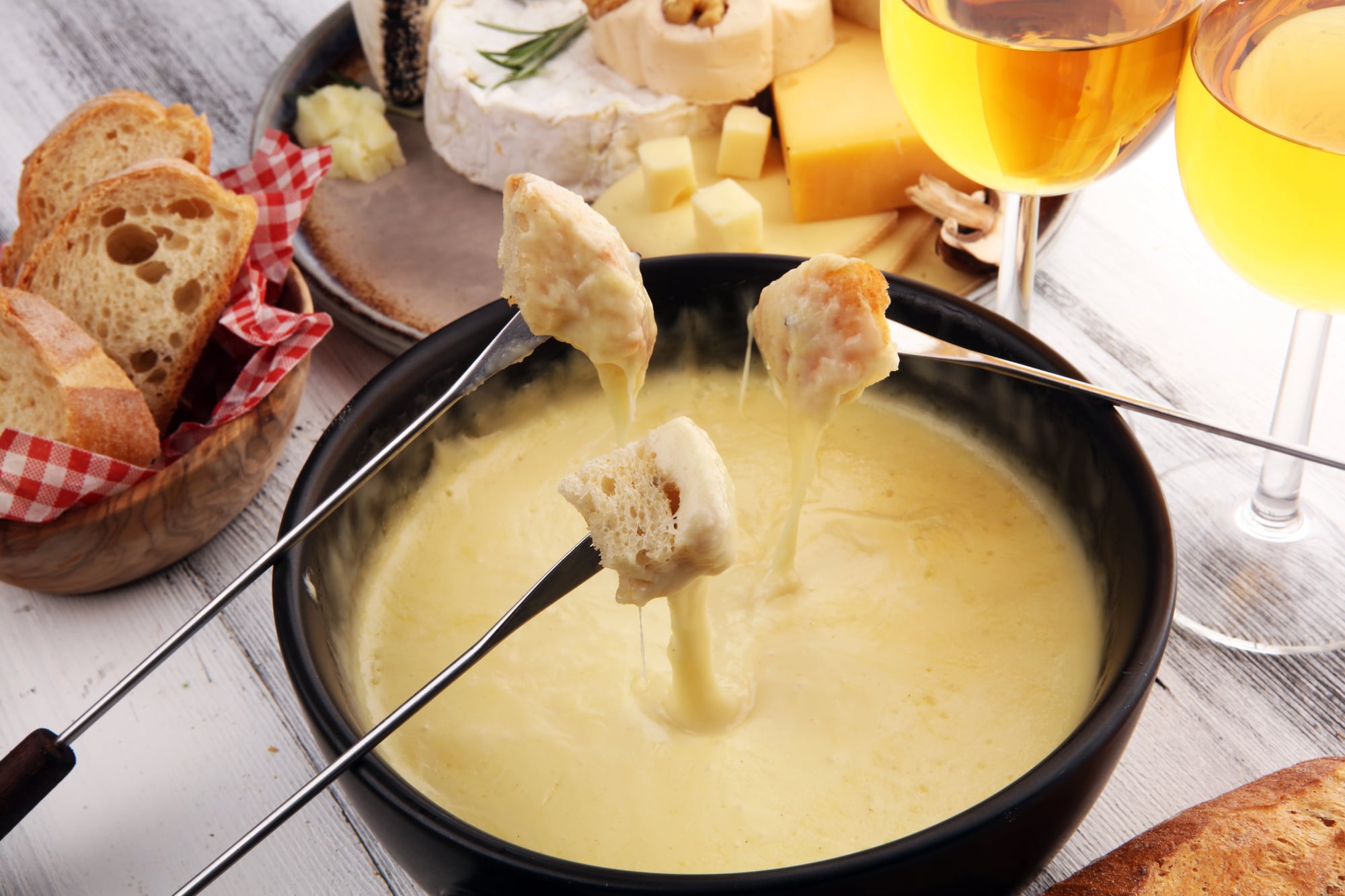
The 1970s wouldn’t have been complete without a fondue set in every home. These communal pots of melted cheese or chocolate where guests dipped bread cubes and fruit were the ultimate dinner party showstopper.
The social aspect made these events popular during an era when entertaining at home was reaching its peak. Despite brief revival attempts in the early 2000s, fondue parties have largely melted away from modern entertaining.
Sun-Dried Tomatoes in Everything
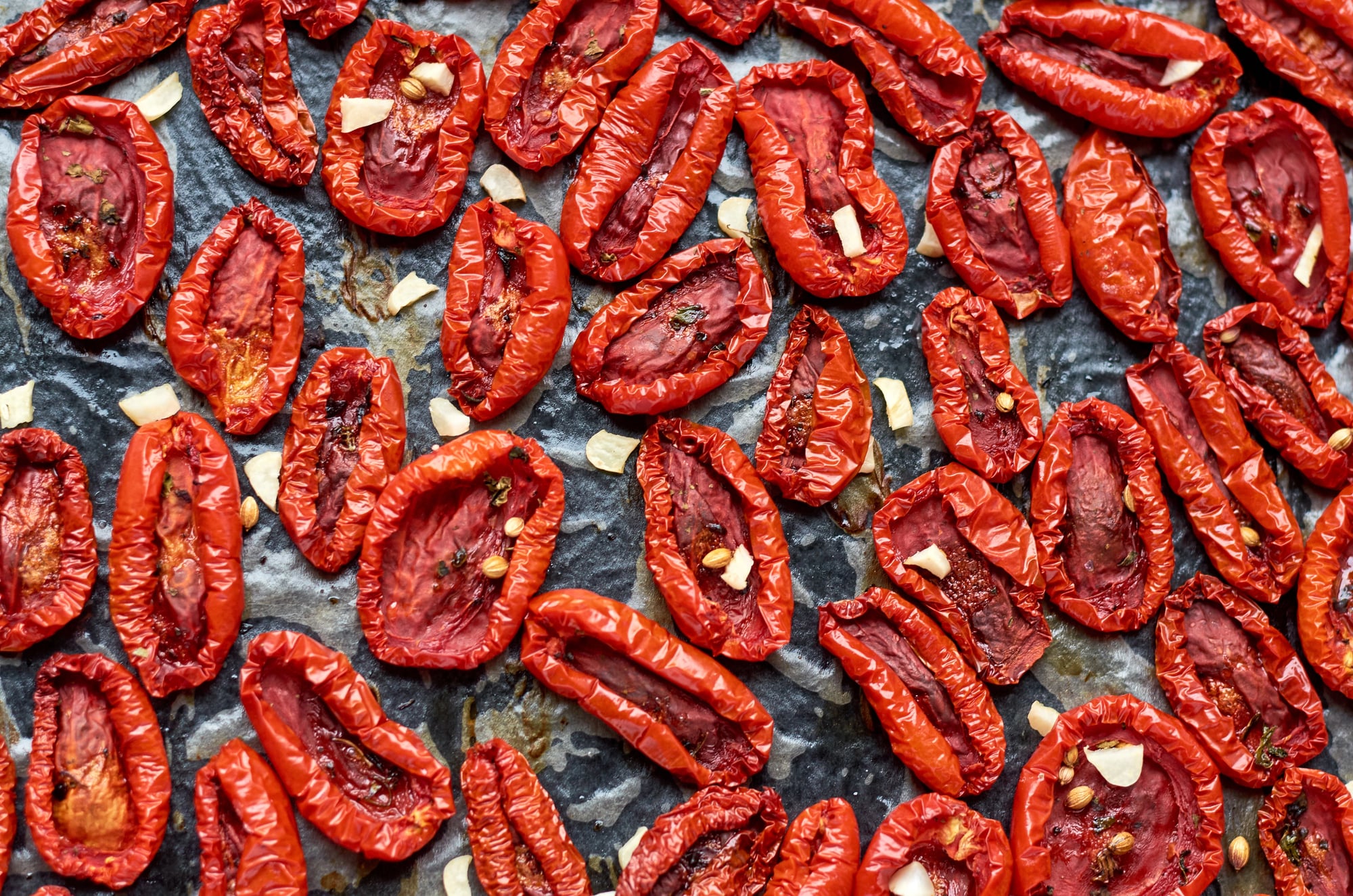
During the 1990s, sun-dried tomatoes conquered American cuisine with their intense, tangy flavor. Chefs tossed them into pasta, salads, and sandwiches, and even baked them into bread.
Their premium price tag made them a status ingredient that signaled culinary sophistication. By the early 2000s, sun-dried tomato fatigue had set in and they retreated to occasional use rather than starring in every dish on the menu.
Like Go2Tutors’s content? Follow us on MSN.
Jell-O Salads
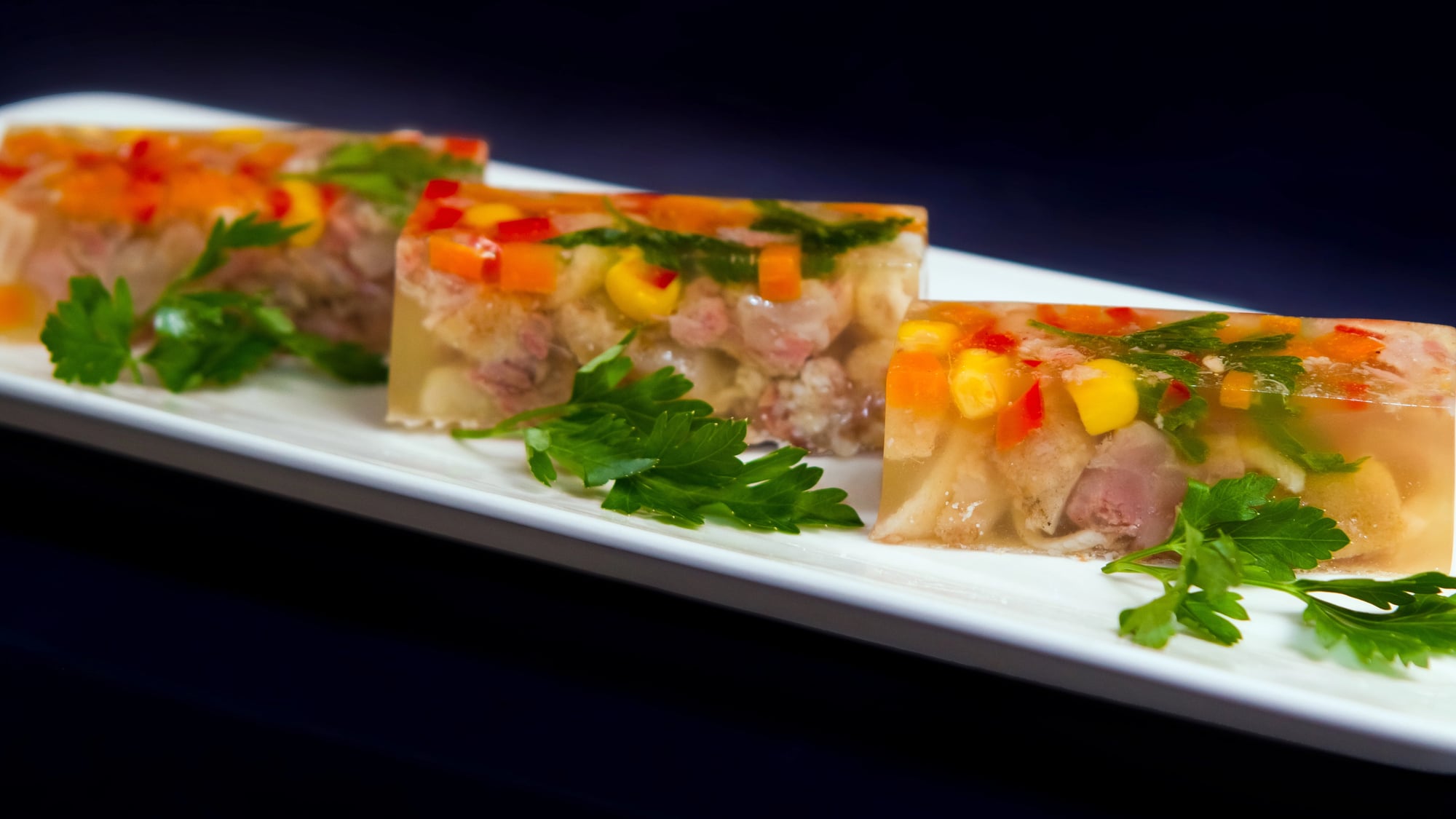
Mid-century America embraced gelatin-based dishes with remarkable enthusiasm. Savory Jell-O salads containing vegetables, fruits, and sometimes meat suspended in wobbly, colorful towers graced dinner tables nationwide.
These molded creations represented modern convenience and innovative homemaking during the post-war era. The appeal of seeing carrots and celery trapped in lime-flavored gelatin eventually lost its charm, and these jiggly concoctions disappeared from family gatherings.
Purple Ketchup
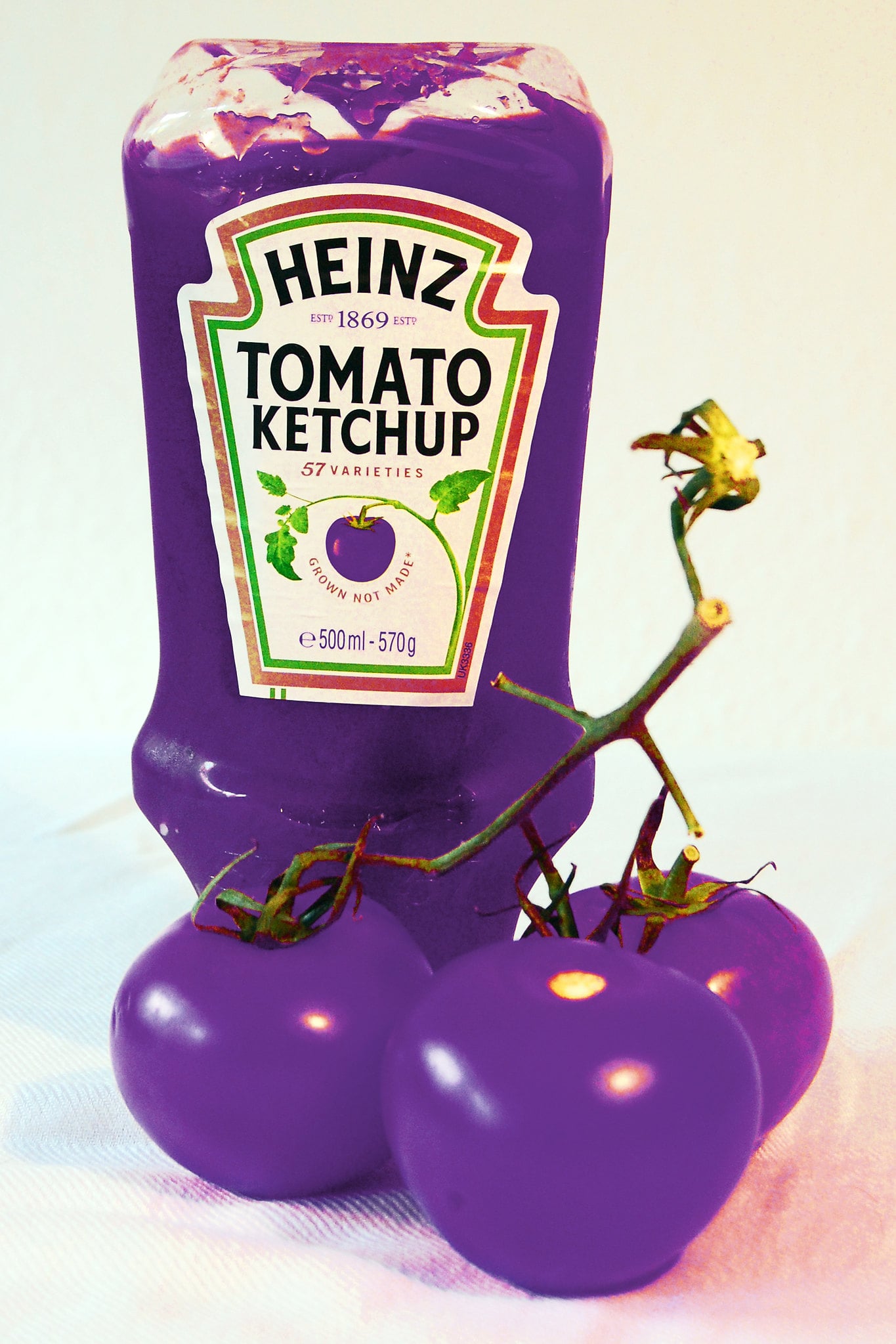
Heinz launched colorful ketchup varieties in the early 2000s, with purple, green, and blue versions delighting children and horrifying traditionalists. These vibrant condiments were marketed directly to kids who found standard red ketchup boring.
The novelty quickly wore off as parents and children realized that while food should be fun, some classics are best left unchanged.
Bacon-Flavored Everything
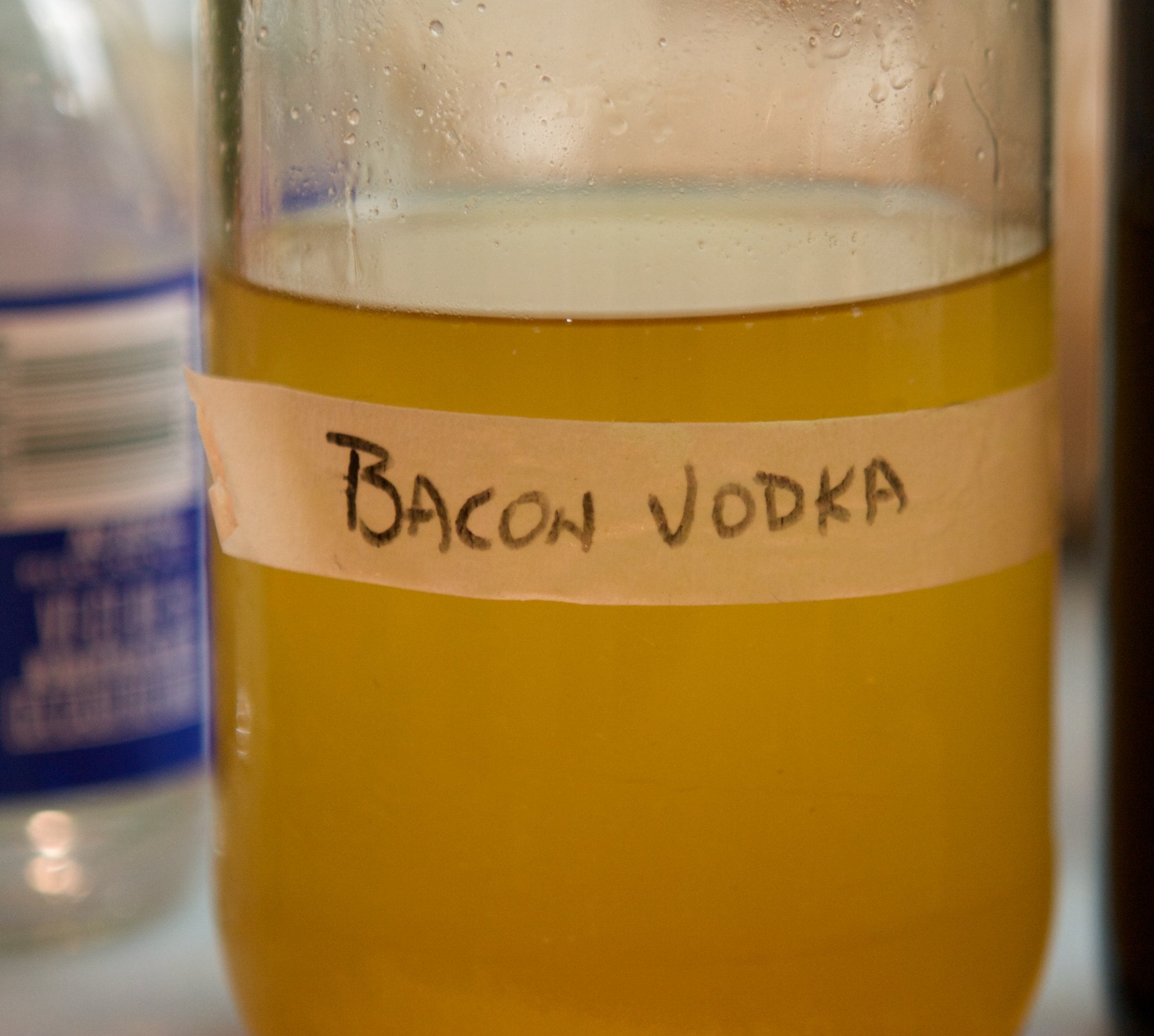
The bacon craze of the 2010s gave us bacon-flavored vodka, bacon jam, bacon chocolate, and even bacon-scented candles. This pork product transcended its breakfast role to become an overhyped ingredient that no food or beverage seemed safe from.
The market eventually reached peak bacon saturation, with consumers growing tired of finding its smoky flavor infused into desserts and drinks where it simply didn’t belong.
Like Go2Tutors’s content? Follow us on MSN.
Blackened Everything
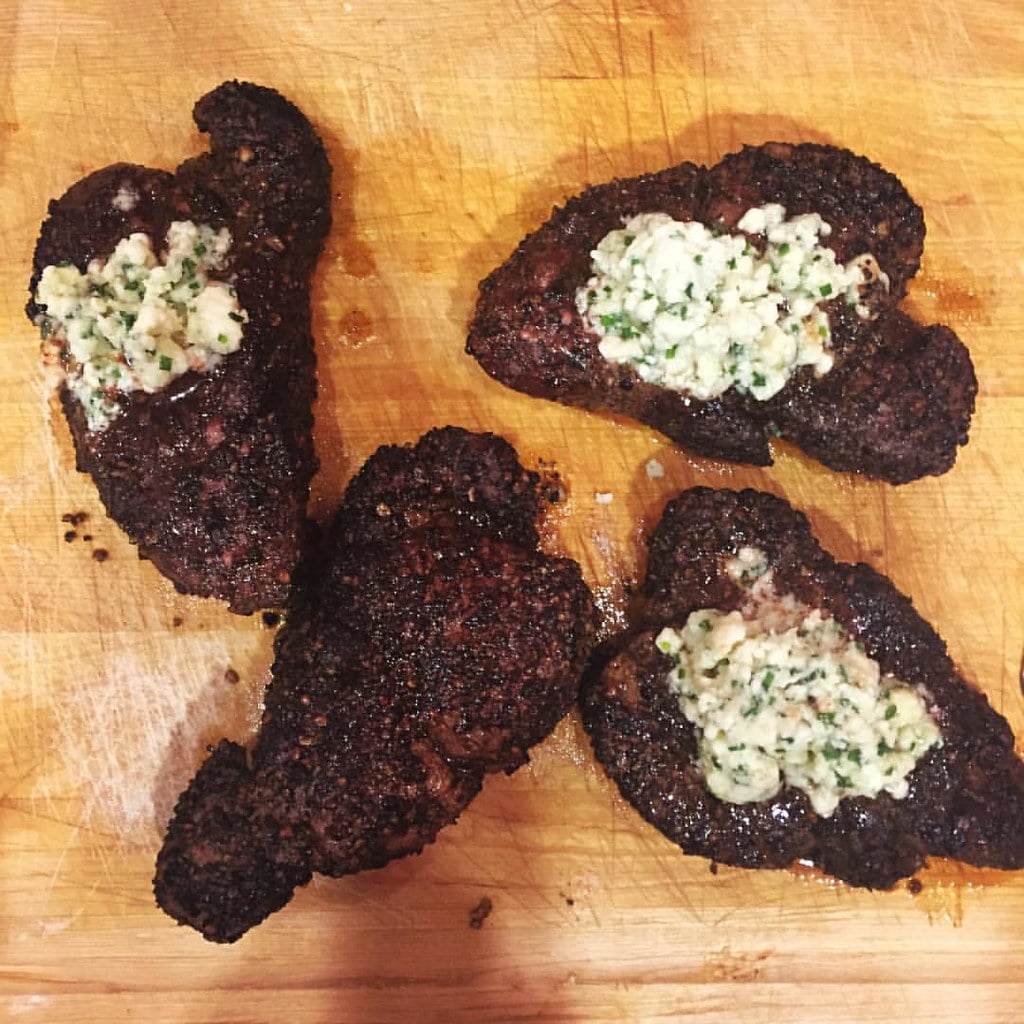
Paul Prudhomme popularized the blackening technique in the 1980s, leading to a nationwide obsession with heavily spiced, black-crusted fish and meat. Restaurants across America adopted this Cajun cooking method, often creating more smoke than flavor.
The technique remains respected within Cajun cuisine but has fallen from its pedestal as the must-have preparation method for every protein available.
Oat Bran Mania
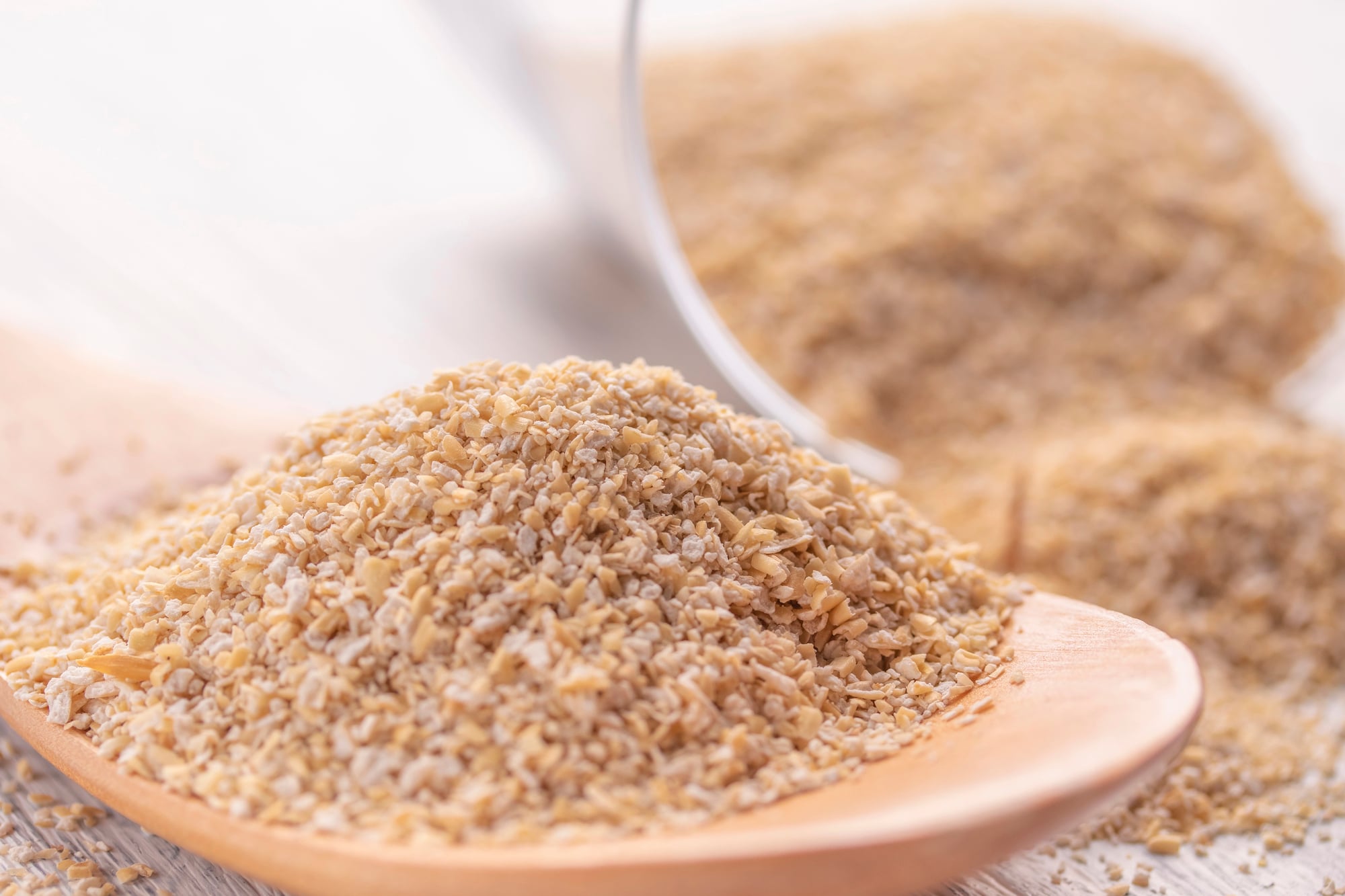
In the late 1980s, oat bran was touted as a miracle food that could dramatically lower cholesterol. Americans added it to everything from muffins to pasta and consumed it by the spoonful.
The market exploded with oat bran products promising heart health benefits. When subsequent research suggested its effects were more modest than initially claimed, the oat bran gold rush quickly subsided into more balanced whole-grain consumption patterns.
Nouvelle Cuisine
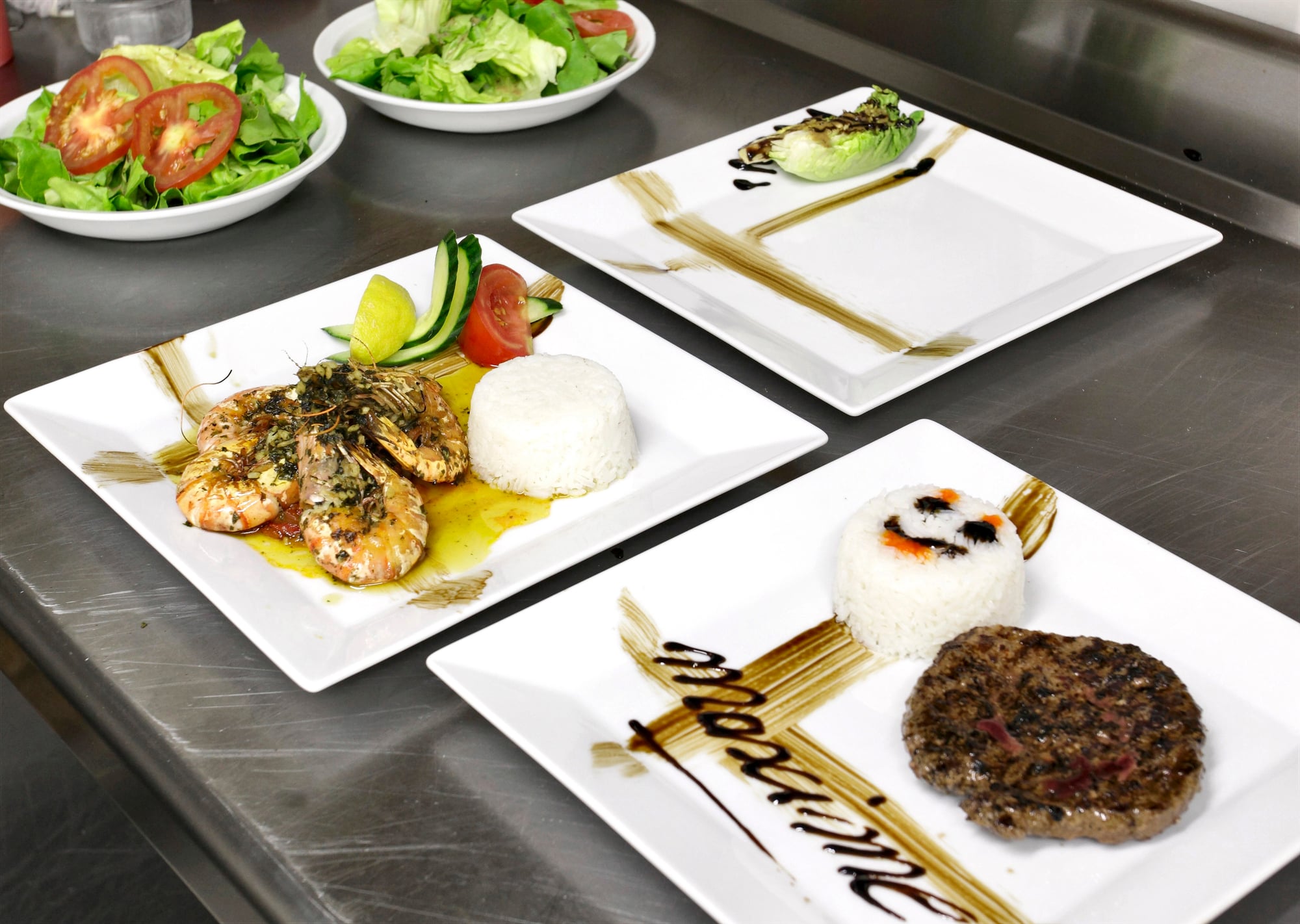
Tiny portions arranged artistically on enormous plates defined the French culinary movement of the 1970s and early 1980s. Chefs focused on presentation, lighter sauces, and shorter cooking times in rebellion against classical French techniques.
Diners eventually tired of paying premium prices for beautiful but insufficient portions and restaurants responded by finding a middle ground between artistry and satisfaction.
Like Go2Tutors’s content? Follow us on MSN.
Cake Pops
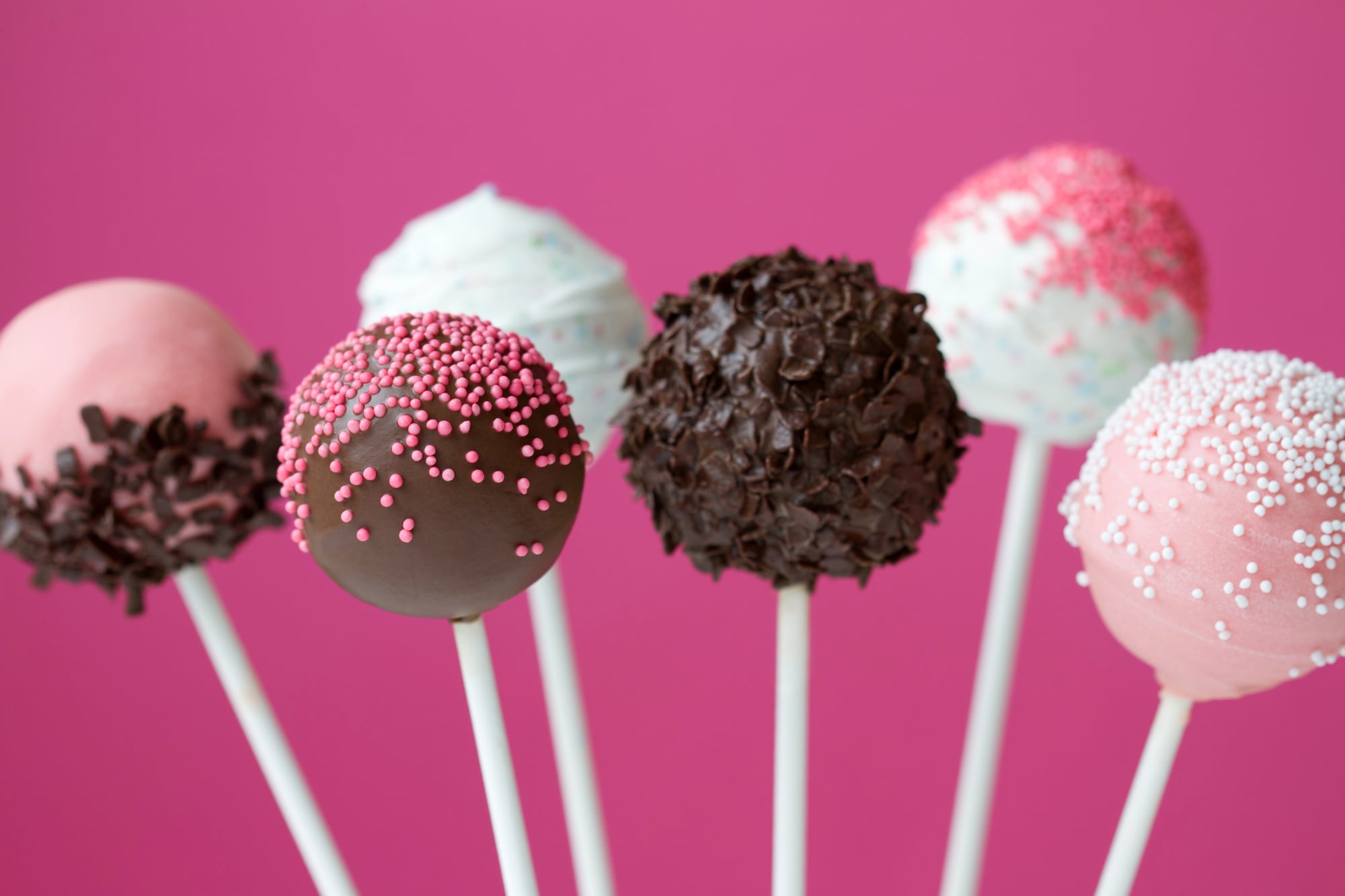
These lollipop-shaped cake balls swept through bakeries and home kitchens in the early 2010s. Their cuteness factor and portability made them popular for parties and gifts.
The labor-intensive process of baking, crumbling, mixing with frosting, forming balls, chilling, dipping, and decorating proved too cumbersome for the modest payoff. While occasionally spotted at children’s parties, their mainstream moment has clearly passed.
Freedom Fries
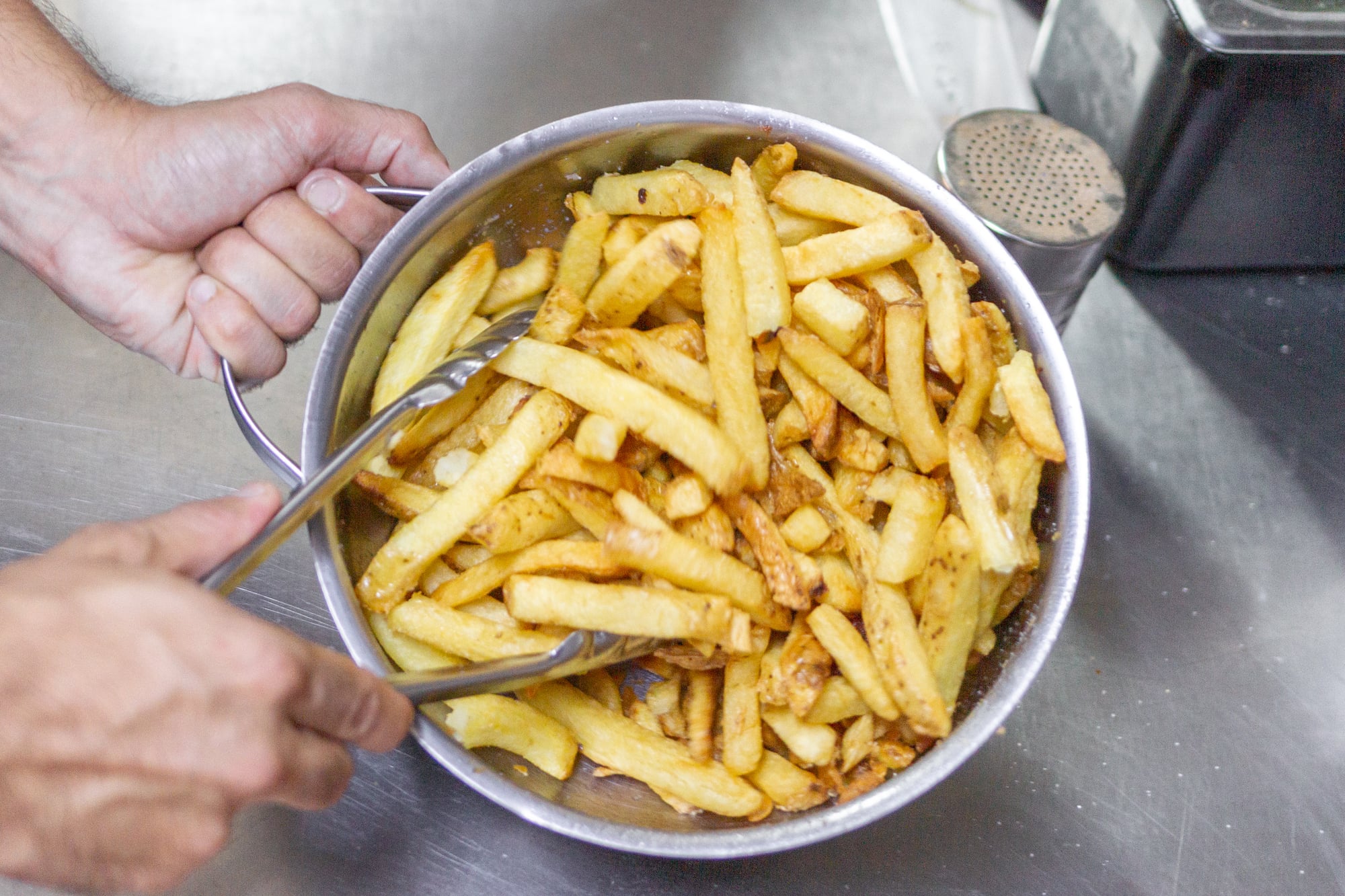
In 2003, when France opposed the Iraq War, some American restaurants renamed French fries as ‘Freedom Fries’ in patriotic protest. This politically charged food renaming spread to congressional cafeterias and made national headlines.
The linguistic rebellion proved short-lived as international tensions cooled and everyone returned to the familiar French fry terminology.
Quiches
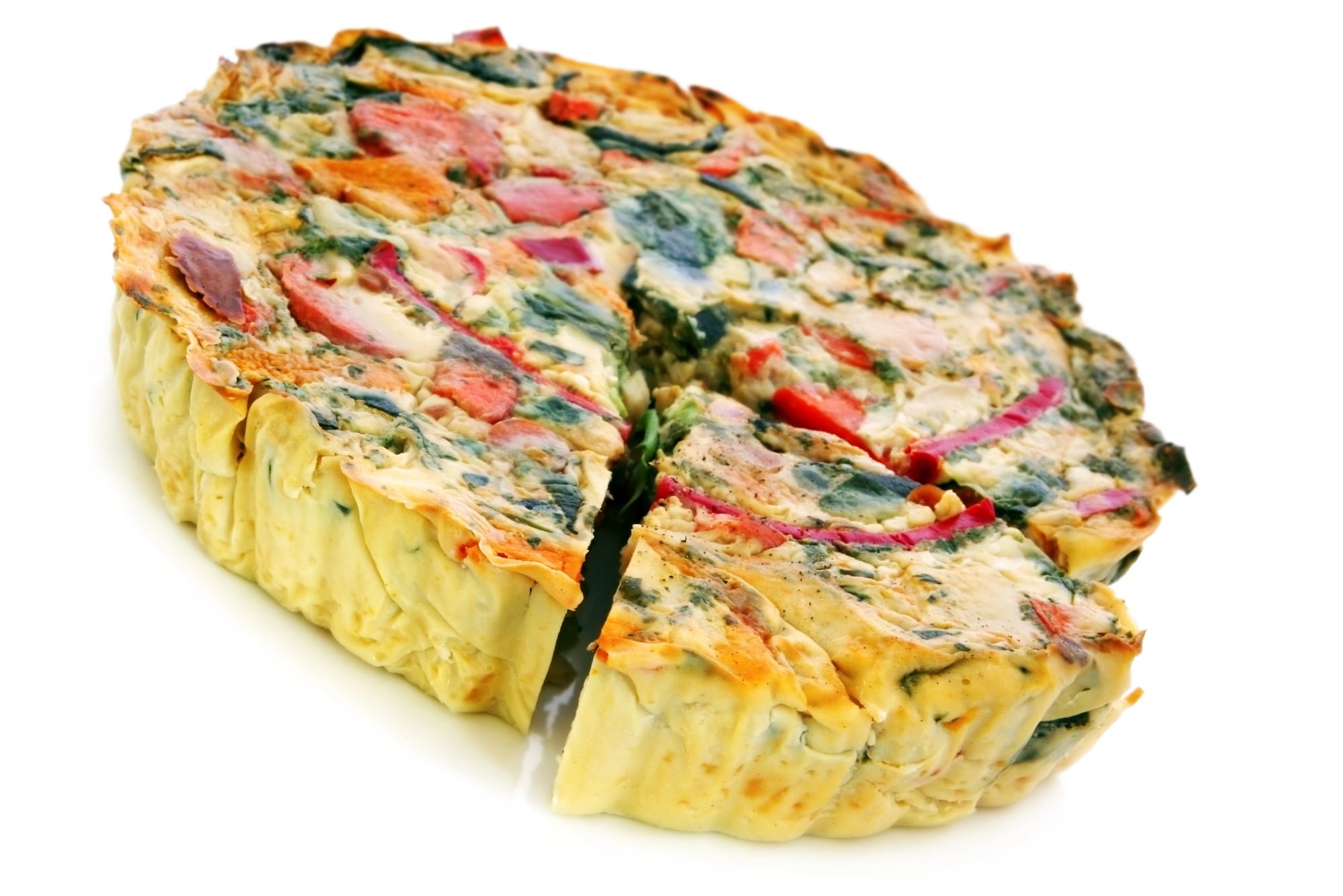
The versatile egg tart dominated brunch menus and dinner parties throughout the 1970s. Its popularity soared despite challenges to masculinity suggested by the 1982 book ‘Real Men Don’t Eat Quiche.’
These savory custard pies stuffed with cheese, vegetables, and meats represented sophisticated casual dining. Though still available, quiches surrendered their status as the go-to entertaining dish by the late 1980s.
Like Go2Tutors’s content? Follow us on MSN.
Clear Beverages

The early 1990s featured an odd obsession with transparent versions of normally colored drinks. Crystal Pepsi, Tab Clear, and Miller Clear beer promised the same flavors without artificial coloring.
Consumers found the disconnect between expected color and familiar taste too jarring to accept. The clear beverage experiment failed spectacularly, proving that visual expectations play a crucial role in taste perception.
Stuffed Potato Skins
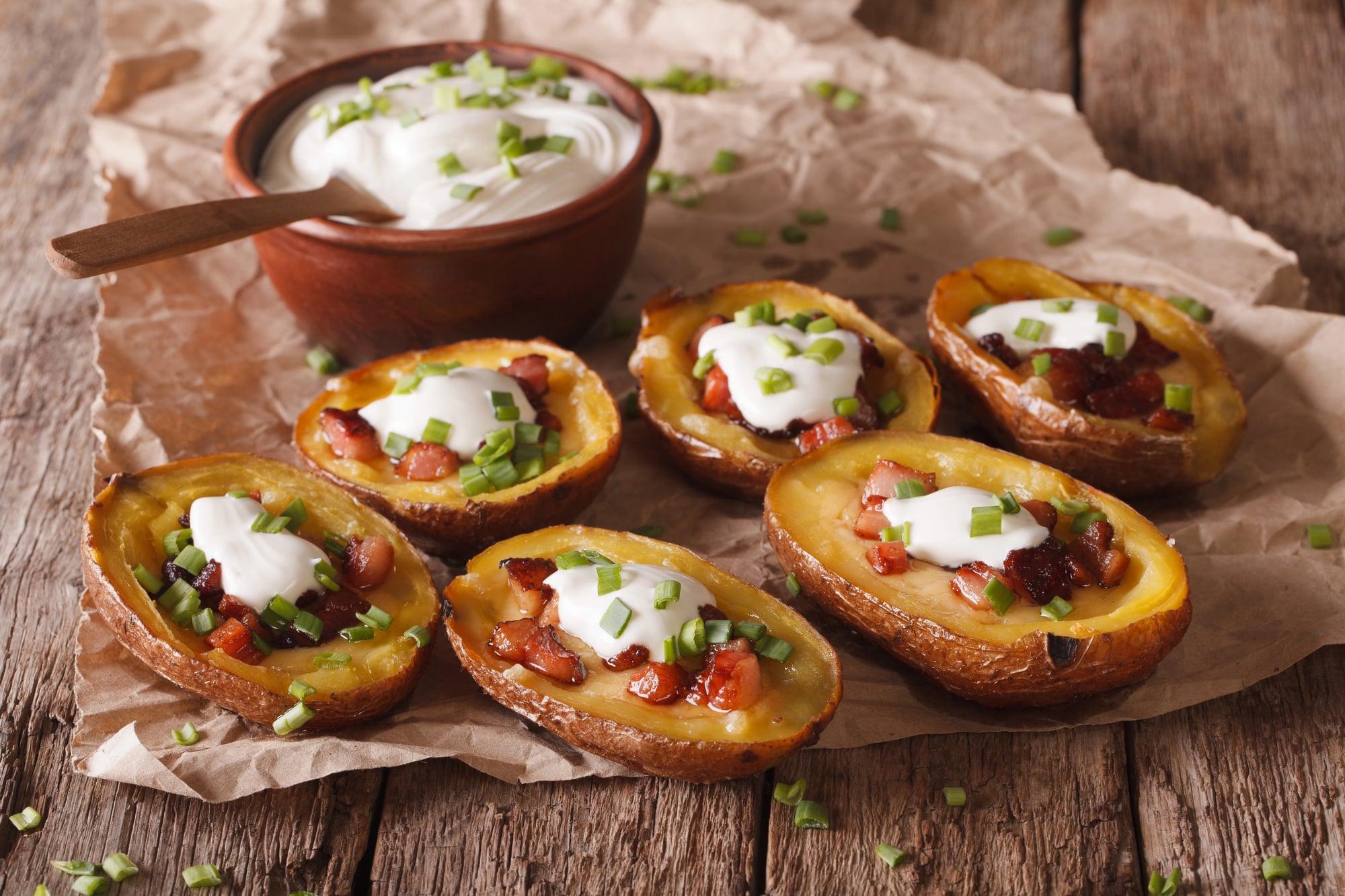
These hearty appetizers loaded with cheese, bacon bits, and sour cream dominated casual dining menus in the 1980s and early 1990s. TGI Fridays and similar restaurants built significant business around these calorie-laden starters.
While still appearing occasionally, potato skins surrendered their prime menu position as appetizer trends shifted toward lighter fare and different forms of indulgence.
Molecular Gastronomy
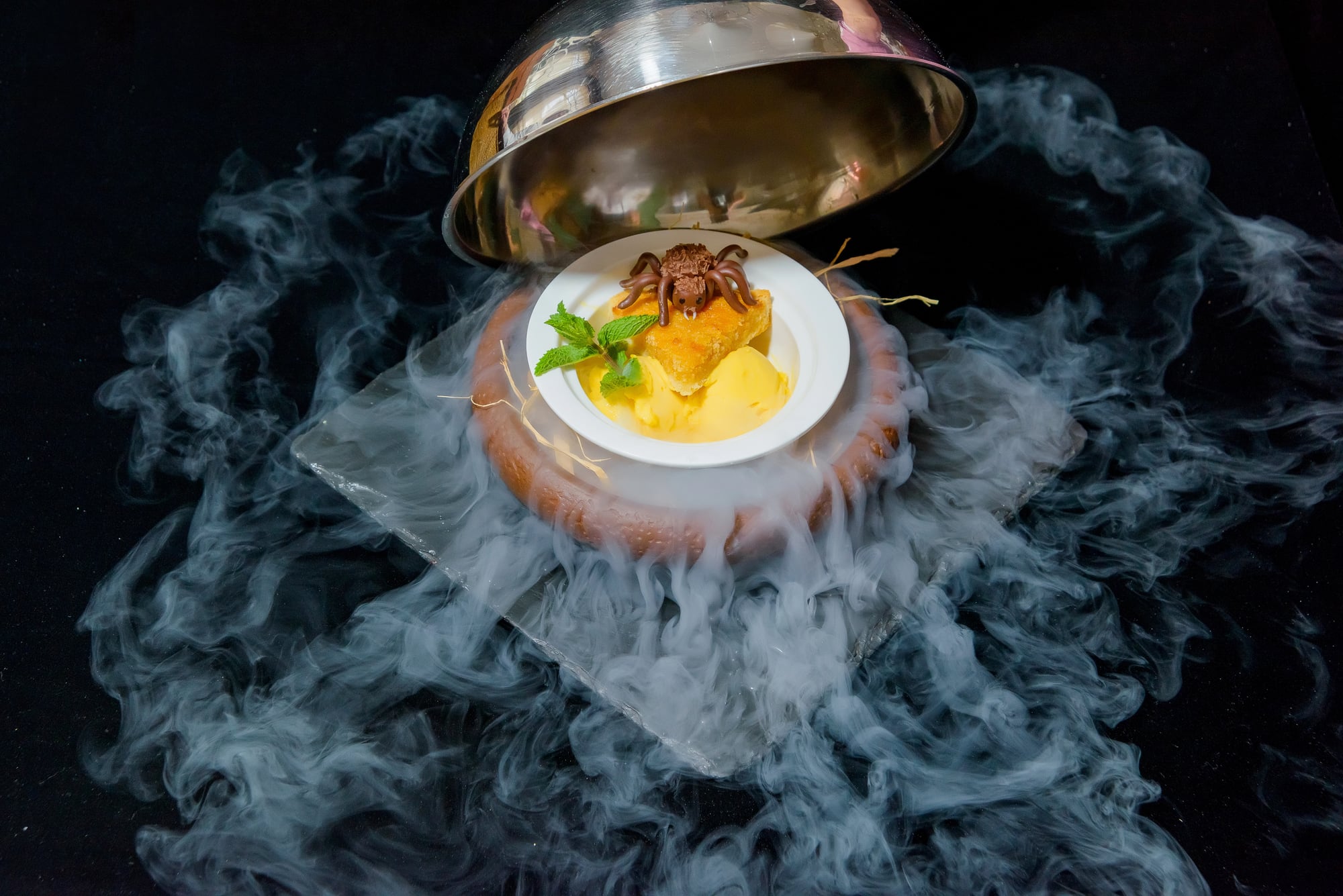
Scientific cooking techniques like spherification, foams, and liquid nitrogen freezing transformed fine dining in the early 2000s. Chefs like Ferran Adrià turned meals into theatrical experiences with foods that changed states or appeared as one thing while tasting like another.
The extreme technical requirements and laboratory-like precision proved too demanding for widespread adoption, limiting molecular gastronomy to a small circle of high-end restaurants.
Like Go2Tutors’s content? Follow us on MSN.
Watermelon and Feta Salad
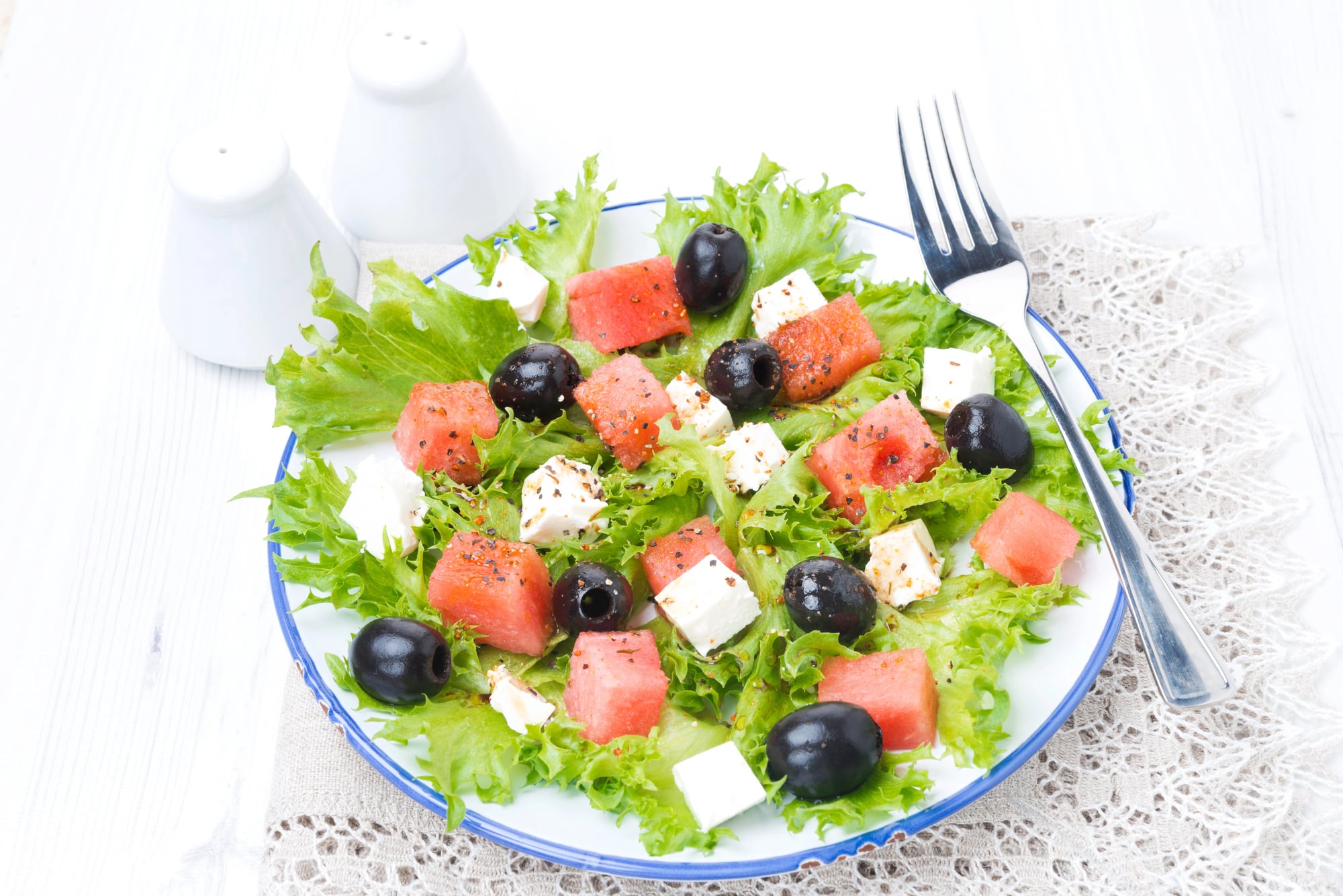
This sweet-savory combination dominated summer menus and food magazines throughout the 2010s. The contrast between juicy watermelon and salty feta, often enhanced with mint and a balsamic drizzle, appeared at every outdoor gathering for several years.
The once-innovative pairing became a victim of its own ubiquity, with diners seeking new flavor combinations after watermelon-feta fatigue set in.
The Circle of Food Fashion
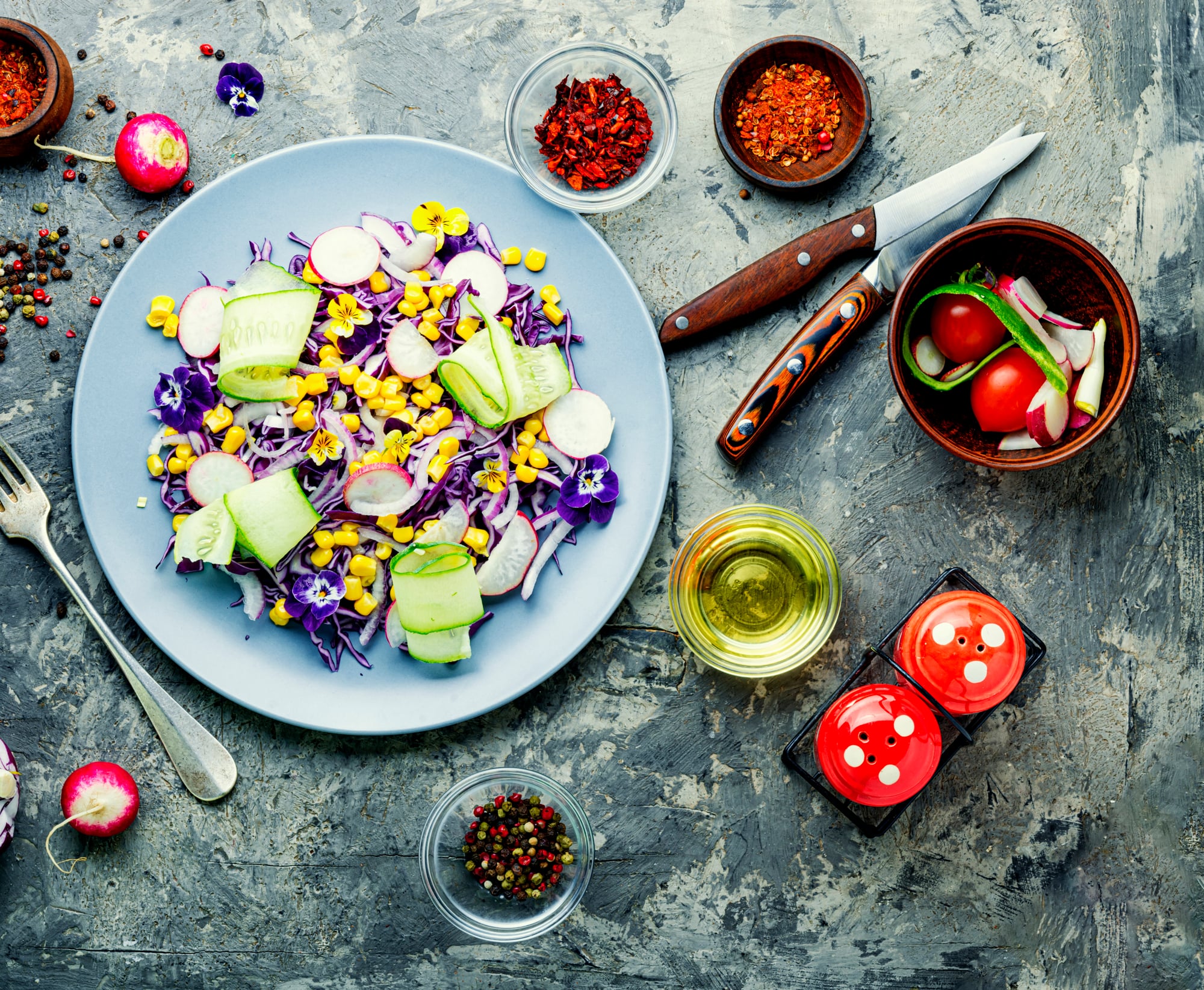
Food trends come and go with remarkable predictability, capturing our imagination before disappearing into culinary history books. Many reflected genuine innovation or cultural exchange, while others represented marketing gimmicks that simply couldn’t sustain their appeal.
These forgotten food fads remind us that our tastes continuously evolve and what seems essential today may become tomorrow’s amusing memory.
More from Go2Tutors!

- 18 Unexpectedly Valuable Collectibles You Might Have Lying Around
- 20 Little-Known Historical Battles That Had Huge Consequences
- 20 Historical Artifacts That Scientists Can’t Explain
- 15 Inventions That Were Immediately Banned After Being Created
- 20 Actors Who Were Almost Cast in Iconic Roles
Like Go2Tutors’s content? Follow us on MSN.