Historic Shelters Shaping Regional Architecture
Buildings aren’t made by accident. They come from need, weather conditions, or whatever stuff is nearby.
Old-time homes shaped ways we still build today, though folks might not notice those old tricks. Those early designs tackled actual issues – like avoiding cold or using little supplies well – and slowly turned into lasting styles.
Dry-Stone Shelters
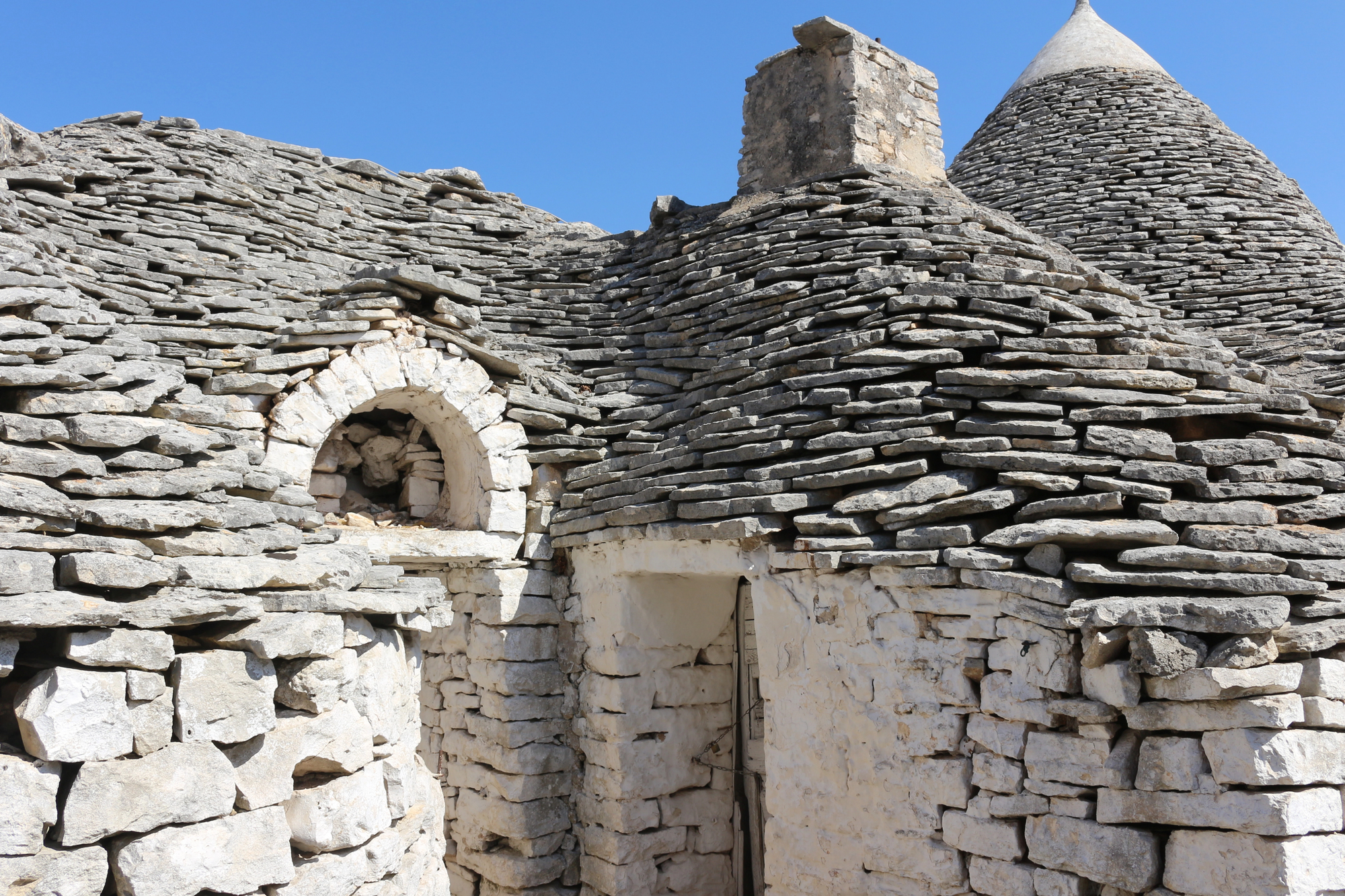
Stone stacking without glue made super tough buildings way back when. Over in places like Scotland or Ireland, people slapped rocks together just to stay dry – tiny homes, pens for critters, fences around fields.
Each rock fits tight ’cause they’re set right and held down by weight. That smart trick later shaped forts and barns all over those islands.
Round little bee-shaped huts, known as clochans, proved these rock piles could block rain and stick around forever.
Pit Houses of the American Southwest
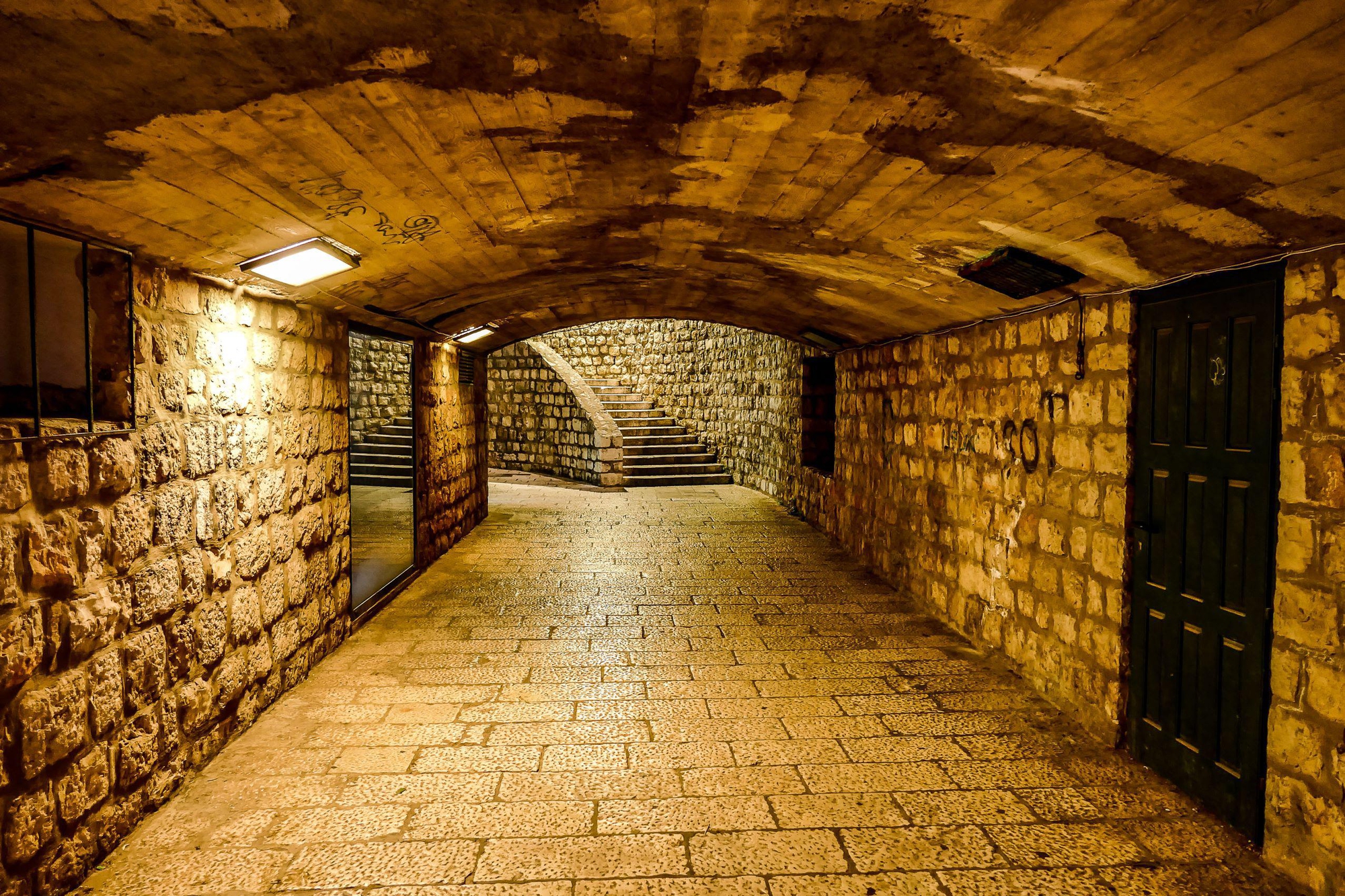
The Ancestral Puebloans built semi-subterranean dwellings that took advantage of earth’s thermal properties. These structures had floors dug below ground level, with walls extending above grade and roofs covered with earth.
The design kept interiors cooler in summer and warmer in winter. Entry was often through the roof using a ladder.
These pit houses represented an earlier phase of Puebloan architecture before communities transitioned to above-ground pueblos with multiple stories. The principle of using earth as thermal mass influenced later southwestern building traditions.
Icelandic Turf Houses
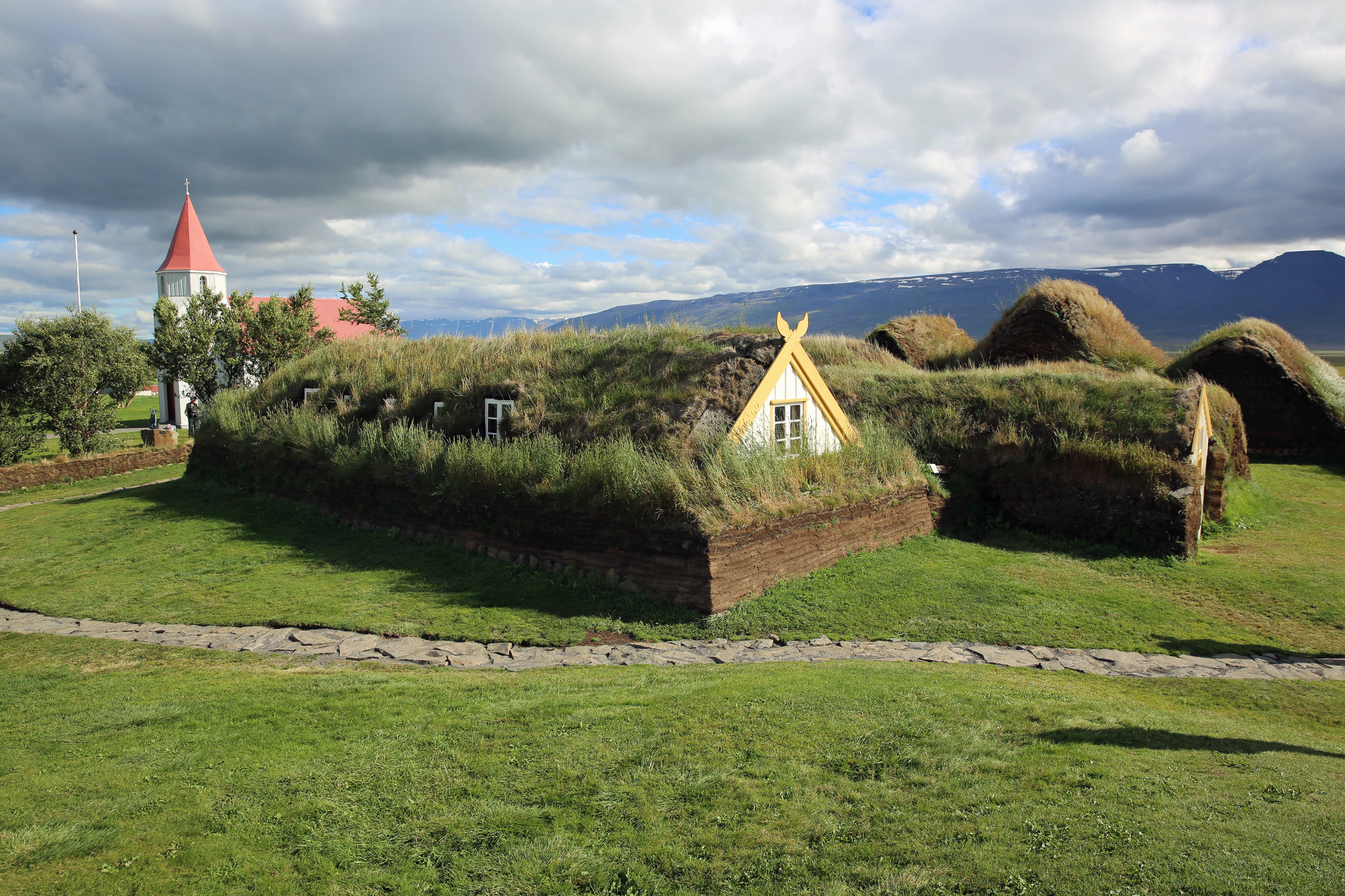
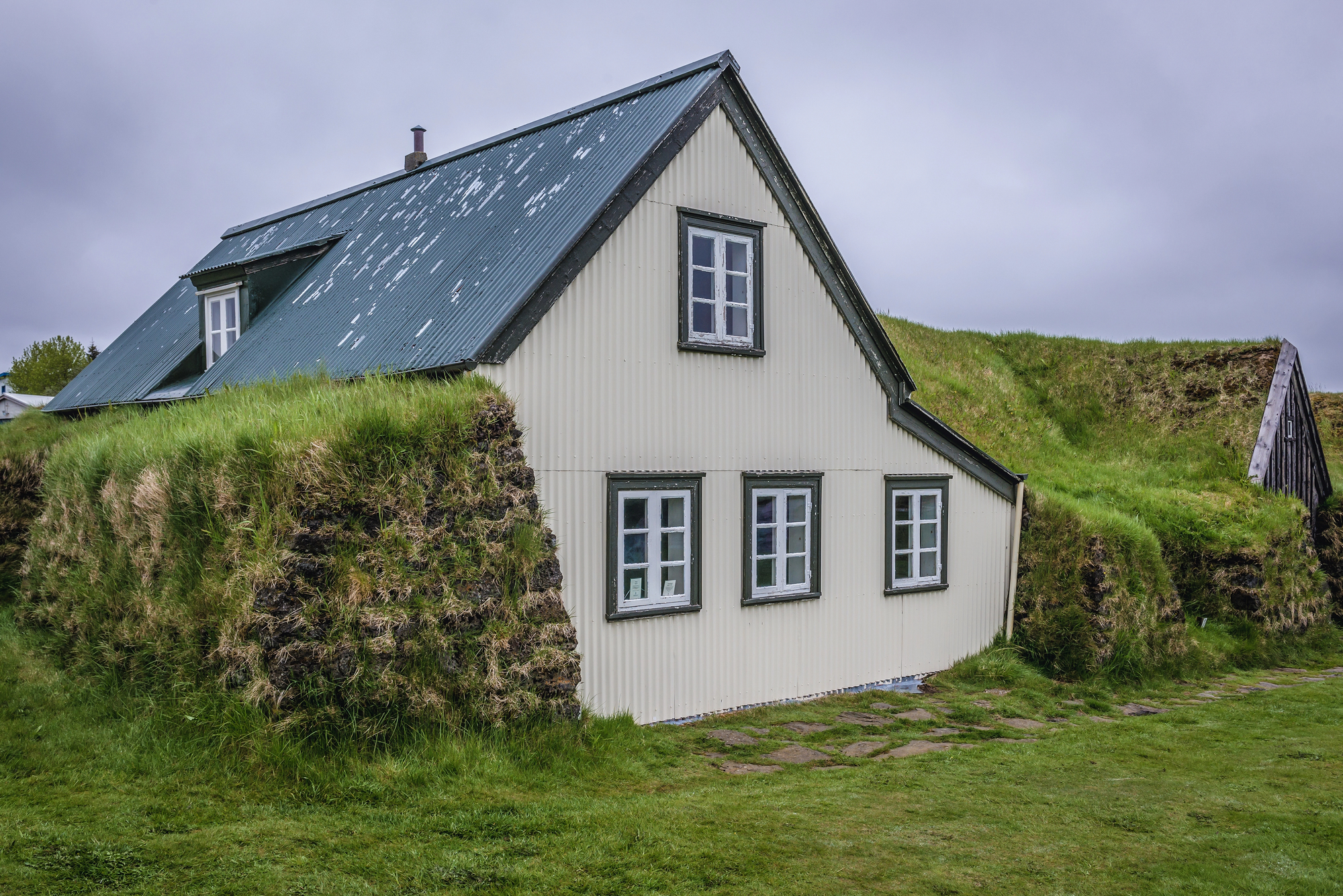
Iceland faced a unique building challenge: almost no native trees and harsh winters. Settlers developed turf construction out of necessity.
They built stone foundations, used driftwood or imported timber for frames, and covered everything with thick layers of turf. The grass grew on the roof, providing exceptional insulation.
These structures blended into hillsides so completely they nearly disappeared into the landscape. The Faroe Islands used similar techniques.
This tradition created architecture defined by material scarcity, where builders used what the land provided—earth and grass—to survive in a treeless environment.
Central Asian Yurts
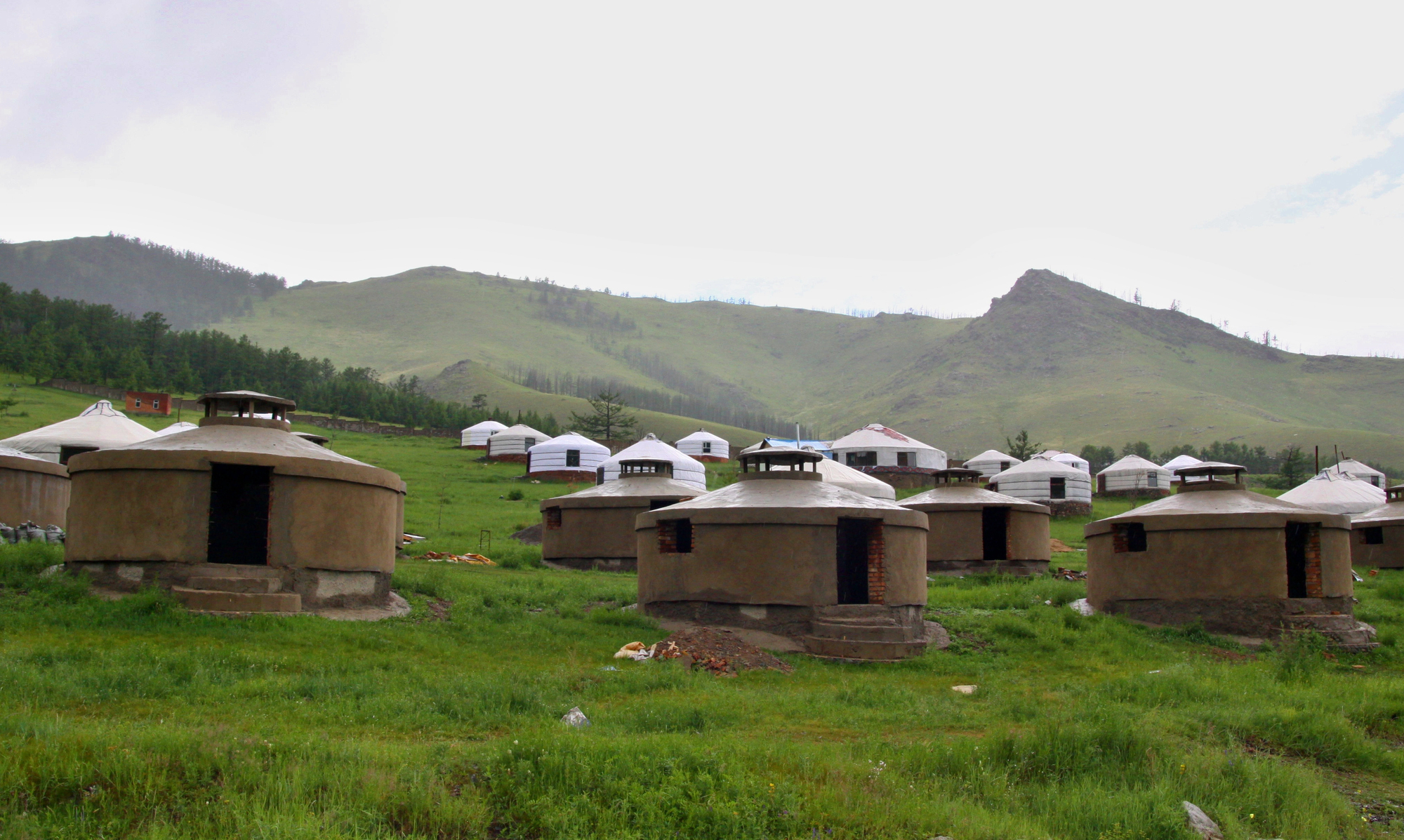
The yurt belongs specifically to the steppe cultures of Central Asia—Mongolian, Turkic, and Kazakh peoples who needed portable shelter for their herding lifestyles. The circular tent with its collapsible wooden frame and felt covering solved distinct problems: the shape resists the constant steppe winds, the central smoke opening vents the fire, and the entire structure packs onto horses or camels for transport.
This design represents centuries of refinement for a particular way of life on the grasslands. Contemporary architects studying temporary housing and disaster relief examine yurt construction because the principles—portability, wind resistance, efficient use of materials—remain relevant.
Longhouses Across Cultures
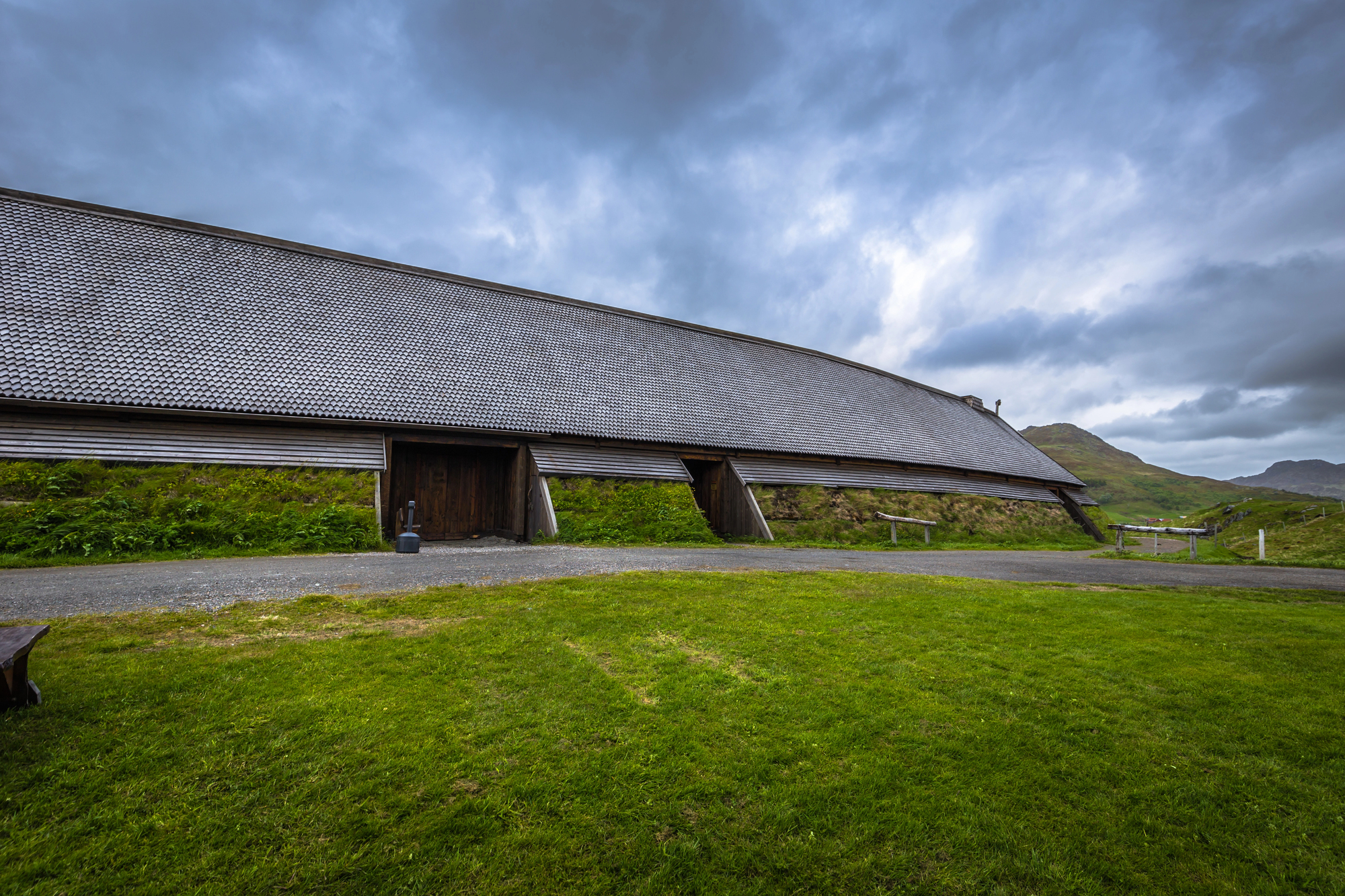
Extended families living under one roof created similar structures in different places. The Viking longhouse, Germanic halls, and Indigenous North American longhouses all stretched to accommodate communal living.
These buildings—sometimes over 100 feet long—housed everyone around shared fires in open spaces. The design wasn’t unique to one region but appeared wherever social structures favored large household groups.
Interior posts supported the roof, and the long single room served multiple functions. These traditions showed different cultures arriving at similar solutions when family size and social organization demanded large shared spaces.
Pueblo Architecture of the Southwest
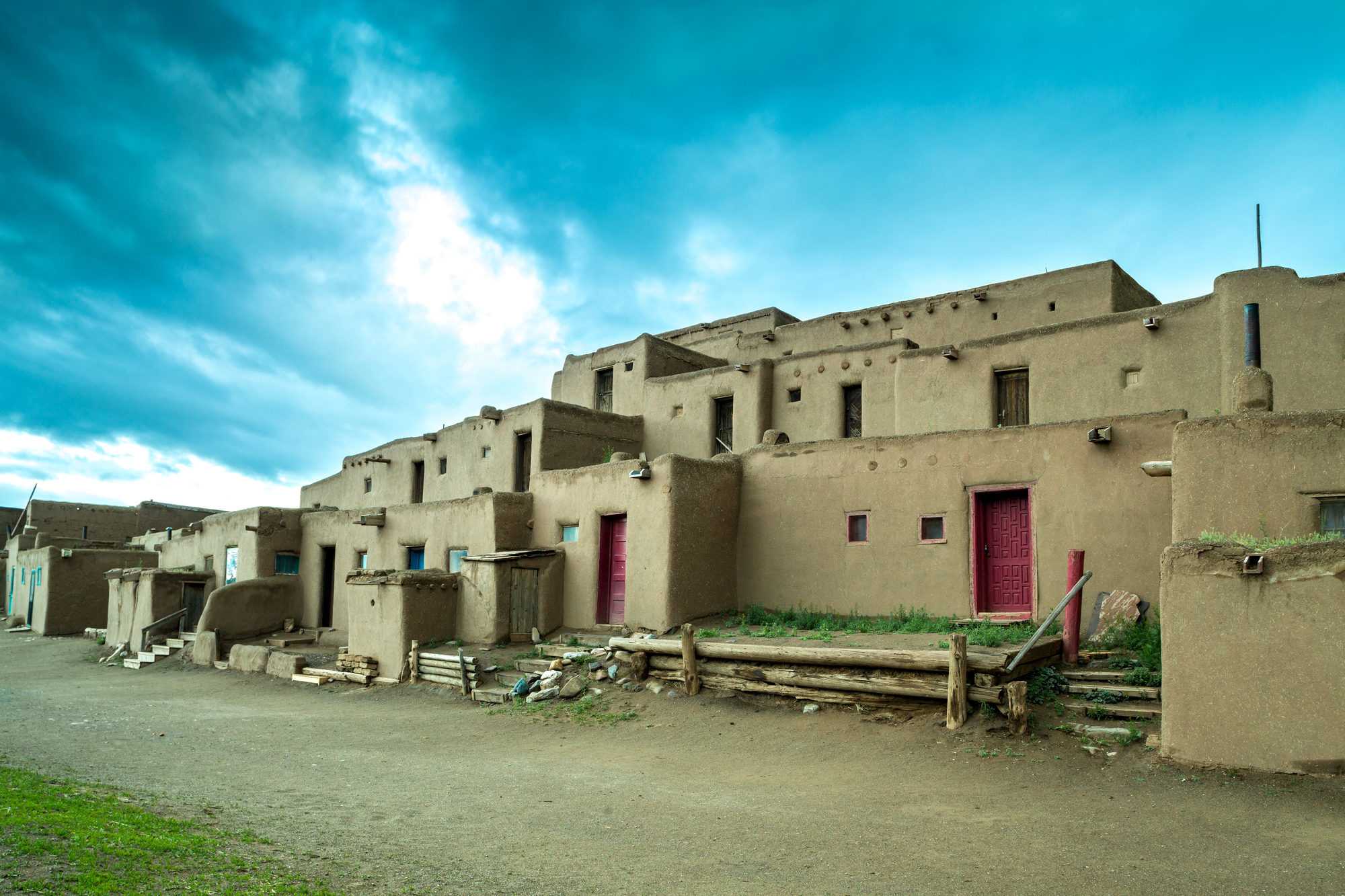
The pueblos of New Mexico and Arizona used multiple construction techniques—adobe bricks, rammed earth, and stone walls depending on local materials and specific sites. These thick walls absorb heat during the day and release it at night.
The buildings cluster together, creating shade and shared walls that reduce heat loss. Multi-story construction with flat roofs—each level set back from the one below—maximized space while maintaining structural integrity.
The architectural tradition evolved over centuries, with builders adapting techniques to their specific environments. Modern southwestern architecture and rammed-earth construction continue these thermal mass principles.
Stilt Houses in Flood Zones
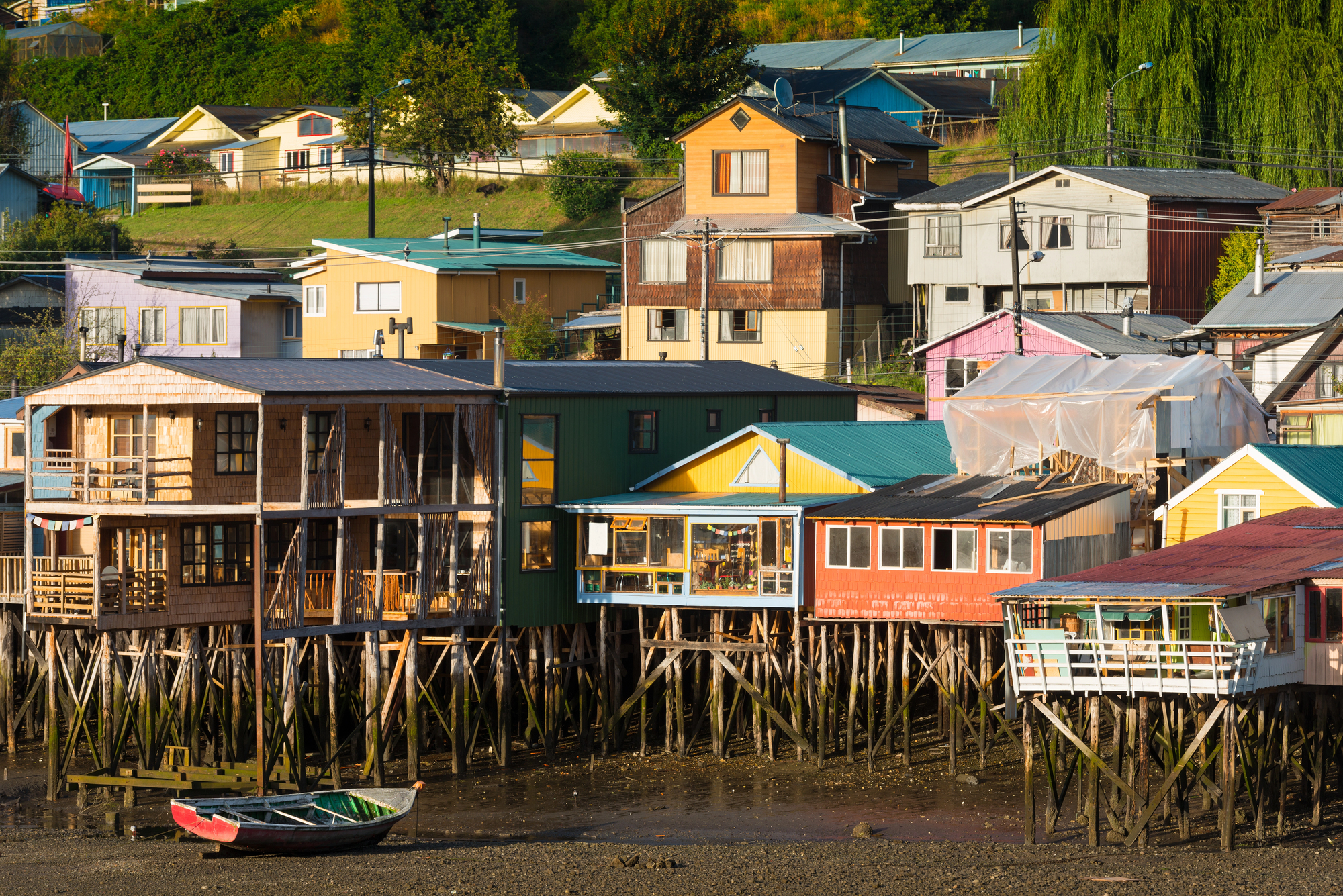
Building above water solved different problems in different places. In Southeast Asia, along rivers, in the Amazon, and across Oceania, people raised their homes on stilts.
Protection from seasonal flooding was one reason, but equally important were defense against animals and adaptation to tidal patterns. The elevation also provided ventilation and sometimes storage space.
The same principle appears in modern coastal architecture, where engineers apply precise calculations to what was once developed through generations of experience with local water patterns and threats.
Cave Dwellings
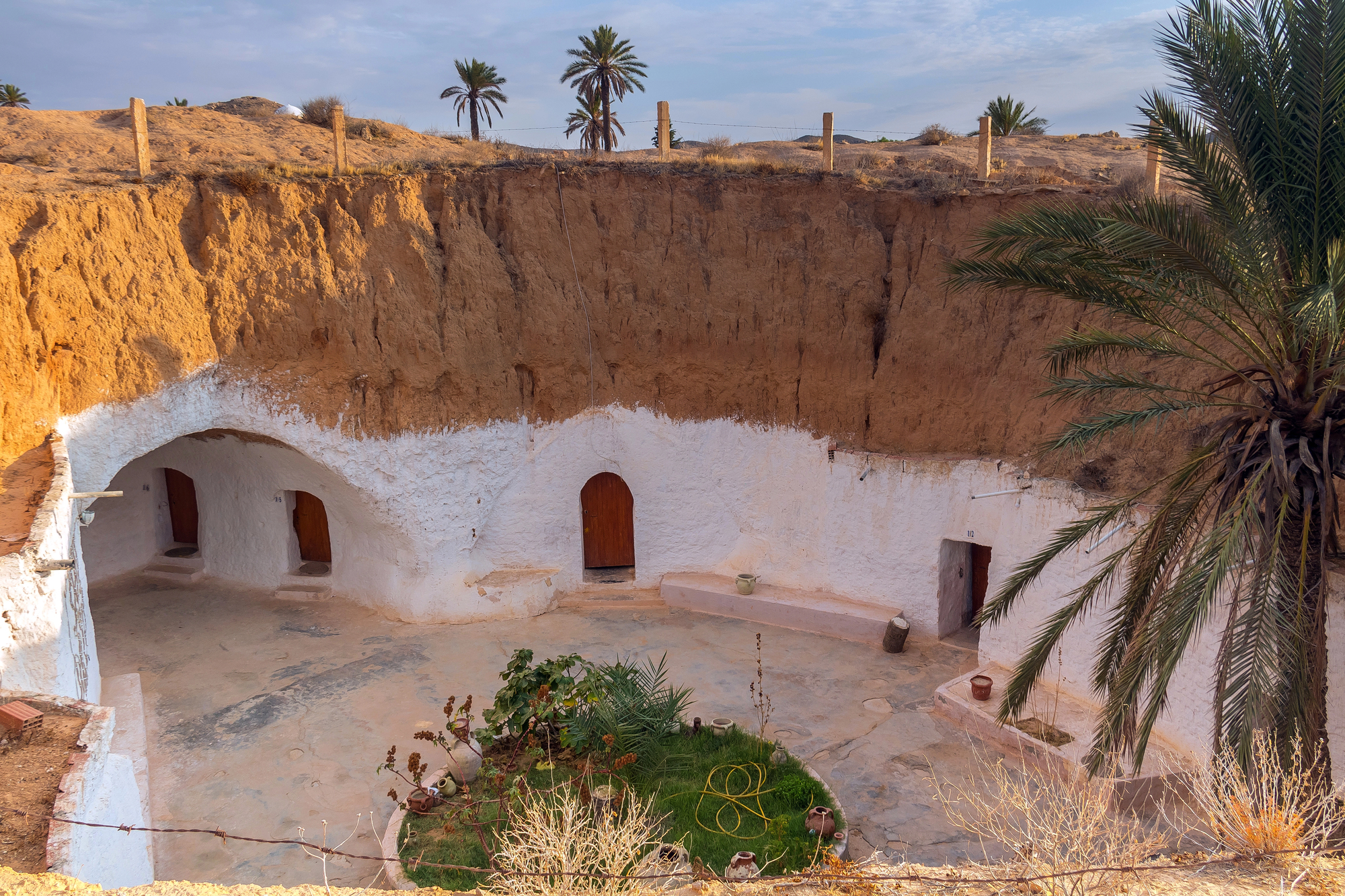
Some of the oldest human shelters were caves we found, not ones we built. But people modified them—adding walls at the entrance, carving storage niches, digging deeper.
In China’s Loess Plateau, communities carved dwellings called yaodongs into hillsides. Millions of these structures were created historically, though occupancy has declined in recent decades.
These dwellings maintain stable temperatures year-round because earth is an excellent insulator. The practice of building into hillsides, using the earth itself as structure and insulation, continues in contemporary underground and earth-sheltered architecture.
Tropical Stilt and Thatch Construction
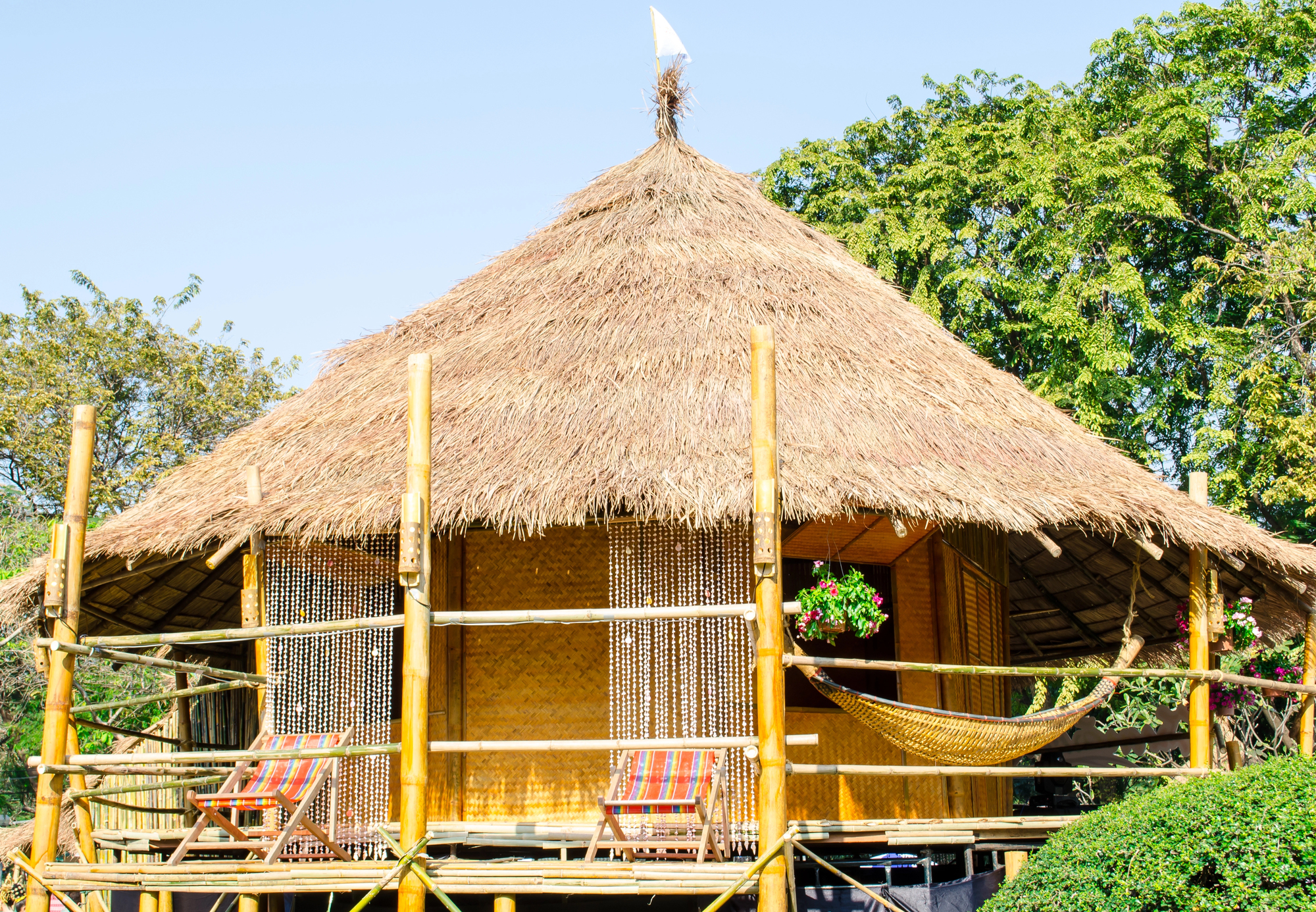
Heat and humidity influenced building in tropical regions, though solutions varied by location and culture. In some areas—parts of Southeast Asia, the Pacific islands, and coastal regions—builders created houses raised on posts with steep thatched roofs and open walls that allowed air movement.
The steep roof pitch sheds rain quickly. The open design catches breezes to cool the interior.
Not all tropical societies used this approach—many built ground-level structures depending on local climate conditions and cultural preferences. Where stilt-and-thatch construction developed, it represented an effective response to specific environmental challenges.
Sod Houses on the Prairie
When settlers reached the Great Plains, they found grass and dirt but few trees. They cut blocks of sod—dense prairie grass with roots and soil—and stacked them like bricks for walls.
These homes were surprisingly durable and well-insulated, with walls up to three feet thick. Roofing varied based on what settlers could obtain—some used additional sod over wooden beams, while others used wood planks, tar paper, or other materials when available.
These structures degraded back into the landscape when abandoned, which made them seem temporary, but they provided functional housing for families over many years.
Rock-Cut Architecture
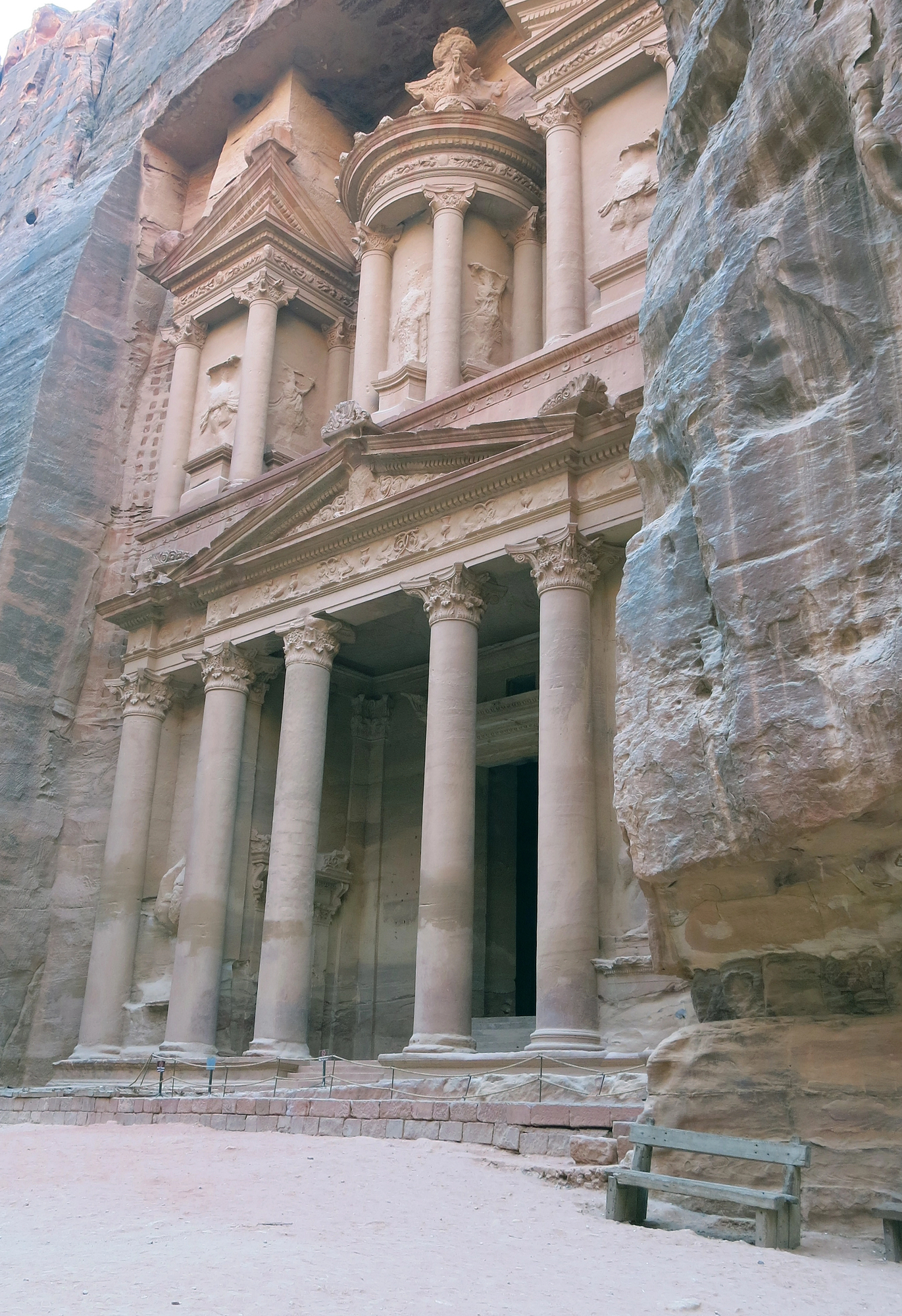
In places with exposed rock faces, people carved directly into stone for ceremonial, funerary, and urban purposes. Petra in Jordan, the rock-cut churches of Ethiopia, the cave temples of India—these weren’t built so much as revealed.
The architecture is subtractive. You remove material to create space.
Sites like Petra served as urban centers and burial complexes rather than everyday housing. This approach produces structures that are incredibly durable because they’re part of the bedrock itself.
The technique influenced later architectural thinking about working with existing geological features.
Coastal Shell Middens as Foundation

In coastal areas, accumulated shells from centuries of meals created large elevated mounds. People built on these shell middens because the height provided better drainage and visibility.
The mounds themselves were byproducts of daily life, not intentionally constructed foundations. Later, builders discovered that lime derived from crushed shells could be used in mortar, which influenced coastal construction techniques.
The practice shows how human activity over time created landscape features that subsequent generations used for practical purposes.
Log Construction in Forested Regions
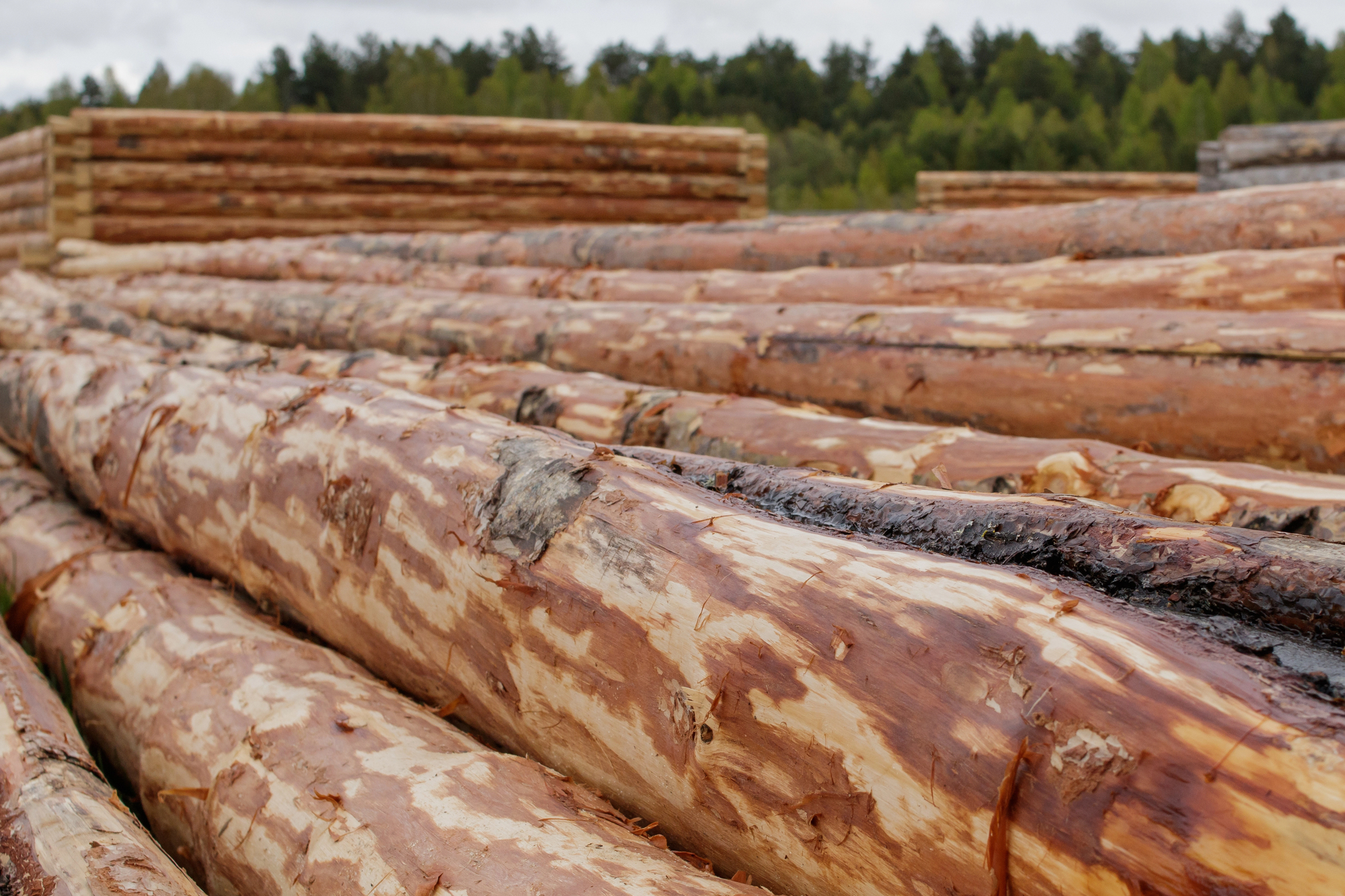
Where thick forests stood, people started stacking logs to build homes. In places like Scandinavia and parts of Eastern Europe, they figured out how to fit log ends together at corners – then others picked it up later.
Signs point to this idea spreading from there instead of popping up on its own in far-off spots. You don’t need much gear – just a way to chop down trees and carve notches into their tips.
Each log adds strength, warmth, and covers the walls all at once. European settlers introduced log building to North America, yet it fit perfectly with the wooded environment.
Although modern timber framing looks different, it grew from those early techniques.
Wind Towers of the Iranian Plateau
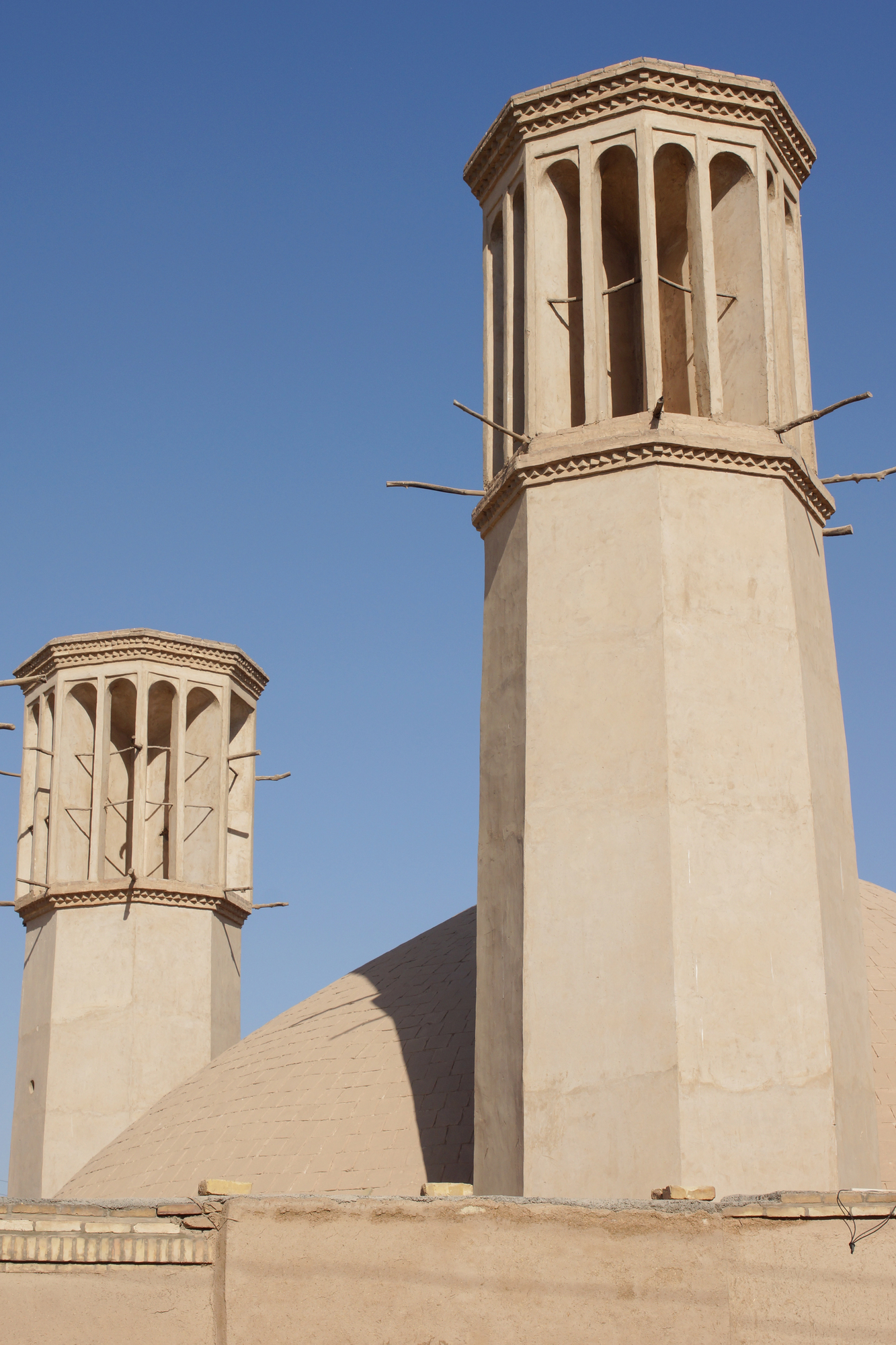
In towns across Iran’s flatlands, locals built high structures known as badgirs to chill rooms way before AC showed up. These spires grabbed breeze from above then funneled it down into homes.
It ran on catching wind plus shifts in air pressure – cooler flow moved down as warm air went up and slipped out elsewhere. Now and then, the airflow crosses water or damp spots to get even cooler.
This setup worked well in the dry air of central Iran. Yet today’s structures sometimes use old-style wind towers but with new parts instead.
Lessons Built into the Land
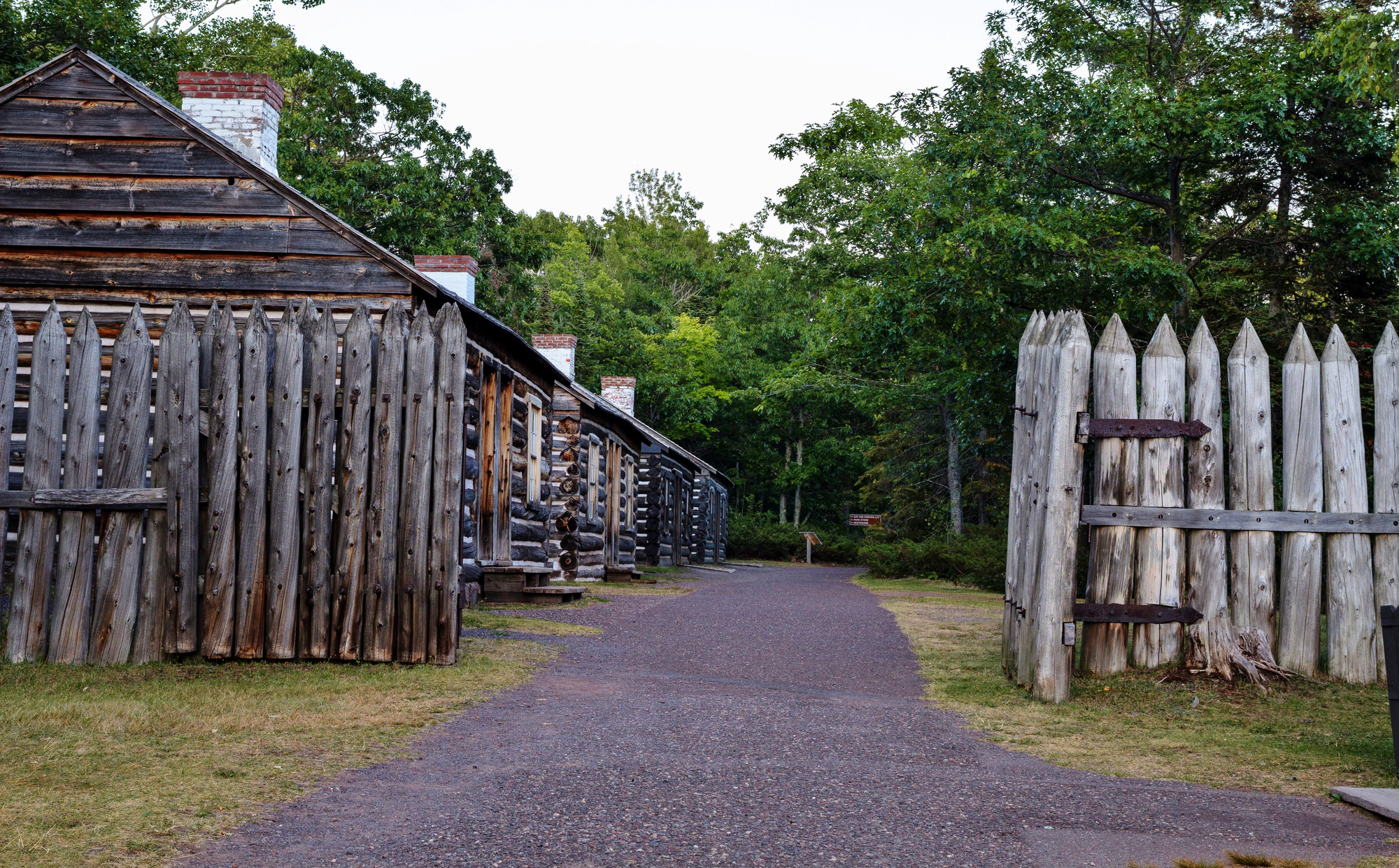
These buildings didn’t come from designers like today. Instead, they grew slowly – mistakes were made, fixes tried, knowledge shared over time.
Useful ideas stuck around. Bad ones got dropped.
In the end, only smart ways of building remained, simply ’cause there was no room for waste. Materials were scarce, effort mattered.
They constructed things based on the land’s limits and weather needs. Today’s eco-friendly architecture often returns to those old ideas, slowly remembering how people used to live with nature instead of against it.
More from Go2Tutors!

- The Romanov Crown Jewels and Their Tragic Fate
- 13 Historical Mysteries That Science Still Can’t Solve
- Famous Hoaxes That Fooled the World for Years
- 15 Child Stars with Tragic Adult Lives
- 16 Famous Jewelry Pieces in History
Like Go2Tutors’s content? Follow us on MSN.