Space Tech Items We Use Every Day
You probably don’t think about space technology when you’re checking the weather or taking a photo with your phone. But the truth is, things developed for astronauts and spacecraft have found their way into your daily routine in ways that feel completely ordinary now.
That’s how good technology works—it stops feeling like technology and just becomes part of life.
Memory Foam That Actually Remembers
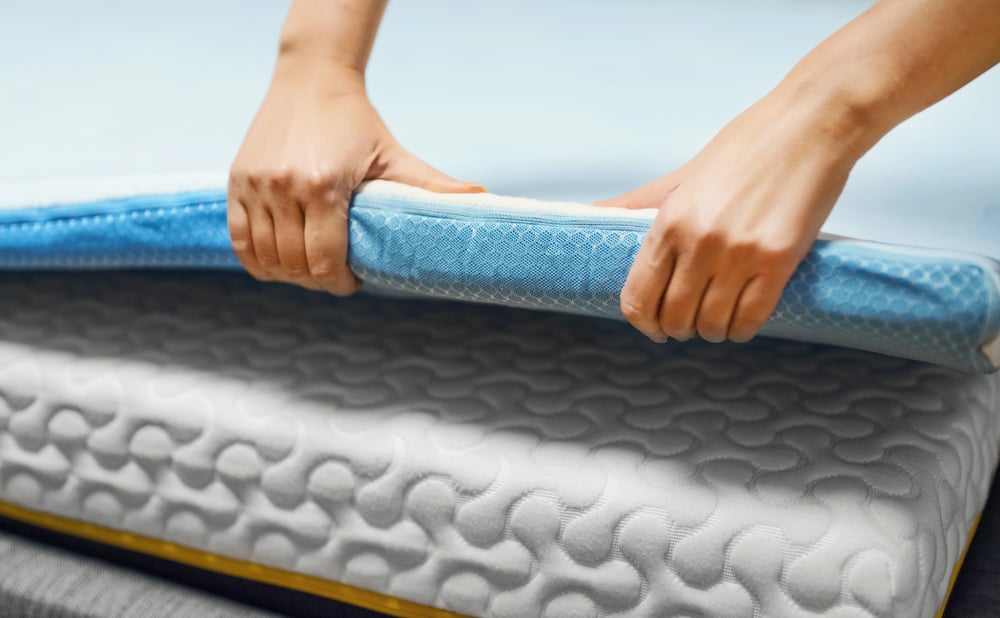
Engineers at NASA’s Ames Research Center created memory foam in the 1960s as a material that could improve cushioning and impact protection. The material molds to your body and then slowly returns to its original shape.
You’ve probably slept on it, sat on it, or worn shoes with memory foam insoles without giving much thought to its origins. The foam responds to temperature and pressure, making it useful for various applications in the space program.
Now it’s in mattresses, pillows, furniture, and medical equipment everywhere.
Scratch-Resistant Lenses
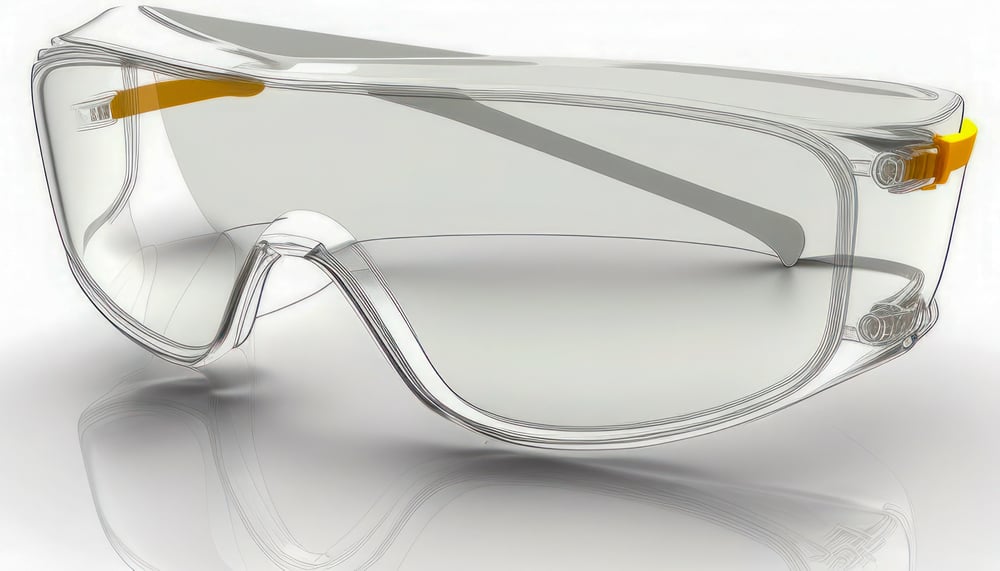
If you wear glasses, you benefit from space-related research every time you clean them. NASA worked with Foster Grant to develop scratch-resistant coatings, building on technology for protecting astronaut helmet visors and spacecraft windows from damage.
The resulting coatings made eyeglasses about ten times more resistant to scratches than they used to be. The coating also appears in sunglasses, camera lenses, and protective equipment.
Before this technology became standard, people replaced their glasses much more frequently because the lenses would get scratched up and hard to see through.
Cordless Power Tools
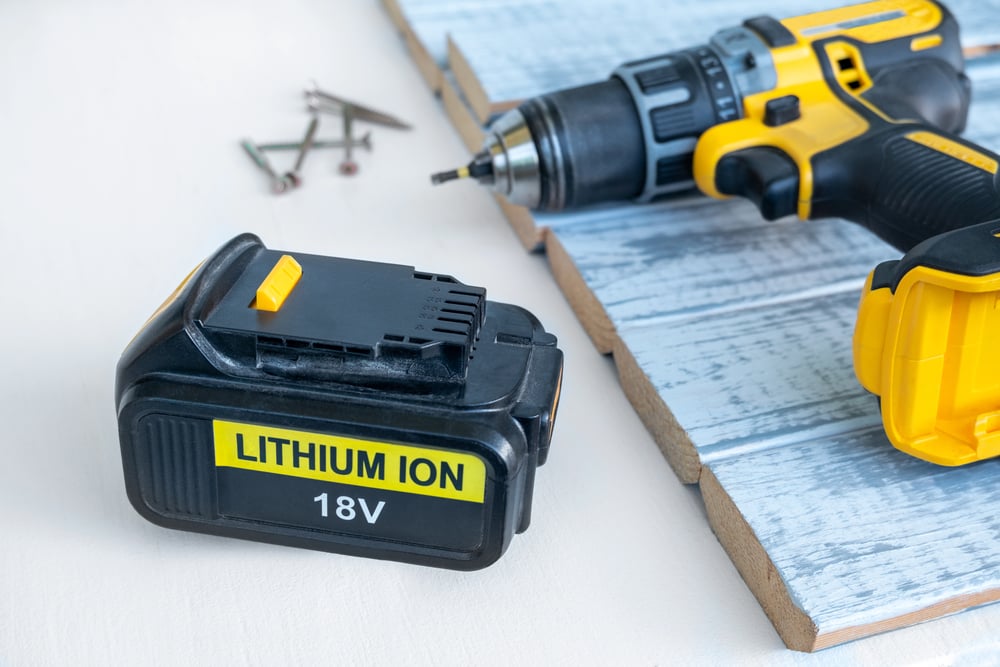
Black & Decker partnered with NASA in the 1960s to create a cordless drill for collecting moon rock samples during the Apollo missions. The challenge was building a motor that could run on battery power with enough strength to drill into lunar material.
This collaboration led to improvements in battery technology and motor design that made cordless tools more practical for everyday use. The advancements in battery-powered motors influenced the development of many cordless household devices, though the vacuum cleaners and other tools you use today came from manufacturers building on these foundational improvements rather than direct NASA inventions.
Advanced Water Filtration

Astronauts on long space missions can’t exactly swing by the store for bottled water. NASA improved filtration systems to purify and recycle water on spacecraft, focusing on removing bacteria and other microbes to make it safe for drinking.
These systems had to be reliable, compact, and able to handle water recycling over extended periods. The microbial filtration advances influenced household water filters, portable filtration devices for camping, and systems that provide clean drinking water in areas without reliable water infrastructure.
While NASA didn’t invent water filtration itself, the agency’s work on making these systems more effective and compact helped improve consumer products.
Infrared Ear Thermometers

Taking a child’s temperature used to mean waiting several minutes with a thermometer under the tongue or in another uncomfortable spot. Diatek Corporation collaborated with NASA to develop ear thermometers based on the infrared sensors used to measure star temperatures.
The sensors detect infrared energy emitted by the eardrum, which shares blood supply with the hypothalamus—the part of the brain that regulates body temperature. This makes ear temperature a reliable indicator of core body temperature.
Hospitals, clinics, and parents everywhere now rely on this quick and non-invasive method that emerged from adapting astronomical measurement technology.
Better Sunglasses
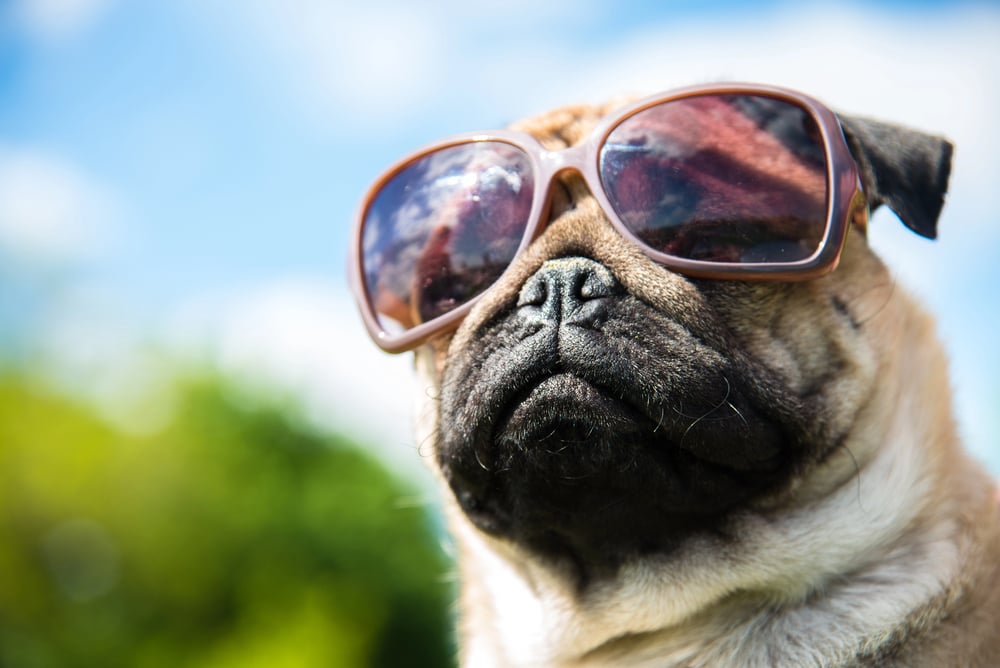
Protective coating technology NASA developed for spacecraft windows and astronaut visors influenced some improvements in sunglasses. Space equipment needs protection from solar radiation and extreme light conditions.
The coatings developed for these purposes helped inform advances in eyewear protection. That said, most modern sunglasses rely heavily on technology developed independently by the optical industry.
The combination of space-related research and specialized eyewear innovation created sunglasses that protect your eyes from sun damage, resist scratches, and reduce glare for driving, sports, and everyday wear.
Freeze-Dried Food

Astronauts needed food that would last for months without refrigeration and weigh as little as possible. Freeze-drying had existed since the 1930s, but NASA adapted and perfected the process for space food.
The process involves freezing food and then placing it in a vacuum that causes the ice to turn directly into vapor, removing almost all the moisture while preserving nutritional value and flavor. You can see this adapted technology at work in instant coffee, backpacking meals, emergency food supplies, and even some of the fruit pieces in breakfast cereal.
The food stays good for years and only needs water added back to become edible again.
Improved Smoke Detectors
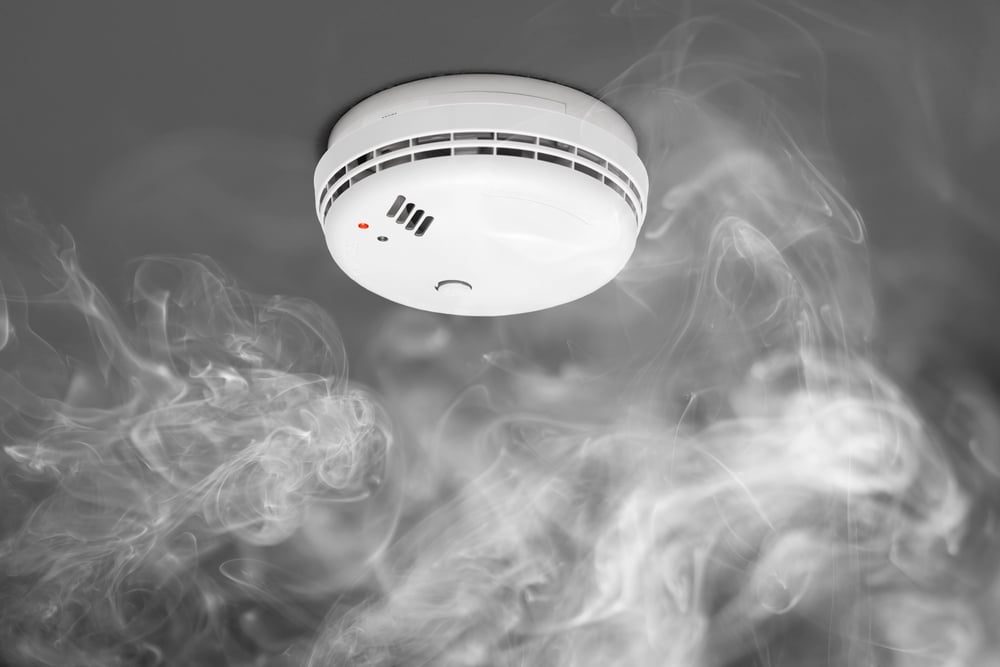
Adjustable smoke detectors with different sensitivity levels came from NASA technology developed for Skylab, America’s first space station. Engineers needed detectors that could identify various types of smoke and toxic gases without triggering false alarms in the confined space of the station.
While NASA didn’t invent smoke detectors, the agency’s work on sensitivity-adjustable versions became the basis for modern detectors that can better distinguish between real fires and burnt toast. These improved detectors have saved countless lives by providing early warnings of fires in homes and buildings.
Wireless Headsets
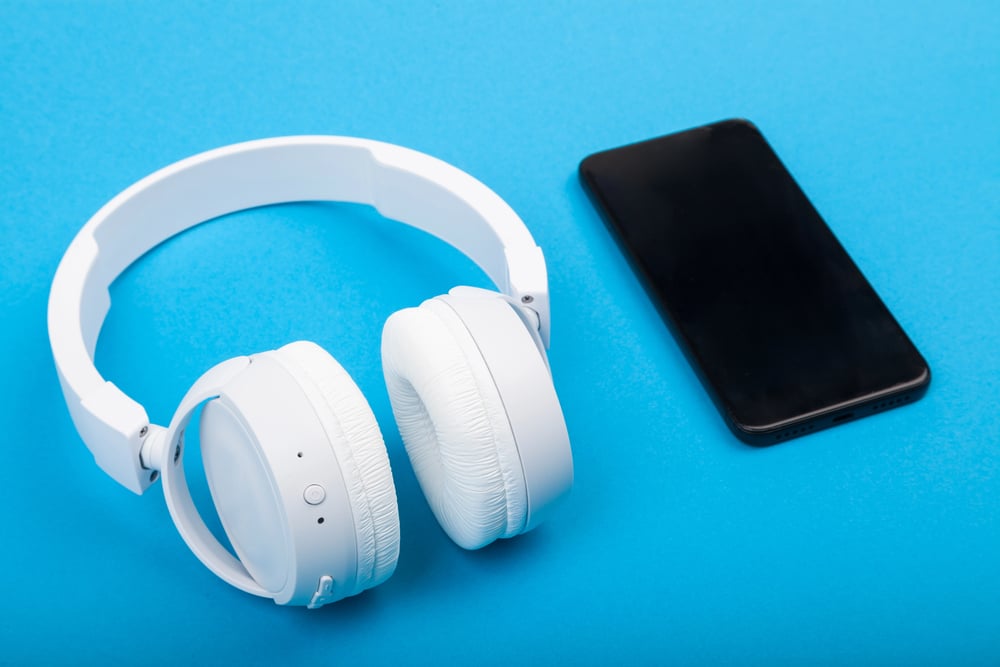
The headset communication systems that astronauts use inspired aspects of the wireless headsets you see everywhere now. NASA needed reliable, hands-free communication systems that would work in extreme conditions.
While the agency didn’t develop modern Bluetooth technology or wireless earbuds directly, the principles of hands-free communication and the need for reliable wireless systems in space influenced how manufacturers approached consumer headset design. The same concepts that let astronauts communicate clearly while floating in space helped shape the thinking behind devices that let you take calls while driving or listen to music while running.
Insulation Materials
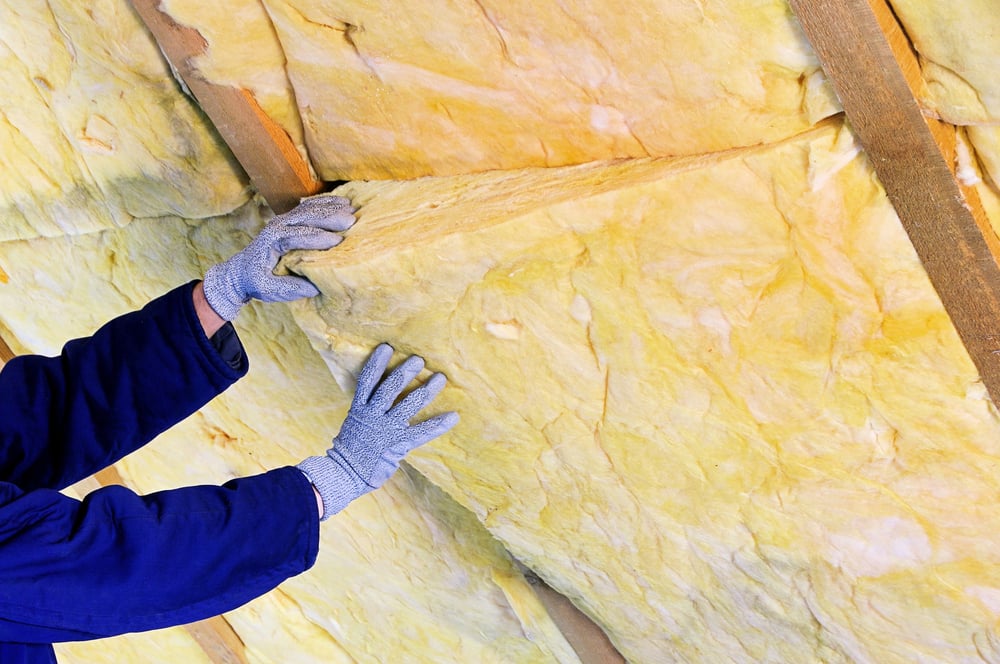
Those shiny emergency blankets you see at marathons and in first aid kits came from the space program. NASA worked with National Metallizing to develop reflective insulation to protect spacecraft and astronauts from extreme temperature swings in space.
The material reflects heat back to its source, keeping astronauts warm in the cold of space or cool in direct sunlight. The same technology now appears in emergency blankets, sleeping bags, athletic wear, and building insulation.
The material weighs almost nothing but provides significant thermal protection.
Invisible Braces

Transparent ceramic braces use materials that trace back to military technology rather than NASA directly. The translucent polycrystalline alumina used in these braces was originally developed to protect infrared antennae on heat-seeking missile trackers.
Orthodontists saw the potential for creating braces that would be less visible than traditional metal ones. The ceramic material is strong enough to withstand the forces needed to move teeth but clear enough to blend in with natural tooth color.
The connection to space technology is indirect, though the aerospace and defense industries often share materials research.
Improved Baby Formula

Algae research conducted for long-duration space missions led indirectly to a nutritional ingredient now found in baby formula. NASA studied algae as a potential food source for astronauts on extended missions.
Martek Biosciences, founded by researchers who had worked on NASA’s algae research, identified certain fatty acids from algae that support healthy brain and eye development in infants. These ingredients, particularly DHA and ARA, now appear in most infant formulas sold around the world.
The path from space research to baby nutrition involved both NASA’s foundational work and private sector development.
Better Tires

Materials research from space suit fabrics influenced the development of more durable tire materials. NASA needed fabrics that could withstand extreme conditions, resist punctures, and maintain flexibility in harsh environments.
The agency’s work on long-fiber SRT polymers helped tire manufacturers create products with better traction, longer life, and improved safety. Radial tire design itself predates NASA by decades, though the space program’s materials research contributed to making modern tires more reliable and durable than earlier versions.
When Tomorrow Becomes Today

Space programs cost billions of dollars, and people sometimes question whether the investment makes sense. But when you look at how many everyday things trace back to solving problems in space, the value becomes clearer.
The technology doesn’t stay in space—it comes home and makes ordinary life better in ways both obvious and invisible. That mattress you sleep on, the glasses you wear, the thermometer you use when your kid feels warm—they all have a connection to people trying to figure out how to survive and work beyond Earth’s atmosphere.
The future has a way of sneaking into the present, one practical invention at a time.
More from Go2Tutors!

- The Romanov Crown Jewels and Their Tragic Fate
- 13 Historical Mysteries That Science Still Can’t Solve
- Famous Hoaxes That Fooled the World for Years
- 15 Child Stars with Tragic Adult Lives
- 16 Famous Jewelry Pieces in History
Like Go2Tutors’s content? Follow us on MSN.