15 Y2K Gadgets People Thought Were Revolutionary
The turn of the millennium brought more than calendar anxiety and Prince’s prophetic party anthem. It ushered in an era of unbridled technological optimism where every gadget promised to revolutionize daily life.
From Palm Pilots that fit snugly in your pocket to digital cameras eliminating film forever, the early 2000s overflowed with devices that seemed absolutely magical. Some of these innovations truly transformed the world, while others became fascinating footnotes in tech history.
Here’s a list of 15 Y2K gadgets that convinced everyone the future had finally arrived.
Palm Pilot
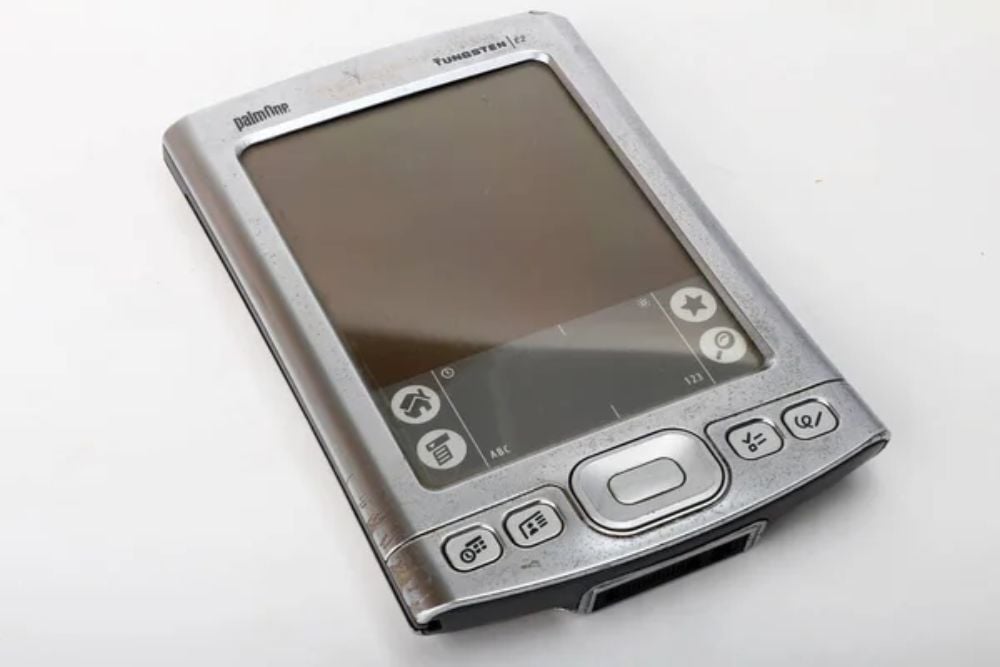
The Palm Pilot transformed everyone into high-tech executives — even those merely tracking grocery lists. This pocket-sized personal digital assistant stored contacts, calendar appointments, and notes using a stylus on its grayscale screen.
Though the device’s signature Graffiti writing system required learning special characters, users felt more futuristic rather than frustrated by this quirky requirement.
DVD Player

DVD players promised to render VHS tapes as obsolete as vinyl records, and they nearly succeeded. The ability to skip directly to scenes, enjoy crystal-clear picture quality, and access bonus features felt revolutionary after years of rewinding fuzzy tapes.
People spent hours marveling at the clarity — even during movies they’d watched countless times before.
Like Go2Tutors’s content? Follow us on MSN.
Digital Camera
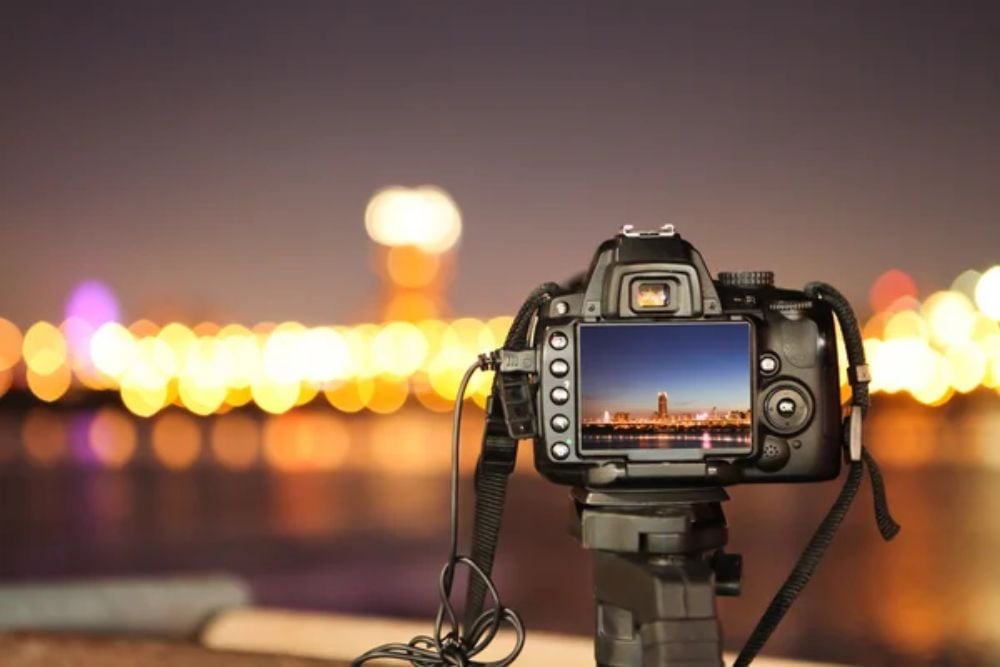
Digital cameras liberated photography from film rolls and darkroom development. Early Kodak DC series and Canon models displayed photos instantly on tiny LCD screens, allowing users to delete disasters and print only winners.
Despite grainy images and voracious battery consumption, unlimited shots without film costs felt like pure magic.
TiVo
TiVo transformed television from passive consumption into active control. Pausing live TV, skipping commercials, and recording shows without VCR fumbling made viewers feel like they possessed supernatural powers over entertainment.
The device learned viewing habits and suggested programs — creating early AI that felt both helpful and mildly unsettling.
Segway
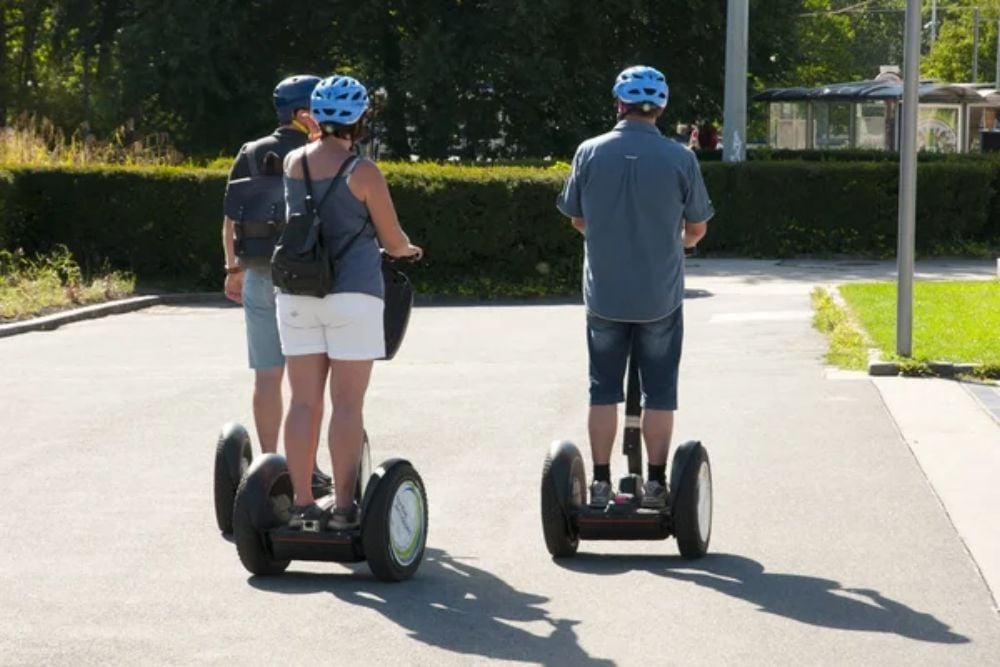
The Segway was destined to revolutionize personal transportation and eliminate urban congestion forever. Dean Kamen’s self-balancing scooter promised to replace walking for short distances, making everyone glide through cities like sci-fi characters.
Though celebrity endorsements and media hype surrounded it, most people found their legs more practical — though mall security and tourists embraced the futuristic ride.
Like Go2Tutors’s content? Follow us on MSN.
Blackberry

Before smartphones conquered every pocket, Blackberries made mobile email feel like exclusive business superpowers. The tiny QWERTY keyboard and push email technology enabled instant responses from anywhere, creating feelings of incredible connectivity and productivity.
That distinctive clicking sound became the soundtrack of early 2000s business culture.
Bluetooth Headset
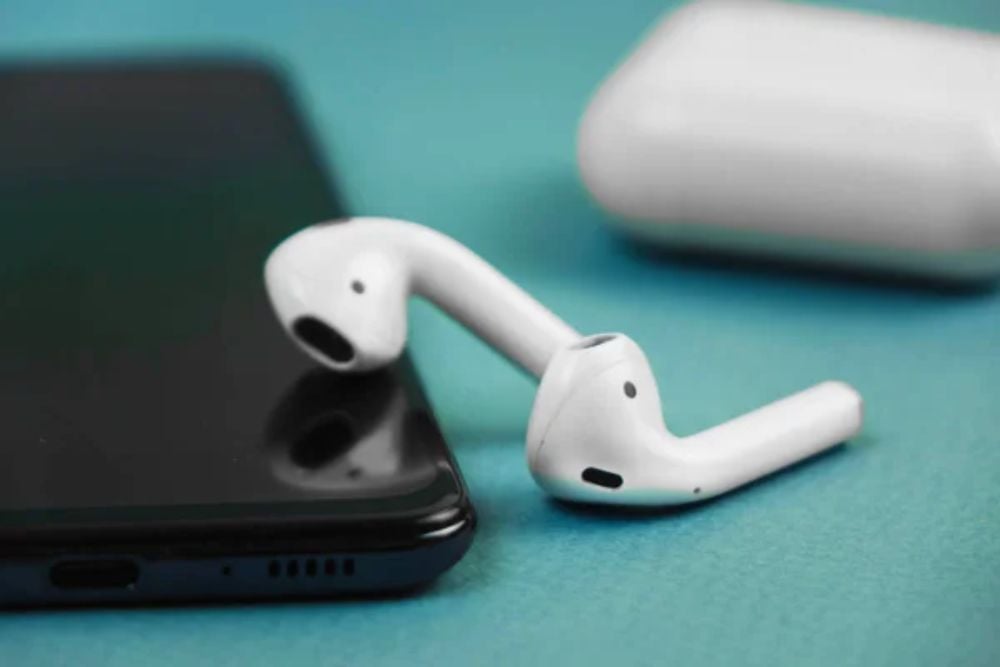
Bluetooth headsets made everyone appear to converse with invisible companions — yet they represented an impossibly advanced wireless future. Freedom during phone calls without device tethering felt liberating, despite spotty audio quality and terrible battery life.
Early adopters wore them constantly, transforming hands-free calling into status symbols.
MP3 Player
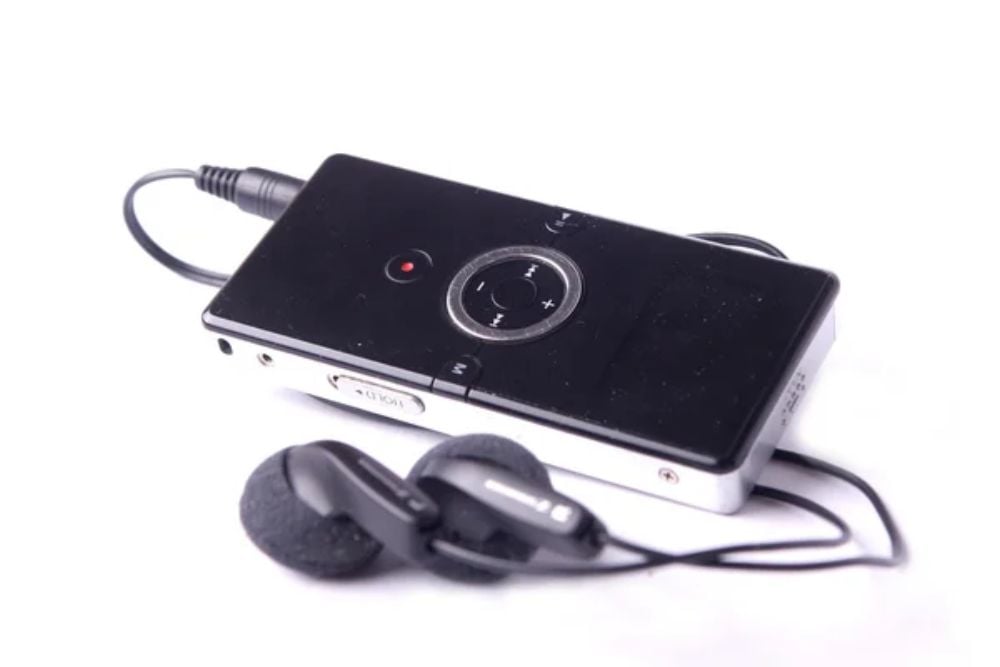
MP3 players, particularly the Diamond Rio and subsequent models, promised entire music collections in pocket-sized packages without bulky CD cases. Carrying hundreds of songs on devices smaller than cassette tapes felt revolutionary — even though music transfers required patience and technical expertise.
These gadgets paved the way for digital music revolution, making physical media increasingly antiquated.
Like Go2Tutors’s content? Follow us on MSN.
WebTV
WebTV boxes promised living room internet access, transforming web browsing into family activities. Checking email and surfing websites from couches using wireless keyboards seemed like a perfect old-new technology marriage.
Reality often proved slow and frustrating, yet it provided many families with their inaugural home internet experience.
Digital Video Recorder
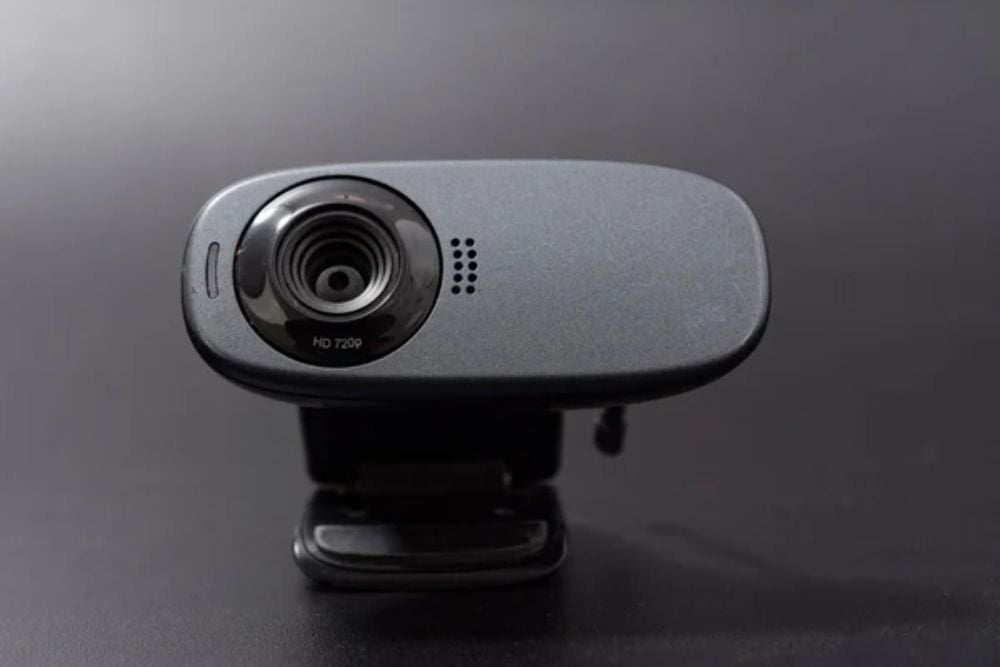
Standalone digital video recorders offered TiVo-style functionality minus monthly subscription fees. These devices recorded multiple shows simultaneously while storing hours of programming on built-in hard drives.
Creating personal TV schedules and never missing shows felt like controlling time itself — especially for fans juggling overlapping prime-time series.
Pocket PC
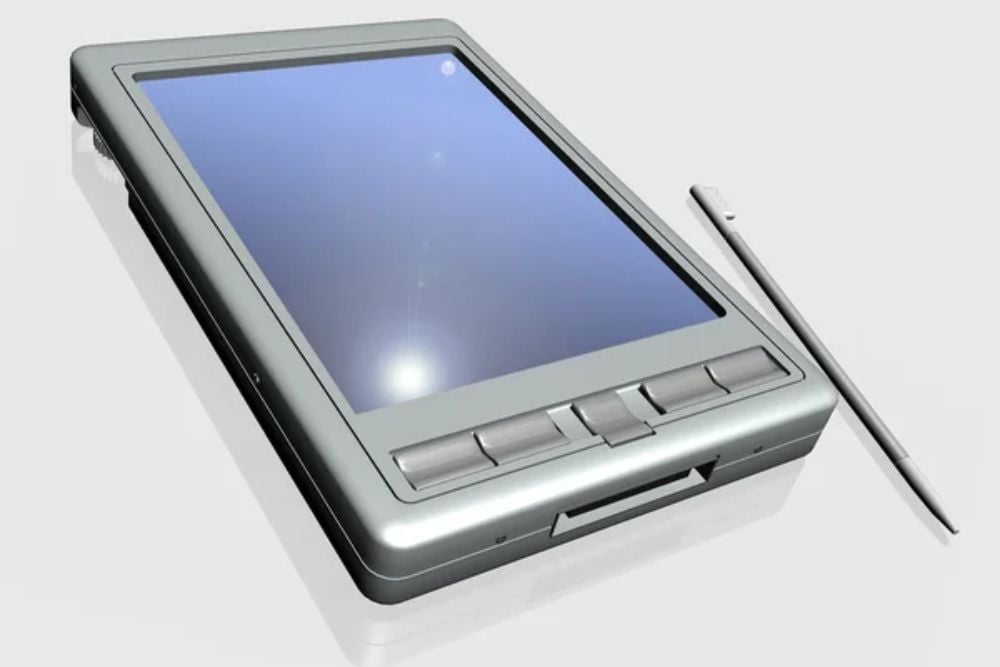
Microsoft’s Pocket PC devices brought desktop computing power to handheld formats, complete with familiar Windows interfaces and Office applications. The ability to edit documents, play media files, and run multiple programs on palm-sized devices seemed like science fiction becoming reality.
Color screens and stylus input made these gadgets feel sophisticated and professional.
Like Go2Tutors’s content? Follow us on MSN.
Handspring Visor
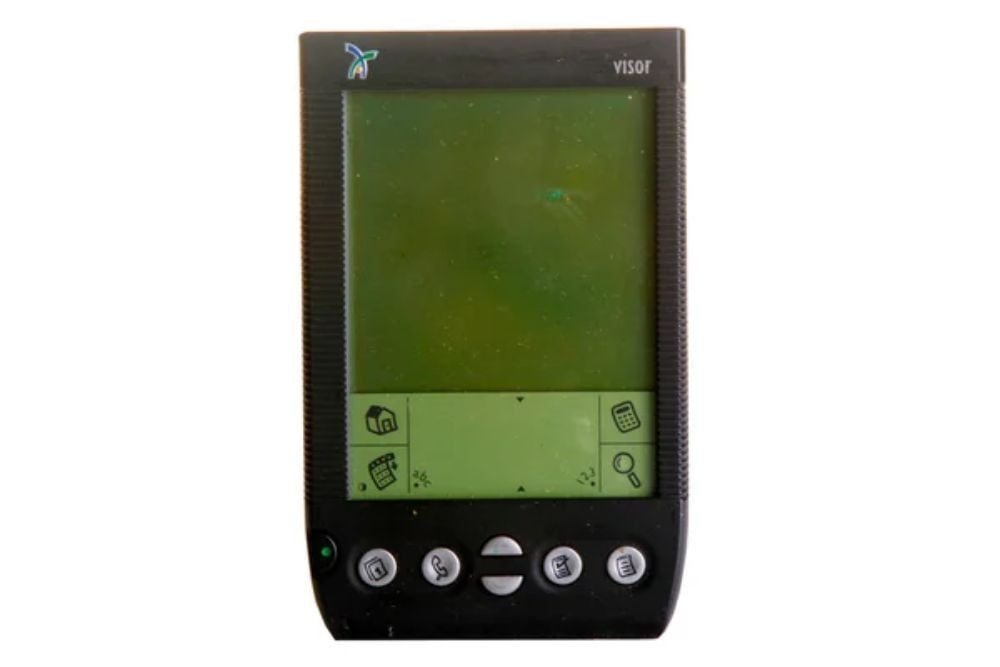
The Handspring Visor improved Palm Pilot concepts with expandable Springboard modules adding new functionality. Users could insert different cartridges for GPS navigation, digital cameras, or wireless connectivity, making devices feel endlessly customizable.
This modular approach to mobile computing seemed like the future of personal technology, where one device could transform into anything needed.
Early Digital Camcorder
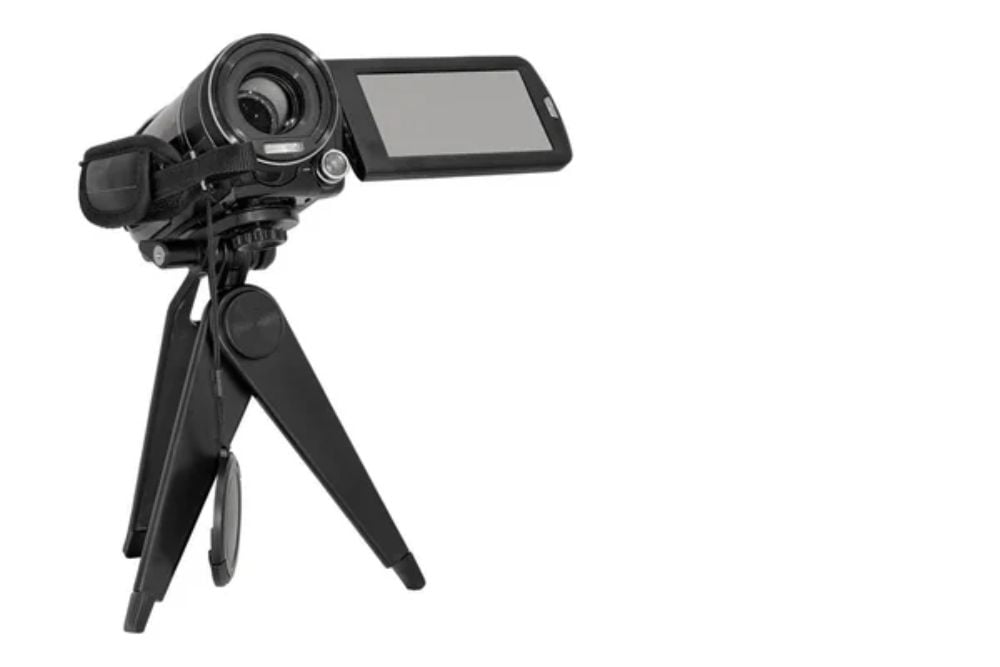
Digital camcorders eliminated expensive tape formats and complicated editing equipment. Sony Digital8 and Canon models let families record directly to digital formats editable on home computers.
The ability to capture, edit, and share videos without professional equipment democratized filmmaking, making every family gathering feel like a movie production.
Wireless Router
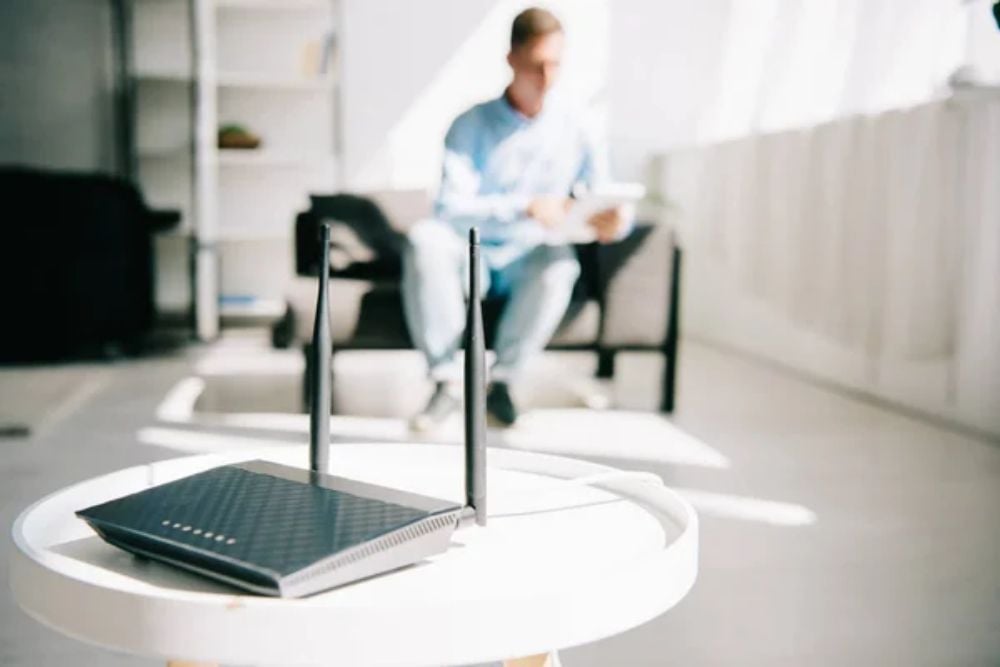
Home wireless routers freed internet access from Ethernet cables, letting multiple devices connect from anywhere in the house. The Linksys WRT54G and similar models transformed homes into wireless networks, making laptops truly portable within personal spaces.
Browsing the web from bed or checking email in the kitchen felt like living in a properly connected future.
Like Go2Tutors’s content? Follow us on MSN.
Portable GPS Navigator
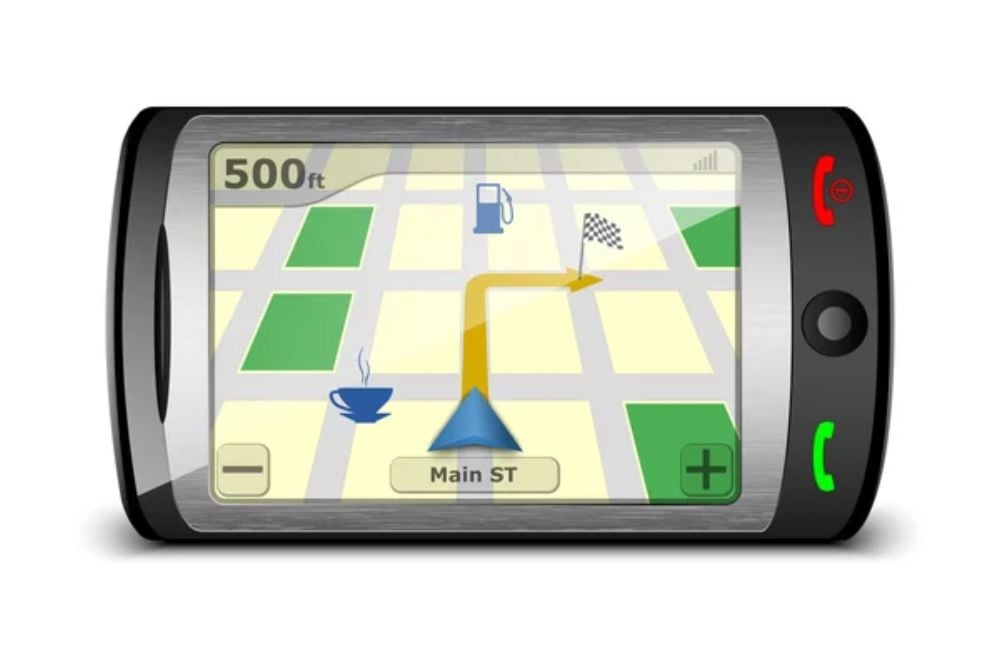
Standalone GPS devices like early Garmin models promised to end paper maps and asking for directions. Turn-by-turn navigation anywhere felt like having personal guides who never got lost or frustrated.
These devices made road trips less stressful while giving drivers confidence to explore new places without fear of becoming hopelessly lost.
The Legacy Lives On

Many Y2K gadgets planted seeds that grew into today’s essential technologies. While Palm Pilots evolved into smartphones and digital cameras became phone features, that era’s revolutionary spirit continues driving innovation.
The optimism and excitement surrounding these early devices remind us that every technological breakthrough starts with someone imagining better ways to live, work, and connect with the world.
More from Go2Tutors!

- 16 Restaurant Chains That Went Too Fast
- 12 Things Sold in the 80s That Are Now Illegal
- 15 Strange Things People Have Tried to Ban (And Failed)
- 16 Collectibles People Tossed Out Too Soon
- 17 Myths from Your Childhood That Were Actually Based on Real Things
Like Go2Tutors’s content? Follow us on MSN.



