Unusual Wildlife Behaviors Documented
Animals surprise us constantly. Scientists spend decades studying creatures they think they understand, only to witness something that doesn’t fit the textbooks.
These moments remind us how much mystery still exists in the natural world, even in species we see every day.
Crows Holding Funerals
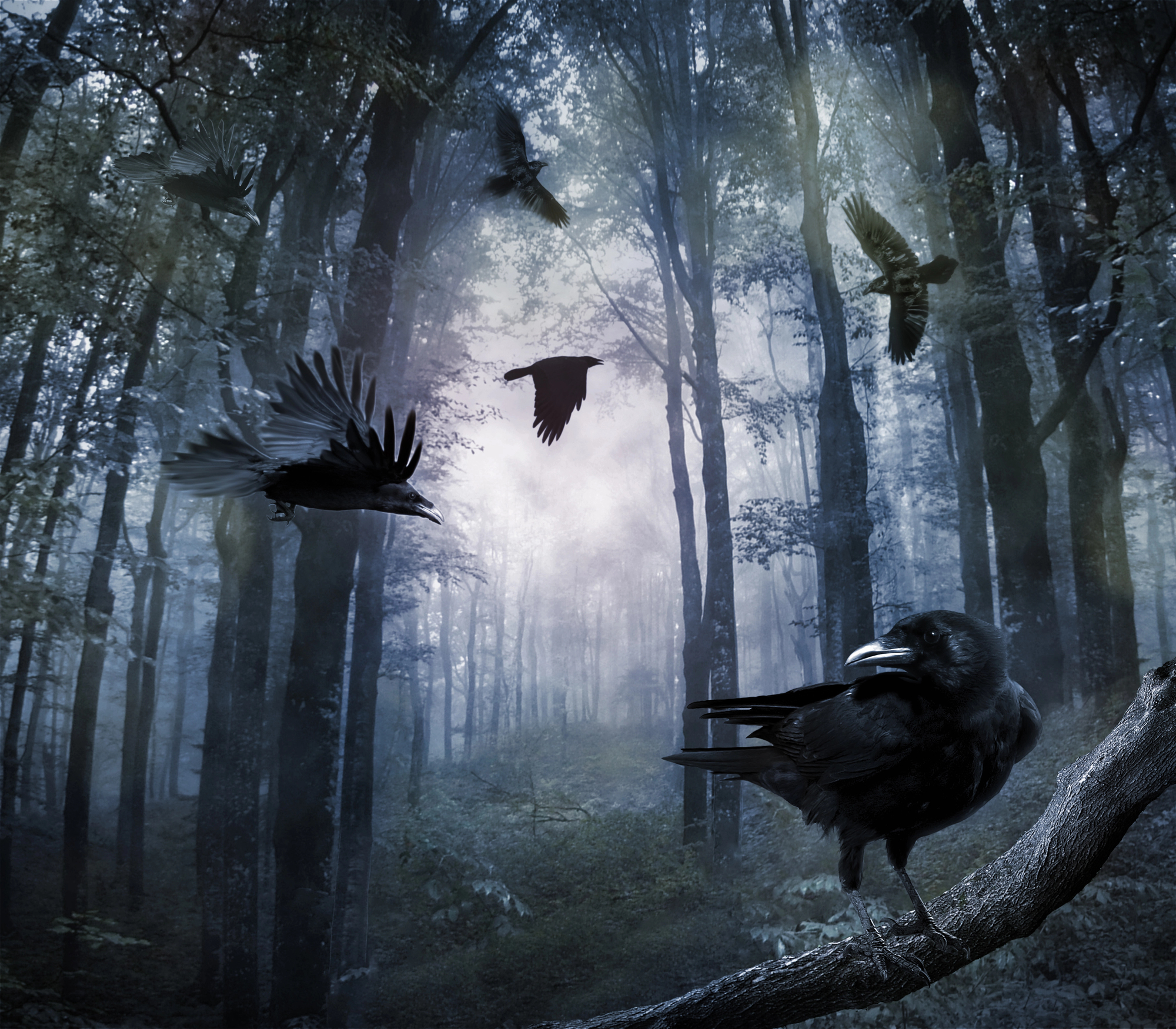
When a crow dies, other crows gather around the body. They don’t just pass by—they stop, observe, and sometimes call out.
Researchers initially thought this was mourning behavior, something emotional and human-like. But the truth gets more interesting.
These gatherings serve as learning opportunities. Crows remember the location and circumstances of death, then avoid those areas and situations in the future.
They’re not just paying respects. They’re taking notes on how to stay alive.
Dolphins Getting High on Pufferfish
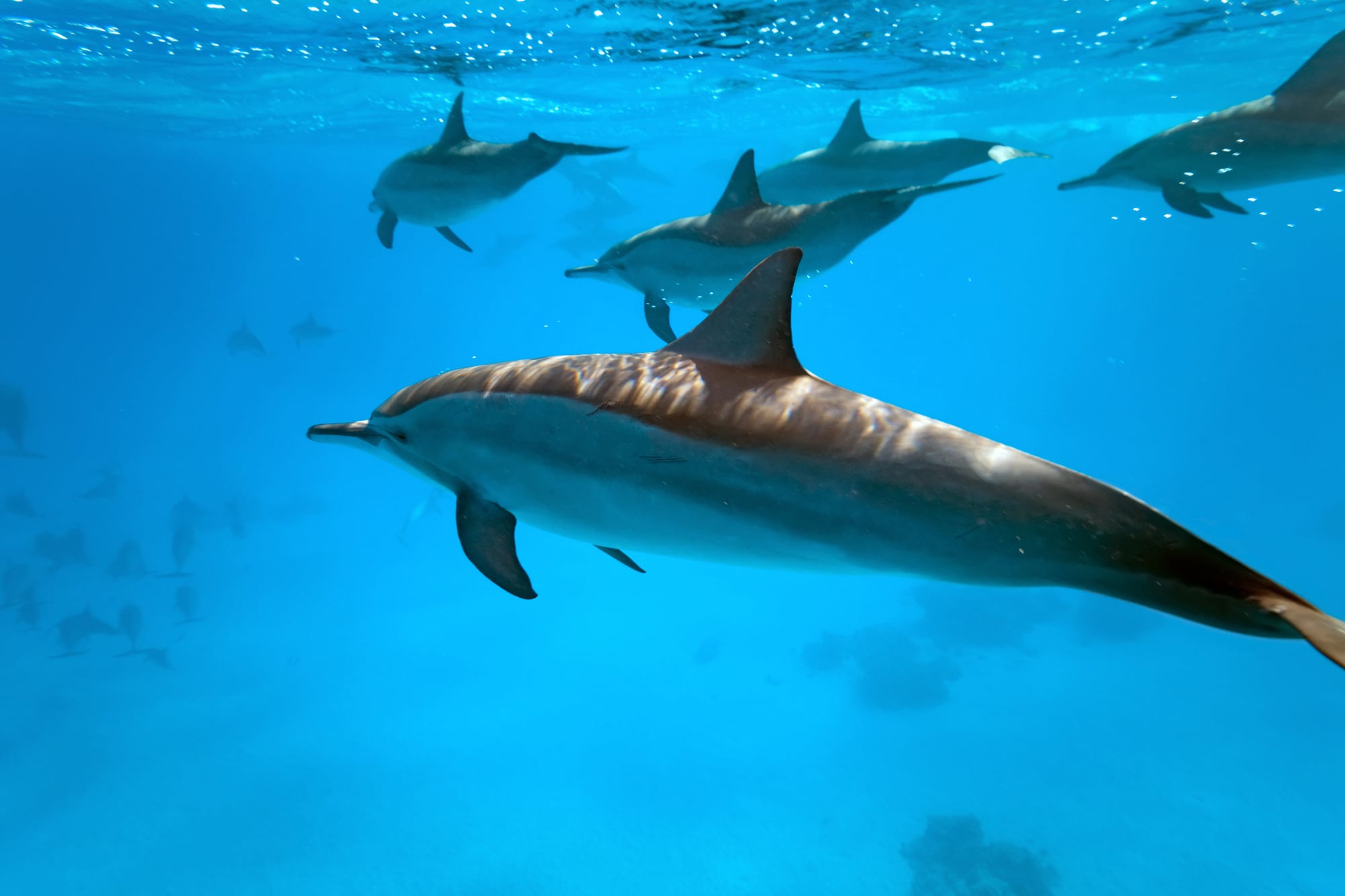
Off the coast of several countries, dolphins have been observed carefully handling pufferfish. They don’t eat them.
Instead, they gently chew on them and pass them around to other dolphins in what looks like a game. Pufferfish release a toxin when threatened.
In small doses, this toxin appears to have a narcotic effect. The dolphins enter what researchers describe as a trance-like state, floating near the surface and staring at their own reflections.
Young dolphins seem particularly interested in this activity, suggesting it might be something they learn from older members of their group.
Elephants Returning to Gravesites
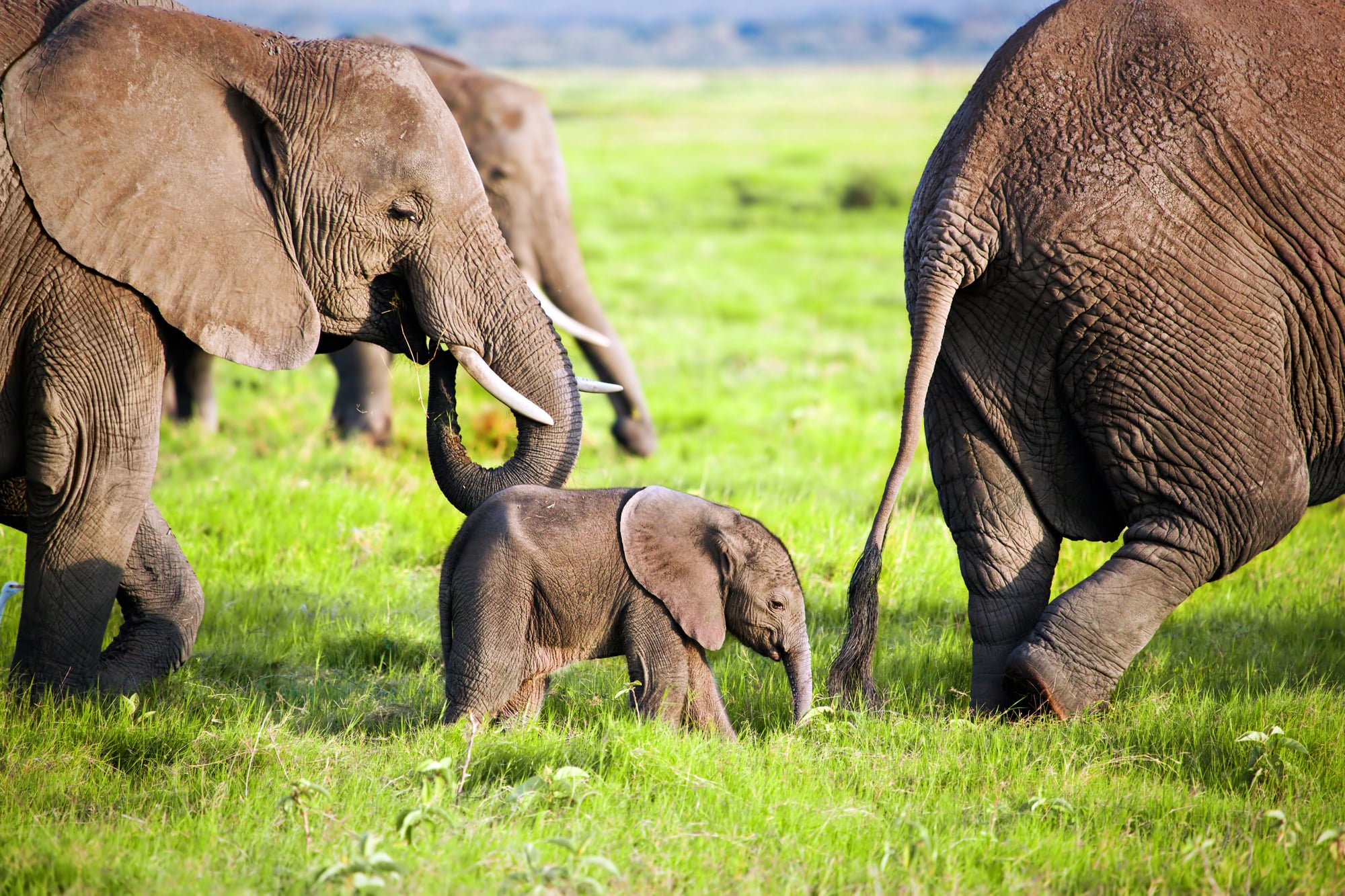
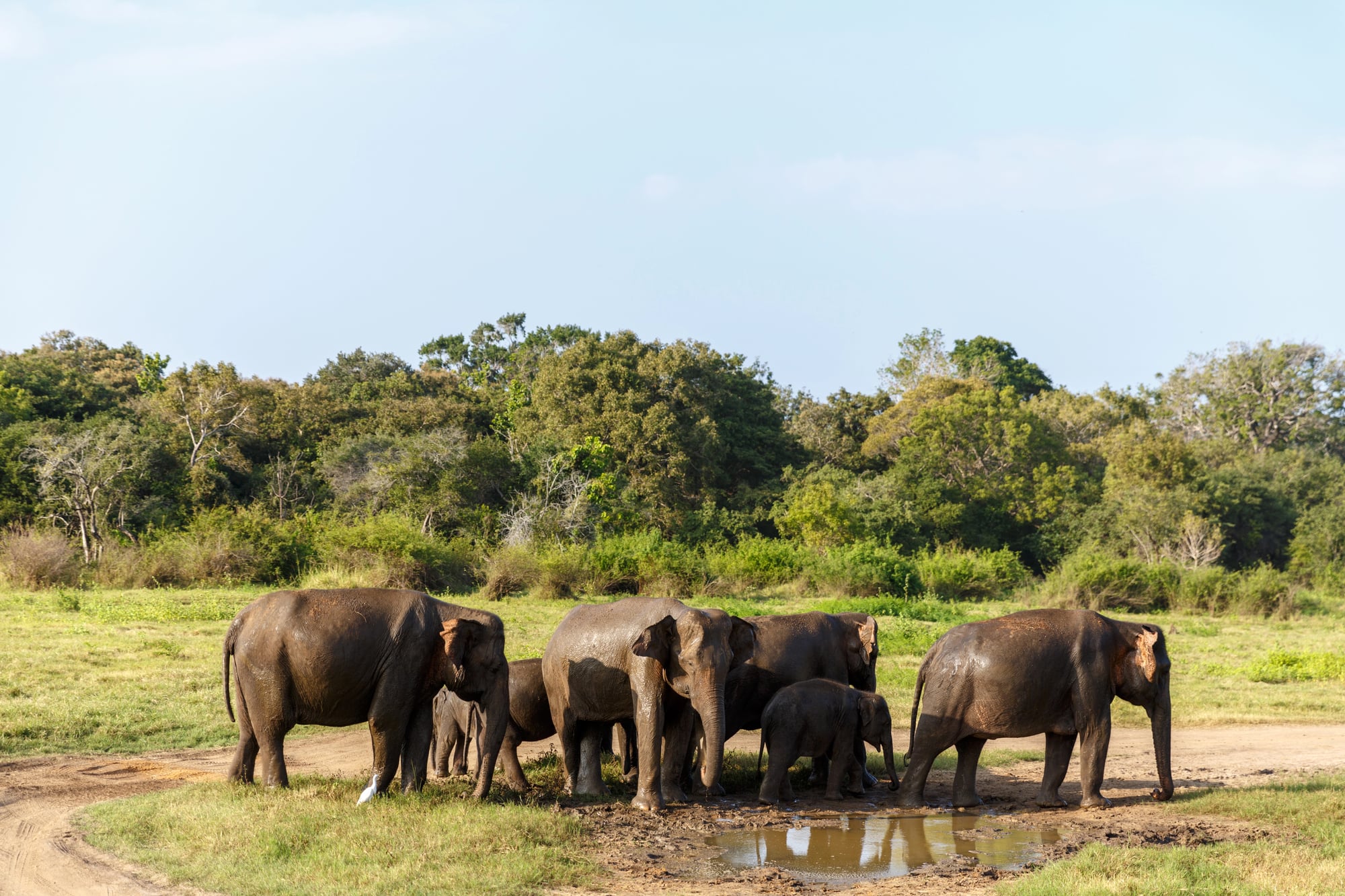
Elephants don’t just remember their dead—they visit them. When an elephant passes away, family members return to the site months or even years later.
They touch the remains with their trunks, paying special attention to the skull and tusks. This behavior extends beyond their own species.
Elephants have been documented standing vigil over deceased humans they knew. One elephant in Kenya stayed by a researcher’s body for hours after he died, refusing to leave even when other people approached.
Octopuses Building Underwater Cities
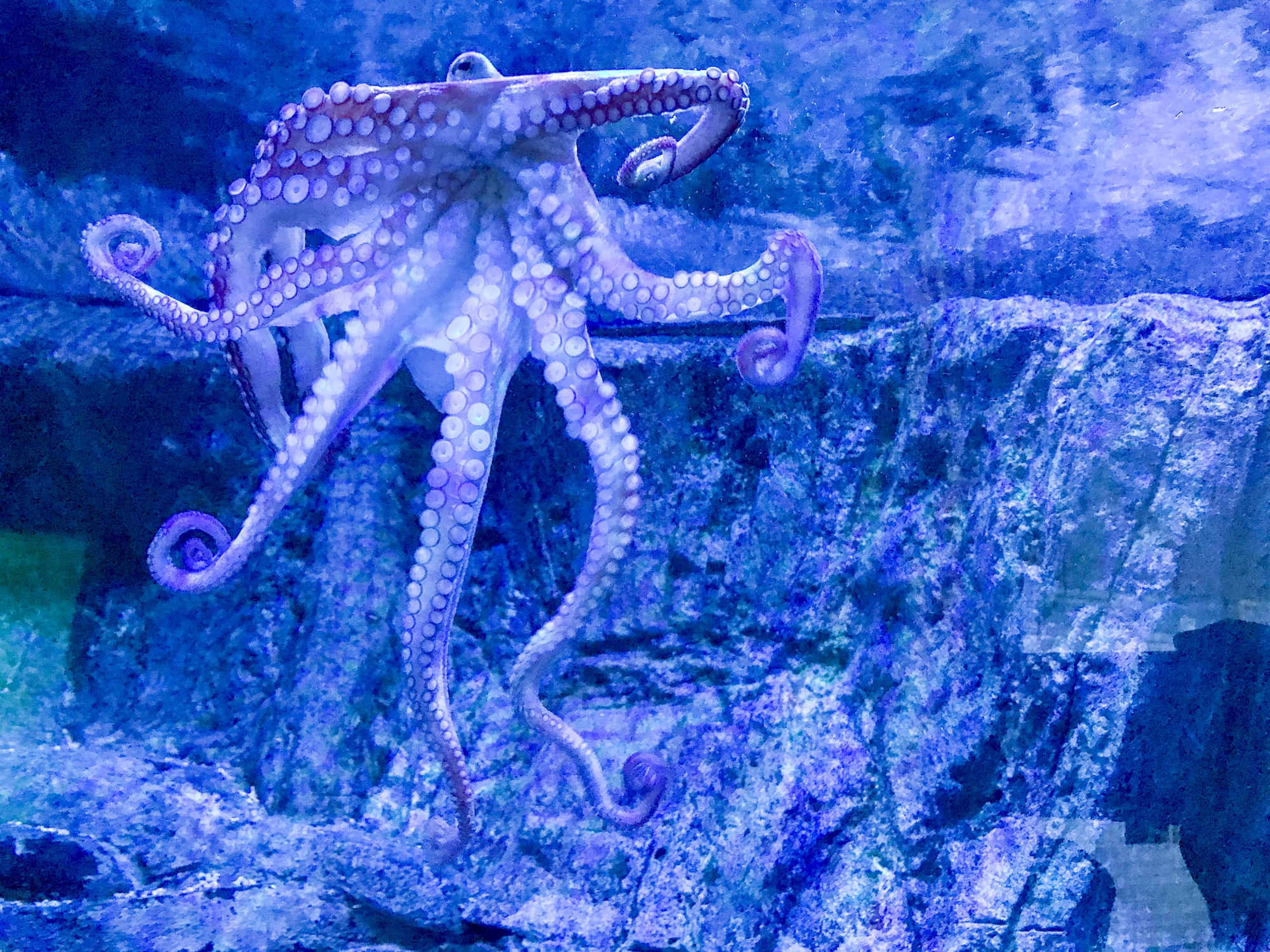
Solitary by nature, octopuses typically avoid each other except to mate. But off the coast of Australia, groups of them constructed dens close together, creating what scientists dubbed “Octopolis.”
Later, a second site called “Octlantis” was discovered. These communities feature shared spaces, territorial disputes, and social hierarchies.
Octopuses chase each other away from preferred dens, claim high-quality shells, and demonstrate what looks like personality-driven interactions. For creatures with short lifespans and no parental teaching, this level of social complexity shouldn’t exist according to previous understanding.
Ants Farming and Herding
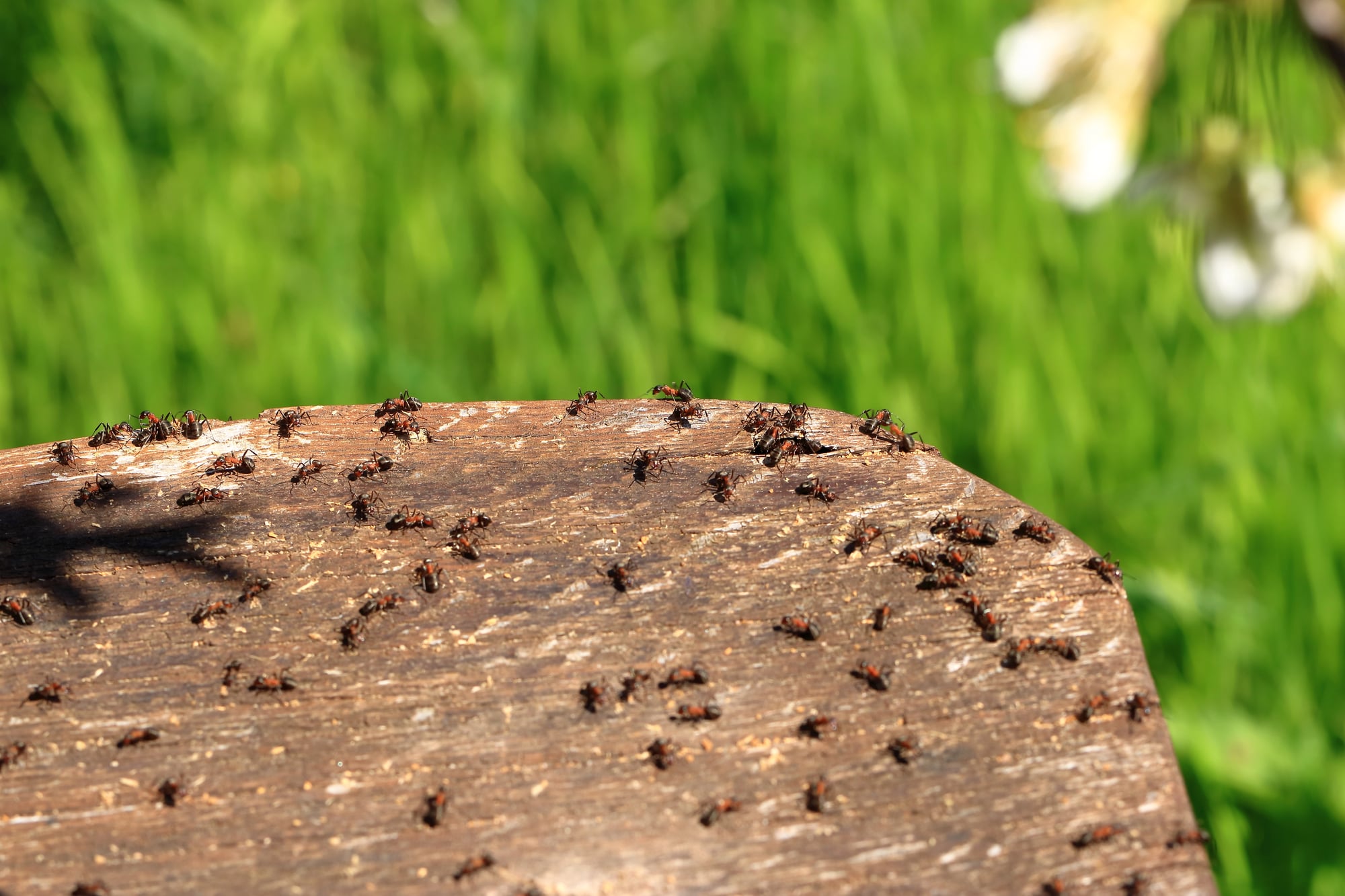
Leafcutter ants don’t eat the leaves they harvest. They use them to grow fungus in underground gardens.
The ants tend these gardens carefully, removing contaminated sections and adjusting conditions to maximize growth. They eat the fungus, not the leaves.
Some ant species take this further by herding aphids. They protect the aphids from predators, move them to better feeding spots, and even shelter them overnight.
In return, the aphids produce a sugary substance the ants consume. The ants literally milk the aphids by stroking them with their antennae.
Capuchin Monkeys Using Currency
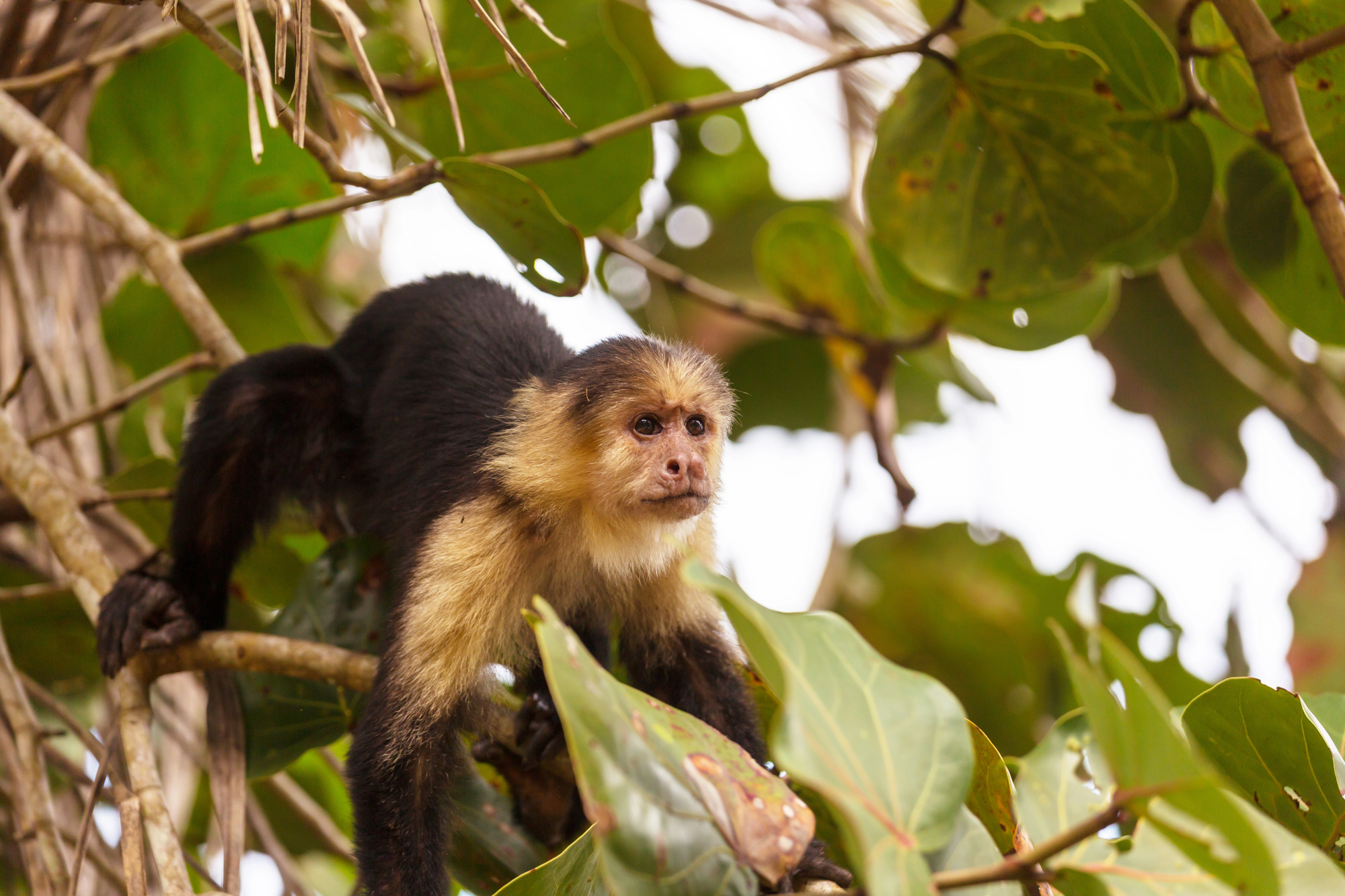
In research settings, capuchin monkeys quickly learned to use tokens as money. They traded these tokens for food, understood different values, and even demonstrated economic behaviors like saving for preferred items.
But they also showed more complex understanding. The monkeys developed trade preferences, remembering which researchers gave them better deals.
Some even figured out theft, stealing tokens from each other. When given the opportunity, they gambled with their tokens, showing the same risk-assessment patterns humans display in casinos.
Ravens Playing in Snow
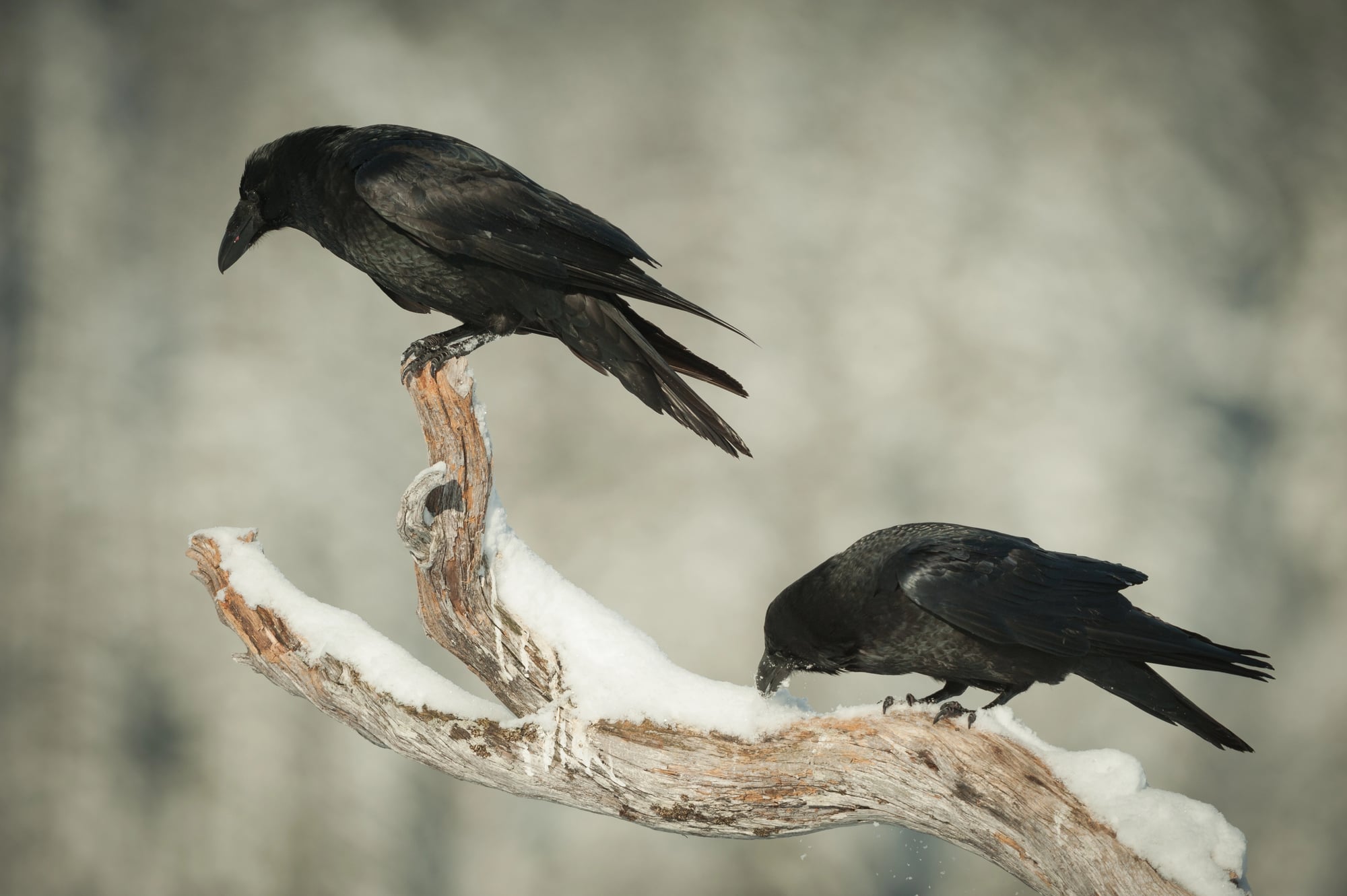
Play behavior in animals usually has a purpose—young creatures practice skills they’ll need as adults. But ravens in mountainous regions repeatedly slide down snow-covered slopes for no apparent reason other than enjoyment.
They climb back up and do it again. Sometimes they use objects as sleds.
Other times they slide on their backs or stomachs. This activity provides no food, doesn’t help them escape predators, and doesn’t appear to serve any survival function.
They just seem to like it.
Bees Voting on New Homes
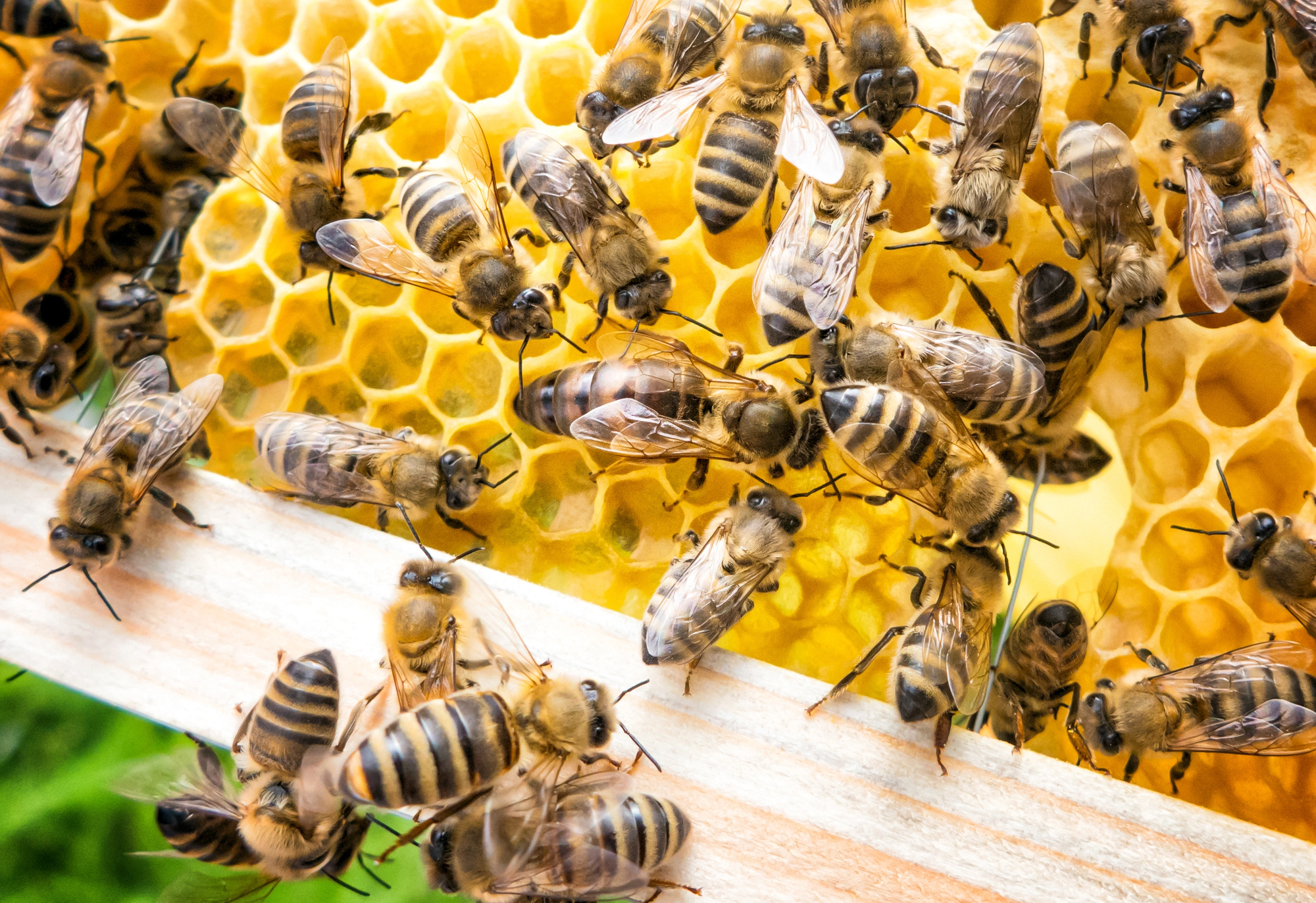
When a hive needs a new location, scout bees search for options. They return and perform a dance that communicates the site’s location, quality, and suitability.
Other scouts visit the proposed sites and return with their own assessments. The process resembles a democratic election.
Scouts dance more vigorously for better locations, essentially campaigning for their choice. Eventually, a consensus builds.
When enough bees agree on one location, the entire hive moves. The decision happens through collective agreement, not through a single leader making the call.
Humpback Whales Adopting Other Species
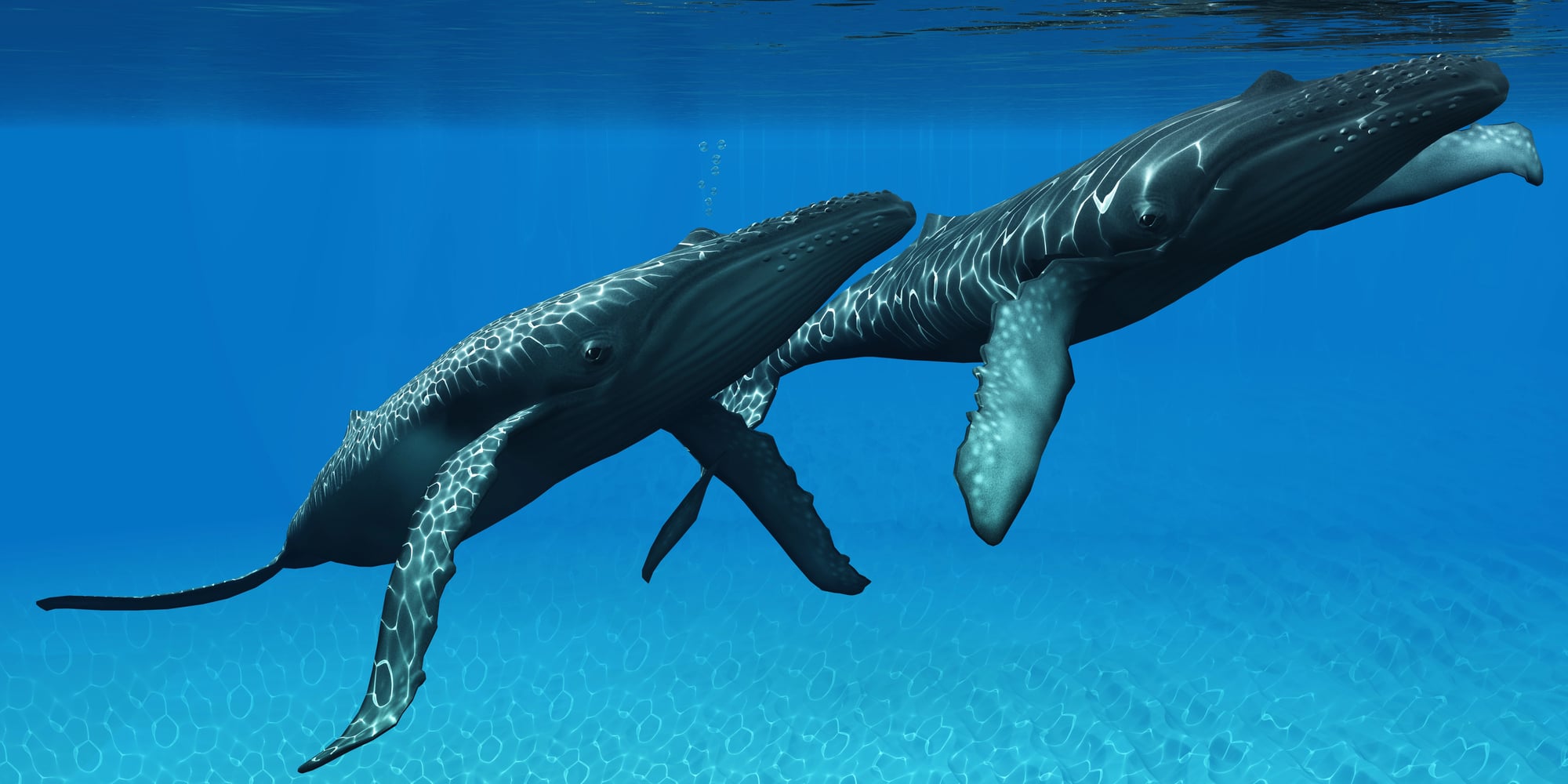
A humpback whale was observed carrying a deceased calf for several days. This behavior, while tragic, makes sense in the context of maternal bonding.
But humpbacks have also been documented protecting seals, sea lions, and even sunfish from orcas. These interactions provide no benefit to the whales.
They actively intervene in hunts, placing themselves between predators and prey. In some cases, they lift smaller animals onto their bellies to keep them out of reach.
Scientists still debate why they do this, but the behavior appears consistent enough to rule out coincidence.
Chimps Keeping Rocks as Pets
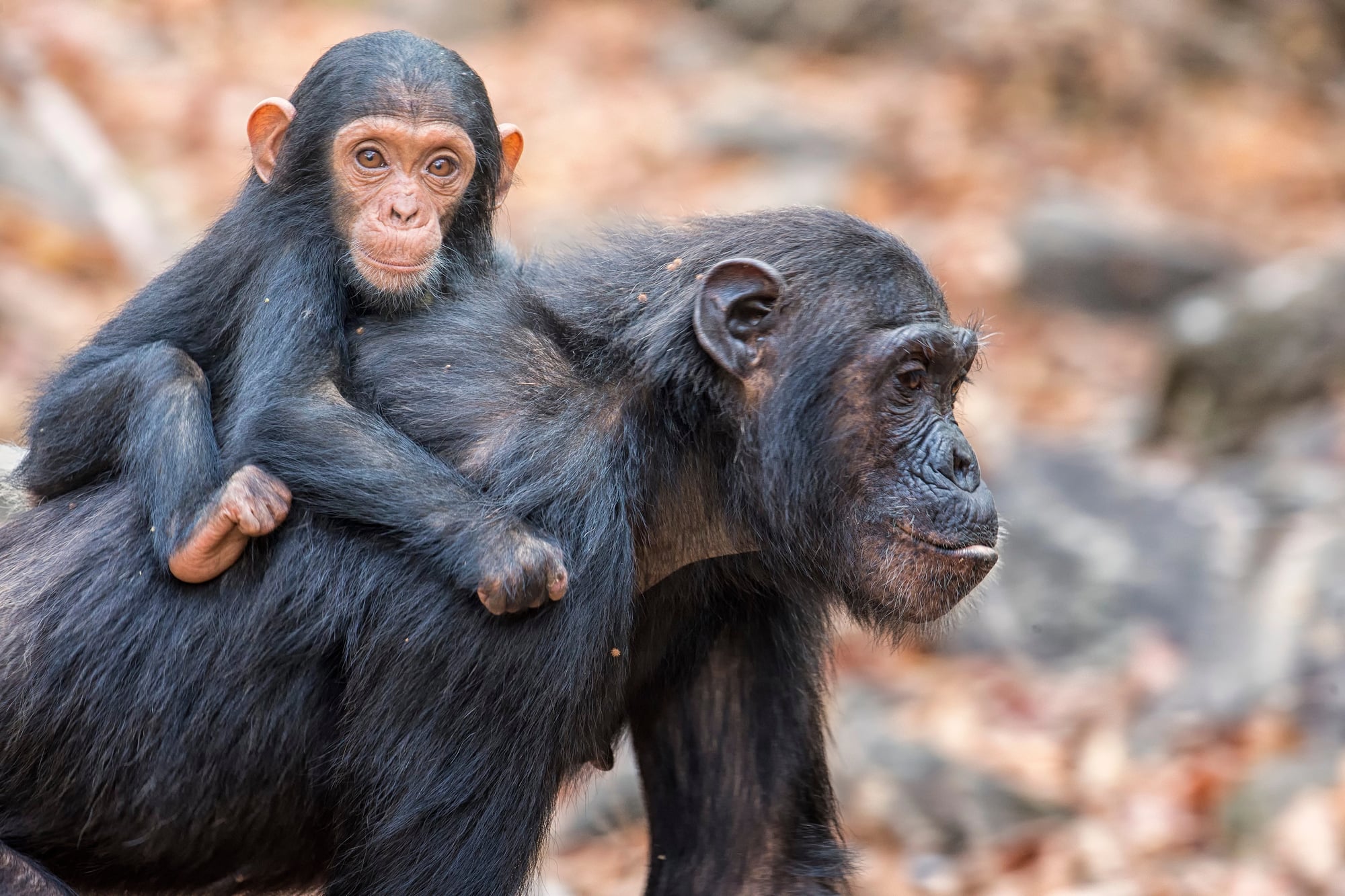
In several locations, chimpanzees have been observed carrying stones that serve no practical purpose. They don’t use them as tools.
They don’t eat off them. They just carry them around, sometimes for years.
Researchers tracking individual chimps found that some kept the same stone for extended periods, treating it carefully and showing distress if they lost it. The behavior resembles how children keep security blankets or favorite toys.
It suggests chimps might have a capacity for attachment to objects beyond their utilitarian value.
Wolves Bringing Gifts to Humans
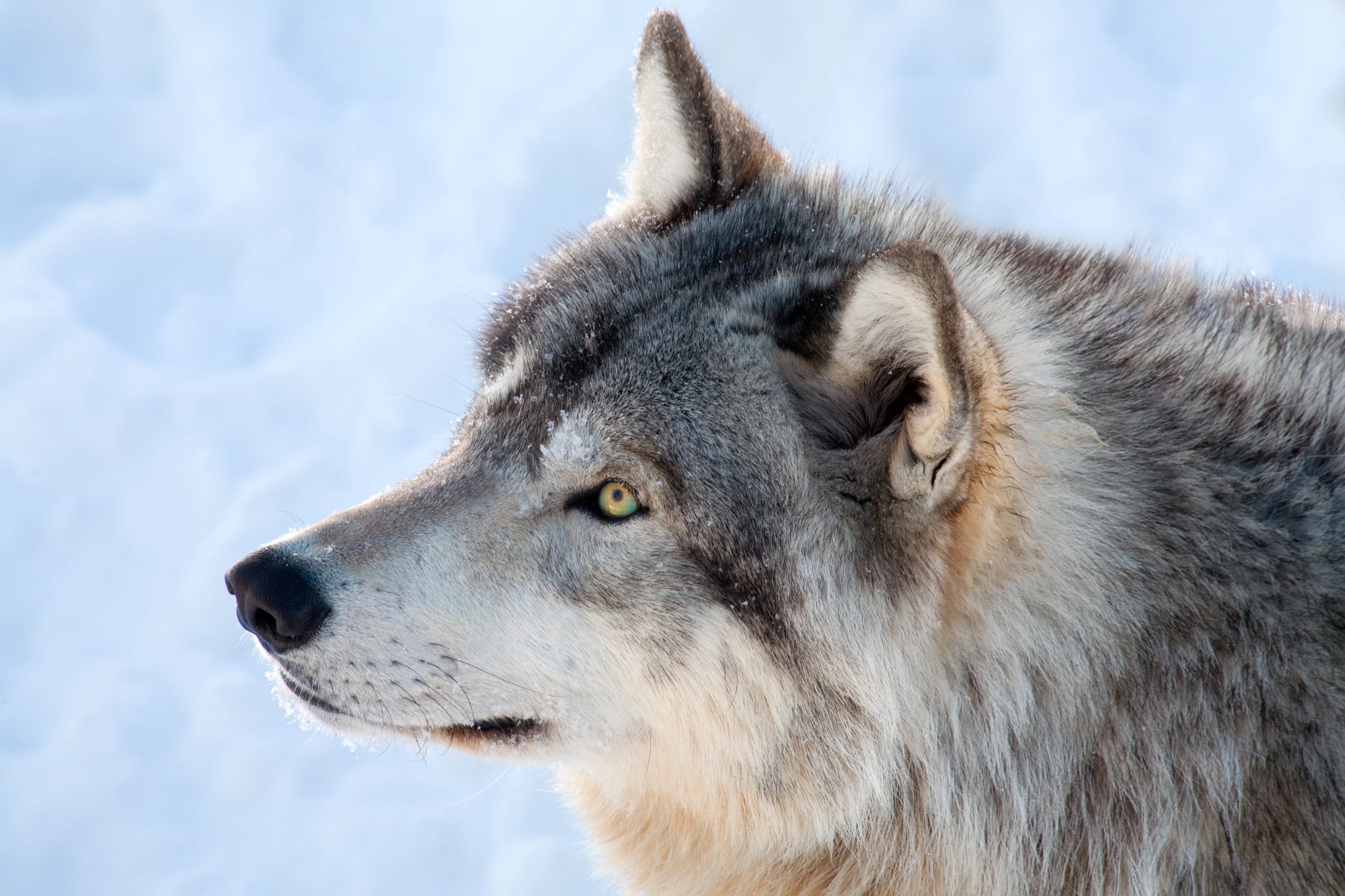
In a remote area of Russia, researchers documenting wolf behavior noticed something odd. Individual wolves began leaving prey animals near the research station.
Not as territorial markers or threats, but apparently as offerings. The wolves didn’t eat the animals themselves.
They killed them, carried them to the camp perimeter, and left. Over time, specific wolves returned with gifts regularly.
The behavior intensified when researchers left food out in return, suggesting the wolves understood the concept of reciprocal exchange.
Cuttlefish Communicating Through Pattern
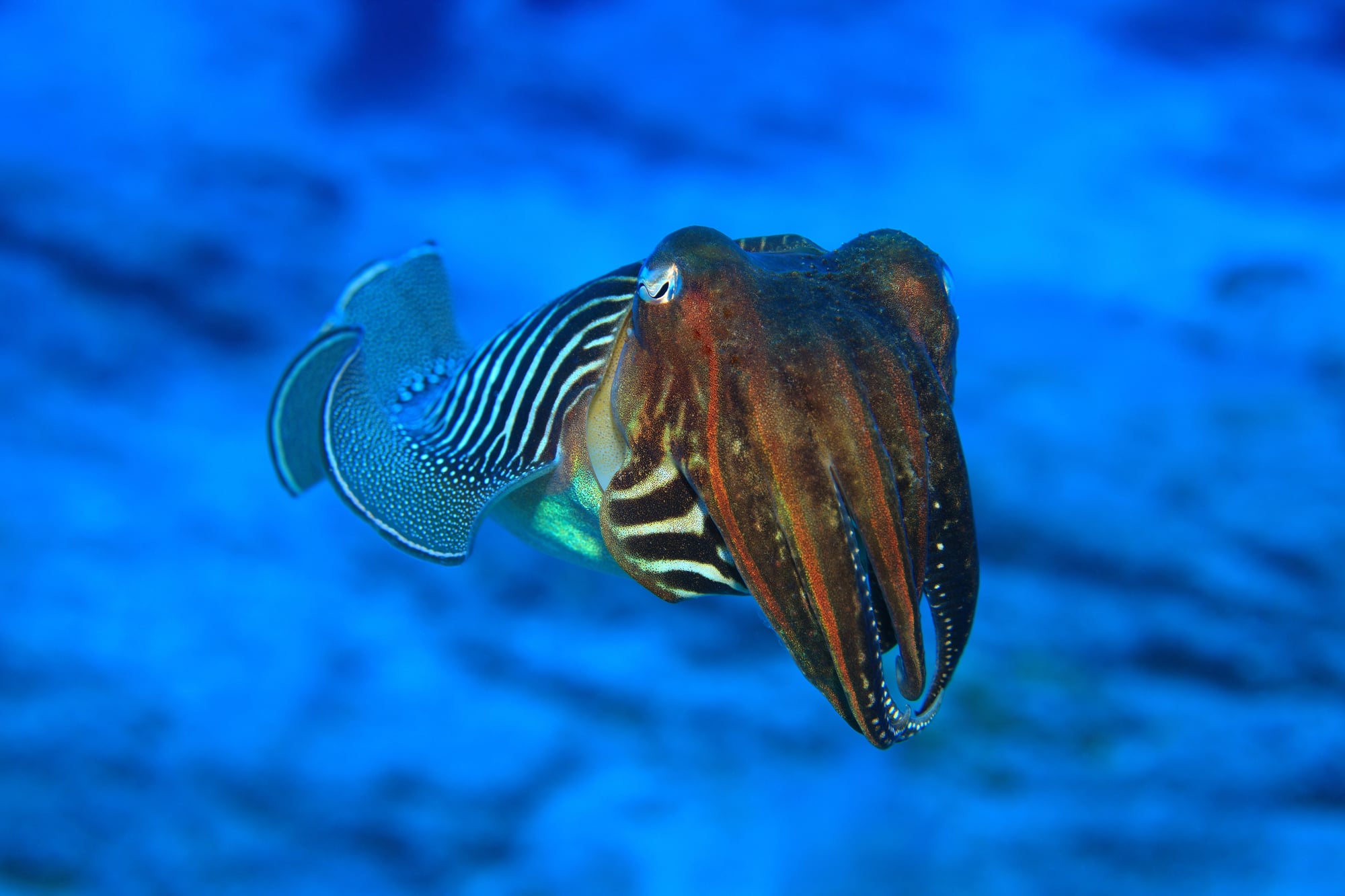
Cuttlefish change color and pattern faster than any other animal. They use this ability for camouflage, but also for communication.
Males display aggressive patterns to compete with each other while simultaneously showing courtship patterns to females on their opposite side. But females do something even more interesting.
They mimic male patterns when approaching other females. This disguise lets them move through male-dominated areas without harassment.
Scientists watching this behavior realized the cuttlefish aren’t just changing color reflexively—they’re making strategic decisions about which patterns to show and to whom.
Prairie Dogs Naming Predators
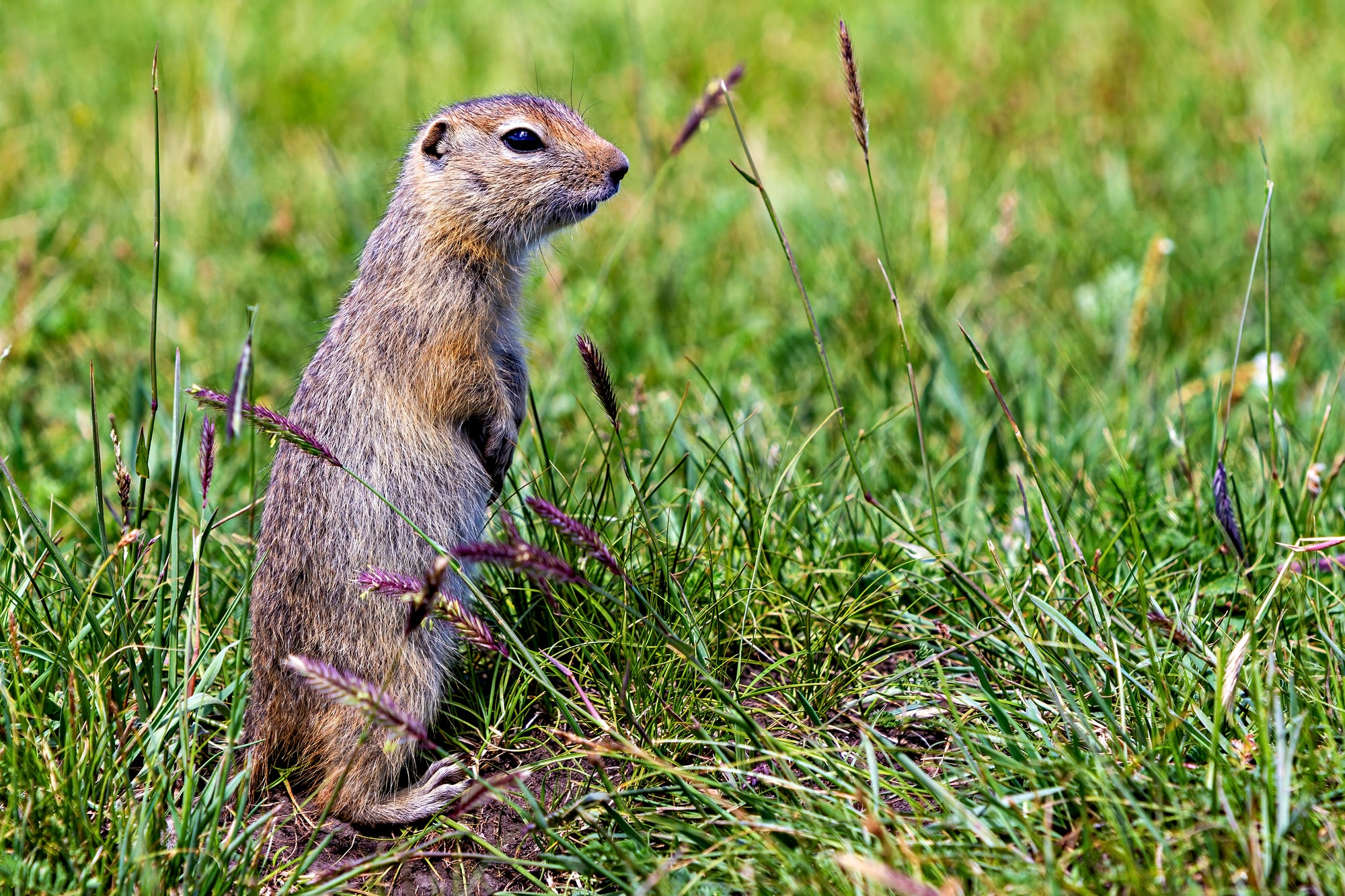
Prairie dog alarm calls contain more information than simple warnings. Research revealed that different calls describe different types of threats.
They have distinct signals for hawks, coyotes, and humans. But the sophistication goes further.
The calls include descriptive information about the specific threat. When researchers walked through prairie dog colonies wearing different colored shirts, the rodents adjusted their calls.
They weren’t just saying “human approaching.” They were essentially saying “human in blue shirt” versus “human in yellow shirt.”
This level of descriptive language exists in very few animal species.
When Routine Becomes Remarkable
Scientists continue documenting behaviors that challenge everything we thought we knew about animal intelligence and social capacity. Each discovery raises new questions.
These aren’t just interesting observations—they’re windows into complex inner lives we’re only beginning to understand. The animals doing these things aren’t trying to impress us.
They’re not performing for cameras or adapting to captivity. They developed these behaviors in the wild, solving problems and expressing capabilities that blur the lines we draw between instinct and conscious thought.
What we call unusual might just be what we haven’t noticed yet.
More from Go2Tutors!

- The Romanov Crown Jewels and Their Tragic Fate
- 13 Historical Mysteries That Science Still Can’t Solve
- Famous Hoaxes That Fooled the World for Years
- 15 Child Stars with Tragic Adult Lives
- 16 Famous Jewelry Pieces in History
Like Go2Tutors’s content? Follow us on MSN.