15 Odd Jobs That Pay Surprisingly Well Today
The traditional career path isn’t the only way to make good money anymore. Some of the most unusual occupations out there come with paychecks that would surprise most people holding down regular office jobs.
These aren’t your typical nine-to-five gigs, and that’s exactly why they pay so well. Let’s look at some jobs that might sound strange but actually offer solid income for those willing to do the work.
Professional Cuddler

People pay real money for platonic physical comfort, and professional cuddlers can earn between $80 and $200 per hour providing it. This job involves holding clients, spooning them, or just sitting close while they talk through their problems or decompress from stressful lives.
Sessions typically last one to two hours and take place in public spaces or the cuddler’s certified workspace. The demand for this service has grown significantly as more people live alone and experience touch deprivation in an increasingly isolated society.
Golf Course Orb Diver

Someone has to retrieve all those golf orbs that land in water hazards, and that someone can make $50,000 to $100,000 per year doing it. These divers swim through murky ponds and lakes on golf courses, collecting thousands of orbs per day that get cleaned, sorted, and resold to courses or discount retailers.
The work is physically demanding and sometimes dangerous, with divers facing snapping turtles, alligators in southern states, and poor visibility in muddy water. A single diver can collect up to 5,000 orbs in one day, and they typically sell them back to the courses for 5 to 10 cents each.
Professional Bridesmaid

Brides who need extra support or want to fill out their wedding party hire professional bridesmaids for $300 to $2,000 per wedding. These hired friends help with planning, attend all the pre-wedding events, keep difficult relatives in check, and make sure the bride stays calm on her big day.
The job requires acting skills, emotional intelligence, and the ability to blend in seamlessly with the actual friend group. Some professional bridesmaids work 20 to 30 weddings per year, turning what sounds like a joke into a legitimate full-time income.
Crime Scene Cleaner

After police and investigators finish their work, someone needs to clean up what’s left behind, and that person can earn $35,000 to $80,000 annually. Crime scene cleaners deal with blood, bodily fluids, and worse, using specialized equipment and chemicals to sanitize areas where traumatic events occurred.
The work is emotionally challenging and requires a strong stomach, but it’s always in demand because property owners can’t legally do this work themselves in most states. Many cleaners also handle hoarding situations and unattended death scenes, expanding their potential client base.
Dog Food Taster

Pet food companies employ human tasters to ensure their products meet quality standards, and these professionals can make $40,000 to $75,000 per year. The job involves evaluating the smell, texture, and yes, taste of dog and cat food to make sure it meets the company’s specifications before it goes to market.
Tasters don’t swallow the food but they do chew it and analyze its flavor profile just like wine tasters do. This career requires a refined palate and often a degree in food science, but it’s one of the more unusual applications of culinary training.
Professional Mourner

In some cultures and situations, families hire people to attend funerals and cry convincingly, with rates ranging from $35 to $100 per hour. Professional mourners help create the appropriate atmosphere of grief at services, especially when the deceased didn’t have many friends or when families want to demonstrate the importance of the person who died.
This practice is more common in certain Asian and Middle Eastern countries but has started appearing in Western nations as well. The job requires genuine acting ability and emotional availability, plus the capacity to shift between jobs without carrying the grief home.
Furniture Tester

Someone needs to sit in all those chairs and lie on all those mattresses before they go to market, and companies pay $30,000 to $50,000 per year for people to do exactly that. Furniture testers spend their days evaluating comfort, durability, and design flaws in prototypes, providing detailed feedback that helps manufacturers improve their products.
The work might sound relaxing, but it requires careful attention to detail and the ability to articulate subtle differences in comfort and support. Testers often work with everything from office chairs to luxury sofas, and their input directly influences which products make it to showrooms.
Iceberg Mover

Maritime companies in the North Atlantic employ people to monitor and redirect icebergs away from shipping lanes and oil rigs, paying upwards of $60,000 to $100,000 annually. These specialists use boats equipped with water cannons and sometimes tow cables to nudge massive ice formations onto different paths.
The work is seasonal and dangerous, requiring extensive maritime experience and the willingness to work in some of the harshest conditions on Earth. A single iceberg can weigh millions of tons, so the job requires as much strategic thinking as physical effort.
Professional Line Stander

In cities like New York and Washington D.C., people hire line standers to wait in queues for them, with earnings reaching $25 to $50 per hour or up to $1,000 for overnight waits. These placeholders wait for everything from Supreme Court seats to new iPhone releases, allowing busy or wealthy clients to skip the wait themselves.
Some line standing companies employ dozens of people who work in shifts, creating a surprisingly organized industry around waiting. The job requires patience, the ability to withstand weather, and sometimes the willingness to camp out overnight on sidewalks.
Bingo Manager

Running bingo games at casinos, retirement communities, and charitable organizations can bring in $40,000 to $65,000 per year depending on the venue. Bingo managers need to know all the game variations, handle cash transactions, maintain equipment, and keep players engaged and entertained throughout sessions.
The job requires a gaming license in most states and the personality to work with crowds that are often elderly and sometimes cranky. Large casinos and Native American gaming facilities typically pay the highest wages for experienced managers who can keep games running smoothly.
Professional Sleeper

Hotels and mattress companies hire people to sleep in their beds and provide feedback, with some positions paying $200 to $400 per night. Professional sleepers evaluate comfort levels, room temperature, noise levels, and overall sleep quality, then write detailed reports about their experiences.
NASA has even hired people to stay in bed for months at a time to study the effects of prolonged bed rest, paying over $18,000 for these extended studies. The job sounds perfect until you realize you can’t just roll over and enjoy it without taking extensive notes.
Snake Milker
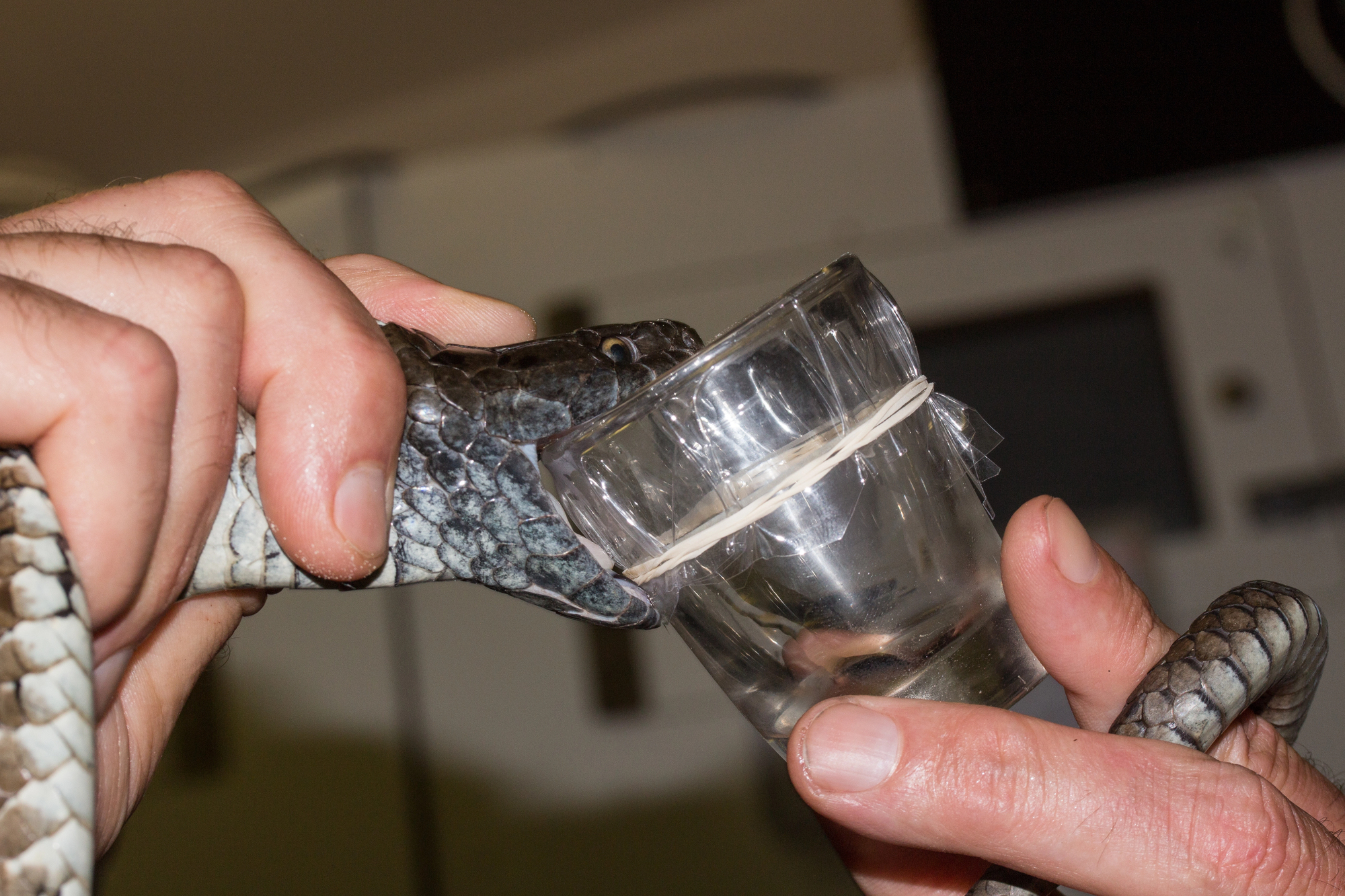
Venom extraction facilities employ snake milkers who earn $30,000 to $45,000 per year handling some of the world’s most dangerous reptiles. These specialists carefully extract venom from snakes like cobras and rattlesnakes, which then gets used to create antivenom and conduct medical research.
The work requires steady hands, quick reflexes, and absolute focus, since one mistake could result in a potentially fatal bite. Most facilities keep the extracted venom frozen and ship it to pharmaceutical companies and research institutions worldwide.
Gross Stunt Tester

Some TV programs hire folks to go through stunts first, offering between fifty thousand and seventy thousand dollars each year. Instead of just watching, these people actually do the tasks – sometimes eating weird food or pushing through awkward moments.
They check whether an obstacle is tough yet doable, not something that breaks bodies or spirits. A person in this role needs thick skin, little fear, and clear thoughts under pressure.
Afterward, they explain exactly what felt off or ran smoothly during the trial run. Producers tweak things based on honest reactions, shaping events into fun instead of failure.
Challenges get fine-tuned until tension feels real but fair for viewers at home. Most reality formats depend heavily on such behind-the-scenes runs before filming begins.
Professional Video Game Player

Some pro gamers pull in forty grand yearly, others grab millions, all based on how good they are and whether they win big events. Daily routines? Eight to twelve hours spent breaking down tactics, sharpening responses, grinding through matches in titles such as League of Legends, Fortnite, or Dota 2.
A surge over ten years turned what was niche into something massive – now prize money hits levels once seen only in classic athletic leagues. Beyond trophies, income comes from brand deals, live-stream paychecks, contracts with teams, stacking up alongside cash from competitions.
For those at the top, it adds up to a real job – not just play, but profession built on precision and stamina.
Ethical Hacker

Some firms pay specialists between seventy five thousand and one hundred fifty thousand dollars yearly – sometimes more – to probe their networks, uncover flaws ahead of cybercriminals. Instead of exploiting gaps, these experts expose them on purpose, using identical methods to attackers, only legally, aiming to strengthen barriers.
Staying sharp means tracking fresh threats nonstop; knowledge fades fast in this field. Credentials matter too – one must hold recognized qualifications covering security models and simulated breaches.
Big businesses, state departments, banks – they all bring in such talent to guard what runs online.
Money Shows Up Where Odd Jobs Live. Not Every Job Makes Sense Before It Pays

Strange jobs show how ideas about decent work have shifted hard in recent years. Not what sounds typical or fancy at gatherings decides worth now – what counts is pay and usefulness people will actually support.
Doing tasks others avoid because they seem odd, awkward, or too narrow tends to bring higher returns due to rarity. When markets prize rare abilities and high discomfort thresholds, standing apart could quietly become the smartest move anyone makes.
More from Go2Tutors!

- The Romanov Crown Jewels and Their Tragic Fate
- 13 Historical Mysteries That Science Still Can’t Solve
- Famous Hoaxes That Fooled the World for Years
- 15 Child Stars with Tragic Adult Lives
- 16 Famous Jewelry Pieces in History
Like Go2Tutors’s content? Follow us on MSN.