Scientific Breakthroughs That Happened by Accident
Sometimes the best discoveries come from mistakes. Scientists spend years meticulously planning experiments, but every now and then, a dropped flask, a forgotten sample, or a melted candy bar leads to something revolutionary.
These accidents didn’t just create quirky inventions—they changed medicine, transformed industries, and saved countless lives. Here is a list of 14 scientific breakthroughs that happened completely by accident.
Penicillin
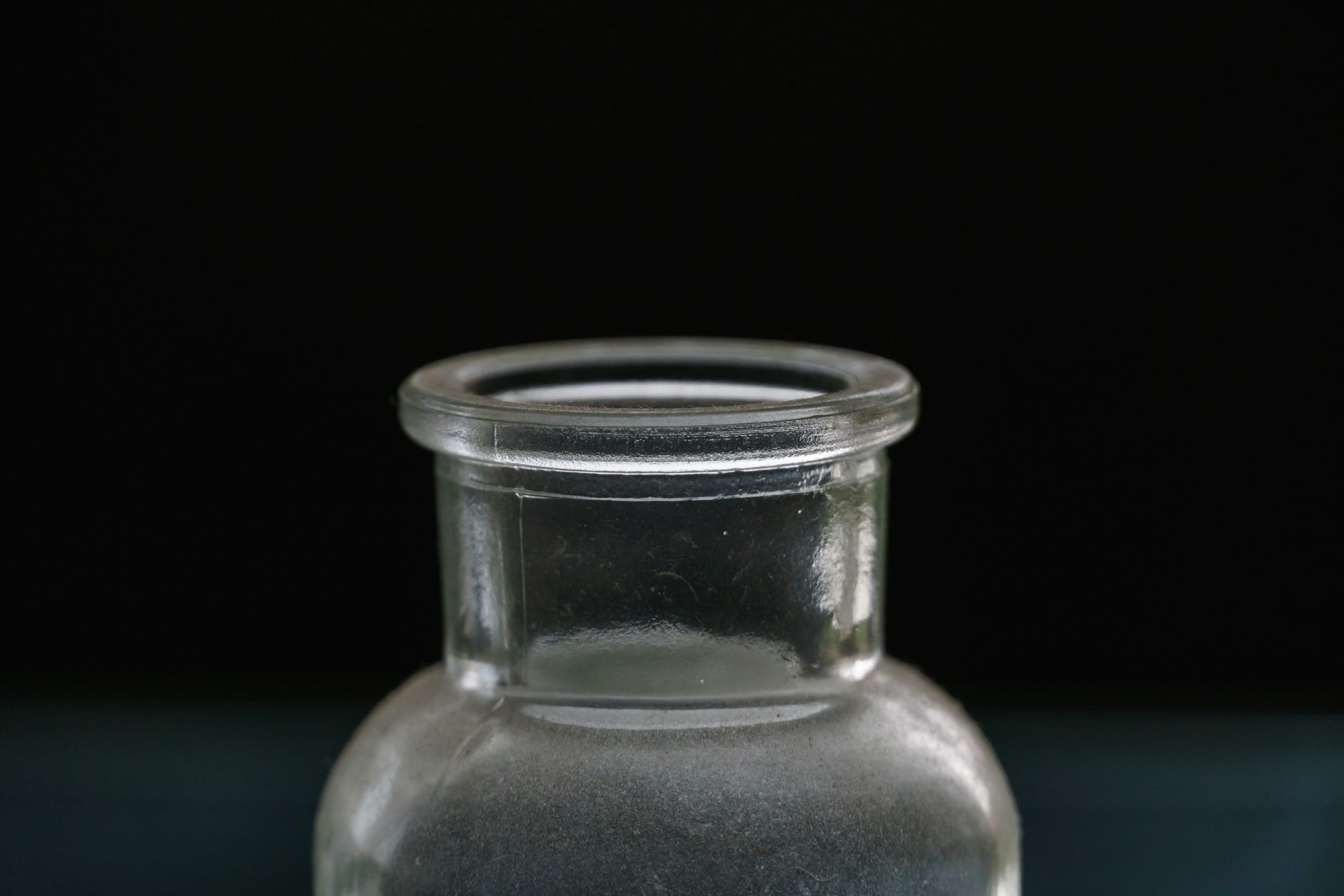
Alexander Fleming returned from vacation in 1928 to find mold growing in his petri dishes of Staphylococcus bacteria. Instead of tossing the contaminated samples, the Scottish biologist noticed something remarkable—the mold had killed the bacteria around it.
That mold, Penicillium notatum, became the world’s first antibiotic and revolutionized modern medicine by providing an effective treatment against bacterial infections.
X-rays
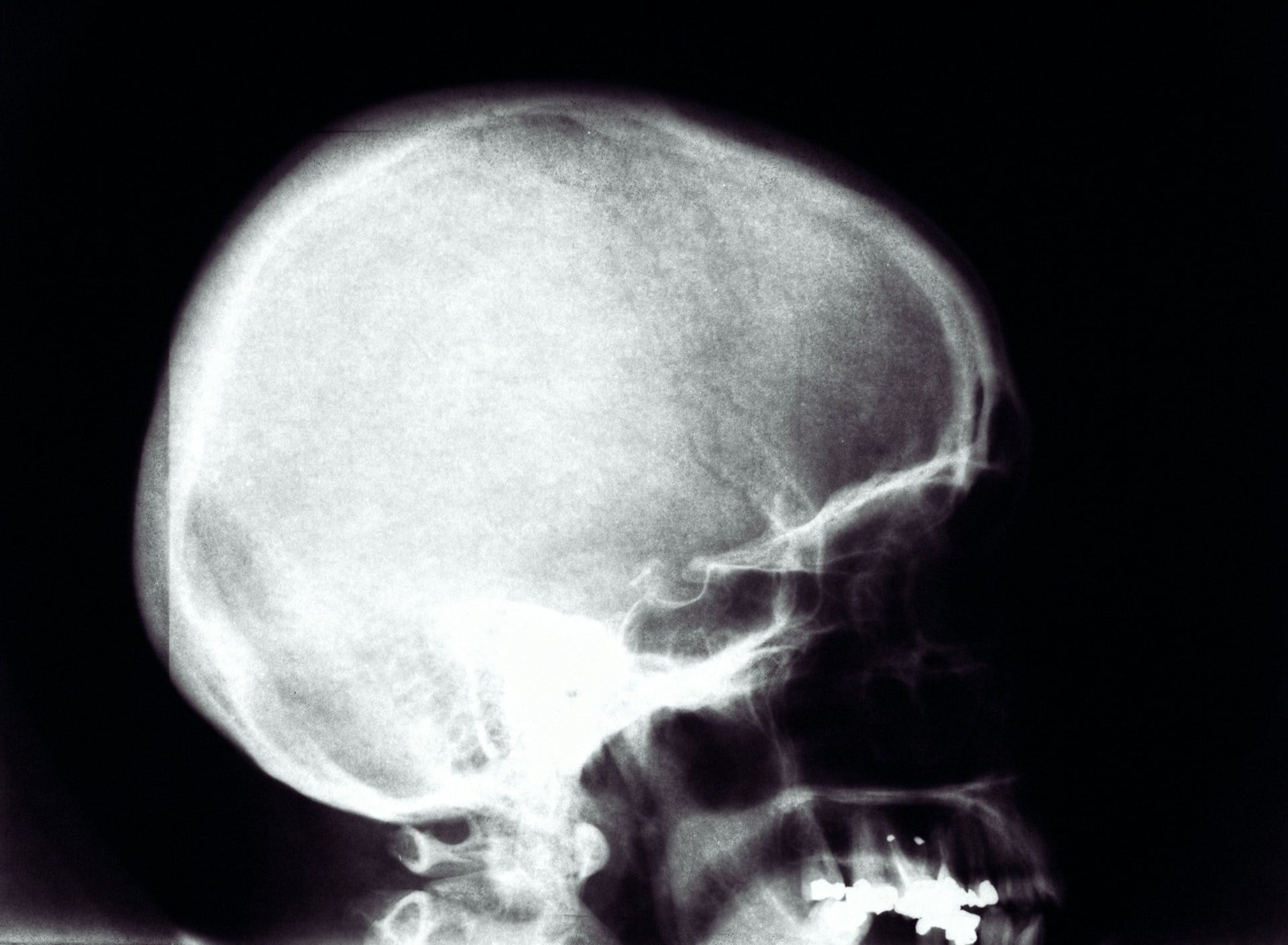
Wilhelm Roentgen was experimenting with cathode ray tubes in his German laboratory in 1895 when he noticed a mysterious glow coming from a nearby chemically coated screen. The vacuum tube was covered in cardboard, so no visible light should have escaped.
Roentgen discovered he’d stumbled upon a new type of radiation that could pass through most materials, and within weeks he’d taken the first X-ray image of his wife’s hand, complete with her wedding ring visible on the bones.
Microwave Oven
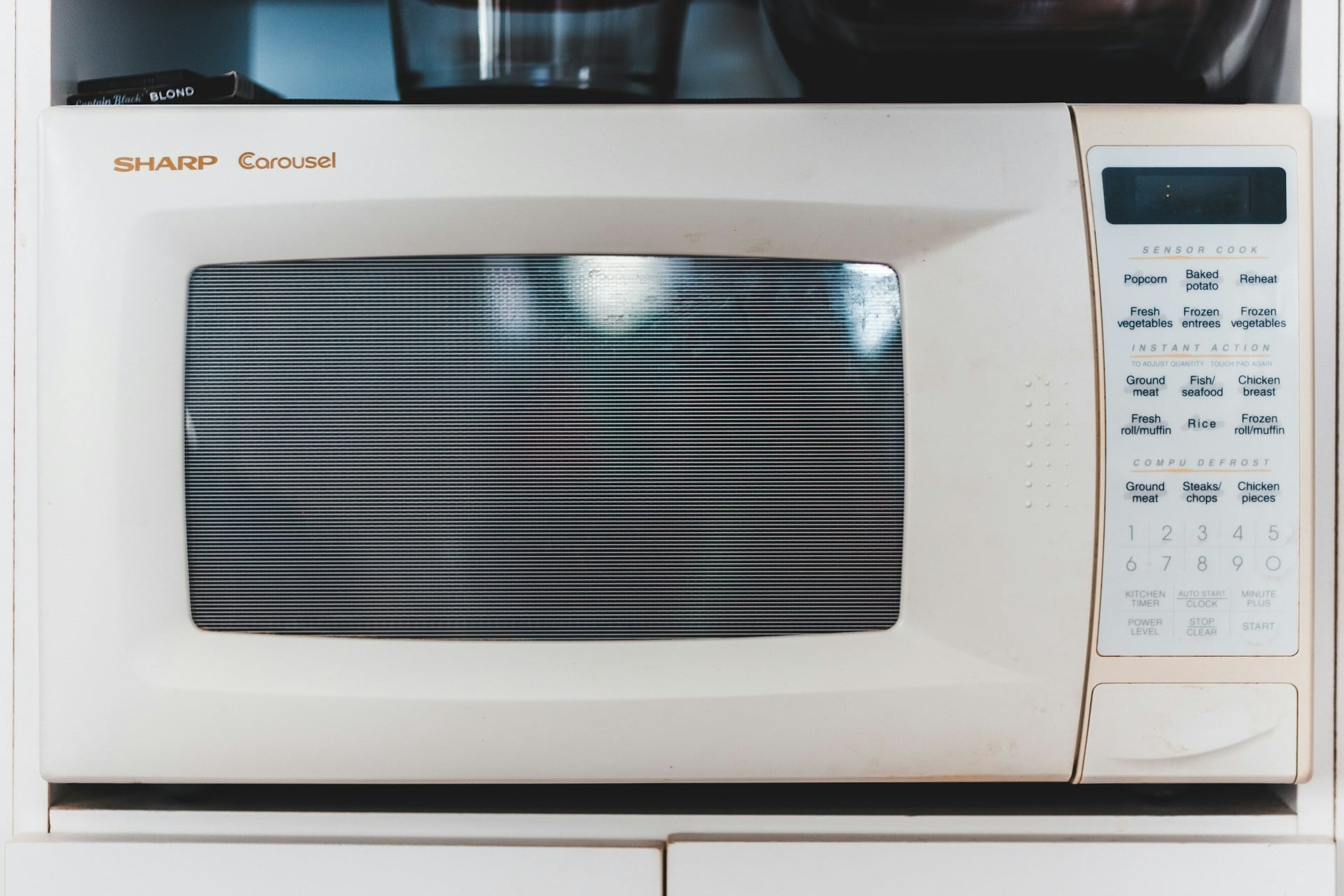
Percy Spencer was testing a magnetron for radar equipment in 1945 when the chocolate bar in his pocket melted. The engineer at Raytheon got curious and placed popcorn kernels near the magnetron—they popped almost instantly.
Spencer realized that microwaves could heat food rapidly and efficiently, leading to a patent for a metal cooking box that would eventually become a staple in kitchens worldwide.
Teflon
Roy Plunkett was trying to create a new refrigerant for DuPont in 1938 when he opened a canister of tetrafluoroethylene gas and found it had vanished. In its place was a slippery white powder that seemed almost magical—nothing would stick to it, and it could withstand extreme temperatures.
This accidental polymer, later named Teflon, revolutionized cooking with non-stick pans and found applications in everything from heart valves to spacecraft.
Velcro
Swiss engineer George de Mestral took his dog for a walk in 1941 and came home annoyed by the burrs stuck to his clothes and his pet’s fur. Instead of just pulling them off, he examined them under a microscope and discovered tiny hooks that latched onto anything with loops.
De Mestral spent years developing a fastening system that mimicked this natural design, creating Velcro—a combination of the French words for velvet and hook.
Post-it Notes

Spencer Silver was trying to create an incredibly strong adhesive for the aerospace industry at 3M in 1968, but he accidentally developed the weakest glue imaginable. The adhesive stuck lightly to surfaces and could be removed without leaving residue, which seemed completely useless at the time.
Years later, his colleague Art Fry got frustrated when bookmarks kept falling out of his church hymnal and realized Silver’s ‘failed’ adhesive was the perfect solution.
Saccharin
Constantin Fahlberg was working with coal tar derivatives in his lab at Johns Hopkins University in 1879 when he forgot to wash his hands before lunch. He bit into a bread roll and noticed it tasted incredibly sweet, then realized the sweetness came from chemicals on his unwashed hands.
The Russian chemist traced the taste back to a reaction between o-sulfobenzoic acid, phosphorus chloride, and ammonia—creating the world’s first artificial sweetener with zero calories.
Super Glue
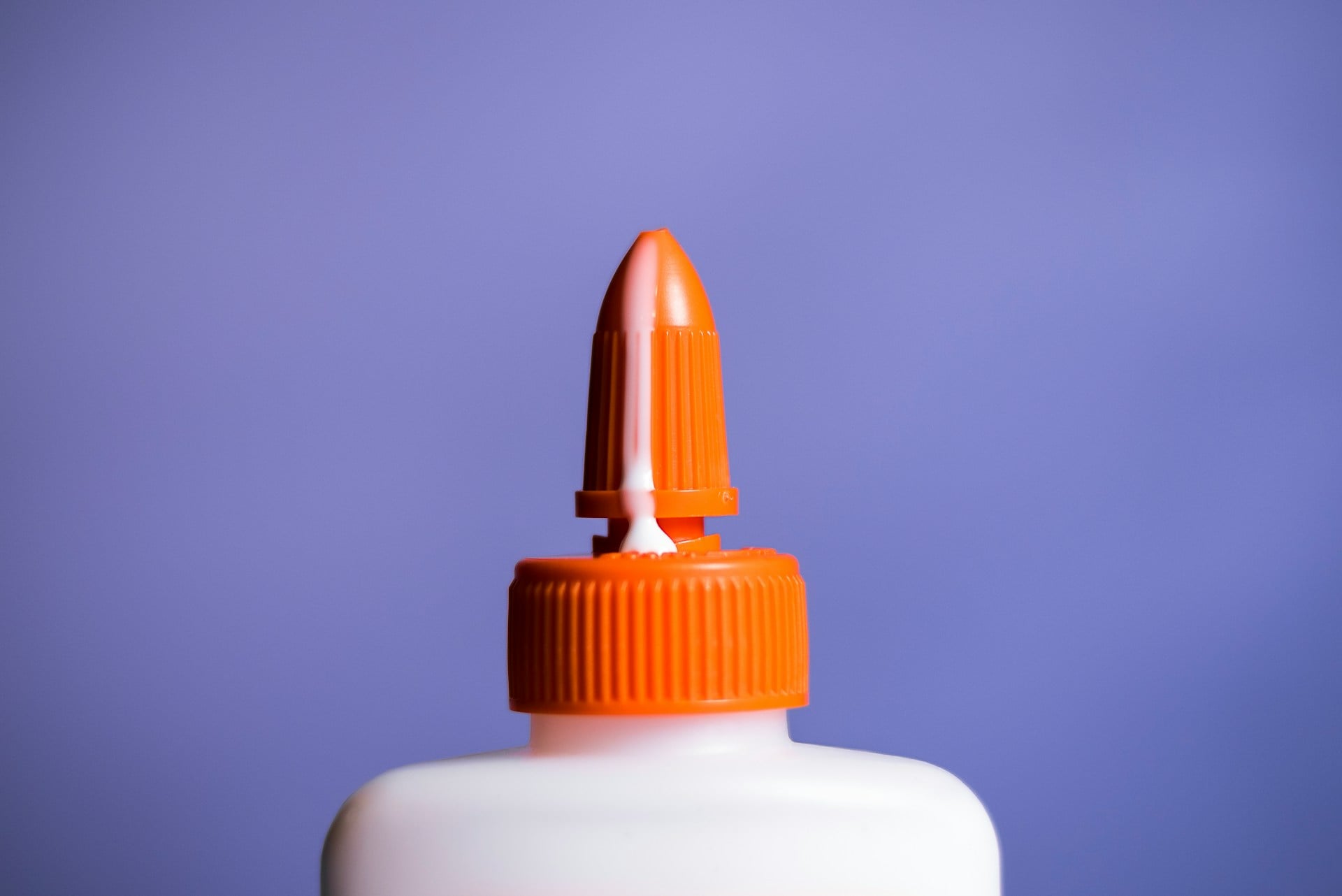
Harry Coover was trying to develop clear plastic gun sights for rifles during World War II in 1942 when his team created an incredibly sticky substance called cyanoacrylate. They rejected it as useless for their purposes and moved on.
Nine years later, while working on heat-resistant materials for jet canopies at Eastman Kodak, Coover’s colleague Fred Joyner rediscovered the same formula and realized its potential as an adhesive that bonded almost instantly.
Vulcanized Rubber
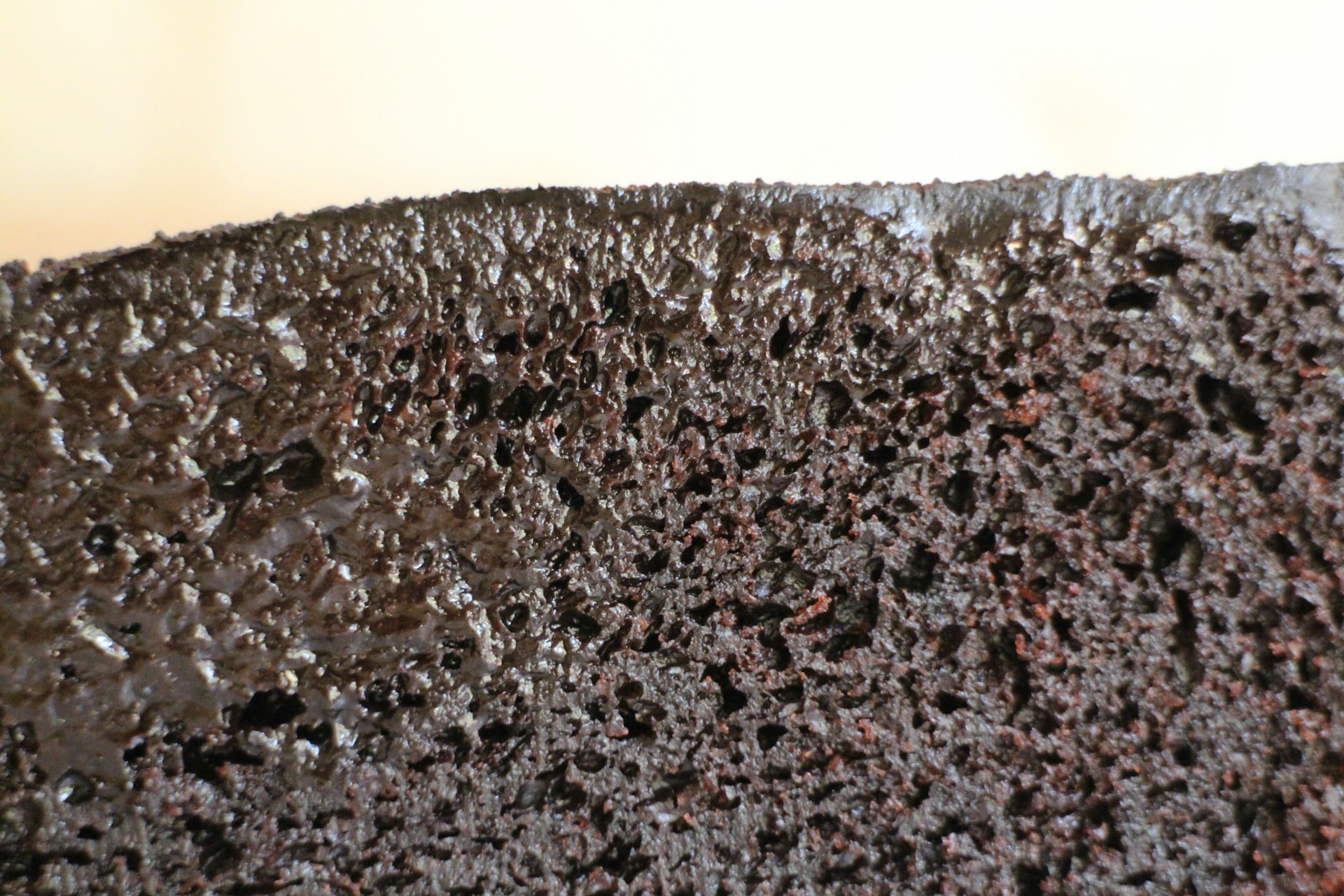
Charles Goodyear spent years trying to make rubber useful year-round instead of freezing in winter and melting in summer, pushing himself into bankruptcy in the process. In 1839, he accidentally dropped a mixture of rubber and sulfur onto a hot stove while demonstrating his latest experiment.
The spilled rubber charred but didn’t melt, creating a leather-like material with an elastic rim that remained stable in all temperatures—solving the exact problem he’d been chasing for years.
Pacemaker

Wilson Greatbatch was building a device to record heartbeats in 1956 when he grabbed the wrong resistor from his toolbox. When he installed the incorrectly sized component into the circuit, the device began producing regular electrical pulses that sounded exactly like a human heartbeat.
The engineer immediately recognized that his mistake could regulate irregular heartbeats, leading to the development of the first implantable pacemaker that has since saved millions of lives.
Play-Doh
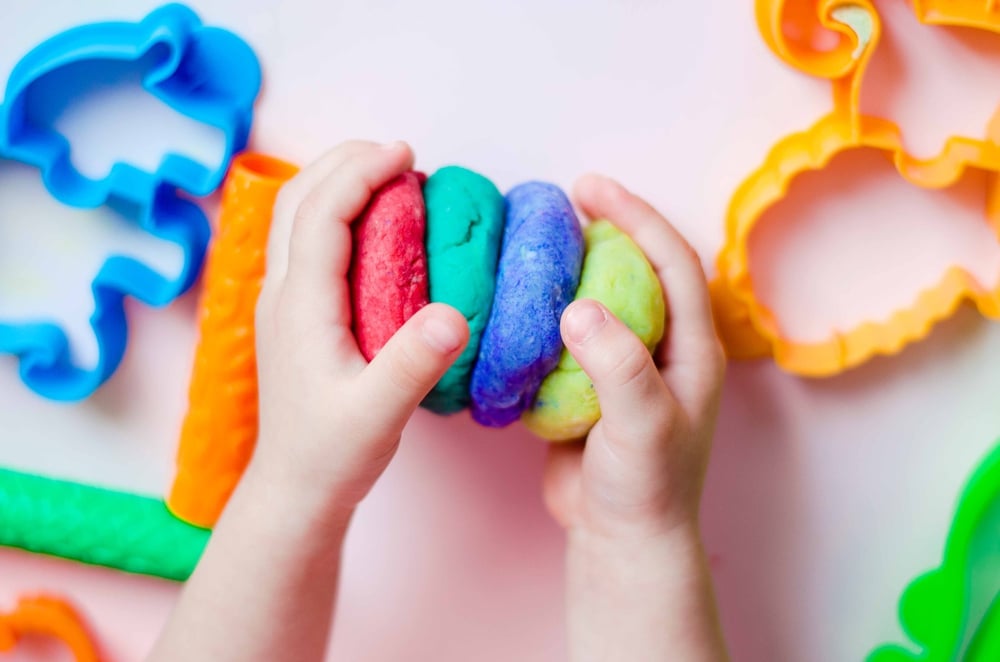
Kutol Products created a putty-like substance in 1933 to clean soot off wallpaper during an era when coal heating left grimy residue on walls. When cleaner heating methods made the product obsolete, the company nearly went bankrupt.
Nursery school teacher Kay Zufall, sister-in-law of company executive Joe McVicker, noticed children in her classroom loved molding the non-toxic cleaner into shapes and suggested rebranding it as a children’s toy.
Slinky
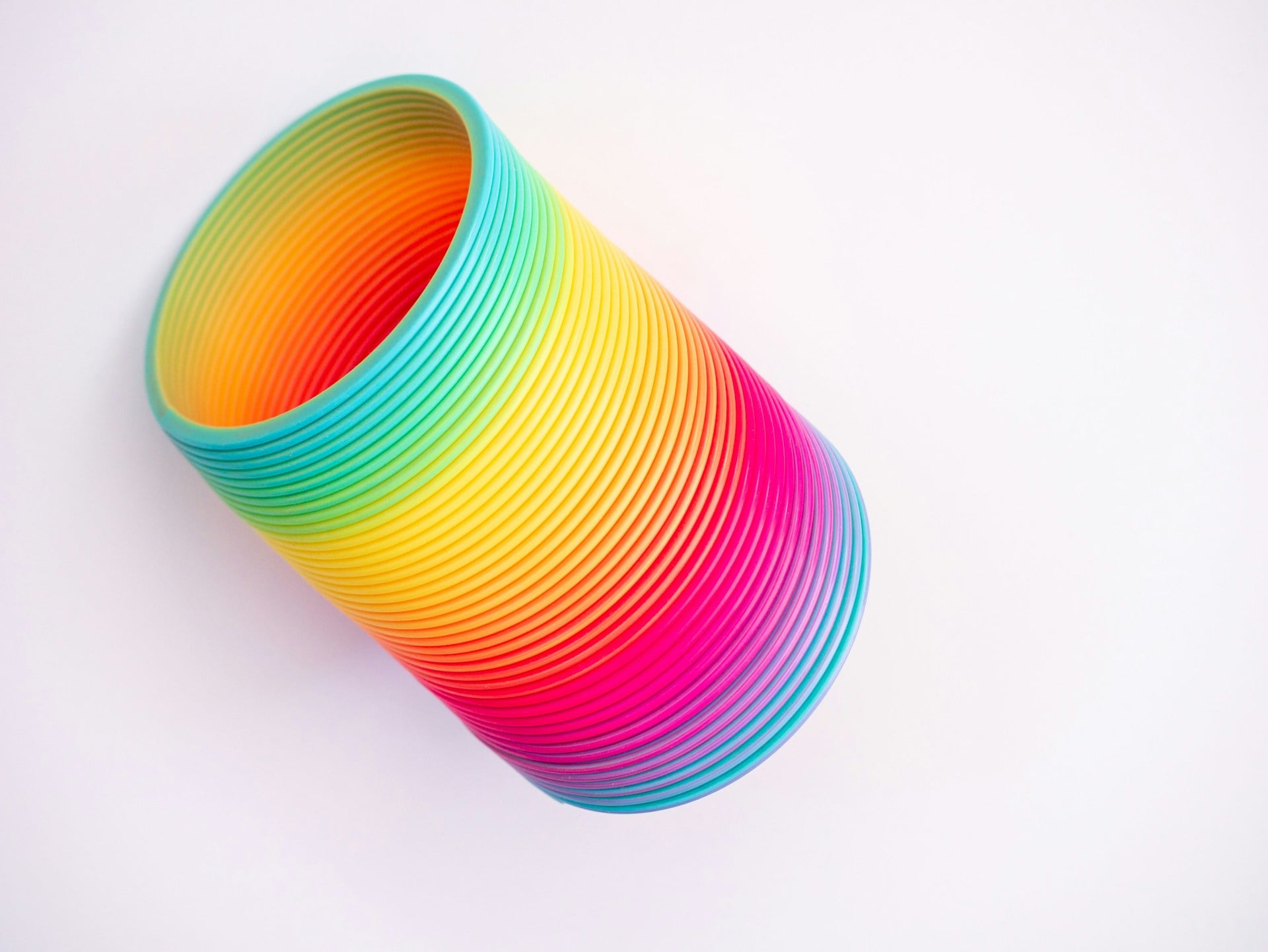
Naval engineer Richard James was developing springs to keep sensitive equipment steady on rocking ships in 1943 when he knocked one of his prototypes off a shelf. Instead of just falling, the spring tumbled end over end across the floor in a mesmerizing walking motion.
James immediately saw toy potential in the accident, and after perfecting the design—80 feet of wire coiled into a two-inch spiral—he and his wife Betty sold 400 Slinkys in less than two hours at their first demonstration.
Popsicle
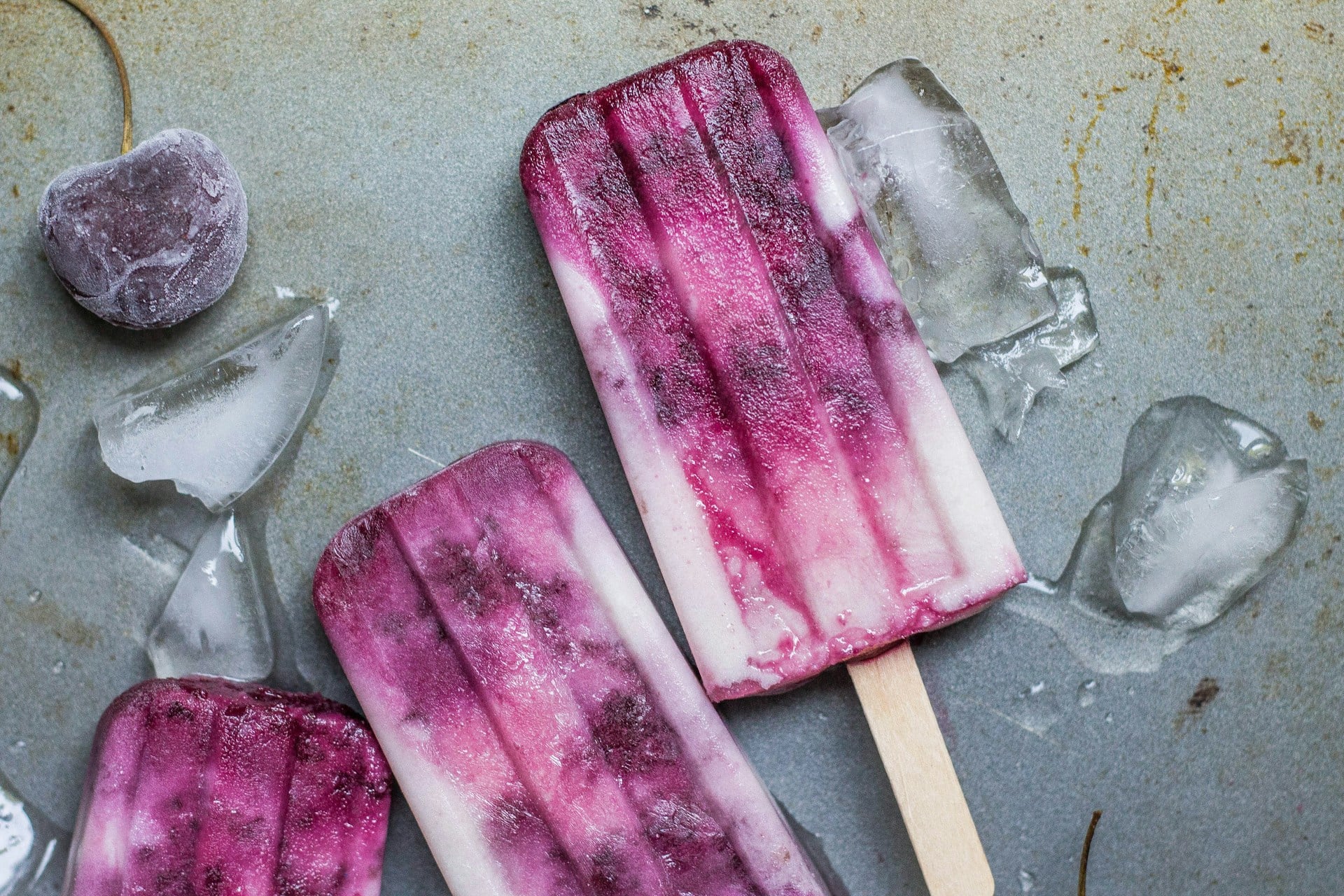
Eleven-year-old Frank Epperson mixed soda powder with water on his porch in San Francisco in 1905, then forgot about it overnight with the stirring stick still in the cup. Temperatures dropped to record lows that night, and the next morning he found his drink frozen solid on the stick.
The accidental frozen treat didn’t become a commercial product until 1923 when Epperson, now an adult, started selling ‘Epsicles’ at a local fireman’s orb—later renamed Popsicles when his children kept calling them ‘Pop’s sicles.’
Chocolate Chip Cookies
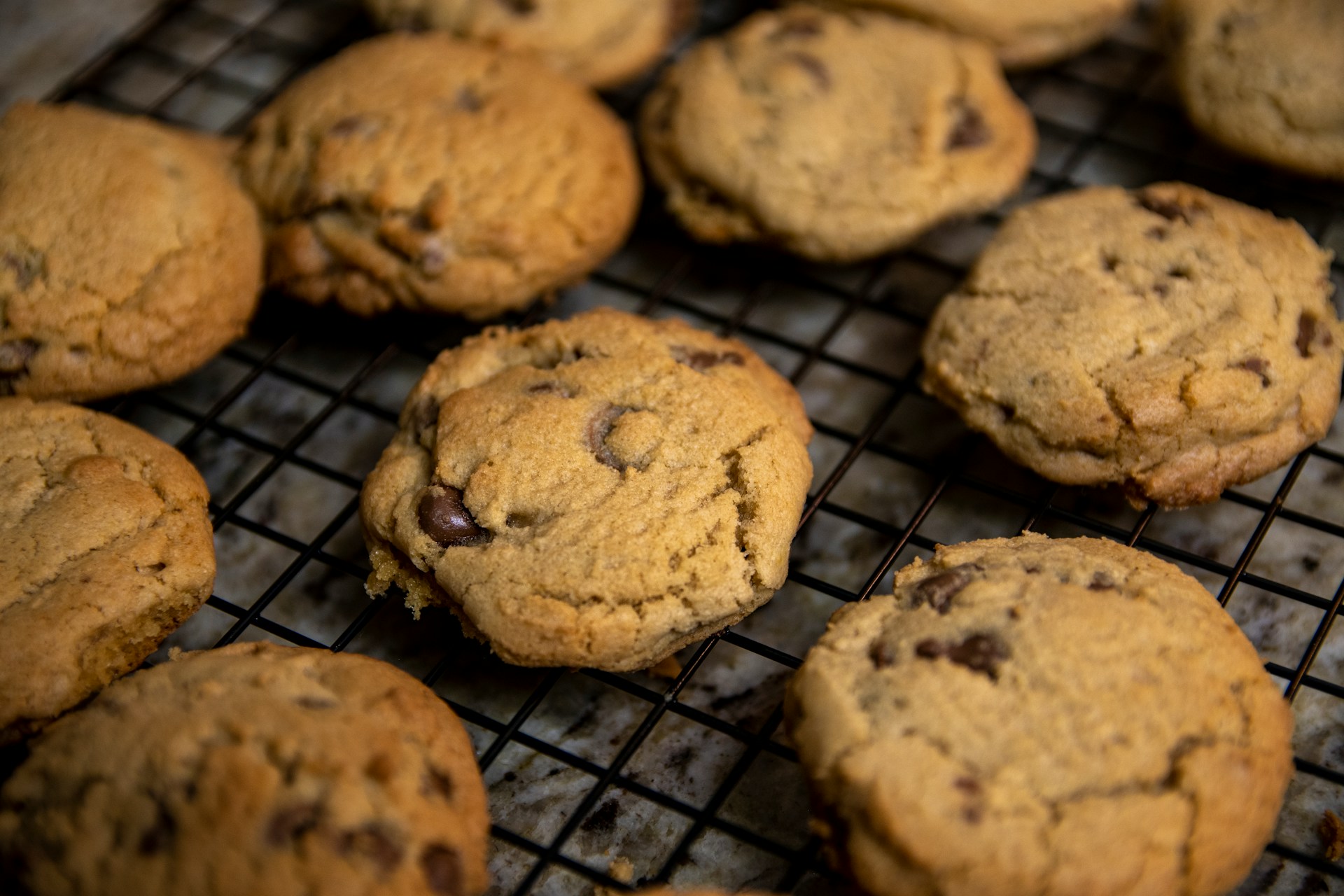
Ruth Graves Wakefield was preparing chocolate cookies for guests at her Toll House Inn in Massachusetts in 1930 when she realized she was out of baker’s chocolate. Thinking quickly, she chopped up a Nestle semi-sweet chocolate bar and mixed it into the dough, assuming the chunks would melt and spread throughout like regular baker’s chocolate.
Instead, the chocolate pieces softened but held their shape, creating the first batch of what would become America’s favorite cookie.
From Lab Accidents to Everyday Essentials
These accidental breakthroughs share a common thread—curious minds who recognized opportunity in unexpected results. Fleming could have thrown away those moldy petri dishes, and Spencer could have just cursed his ruined chocolate bar, but they chose to investigate instead.
Today, these ‘mistakes’ are so embedded in daily life that it’s hard to imagine a world without antibiotics, microwaves, or even Post-it Notes reminding us what to pick up at the store.
More from Go2Tutors!

- The Romanov Crown Jewels and Their Tragic Fate
- 17 Halloween Costumes Once Considered Taboo
- Famous Hoaxes That Fooled the World for Years
- 15 Child Stars with Tragic Adult Lives
- 16 Famous Jewelry Pieces in History
Like Go2Tutors’s content? Follow us on MSN.