15 Vintage Photos of Life During the War
Old photographs have a way of stopping time. The black-and-white images from the 1940s capture moments that feel both distant and strangely familiar.
People lived through extraordinary circumstances back then, yet so much of their daily experience looks recognizable—the expressions on their faces, the way they held themselves, the small rituals that kept life moving forward. These photos show what it actually looked like when the world was at war.
Women in the Factories

The assembly lines stretched far into the background, and the women stood at their stations wearing headscarves and work clothes. They riveted metal sheets together, assembled airplane parts, and operated heavy machinery that would have been considered men’s work just a few years earlier.
Their faces showed concentration, sometimes exhaustion, but also a quiet pride. These weren’t posed publicity shots—you can tell from the oil stains on their sleeves and the way their hair escaped from under their scarves.
Children Playing in Bombed Streets

Kids found ways to play anywhere. The rubble piles became adventure playgrounds, and the shell craters turned into makeshift soccer fields.
In one photo, three boys balance on a broken wall, arms outstretched like tightrope walkers. Behind them, the skeleton of a building stands open to the sky.
The children are smiling. That’s what strikes you most—how childhood continued even when the buildings didn’t.
Ration Books and Queue Lines

The lines outside shops wrapped around corners. Everyone carried their ration books, those small booklets that determined how much butter, meat, or sugar a family could buy each week.
In the photos, people stand patiently, bundled in coats even during summer because fabric was scarce. Some chat with their neighbors.
Others stare ahead, blank-faced, calculating whether they have enough coupons left for the week. The shop windows behind them often display more empty space than goods.
Soldiers Writing Letters Home
Helmets off, sitting on crates or leaning against tanks, the soldiers bent over paper with pencils gripped tight. Some wrote on their knees, using a mess kit as a hard surface.
Others gathered around a single lamp after dark, taking turns. Their uniforms were dirty, their faces unshaven, but they all wore the same expression—that faraway look of someone trying to bridge an impossible distance.
The letters they wrote would take weeks to arrive, if they arrived at all.
Victory Gardens

Every patch of available ground got turned over. Parks, front yards, even the strips of grass along sidewalks sprouted rows of vegetables.
The photos show entire families working their plots—grandmothers tying up tomato plants, fathers turning soil, children pulling weeds. One image captures a woman in a dress and heels, kneeling in the dirt with her hands deep in the earth.
The carrot tops behind her stand in neat rows. Growing your own food stopped being quaint and became essential.
Air Raid Shelters

The Anderson shelters looked like metal igloos half-buried in backyards. Families decorated the insides with whatever they could spare—a rug, a picture on the wall, a shelf for a kettle.
The photos taken inside these shelters show cramped spaces where people tried to sleep while the sirens wailed above. In one image, a mother reads to three children by candlelight, all of them squeezed onto a narrow bench.
The curved metal ceiling hangs just inches above their heads.
Military Training

Young men learned to be soldiers in camps that sprang up across the countryside. The training photos show them crawling under barbed wire, running obstacle courses, and standing at attention in formation.
Their uniforms still looked too clean, their faces still too smooth. In one memorable shot, a drill sergeant screams orders at a line of recruits, and you can almost hear the sound through the silence of the photograph.
These boys would be sent overseas within months.
Home Front Entertainment

Dance halls packed with people trying to forget the war for a few hours. The dance floor photos capture swirling skirts and soldiers in uniform pulling their partners close.
The bands played on small stages, and the music was loud enough to drown out the sound of planes overhead. Between dances, couples sat at small tables, drinks in hand, talking and laughing.
The women wore their best dresses, often remade from older clothes or borrowed from friends. The men wore whatever uniform they happened to be wearing.
Medical Corps at Work
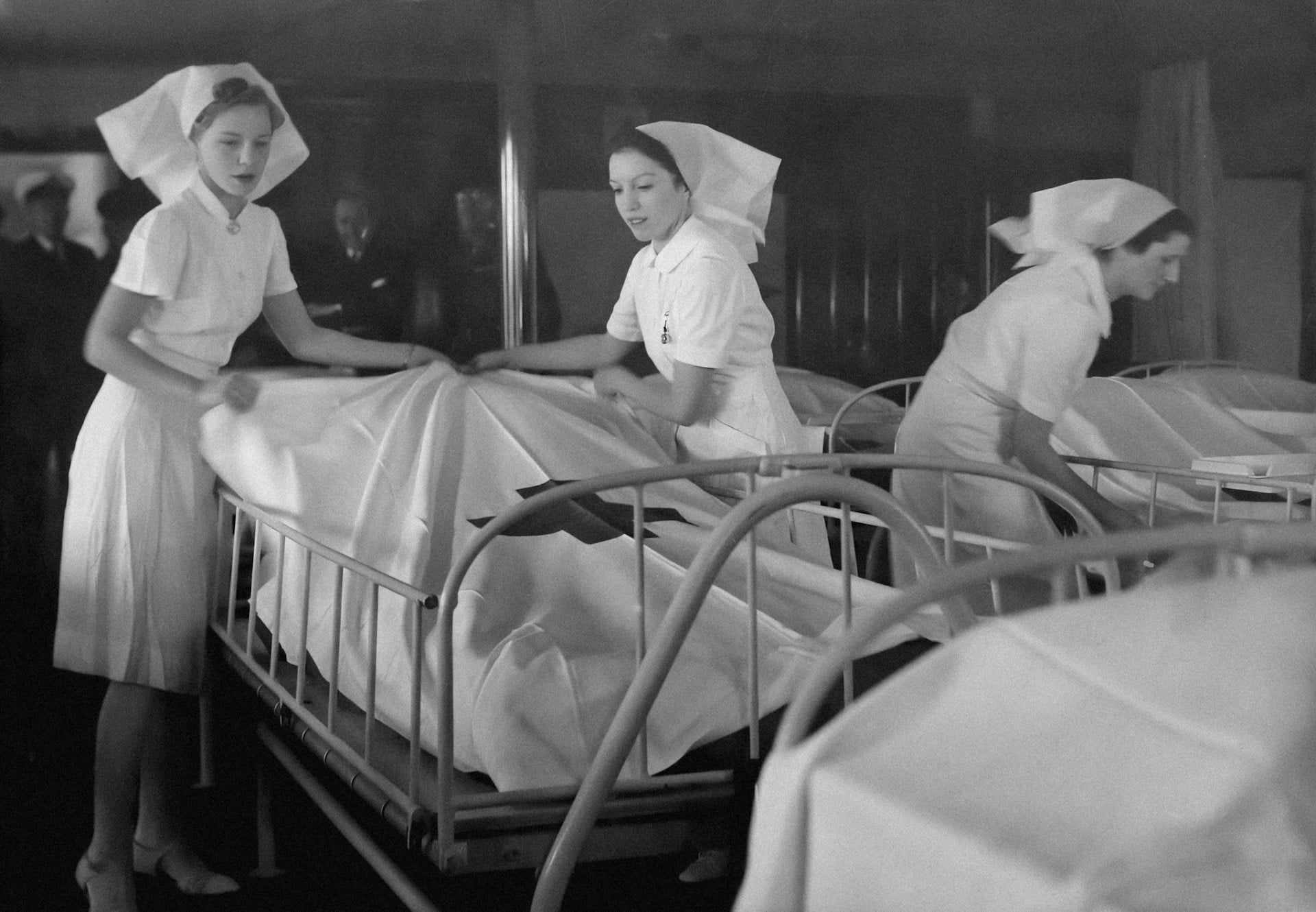
Field hospitals operated in tents, barns, and damaged buildings. The medical staff worked under conditions that would horrify modern doctors—limited supplies, no proper sanitation, and waves of wounded arriving faster than they could treat them.
The photos show nurses in white caps bent over cots, doctors performing surgery by lamplight, and orderlies carrying stretchers through mud. Everyone’s uniforms were stained, and everyone looked like they hadn’t slept in days.
Yet their hands stayed steady, their movements purposeful.
Propaganda Posters Going Up

Workers plastered the posters on walls, storefronts, and billboards. The messages were direct and forceful—buy bonds, save scrap metal, report suspicious activity, don’t talk about military movements.
In the photos, you see people stopping to read them, sometimes gathering in small groups to discuss what they said. The posters used bold colors and dramatic imagery, but they also revealed what the government worried about—loose lips, waste, complacency, defeatism.
Families Saying Goodbye at Train Stations

The platform scenes captured the hardest moments. Soldiers leaned out of train windows for last kisses, children clung to their fathers’ legs, mothers waved handkerchiefs long after the trains disappeared from view.
In one photo, a young couple stands pressed together, his duffel bag on the ground beside them, her hand gripping his arm like she could keep him there through sheer will. Behind them, the same scene repeated dozens of times over.
The trains always left on schedule.
Blackout Preparation

Windows got covered with heavy curtains or painted black. Streetlights stayed dark, and cars drove with hooded headlamps that barely illuminated the road ahead.
The photos from nighttime show cities transformed into shadowy mazes where people navigated by memory and touch. Air raid wardens walked the streets with flashlights, knocking on doors where light leaked out.
In one image, a warden stands in front of a house, pointing up at a window where a crack of light shows. The residents would get a fine for that mistake.
Salvage Drives
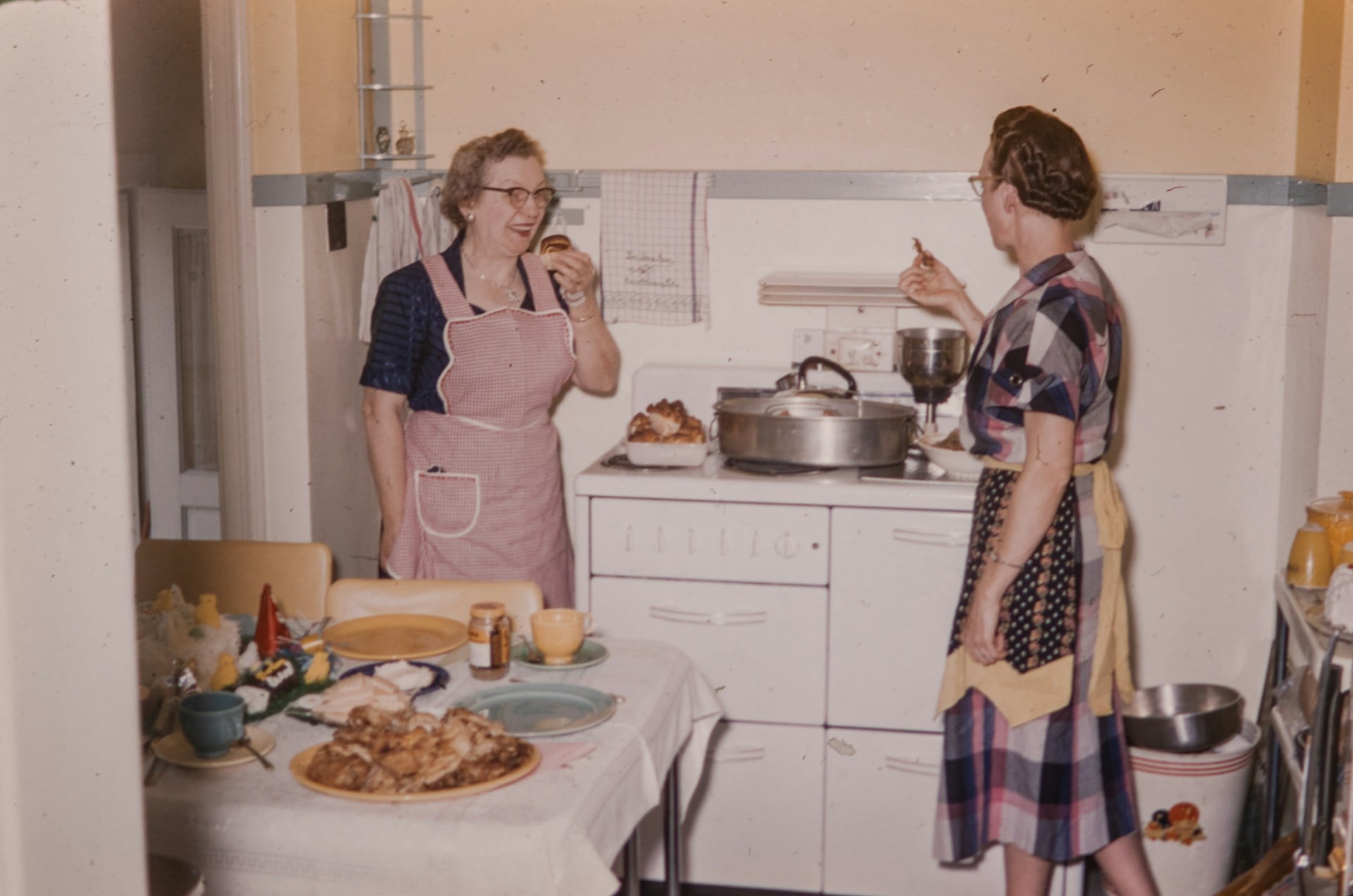
Mountains of scrap metal piled up in town squares. People donated pots, pans, old bedframes, broken tools, anything metal that could be melted down and repurposed.
The collection photos show entire communities turning out, children pulling wagons loaded with contributions, men carrying radiators and pipes. One photo captures a woman handing over her iron fence, section by section, while neighbors help dismantle what took years to build.
The fences would become ships, planes, and weapons.
War Brides
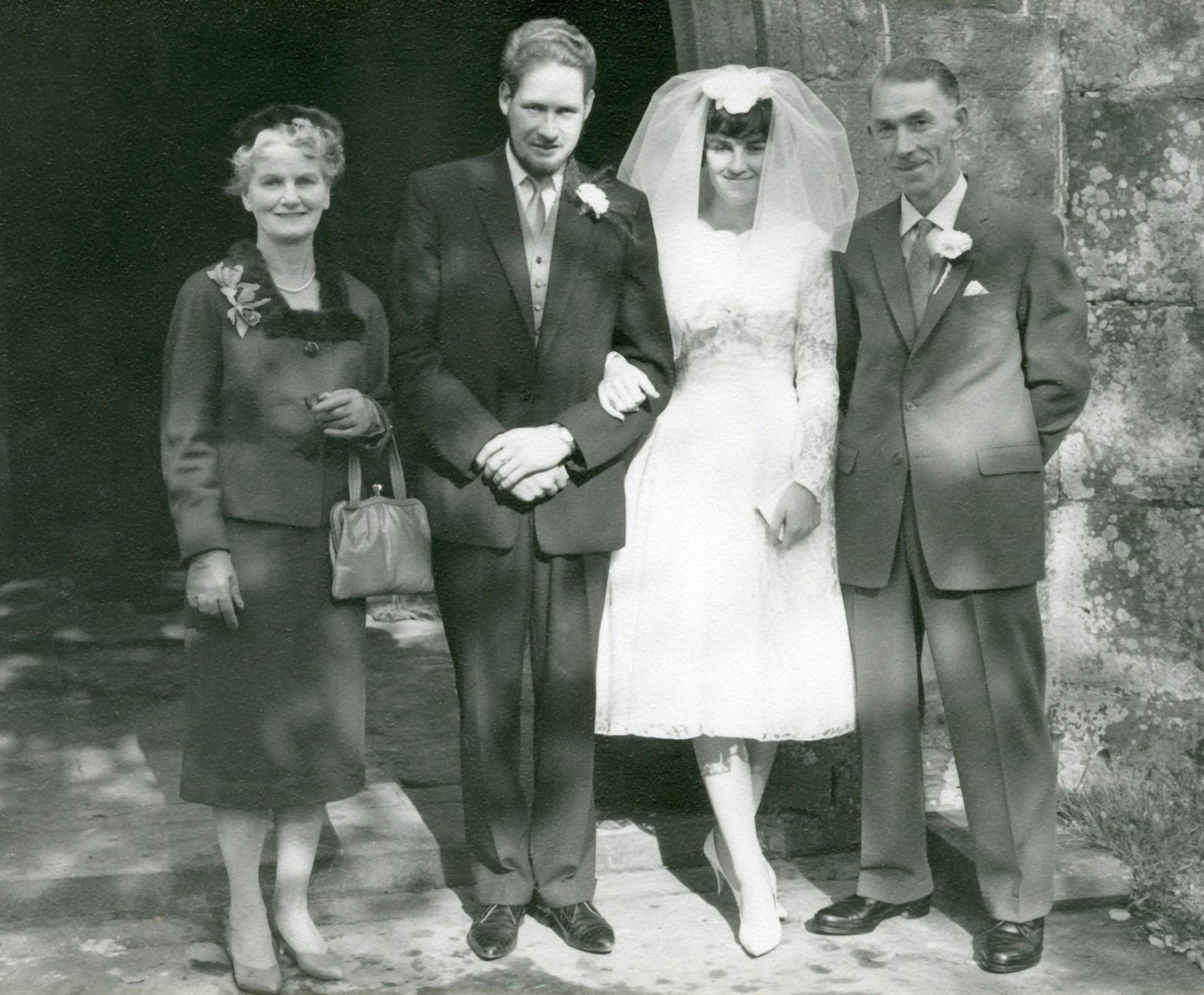
American soldiers stationed overseas fell in love and got married fast. The wedding photos show quick ceremonies, often in military offices or small churches, with fellow soldiers standing as witnesses.
The brides wore whatever nice dress they owned, sometimes borrowed. The grooms wore their service uniforms.
After the war, thousands of these women boarded ships bound for America, traveling to join husbands they’d known only a few months, heading to a country they’d never seen. The departure photos show them crowding ship rails, waving to the lands they were leaving behind.
Newsreel Audiences
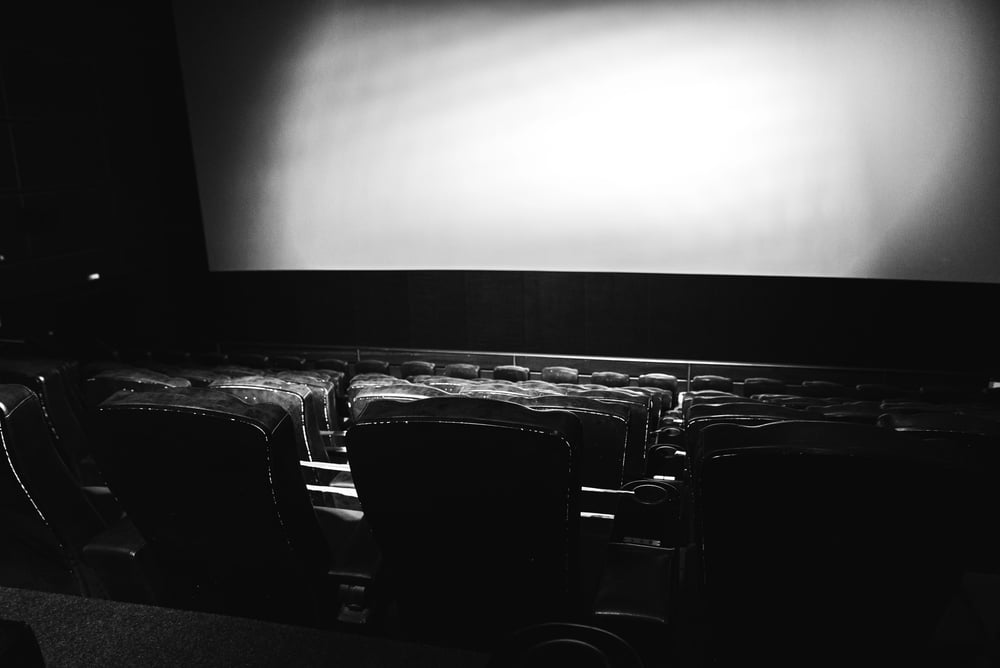
Back then, moviegoers came hours ahead just to catch the short clips playing before films began. Lit by shifting light from the big screen, crowd shots reveal folks hunched slightly forward, eyes fixed, eager for wartime details.
Footage included combat scenes alongside talks with high-ranking officers and reports straight from active zones. While certain viewers clapped at what they saw, some stayed quiet – searching every frame closely, hoping to spot a familiar face in rows of soldiers dressed alike.
What the Lens Remembered
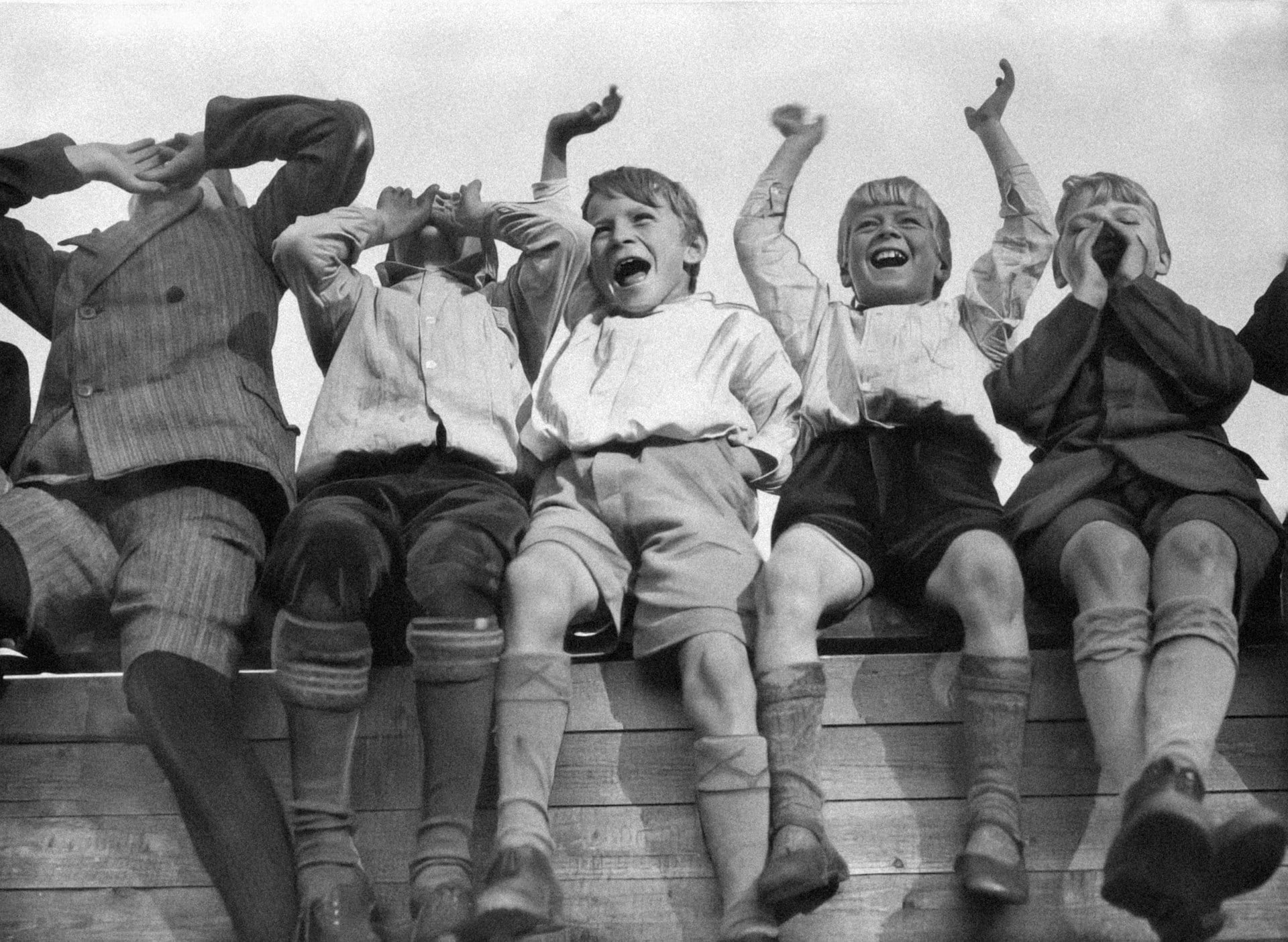
Still pictures taken in war did more than spread messages. Because of them, some events were remembered differently.
Yet the ones sticking around tend to show raw glimpses of how humans act when pushed hard. Not every frame was about glory or big battles shifting history.
Often, life just went on – facing cold mornings, long lines, silence between words. Then one day, without fanfare, it stopped.
Those images show faces worn down by long days, fear, empty stomachs, dull routines – ordinary struggles stretched thin under fire. Still, they moved forward.
What the lens caught then stays clear now, years gone by.
More from Go2Tutors!

- The Romanov Crown Jewels and Their Tragic Fate
- 13 Historical Mysteries That Science Still Can’t Solve
- Famous Hoaxes That Fooled the World for Years
- 15 Child Stars with Tragic Adult Lives
- 16 Famous Jewelry Pieces in History
Like Go2Tutors’s content? Follow us on MSN.