Everyday Phrases With Surprising Origins
You probably say dozens of common phrases every day without thinking about where they came from. Some trace back centuries to practices you’d never connect with modern life.
Others started as technical jargon that somehow escaped into everyday conversation. The stories behind these expressions reveal unexpected connections between our language and history—from medieval medicine to Victorian railways to ancient Rome.
Break the Ice

When you break the ice at a party, you’re channeling literal icebreakers. These sturdy ships carved paths through frozen waters so other vessels could follow.
The phrase appeared in the 1500s, referring to both the physical act and the social one. Before modern icebreaking ships, traders used smaller boats with reinforced hulls to smash through river ice.
The work was dangerous and required someone willing to take the first risk. The social meaning emerged because starting a conversation with strangers felt just as treacherous.
You needed courage to be the first person to speak up in an awkward silence.
Bite the Bullet
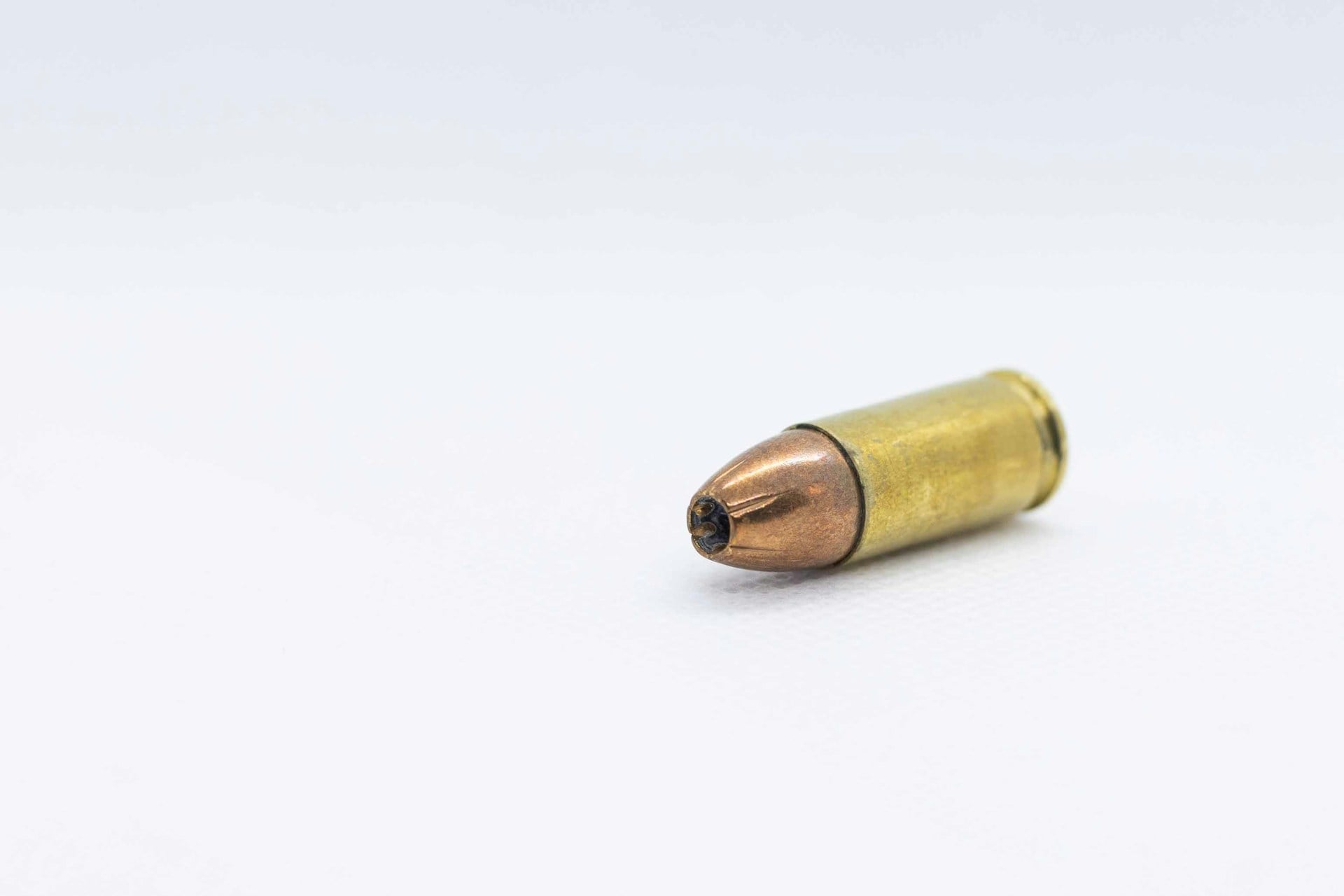
This phrase sounds like it should come from some action movie, but it actually comes from battlefield surgery. Before anesthesia became standard, surgeons gave wounded soldiers a lead bullet to bite down on during operations.
The pain was intense, and the bullet kept patients from screaming or biting their tongue. Some historians debate whether this really happened or if it’s just a myth.
But battlefield accounts from the 1800s mention the practice enough times that it probably did occur at least occasionally. Either way, the phrase stuck around to mean facing something difficult head-on.
Rule of Thumb

This one has a dark and probably false backstory that gets repeated a lot. People claim it comes from an old law saying a man could beat his wife with a stick no thicker than his thumb.
That’s almost certainly not true. No such law appears in any legal records.
The real origin is much simpler and less disturbing. Before precise measuring tools became common, craftsmen used their thumbs as rough guides.
A thumb’s width is about an inch, which made it handy for quick estimates. Brewers used their thumbs to test the temperature of fermenting beer.
The phrase just means a general guideline, not an exact measurement.
Letting the Cat Out of the Bag
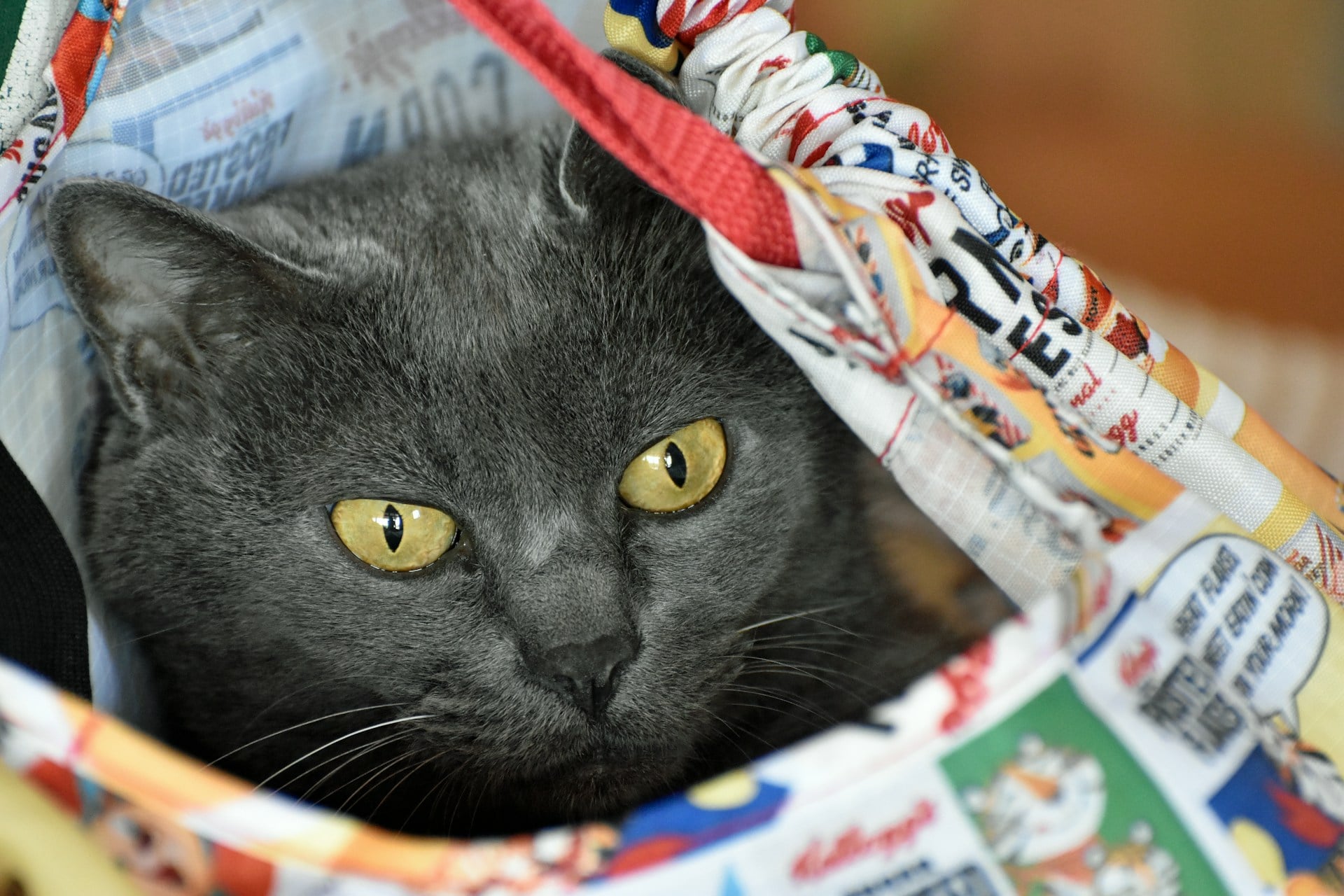
Market fraud gave us this expression. Merchants at medieval fairs sometimes sold piglets in bags.
The dishonest ones would swap the pig for a cat and hope the buyer wouldn’t check until they got home. If someone opened the bag too soon, they literally let the cat out and exposed the scam.
The phrase caught on because it perfectly captures that moment when a secret gets revealed. You can’t stuff the cat back in the bag once everyone sees it.
Mind Your P’s and Q’s

Several origin stories compete for this one. Printers had to arrange metal letters backward in their typesets, and mixing up lowercase p’s and q’s was easy since they’re mirror images.
Bartenders supposedly warned rowdy customers to watch their pints and quarts so they didn’t get overcharged. But the most likely source is dancing schools.
French dance instructors in the 1600s taught students to mind their pieds (feet) and queues (wigs or pigtails). Students had to keep their posture perfect and their wigs straight while dancing.
The phrase evolved to mean watching your behavior and being polite.
In the Limelight

Theater technology gave us this phrase. Before electric lighting, theaters used limelights—calcium oxide heated in an oxygen-hydrogen flame.
The reaction produced an intense white light that could illuminate performers on stage. The operator literally aimed this spotlight at whoever needed to be visible.
Getting into the limelight meant stepping into that bright, hot circle of attention. The lights generated so much heat that performers standing in them would sweat profusely.
Modern spotlights don’t use lime anymore, but the phrase survived to describe anyone getting public attention.
Spill the Beans

Ancient Greece used beans for secret voting. When electing officials or making important decisions, citizens would drop colored beans into containers.
White beans meant yes, dark beans meant no. Someone accidentally (or deliberately) knocking over the jar would spill the beans and reveal the vote before the official count.
The phrase traveled through time and languages before landing in English with its current meaning. Now it just means revealing any secret, whether or not beans are involved.
Baker’s Dozen
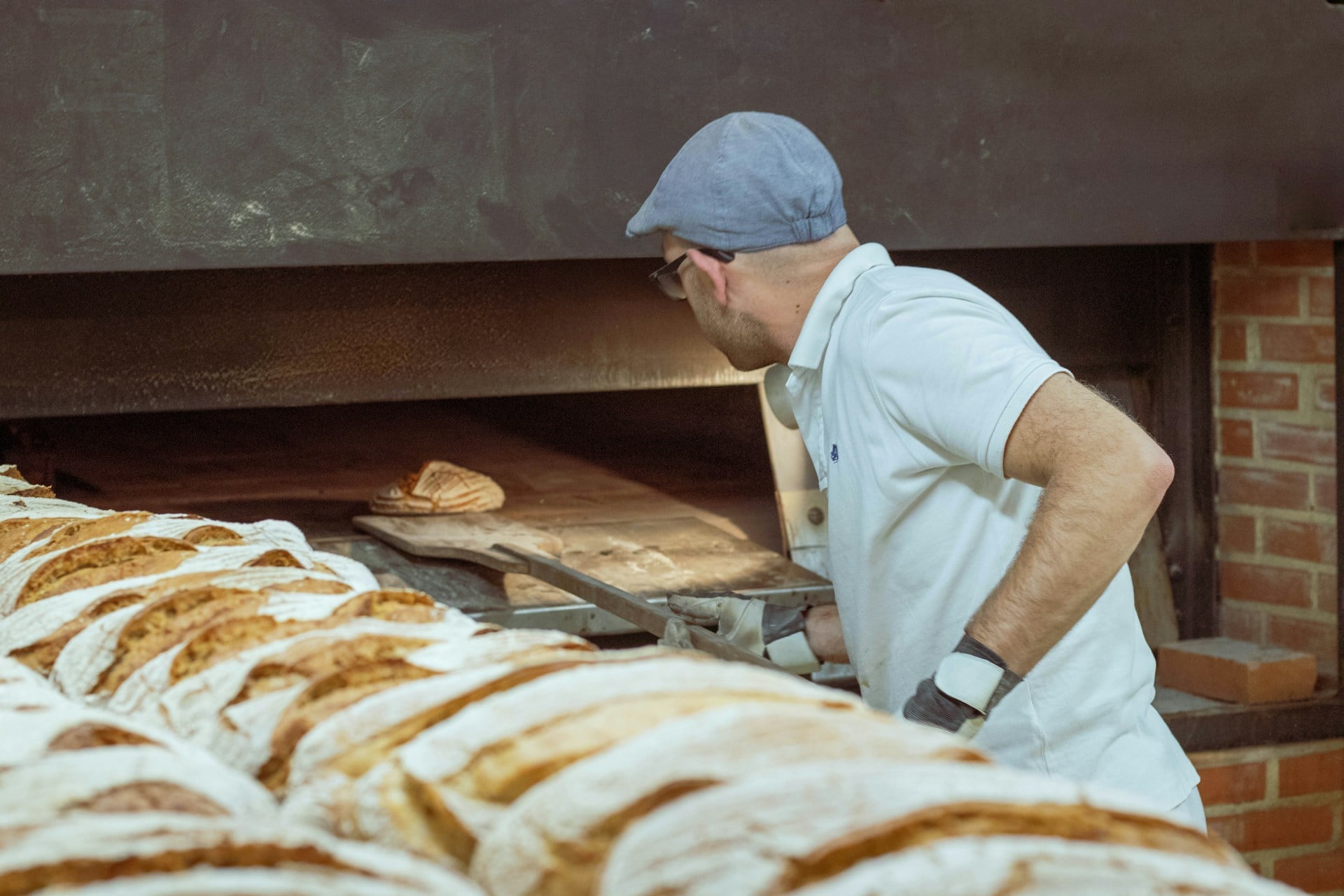
Medieval bakers faced serious consequences for selling underweight bread. Laws in England imposed harsh fines and punishments for cheating customers.
Bakers started adding an extra loaf to every dozen to make sure they didn’t accidentally come up short. That 13th loaf protected them from accusations and penalties.
The practice made sense from a business standpoint too. Keeping customers happy meant they’d keep buying bread.
That extra loaf cost the baker less than fighting a fraud charge would.
Red Herring
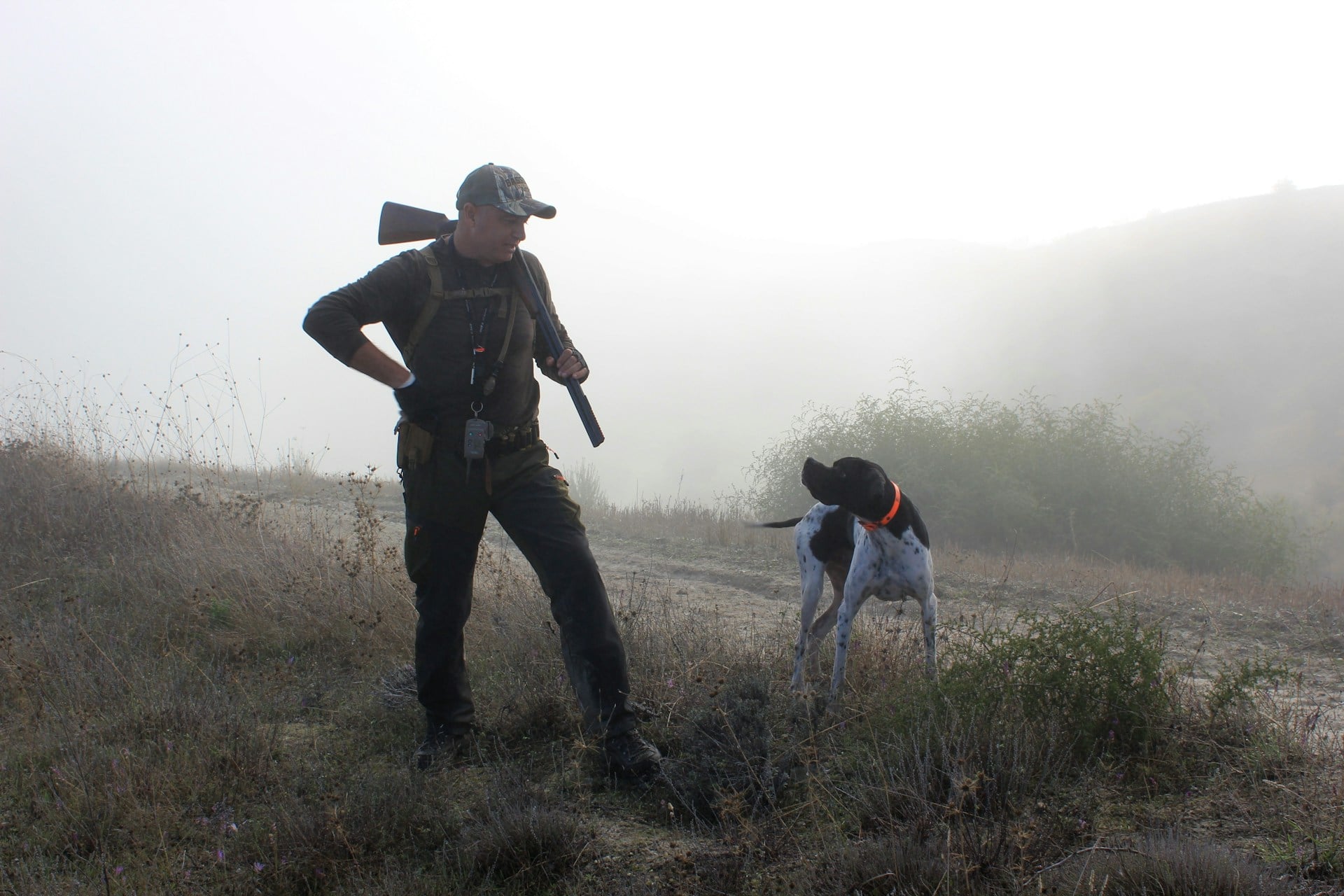
This phrase comes from hunting, specifically from training dogs. Trainers used smoked herring—which turned red during the process—to teach dogs to follow a scent trail.
The strong-smelling fish could overwhelm other scents, making it perfect for distraction training. Later, someone started using red herring to describe any distracting element in a story or argument.
The phrase works because a red herring pulls attention away from the real trail, just like the fish did.
Sleep Tight

Rope beds gave us this bedtime wish. Before modern mattresses, people stretched ropes across bed frames in a crisscross pattern.
They’d lay a mattress or stuffed sack on top of this rope base. Over time, the ropes would sag and stretch, making the bed uncomfortable.
Tightening the ropes restored support and improved sleep quality. The phrase “sleep tight” literally meant having a firm, well-maintained bed.
The rhyme with “good night” helped it become a standard farewell.
Crocodile Tears

Ancient travelers returned from Egypt and Asia with stories about crocodiles that wept while eating their prey. Medieval bestiaries repeated these tales, claiming crocodiles cried to lure victims close or that they sobbed from remorse while consuming their meals.
None of this is true, though crocodiles do secrete fluid from their eyes to keep them moist. The myth stuck around because it perfectly described false sympathy.
Someone showing crocodile tears pretends to care while actually causing harm.
Under the Weather

Sailors gave us this expression for feeling unwell. Ships kept watch stations all over the vessel, including up high on the masts and down below deck.
When the weather turned bad, crew members who felt seasick would go below deck to get away from the rocking of the ship and the harsh conditions. Being under the weather—literally below the top deck and away from the worst of the storm—became shorthand for feeling ill.
The phrase expanded beyond seasickness to cover any kind of unwellness.
Butter Someone Up
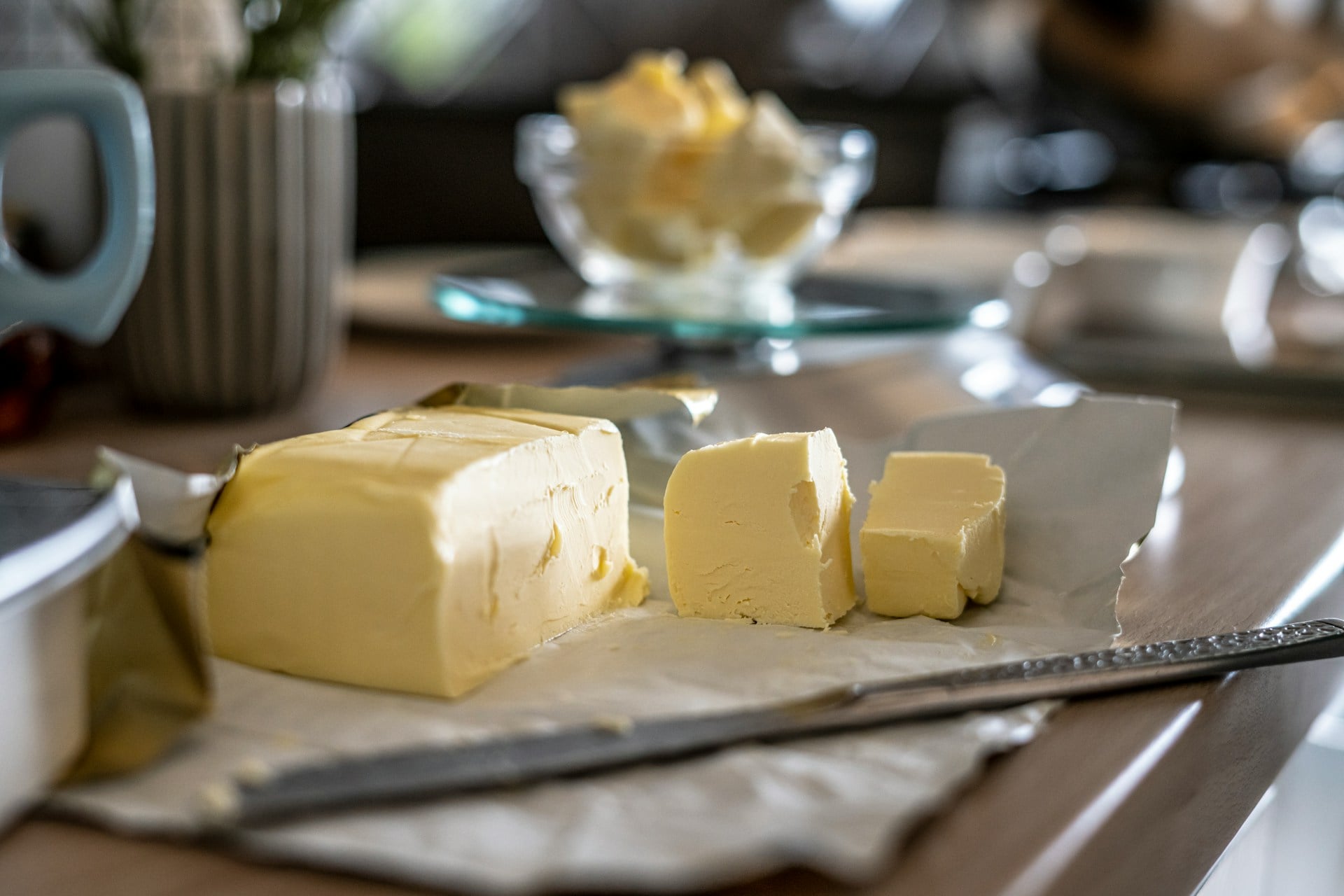
The ancient Indians had a peculiar religious practice that probably started this phrase. Devout followers would throw clarified butter at statues of their gods to seek favor and blessings.
The practice was messy but showed serious dedication. The phrase made its way through various cultures before reaching English.
Now it means flattering someone to get what you want, which isn’t that different from the original butter-throwing intention.
Paint the Town Red

This saying might come from several places, yet the liveliest tale features a UK aristocrat known as the Marquis of Waterford. Back in 1837, he, together with pals, tore through Melton Mowbray while drunk.
They actually colored sections of the place bright red – like doors, a gate for fees, even a sculpture of a swan. One way or another, that event either started the saying or made it stick – going out hard, living loud.
Red stands for thrill, fire in the gut, possibly trouble waiting round the corner.
Words That Travel
These sayings lasted since they reflect real parts of life. Knowing where they began isn’t required to get them right, yet the backgrounds give common words more weight.
Every phrase shifted across eras, adapting a bit when moving between situations, gaining fresh shades of meaning without losing its heart. When you say something like this again, picture old traditions coming through.
Think about traders haggling ages ago, doctors fixing wounds in war camps, or people arguing votes in crumbling halls – each word carries those moments along. Different times, same expressions.
More from Go2Tutors!

- The Romanov Crown Jewels and Their Tragic Fate
- 13 Historical Mysteries That Science Still Can’t Solve
- Famous Hoaxes That Fooled the World for Years
- 15 Child Stars with Tragic Adult Lives
- 16 Famous Jewelry Pieces in History
Like Go2Tutors’s content? Follow us on MSN.