Animated Shows That Influenced Generations
Saturday morning cartoons used to be sacred. Kids would wake up early, plant themselves in front of the TV, and spend hours watching animated characters come to life.
But some shows did more than just entertain. They shaped how people think, how they interact with stories, and what they expect from animation itself.
These shows crossed boundaries that no one thought animated programs could cross. They proved cartoons weren’t just for kids.
They tackled serious themes, developed complex characters, and built worlds that felt real even when the laws of physics didn’t apply.
The Flintstones
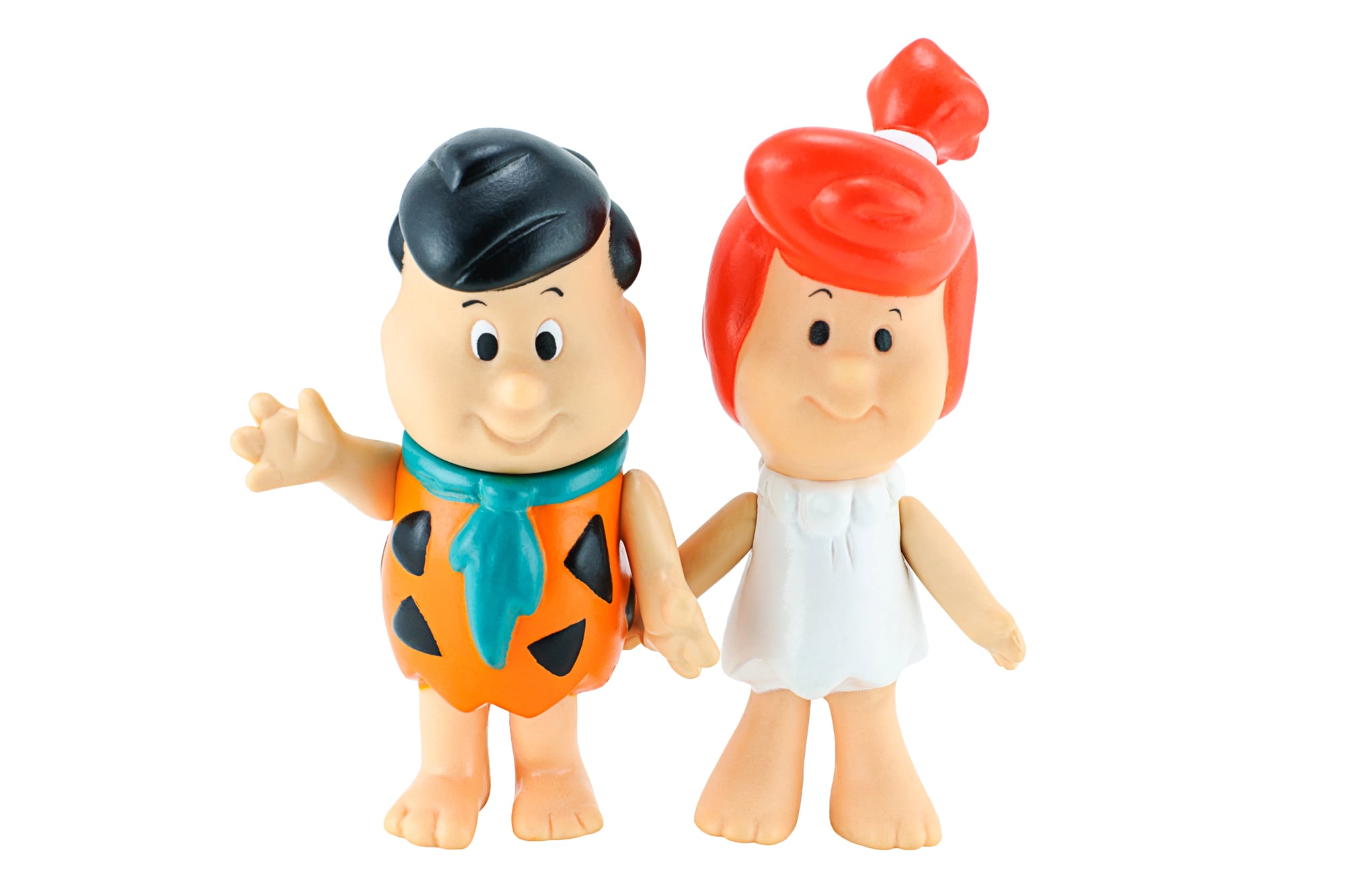
This show made primetime animation possible. Before The Flintstones aired in 1960, networks didn’t believe animated shows could work during evening hours.
They thought animation belonged exclusively to children’s programming blocks. The Flintstones changed that by targeting adults with storylines about marriage, work frustrations, and suburban life—just set in the Stone Age.
Fred Flintstone dealt with money problems, difficult bosses, and misunderstandings with his wife. These weren’t issues kids related to, but parents did.
The show ran for six seasons and proved animation could appeal to entire families, not just children.
Scooby-Doo, Where Are You!

Mystery-solving teenagers and a talking dog created a formula that’s been copied thousands of times since 1969. But Scooby-Doo did something specific that influenced how animated shows approached storytelling.
Every episode followed the same structure. A mystery appears, the gang investigates, someone gets chased, they set a trap, and the villain gets unmasked.
Kids knew what to expect, but they still watched because the execution always varied. The show taught young viewers basic critical thinking—looking for clues, questioning what seems obvious, and understanding that scary things usually have logical explanations.
That ghost? Just someone in a mask trying to scare people away from hidden treasure. The “monster of the week” format that Scooby-Doo popularized became a staple for countless animated and live-action shows that followed.
Looney Tunes

Bugs Bunny and his friends didn’t just make people laugh. They redefined what animation could do with timing, expression, and physical comedy.
The animators at Warner Bros. treated these cartoons like jazz performances. They synced movements to music, played with pacing, and understood that silence could be just as funny as noise.
When Wile E. Coyote stands in mid-air for a moment before falling, that pause is everything. The timing is perfect.
These cartoons also broke the fourth wall constantly. Characters talked directly to the audience, acknowledged they were in a cartoon, and manipulated the medium itself.
Daffy Duck would argue with the animator. Bugs Bunny would comment on the absurdity of a situation while still in the middle of it.
This self-awareness influenced how future animated shows approached humor and storytelling.
The Simpsons
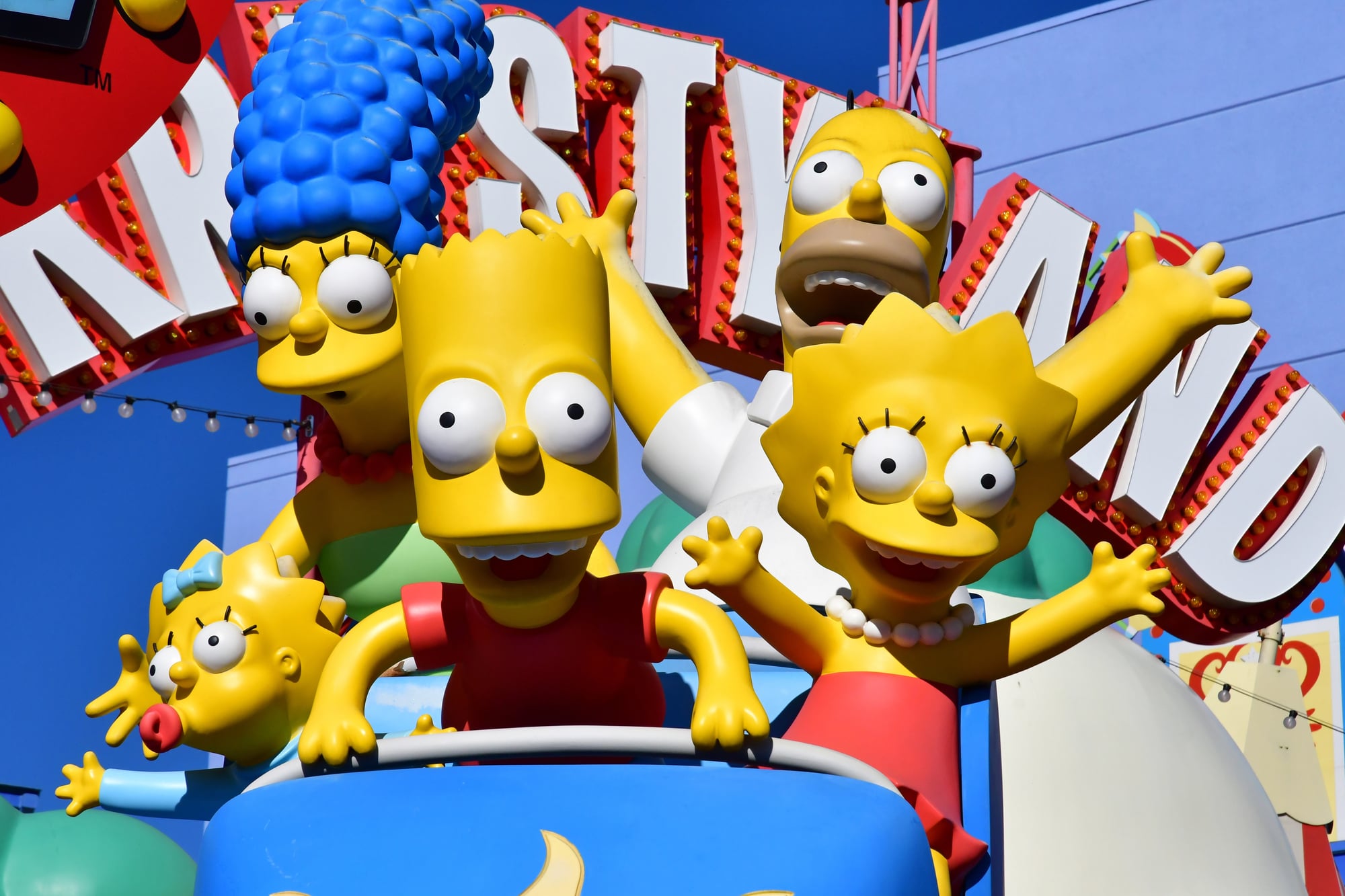
Nothing in television history compares to the cultural impact of The Simpsons. When it premiered in 1989, animated sitcoms didn’t exist on primetime television.
The Simpsons created that category and dominated it. The show did something radical for animation.
It used cartoon characters to satirize real American life—politics, religion, family dynamics, consumerism, everything. Springfield became a mirror for actual society, and the writers didn’t hold back.
They criticized institutions, made fun of celebrities, and questioned authority in ways that live-action shows couldn’t get away with as easily. The Simpsons also proved animated shows could have long-term continuity and character development while still being episodic.
Homer remained Homer, but the family grew and changed in subtle ways. The town expanded, secondary characters got depth, and storylines referenced past episodes.
This complexity influenced every animated sitcom that came after, from Family Guy to Bob’s Burgers.
Pokémon
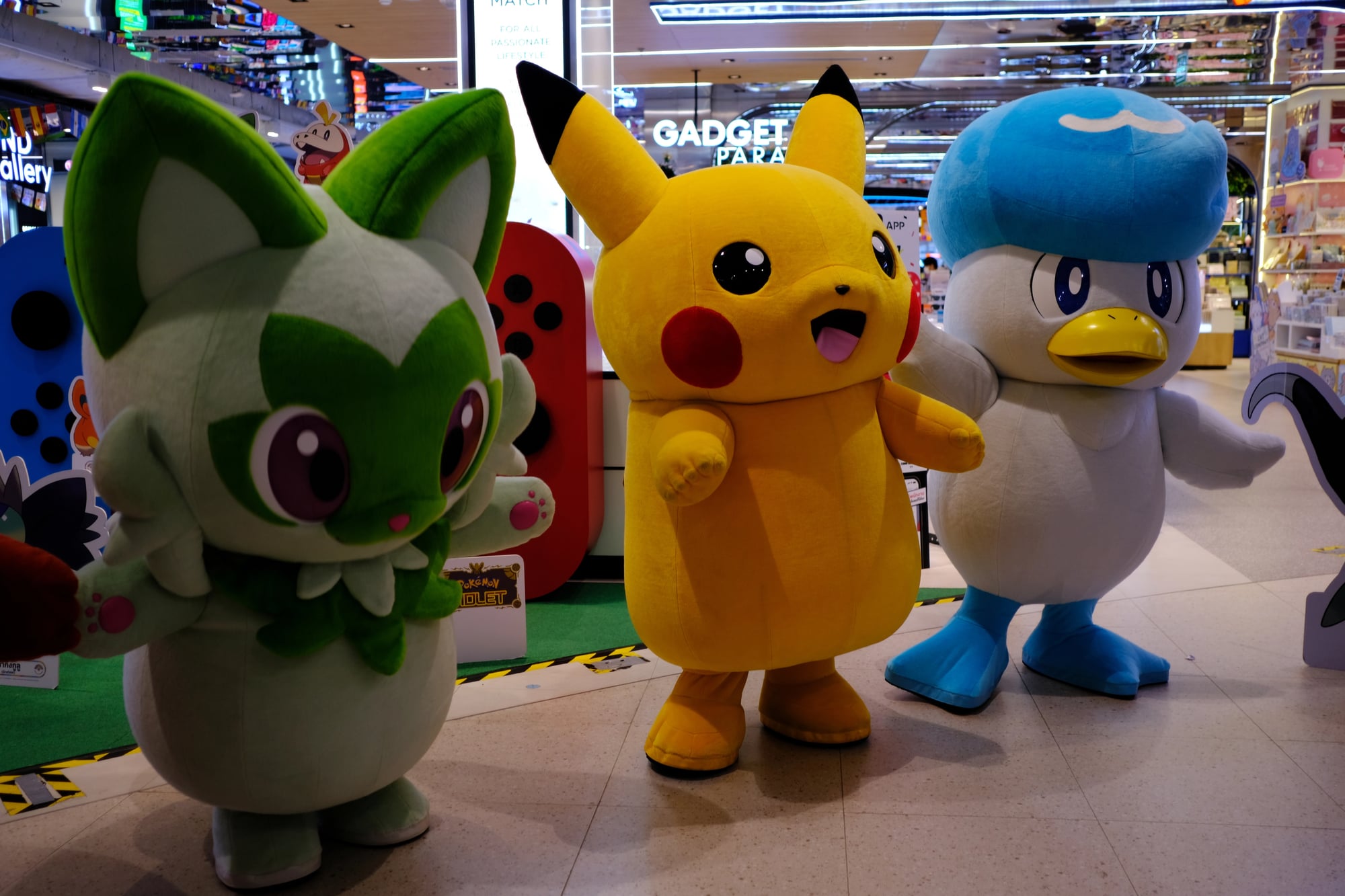
You couldn’t escape Pokémon in the late 1990s. The anime didn’t just promote a video game—it created a global phenomenon that influenced how kids thought about friendship, perseverance, and adventure.
Ash Ketchum’s journey resonated because it centered on growth. He started as an overconfident kid who knew nothing about being a trainer.
He made mistakes, lost battles, and had to learn from both victories and defeats. The show taught kids that failing doesn’t mean giving up.
You train harder, try different strategies, and keep moving forward. The show also introduced Western audiences to anime storytelling conventions.
Ongoing story arcs, character development across seasons, and emotional depth in children’s programming weren’t common in American cartoons at the time. Pokémon helped normalize these elements and paved the way for more anime imports.
Batman: The Animated Series

This show proved superhero cartoons could be sophisticated. When Batman: The Animated Series premiered in 1992, most superhero shows were formulaic and aimed at young children.
This one aimed higher. The animation style borrowed from film noir.
Dark colors, sharp angles, and dramatic shadows created a Gotham City that felt dangerous and real. The stories dealt with psychological trauma, moral complexity, and consequences that lasted beyond single episodes.
Characters died. Villains had sympathetic backstories.
Batman himself struggled with his choices. The writers treated viewers like they could handle mature themes.
Mr. Freeze’s origin story in “Heart of Ice” is genuinely tragic. Two-Face’s transformation is painful to watch.
The show understood that superhero stories work best when they explore what makes people become heroes or villains.
Sailor Moon
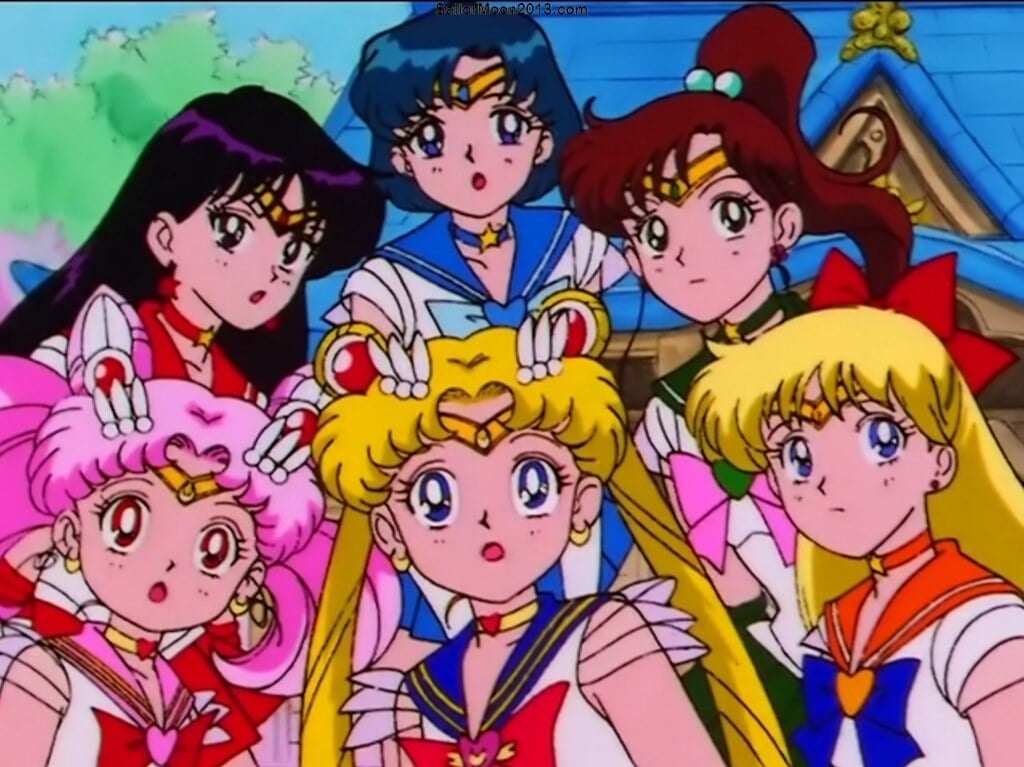
Sailor Moon brought magical girl anime to mainstream Western audiences and influenced how animated shows portrayed female characters. The show centered on teenage girls who fought evil while dealing with school, relationships, and self-doubt.
These weren’t perfect heroines. They cried, made mistakes, questioned their abilities, and supported each other through problems both cosmic and mundane.
The friendships between the Sailor Scouts felt authentic because the show gave each character distinct personalities, flaws, and arcs. Sailor Moon also normalized showing emotional vulnerability in action heroes.
The characters expressed their feelings openly. They hugged, cried together, and talked about their fears.
This emotional honesty influenced how later animated shows approached character relationships, particularly in shows aimed at young audiences.
SpongeBob SquarePants
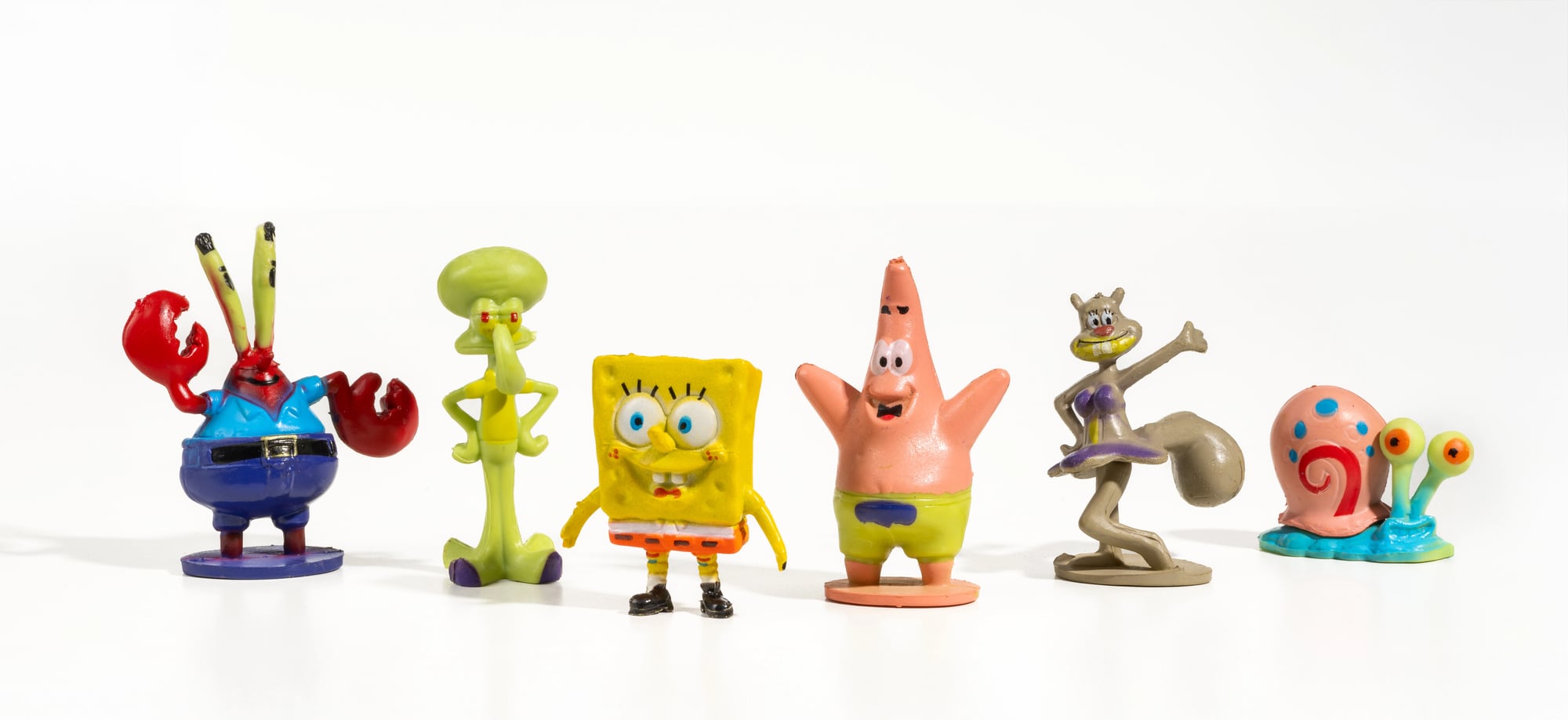
SpongeBob changed children’s animation by embracing pure absurdism. The show doesn’t care about logic.
A sponge works as a fry cook underwater. A squirrel lives in a dome at the bottom of the ocean.
Characters light fires underwater. None of it makes sense, and that’s the point.
The humor works on multiple levels. Kids laugh at the silly voices and physical comedy.
Adults appreciate the pop culture references, workplace satire, and existential undertones. That dual appeal made SpongeBob a show that genuinely entertained multiple generations simultaneously.
The show also pioneered a specific style of animated comedy that values randomness and non-sequiturs. Shows like Adventure Time and Regular Show followed this path, creating animated worlds where anything can happen without explanation.
Avatar: The Last Airbender
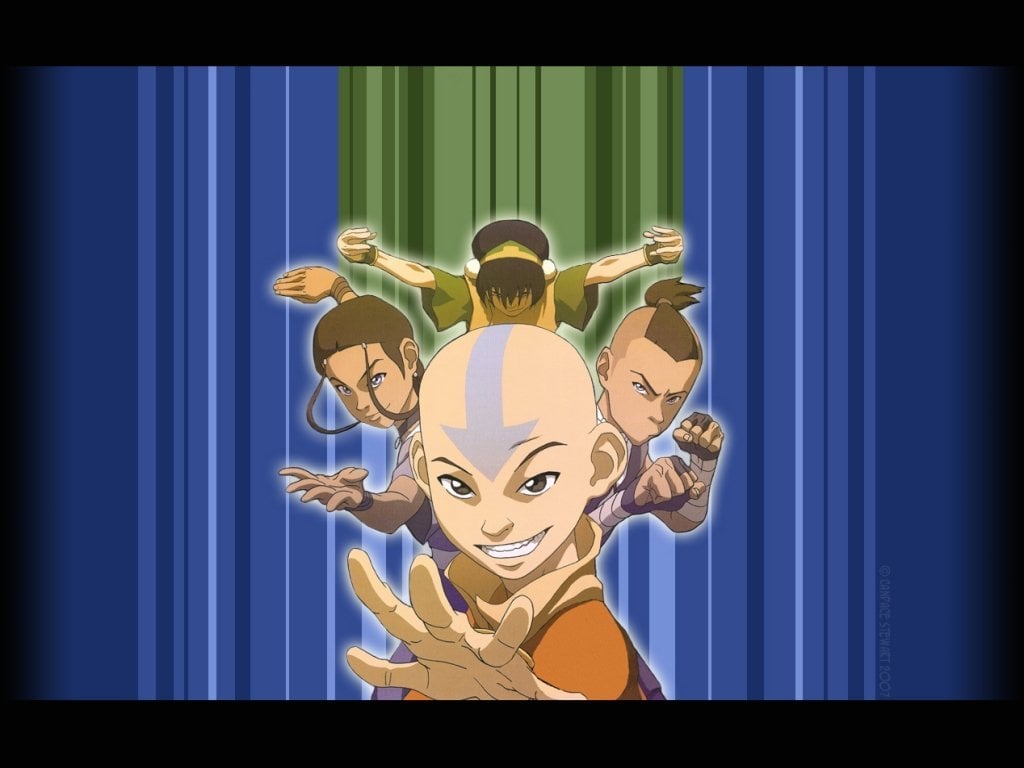
Avatar proved Western animation could tell epic, serialized stories with the depth and complexity of prestige television. The show built a fully realized world with distinct cultures, political systems, and philosophical traditions.
But it never felt overwhelming because the story stayed focused on character growth. Aang’s journey from a carefree kid to someone who accepts responsibility.
Zuko’s arc from villain to hero. Katara is learning to process grief and anger.
These characters changed in meaningful ways across three seasons. Avatar also handled heavy themes without talking down to its audience.
War, genocide, imperialism, forgiveness, trauma—the show addressed all of it through storytelling that respected viewers’ intelligence. It proved animated shows could be taken seriously as art, not just entertainment for children.
Samurai Jack
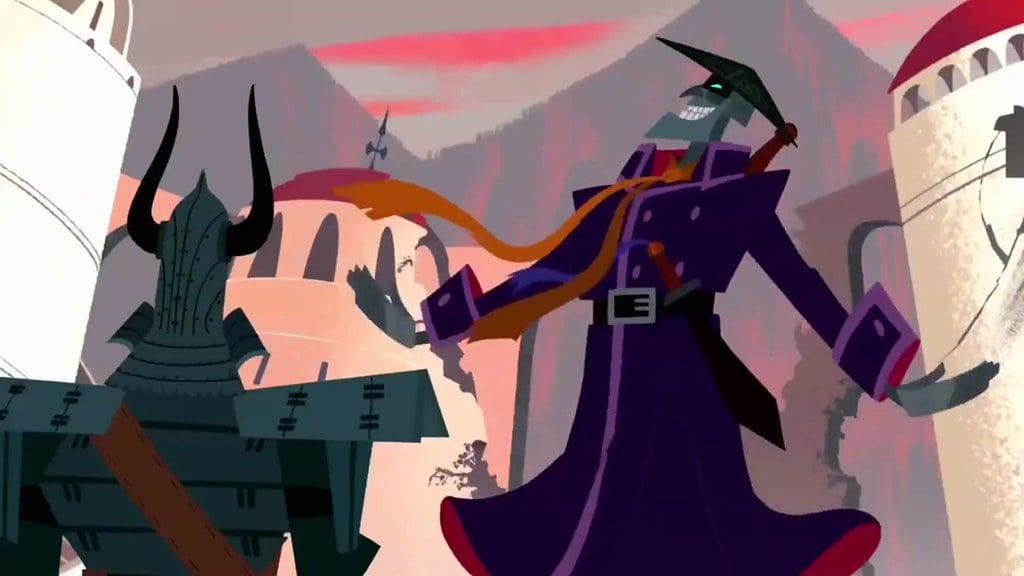
Samurai Jack demonstrated that animated action could be cinematic and artful. The show used minimal dialogue, letting visuals and music tell the story.
Entire episodes passed with maybe a dozen spoken lines. Genndy Tartakovsky, the creator, treated each episode like a short film.
He experimented with pacing, used long sequences of silence, and incorporated influences from samurai cinema, Western films, and various animation styles. The show looked different from everything else on television.
The action sequences stand out because they’re genuinely well-choreographed. Jack’s fights have weight and rhythm.
You feel each sword strike. The show proved animation could deliver sophisticated action that appealed to older audiences without relying on gore or excessive violence.
Adventure Time
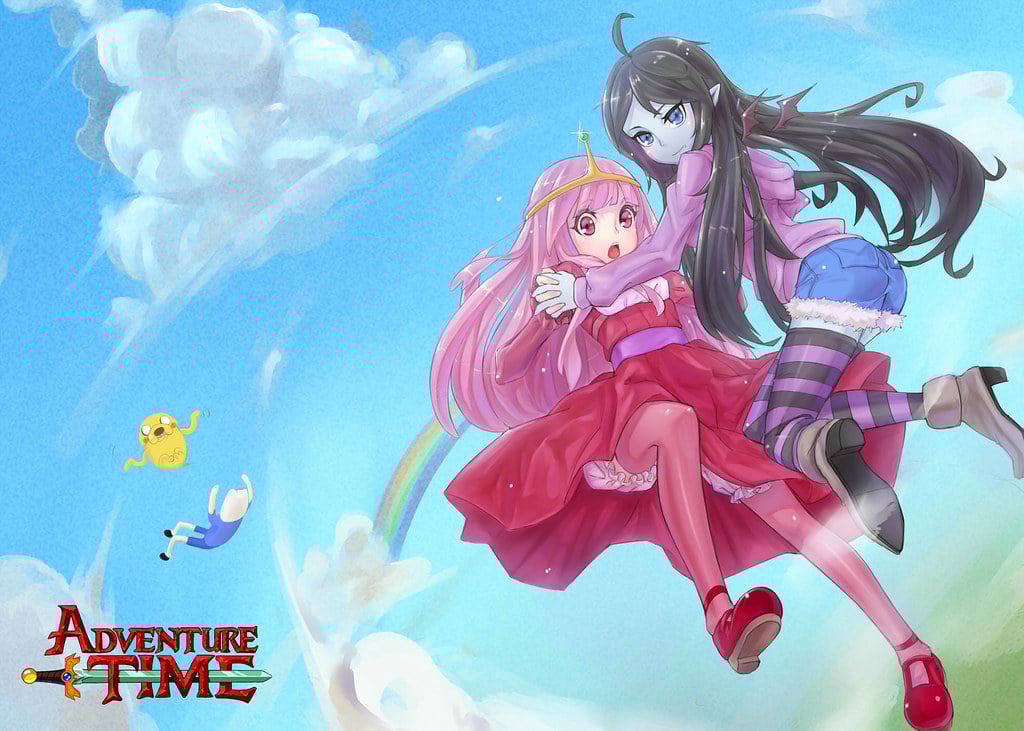
Adventure Time started as a simple show about a boy and his dog going on adventures in a post-apocalyptic world. Then it became something much stranger and more ambitious.
The show built its mythology slowly. Early episodes seemed random, but details started connecting.
That candy kingdom? Built on the ruins of human civilization. Finn’s backstory? Tragic and complex.
The Ice King’s origin? Heartbreaking. Adventure Time also normalized weirdness in children’s animation.
The show featured bizarre characters, surreal humor, and storylines that didn’t always make complete sense—and that was fine. It trusted kids to engage with strange, creative content without needing everything explained or simplified.
The show influenced an entire generation of animators who saw that you could take risks with children’s programming. You could be weird, emotional, and experimental all at once.
Steven Universe
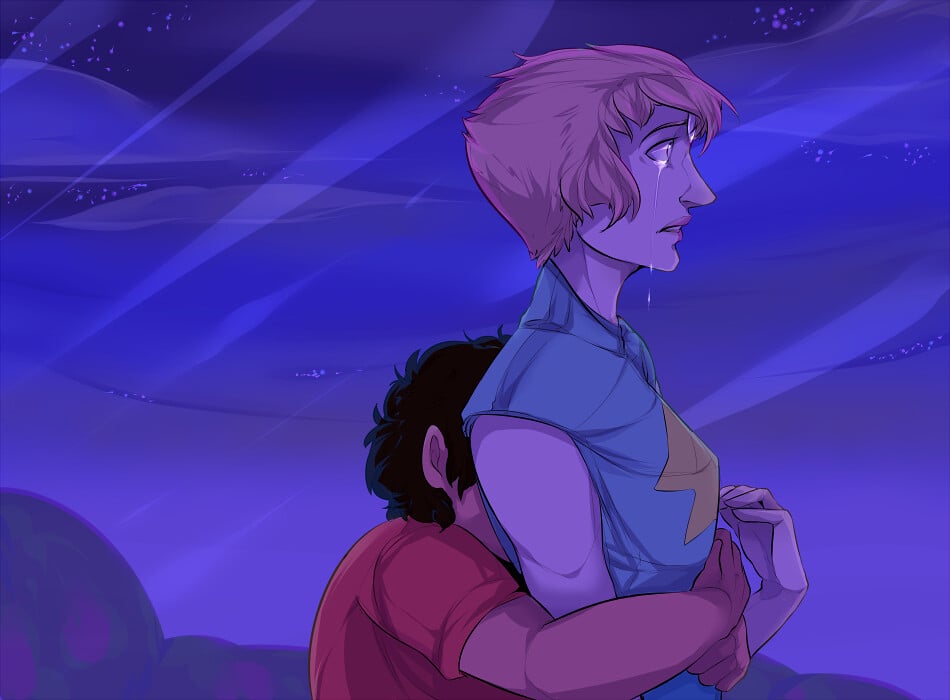
Steven Universe changed animated television by putting emotional intelligence and representation at the center of its storytelling. The show dealt with complex relationships, identity, trauma, and healing through the framework of a kid learning to use his magical powers.
But the powers weren’t the point—the relationships were. The show explored family dynamics, romantic relationships, and self-acceptance in ways that felt genuine and meaningful.
Steven Universe also broke ground with LGBTQ+ representation in children’s animation. The show featured same-gender relationships, non-binary characters, and themes of gender identity integrated naturally into the story.
This representation matters because it showed young viewers that different kinds of people and relationships exist and deserve respect. The show’s willingness to let characters be flawed, make mistakes, and work through problems over time influenced how modern animated shows approach character development and storytelling.
Rick and Morty

Rick and Morty grabbed the grown-up cartoon idea, then mixed in space adventures – not just laughs but deep worries about life, plus real feelings, which set it apart from typical shows. The series leans on sci-fi ideas to dig into deep stuff – like what matters, how we connect, why life ends.
Rick knows more than anyone out there, yet it just leaves him drained. Intelligence isn’t painted as some hero here, nor is giving up seen as freeing.
Instead, you see the pain each one brings. Yet Rick and Morty mixes deep ideas with ridiculous jokes, using wild imagination.
Instead, the creators build full planets, creatures, or theories – just to land one punchline. Still, it showed cartoons can aim high without losing real laughs.
Where Stories Live Forever

These series worked – they got a key point about solid stories. What counts isn’t the format, but the people in it, the ideas driving it, or how real it feels inside.
Animation lets makers do things real-life filming can’t. Rules of motion don’t apply here.
Entire places get made outta nothing. Figures might look wild – yet seem totally believable.
Series that shaped whole age groups used this wide-open space but kept telling tales tied to how people actually feel. They showed cartoons that aren’t only for kids or pushing products.
Instead, they can carry deep stories, reflect society, even stand beside books and movies in impact. That wall people imagine – between childish things and serious art – is fake; always was.
Cartoons smashed that idea wide open.
More from Go2Tutors!

- The Romanov Crown Jewels and Their Tragic Fate
- 13 Historical Mysteries That Science Still Can’t Solve
- Famous Hoaxes That Fooled the World for Years
- 15 Child Stars with Tragic Adult Lives
- 16 Famous Jewelry Pieces in History
Like Go2Tutors’s content? Follow us on MSN.