15 Mysterious Noises Heard From the Sky
You’re lying in bed at night when you hear it—a low, persistent hum that seems to come from nowhere and everywhere at once. Or maybe you’re walking outside when a massive boom shakes the ground beneath your feet, yet the sky stays clear and calm.
These sounds have puzzled people for centuries, and despite our advanced technology, many remain unexplained. Some of these noises appear in specific locations, haunting the same communities for years.
Others pop up randomly across the globe, defying any pattern scientists try to establish. The explanations range from mundane to bizarre, and in many cases, no explanation exists at all.
The Hum

This persistent low-frequency sound has driven people mad in various locations worldwide. The Hum typically registers around 56 hertz, which sits right at the edge of human hearing.
Only about 2% of people in affected areas can hear it, which makes the phenomenon even more frustrating for those who do. The sound never stops.
People describe it as similar to a diesel engine idling in the distance. Some hear it constantly, others only at night, and a few report that it follows them wherever they go.
Acoustic engineers have tried to track it down, but their equipment often picks up nothing even when multiple witnesses swear they hear it clearly. Theories include industrial equipment, submarine communications, and natural gas pipelines.
But none of these explanations account for why only certain people hear it, or why it appears in remote areas far from any industrial activity.
Skyquakes
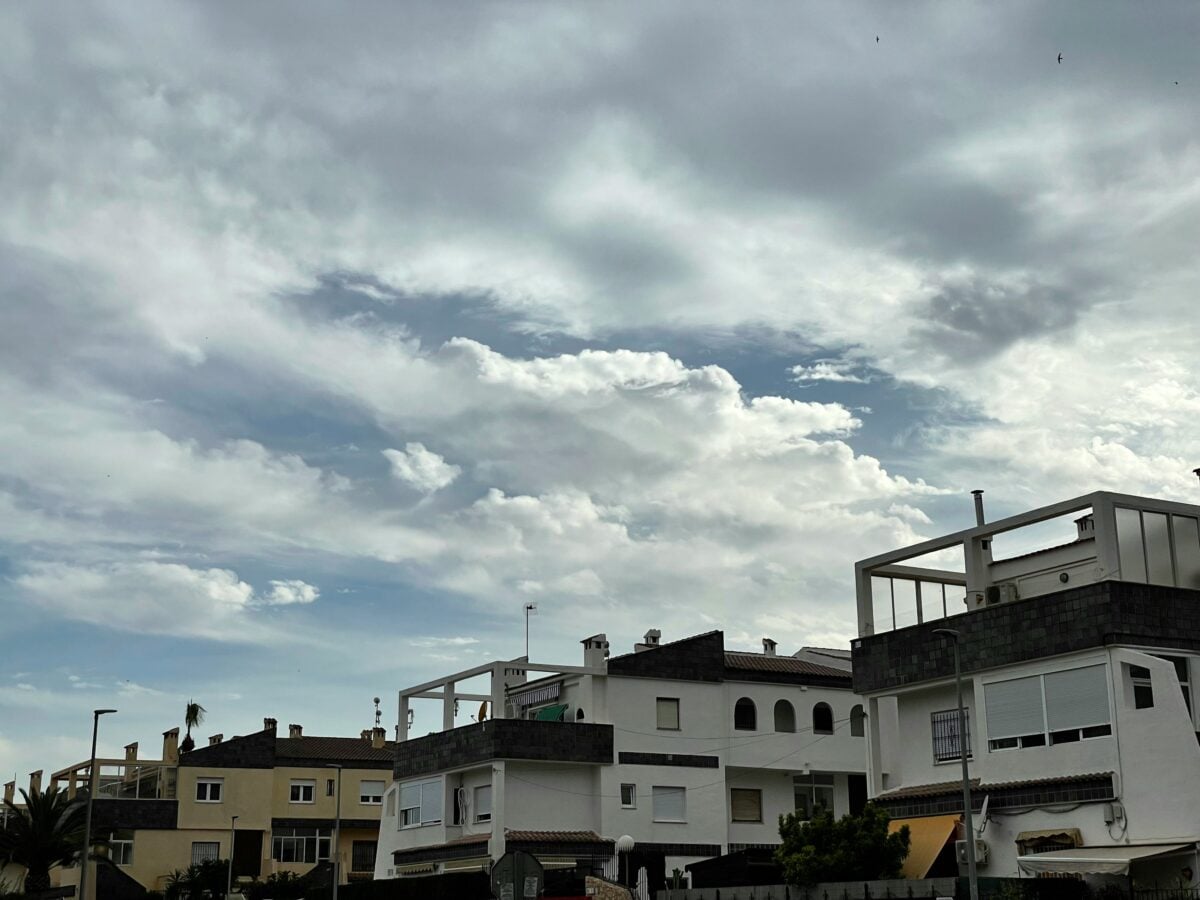
Loud explosive sounds boom across the sky with no visible source. These events shake windows, rattle dishes, and send people running outside to see what happened.
But when they look up, they find nothing—no storm clouds, no aircraft, no obvious explanation. Skyquakes happen worldwide, though some regions report them more frequently than others.
The sounds range from single sharp cracks to rolling thunder that continues for several seconds. Sometimes they coincide with meteor showers or solar activity, but often they occur during perfectly calm weather.
Scientists have proposed everything from distant earthquakes to atmospheric temperature inversions, but these theories don’t explain all the reports. Some skyquakes happen in patterns, recurring at the same location and time, which suggests something more systematic at work.
The Taos Hum

The small town of Taos, New Mexico became famous for this particular humming sound in the early 1990s. Residents described a constant drone that seemed to come from the earth and sky simultaneously.
The sound was strong enough that some people had to leave town because they couldn’t sleep. Congressional investigators got involved, and teams of scientists descended on Taos with sophisticated equipment.
They measured everything they could think of—seismic activity, electromagnetic fields, sound waves at every frequency. The investigation turned up nothing concrete.
What makes the Taos Hum especially strange is its selectivity. Hearers couldn’t escape it even by leaving town temporarily.
But their neighbors, living in identical houses just feet away, heard absolutely nothing. The phenomenon faded over time, though occasional reports still trickle in.
Trumpets in the Sky

Videos from around the world have captured what sounds like massive brass instruments playing in the clouds. The sounds are hauntingly biblical—deep, resonant notes that seem to come from everywhere at once.
Some recordings last for minutes, with the tone shifting and wavering as if something enormous were breathing. These sounds started appearing frequently in online videos around 2011.
Skeptics point to hoaxes and sound editing, and many recordings probably are fake. But witnesses who heard them in person tell consistent stories about the physical sensation—a vibration they felt in their chests, not just a sound they heard.
Possible explanations include atmospheric pressure changes, construction equipment in the distance, or even the Earth’s magnetic field interacting with the atmosphere. None of these fully satisfy, especially when multiple witnesses in different locations report identical sounds.
The Seneca Guns

Along the coast of North Carolina, residents have heard mysterious booming sounds for at least 200 years. Native Americans spoke of them long before European settlers arrived.
The sounds are loud enough to rattle buildings and can be heard up to 50 miles inland. These booms happen most frequently near Cape Fear and the Outer Banks, always near the coast but not always near the ocean itself.
They occur in all weather conditions and at all times of day. No correlation exists with seismic activity, military exercises, or any other obvious source.
The name “Seneca Guns” comes from Seneca Lake in New York, where similar sounds occur. The phenomenon appears globally under different names, but the Carolina coast reports some of the most frequent and intense events.
Theories range from underwater methane releases to shifting continental plates, but nothing explains why the sounds concentrate in specific coastal areas.
Mistpouffers

This old term describes foghorn-like sounds that boom across large bodies of water. Belgian scientists first documented them in the 19th century, and fishermen have reported them for even longer.
The sounds are distinct from thunder—deeper, more resonant, and often occurring in perfectly clear weather. Lake Superior, Lake Michigan, and various coastal regions around the world experience mistpouffers regularly.
The sounds can be powerful enough to create visible disturbances on the water’s surface. Sometimes they arrive in series, booming repeatedly over the course of several minutes.
Scientists have linked some mistpouffers to underwater earthquakes or landslides, but many occur in shallow waters or lakes with stable geology. Gas escaping from the lake bottom seems plausible for some events, but again, this doesn’t explain all the reports.
The mystery deepens when witnesses describe seeing the water move in response to the sound, suggesting a physical force at work.
The UVB-76 Buzzer
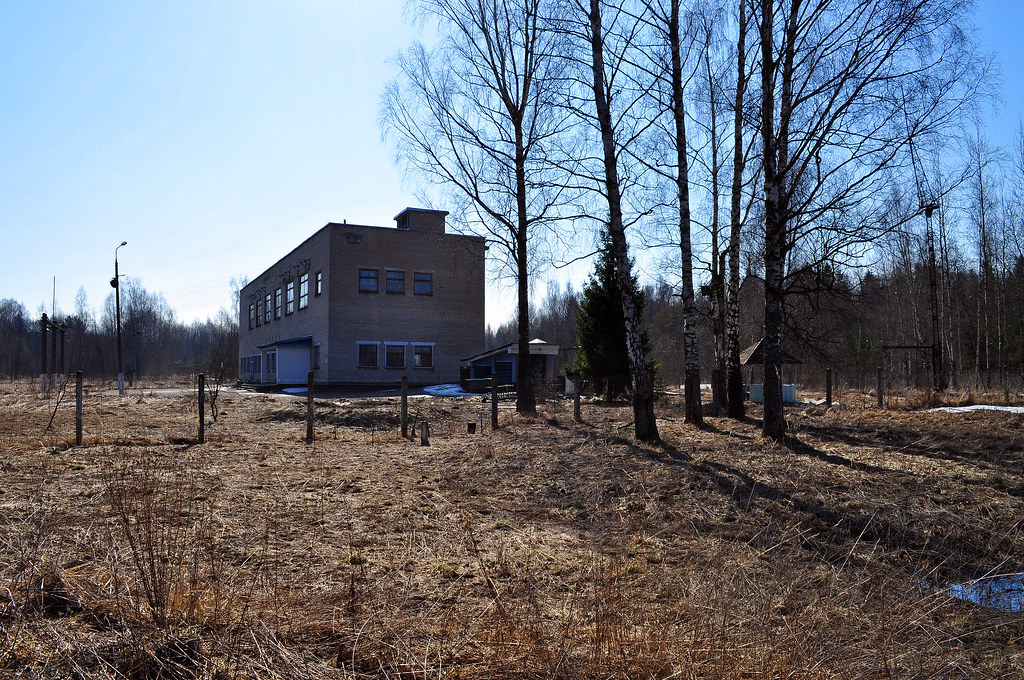
A strange radio station has broadcast a monotonous buzzing sound almost continuously since 1982. The signal operates on 4625 kHz shortwave, and anyone with the right equipment can tune in.
Every few seconds, a sharp buzz repeats, day after day, year after year. Occasionally, the pattern breaks.
A voice reads out numbers and Russian names, then the buzzing resumes. These voice transmissions happen only a handful of times per year, and nobody knows what they mean. The signal’s origin appears to be somewhere in Russia, but the exact location remains classified or unknown. The station’s purpose is completely unclear.
Theories suggest it’s a numbers station for spies, a military dead-hand system, or simply a channel marker. But the consistency and the rare, cryptic voice messages keep amateur radio enthusiasts obsessed with decoding its meaning.
The sound itself has become oddly unsettling to those who listen for long periods.
Noctilucent Cloud Sounds
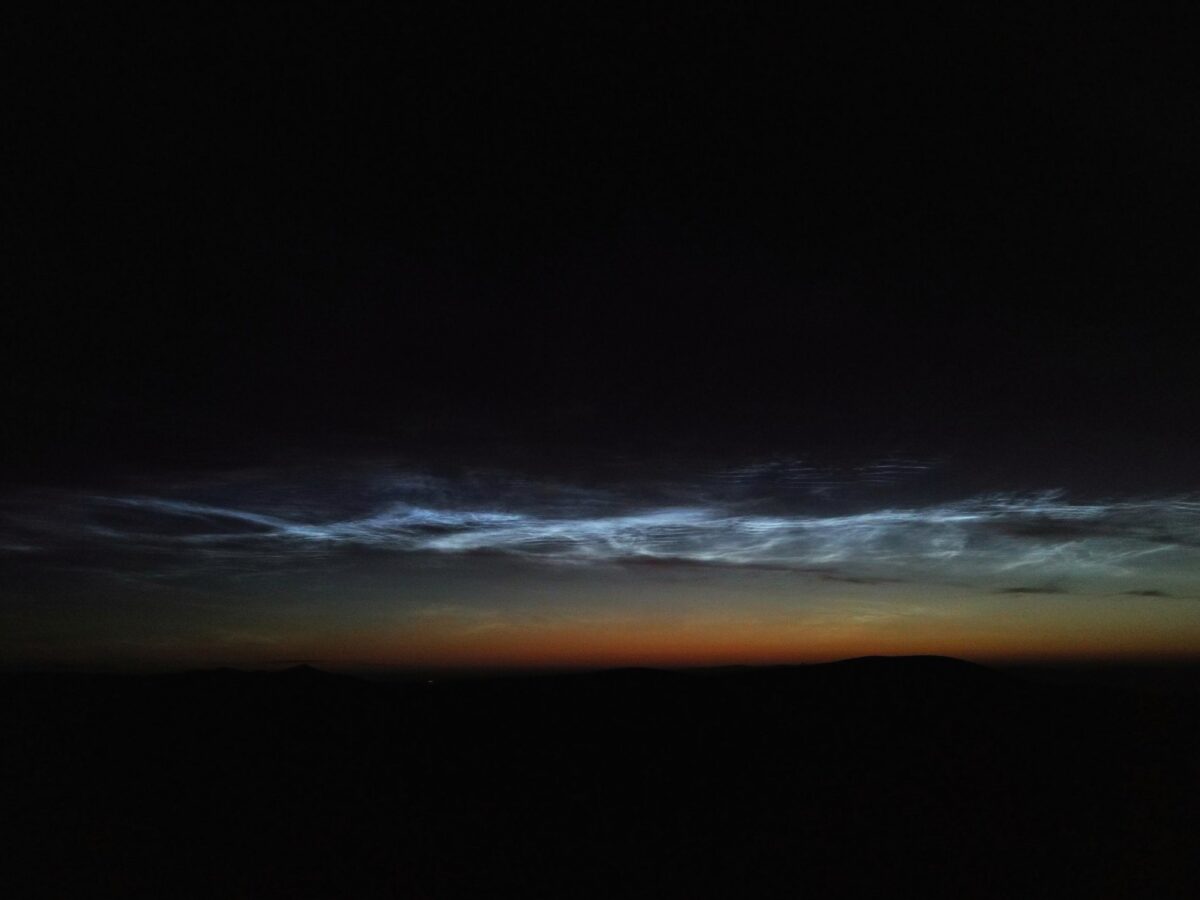
High-altitude clouds that glow at night sometimes produce mysterious sounds. These clouds form about 50 miles up in the atmosphere, far higher than any normal weather.
They appear only in summer months at high latitudes, and they shimmer with an eerie blue-white light. Some observers report hearing low-frequency rumbles when these clouds appear overhead.
The sounds don’t match any known atmospheric phenomenon. At that altitude, standard sound propagation doesn’t work the way it does closer to the ground.
Scientists remain skeptical because sound waves shouldn’t travel effectively at such extreme heights. But the reports persist, especially from northern Canada and Scandinavia.
Some researchers suggest electromagnetic effects rather than traditional sound waves, which would explain why the clouds seem to produce audible phenomena despite the altitude.
The Windsor Hum

The city of Windsor, Ontario deals with a powerful humming sound that plagues thousands of residents. The hum is loud enough that windows vibrate and sleep becomes difficult.
It started in 2011 and continues today, though its intensity varies. Canadian and American authorities investigated extensively because the sound crosses the border from the United States.
Researchers eventually traced it to Zug Island, an industrial area in the Detroit River. But identifying the general location didn’t solve the problem, because pinpointing the exact source proved impossible.
The complexity of the industrial operations on and around Zug Island means dozens of potential sources exist. Some residents report hearing it continuously, while others notice it only at night.
The sound seems to resonate through building foundations, which amplifies it in unexpected ways.
Frost Quakes

When temperatures drop suddenly, frozen ground can crack with explosive force. These cryoseismic events create booming sounds that shake entire neighborhoods.
People report feeling them as much as hearing them—a sudden jolt followed by a deep rumble. The phenomenon happens when water in the ground freezes, expands, and causes the earth to literally break apart.
The cracking occurs under pressure, which makes the sound remarkably loud. Frost quakes are more common in areas with heavy clay soil, which holds water that can freeze rapidly.
These events puzzle people because they sound exactly like explosions or sonic booms, but they happen without any visible cause. The booms can occur repeatedly through a single night as different sections of ground fracture.
Modern urban areas experience them more frequently than rural ones, possibly because pavement and buildings affect how water drains and freezes.
Aurora Sounds

People watching the northern lights sometimes hear crackling, hissing, or whooshing sounds. For years, scientists dismissed these reports as imagination or coincidence.
But recent research confirms that the aurora can produce audible sounds under specific conditions. The sounds happen when charged particles from the solar wind interact with atmospheric layers much closer to the ground than the visible aurora itself.
This creates small electrical discharges that people can hear. The effect is rare and requires particular weather conditions, which explains why most aurora viewers never experience it.
Witnesses describe the sounds as similar to radio static or the rustling of thin paper. The noises seem to come from directly overhead, sometimes moving across the sky in patterns that match the visible light display.
Indigenous peoples in the far north have described these sounds in their oral traditions for generations.
Atmospheric Infrasound
Below the range of human hearing, powerful infrasound waves travel through the atmosphere constantly. These waves come from natural sources like ocean waves, avalanches, and severe weather.
Usually, people can’t hear them at all. But under certain conditions, these infrasonic waves become audible as deep rumbles or unexplained vibrations.
Your body can sometimes sense infrasound even when your ears don’t register it. This creates feelings of unease, anxiety, or a sense that something is present.
Some mysterious booms and hums probably result from infrasound that becomes audible when it interacts with buildings or geographic features. Military and civilian researchers study atmospheric infrasound because it can reveal distant events like explosions or meteor entries.
But the same phenomena that make it useful for detection also make it confusing for ordinary people who encounter it unexpectedly. The sounds defy easy explanation because the source might be hundreds of miles away.
Mystery Booms

Unexplained explosive sounds occur so frequently worldwide that they have their own category. These booms are distinct from skyquakes mainly because they’re louder and more localized.
They shake buildings, set off car alarms, and send people flooding to social media asking what just happened. The United States Geological Survey receives hundreds of reports annually about mystery booms.
Most occur during the day, though nighttime events seem more dramatic because they wake people up. Investigations rarely find a source, which frustrates both witnesses and authorities.
Some mystery booms probably have mundane explanations—distant quarry blasting, sonic booms from military aircraft, or industrial accidents. But many occur in areas far from such activities, during times when no flights are scheduled, with no seismic activity recorded.
The pattern suggests multiple causes rather than a single phenomenon.
The Kokomo Hum
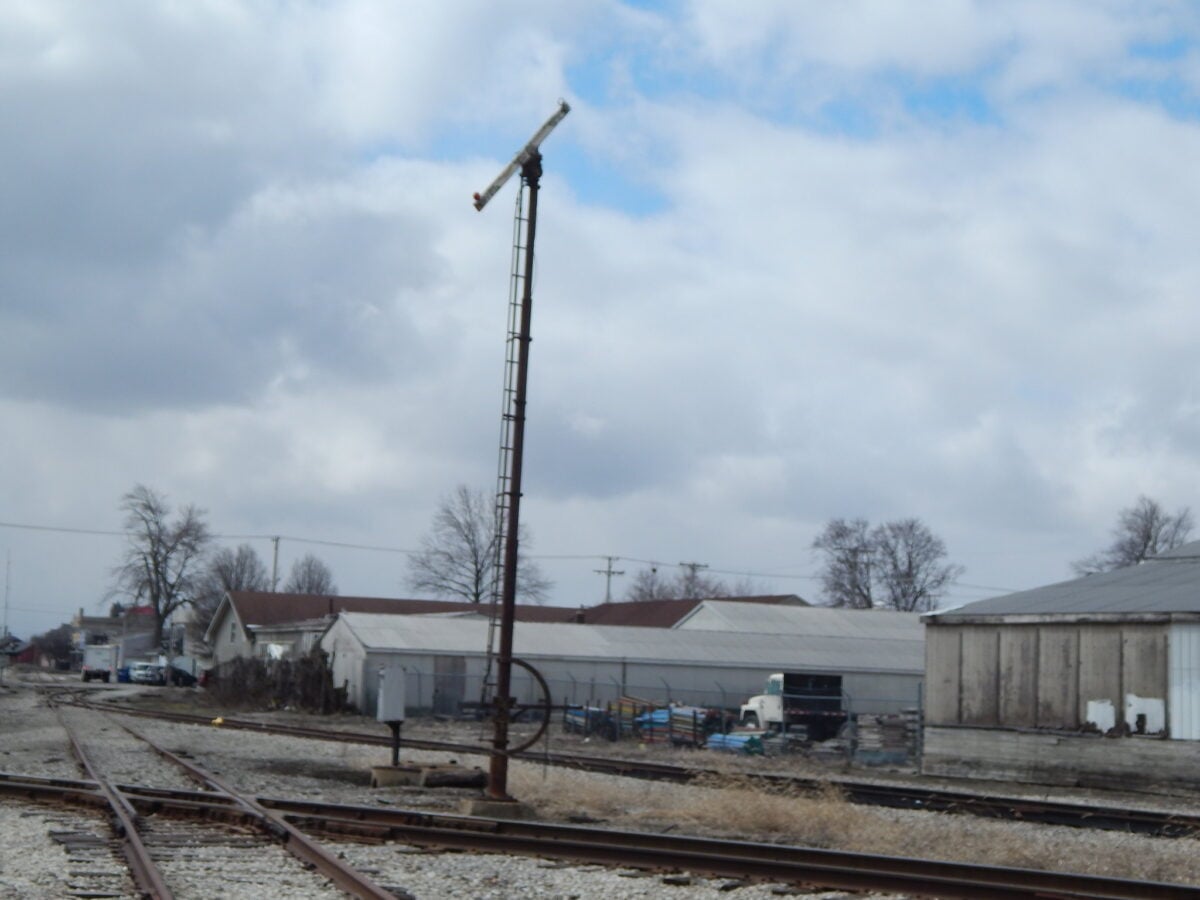
Kokomo, Indiana has dealt with its own version of the persistent hum since the 1990s. Unlike other hums, this one was actually tracked down and partially solved.
Engineers identified two sources—cooling fans at a Daimler Chrysler plant and air compressors at another facility. After modifications to the industrial equipment, the hum decreased significantly.
But it didn’t stop completely. Some residents still report hearing it, and the character of the sound has changed rather than disappeared entirely.
This partial success raises interesting questions about how many “mysterious” sounds actually have industrial sources that are just difficult to isolate. The Kokomo case demonstrates how modern industrial equipment can create low-frequency sounds that travel for miles and penetrate buildings effectively.
It also shows the challenge of solving these problems even when the general source is known. Frequency, amplitude, and resonance patterns all matter, and changing one aspect doesn’t necessarily eliminate the problem.
Cryoseisms Beyond Frost Quakes

Frost quakes pop up in dirt, yet bigger ice-based rumbles take place on glaciers or thick ice layers. Instead of soft noises, you get sudden snaps or low moans stretching out for a minute or more.
Because sound zips easily across frozen slabs, folks miles away might still catch the noise. Distance doesn’t always muffle these icy voices – sometimes they’re clear even far off.
Scientists in Antarctica say they’re hearing loud cracks coming from every side. These noises happen when frozen water snaps under pressure, kind of like ground shifting in quakes.
Yet the size and setting mean only icy zones get this effect. Climate change’s making these noises more common because ice sheets are wobbling more.
When big slabs snap off – called calving – the bang can echo across many miles. Scientists fear the rising icy shakes might signal faster melting we can actually hear.
When Silence Seems Louder

The hunt for answers goes on through every one of these cases. Some could get figured out over time, showing ordinary causes people just didn’t notice before.
A few may stay unexplained forever – not due to lack of trying, but because they happen too seldom or conditions are never quite right to check them out. What ties these noises together?
Maybe it’s how they nudge us into remembering – there are still unknowns out there. From above or below, the planet makes noises we can’t quite label.
These sounds poke orbs in the idea that we’ve got nature all figured out. That gap in understanding might actually matter – not every puzzle should be solved fast, seeing wonder without answers could mean something.
The next time a weird noise comes from overhead, you could end up adding your tale to this growing pile of odd events. Even if it’s just machinery rumbling or air shifting – or some cause still unknown – the feeling sticks around when you catch something puzzling mid-air.
That split second of curiosity, that blank mind pause, ties you to every person who’s stared upward, puzzled, asking what the heck was going on.
More from Go2Tutors!

- The Romanov Crown Jewels and Their Tragic Fate
- 13 Historical Mysteries That Science Still Can’t Solve
- Famous Hoaxes That Fooled the World for Years
- 15 Child Stars with Tragic Adult Lives
- 16 Famous Jewelry Pieces in History
Like Go2Tutors’s content? Follow us on MSN.