Cyclists Who Rode Around the World
There’s something about the idea of circling the entire planet on two wheels that captures the imagination. These aren’t casual Sunday riders or weekend warriors.
These are people who decided that seeing the world from a bicycle seat was worth years of their lives, countless flat tires, and more close calls than most of us will ever experience. From Victorian adventurers in wool suits to modern ultra-distance athletes with GPS trackers, the stories of around-the-world cyclists reveal what humans are capable of when they commit to something truly extraordinary.
Let’s look at the remarkable individuals who actually pulled off this incredible feat.
Thomas Stevens
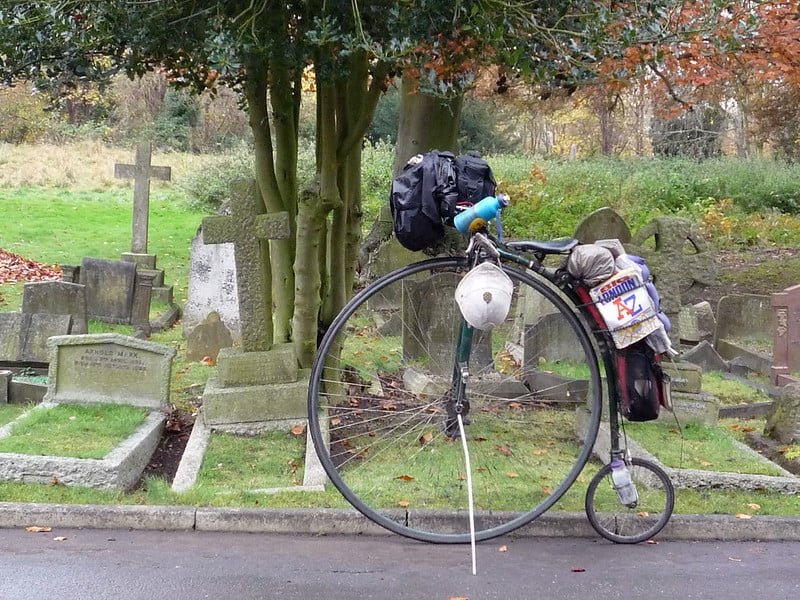
Back in 1884, a young man from Britain decided to do something nobody had ever done before. Thomas Stevens climbed onto a penny-farthing bicycle, that weird contraption with the giant front wheel and tiny back wheel, and started pedaling east from San Francisco.
Keep in mind, this was a bike with no gears, no brakes worth mentioning, and a riding position that put you about five feet off the ground. Stevens spent nearly three years covering about 13,500 miles across America, Europe, the Middle East, and Asia before finishing in Japan.
He dealt with bandits, wild animals, and roads that barely deserved the name, all while riding what was essentially a death trap on wheels.
Annie Londonderry
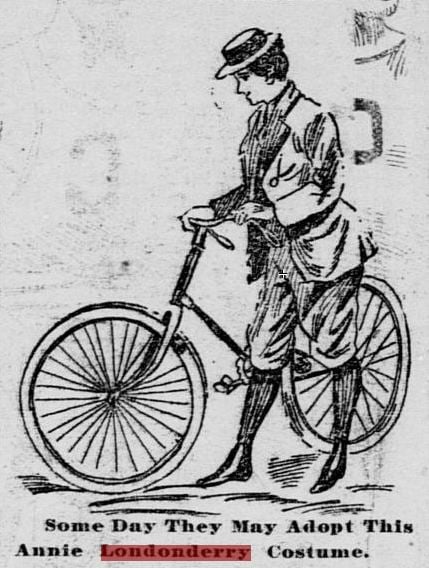
Just a decade after Stevens, a woman from Boston decided she could do the same thing, which was absolutely wild for 1894. Annie Londonderry, whose real name was Annie Cohen Kopchovsky, left behind her husband and three young children to settle a wager about whether a woman could bike around the world and earn money along the way.
She rode a heavy men’s bicycle while wearing a long skirt, which society demanded at the time. Annie worked every angle to fund her journey, selling advertising space on her bike and clothes, giving lectures, and spinning tales to newspapers that were sometimes more fiction than fact.
She finished in 15 months, becoming the first woman to cycle around the globe and proving that Victorian-era expectations about what women could do were complete nonsense.
Heinz Stücke
Starting in 1962, a German man named Heinz Stücke took off on a bicycle trip that turned into the longest continuous journey in history. He didn’t return home for 50 years.
Stücke visited every country on Earth, including places most people have never heard of and some that don’t exist anymore. He supported himself by selling photos and telling stories, living so minimally that he became legendary among long-distance cyclists.
His three-speed bike carried everything he owned, and he just kept going, decade after decade, choosing to see one more place instead of settling down. When he finally returned to Germany in 2006, the world had changed completely, but his passion for exploration hadn’t dimmed at all.
Vin Cox
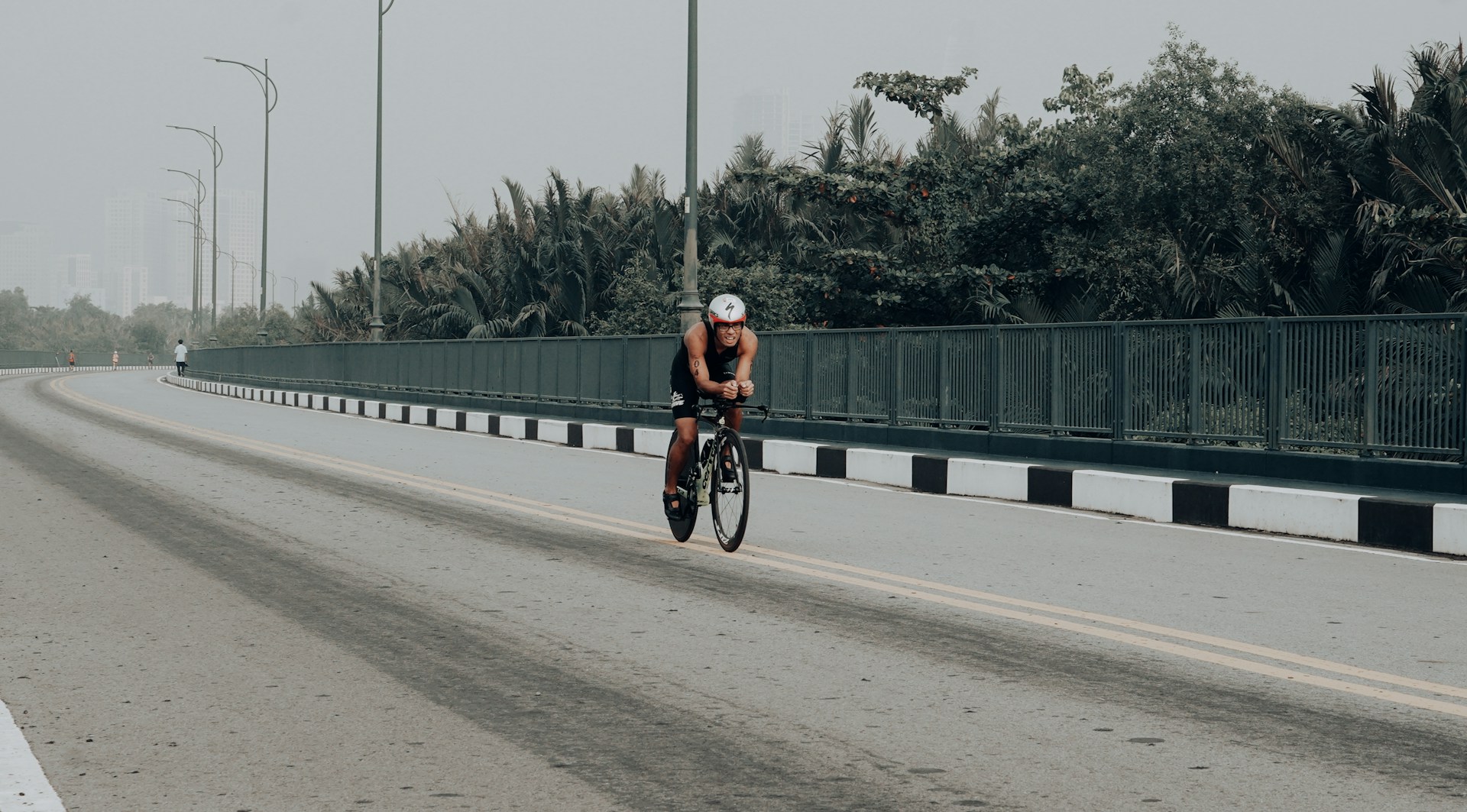
In 2010, a British cyclist named Vin Cox set out to break the world record for cycling around the planet. He completed the journey in just 163 days, covering over 18,000 miles and averaging more than 100 miles every single day.
Cox rode through scorching deserts, over mountain passes, and across entire continents with barely any rest days. The physical toll was enormous, with his body fat dropping to dangerous levels and his legs turning into something resembling industrial machinery.
He ate constantly, burned through bikes and equipment, and pushed his body to limits that would hospitalize most people. The record he set stood for years, showing just how fast human-powered travel could actually be.
Juliana Buhring
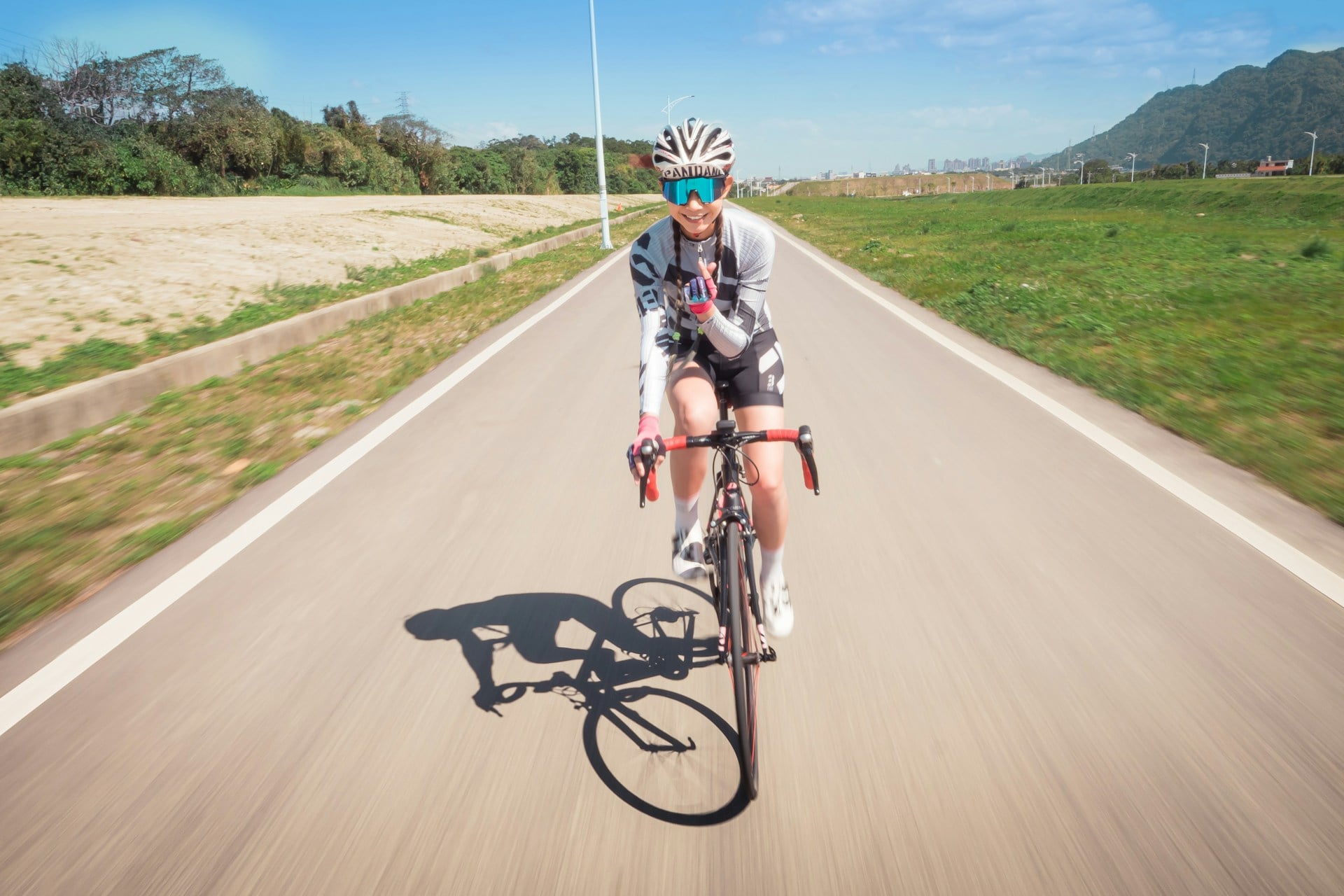
After losing someone close to her, Juliana Buhring decided to channel her grief into something productive. In 2012, she became the first woman to hold the official world record for cycling around the globe, completing the journey in 152 days.
Buhring had barely trained for the attempt and learned most of what she needed to know while actually doing it. She faced equipment failures, illness, dangerous traffic, and the mental challenge of spending five months essentially alone with her thoughts.
Her story resonated with people because it wasn’t about athletic perfection but about finding purpose through extreme challenge. She later went on to compete in ultra-distance racing, proving that sometimes the best training for impossible things is just starting them.
Mark Beaumont
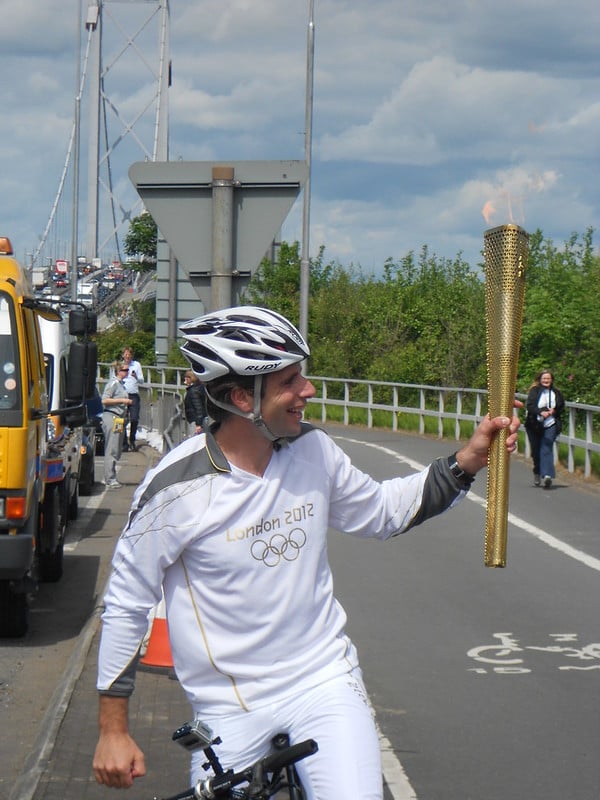
A Scottish adventurer named Mark Beaumont has made a career out of riding bicycles to ridiculous extremes. In 2017, he completed a circumnavigation in just 78 days, covering 18,000 miles at an average of 240 miles per day.
Beaumont barely slept, treated his body like a machine that needed constant refueling, and had a support team helping him maintain the insane pace. He cycled through the night with lights, pushed through injuries, and basically lived on his bike for nearly three months.
The record required not just physical strength but careful planning, route optimization, and the ability to keep pedaling when every part of his body screamed for rest. His achievement redefined what people thought was possible on a bicycle.
Jenny Graham
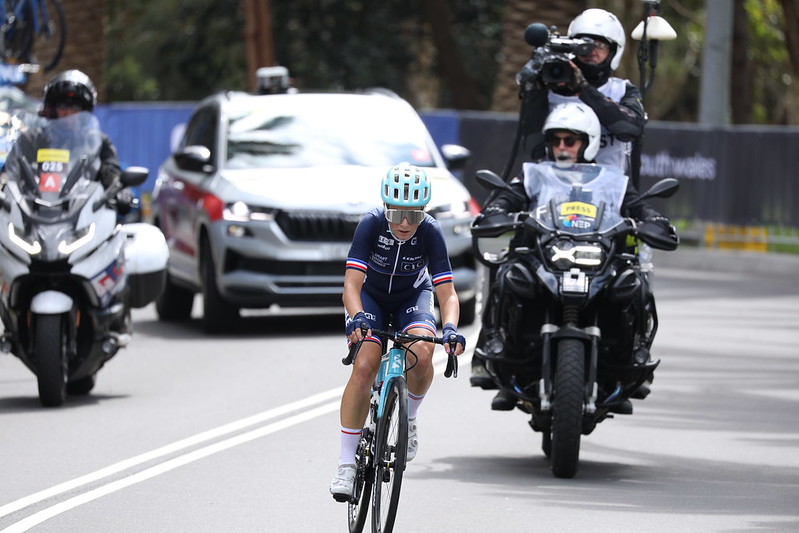
In 2018, a Scottish woman named Jenny Graham took back the women’s record by completing her ride in just 124 days. She did it completely unsupported, meaning no following vehicles, no team helping her, and no pre-arranged accommodations.
Graham carried everything she needed on her bike, fixed her own mechanical problems, and navigated using only what she could figure out herself. She faced extreme weather, dangerous roads, and the constant challenge of finding food and places to sleep in remote areas.
Her achievement was particularly impressive because she balanced the need for speed with the reality of being completely self-sufficient. The mental toughness required to wake up day after day and choose to keep going, alone, is something most people will never understand.
Vedangi Kulkarni
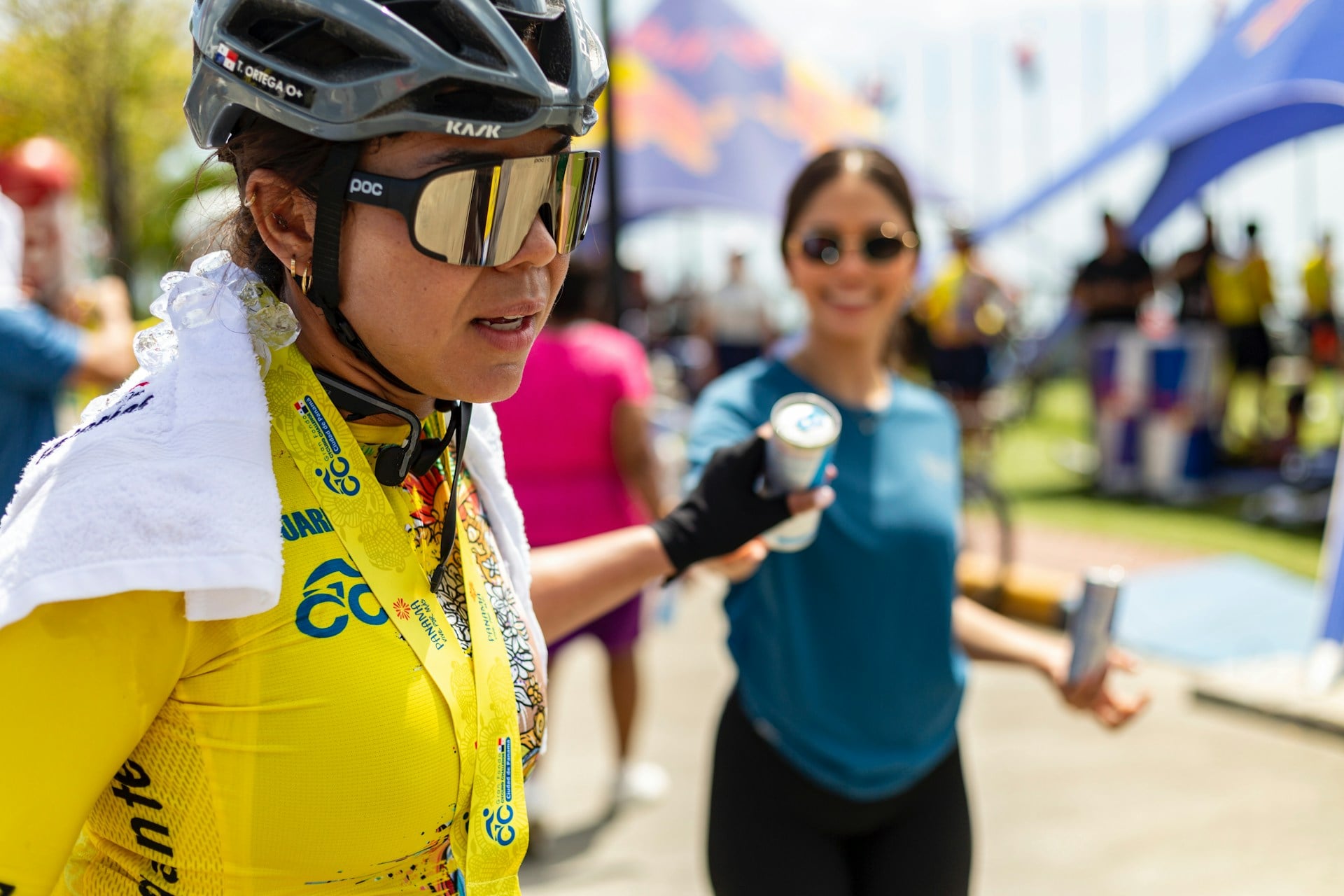
At just 19 years old, an Indian cyclist named Vedangi Kulkarni set off to become the youngest woman to cycle around the world. She finished in 2018 after 159 days, covering about 18,000 miles through 14 countries.
Kulkarni dealt with visa problems, cultural barriers, equipment failures, and the challenge of being a young woman traveling alone through regions where that raised eyebrows. She used her journey to promote cycling in India, where it’s not common for women to take up long-distance riding.
Her determination inspired young people across her home country to think bigger about what they could accomplish. The fact that she completed this at an age when most people are just figuring out college makes it even more impressive.
Mike Hall
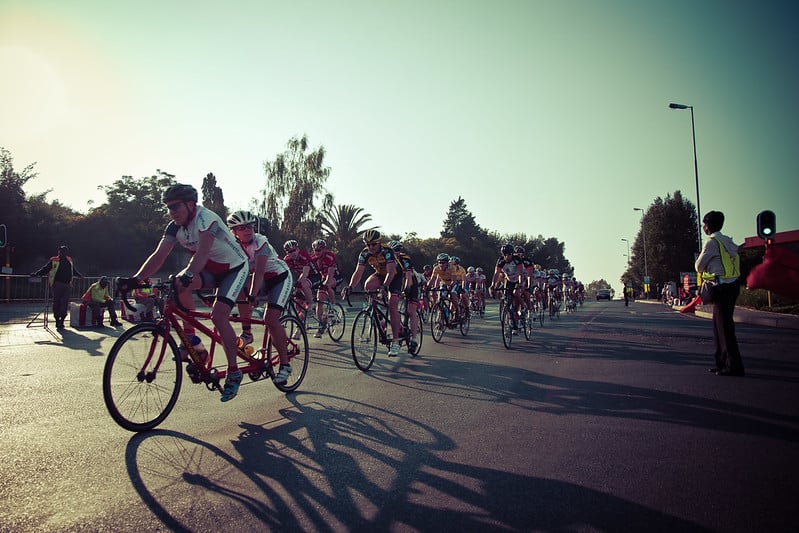
An ultra-distance cyclist from Britain, Mike Hall was known for competing in some of the world’s toughest races. He won the World Cycle Race in 2012, covering 18,000 miles in just 92 days without a support crew.
Hall was a master of sleep deprivation, often riding through the night and napping for just a few hours before continuing. He pushed the boundaries of what unsupported cycling could look like, carrying minimal gear and moving at speeds that seemed impossible for someone riding alone.
Tragically, Hall was killed in 2017 during another ultra-distance race in Australia when he was hit by a car. His death sent shockwaves through the cycling community and raised important questions about safety in extreme endurance events.
Paola Gianotti
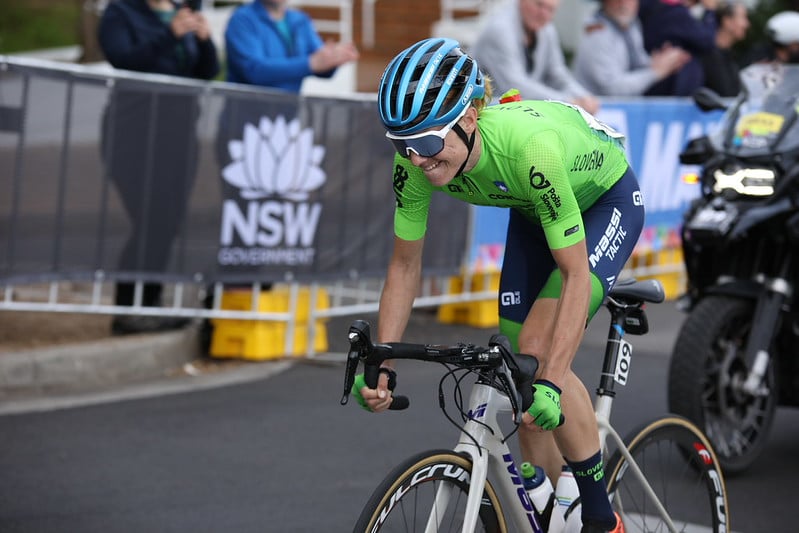
After surviving a horrific training accident that left her critically injured, Italian cyclist Paola Gianotti decided to attempt something extraordinary. In 2014, she became the fastest woman to cycle around the world at that time, completing the journey in 144 days.
Gianotti used her ride to raise awareness about road safety and the dangers cyclists face from vehicles. She carried a message about the importance of sharing roads safely, which became even more poignant after other cyclists, including Mike Hall, were killed in similar circumstances.
Her journey showed that these record attempts aren’t just about personal achievement but can also serve larger purposes. She turned her second chance at life into something that might help protect others.
Tommy Godwin
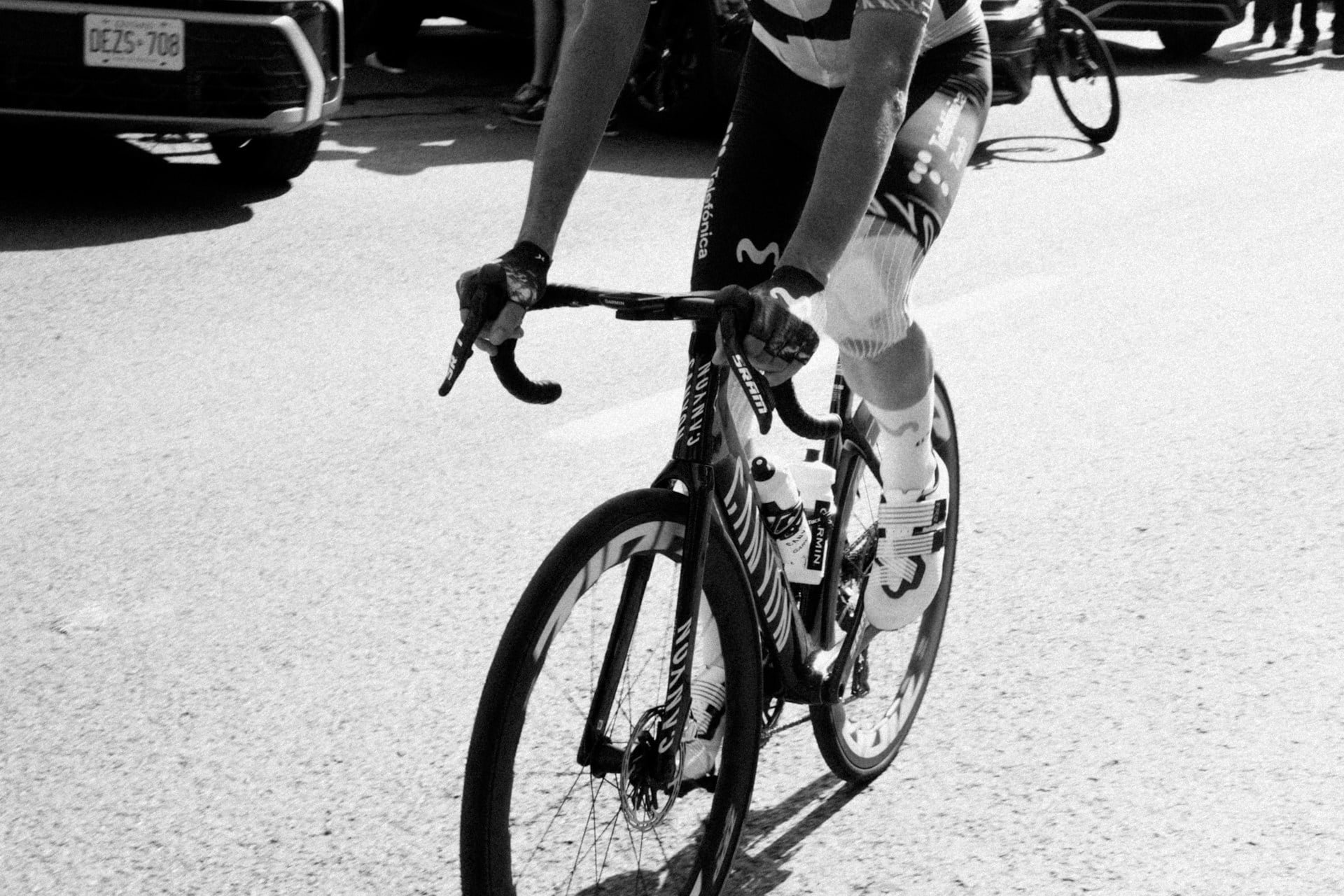
Back in 1939, a British cyclist named Tommy Godwin set a record that still boggles the mind today. He rode 75,065 miles in a single year, averaging over 200 miles every single day for 365 consecutive days.
While this wasn’t technically a trip around the world, the distance he covered was equivalent to cycling around the planet three times. Godwin did this on a heavy steel bike with basic gears, through British weather that ranged from freezing rain to rare sunshine.
He kept going through illness, exhaustion, and two world record attempts happening simultaneously with another rider. The physical and mental dedication required to get on a bike every morning for an entire year, regardless of how you feel, is almost incomprehensible.
Fiona Kolbinger
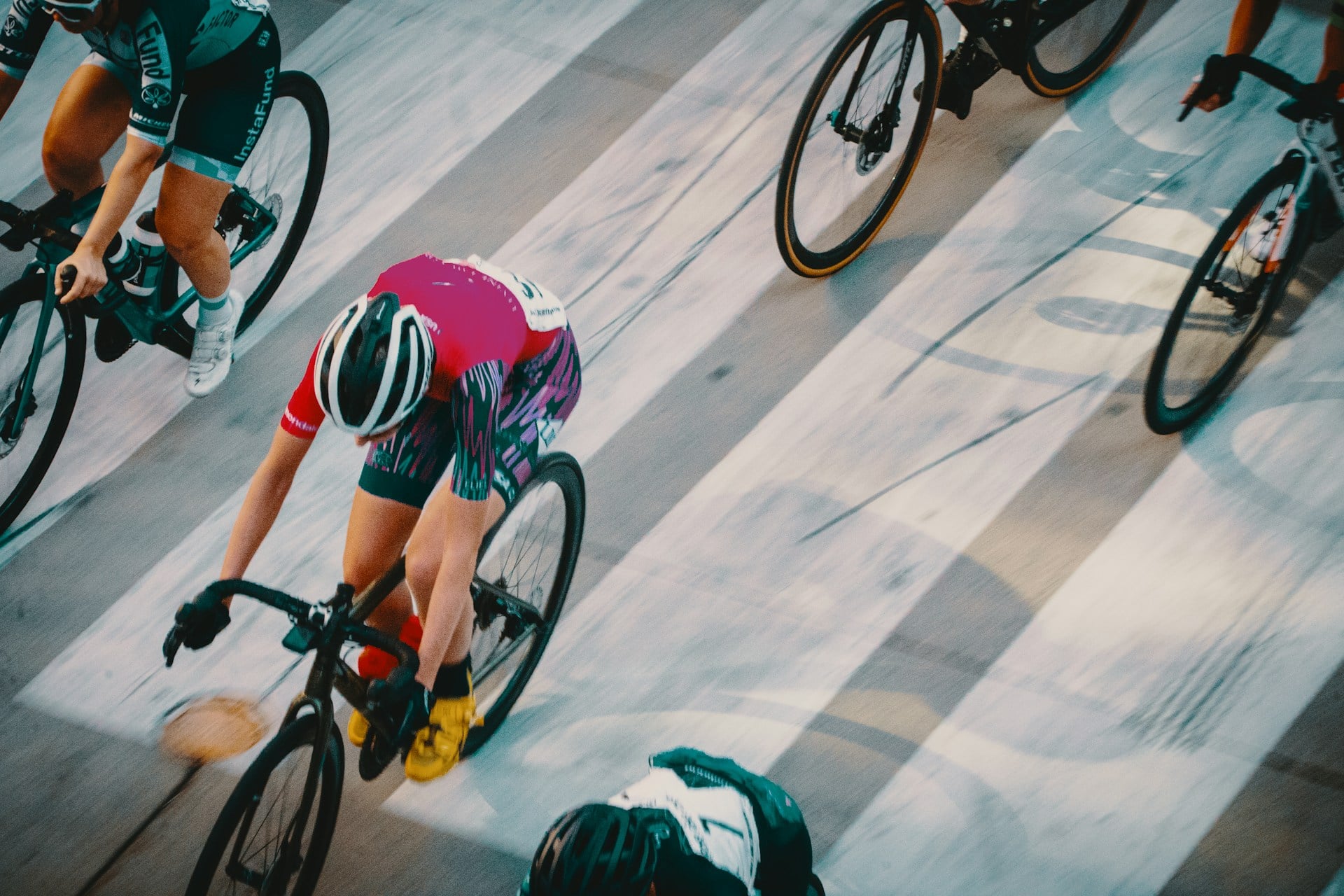
In 2019, a German medical researcher named Fiona Kolbinger became the first woman to win the Transcontinental Race outright, beating all the men. This wasn’t a circumnavigation, but the race covers about 2,500 miles across Europe in one continuous push, and her victory showed how women can compete at the highest levels of ultra-distance cycling.
Kolbinger completed the route in just over 10 days, riding almost non-stop and sleeping only a few hours each night. Her background in medicine probably helped her understand what her body could handle and how to manage the extreme fatigue.
She proved that in events lasting multiple days, women’s endurance and pain tolerance can match or exceed men’s, challenging assumptions about who dominates in extreme sports.
Alastair Humphreys
A British adventurer who calls himself an advocate for ‘microadventures,’ Alastair Humphreys spent four years cycling around the world from 2001 to 2005. Unlike the record-chasers, Humphreys took his time, earning money along the way by giving talks and writing about his experiences.
He rode through 60 countries across five continents, experiencing everything from the kindness of strangers in remote villages to near-misses with dangerous situations. Humphreys later became well-known for encouraging ordinary people to have their own adventures, even if those adventures are just camping in their backyard or hiking a local trail.
His around-the-world journey wasn’t about speed or records but about understanding the planet and its people through the simple act of pedaling through it.
Rob Lilwall
Starting in 2006, British cyclist and television presenter Rob Lilwall embarked on a journey from Siberia to London, covering about 30,000 miles over three years. His route took him through some of the coldest and most remote places on Earth, including the frozen wastelands of Russia in winter.
Lilwall dealt with temperatures that dropped to minus 40 degrees, where his water bottles would freeze solid and his bike would ice over. He documented the journey for a television series, showing viewers what extreme bicycle travel actually looks like when you’re not racing but exploring.
His trip included a side journey through Afghanistan, one of the world’s most dangerous countries, where he relied on local hospitality and nerves of steel. The journey showed that circumnavigating the globe isn’t always about the fastest route but sometimes about taking the roads most people avoid.
James Bowthorpe
In 2009, British cyclist James Bowthorpe set out to break the world record for cycling around the globe. He completed his journey in 174 days, riding over 18,000 miles and dealing with everything from extreme heat in Australia to dangerous drivers in America.
Bowthorpe had minimal cycling experience before his attempt, which made his achievement even more remarkable. He learned on the job, figuring out how to maintain his equipment, manage his nutrition, and push through the mental challenges of month after month in the saddle.
His journey raised money for Parkinson’s research, giving his ride purpose beyond personal achievement. The fact that he went from casual cyclist to world record holder in such a short time proves that determination can sometimes matter more than years of preparation.
Dervla Murphy
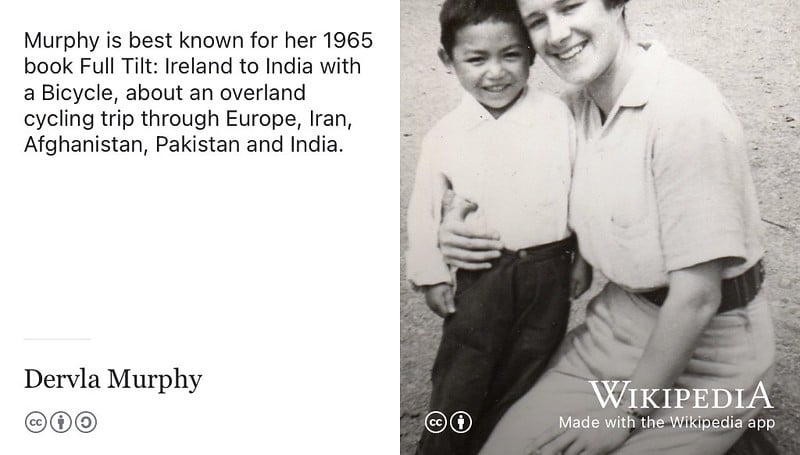
An Irish woman who wrote about her trips began traveling back in 1963 – Dervla Murphy pedaled all the way from Ireland to India at age thirty-one. Instead of a fancy bike, she used a simple one she called Roz; besides that, she brought along a gun just in case.
Her mindset? Whatever comes my way, I’ll deal with it. People came to love her stories because they felt real, no fluff added.
Hardships weren’t hidden, nor were panic or doubts about whether she’d lost her mind. Her trip made bike trips cool – not just some niche idea – but real adventure.
It turned out you could explore without fancy gear or months of prep. After that, she kept hitting the road, one place after another.
Writing stuck around too, year after year. Turns out curiosity doesn’t get old – no matter your age.
Jenny Tough
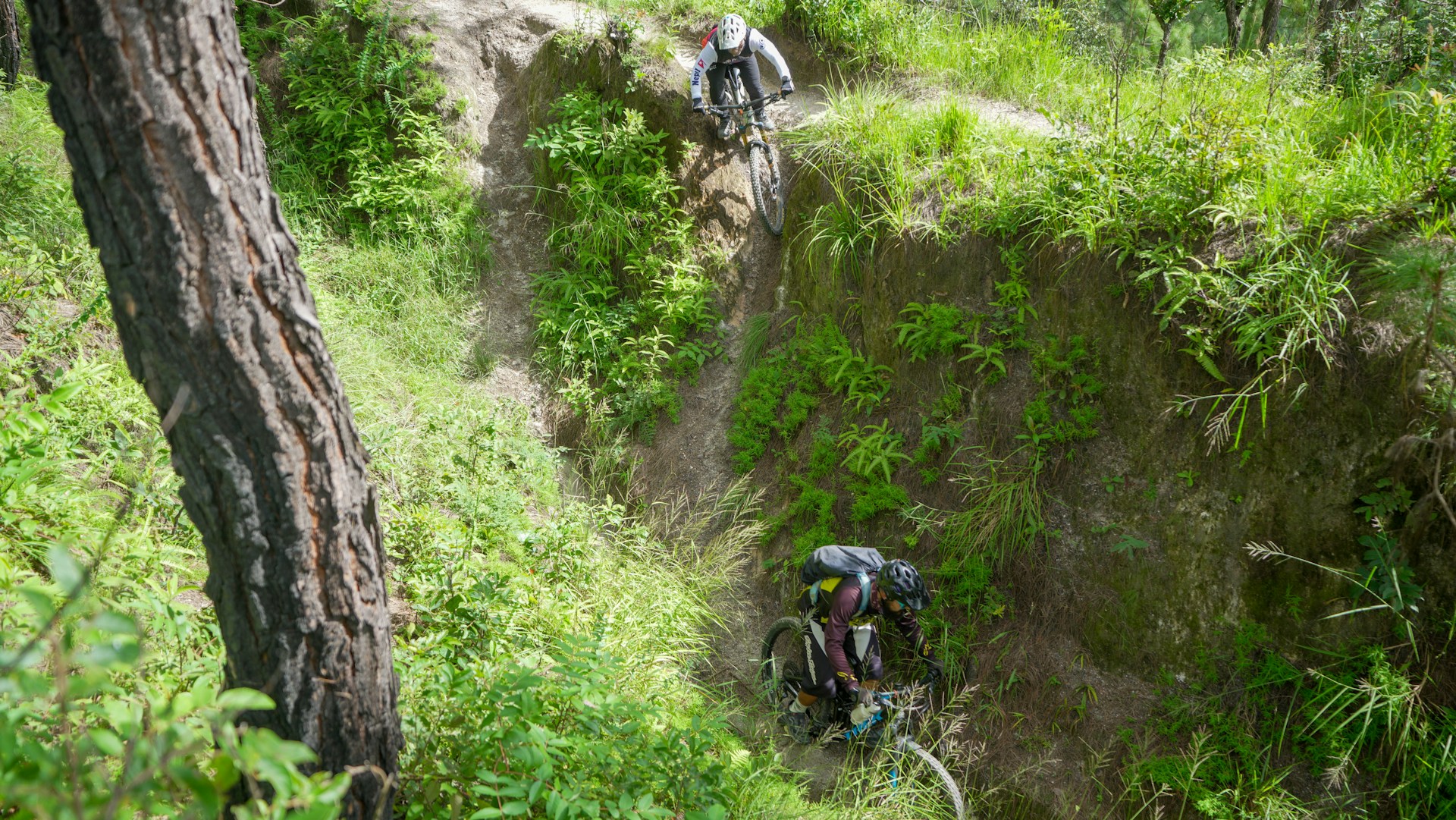
A Scottish runner who loves wild challenges, Jenny Tough mixes foot races with bike trips through brutal landscapes. Though she never did a classic globe-circling ride, she’s pedaled over huge mountain chains and vast lands in ways few would dare.
Across six continents, she sprinted solo through remote peaks – facing animals, storms, and the weight of total isolation. What drives her isn’t fancy equipment or big sponsorships – it’s grit and doing it all on her own terms.
She’s part of a fresh wave of explorers mixing sports, breaking old ideas about grand expeditions.
Jonas Deichmann
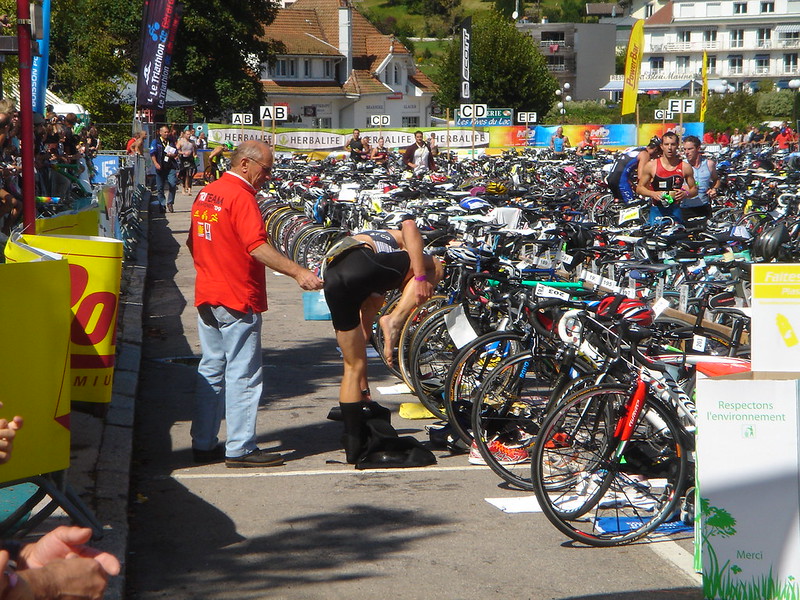
A German guy named Jonas Deichmann – says he’s an ultra-triathlete – pulled off what he dubbed the ‘longest triathlon ever’ in 2021, biking clear around Earth. That trip added up to roughly 120 straight Ironman races, one after another, with a wild 18,000-mile ride circling the globe.
He had to switch constantly from swim to bike to run, yet keep moving ahead along his path. Just pedaling that far would’ve blown people’s minds; tossing in swims and sprints made the whole thing borderline crazy.
His trip proved you can always find fresh limits to test, no matter how many records exist. Staying mentally tough – getting up daily for 15 months just to face pain again – might beat any body achievement.
The path just keeps going
Some bike riders show us a basic truth – people want to push boundaries, find out what’s past the edge. As gadgets got better, rides became quicker; still, the heart of it hasn’t changed – you are pushing through pain while far from comfort.
Right now, global riders roll on lightweight frames, track routes with satellites, post updates online as they go, yet battle the same storms, headwinds, inner fears Stevens faced ages ago. Going round Earth using only muscle keeps calling fresh faces, everyone bringing their twist to this wild legacy.
More from Go2Tutors!

- The Romanov Crown Jewels and Their Tragic Fate
- 13 Historical Mysteries That Science Still Can’t Solve
- Famous Hoaxes That Fooled the World for Years
- 15 Child Stars with Tragic Adult Lives
- 16 Famous Jewelry Pieces in History
Like Go2Tutors’s content? Follow us on MSN.