Estates Once Owned by Royalty and Billionaires
Throughout history, wealthy families and royal dynasties have built incredible estates that showcase their power and taste. These grand properties tell stories of wealth, ambition, and the times when money seemed unlimited.
Let’s take a journey through some of the most impressive estates that once belonged to the richest and most powerful people in the world.
Biltmore Estate, North Carolina

The Biltmore Estate in Asheville, North Carolina, remains the largest privately owned home in the United States, built by George Washington Vanderbilt II in the late 19th century at a cost of $5 million (equivalent to about $189 million today). This French Renaissance-style mansion contains an incredible 250 rooms spread across 175,000 square feet.
The banquet hall alone features a 70-foot ceiling that makes visitors feel tiny in comparison. Notable guests over the years included novelists Edith Wharton and Henry James, ambassadors Joseph Hodges Choate and Larz Anderson, and U.S. presidents.
Buckingham Palace, London
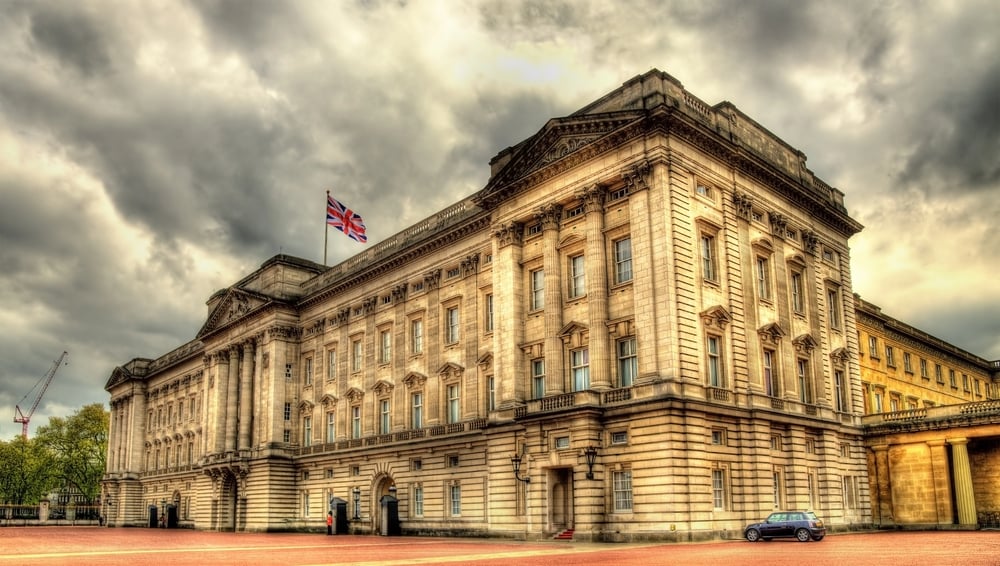
The most well-known and visited of all the royal properties, Buckingham Palace has remained the official London residence of the United Kingdom’s monarchs since 1837. This massive palace contains 775 rooms, including 188 staff bedrooms, 92 offices, and 78 bathrooms.
The neoclassical design makes it one of the most recognizable buildings in the world. Every year, millions of tourists gather outside its gates hoping to catch a glimpse of the royal family.
The palace gardens cover 39 acres and include a helicopter landing area, a lake, and a tennis court.
Palace of Versailles, France
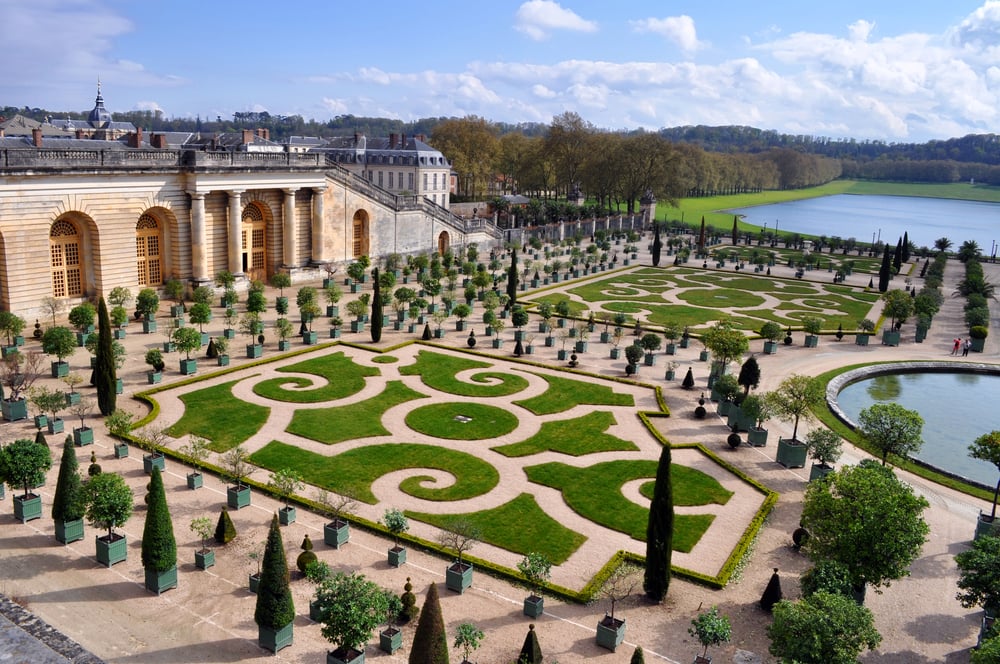
The Palace of Versailles stands as perhaps the most famous royal estate ever built. King Louis XIV transformed his father’s hunting lodge into a symbol of absolute monarchy that cost nearly bankrupted France.
The palace contains over 2,300 rooms, including the famous Hall of Mirrors with its 357 mirrors reflecting light from 17 windows. The gardens stretch for miles and include fountains, sculptures, and perfectly manicured lawns.
Marie Antoinette’s private retreat, the Petit Trianon, sits within the grounds like a smaller palace within a palace.
The Breakers, Newport

Built in 1895 as a summer cottage for Cornelius Vanderbilt II, The Breakers represents the peak of Gilded Age luxury. This 70-room mansion overlooks the Atlantic Ocean from the cliffs of Newport, Rhode Island.
The Great Hall rises 45 feet high with walls covered in rare marble and gold leaf. Despite being called a cottage, the house spans 125,000 square feet and required a staff of 40 people to maintain.
The dining room could seat 34 guests for elaborate dinner parties that lasted for hours.
Hearst Castle, California
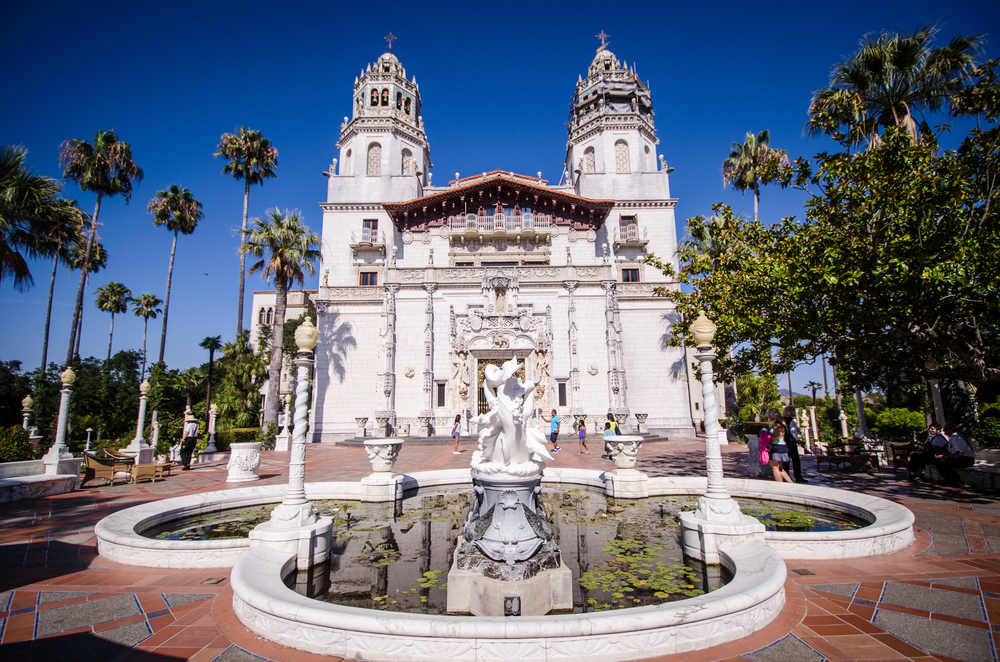
William Randolph Hearst built this incredible estate on a hilltop in San Simeon, California, between 1919 and 1947. The main house, called Casa Grande, contains 56 bedrooms and 61 bathrooms spread across multiple buildings.
Hearst filled his estate with art and antiques collected from around the world, including entire ceilings transported from European palaces. The Neptune Pool, with its ancient Roman temple facade, became one of the most photographed pools in America.
Hollywood stars like Charlie Chaplin and Clark Gable regularly attended parties here during the estate’s heyday.
Windsor Castle, England

Windsor Castle has served as a royal residence for over 900 years, making it the oldest occupied castle in the world. The castle covers 13 acres and contains nearly 1,000 rooms, including the spectacular St. George’s Chapel where Prince Harry married Meghan Markle.
Queen Elizabeth II spent most of her weekends here, and it remains a working palace today. The Round Tower, built by Henry II in the 12th century, offers views across the Thames Valley.
The State Apartments house priceless works of art by masters like Rembrandt and Rubens.
Marble House, Newport

Another Vanderbilt creation, Marble House, was built by William Kissam Vanderbilt in 1892 as a summer house for his wife Alva. The mansion required 500,000 cubic feet of marble, which explains its name and its construction cost of $11 million.
The Gold Room features walls covered in gold leaf that still shimmer today. After her divorce, Alva used the house to host meetings for the women’s suffrage movement.
The Chinese Tea House on the cliffs became a favorite spot for afternoon gatherings.
Château de Chambord, France
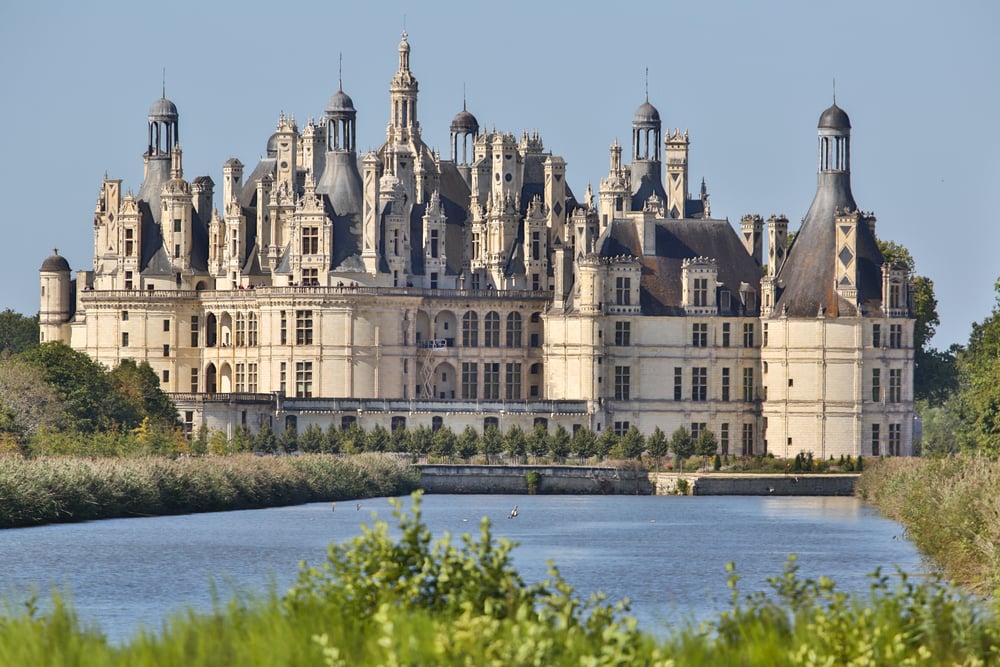
King Francis I of France began building this Renaissance masterpiece in 1519 as a hunting lodge, though it grew into something much grander. The castle features 440 rooms, 282 fireplaces, and 83 staircases, including a famous double spiral staircase possibly designed by Leonardo da Vinci.
The roofline looks like a small city with its collection of towers, chimneys, and spires. French kings used Chambord for short hunting trips, but the castle was so expensive to heat and maintain that it often sat empty for years.
Neuschwanstein Castle, Germany
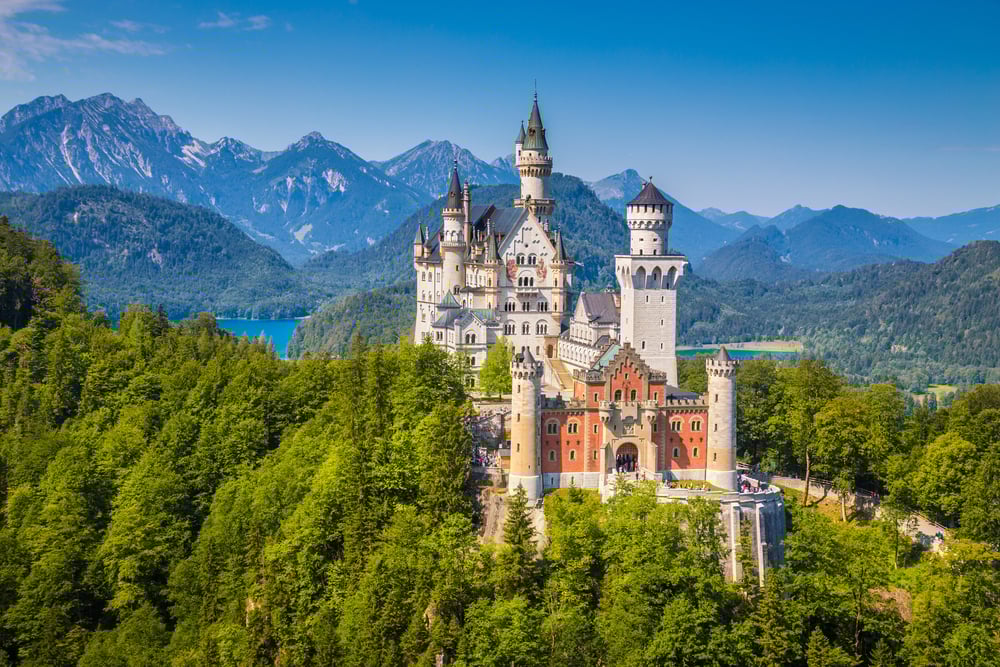
King Ludwig II of Bavaria built this fairy tale castle in the 1870s as his private retreat from the modern world. The castle sits on a rugged hill overlooking the Bavarian countryside like something from a storybook.
Ludwig filled the rooms with scenes from Wagner’s operas and medieval legends, including a cave-like grotto and a throne room that was never completed. Walt Disney used Neuschwanstein as inspiration for Sleeping Beauty’s castle.
Sadly, Ludwig only spent 172 days in his dream castle before his mysterious death in 1886.
Oheka Castle, New York
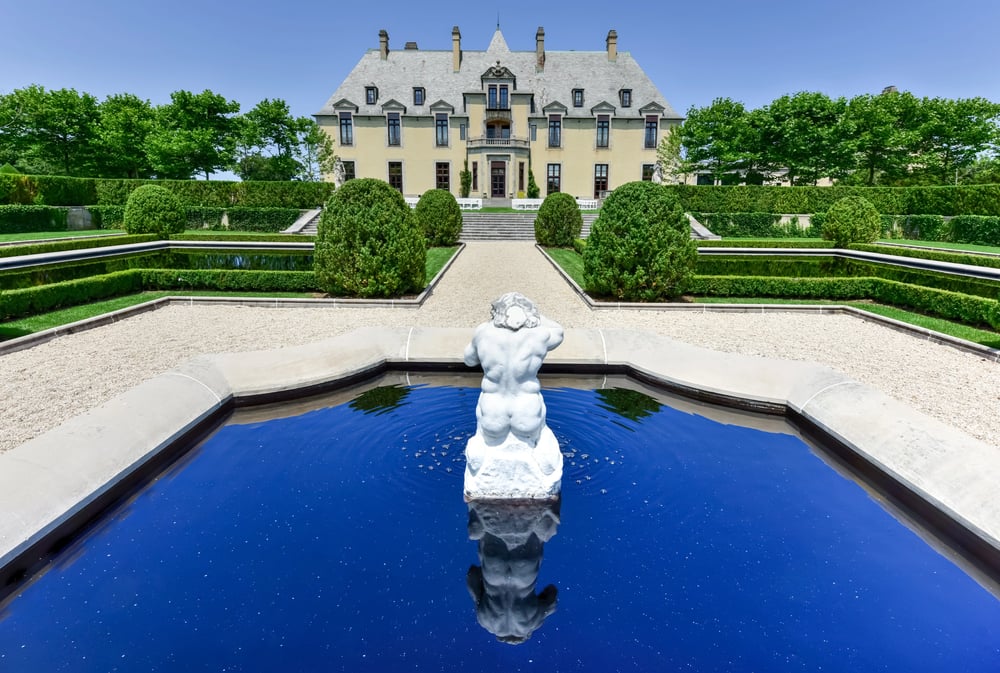
Otto Hermann Kahn, a German-American financier, built this Long Island mansion in 1919 as the second-largest private home in America. The 127-room castle sits on 443 acres and cost $11 million to build, which would be over $150 million today.
The formal gardens were designed to rival those at Versailles, with fountains, reflecting pools, and perfectly trimmed hedges. F. Scott Fitzgerald used Oheka Castle as inspiration for Jay Gatsby’s mansion in “The Great Gatsby.”
The castle has appeared in countless movies and remains a popular wedding venue.
Chatsworth House, England

The Duke of Devonshire’s family has owned Chatsworth House in Derbyshire for over 460 years. This baroque mansion contains 297 rooms, including 17 staircases and 3,426 feet of passages.
The house sits in a 1,000-acre park designed by the famous landscape architect Capability Brown. The sculpture gallery houses one of Europe’s finest collections of neoclassical sculptures.
Pride and Prejudice fans know Chatsworth as Mr. Darcy’s Pemberley estate from the 2005 film adaptation.
Château du Marais, France

Château du Marais stands on an 86-acre estate just 22 miles west of Paris, known as ‘Petit Versailles’, built in “pure Louis XVI style” and designated as a national historic monument. This 18th-century palace later caught the attention of modern billionaires who appreciate its classical French architecture.
The château features perfectly maintained gardens, ornate salons, and rooms decorated with original period furniture. The estate represents the height of French aristocratic taste from the era just before the French Revolution.
Today’s wealthy buyers see it as a chance to own a piece of French royal history.
Rosecliff, Newport
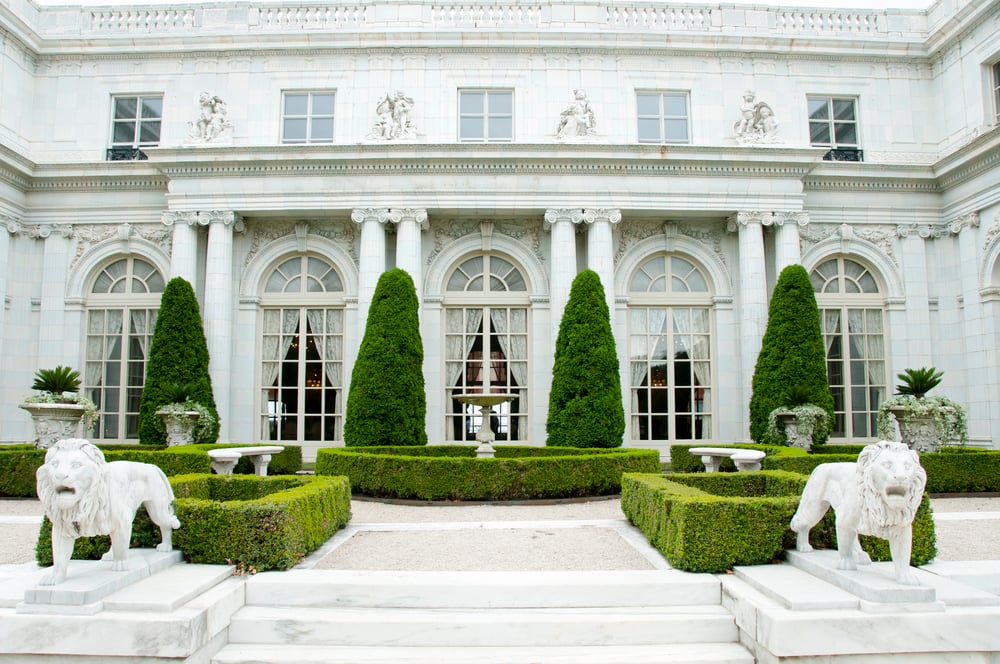
Theresa Fair Oelrichs, daughter of a silver mining fortune, built Rosecliff in 1902 as her Newport summer cottage. The mansion was modeled after the Grand Trianon at Versailles, with a white terra cotta exterior that gleamed in the sunlight.
The ballroom, with its 40-foot ceiling, hosted some of the most elaborate parties of the Gilded Age. Mrs. Oelrichs once threw a dinner party where guests ate off solid gold plates.
The mansion’s heart-shaped staircase became a favorite spot for dramatic entrances during grand parties.
Ashford Castle, Ireland

Built in 1228 as a castle fortress, Ashford Castle became the country estate of the Guinness family in 1852. The castle sits on 350 acres along the shores of Lough Corrib in County Mayo.
The Guinness family transformed the medieval fortress into a luxurious Victorian country house with 83 rooms. Famous guests included King George V, Queen Mary, John Lennon, and Ronald Reagan.
The castle’s falconry school, one of Ireland’s oldest, still operates today and offers visitors a chance to work with hawks and eagles.
Château de Fontainebleau, France
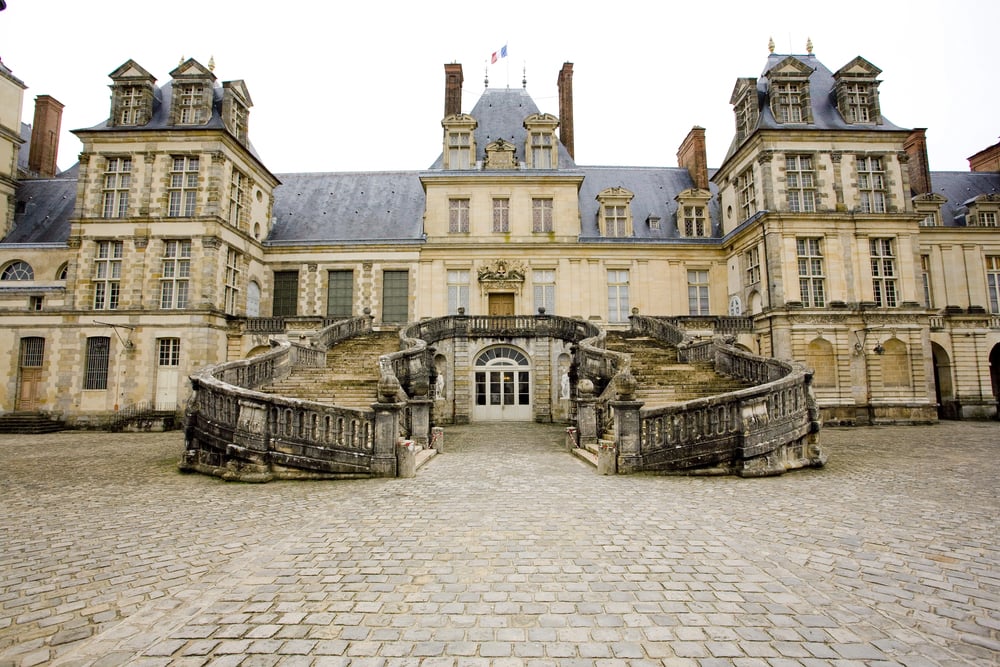
French kings used Château de Fontainebleau as a royal residence for over 700 years, from Louis VII to Napoleon III. The palace contains 1,500 rooms spread across buildings that represent different periods of French architecture.
Napoleon Bonaparte lived here before his exile to Elba, and he called it “the house of centuries.” The throne room still contains Napoleon’s original throne and the desk where he signed his abdication.
The palace’s library houses 15,000 books, many of them rare manuscripts collected by generations of French royalty.
Marble Palace, St. Petersburg

Catherine the Great built this neoclassical palace between 1768 and 1785 as a gift for her favorite, Count Grigory Orlov. The palace gets its name from the 32 different types of marble used in its construction, imported from quarries across the Russian Empire.
The main staircase features walls covered in pink marble from the Urals and steps carved from gray marble from Lake Onega. The White Hall, with its massive columns and gilded details, hosted diplomatic receptions and royal celebrations.
Today, the palace houses part of the State Hermitage Museum’s collection.
Vanderbilt Mansion, Hyde Park

Frederick William Vanderbilt built this Beaux-Arts mansion in 1898 as his country retreat along the Hudson River in New York. The 54-room mansion sits on 211 acres with views across the river to the Catskill Mountains.
The house features rooms decorated in different historical styles, from Louis XVI to Italian Renaissance. The formal gardens, designed by the same firm that created Central Park, include rose gardens, perennial borders, and tree-lined paths.
Presidents Franklin D. Roosevelt and his family were neighbors and frequent visitors to the estate.
The golden threads that bind past and present

These grand estates remind us that throughout history, the wealthy have always sought to create something permanent and beautiful with their fortunes. Many of these properties now serve as museums, hotels, or event venues, allowing regular people to experience the luxury once reserved for royalty and robber barons.
The craftsmen who built these estates created techniques and artistic traditions that influence architecture and design today. While the age of building massive private palaces has mostly passed, these surviving estates continue to inspire and amaze visitors from around the world.
More from Go2Tutors!

- The Romanov Crown Jewels and Their Tragic Fate
- 13 Historical Mysteries That Science Still Can’t Solve
- Famous Hoaxes That Fooled the World for Years
- 15 Child Stars with Tragic Adult Lives
- 16 Famous Jewelry Pieces in History
Like Go2Tutors’s content? Follow us on MSN.