12 Historical Storage Methods That Lasted Thousands of Years
Long before cloud storage and hard drives, ancient civilizations developed ingenious ways to preserve their most valuable possessions, food, and knowledge. These storage methods weren’t just functional—they were built to last millennia, and many are still working today.
From underground chambers that kept grain fresh for centuries to burial practices that preserved entire civilizations, our ancestors understood something we’re still learning: true preservation requires understanding both materials and environment. Here is a list of 12 historical storage methods that have proven their worth across thousands of years.
Underground Granaries
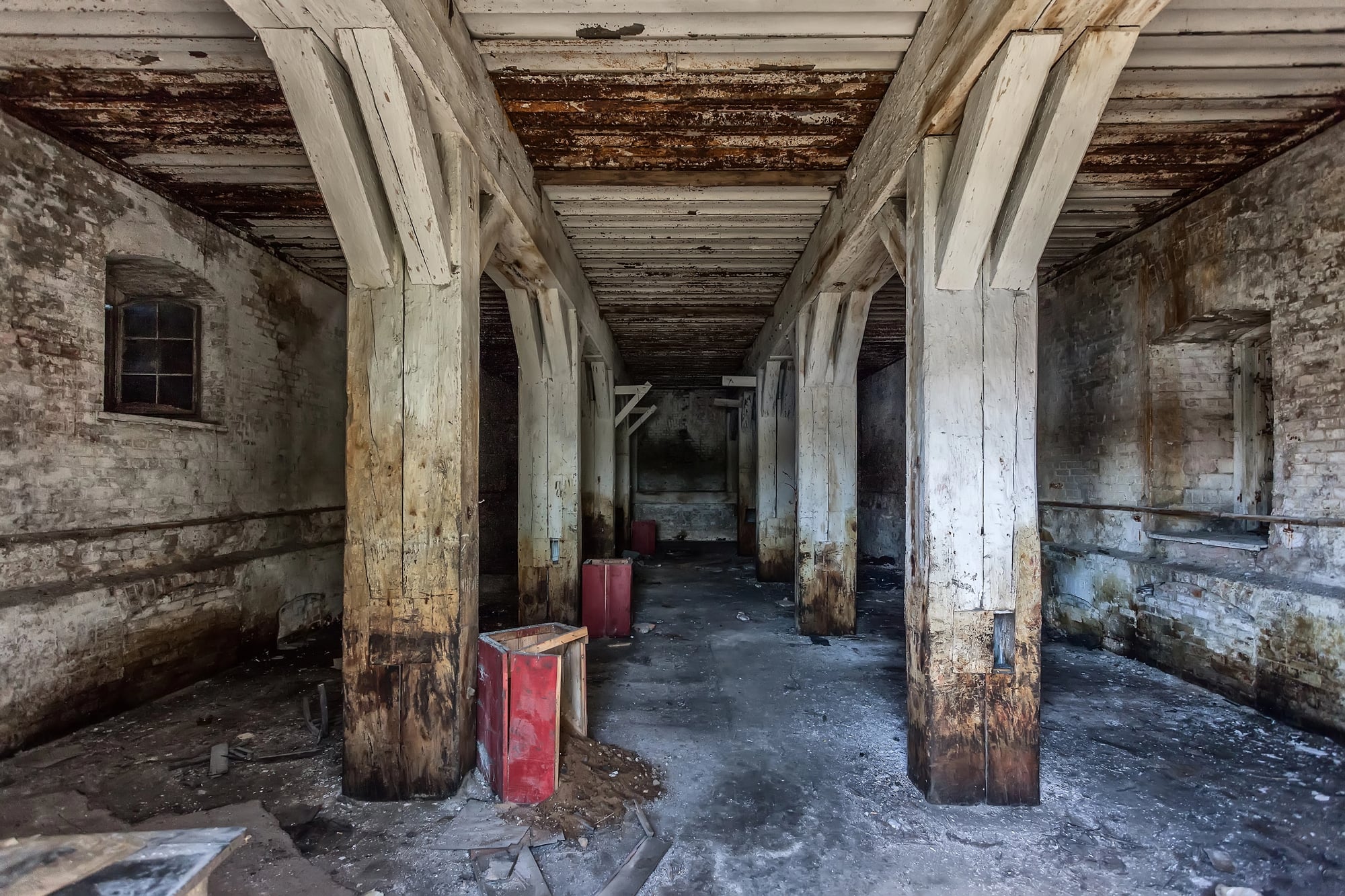
Ancient civilizations discovered that storing grain below ground kept it cool, dry, and safe from pests. These subterranean storage pits — lined with stone or clay — created perfect microclimates for long-term food preservation.
Archaeologists have found grain stores in Egypt and Mesopotamia that still contained edible seeds after 4,000 years. That’s preservation that outlasted entire empires.
Clay Amphorae
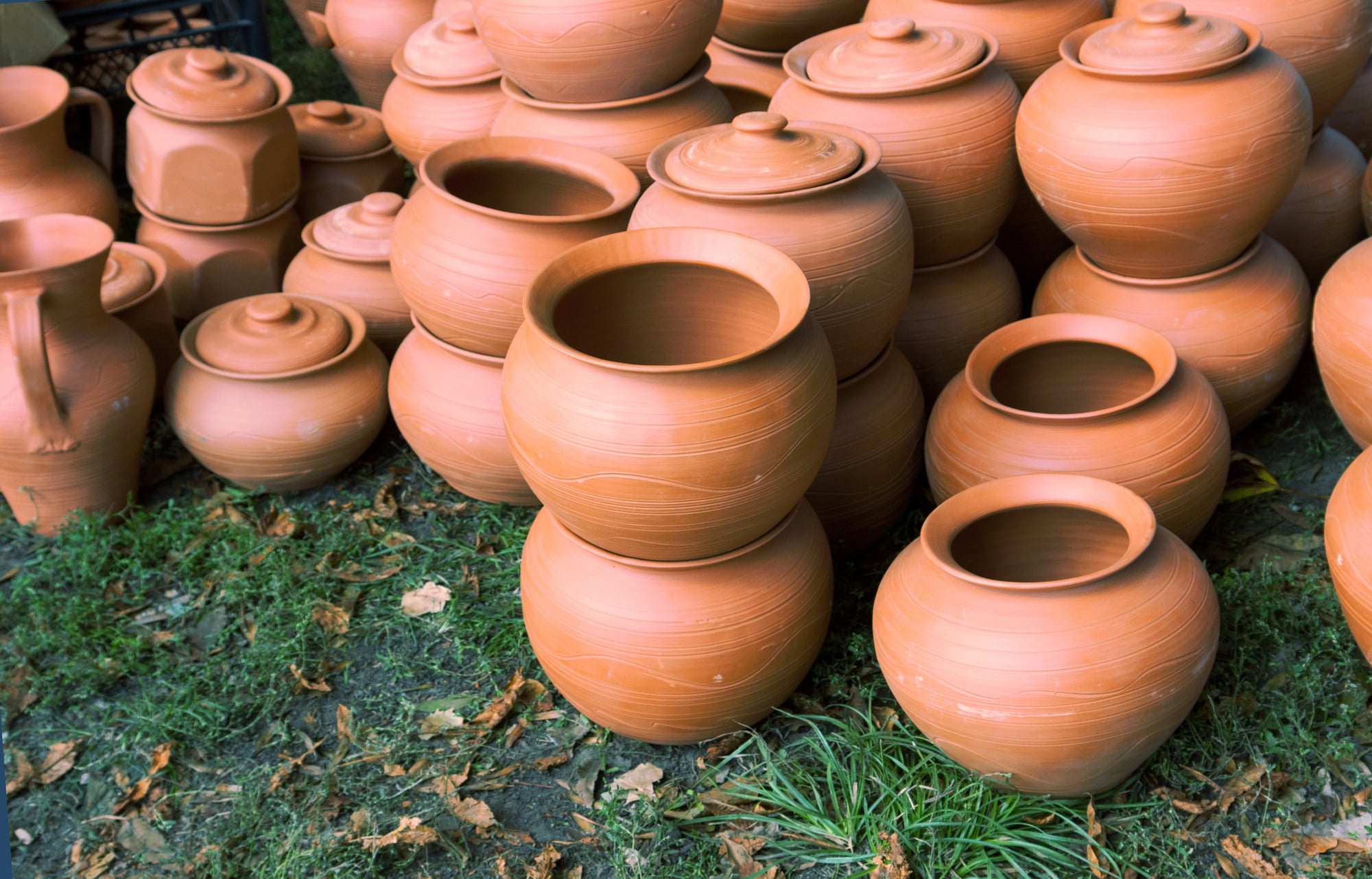
The Mediterranean world relied on these large ceramic vessels for storing everything from olive oil to wine to grain. Their narrow necks minimized air exposure while their thick walls provided excellent insulation against temperature changes.
What’s remarkable is that many amphorae found in ancient shipwrecks still contain their original contents, perfectly preserved by the combination of clay material and underwater conditions.
Like Go2Tutors’s content? Follow us on MSN.
Ice Houses

Before refrigeration became commonplace, wealthy households and communities built elaborate ice houses. These were insulated underground chambers that kept winter ice frozen well into summer.
The structures used sawdust, straw, and thick stone walls to maintain freezing temperatures year-round — though they’re no longer used for their original purpose, some ice houses built in the 1800s still maintain their structural integrity today.
Egyptian Canopic Jars

The ancient Egyptians perfected the art of preserving human organs in limestone and alabaster jars filled with natron salt and resins. These containers were designed to last for eternity.
Many have succeeded in this goal — thousands of canopic jars in museums worldwide still contain perfectly preserved organs from people who lived over 3,000 years ago.
Roman Concrete Cisterns
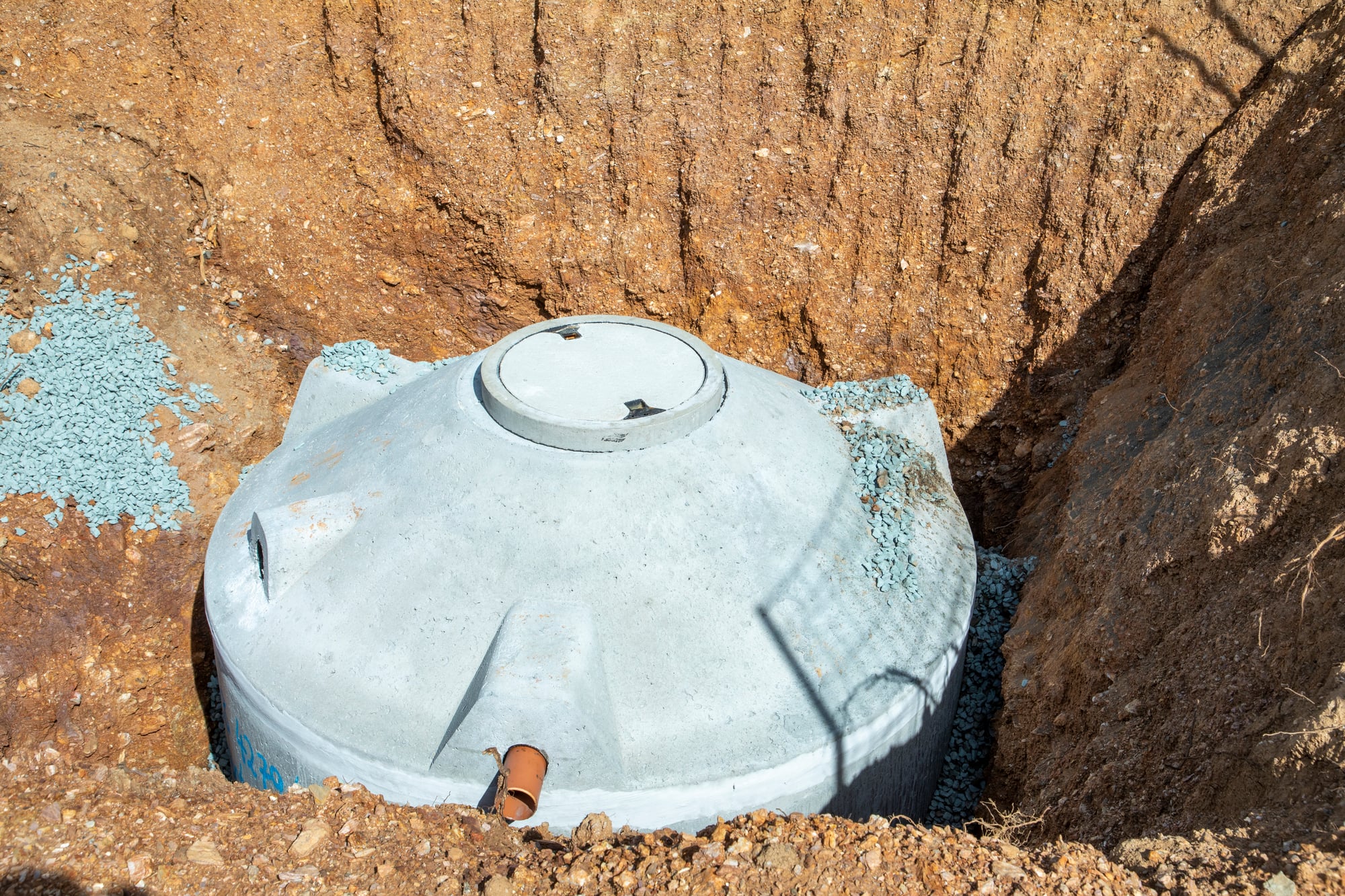
Roman engineers built massive underground water storage systems using a special concrete formula that actually grew stronger over time when exposed to seawater. These cisterns supplied fresh water to entire cities.
Many are still functional today, over 2,000 years later. The secret lay in their volcanic ash concrete — a self-healing material that could withstand centuries of use.
Like Go2Tutors’s content? Follow us on MSN.
Viking Ship Burials

Norse communities preserved their most important artifacts and honored the dead by sealing them in ships buried under massive earthen mounds. The lack of oxygen in these burial chambers created perfect anaerobic conditions that prevented decay.
Modern excavations of Viking ship burials have uncovered textiles, wooden artifacts, and even food that look almost exactly as they did 1,200 years ago — it’s like opening a time capsule.
Chinese Bronze Vessels
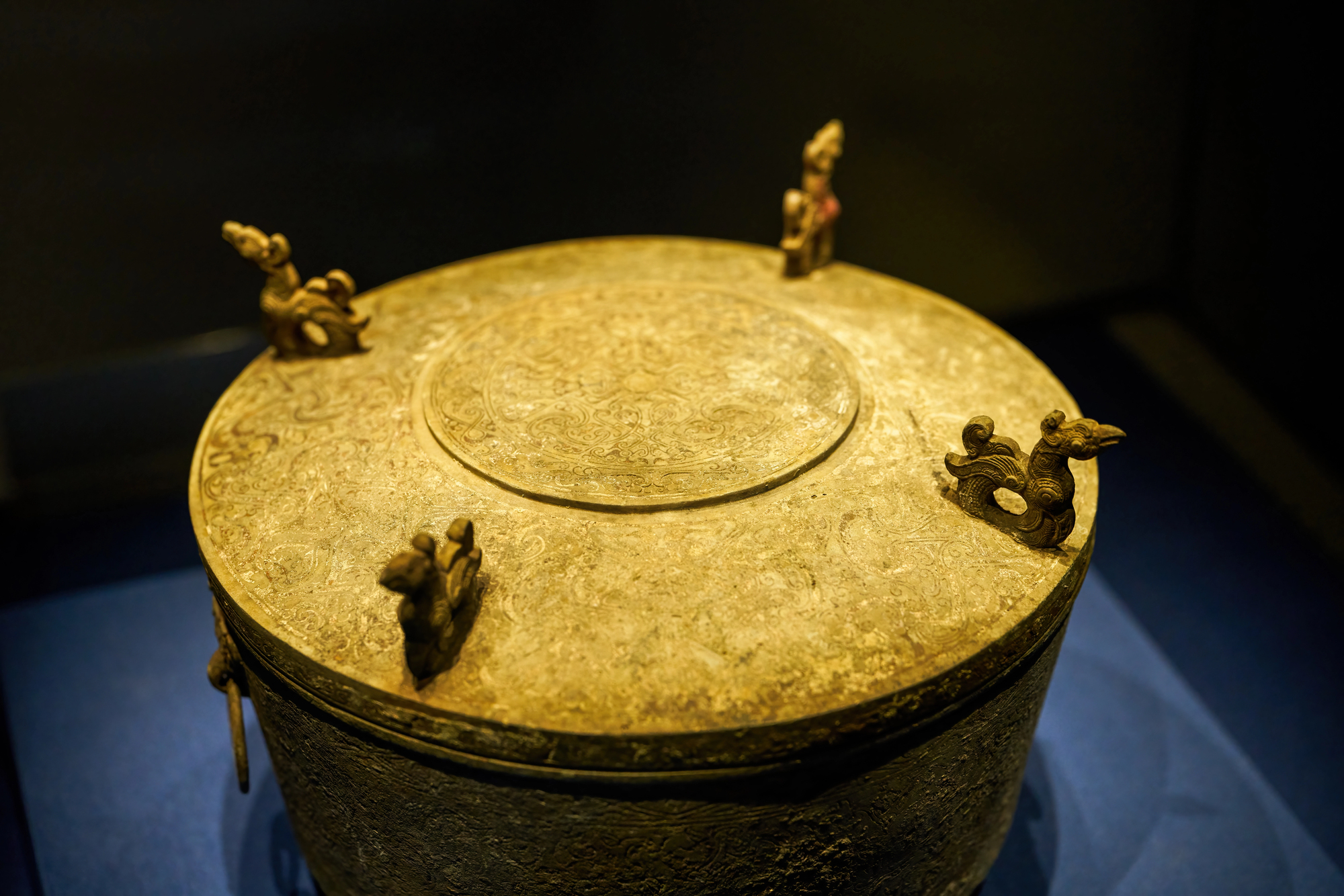
Ancient Chinese craftsmen created elaborate bronze containers with tight-fitting lids that could preserve food, wine, and ceremonial items for centuries. The antimicrobial properties of bronze, combined with precise metalworking techniques — made these vessels incredibly effective storage solutions.
Archaeological finds have revealed bronze vessels containing wine that was still liquid after 2,000 years of storage, though nobody volunteered to taste it.
Incan Stone Storehouses

High in the Andes Mountains, the Inca built stone warehouses called qollqas that used altitude and climate to naturally preserve food. These structures took advantage of freezing temperatures and low humidity to keep potatoes, quinoa, and other crops fresh for years.
Many of these ancient storehouses are still standing today — their precise stonework having survived earthquakes and centuries of weather.
Like Go2Tutors’s content? Follow us on MSN.
Medieval Salt Mines
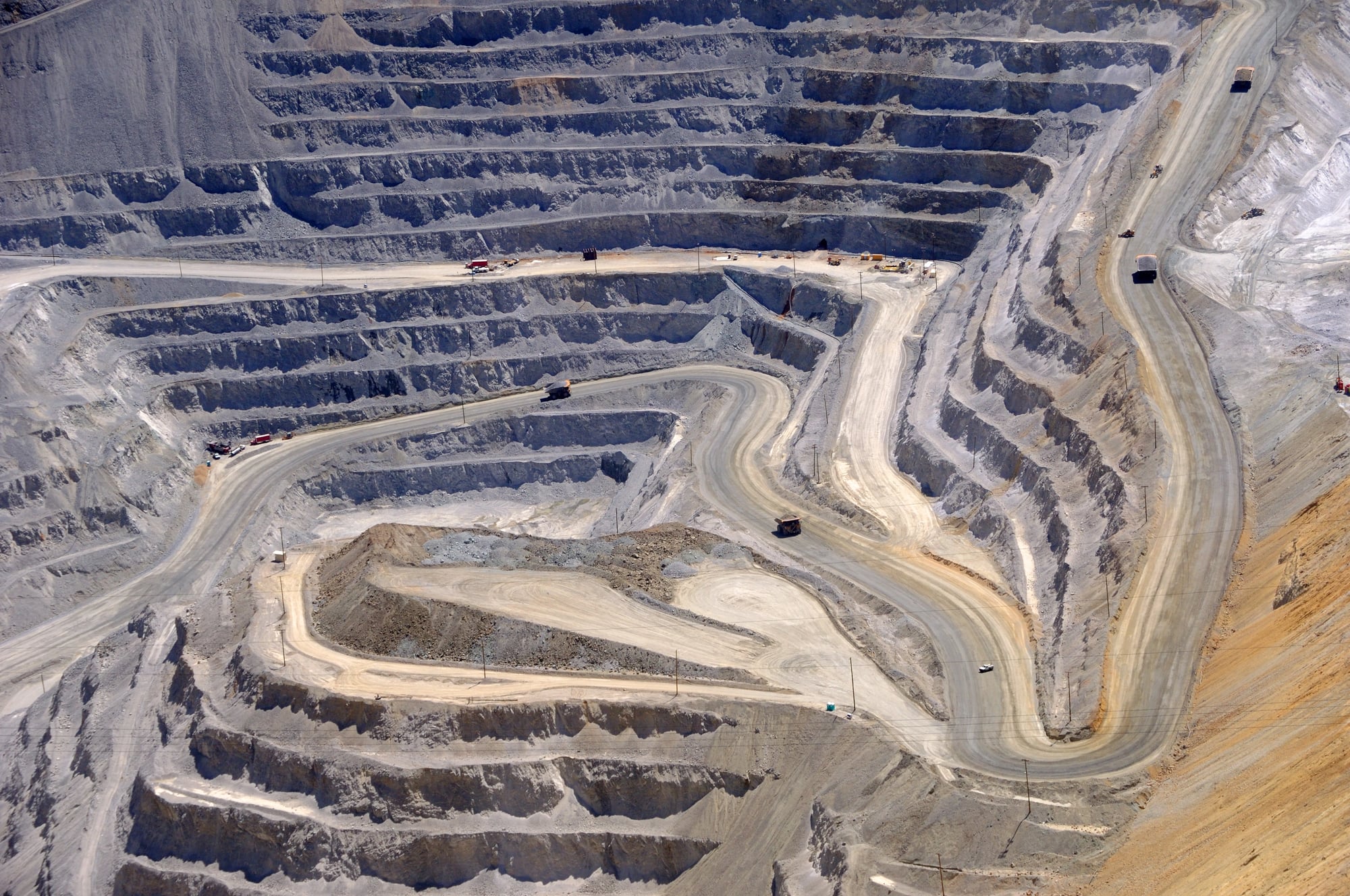
European communities discovered that underground salt deposits created perfect preservation environments for both mining equipment and stored goods. The naturally dry, sterile conditions in salt mines prevented bacterial growth and corrosion.
Some medieval tools and wooden structures found in salt mines appear almost new despite being centuries old — salt’s preservative powers extend far beyond food.
Aboriginal Bark Containers
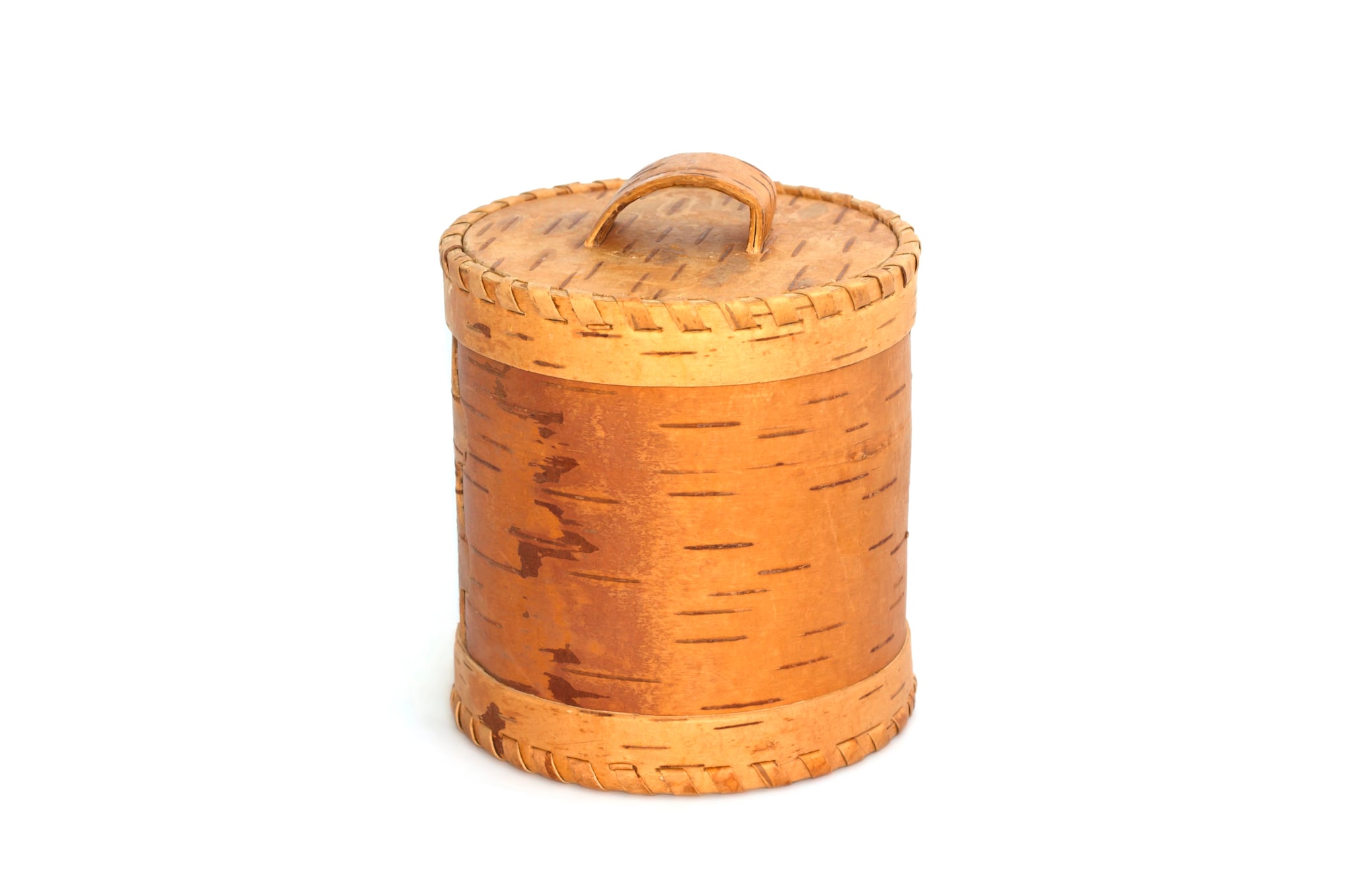
Indigenous Australians developed sophisticated storage containers made from specially treated tree bark that could preserve food and water for extended periods. These containers were waterproof, lightweight, and naturally antimicrobial thanks to the tannins in the bark — nature’s own preservatives.
Examples of these containers over 1,000 years old have been found in dry caves, still maintaining their original shape and function.
Persian Yakhchāls

These massive dome-shaped ice houses in ancient Persia used evaporation and thermal mass to keep ice frozen in desert climates. Built with thick walls of mud brick and featuring ingenious ventilation systems, yakhchāls could store ice for months even when outside temperatures soared above 100 degrees.
Several of these structures in Iran are still intact after more than 400 years, proving that good engineering transcends time.
Like Go2Tutors’s content? Follow us on MSN.
Time-Tested Wisdom in Modern Times

These ancient storage methods remind us that the best preservation techniques often come from understanding natural processes rather than fighting against them. While we’ve gained convenience with modern technology, we’ve also lost some of the durability that made these historical methods so successful.
Many of today’s ‘advanced’ storage solutions won’t last a fraction as long as a simple clay jar buried in the right conditions. The civilizations that developed these techniques understood something we’re rediscovering: true longevity comes from working with natural materials and environmental conditions, not against them.
More from Go2Tutors!

- 16 Historical Figures Who Were Nothing Like You Think
- 12 Things Sold in the 80s That Are Now Illegal
- 15 VHS Tapes That Could Be Worth Thousands
- 17 Historical “What Ifs” That Would Have Changed Everything
- 18 TV Shows That Vanished Without a Finale
Like Go2Tutors’s content? Follow us on MSN.