Leaves That Repel Water Completely
Walk outside after a rainstorm and you’ll notice something odd. While the grass stays soaked and puddles form on the sidewalk, certain plant leaves look almost untouched by the downpour.
Water beads up into perfect little spheres and rolls right off, like they’ve been coated with some invisible shield. This isn’t magic or some chemical spray gardeners applied.
It’s one of nature’s most practical design features, and it happens on leaves all around us.
The lotus leaf
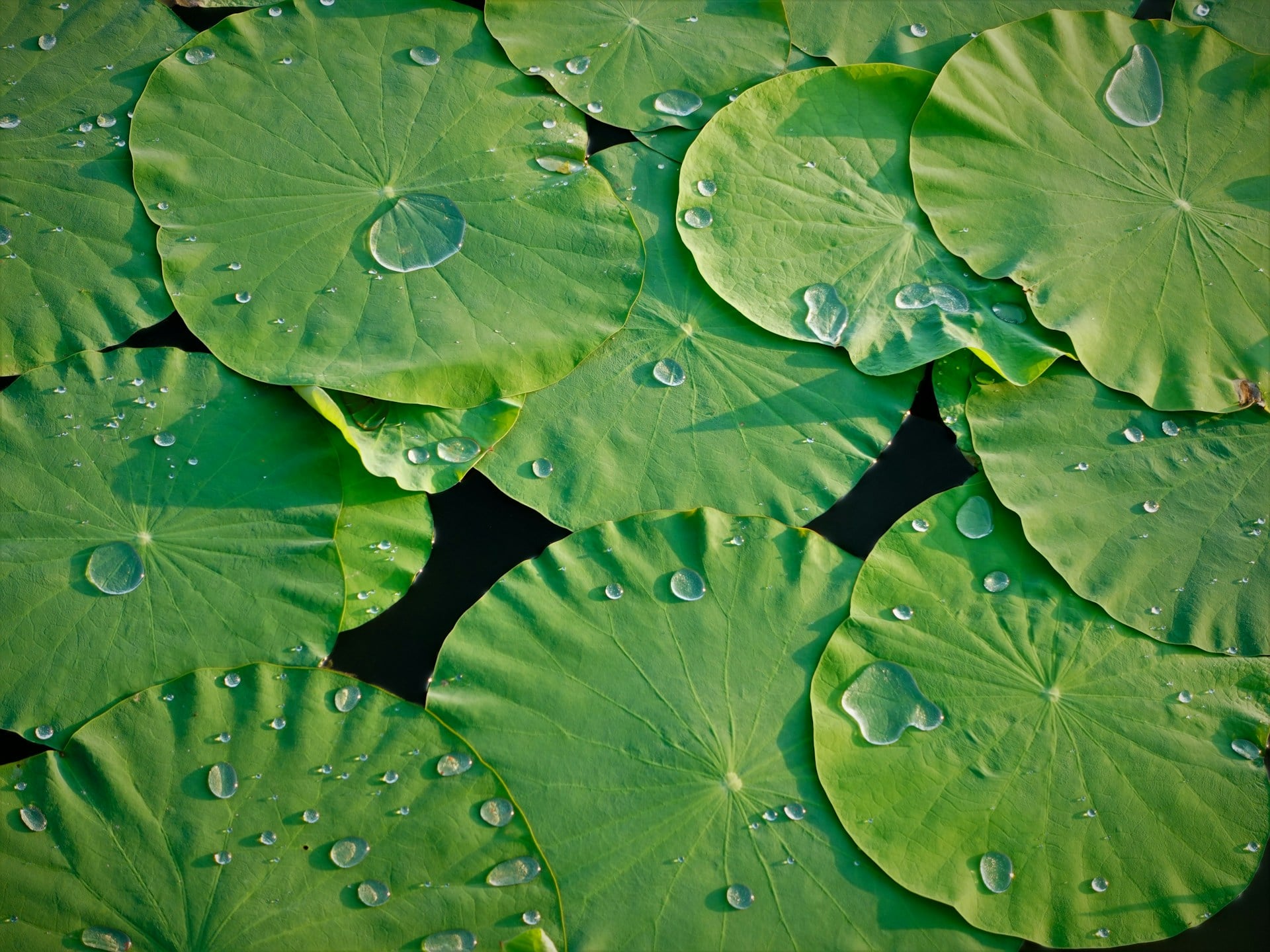
The lotus flower grows in muddy ponds across Asia, yet its leaves emerge looking spotless every single day. Scientists studied these leaves under microscopes and discovered thousands of tiny bumps covering the surface, each one smaller than a human hair’s width.
These bumps are covered with an even tinier waxy coating that creates air pockets between the water and the leaf. When raindrops land, they can’t spread out flat because they’re basically sitting on top of these microscopic pillows.
The water rounds up and rolls away, taking dirt and bacteria with it.
Cabbage in the garden
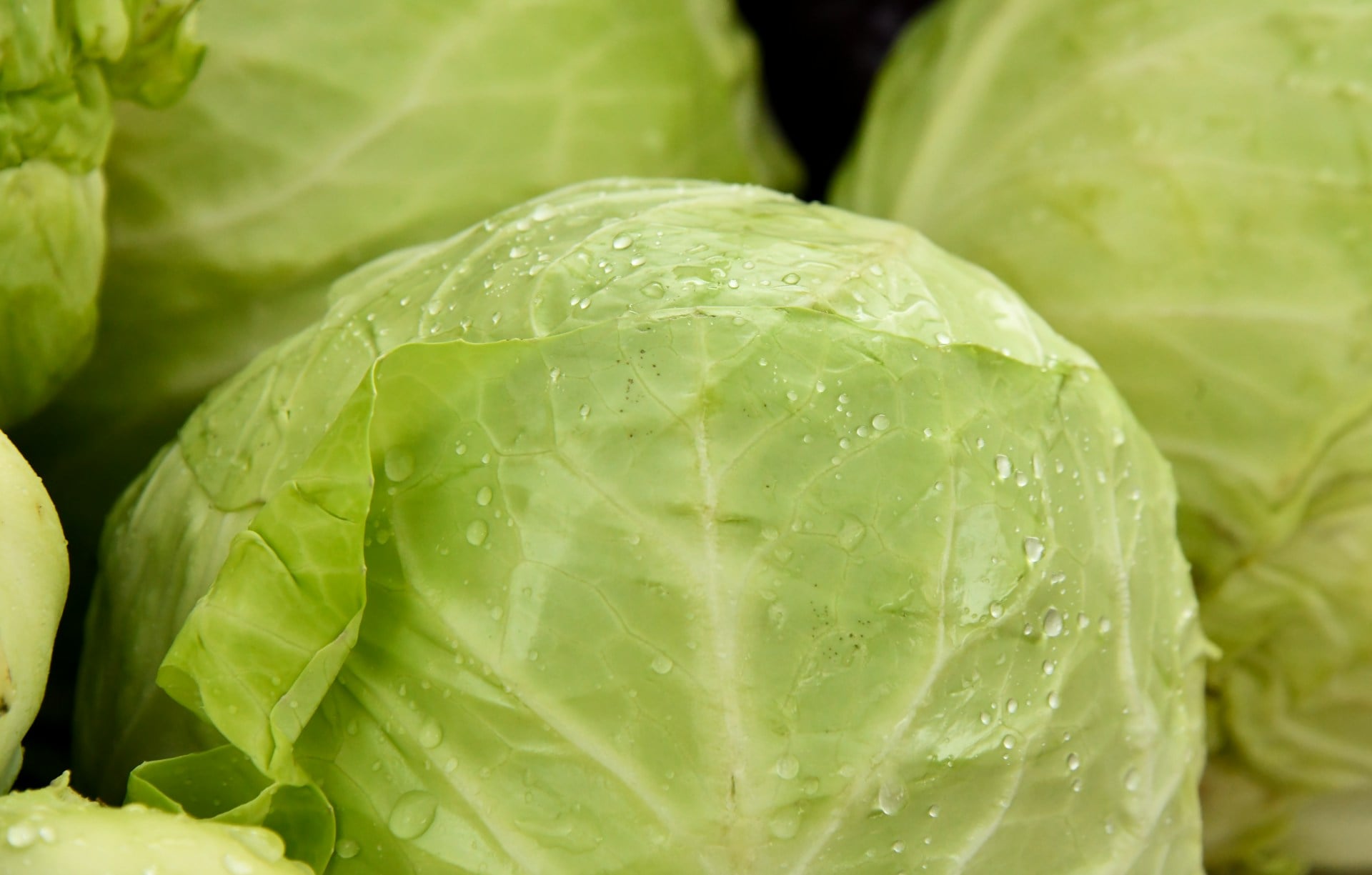
That humble cabbage sitting in vegetable gardens has the same water-dodging ability as the fancy lotus. The waxy coating on cabbage leaves makes water droplets dance across the surface instead of soaking in.
Farmers have known about this for generations, which is why cabbages can handle heavy rain without rotting. The leaves stay dry enough that fungus and mold struggle to take hold.
This natural protection is why cabbage stores so well and why it became a staple food in places with wet climates.
Taro leaves in tropical regions
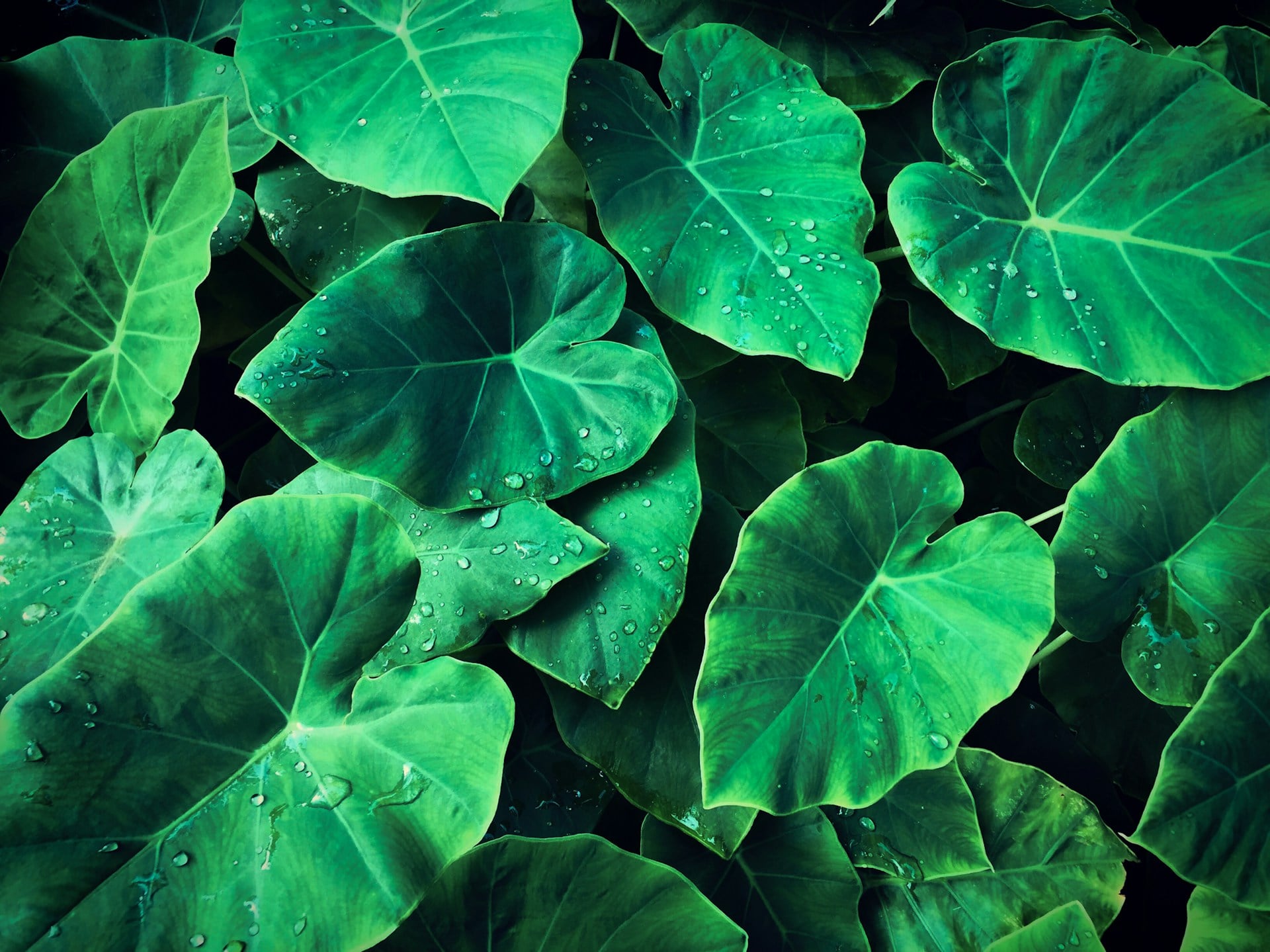
Taro plants grow near streams and in areas that flood regularly, so their leaves had to adapt or drown. The result is a leaf surface so water-repellent that people in Pacific Island cultures used them as natural umbrellas and plates.
Children in Hawaii still play with taro leaves by pouring water on them and watching it bounce around like liquid mercury. The plant channels all that rejected water down to its roots instead, keeping the actual leaf surface available for sunlight and photosynthesis.
Nasturtium in flower beds
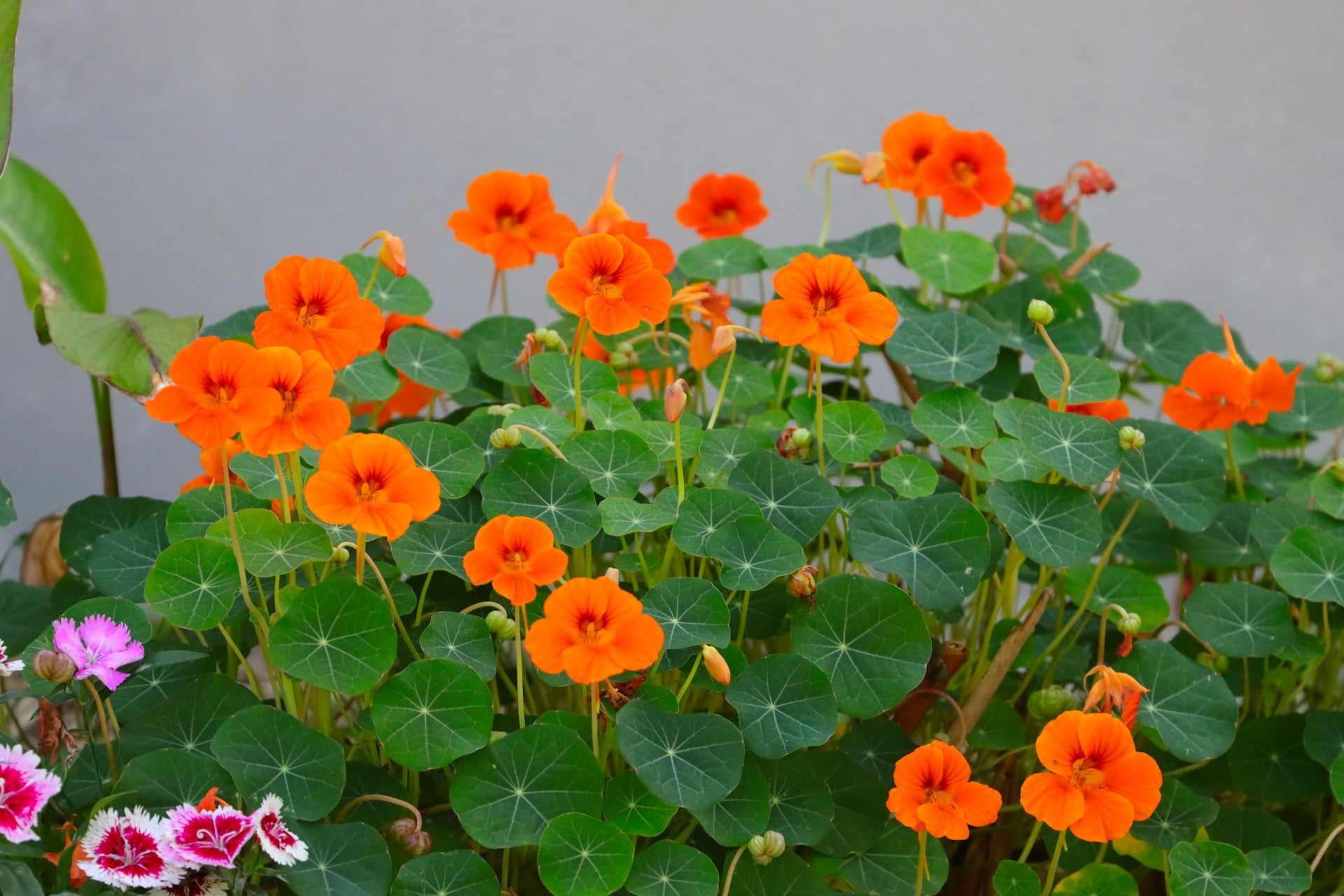
These cheerful orange and yellow flowers come with round leaves that seem to float above water rather than get wet. Gardeners love nasturtiums partly because the leaves clean themselves after every rain.
Aphids and other tiny pests that might normally settle on leaf surfaces get swept away by rolling water droplets. The plant essentially gives itself a shower that also functions as pest control.
Those dome-shaped leaves aren’t just pretty, they’re positioned at angles that help water slide off even faster.
Lady’s mantle growing wild
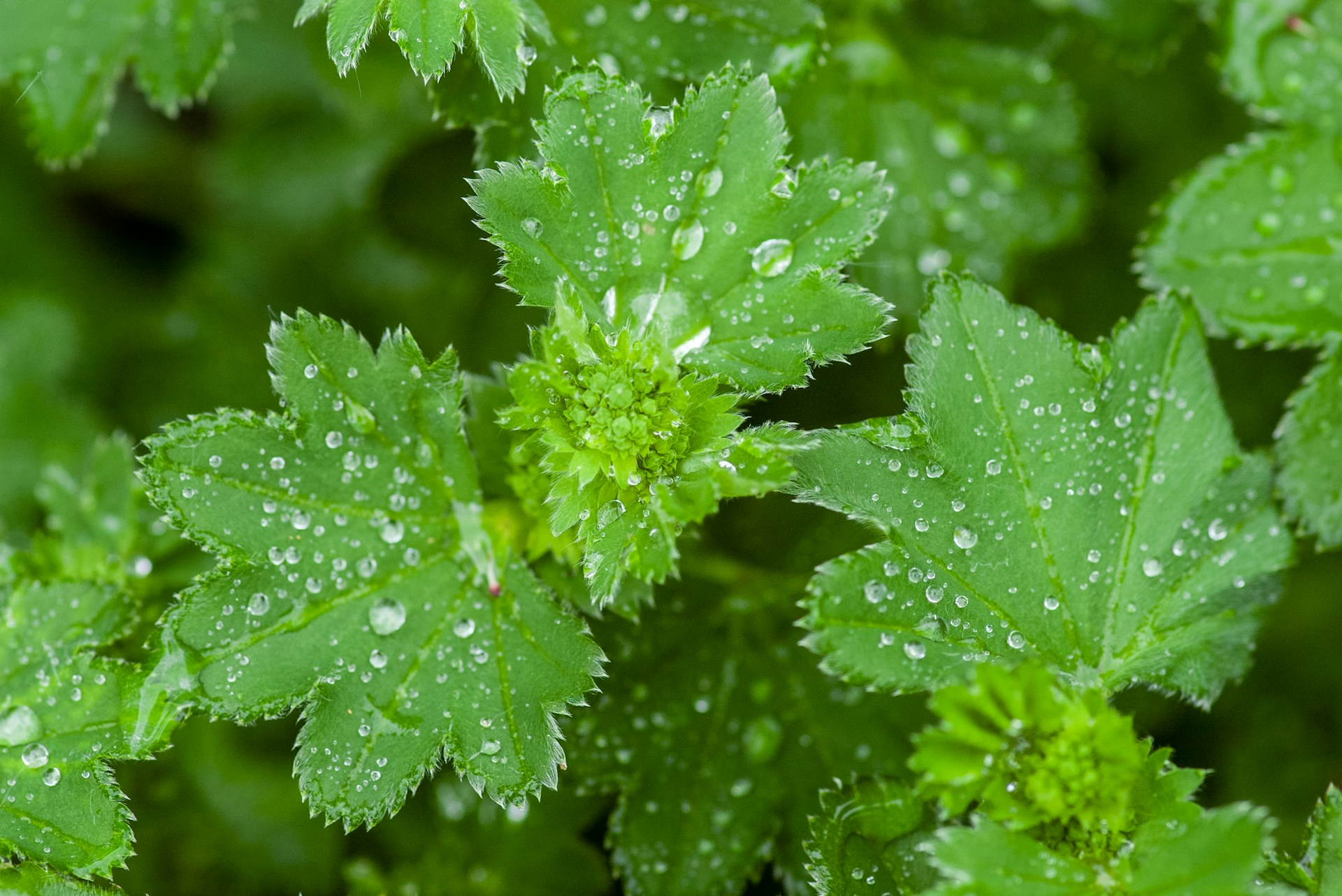
This plant got its old-fashioned name because the leaves were thought to look like the scalloped edge of a cloak. What makes a lady’s mantle special is how it collects water droplets at its center without actually absorbing them.
In the morning, you’ll find perfect spheres of dew sitting in the middle of each leaf like tiny crystal orbs. Medieval folks thought this water had special properties and collected it for remedies.
The truth is just as interesting though, the leaf’s structure creates a natural bowl that holds water without letting it soak through.
Canna lilies in warm climates
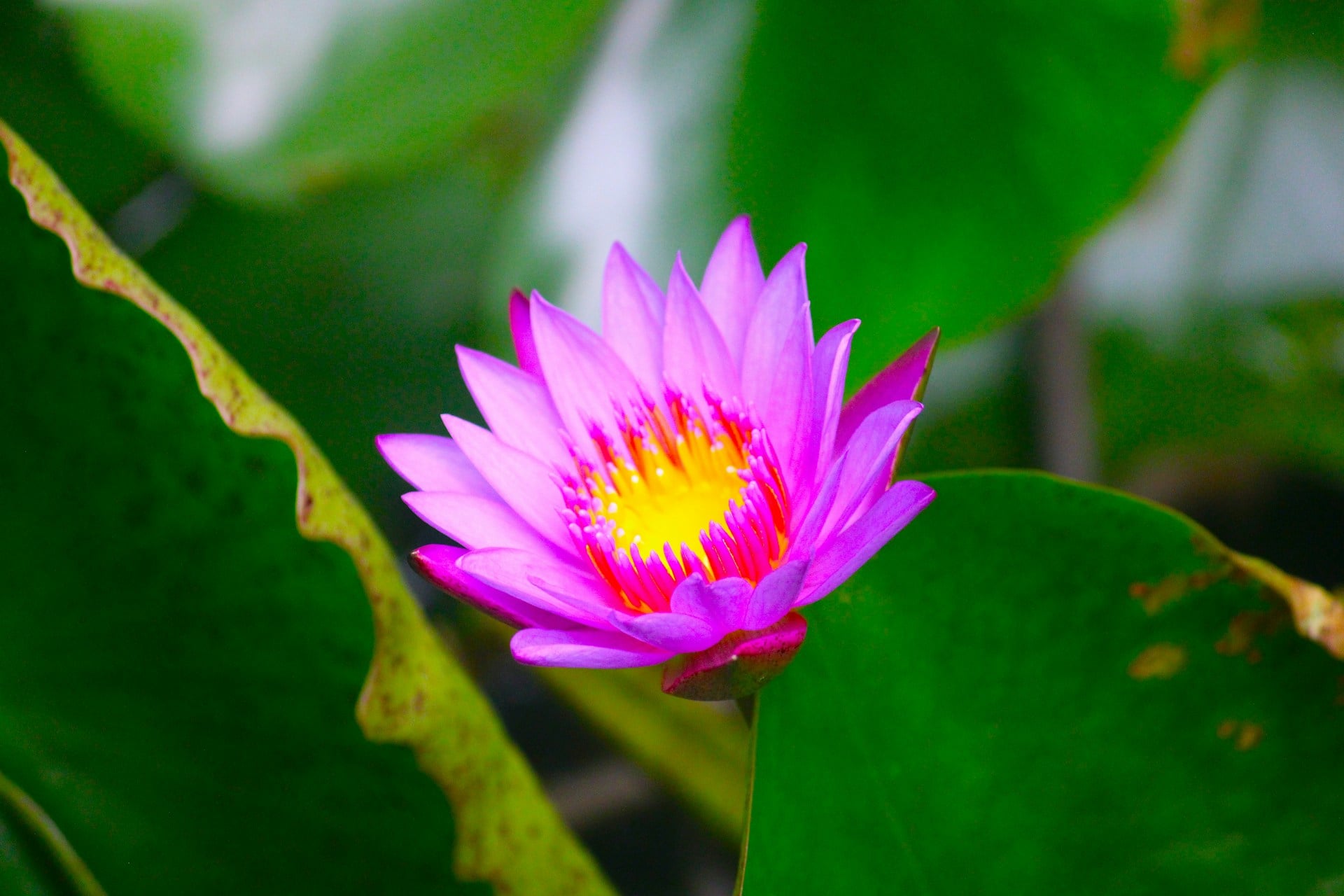
Those big tropical-looking leaves on canna plants shed water so effectively that they’re almost always dry to the touch, even in humid environments. The leaves have a waxy bloom, that whitish coating you can sometimes rub off with your finger, that repels moisture on contact.
This adaptation helps the plant in its native Central and South American habitats where afternoon rains arrive like clockwork. A soaked leaf would weigh down the plant and block sunlight, but these leaves stay light and functional no matter how hard it pours.
Colocasia varieties
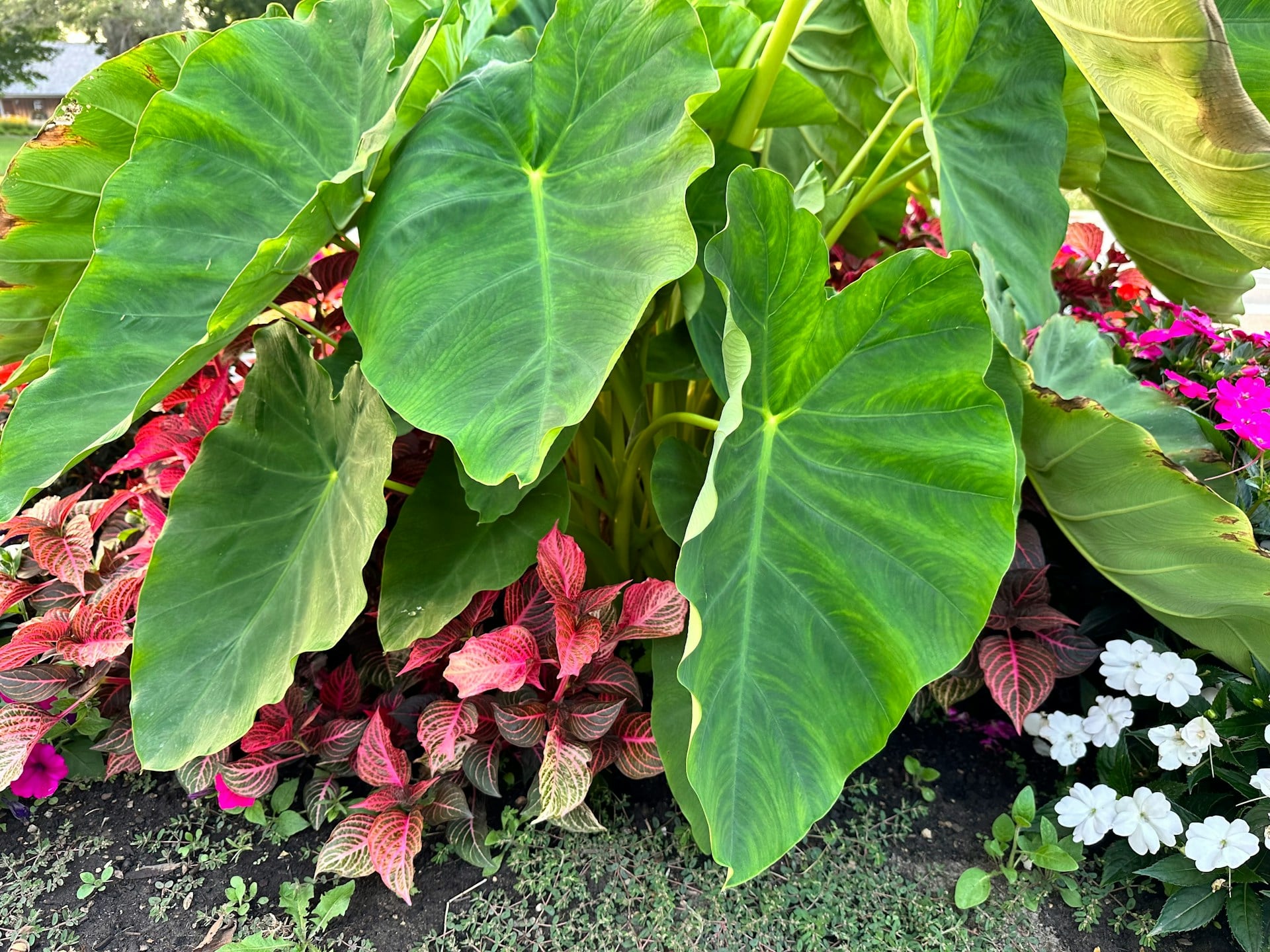
Related to taro but with even more dramatic water-repelling abilities, colocasia plants are sometimes called elephant ears because of their enormous leaves. These leaves can be two feet across, yet water slides off them in sheets without leaving a trace.
The sheer size of the leaves means they would collect pounds of water if they absorbed it, potentially snapping the stem. Instead, the water-repellent surface keeps them buoyant and upright.
Landscapers use these plants near ponds specifically because they can handle splashing and rain without suffering damage.
Sacred fig trees
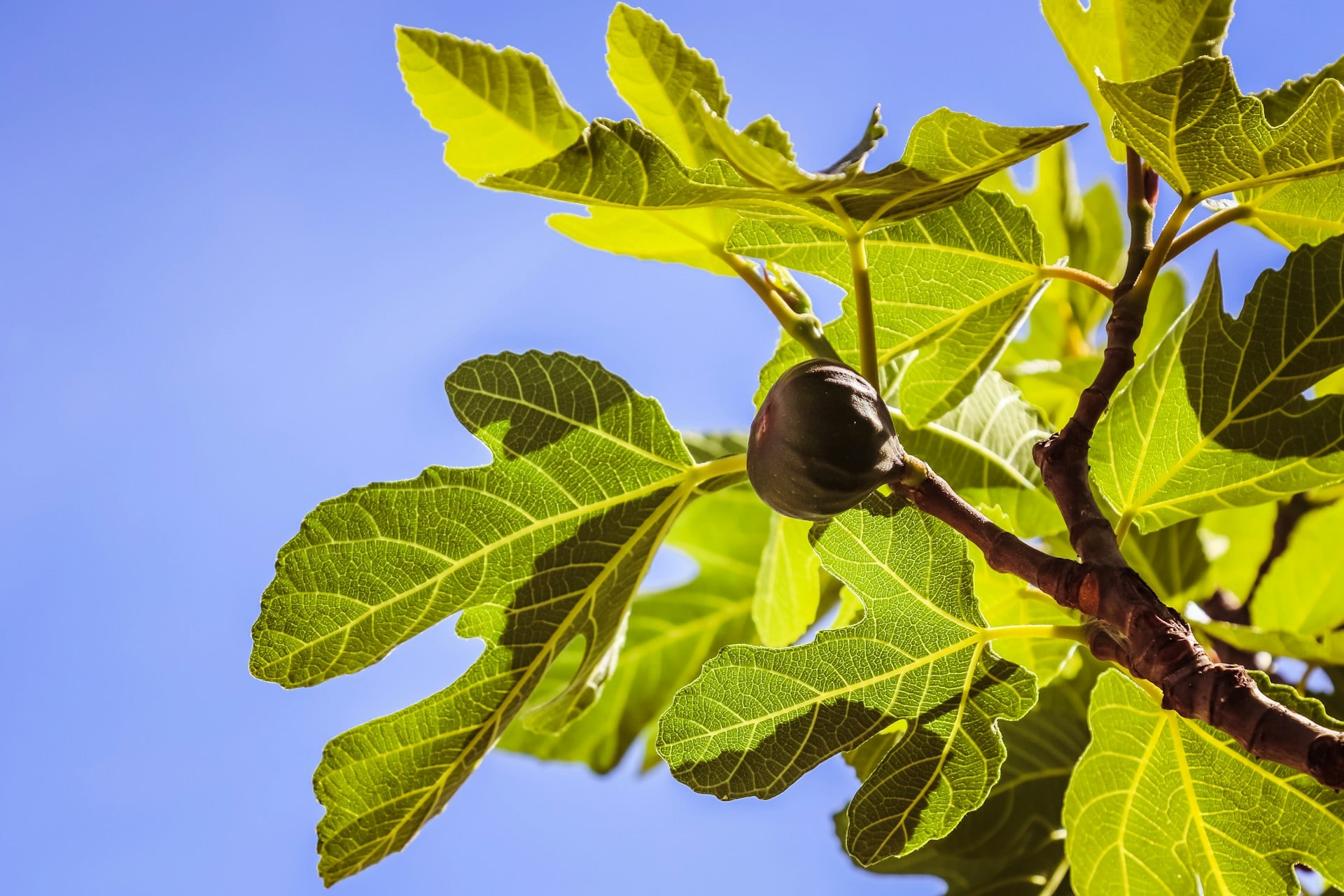
The tree that Buddha supposedly sat under has leaves with extended drip tips, those long pointed ends that help water run off quickly. But the surface itself is also coated with natural compounds that refuse to let water stick around.
In monsoon regions where these trees grow wild, leaves need to dry fast between downpours or they’ll develop fungal problems. The combination of shape and surface texture means water evacuates in seconds.
Ancient observers noticed this property and considered it another reason to view the tree as special.
Pitcher plants with slippery rims
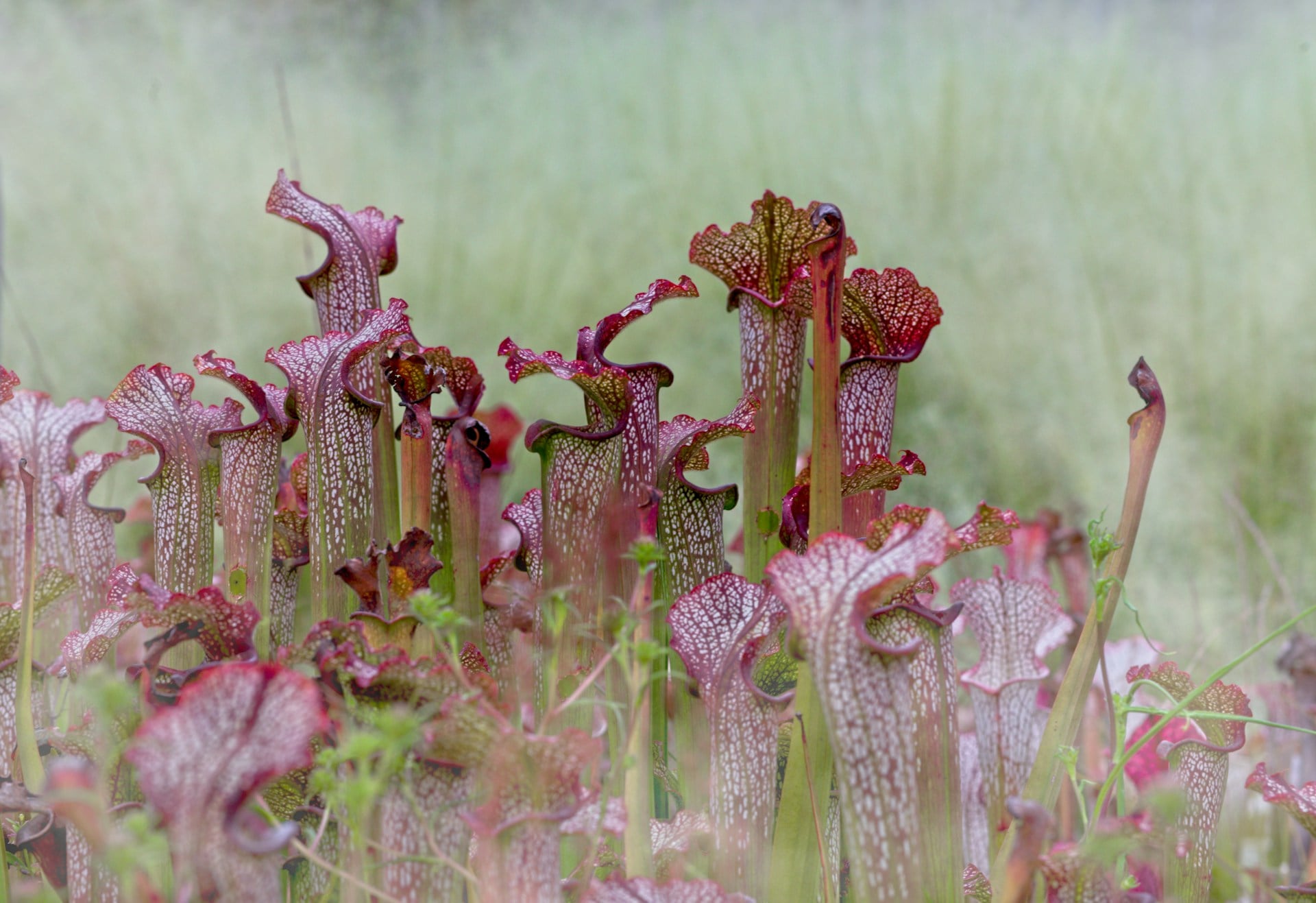
These carnivorous plants have a different take on water resistance. The rim of their pitcher is so slippery and water-repellent that insects can’t get a grip once they land.
Rain slides right off this rim into the pitcher below, but the insects slip and fall in too. It’s a trap that uses water-repelling properties as a hunting tool.
The inside of the pitcher is the opposite, designed to be sticky and absorptive, but that rim stays perpetually clean and slick. Nature found a way to use both water-attracting and water-repelling surfaces on the same plant for maximum effect.
Watercress near streams
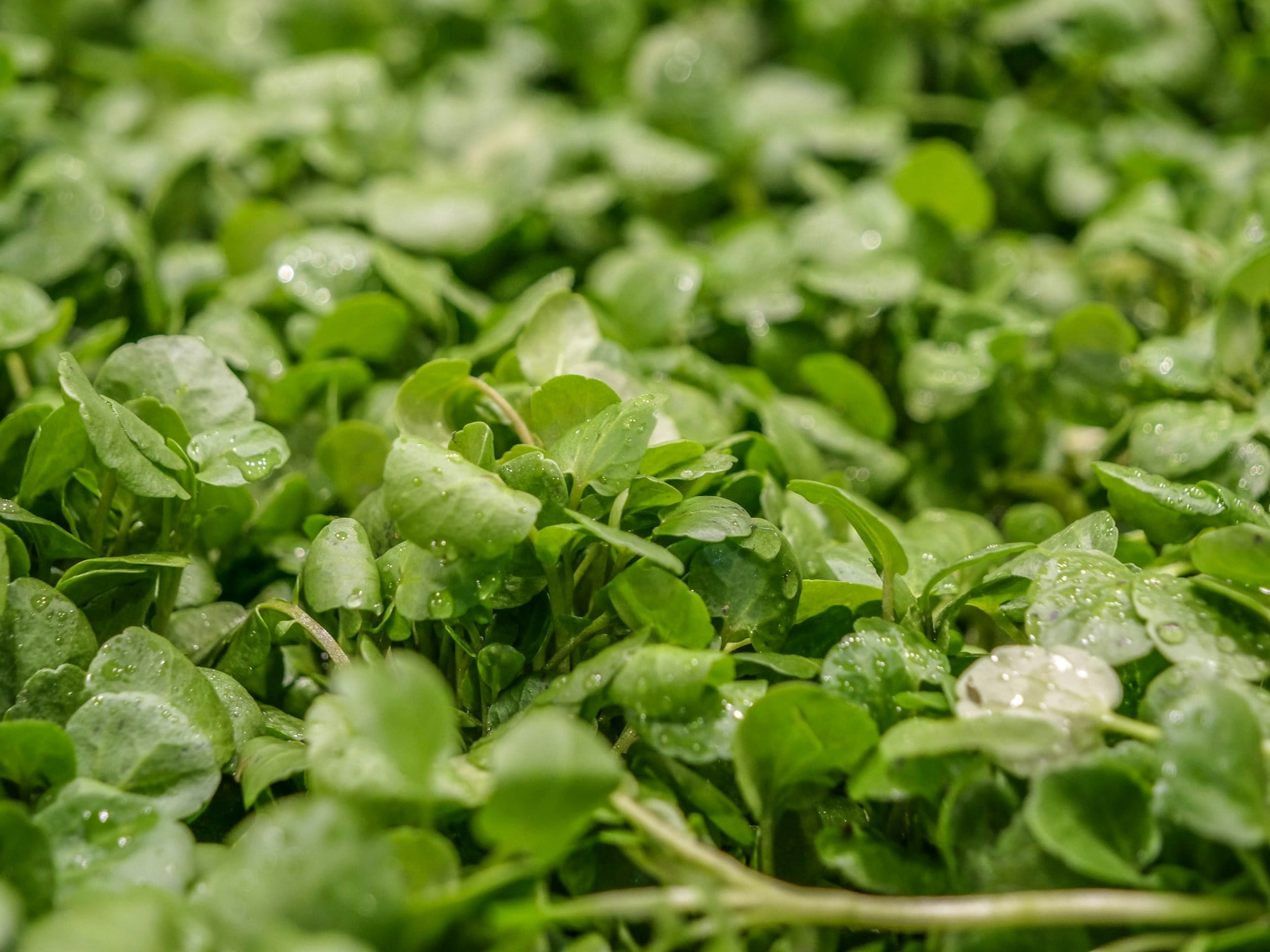
It seems backwards that a plant growing in water would have water-repellent leaves, but watercress does exactly that. The leaves need to shed the stream water that splashes on them so they can still perform photosynthesis.
If the leaves stayed coated in a film of water, sunlight couldn’t reach the cells inside effectively. So watercress developed a surface that lets splashes bead up and roll away while the roots stay happily submerged.
It’s living in water while simultaneously repelling it.
Begonia leaves in shade gardens
Walk through a humid greenhouse and you’ll spot begonias with leaves that look polished and dry despite the moisture in the air. Some varieties have leaves covered in tiny hairs that create additional water resistance beyond just the waxy coating.
When droplets land on these fuzzy leaves, they sit on top of the hairs and never actually touch the leaf surface beneath. It’s like the plant is wearing a microscopic fur coat that keeps it dry.
This adaptation helps begonias thrive in their native understory environments where drips from the canopy above would otherwise be constant.
Silver ragwort leaves
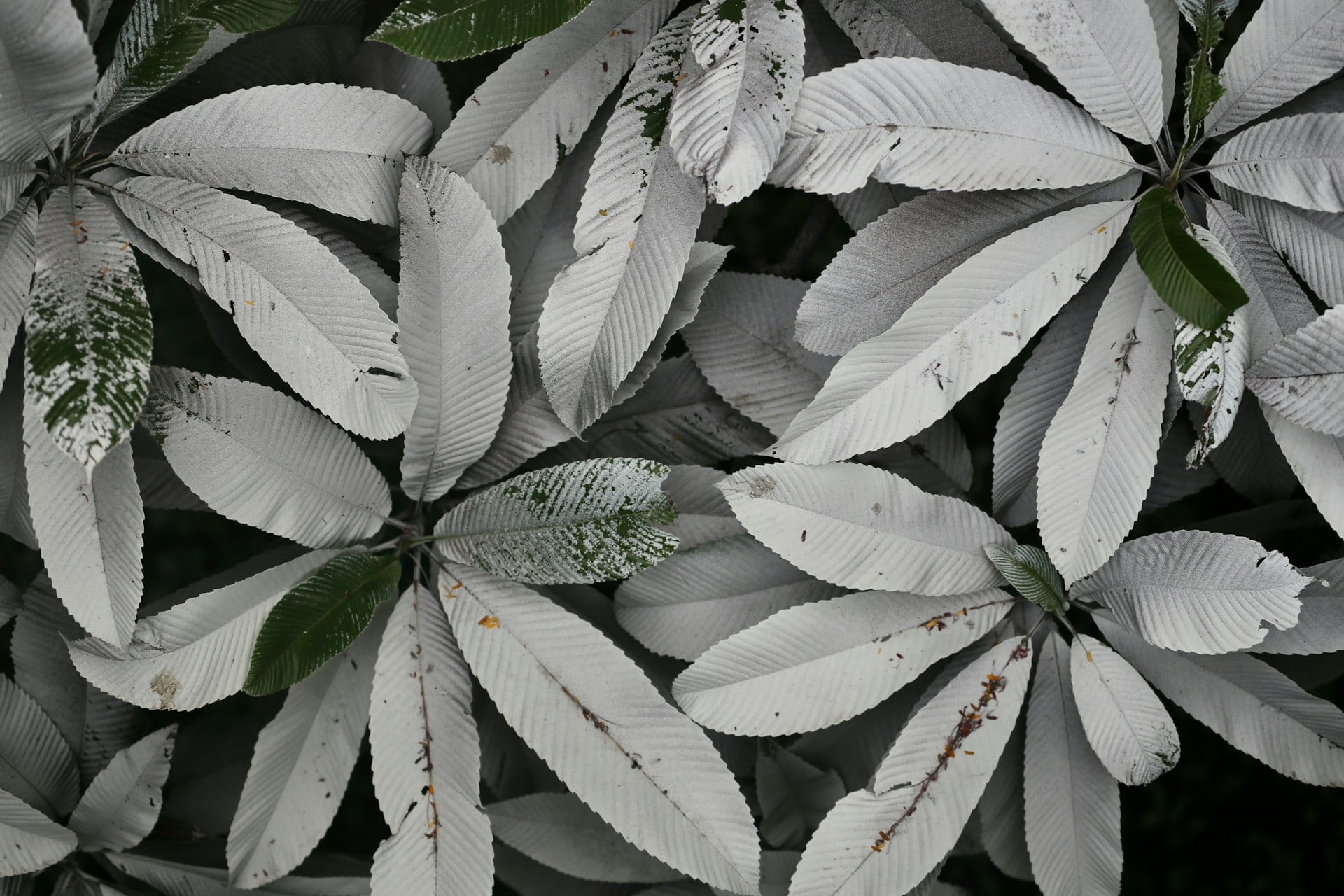
The silvery appearance of these leaves comes from dense hairs and a waxy coating that reflects light and repels water simultaneously. Water droplets on silver ragwort leaves look like beads of mercury rolling across a tilted surface.
This plant often grows in areas with morning dew, and those silvery leaves stay functional by refusing to let that moisture penetrate. The coating also reflects some of the sun’s intensity, protecting the leaf from getting scorched in hot climates.
It’s a two-for-one adaptation that handles both water and sun exposure.
Broccoli in the field
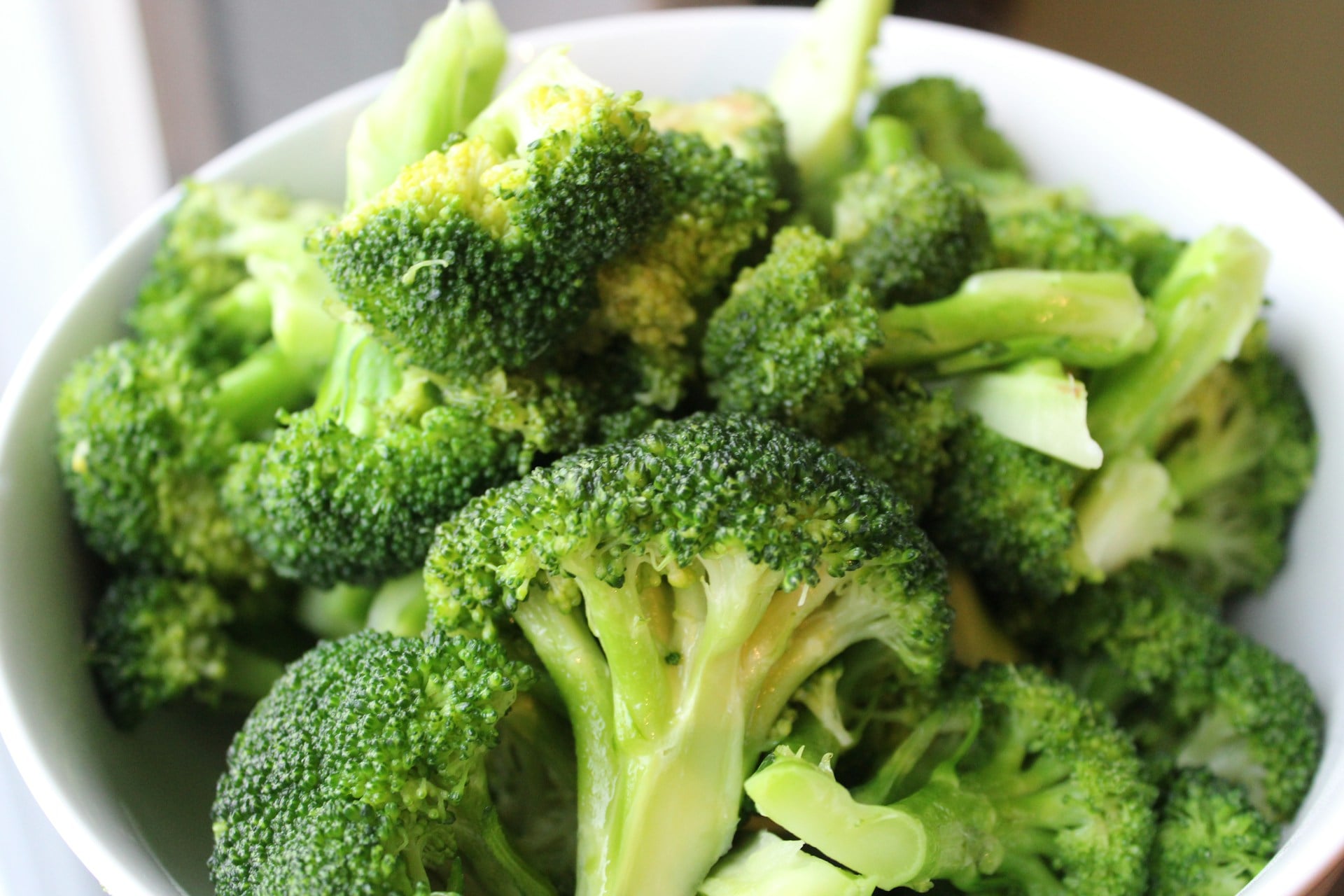
Before broccoli becomes the florets on a dinner plate, it grows large leaves that could easily trap water and encourage rot. Instead, those leaves have a bluish-white coating that makes water slide right off.
Commercial farmers benefit from this because wet leaves can harbor diseases that spread through entire crops. The plant’s natural water resistance reduces the need for certain fungicides and helps the broccoli grow healthier.
That same coating is visible on the broccoli crown itself, that slightly dusty appearance that rinses away when you wash it before cooking.
Hostas under tree cover
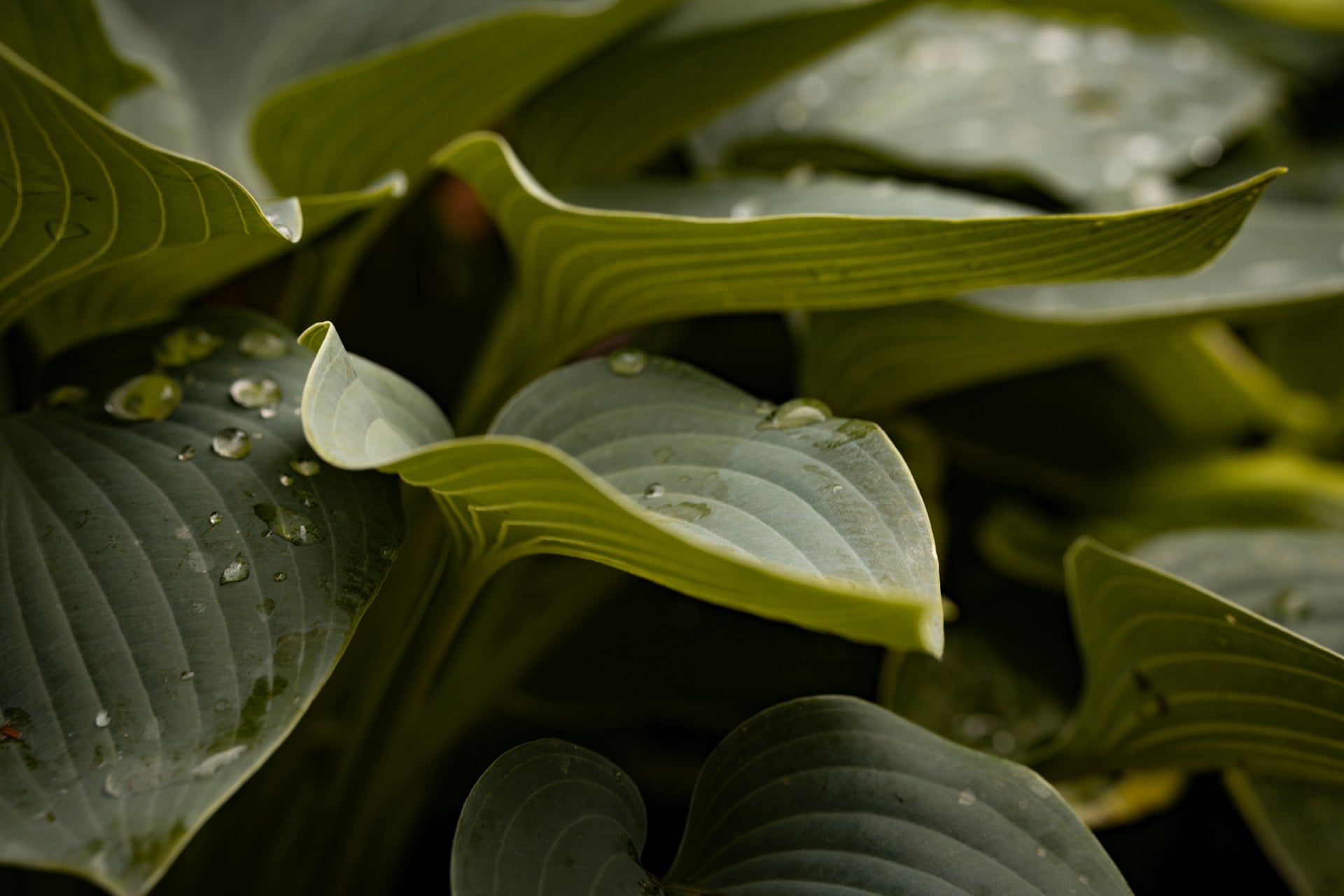
These shade-loving plants deal with water dripping from tree branches above, so their leaves evolved to handle constant moisture without suffering. The waxy coating on hosta leaves varies by variety, but most types shed water efficiently enough that the leaves dry between drips.
Slugs are the main enemy of hostas, and those pests need moisture to travel, so leaves that don’t stay wet have a slight advantage. The thicker the leaf and the waxier the coating, the better the hosta handles both shade and moisture.
Water lilies floating on ponds
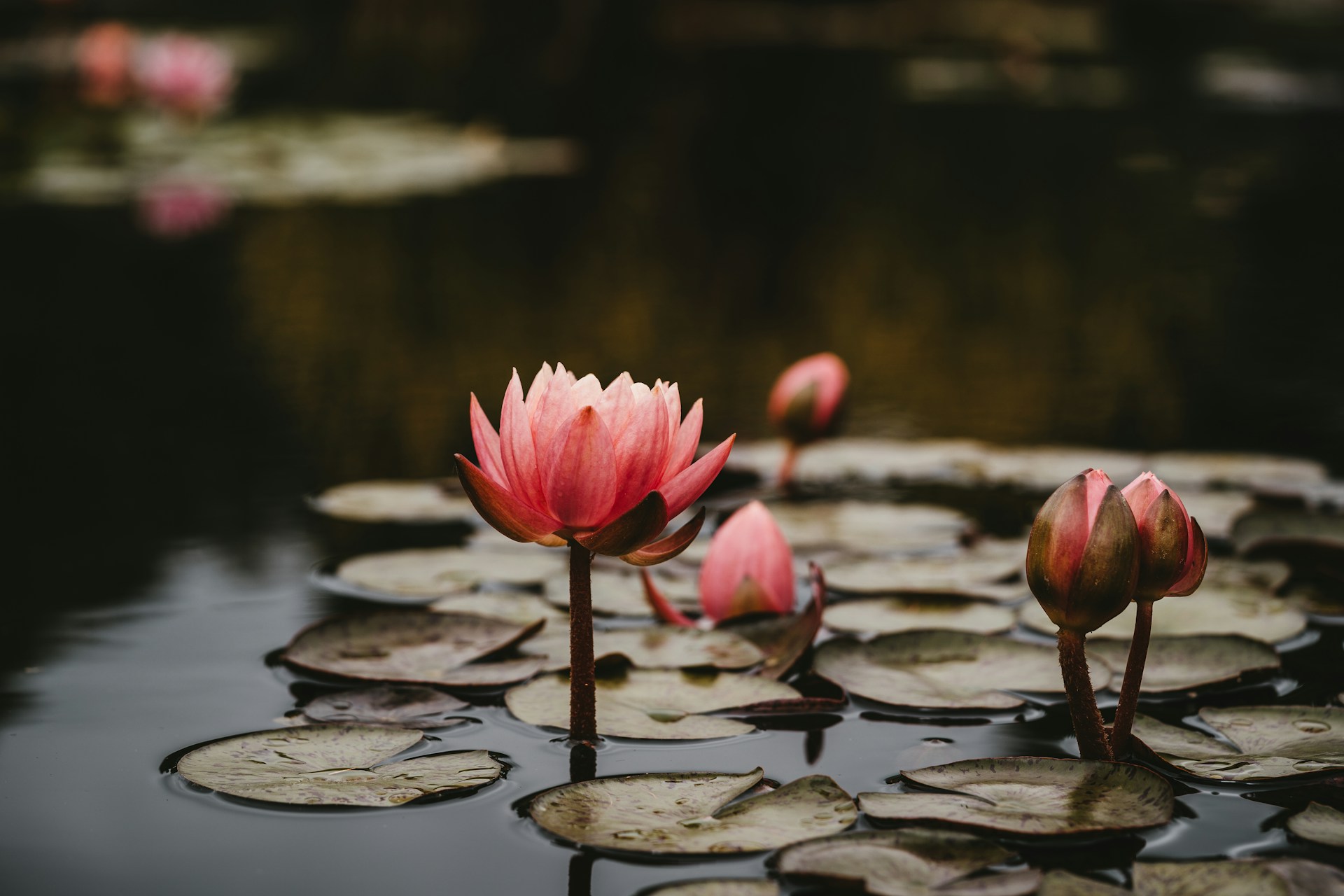
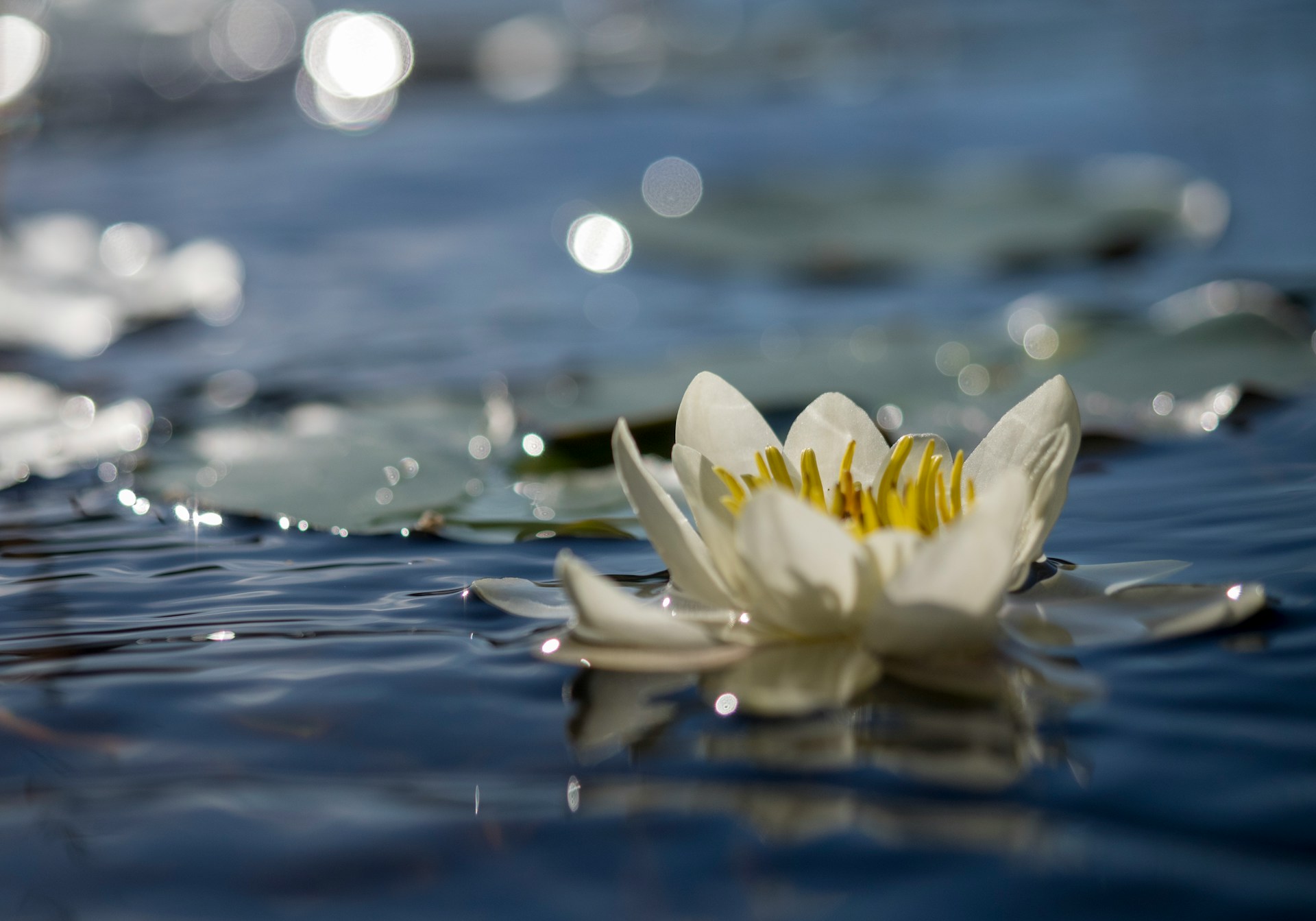
A plant that lives on water developed leaves that completely reject it, which sounds contradictory until you see it in action. Water lily pads have such effective water resistance that rain and splashes bead up instantly and roll off the edges.
This keeps the top surface available for gas exchange, the plant version of breathing, which couldn’t happen if water covered the pores. The underside of the lily pad is different, adapted to be in contact with water, while the top stays determinedly dry.
It’s a study in how plants can be water-loving and water-repelling at the same time depending on which part you’re looking at.
Eucalyptus trees grow where it’s dry
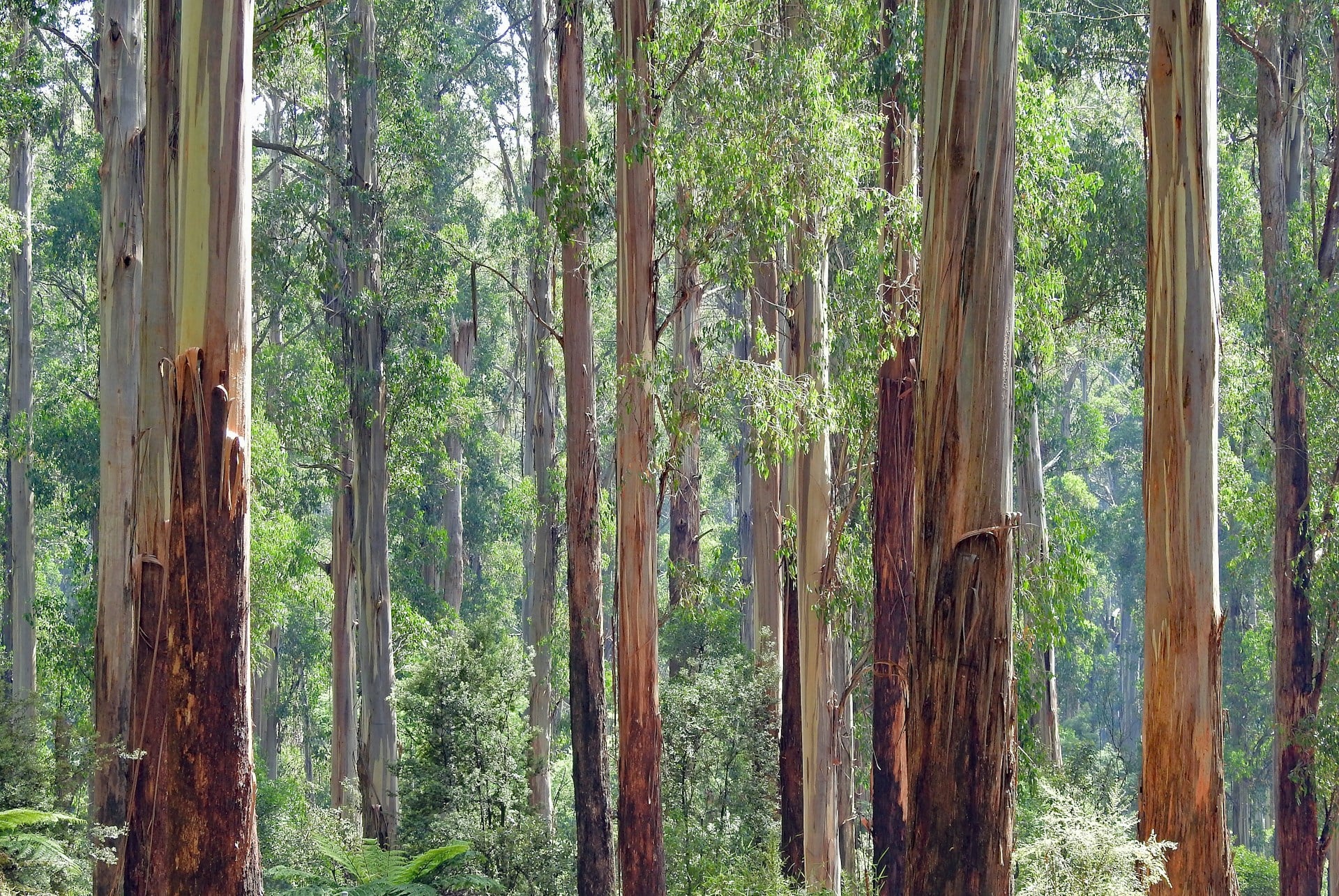
These Aussie plants come with oily leaves doing more than one job – like keeping water away. When downpours don’t happen often, eucalypts need to avoid soggy foliage that could grow mold in short damp spells.
Because of the slick layer, droplets roll right off, letting the tree get back to making food fast once storms pass. That same grease deters bugs from snacking on them, while filling nearby air with a sharp scent people recognize instantly – not strongest during dry times, but sharpest after wet ones.
Tulip tree leaves
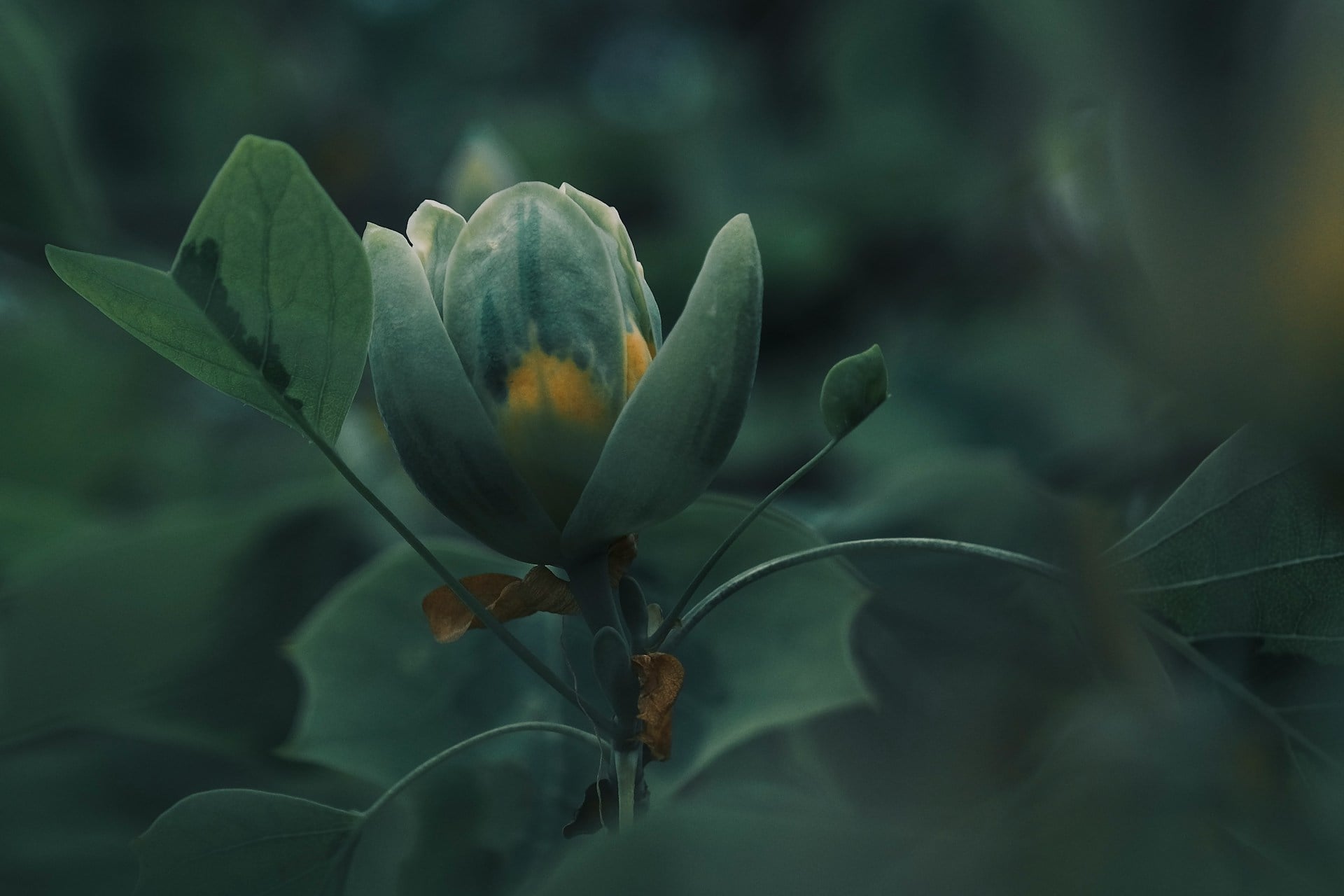
These trees grow leaves covered in wax – so good at blocking moisture that raindrops practically skip off on contact. A soft gleam shows up when sunlight hits, thanks to chemicals doing double duty by also pushing water away.
Fast-rising tulip trees sprout big foliage; without this dry feature, dampness could weigh them down, risking bent or snapped limbs. By staying clear of excess wetness, each leaf stays thin and works better.
Come fall, once the green shifts to gold, they keep part of their shield despite getting ready to drop.
English ivy climbing up walls
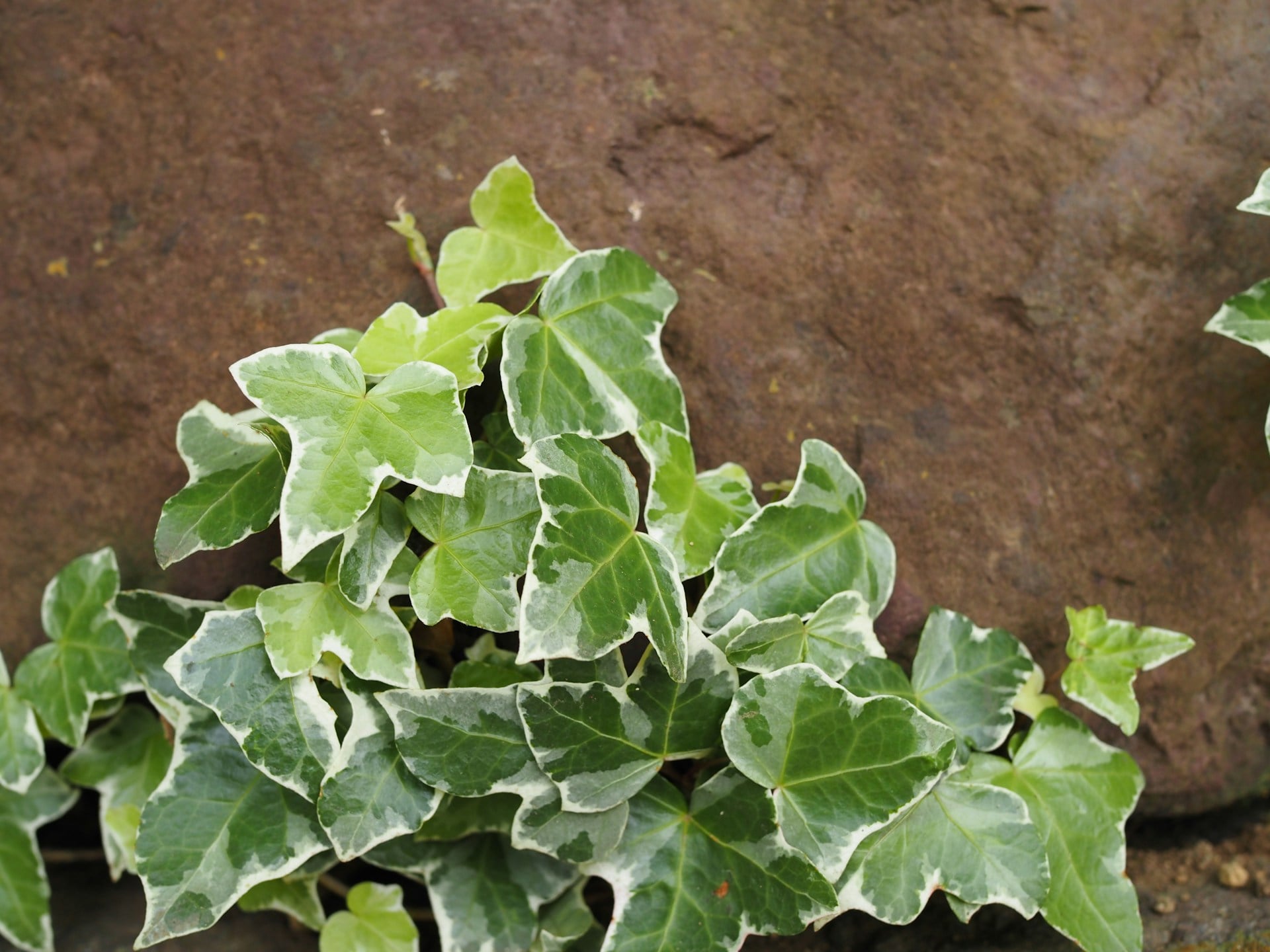
Ivy grows upright, so water tends to slide down and gather on its leaves. But thanks to a slick outer layer, droplets roll away rather than stick around.
Without this shield, heavy drops might rip the foliage apart. In dark, moist areas – where mold or rot could take hold – the leaf’s barrier makes trouble less likely.
Since ivy clings to trunks and masonry, staying dry after wet weather keeps it safe. Its knack for brushing off damp means it thrives whether sprawled on soil or stretching upward.
How this affects the rest
Scientists took cues from lotus leaves to make paints, materials, or glass that clean themselves – now common in daily use. By figuring out how plants shed water, folks developed gear like rainproof jackets or medical tools resistant to germs.
Tiny ridges paired with a waxy layer on leaves sparked ideas for surfaces that stay spotless on phones or vehicles. When you see droplets slide off a leaf next time, think about this: nature’s basic blueprint quietly reshapes countless products we rely on.
More from Go2Tutors!

- The Romanov Crown Jewels and Their Tragic Fate
- 13 Historical Mysteries That Science Still Can’t Solve
- Famous Hoaxes That Fooled the World for Years
- 15 Child Stars with Tragic Adult Lives
- 16 Famous Jewelry Pieces in History
Like Go2Tutors’s content? Follow us on MSN.