15 Super Easy Things You Can Do to Help the Planet
The planet doesn’t need grand gestures from you. It needs small, consistent choices that add up over time.
Most environmental advice feels overwhelming — solar panels, electric cars, complete lifestyle overhauls. But real change happens in the ordinary moments of your day, with decisions so simple they barely register as effort.
Switch to LED bulbs
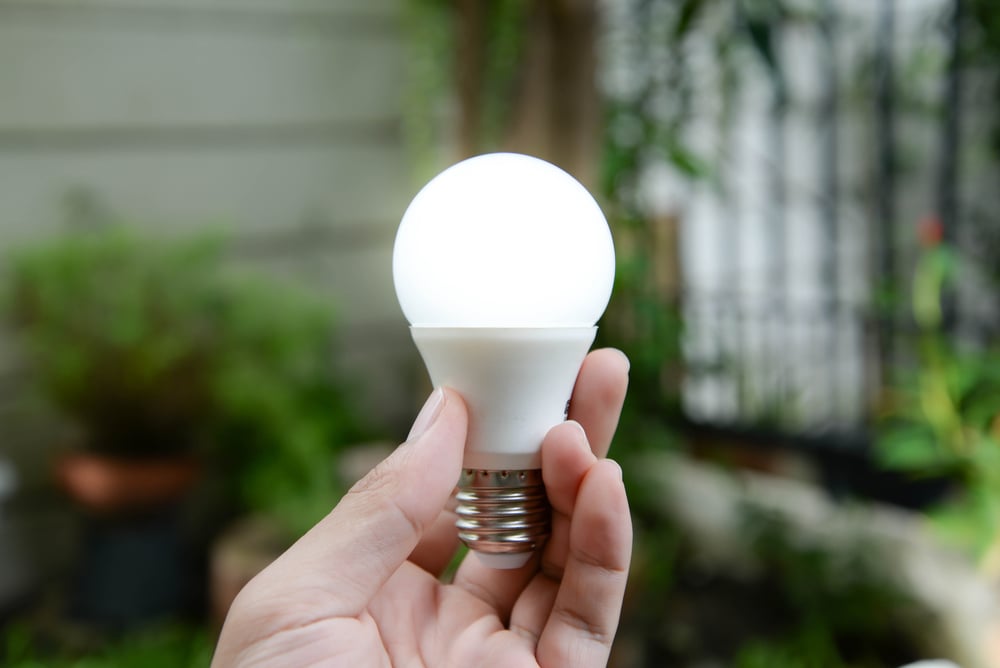
LEDs last twenty times longer than incandescent bulbs. They use 75% less energy.
The math is straightforward — replace one bulb, save money and electricity for the next decade. Most people wait until a bulb burns out to make the switch.
Don’t wait.
Unplug devices when not in use
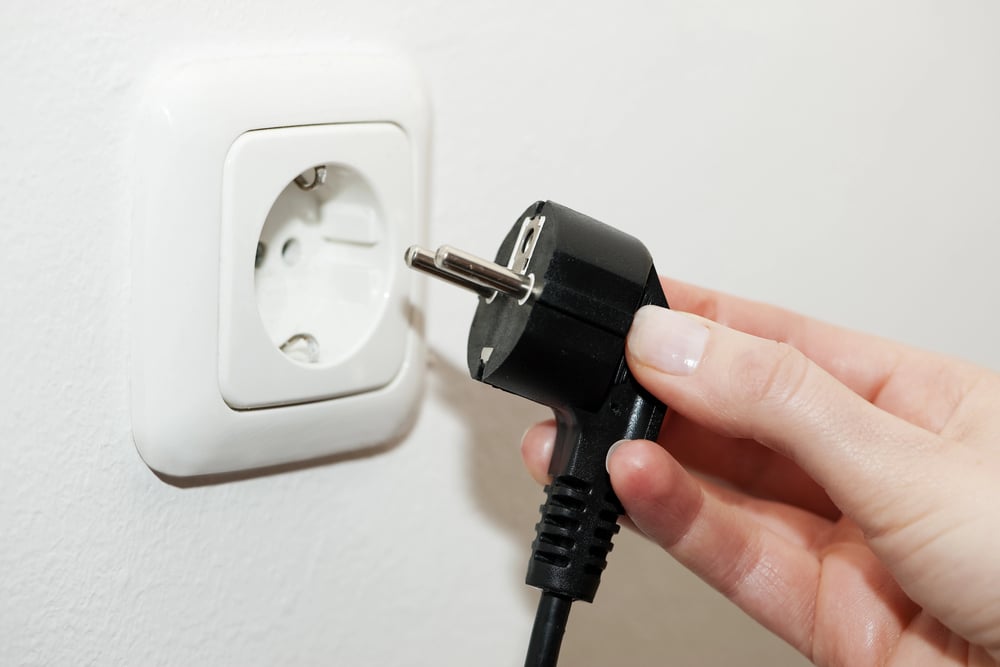
Your coffee maker draws power even when it’s off. So does your television, computer, and phone charger.
This phantom energy drain accounts for about 10% of your electricity bill, which means it’s quietly burning through resources around the clock. The solution lives in power strips with switches.
Plug everything in, flip the switch when you leave. Done.
Use a reusable water bottle

Plastic bottles are the kudzu of consumer goods — they grow everywhere, choke out everything else, and prove nearly impossible to eliminate once they’ve taken hold. Americans throw away 35 billion plastic bottles every year, and that’s just the ones that make it to trash cans (which is generous, considering how many end up as roadside litter or floating in waterways).
The manufacturing process for a single plastic bottle requires three times as much water as the bottle actually holds, which seems like a cosmic joke — we’re depleting the resource we’re supposedly trying to contain. And yet people keep buying them, case after case, as if the alternative doesn’t exist right there in the kitchen cabinet.
Take shorter showers
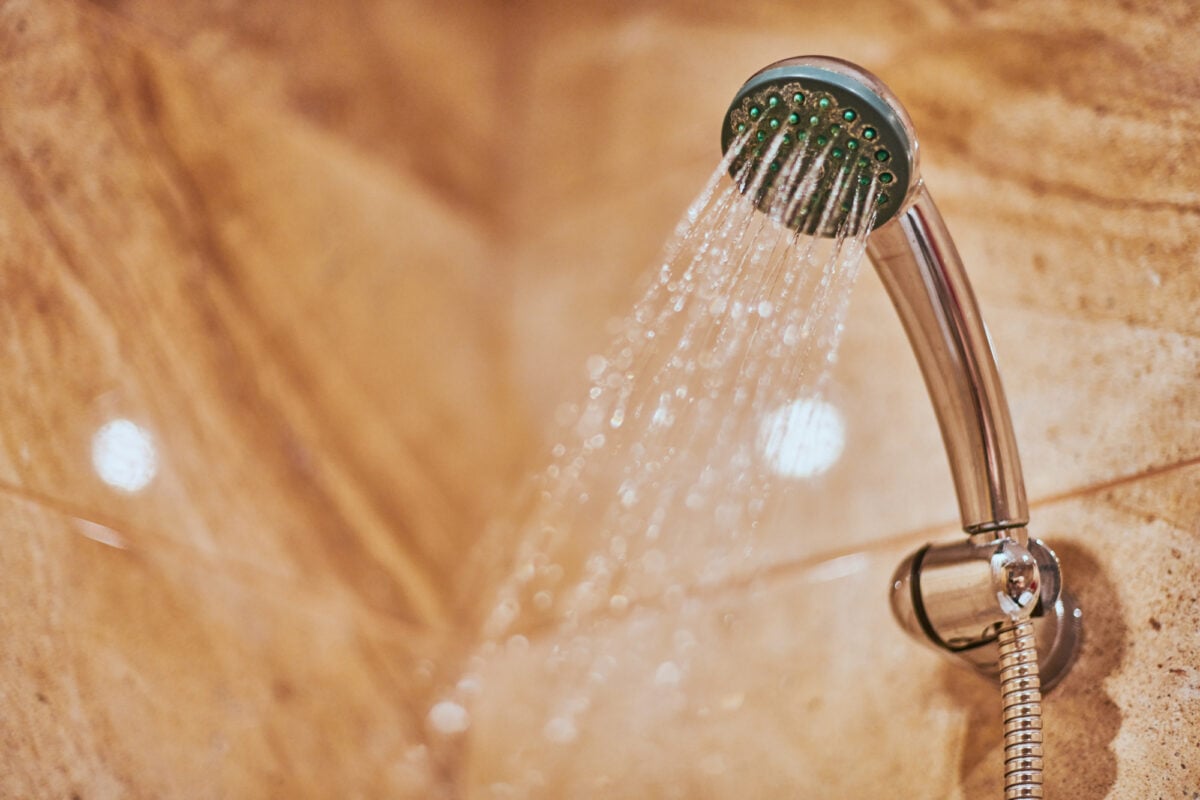
Hot water is expensive. Heating it burns fossil fuels. The average American shower uses 17 gallons of water in 8 minutes, which adds up to over 6,000 gallons per person every year just from standing under running water.
Cut two minutes off your shower time. The planet will barely notice one person doing this, but 300 million people doing it changes everything.
Walk or bike for short trips
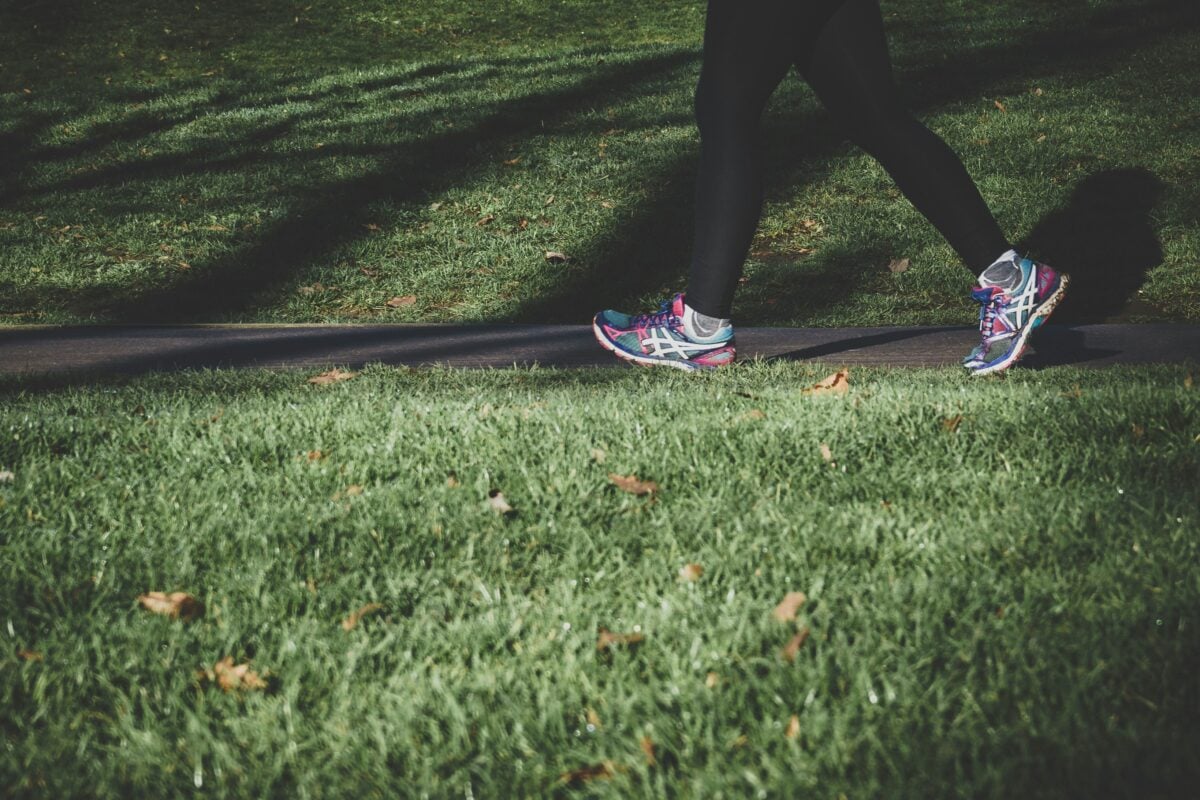
There’s something almost absurd about driving a 3,000-pound machine half a mile to buy coffee, like using a sledgehammer to crack an egg. Cars make sense for distance, weather, or hauling things that won’t fit in a backpack.
But most trips under two miles happen because walking feels inconvenient, not because it’s actually impractical. The car becomes the default choice, the path of least resistance, until you forget that your legs were designed for exactly this kind of work.
Short trips also happen to be where cars perform worst — engines run inefficiently when cold, burning more fuel and producing more emissions in the first few minutes than during steady highway driving.
Buy less stuff

Consumption is the real environmental crisis. Every product requires raw materials, manufacturing, shipping, packaging, and eventual disposal.
The greenest product is the one that never gets made because nobody bought it. Before purchasing anything, ask one question: Do you actually need this, or do you just want it? The planet can handle your actual needs.
Your impulses are what’s killing it.
Eat less meat

Livestock farming devours resources like the great abyss consumes light — it pulls in vast amounts of water, land, and grain, then converts them into relatively small amounts of protein while releasing methane, carbon dioxide, and nitrogen runoff in the process. A single pound of beef requires roughly 1,800 gallons of water to produce, which includes everything from growing feed crops to processing the final product (and that’s actually a conservative estimate, since some calculations push the number closer to 2,500 gallons).
Cattle ranching has become the leading cause of deforestation in the Amazon, where ranchers clear ancient rainforest to create pastureland that will support grazing for maybe a decade before the soil gives out. So when you eat a hamburger, you’re not just eating beef — you’re eating a small piece of what used to be forest, aquifer, and atmosphere.
Fix leaks immediately
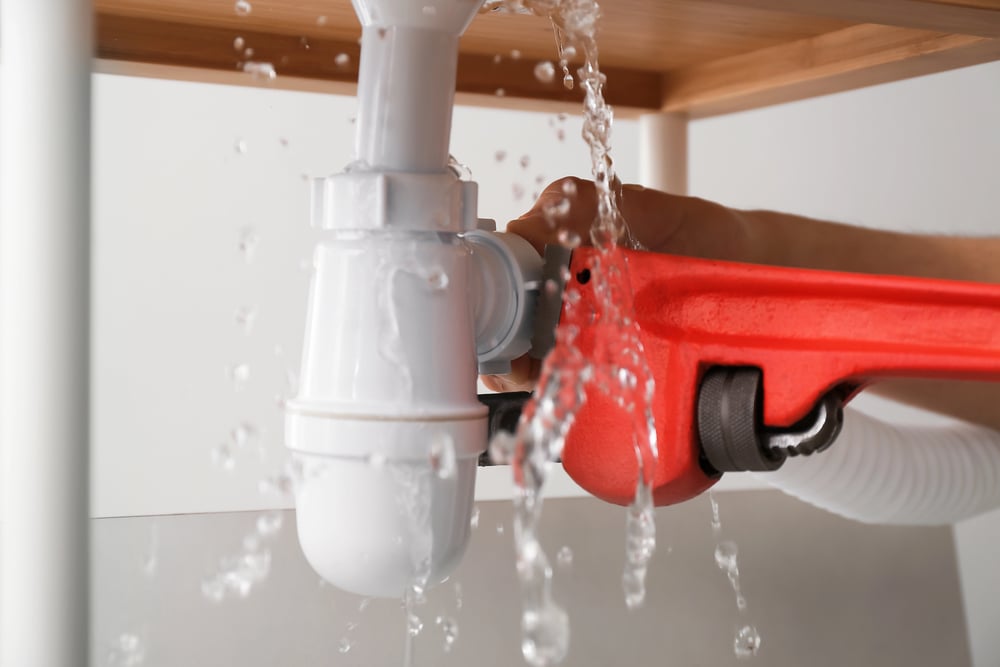
A dripping faucet wastes about one gallon per day. That doesn’t sound like much until you multiply it by 365 days, then however many million households are ignoring the same problem right now.
Water leaks are environmental waste in the most literal sense. The resource goes directly from the supply line to the drain without serving any purpose.
Fix them the day you notice them.
Use cloth bags for shopping

Plastic bags have achieved a peculiar kind of immortality — they’re designed for fifteen minutes of use but engineered to last for centuries. Most end up in landfills where they’ll outlive the people who used them, or they escape into the environment where they tangle around tree branches, clog storm drains, and break down into microplastics that work their way into the food chain.
The grocery store checkout routine has trained everyone to accept this wasteful exchange: you get convenience for thirty seconds, the planet gets another piece of permanent litter. Cloth bags work better anyway.
They hold more weight, don’t tear when you put anything sharp in them, and have handles that won’t cut off circulation in your fingers.
Adjust your thermostat
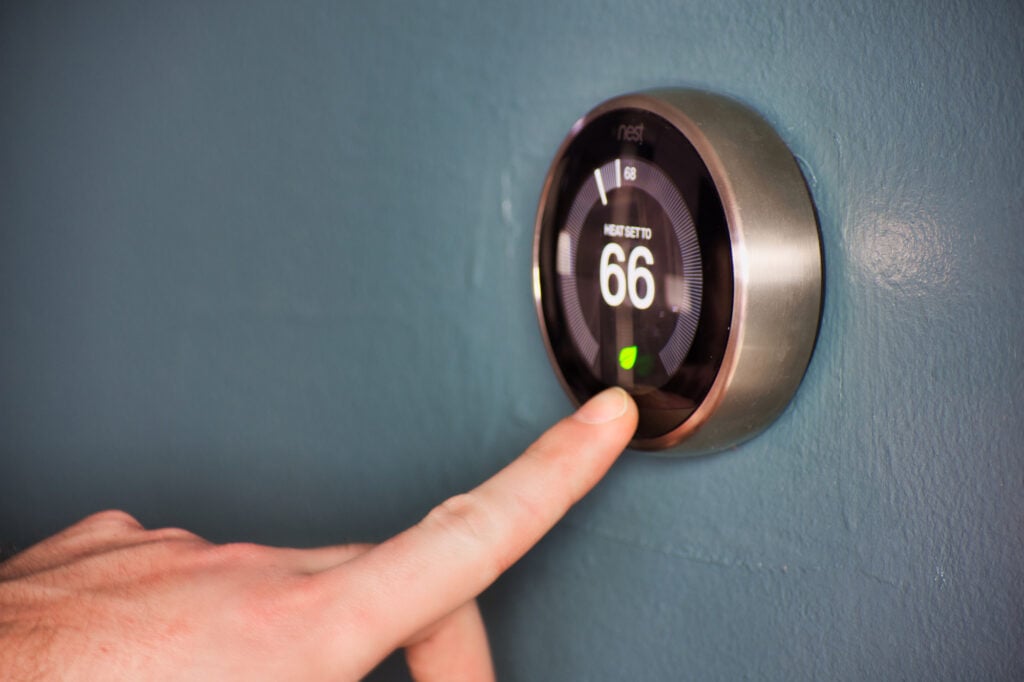
Heating and cooling account for nearly half of your home’s energy use. Moving the thermostat just two degrees — warmer in summer, cooler in winter — can reduce your energy consumption by 10% without making your house noticeably less comfortable.
Most people treat thermostats like they’re calibrated to their exact comfort preferences, but the truth is you adapt to whatever temperature you maintain consistently. Set it and leave it there.
Print double-sided
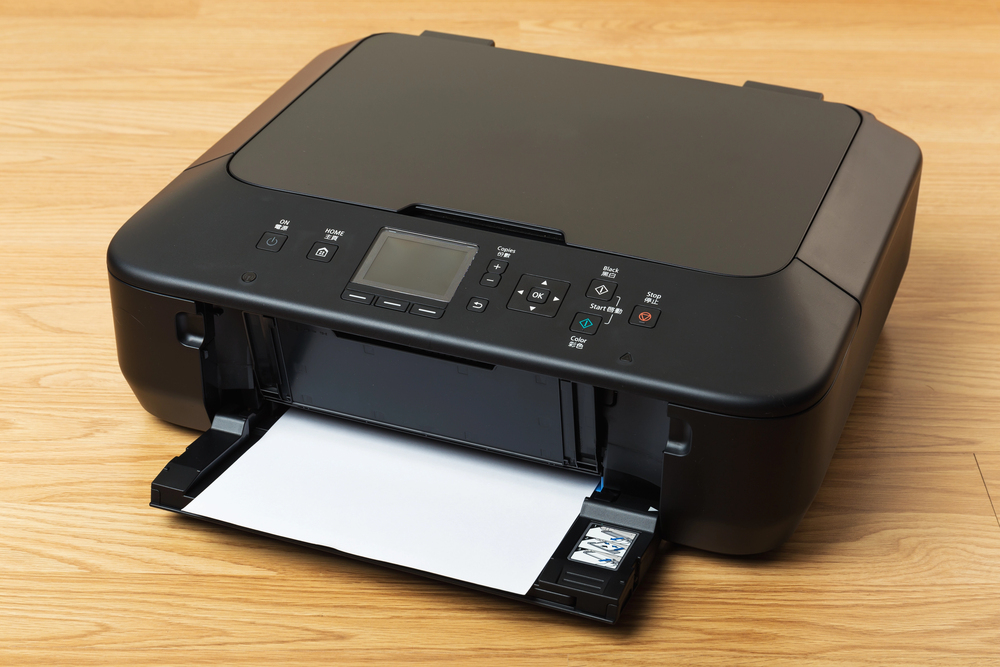
Paper consumption has this strange invisibility to it — you use a sheet, it disappears into recycling or trash, and the environmental cost never quite registers because the impact happens in forests and mills you’ll never see. But the average office worker goes through about 10,000 sheets of paper per year, and most of those pages are printed on one side only, which means half the surface area gets wasted (not to mention that a significant portion of what gets printed probably didn’t need to exist on paper in the first place).
The paper industry ranks among the top industrial polluters, consuming enormous amounts of water and energy while releasing chlorine compounds, sulfur dioxide, and other chemicals that would be alarming if they weren’t so routine. Double-sided printing cuts your paper use in half with zero additional effort.
Most printers can be set to do this automatically.
Air dry your clothes

Clothes dryers are energy hogs. They use more electricity than refrigerators, washing machines, or dishwashers.
Running a load through the dryer costs about 50 cents in electricity and produces roughly 6 pounds of carbon dioxide. Hanging clothes on a line or rack costs nothing and works just as well.
Your grandmother managed to keep her family clothed without burning fossil fuels to evaporate water from fabric.
Buy local produce when possible

A typical grocery store apple has traveled 1,500 miles before you eat it. That transportation requires fuel, refrigeration, and packaging.
Local produce travels maybe 50 miles and often tastes better because it didn’t spend a week in transit. The environmental savings from buying locally aren’t enormous, but they’re real.
More importantly, buying local keeps small farms viable, and small farms tend to use more sustainable practices than industrial operations.
Use both sides of paper

Most paper gets used once and thrown away, even though the back side remains perfectly blank and functional. This happens with everything — printed emails, school assignments, meeting notes, shopping lists.
The wastefulness becomes invisible because it’s so routine, but using both sides of every sheet cuts your paper consumption in half. Keep a stack of used paper next to your printer.
Use the blank side for draft copies, scratch paper, or anything that doesn’t need to look professional.
Turn off lights when leaving rooms
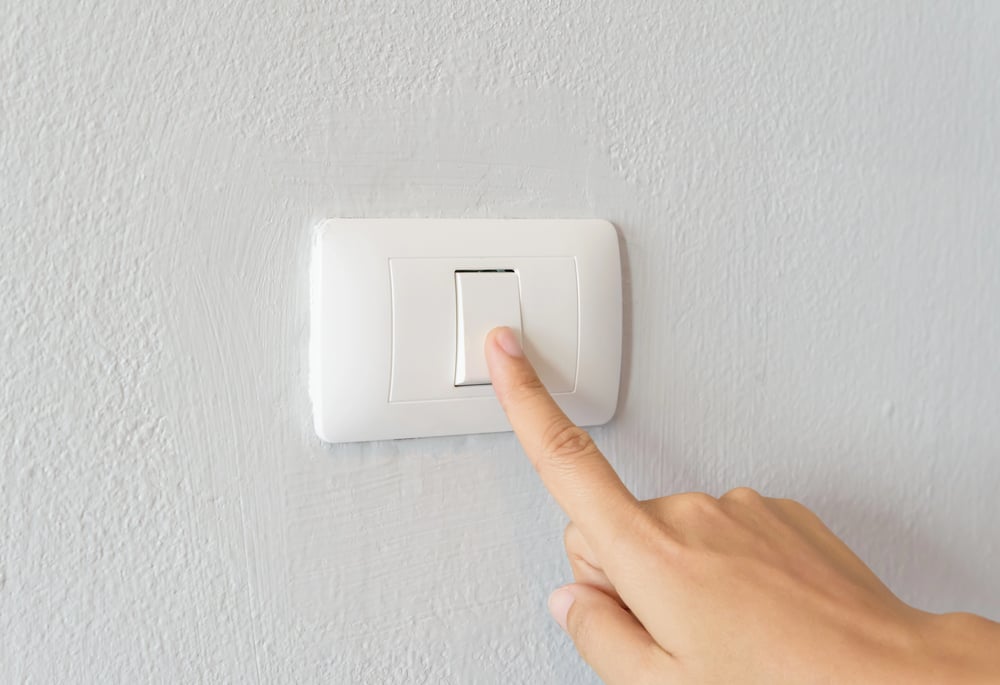
Electricity doesn’t wait around for you to return. Every minute a light stays on in an empty room, it’s converting energy into illumination that serves no purpose.
This waste adds up across millions of households leaving lights on in empty kitchens, bathrooms, and bedrooms. The fix requires no technology, no money, and about two seconds of attention.
Turn off the lights when you leave. Your electric bill will thank you, and so will the power grid.
Small actions, lasting change
Environmental protection doesn’t require you to reorganize your entire life around sustainability. It requires you to make better choices in the moments when choices present themselves.
The cumulative effect of millions of people taking shorter showers, turning off lights, and walking short distances instead of driving creates more change than a few individuals making dramatic lifestyle overhauls while everyone else continues as usual.
More from Go2Tutors!

- The Romanov Crown Jewels and Their Tragic Fate
- 13 Historical Mysteries That Science Still Can’t Solve
- Famous Hoaxes That Fooled the World for Years
- 15 Child Stars with Tragic Adult Lives
- 16 Famous Jewelry Pieces in History
Like Go2Tutors’s content? Follow us on MSN.



