20 Most-Stolen Grocery Items Around the World
Stealing from supermarkets drains billions every year – what vanishes fastest could shock you. It’s rarely high-end stuff.
Often, it’s common things folks rely on daily. Now and then, it’s tiny items, simple to hide, worth a lot when flipped.
Finding out which things get taken most can show us how stores struggle to keep goods safe – and also how shoppers act. Certain products are grabbed thanks to big profits when sold later online – sometimes through shady buyers.
A few vanish simply ’cause they’re tiny enough to hide in a coat or bag without anyone noticing right away. Studies suggest that cheese tops the list of pilfered foods worldwide – even losing around one in every 25 blocks made.
Fresh Meat and Seafood

Premium cuts of steak and packages of fresh seafood regularly walk out of stores without being paid for. Meat theft increased by 28 percent in 2023 alone, with economic pressures cited as a major factor.
These items are expensive, have high resale value, and are often stored in areas where staff monitoring is limited. Thieves target ribeyes, filets, and lobster tails because they can quickly sell them to restaurants, neighbors, or at flea markets.
The markup on quality meat makes it particularly attractive. A package of premium steaks worth fifty dollars or more takes seconds to conceal under a jacket or in a bag.
Organized retail crime rings specifically target meat and seafood products despite the challenges of refrigeration and transportation. The stolen products typically get resold to restaurants or suppliers on the black market.
Some supermarkets have started using protective cases on high-value meat products, removing them only when scanned at checkout. Despite these security measures, meat remains one of the most frequently stolen categories in grocery stores worldwide.
Infant Formula

Baby formula ranks among the most stolen items globally, with theft rates reaching 3.1 percent of inventory. Despite being bulky and difficult to conceal, formula disappears from stores constantly.
Parents desperate to feed their children sometimes resort to theft when they can’t afford the high cost, but organized retail crime rings also target formula because of its lucrative resale market. The compact cylindrical containers make formula easier to steal than their size suggests.
Formula’s long shelf life means stolen products stay valuable for months, and the consistent demand ensures quick resale. Thieves can sell stolen formulas to smaller retailers at discounted prices or through online marketplaces.
Recent cases have involved thefts of tens of thousands of dollars worth of formula from single retail chains. Many stores now keep formula locked behind glass or in secured areas, but determined thieves continue to find ways.
The black market for baby formula remains surprisingly robust, with organized operations specifically targeting this product for its reliability and profitability.
Razor Blades
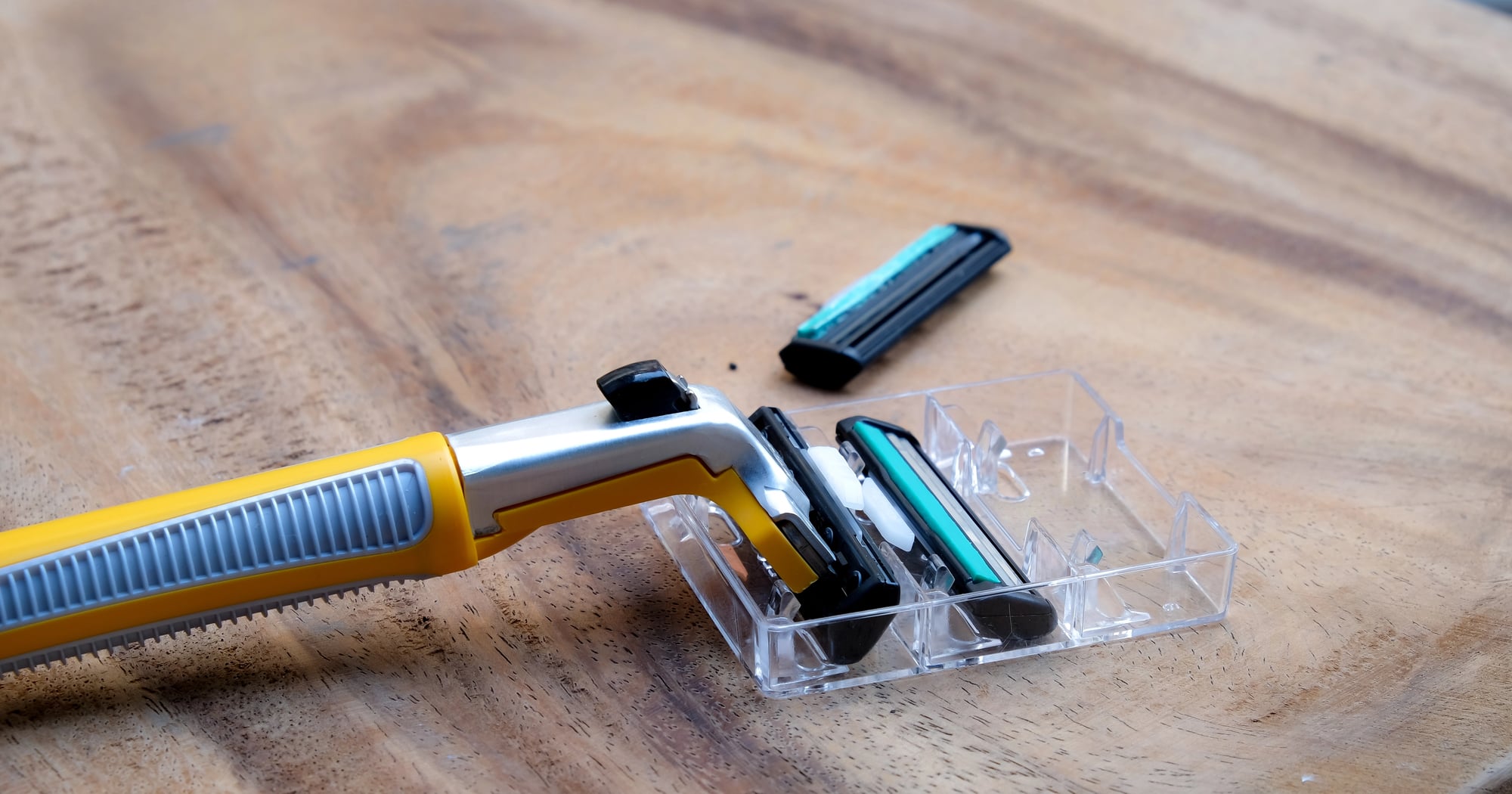
Walk into most drugstores or grocery stores and you’ll find razor blades locked up in plastic cases or behind counters. This security measure exists because razor cartridges have been among the most shoplifted items for decades.
During the early 2000s, the Gillette Mach3 was reported as the single most frequently stolen retail item in the United States and Europe, with theft rates reaching five percent of inventory. High-end razor refills can cost more per ounce than precious metals.
A small pack of replacement cartridges can retail for twenty-five dollars or more. That extreme markup combined with their tiny size creates perfect conditions for theft.
Thieves can easily pocket several packages worth hundreds of dollars, then sell them online, at flea markets, or to smaller retailers at a discount. The stolen razor market remains active because demand is constant and the products are immediately recognizable.
Some retailers report finding stolen razors being resold in neighborhood stores, bars, and through online marketplaces at significantly reduced prices.
Cheese
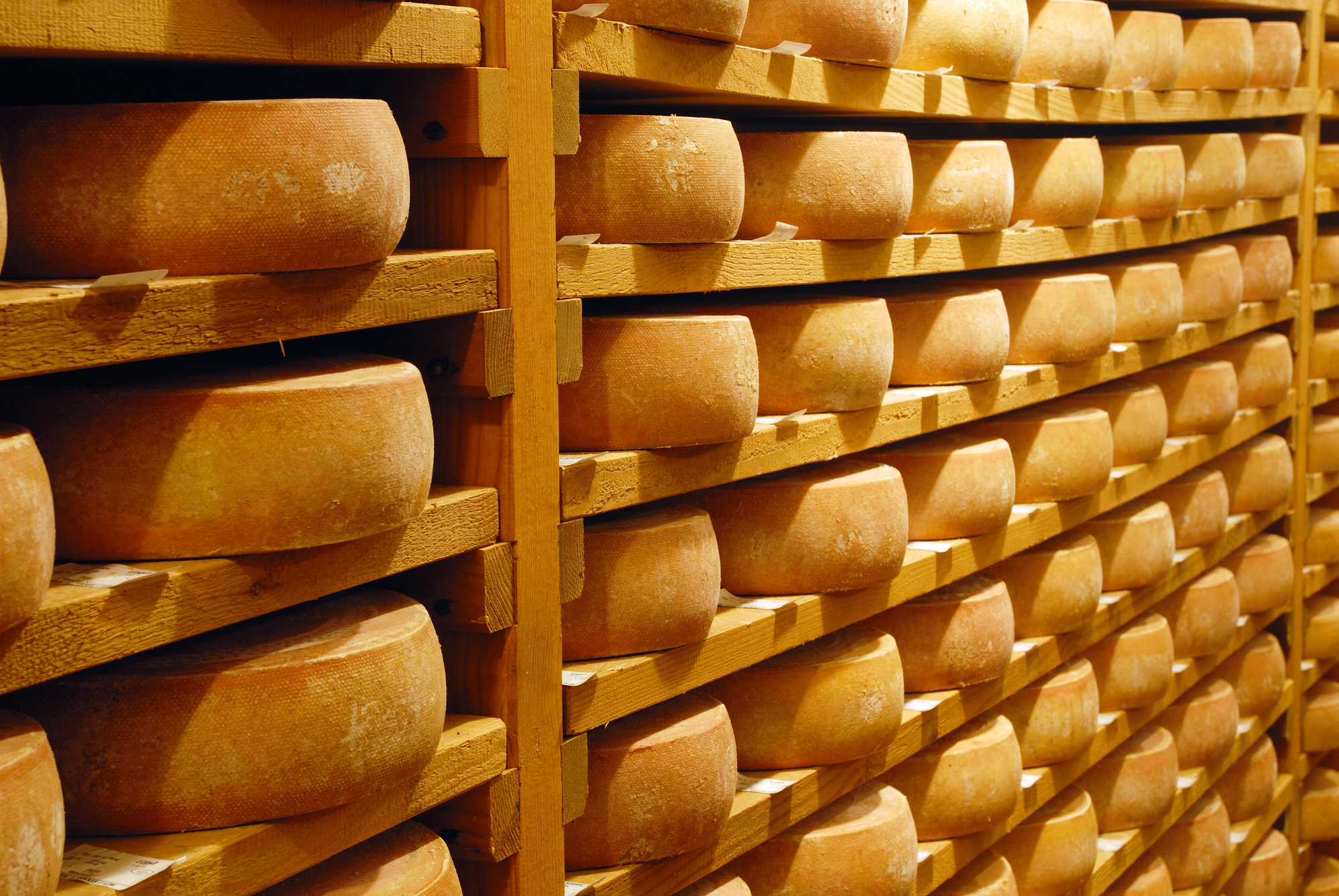
Cheese holds the distinction of being the most stolen food item in the world. Studies show that approximately four percent of cheese on store shelves ends up stolen, making it more frequently targeted than meat, chocolate, or even alcohol.
Wheels of parmesan, blocks of aged cheddar, and specialty cheeses disappear regularly from grocery stores across Europe and North America. The rising price of quality cheese creates a strong incentive for theft.
Artisanal and imported cheeses command high prices, making them worth the risk for thieves. Some stolen cheese ends up at restaurants or specialty food stores, while other batches get sold through informal networks or at flea markets.
The problem has become serious enough that retailers in some countries track inventory with special security measures. In some European countries, organized theft rings focus specifically on high-end cheese because of its value and consistent demand.
The combination of high price, universal appeal, and relatively easy concealment makes cheese a prime target for both opportunistic shoplifters and professional theft operations.
Alcohol
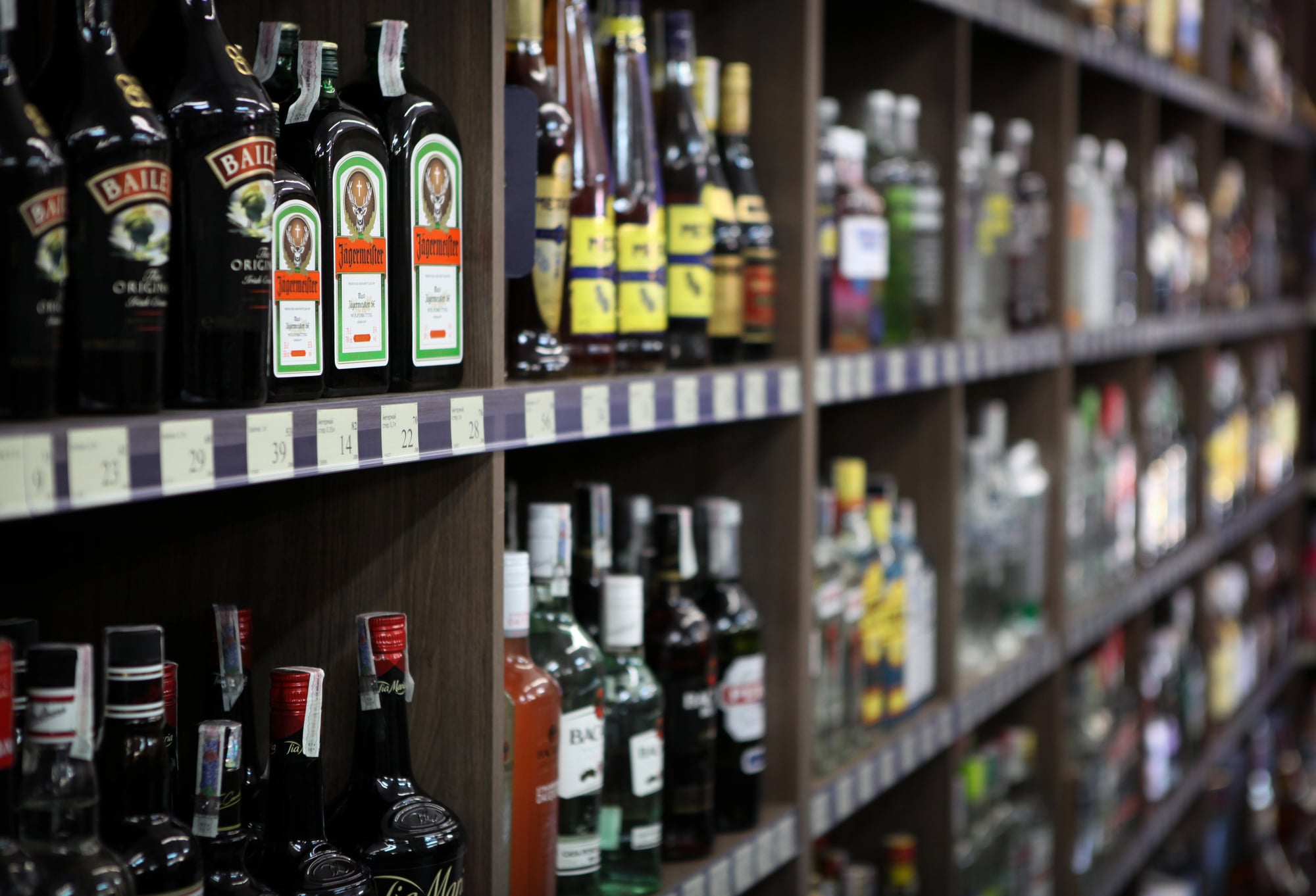
Premium spirits, champagne, and craft beers are constant targets for shoplifters. In the United States, nearly three percent of alcohol inventory is stolen, representing the highest theft rate for alcohol in the world.
Bottles of top-shelf vodka, whiskey, and tequila can easily exceed a hundred dollars each, and their relatively small size compared to their value makes them attractive targets. Theft of alcoholic beverages accounted for over 22 percent of all retail thefts in 2022, according to industry statistics.
Thieves often work in pairs—one creates a distraction while the other conceals bottles in bags or under clothing. The stolen alcohol typically gets resold quickly, either online, at parties, or through informal distribution networks.
Wine theft tends to focus on recognizable expensive labels rather than obscure vintages. Top-shelf liquors and imported wines are particularly vulnerable because they command high prices and have strong brand recognition, making them easy to resell on the black market.
Coffee

Premium coffee beans and pods get stolen regularly from stores worldwide. High-end espresso beans and specialty blends command prices that make them worth stealing.
Single-serve coffee pods are particularly vulnerable because their small packages are easy to slip into pockets or bags. The steady demand for quality coffee means stolen products sell quickly.
Some thieves target coffee specifically because they know exactly where they can resell it within hours of walking out of a store. The lightweight nature of coffee also means someone can steal a significant dollar amount without carrying much bulk.
Cosmetics and Beauty Products

High-end makeup, skincare products, and perfumes disappear from stores constantly. Beauty products account for approximately eight percent of stolen goods from supermarkets, making them one of the most commonly targeted non-food items.
These items combine small size with high prices—a single tube of premium lipstick or small jar of luxury face cream can cost more than fifty dollars. Products like mascara, foundation, and lipstick are particularly attractive to thieves because they’re small but valuable.
The global makeup market is enormous, and even in economically challenging times, cosmetics remain profitable for both legitimate and illicit sellers. Beauty products also have a ready resale market through online platforms, flea markets, and informal networks.
Some stolen cosmetics end up being sold as authentic products at discount prices, with packaging often remaining intact. This makes it difficult for buyers to identify stolen goods.
Perfumes and fragrances are also frequent targets due to their high cost and relatively easy concealment.
Over-the-Counter Medications

Pain relievers, allergy medications, and cold remedies get stolen regularly from pharmacies and grocery stores. These products are expensive, widely needed, and easy to conceal.
Bottles of ibuprofen or allergy pills might not seem valuable, but their consistent demand creates opportunities for resale. Some medications are stolen by people who need them but can’t afford retail prices.
Others are taken by organized thieves who sell them online or to smaller retailers. Certain medications also have secondary uses that increase their street value beyond their intended purpose.
Batteries
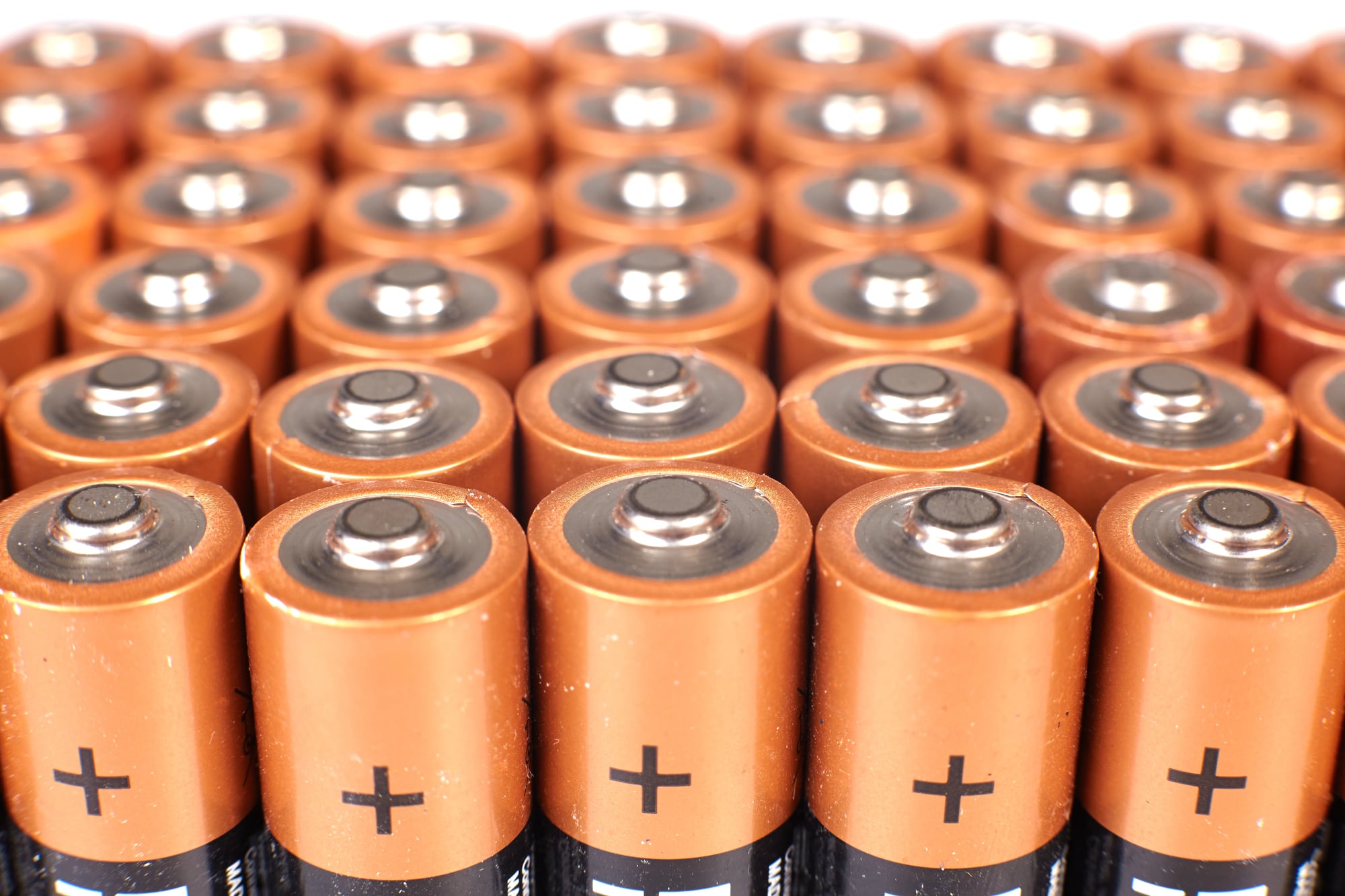
Standard batteries—particularly name-brand AAs and AAAs—are among the most commonly stolen items in stores. Their high retail price compared to their size makes them attractive targets.
A pack of eight batteries can cost twenty dollars or more. The universal need for batteries means stolen products sell easily.
Thieves know that almost everyone needs batteries for something, whether it’s remote controls, flashlights, or children’s toys. The packaging is small enough that someone can walk out with several packs hidden in clothing.
Electronics Accessories

Charging cables, earbuds, and phone cases get stolen constantly from stores. These small items carry surprisingly high price tags, especially for brand-name versions.
A single charging cable or set of wireless earbuds can cost anywhere from twenty to two hundred dollars. The compact nature of these accessories makes them easy to pocket.
Their consistent demand means they resell quickly online or through informal channels. Some thieves specifically target electronics sections because they know exactly what items will move fastest after being stolen.
Clothing and Accessories
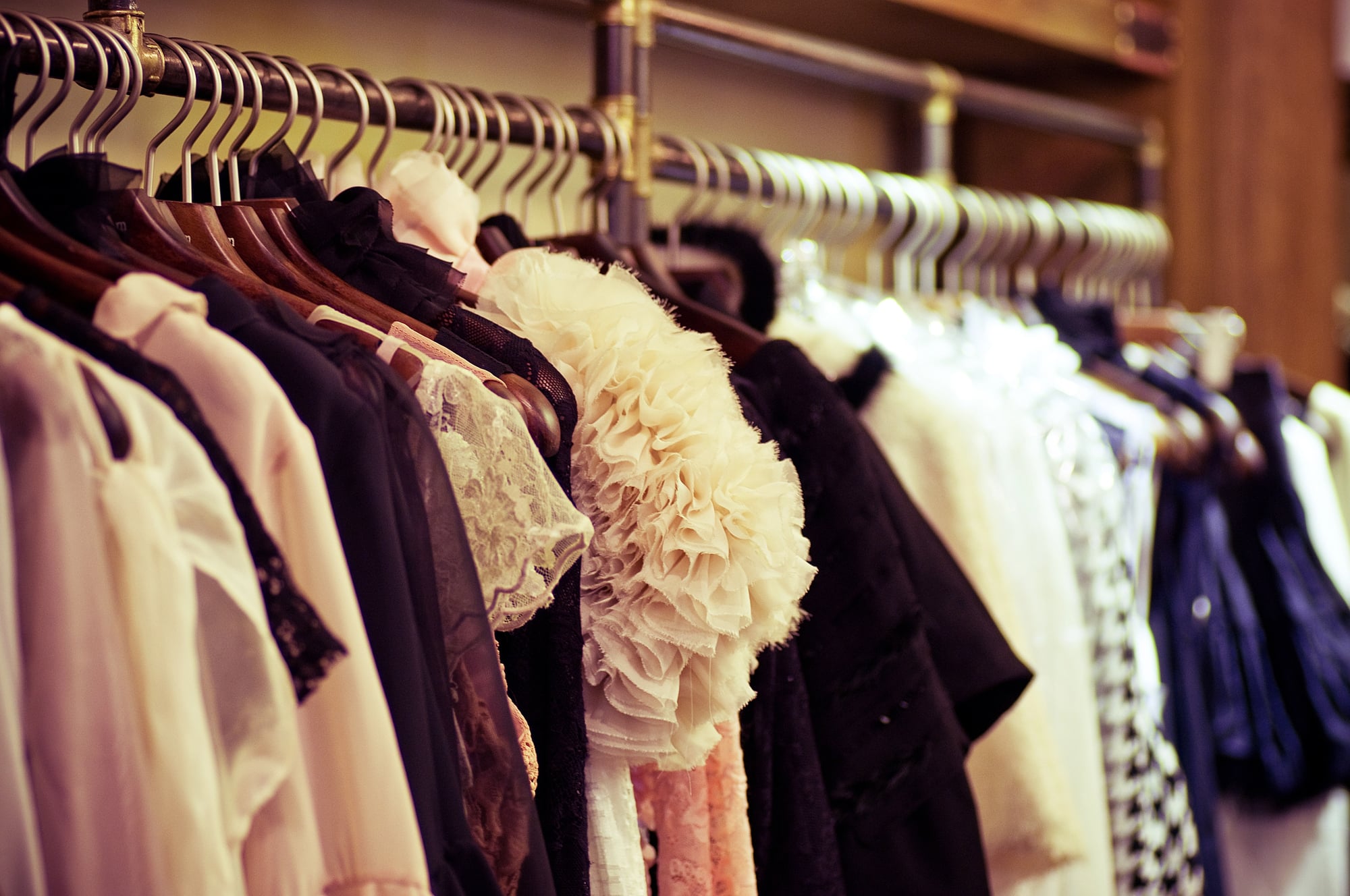
Designer jeans, athletic wear, and branded accessories are frequent targets. Industry estimates suggest that baby clothing thefts account for approximately four percent of all stolen supermarket items, as parents facing financial difficulties may resort to theft when they cannot afford new clothing for growing children.
Thieves often work methodically, stealing specific sizes and styles they know will sell. Expensive sneakers are particularly vulnerable.
Limited edition shoes or popular athletic brands can be worth hundreds of dollars per pair. Athleisure wear has become increasingly targeted as demand for sports fashion has risen.
Branded items, sports shirts, football strips, and trainers are stolen in batches and easy to sell through informal channels. Some organized retail crime operations focus exclusively on clothing because of the high resale value.
Thieves sometimes switch price tags or manipulate self-checkout systems, while others simply conceal items in bags and walk out. Smaller items like scarves, hats, and accessories are also frequently stolen because they’re easy to hide.
Chocolate and Candy

Premium chocolate bars and specialty candies get stolen more often than you’d expect. Studies show that confectionery thefts make up nearly seven percent of all stolen grocery items.
In the United Kingdom, chocolate was found to be the most stolen food item in surveys of retailers. While individual items might not cost much, thieves often take multiple packages at once.
Rising costs of confectionery, driven by inflation and other economic factors, have made the problem worse. Chocolate’s universal appeal and long shelf life make it easy to resell at flea markets or through informal networks.
Some theft is driven by young people who want items they can’t afford, but organized operations also target premium chocolates because of their resale potential. The combination of small size, high demand, and increasing prices has made chocolate a consistent target.
Thieves know that almost everyone wants chocolate, creating a ready market for stolen products sold at discounted prices.
Energy Drinks
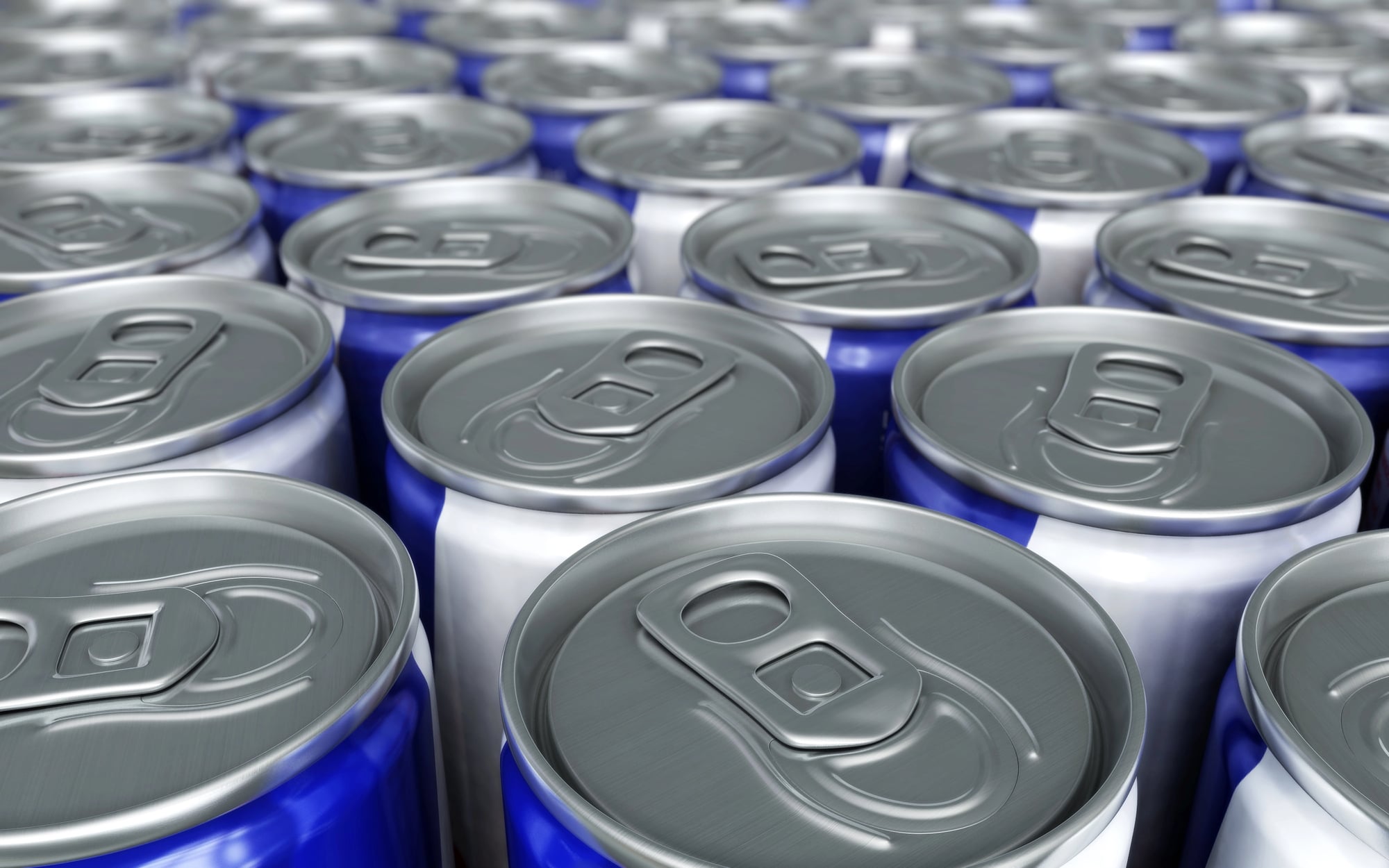
Cases of energy drinks disappear regularly from stores. These beverages are expensive, popular, and easy to resell.
A single can might cost three or four dollars, making a stolen case worth fifty dollars or more. The demand among young people and workers who need caffeine creates a ready market for stolen energy drinks.
Some thieves target these products specifically because they know friends or acquaintances who will buy them at discount prices. The cans are also easy to carry in bags or backpacks.
Cooking Oil

In some parts of the world, cooking oil ranks as one of the most stolen grocery items. Economic pressures and rising food prices drive people to steal this kitchen essential.
Bottles of premium olive oil or specialty cooking oils can be particularly expensive. The theft of cooking oil sometimes reflects broader economic struggles in communities.
When prices spike, people who need oil for daily cooking but can’t afford it resort to theft. Some organized operations also target cooking oil because it can be resold quickly.
Dental Care Products

Dental care products, especially whitening strips and electric toothbrushes, are stolen frequently from stores. Whitening strips are expensive—often costing forty or fifty dollars per box—and small enough to conceal easily.
Electric toothbrushes have become major theft targets, with police finding millions of dollars worth sold through illicit channels. The demand for whiter teeth and better oral hygiene drives both individual theft and organized operations.
Premium electric toothbrushes can cost upwards of fifty-five dollars, making them valuable targets. Recent cases have uncovered theft rings specifically focused on oral hygiene products, with tens of thousands of dollars worth stolen from single retail locations.
Stolen dental products often appear on online marketplaces at discounted prices. The packaging usually looks legitimate, making it hard for buyers to identify stolen products.
Many stores now keep these items behind locked displays or near checkout counters to prevent theft.
Vitamins and Supplements

Bottles of vitamins, protein powder, and dietary supplements disappear regularly from health food sections. These products can be extremely expensive, with some premium supplements costing over a hundred dollars per container.
Their perceived health benefits create steady demand. Thieves target specific brands and formulations they know will resell quickly.
Some stolen supplements end up at gyms, through personal trainers, or on online marketplaces. The bottles are small enough that someone can walk out with several hundred dollars worth of product hidden in clothing.
Laundry Detergent
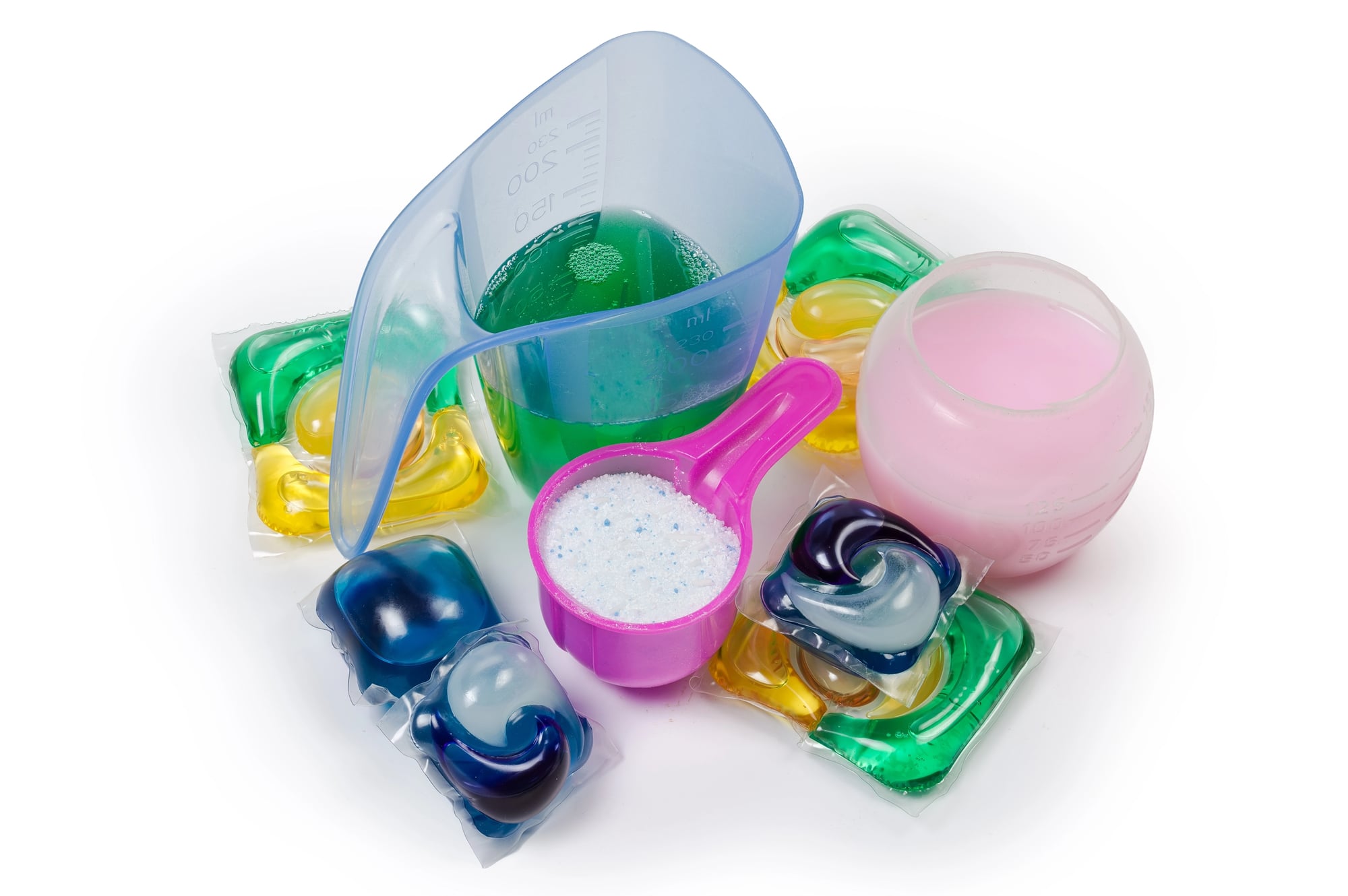
Large containers of brand-name laundry detergent, particularly Tide, are stolen surprisingly often. The National Retail Federation lists laundry detergent among the most commonly stolen products in organized retail crime.
These bulky items might seem difficult to conceal, but thieves have developed effective methods, and the high retail price—sometimes thirty or forty dollars for a large container—makes the effort worthwhile. Tide detergent has been called “liquid gold” by retail security experts because it holds its value well on the black market.
The product’s universal need, high price, brand recognition, and long shelf life create perfect conditions for resale. Stolen detergent gets sold at flea markets, through informal networks, or to smaller stores at sharp discounts.
Some thieves even trade detergent directly for substances. Recent organized retail crime operations have involved thefts of tens of thousands of dollars worth of laundry detergent.
Some stores have started locking up detergent or placing security tags on bottles, though determined thieves find ways to defeat these measures. The problem has become serious enough that some retailers have formed task forces specifically to combat detergent theft.
Gift Cards

While not exactly a grocery item in the traditional sense, gift cards available at grocery stores are frequently stolen. Thieves sometimes activate the cards using stolen credit card information, making the theft harder to trace.
Other times they simply steal unactivated cards hoping to find ways to exploit them later. The small size of gift cards makes them easy to take in large quantities.
A thief can walk out with dozens of cards worth potentially thousands of dollars if they can successfully activate or exploit them. Stores have implemented various security measures, but theft continues.
Deodorant and Body Spray

Branded deodorants and body sprays, particularly popular brands like Axe, are consistently stolen from stores. These products can be quite expensive for quality brands, and their small size allows for easy concealment.
Deodorant is especially popular as a theft target around holidays when people look for inexpensive gifts. The products are small enough to slip into pockets or bags without detection, making them attractive to opportunistic thieves.
Teenagers are particularly associated with stealing body sprays and deodorants, though organized theft operations also target these items. Some thieves steal deodorants in bulk by quickly sweeping fixtures with their forearms.
The universal need for personal hygiene products combined with the relatively high cost of premium brands creates steady demand. Stolen deodorants can be easily resold through informal networks or at discount prices, making them worthwhile targets despite their modest individual value.
Snack Foods
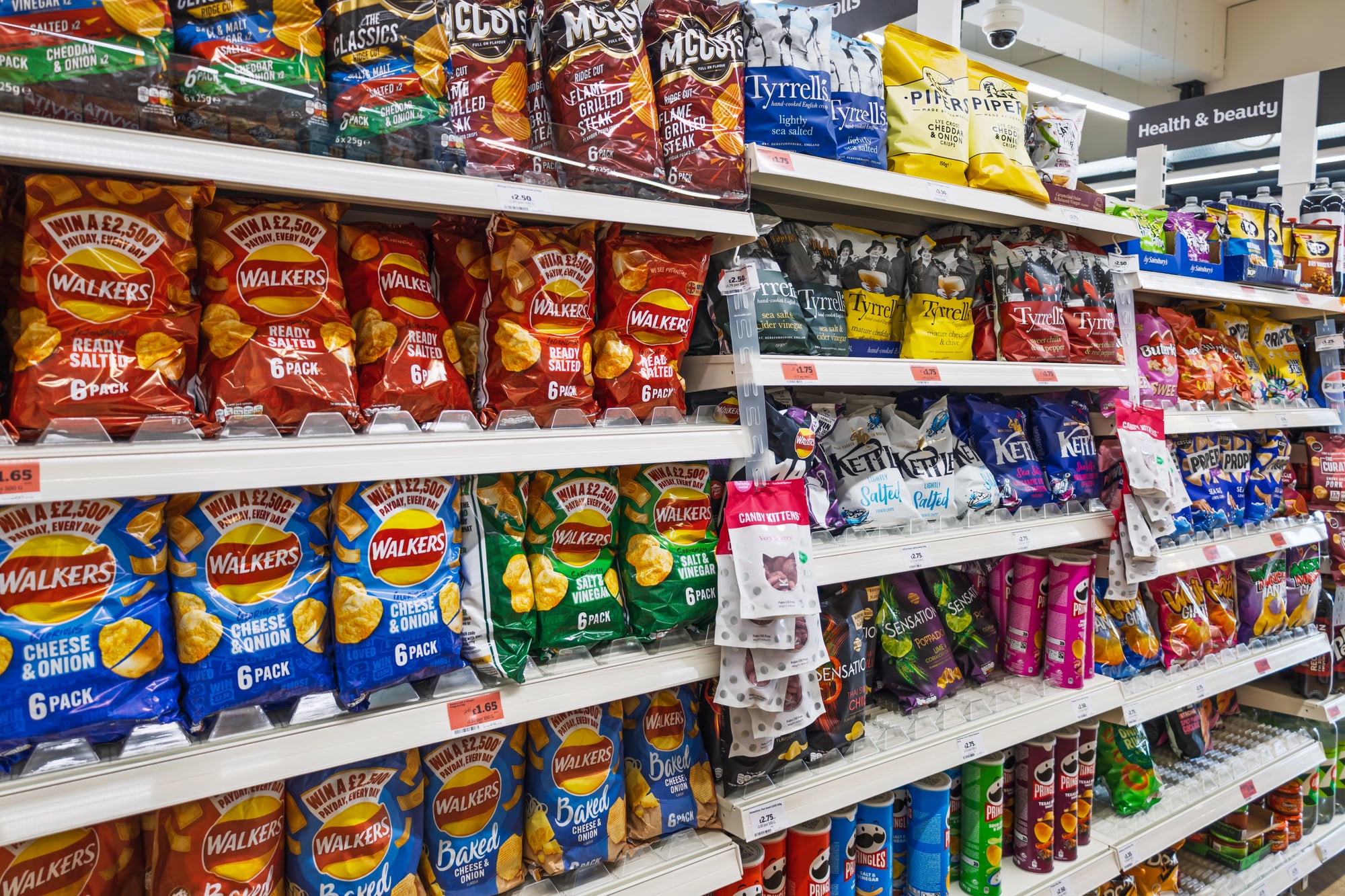
Fancy snack packs, energy bars, or niche eats keep vanishing without a trace. Since they’re quick to munch down, there’s nothing left behind – just an empty stomach solved on the spot.
A few people grab these treats just ‘cause they’re starving and broke. Premium protein bars plus organic treats might run a few bucks apiece.
Yet someone could leave with twenty or even thirty bucks’ worth stuffed in their coat or pants. Stealing grub? It’s usually tied to money struggles and folks not having enough to eat.
What Theft Patterns Reveal

The things stolen most often reveal patterns around money, chance, and what folks need. Sometimes theft comes from real hardship – like a parent grabbing baby formula or someone hungry swiping groceries.
At other times, it’s part of bigger schemes where valuable goods are taken to sell later. Retailers fight back using tactics like sealed cases or hiring more staff.
Yet similar trends show up no matter the country or economy. Items stolen most tend to have something in common – they hold value, are small enough to carry, and can move quickly on the market.
Looking at these habits makes it clearer why shoplifting keeps happening – and what tangled causes lie underneath.
More from Go2Tutors!

- The Romanov Crown Jewels and Their Tragic Fate
- 13 Historical Mysteries That Science Still Can’t Solve
- Famous Hoaxes That Fooled the World for Years
- 15 Child Stars with Tragic Adult Lives
- 16 Famous Jewelry Pieces in History
Like Go2Tutors’s content? Follow us on MSN.