Popular Authors Hiding Behind Aliases
Some of the biggest names in literature aren’t actually names at all. They’re carefully chosen pen names that authors created to separate their work, dodge judgment, or simply reinvent themselves.
Behind many beloved books sit writers who decided their real names just wouldn’t cut it for one reason or another. The practice goes back centuries and continues today, proving that sometimes a fresh identity helps creativity flow better than using the name on a birth certificate.
Here are some of the most successful authors who built careers under names that weren’t really theirs.
Stephen King as Richard Bachman
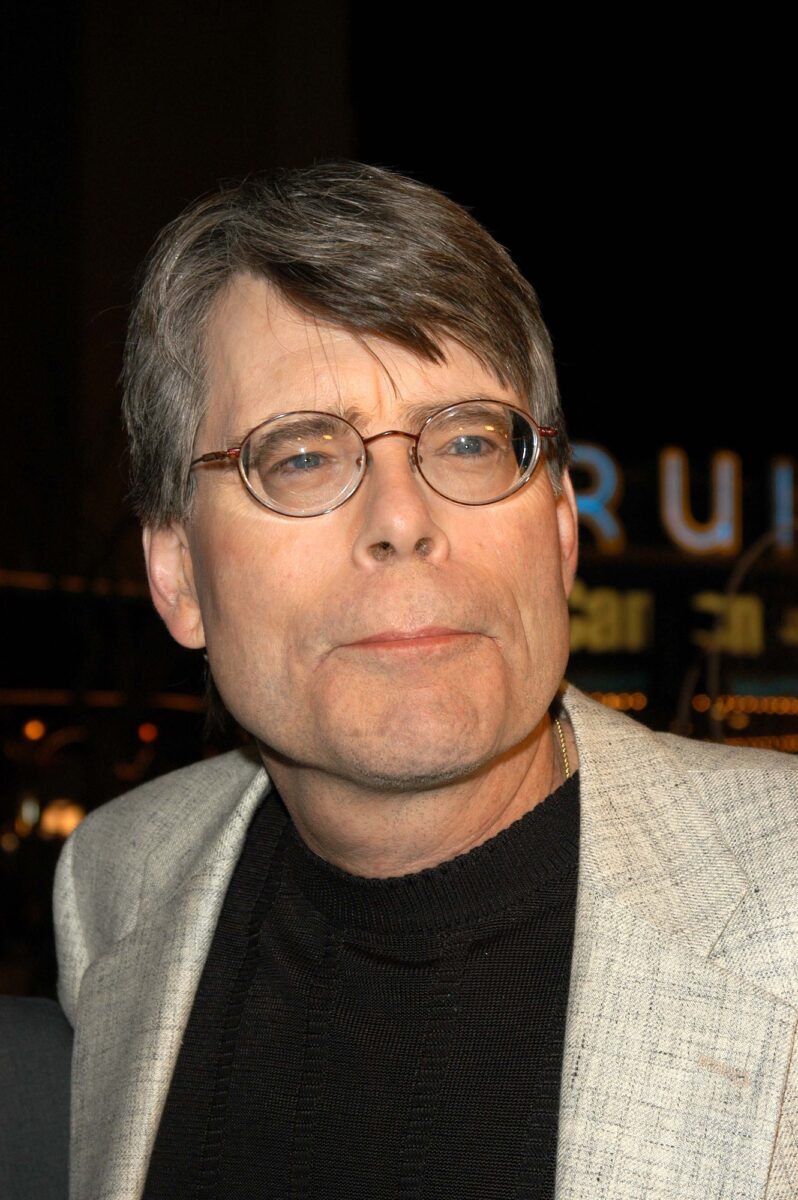
Stephen King wanted to publish more books than his contract allowed, so he invented Richard Bachman in the 1970s. The pseudonym let him release extra novels without flooding the market with the King name.
Bachman’s books had a darker, grittier tone than typical King novels, and they sold modestly until a bookstore clerk figured out the truth. Once people learned Bachman was King, sales for those books shot up dramatically.
King kept using the name occasionally even after the secret got out, treating Bachman as a separate creative space where he could experiment without expectations.
J.K. Rowling as Robert Galbraith
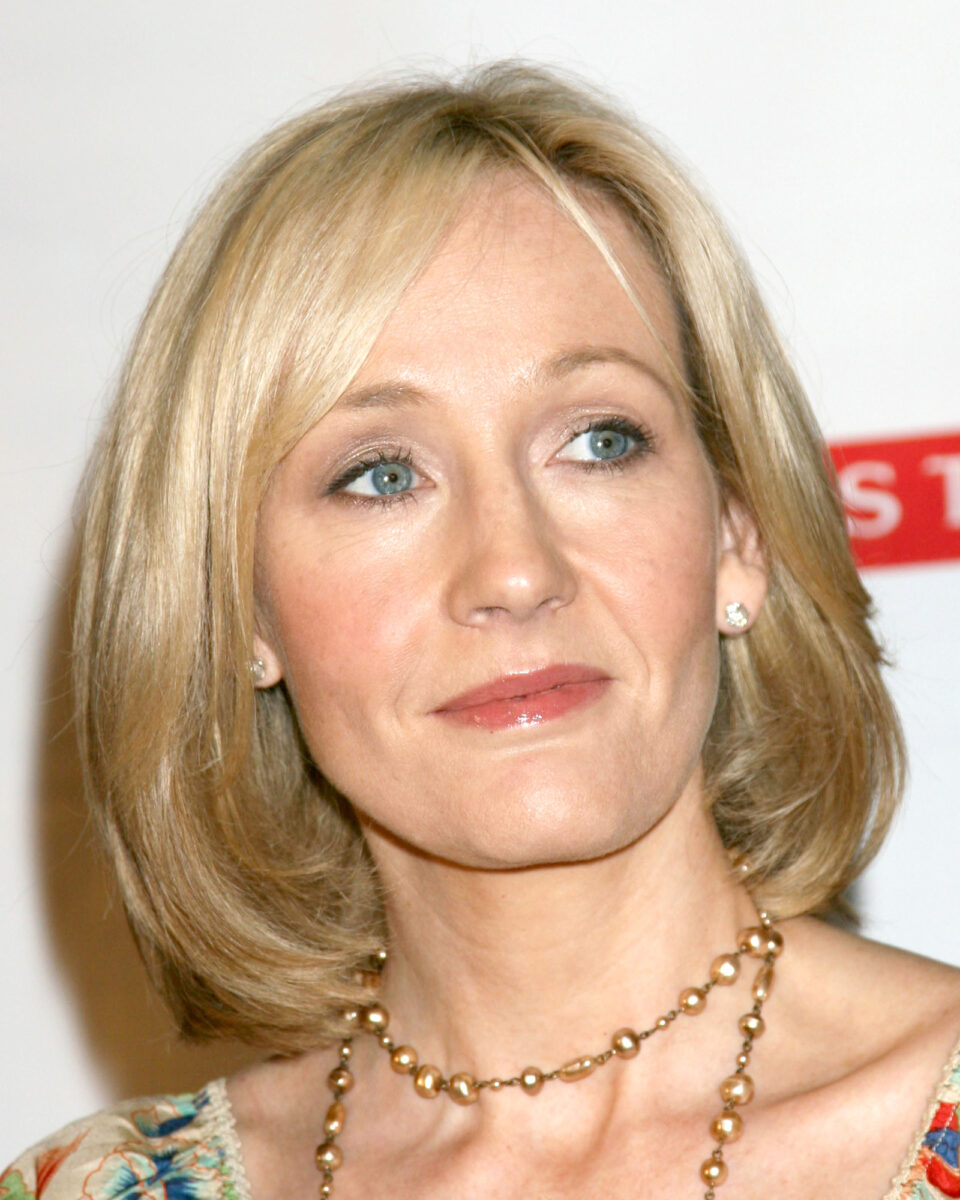
After Harry Potter made her one of the most famous authors alive, J.K. Rowling wanted to write crime fiction without the massive spotlight. She created Robert Galbraith and published ‘The Cuckoo’s Calling’ in 2013.
The book got decent reviews but weak sales until someone leaked her identity to the press. Sales jumped 4,000 percent in a single day once people knew Rowling wrote it.
She’s continued the Galbraith series anyway, saying the pseudonym gives her creative freedom without the weight of Potter comparisons.
Agatha Christie as Mary Westmacott

The queen of mystery novels wrote romantic fiction under Mary Westmacott because she worried fans wouldn’t accept her in a different genre. Christie published six novels as Westmacott between 1930 and 1956, keeping the secret for decades.
These books explored emotional relationships and psychological depth rather than murders and detectives. Critics actually praised the Westmacott novels without knowing Christie wrote them, which must have felt pretty satisfying.
She finally admitted the truth in the 1940s but kept writing under both names.
Anne Rice as A.N. Roquelaure and Anne Rampling

Anne Rice branched out from vampire stories into other adult fiction using two different pen names. As A.N. Roquelaure, she wrote a trilogy that publishers wouldn’t have accepted under her famous name.
Under Anne Rampling, she published contemporary fiction that had nothing to do with supernatural themes. The different names let her explore various styles without confusing readers who picked up books expecting vampires.
Rice eventually revealed herself as the author behind these aliases, but the separate identities served their purpose during publication.
Dean Koontz under a dozen names
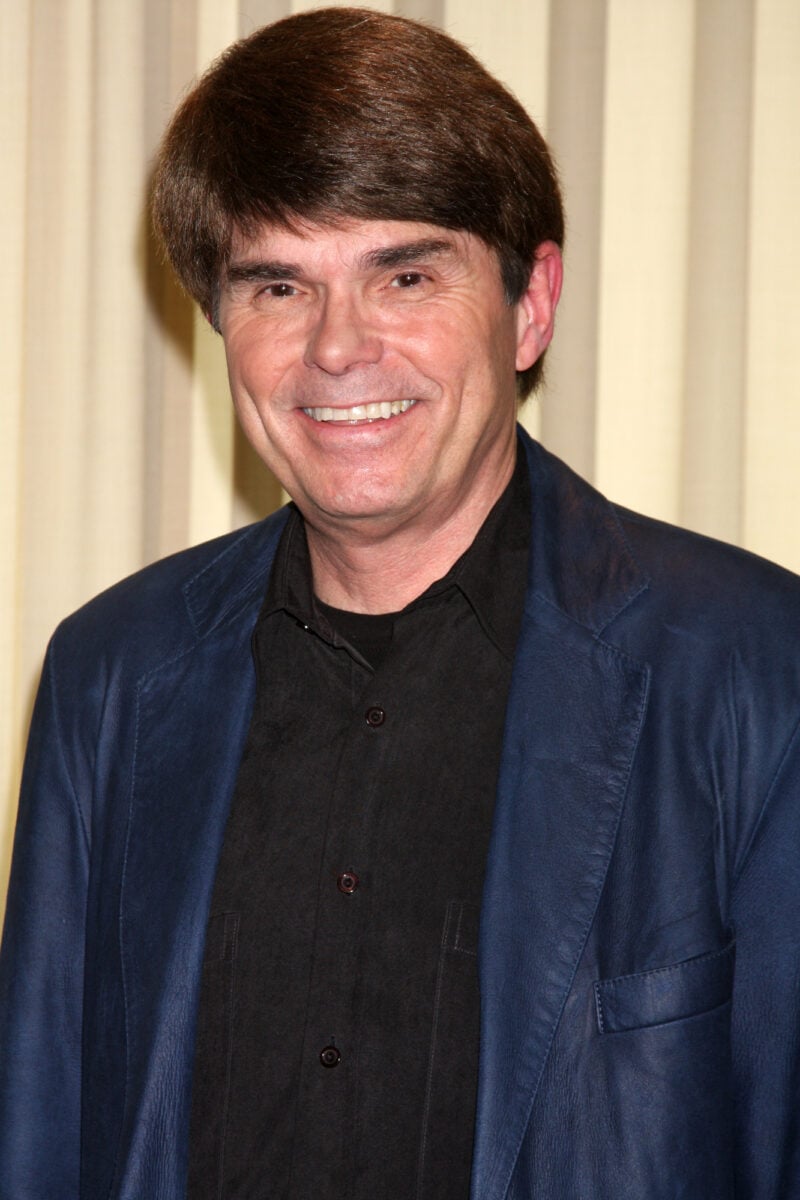
Dean Koontz used at least ten different pseudonyms early in his career, including Leigh Nichols, Brian Coffey, and David Axton. Publishers wanted him to write in specific genres, so different names signaled different types of stories to readers.
Some names were for science fiction, others for suspense, and some for horror. As his actual name gained recognition, he stopped using most aliases and republished the older books under his real name.
The strategy helped him write prolifically without confusing his growing audience.
Nora Roberts as J.D. Robb
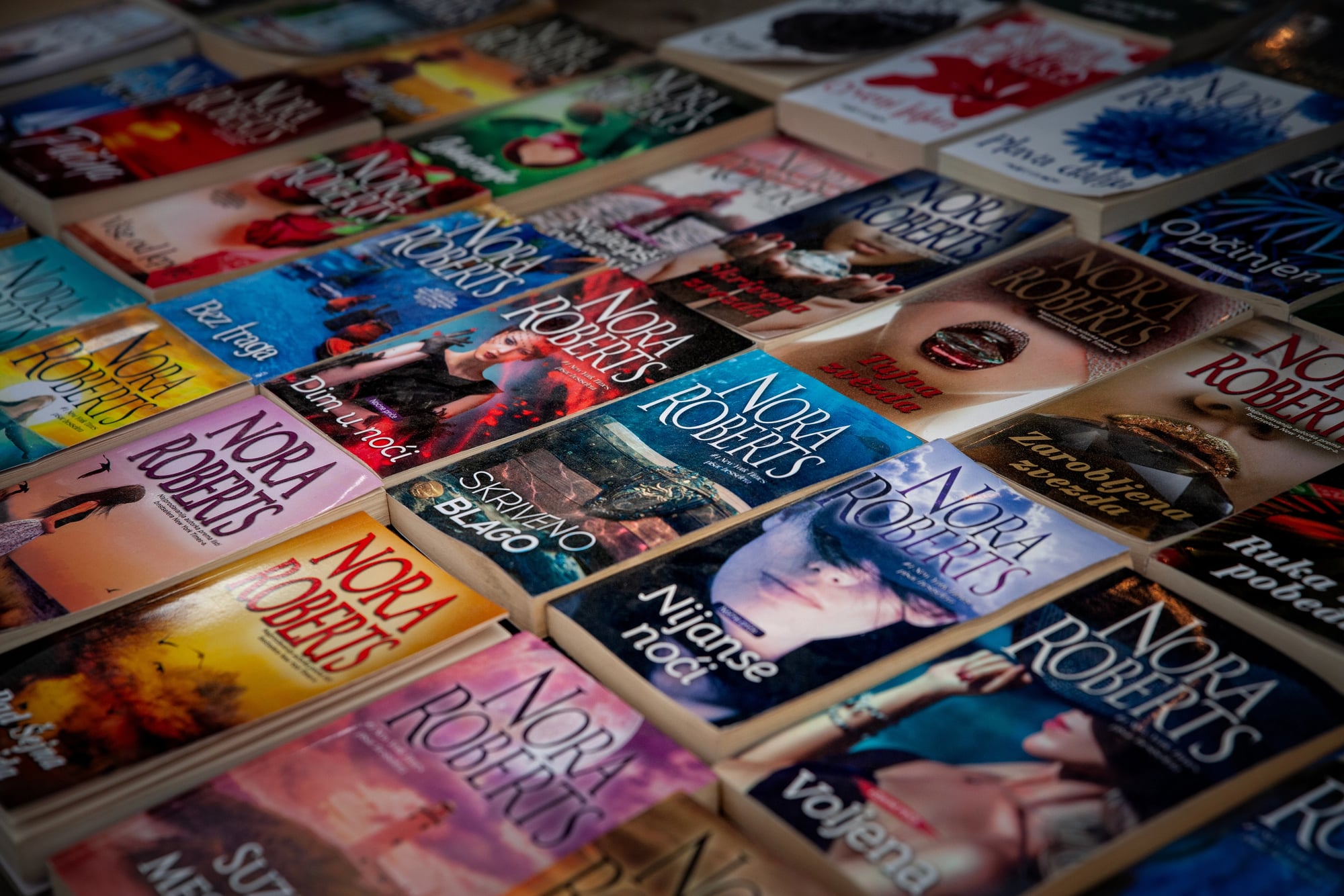
Romance novelist Nora Roberts created J.D. Robb to write futuristic suspense novels without alienating her existing fans. The ‘In Death’ series under the Robb name launched in 1995 and became hugely successful on its own.
Roberts wanted to explore a grittier style with more violence and mystery than her romance novels typically contained. Publishers initially kept the connection quiet, though most fans figured it out pretty quickly.
Both names continue publishing separately, giving Roberts two distinct reader bases that sometimes overlap.
Mark Twain born Samuel Clemens
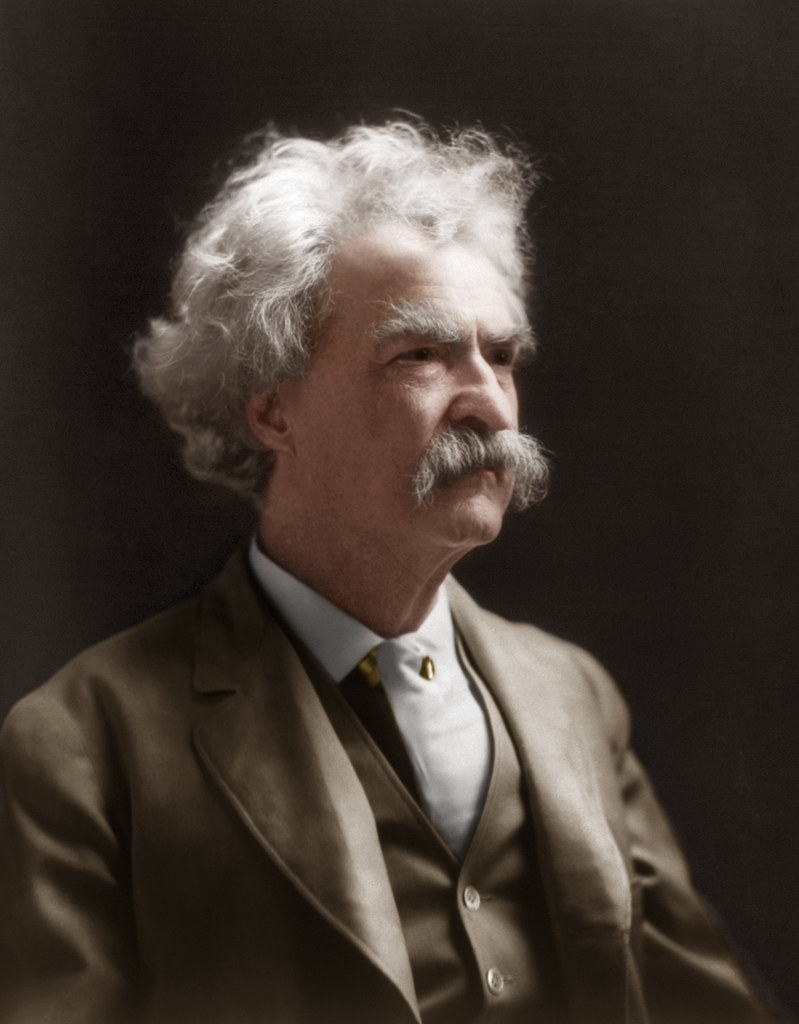
Samuel Clemens adopted ‘Mark Twain’ from riverboat slang meaning two fathoms deep, signaling safe water for navigation. The name fit perfectly with his stories about life on the Mississippi River.
Clemens tried other pen names first, but Mark Twain stuck and became more famous than his birth name ever was. He used the pseudonym for everything from humorous sketches to serious novels.
The name became so tied to his identity that most people don’t even know Samuel Clemens and Mark Twain were the same person.
George Orwell born Eric Blair
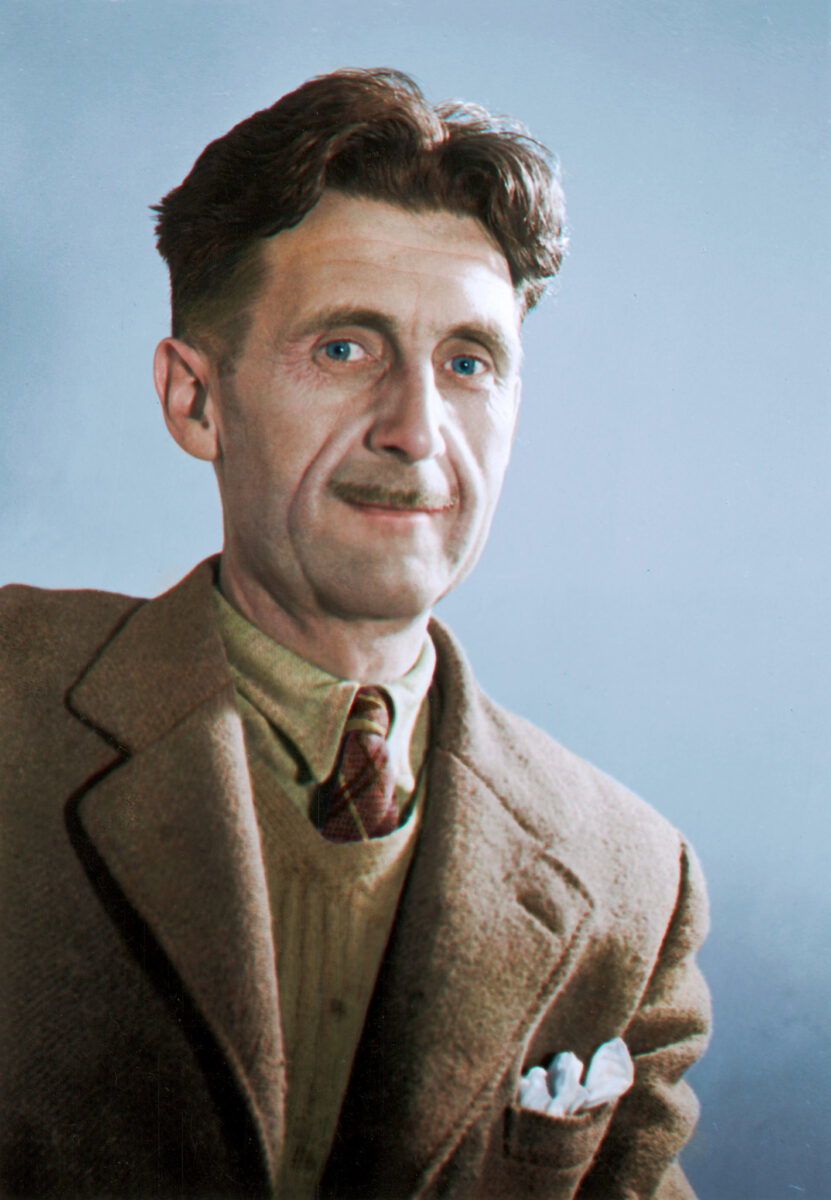
Eric Blair chose George Orwell because he wanted a strong, English-sounding name for his political writing. He picked George after the patron saint of England and Orwell from a river he loved in Suffolk.
Blair thought his birth name sounded too upper-class and didn’t match the working-class subjects he wrote about. The pseudonym created distance from his family while building a new identity as a political essayist and novelist.
‘1984’ and ‘Animal Farm’ made Orwell famous, while Eric Blair faded into obscurity.
Dr. Seuss born Theodor Geisel
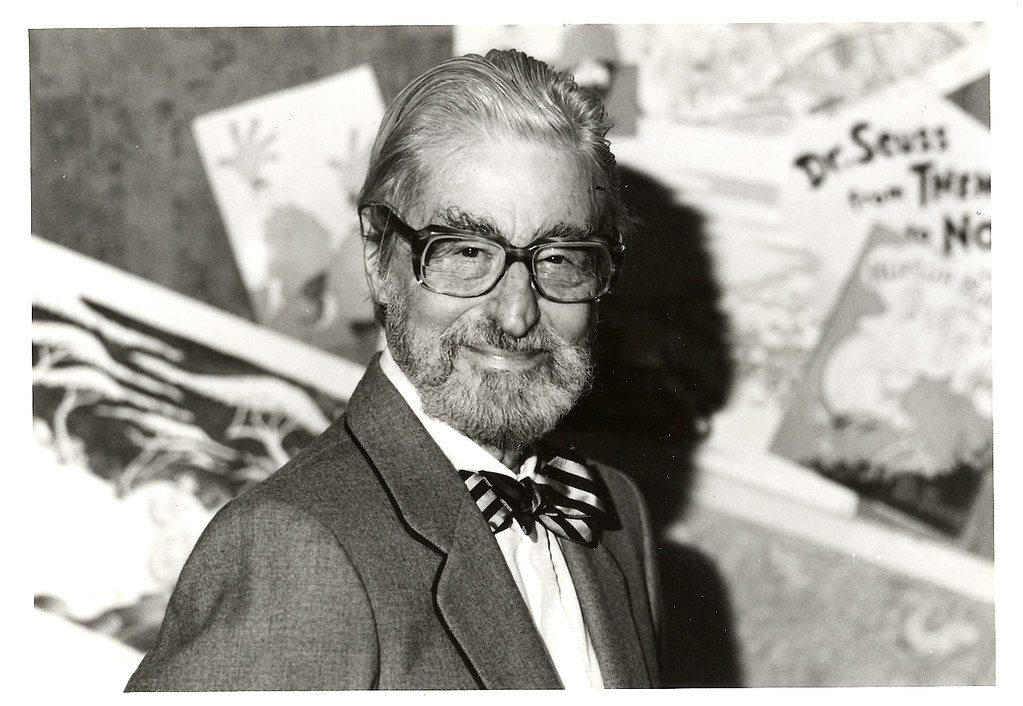
Theodor Geisel started using Dr. Seuss as a college student after getting banned from the humor magazine for drinking violations. He added the ‘Dr.’ as a joke since he never actually earned a doctorate.
The playful name matched perfectly with the silly, imaginative children’s books he’d later create. Geisel used other pseudonyms too, including Theo LeSieg (Geisel spelled backward) for books other people illustrated.
The Seuss name became synonymous with childhood itself, far more recognizable than Theodor Geisel ever would have been.
Lewis Carroll born Charles Dodgson
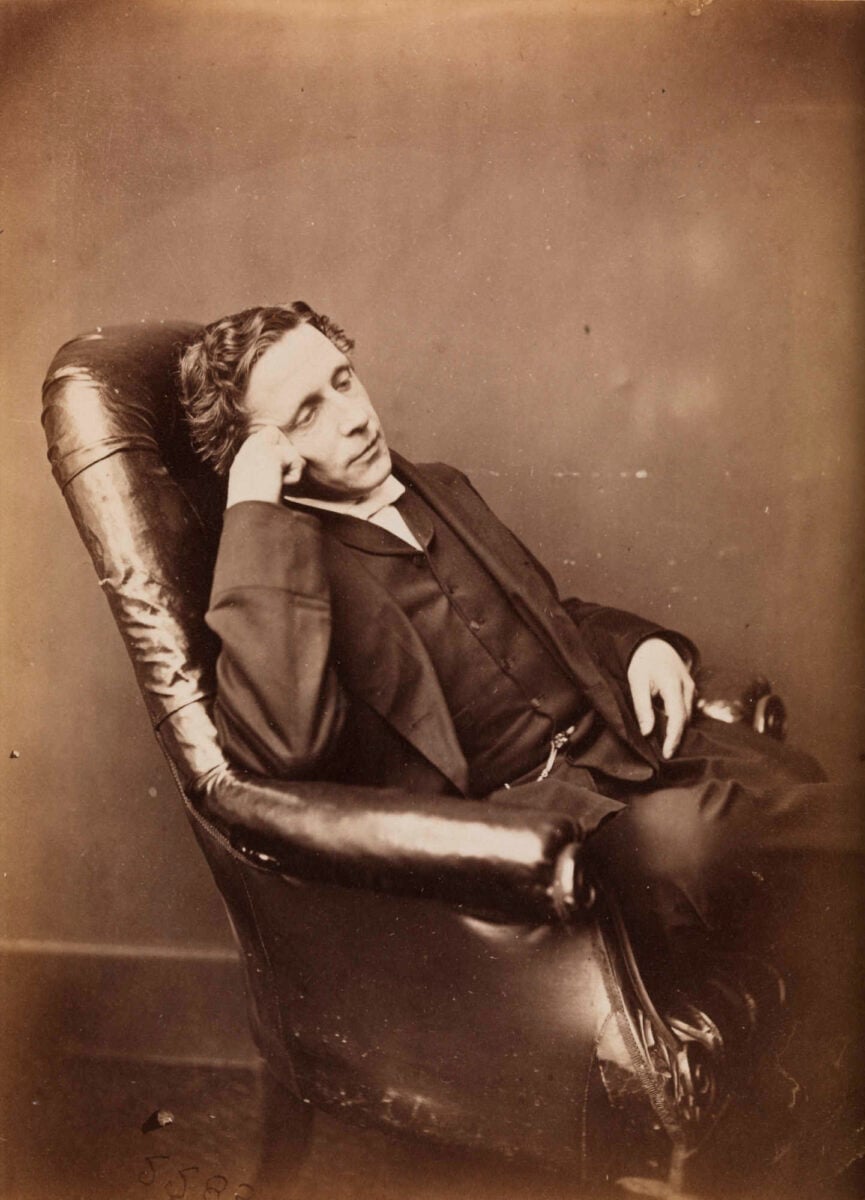
Charles Dodgson taught mathematics at Oxford and wanted to keep his whimsical children’s stories separate from his academic work. He created Lewis Carroll by translating his first and middle names into Latin, then back into English in a different form.
‘Alice’s Adventures in Wonderland’ made Carroll famous, but Dodgson kept his mathematical writing under his real name. Students and colleagues knew about the connection, though Dodgson preferred people treat the two identities as completely separate.
The pseudonym protected his serious reputation while letting his imagination run wild.
George Eliot born Mary Ann Evans
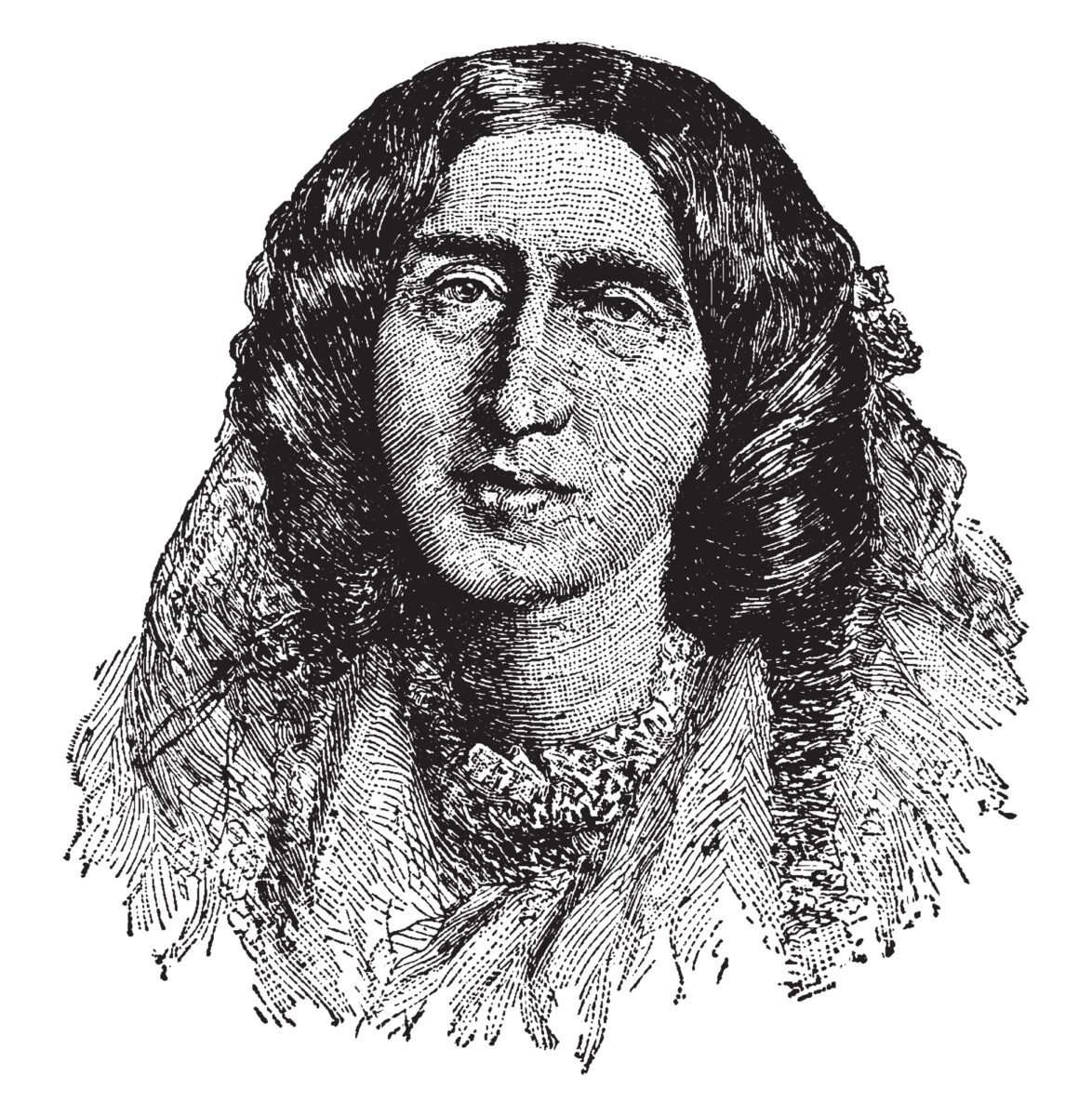
Mary Ann Evans used a male pen name because female authors weren’t taken seriously in the 1860s. She picked George Eliot specifically because George was her partner’s name and Eliot sounded nice.
Publishers and critics praised the intelligent, complex novels without knowing a woman wrote them. When her identity leaked, some critics suddenly found faults they’d ignored before.
Evans proved that bias affected how people judged writing, not just who wrote it.
George Sand born Amantine Dupin
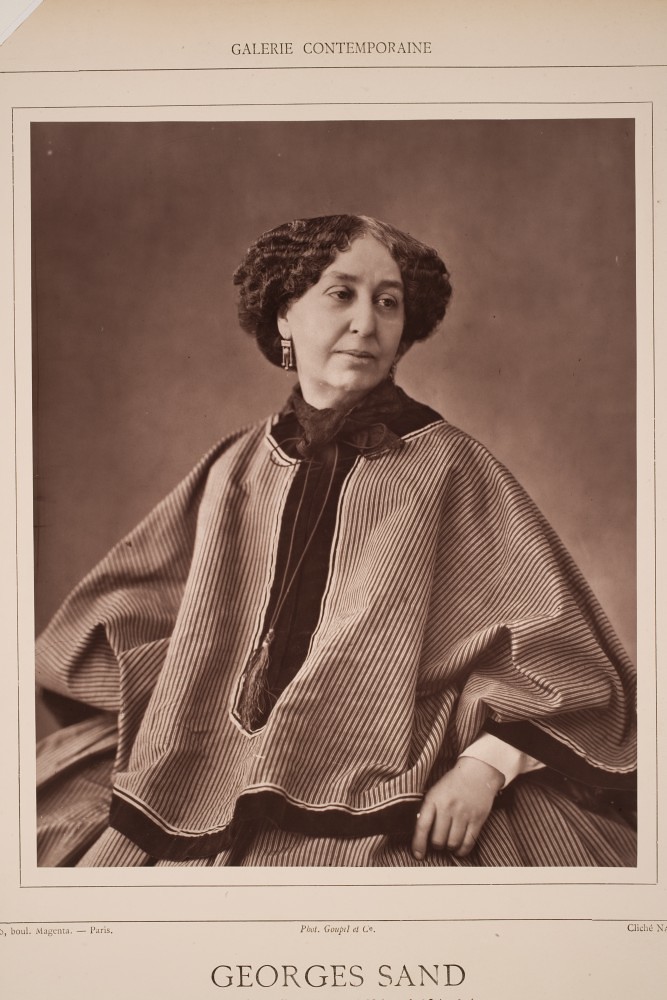
French writer Amantine Dupin adopted the masculine pen name George Sand for the same reason as George Eliot. Male authors got better pay, more respect, and wider distribution than women in 19th century France.
Sand wrote novels about social issues and women’s rights that challenged contemporary thinking. She became one of the most popular writers in Europe while keeping her male pseudonym throughout her career.
The name gave her freedom to write controversial topics without being dismissed as a hysterical woman.
C.S. Lewis sometimes N.W. Clerk
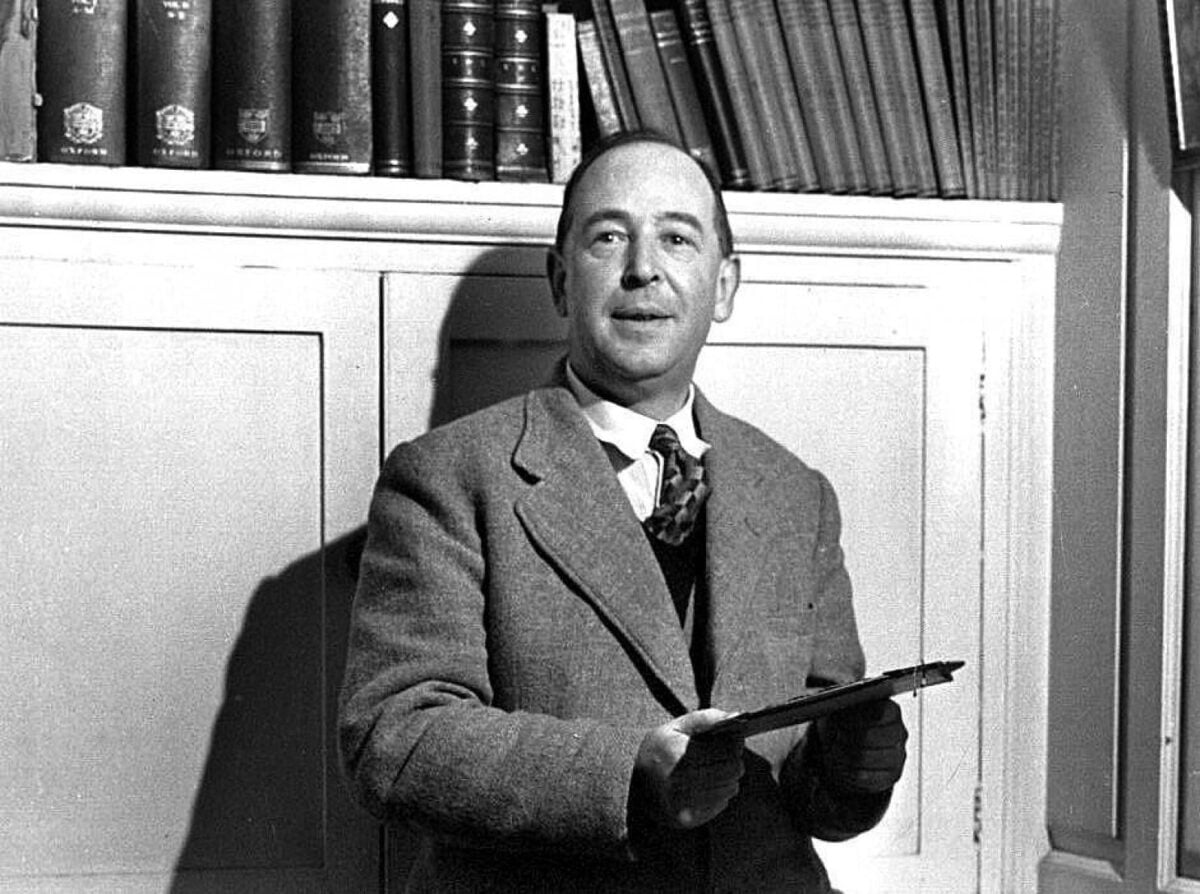
C.S. Lewis published ‘A Grief Observed’ under the pseudonym N.W. Clerk because the book was intensely personal. The memoir detailed his devastation after his wife’s death from cancer.
Lewis worried that using his famous name would make the book about him rather than the universal experience of grief. Publishers revealed his identity in later editions after he died.
The temporary anonymity let him write with raw honesty he might not have managed under his own name.
Isaac Asimov as Paul French
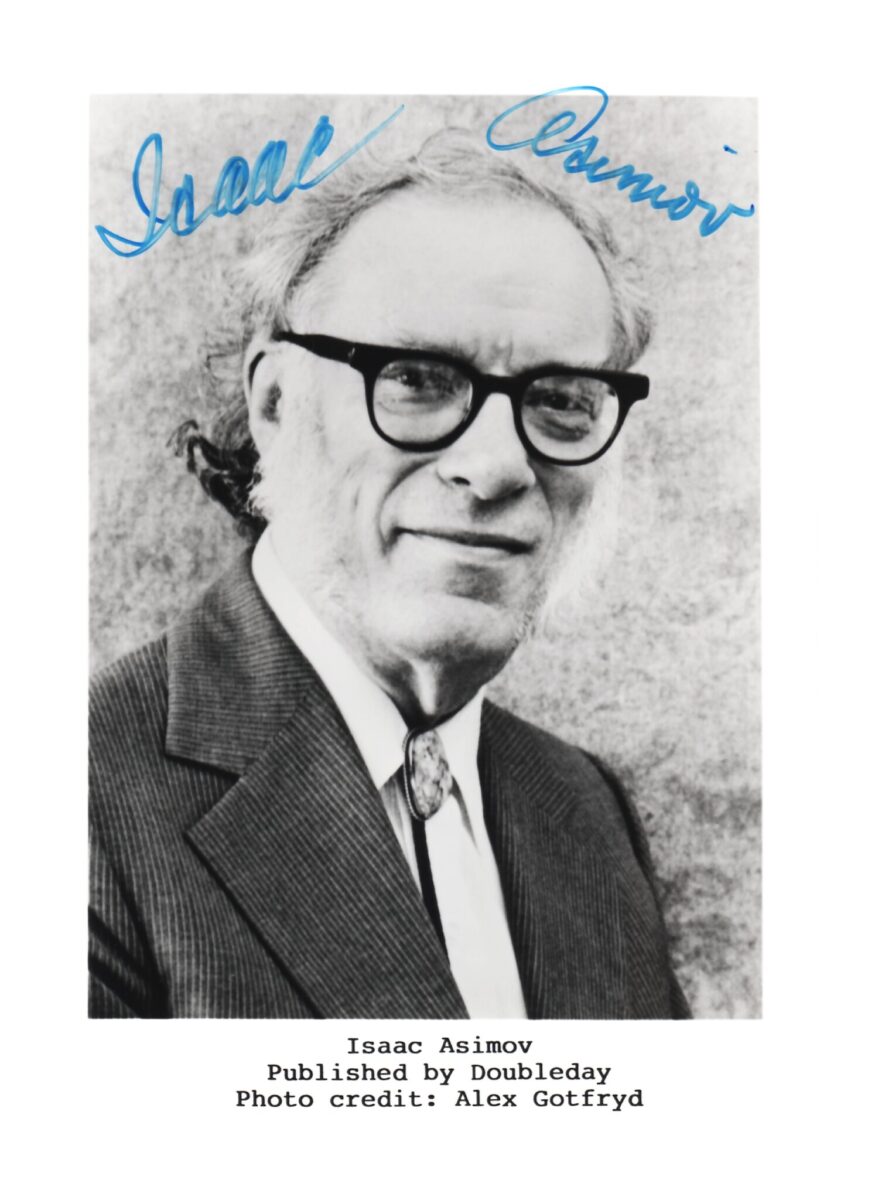
Science fiction legend Isaac Asimov wrote the ‘Lucky Starr’ juvenile space series as Paul French in the 1950s. His publishers wanted a separate identity for books aimed at younger readers.
Asimov agreed initially but later admitted to writing them once his reputation grew. The books stayed in print under both names depending on the edition.
The pseudonym served its purpose of creating distinction, even though Asimov’s real name eventually overshadowed the alias.
James Patterson and Co Authors
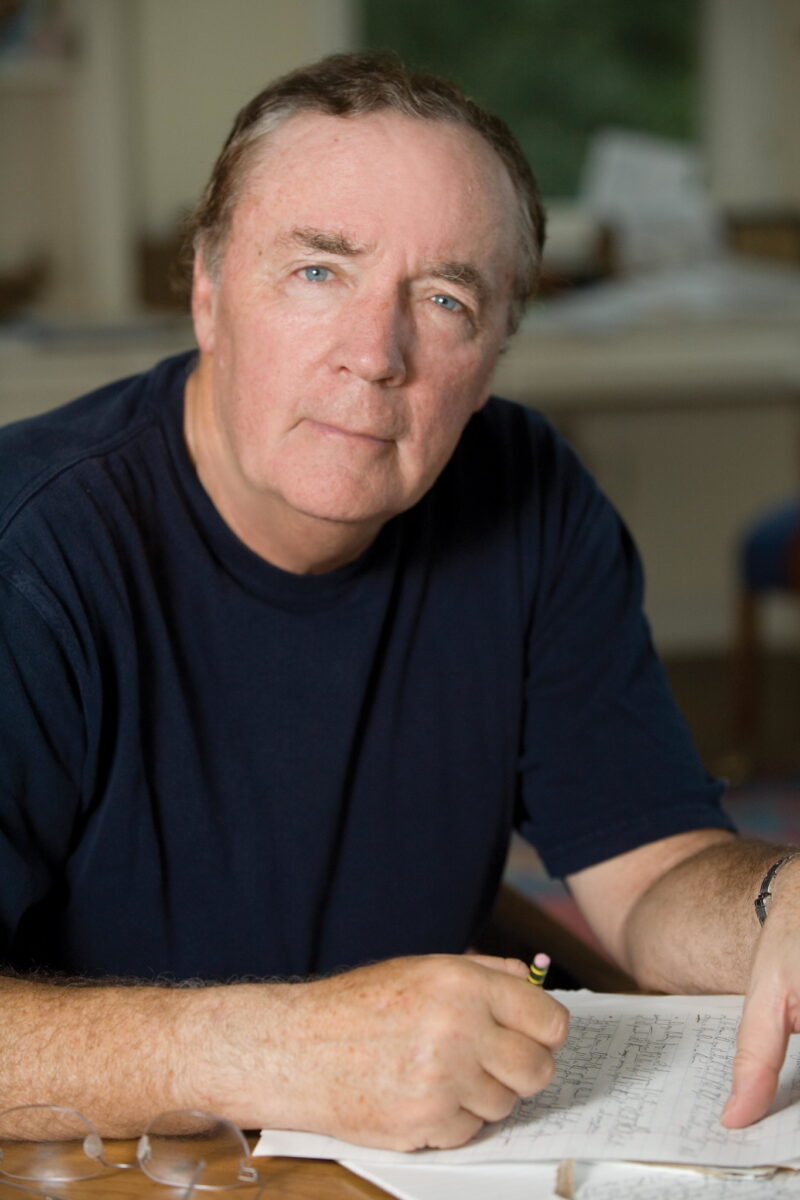
Some books carry James Patterson’s name boldly on the front, yet he might have written only a small part. Co-writers do much of the work, though their names show up faintly beneath his.
Year after year, those titles fly off shelves, tied together by branding more than authorship. Instead of working solo, he shapes plots while others handle drafting pages.
This setup allows dozens of releases every twelve months. What matters most to fans is the familiar rhythm between chapters – not who held the keyboard.
Evan Hunter Writes as Ed McBain
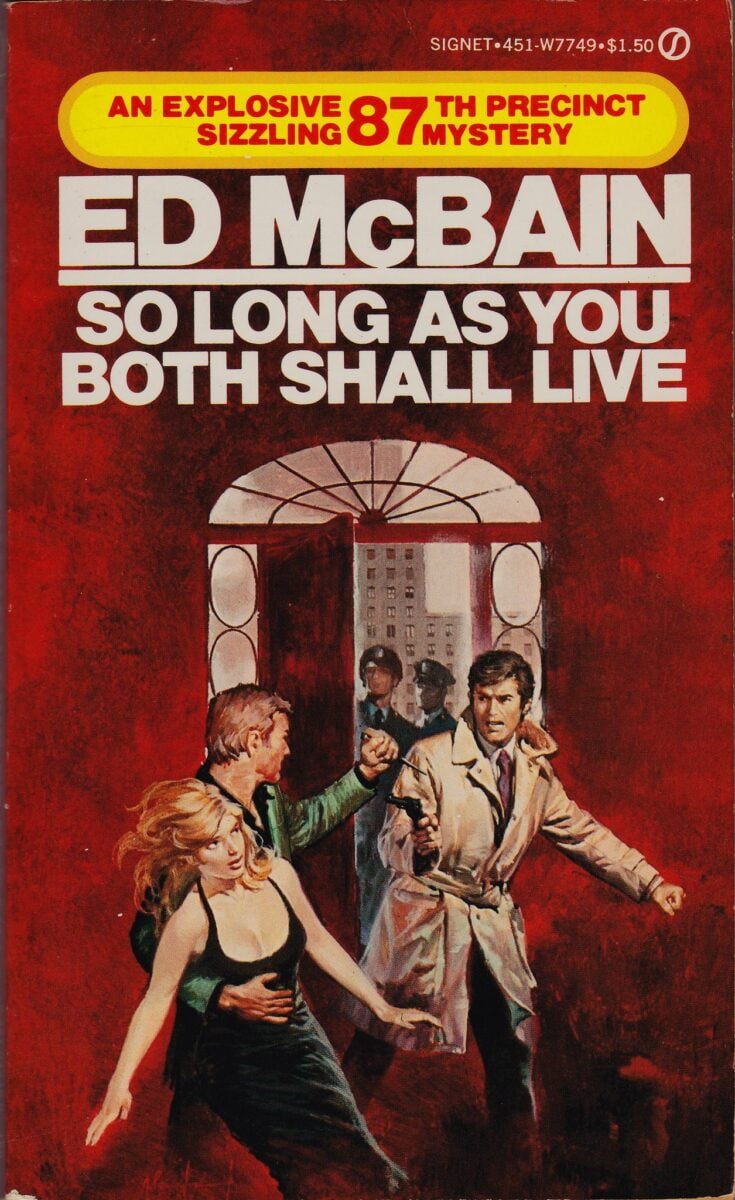
Born Salvatore Lombino, Evan Hunter made it official when he switched his name by law. Crime stories found a voice through Ed McBain, a handle dreamed up for darker tales.
Mainstream books carried Hunter’s real name on the cover instead. One man, two paths – one polished, one raw – each with its own audience.
Readers didn’t mix them up, which helped keep things clear. Success came knocking for both personas in their own time.
Later on, the truth about the double life came out. Still, he kept playing both roles until the end.
Why names matter

Names on covers aren’t always who they seem. A made-up name can open doors closed to someone’s legal one.
For some, it shields their private life from public eyes. It might fit the story better than a birth certificate ever could.
Back then, being born female or non-white often blocked paths into print – so pen names slipped past those gates. One person writes mysteries, another poetry; splitting identities keeps styles apart.
Starting over under new letters lets old mistakes fade behind fiction. Still going strong, this practice thrives when change starts by picking a fresh name.
A living individual stands behind each pen name, someone who felt their words needed more than just a birth-given title.
More from Go2Tutors!

- The Romanov Crown Jewels and Their Tragic Fate
- 13 Historical Mysteries That Science Still Can’t Solve
- Famous Hoaxes That Fooled the World for Years
- 15 Child Stars with Tragic Adult Lives
- 16 Famous Jewelry Pieces in History
Like Go2Tutors’s content? Follow us on MSN.



