Fastest Builds of Massive Structures
The race to construct massive buildings and infrastructure has accelerated dramatically in recent decades. Modern engineering techniques, prefabrication, and innovative project management approaches have shattered traditional timelines for completing enormous structures that once would have taken generations.
Here is a list of 20 remarkably fast builds of massive structures that demonstrate just how quickly we can now create engineering marvels:
Burj Khalifa

Dubai’s iconic skyscraper reached its full height of 2,717 feet in just 6 years—an astonishing pace for what was (and still is) the world’s tallest building. Construction crews added a new floor roughly every three days during peak building periods, with over 12,000 workers simultaneously on site at the height of construction.
Three Gorges Dam

China completed this enormous hydroelectric dam—spanning over a mile across the Yangtze River—in just 13 years, despite its staggering scale. The project moved forward at unprecedented speed, requiring the relocation of 1.3 million people and pouring enough concrete to build 63 Hoover Dams.
Like Go2Tutors’s content? Follow us on MSN.
The Empire State Building
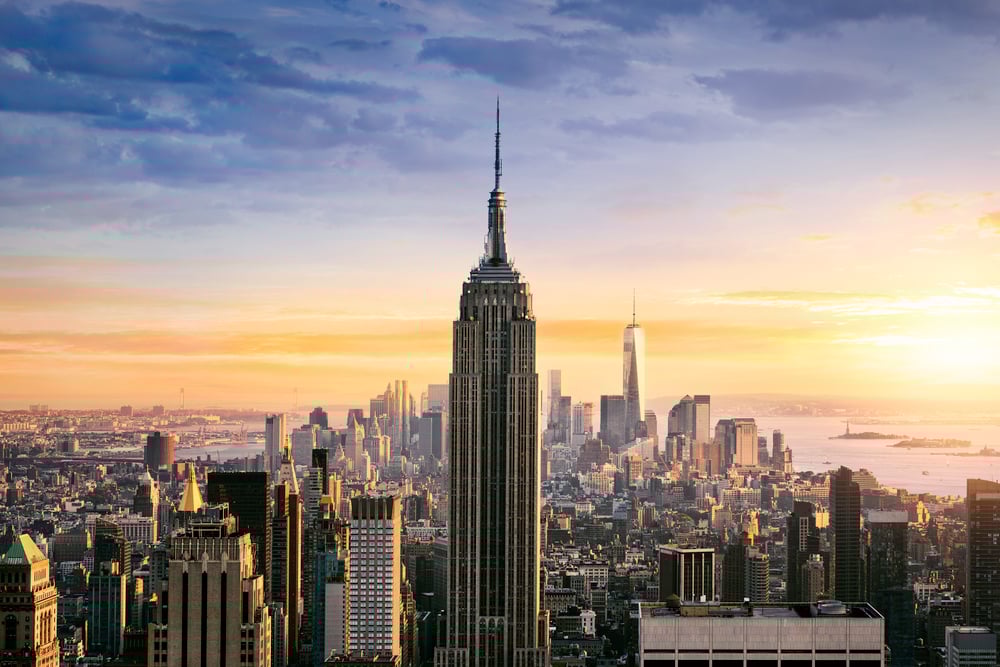
This New York landmark was constructed in just 410 days during the Great Depression, averaging about four-and-a-half floors per week. The 102-story skyscraper employed 3,400 workers and was completed under budget, standing as a testament to American engineering efficiency during one of the country’s most challenging economic periods.
The Pentagon

America’s military headquarters was built in an astonishing 16 months, completing construction in 1943. The building’s five concentric rings cover 6.5 million square feet, making this rapid construction timeline even more impressive when considering it was accomplished during wartime material shortages.
Beijing National Stadium
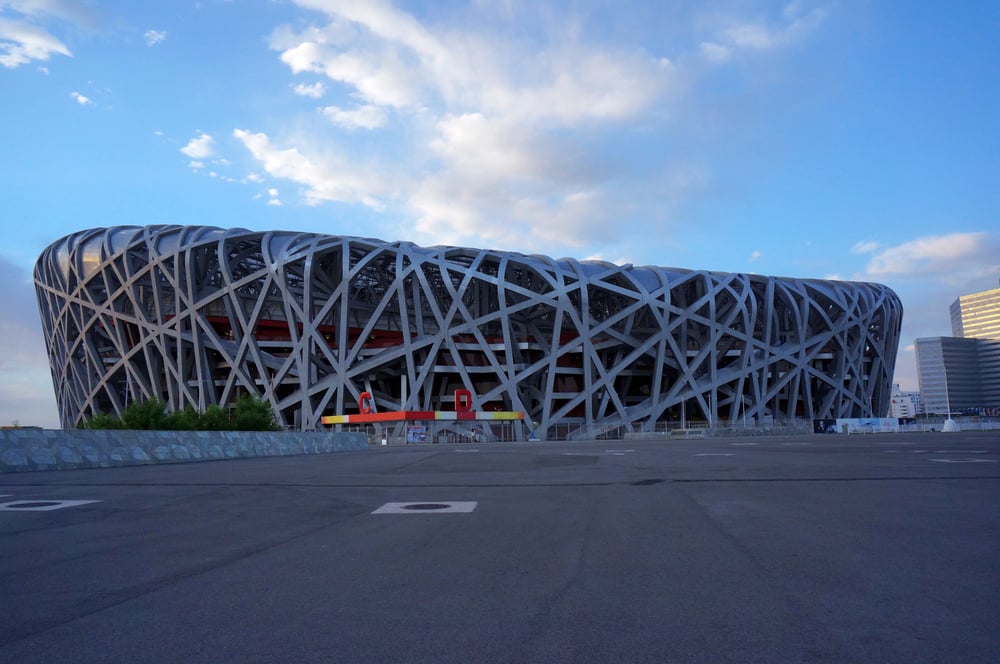
Known as the ‘Bird’s Nest,’ this Olympic stadium was constructed in just four years despite its complex interwoven steel structure. The venue, which hosted the 2008 Summer Olympics, required 42,000 tons of steel arranged in a unique pattern that made traditional construction methods impossible.
Like Go2Tutors’s content? Follow us on MSN.
Palm Jumeirah
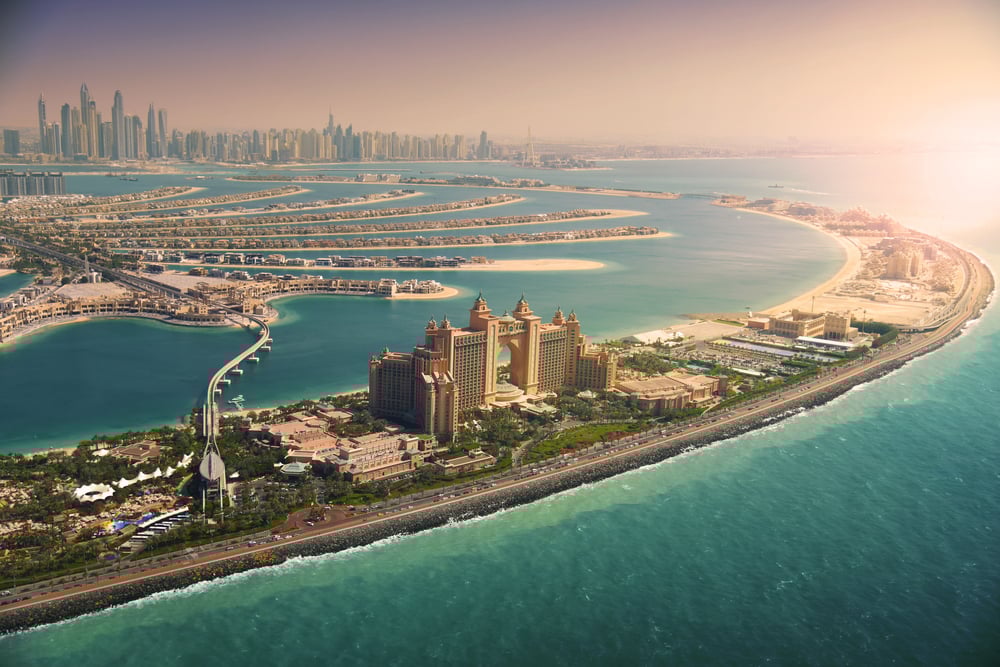
Dubai’s artificial palm-shaped island was created in just six years, requiring 94 million cubic meters of sand and 7 million tons of rock. Engineers used satellite-guided precision to place materials and vibro-compaction to stabilize the land, creating 520 kilometers of new coastline at unprecedented speed.
Shanghai Tower

China’s tallest skyscraper was constructed in just under 8 years, despite its complex twisted design and 128-story height. The 2,073-foot tower features a double-layered glass façade and nine distinct vertical zones, making its rapid construction timeline particularly notable.
Channel Tunnel

This 31-mile underwater rail tunnel connecting England and France was completed in just six years, with workers digging from both ends simultaneously. Construction teams removed enough soil to fill 8,000 Olympic swimming pools while building three separate tunnels at an average rate of 120 feet per day.
Like Go2Tutors’s content? Follow us on MSN.
Hoover Dam
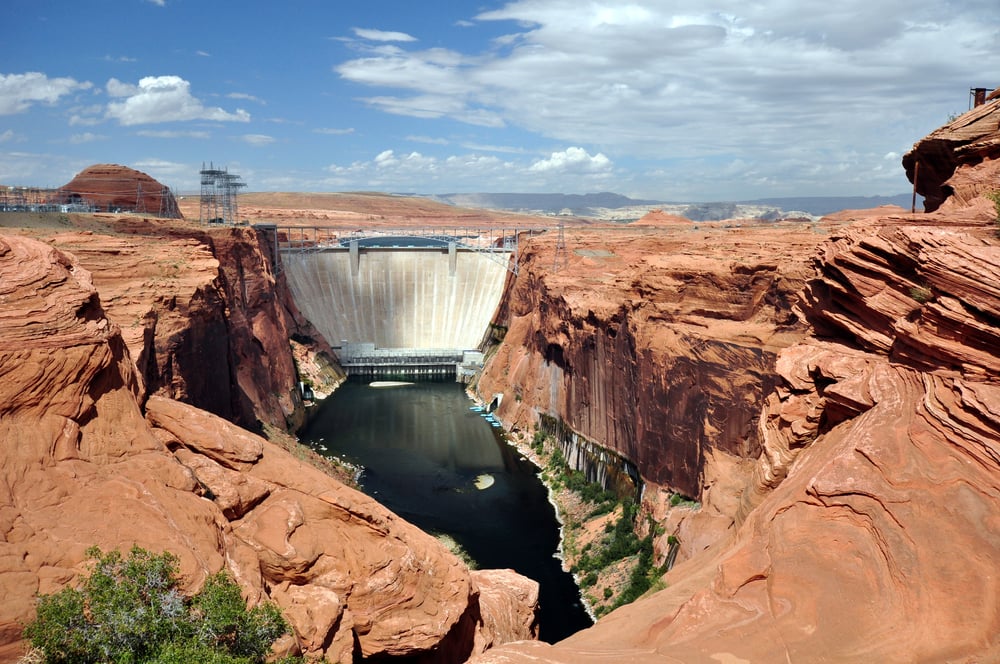
This massive concrete arch-gravity dam was finished two years ahead of schedule, taking only five years to complete during the Great Depression. Workers poured concrete around the clock in a carefully orchestrated sequence, as a single continuous pour would have taken 125 years to cool properly.
Millau Viaduct
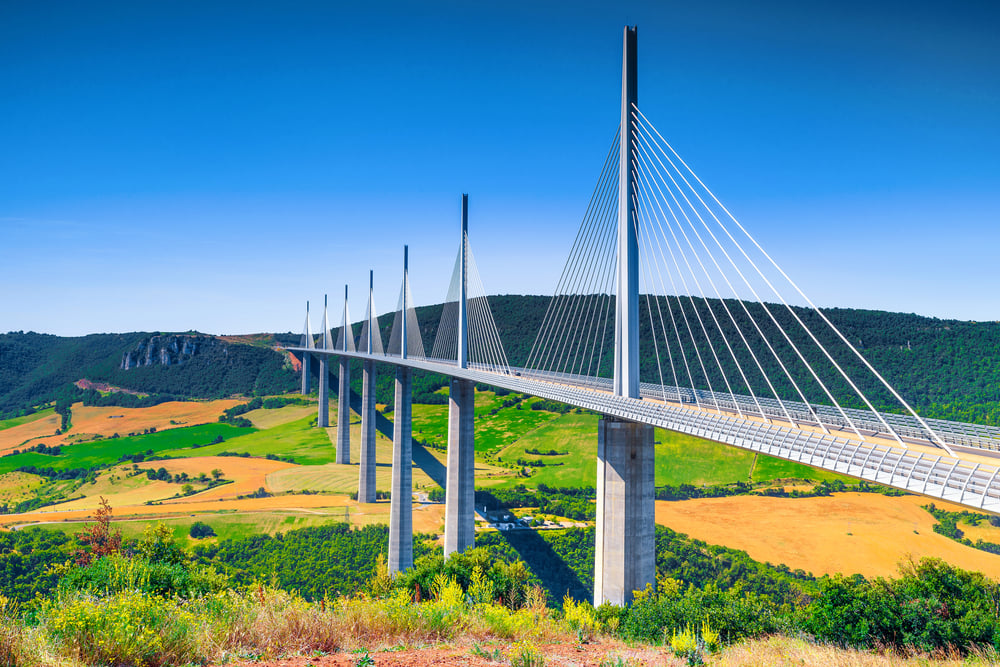
France’s stunning cable-stayed bridge was constructed in just three years despite being the tallest bridge in the world. The bridge’s seven piers were built independently using sliding formwork that rose continuously at a rate of about 13 feet per day.
Taipei 101

Taiwan’s landmark skyscraper was built in just six years despite complex engineering challenges related to typhoon winds and earthquake protection. The tower, which stood as the world’s tallest building from 2004 to 2010, incorporated a massive 730-ton tuned mass damper that resembles a giant suspended pendulum.
Like Go2Tutors’s content? Follow us on MSN.
The Venetian Macao
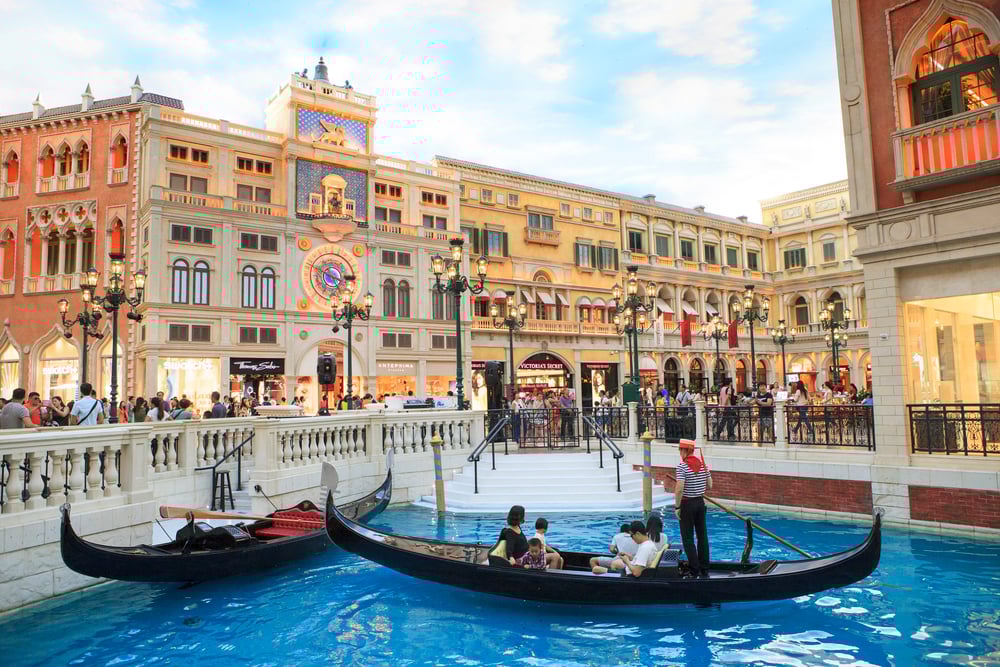
This massive hotel and casino complex was constructed in just three years, creating the world’s largest single-structure hotel at the time. The development features replicas of Venetian landmarks and canals, with enough space to hold 90 Boeing 747 jumbo jets.
Petronas Towers
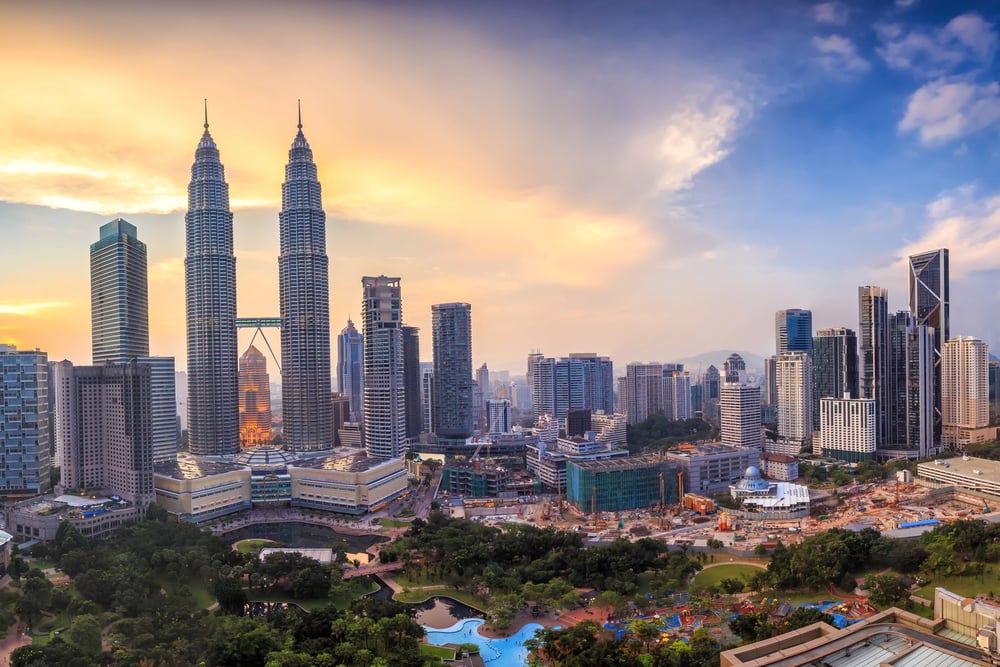
Malaysia’s twin towers were constructed in just six years, rising to 1,483 feet despite challenging soil conditions. Engineers designed a deep foundation system with concrete piles extending nearly 400 feet below ground to stabilize the massive structures on Kuala Lumpur’s soft bedrock.
The Shard

London’s iconic glass-clad pyramid was constructed in just three years, rising to become Western Europe’s tallest building. The skyscraper’s unique design required top-down construction where the core was built simultaneously with excavation work continuing below.
Like Go2Tutors’s content? Follow us on MSN.
Three World Trade Center
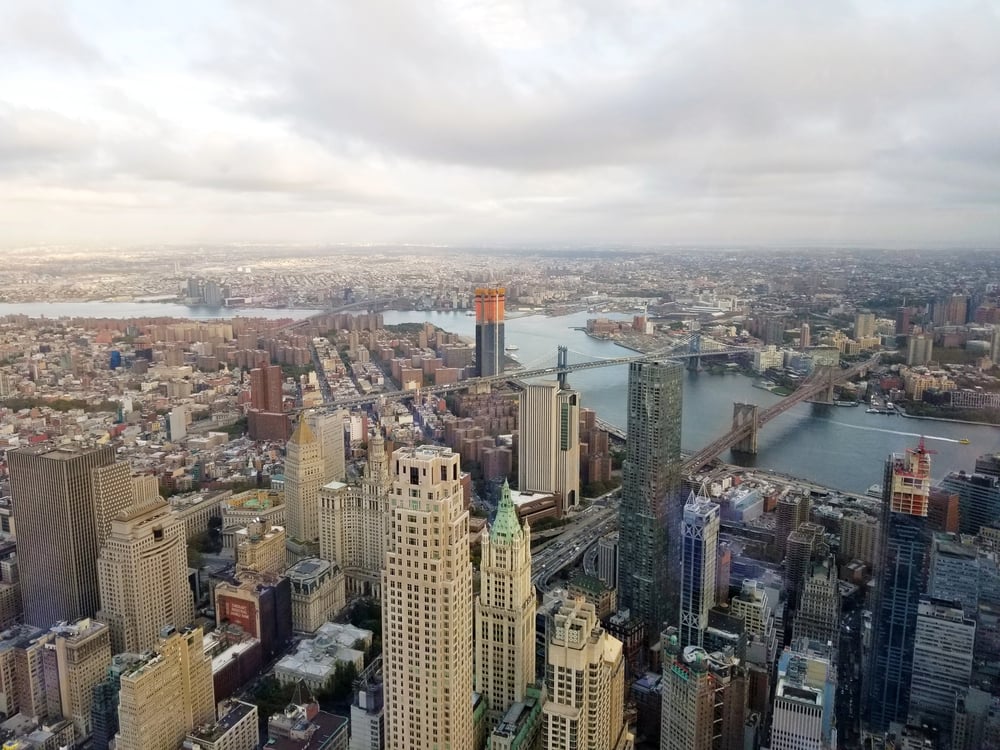
This 80-story tower in Lower Manhattan was built in just six years despite complex integration with the transit infrastructure below. The skyscraper features an innovative external bracing system that eliminates the need for interior columns, creating extremely adaptable floor space.
Golden Gate Bridge
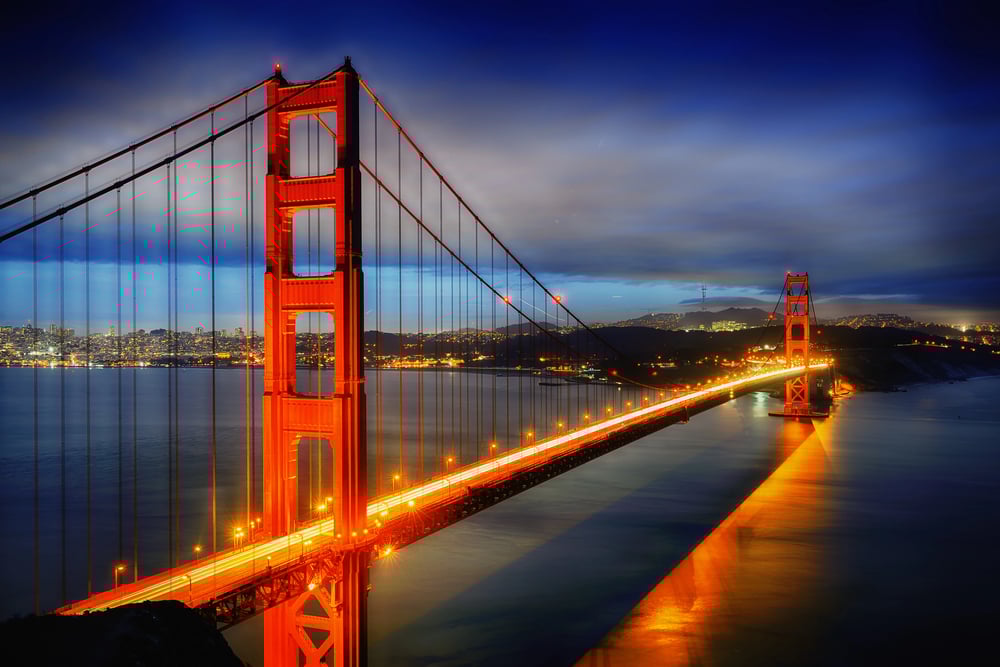
San Francisco’s famous suspension bridge was completed in just over four years—months ahead of schedule and under budget. Workers battled fierce tides, winds, and fog while establishing new safety standards, including the first-ever use of safety nets that saved 19 lives during construction.
One World Trade Center
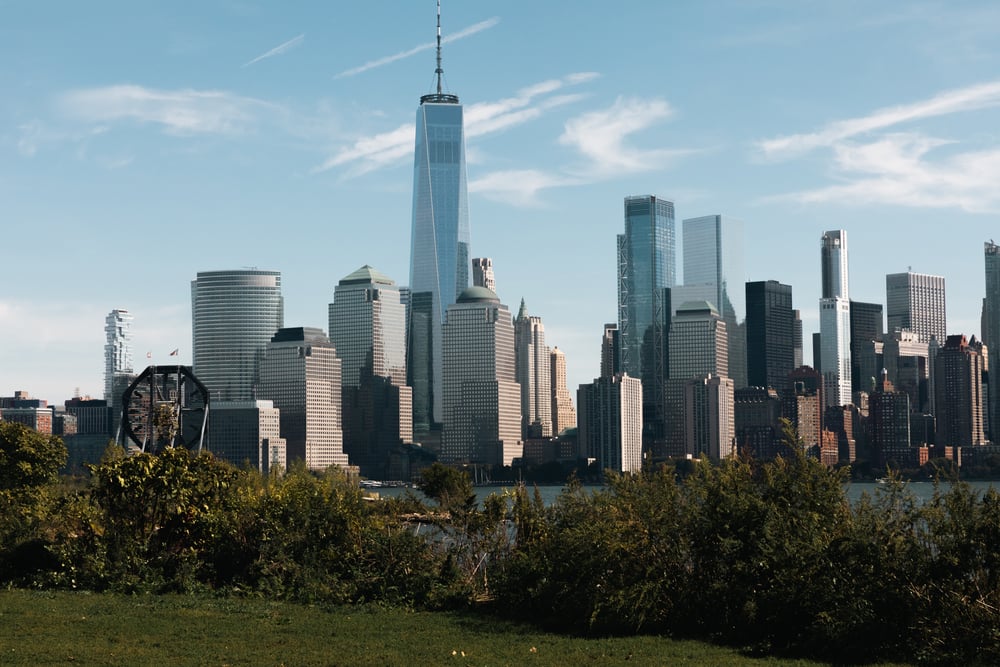
New York’s tallest building was constructed in seven years, incorporating unprecedented security and structural features. The tower’s reinforced concrete core can withstand far greater impacts than traditional skyscrapers, with construction crews adding a new floor every week at peak efficiency.
Like Go2Tutors’s content? Follow us on MSN.
Grand Coulee Dam
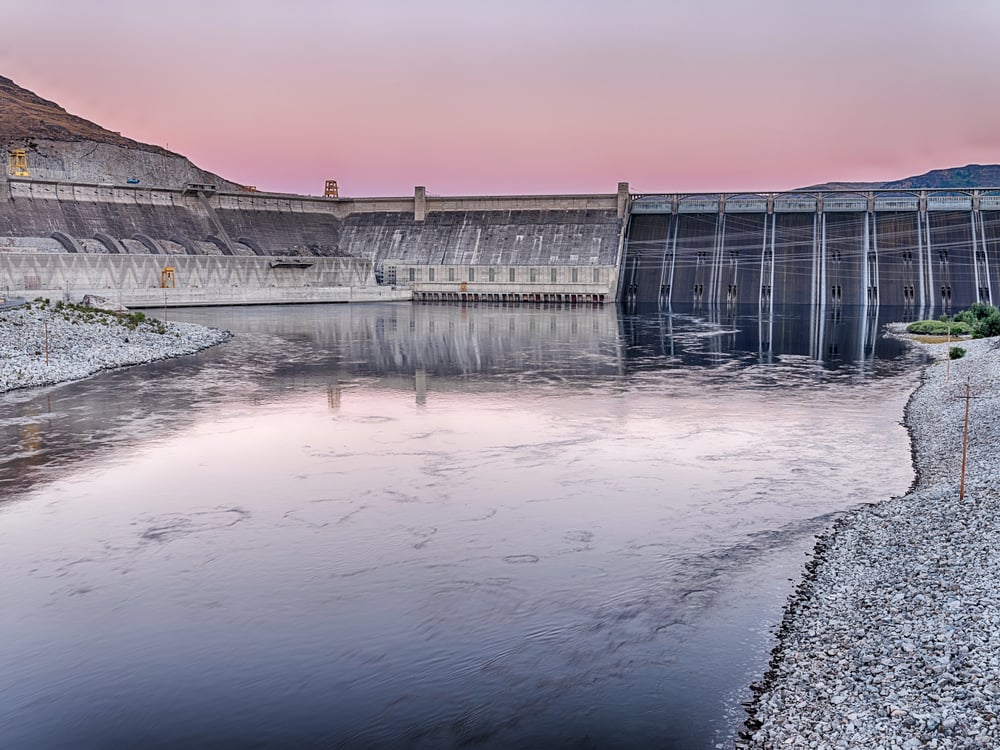
Washington state’s massive concrete gravity dam was built in just eight years despite being nearly a mile long. The project required three times more concrete than the Hoover Dam and created the largest human-made structure in the United States at the time of completion.
Itaipu Dam
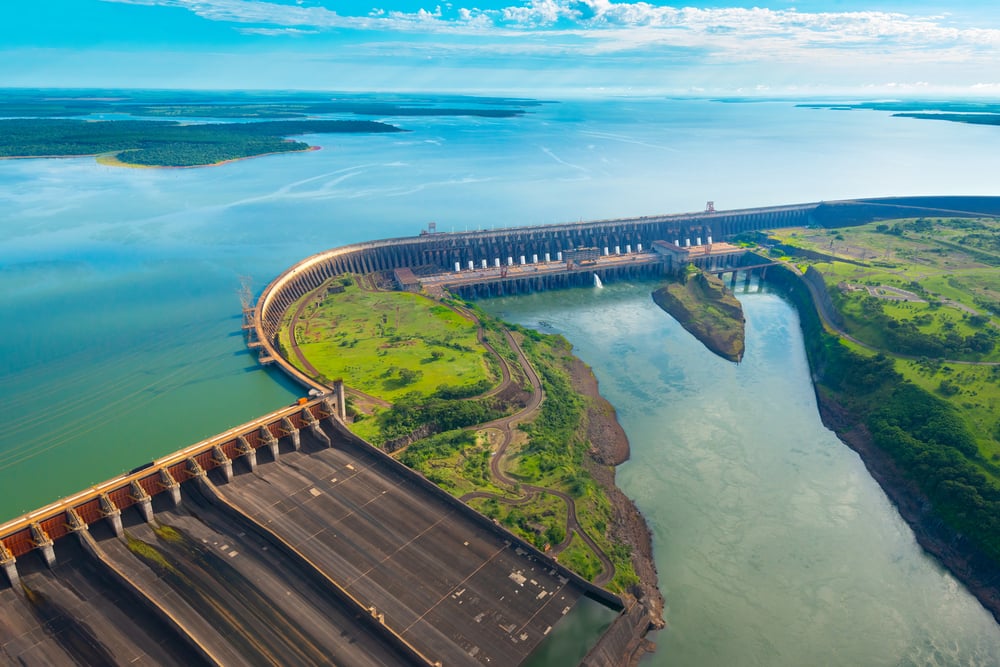
This massive hydroelectric dam on the Brazil-Paraguay border was constructed in just seven years, creating what was then the world’s largest power plant. Workers moved enough earth and rock to fill 8.5 million dump trucks while diverting the world’s seventh-largest river through specially constructed channels.
Allianz Arena
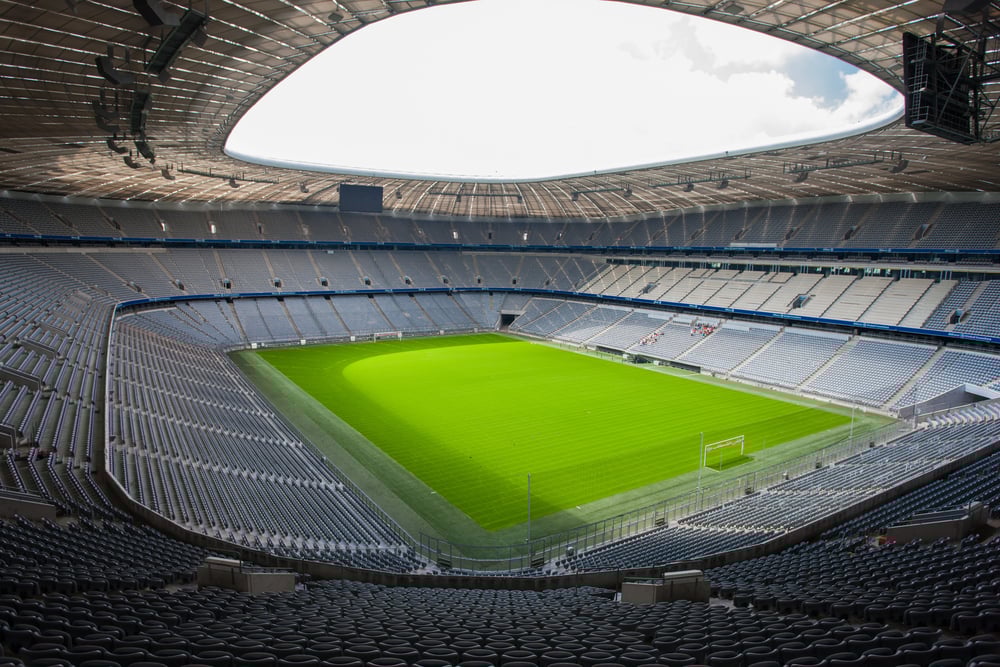
Munich’s distinctive stadium was completed in less than three years, featuring a unique exterior of inflated ETFE plastic panels. The 75,000-seat venue can change color through specialized lighting, with the entire structure fast-tracked to completion for the 2006 World Cup.
Like Go2Tutors’s content? Follow us on MSN.
Engineering Evolution
The accelerating pace of massive construction projects reflects our growing ability to coordinate complex logistics, materials, and human resources. These remarkable structures demonstrate not just engineering prowess but also humanity’s drive to build ever bigger and faster, constantly pushing the boundaries of what’s possible.
More from Go2Tutors!

- 18 Unexpectedly Valuable Collectibles You Might Have Lying Around
- 15 Things Every Teenager in the ’70s Did That Teens Today Wouldn’t Understand
- 15 Strange Things People Have Tried to Ban (And Failed)
- 15 Inventions That Were Immediately Banned After Being Created
- 20 Actors Who Were Almost Cast in Iconic Roles
Like Go2Tutors’s content? Follow us on MSN.