Prehistoric Things That Were Terrifyingly Huge
The prehistoric world wasn’t just different from ours. It was bigger in almost every way imaginable.
From insects the size of dinner plates to sharks that could swallow a car, the ancient Earth was home to creatures that make today’s largest animals look downright tiny. These giants roamed, swam, and flew across a planet that would be almost unrecognizable to us now, thriving in conditions that allowed them to grow to sizes that seem impossible by modern standards.
Let’s take a look at some of the most massive creatures that once called Earth home.
Meganeura
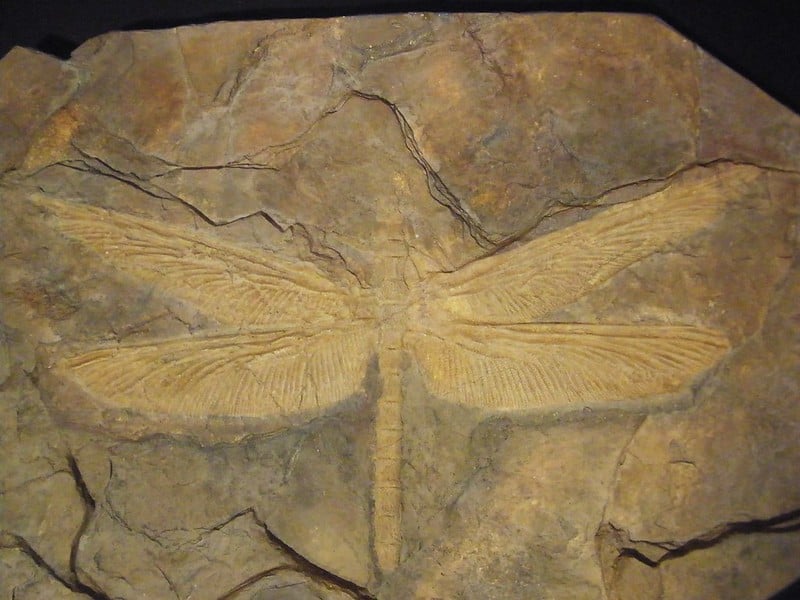
Picture a dragonfly hovering near a pond, then multiply its size by about ten. That’s Meganeura, a prehistoric insect that lived around 300 million years ago with a wingspan stretching over two feet across.
These massive bugs could snatch up smaller creatures mid-flight, acting as apex predators in their swampy environments. The reason they grew so large had everything to do with oxygen levels back then, which were significantly higher than today’s atmosphere.
More oxygen meant insects could grow their bodies to sizes that would be absolutely impossible in our current world.
Argentavis
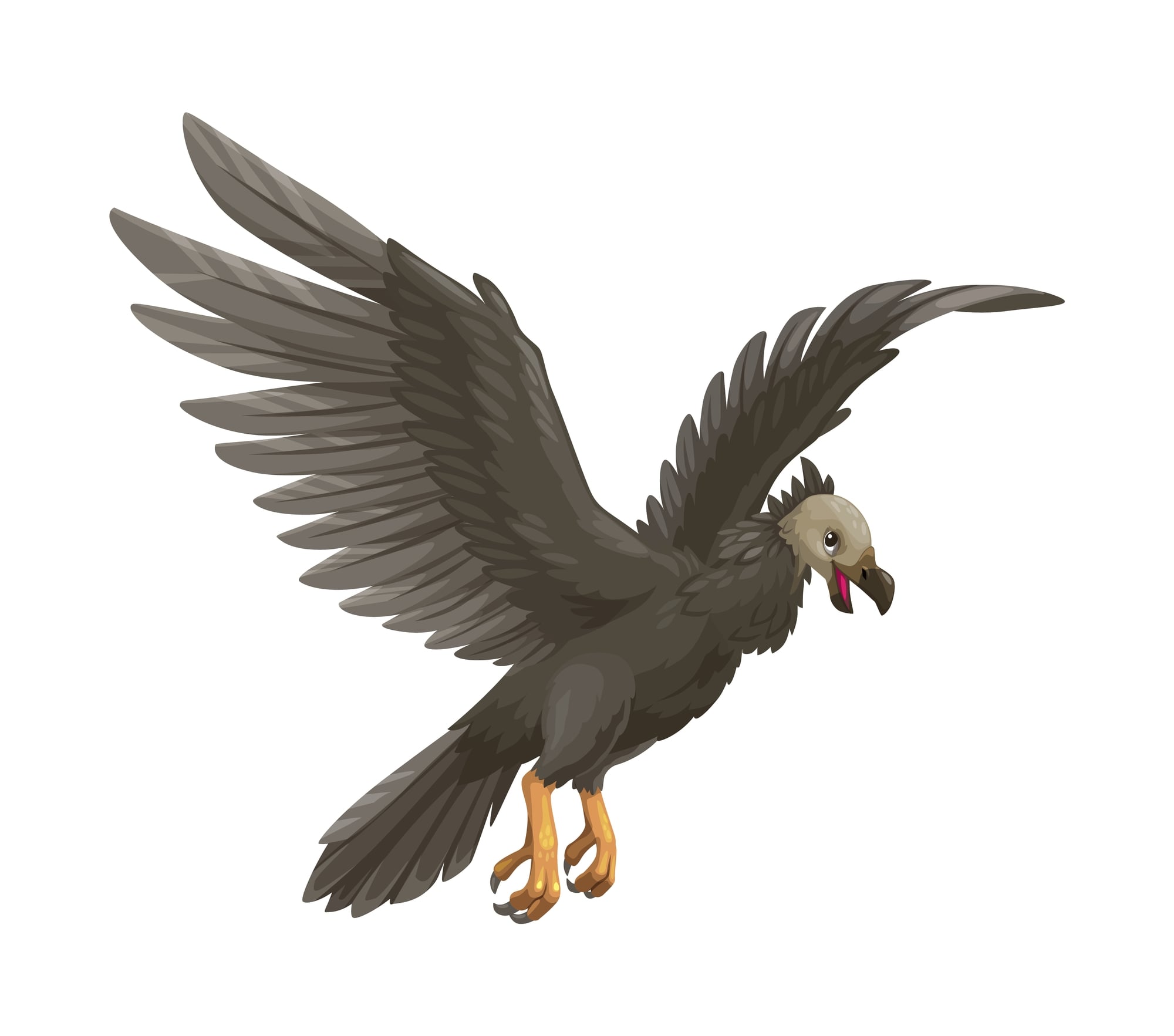
Modern condors are impressive birds, but Argentavis makes them look like sparrows. This prehistoric bird from South America had a wingspan that reached up to 23 feet, making it the largest flying bird ever discovered.
Weighing around 150 pounds, Argentavis likely spent most of its time soaring on thermal currents rather than flapping those enormous wings. Scientists believe it hunted by swooping down on prey from great heights, using its size and weight to overpower animals on the ground below.
Arthropleura
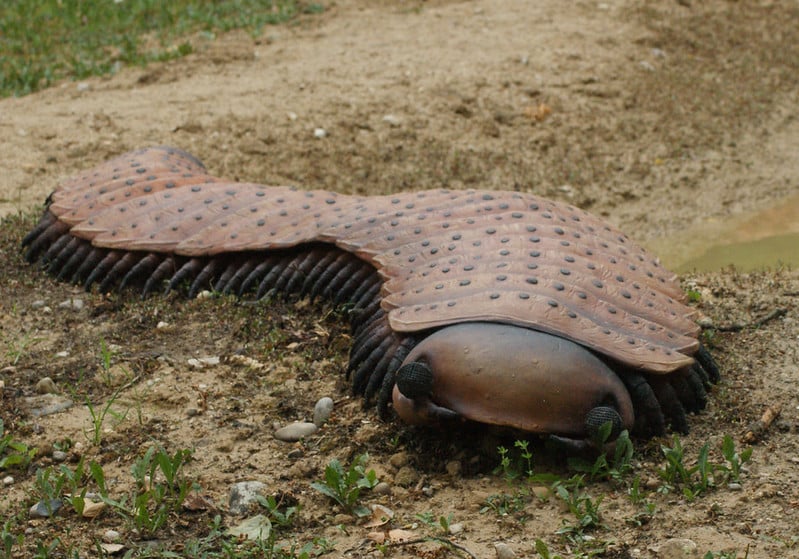
Millipedes today are harmless little creatures you might find under a log. Their prehistoric cousin Arthropleura was anything but little, growing up to eight feet long and nearly two feet wide.
These giant arthropods scuttled through the coal forests of the Carboniferous period, leaving trackways that paleontologists still find preserved in ancient rocks. Despite their intimidating size, evidence suggests they were probably herbivores, munching on the abundant plant life rather than hunting other animals.
Titanoboa
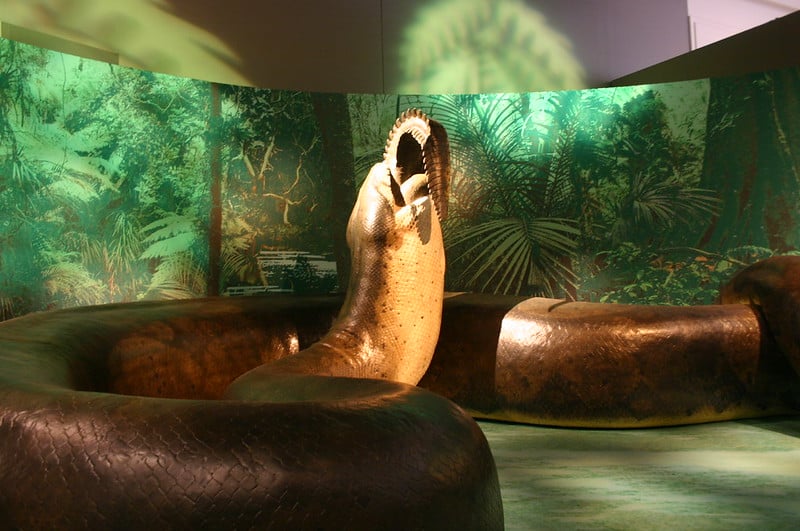
Snakes make plenty of people nervous at their current sizes, but Titanoboa would have caused absolute panic. This massive serpent lived about 60 million years ago in what is now Colombia, reaching lengths of over 40 feet and weighing more than a ton.
The snake was so thick around its middle that it measured three feet in diameter. Titanoboa thrived in the hot, humid climate of ancient rainforests, where it hunted crocodiles and giant turtles in rivers and swamps.
Megalodon
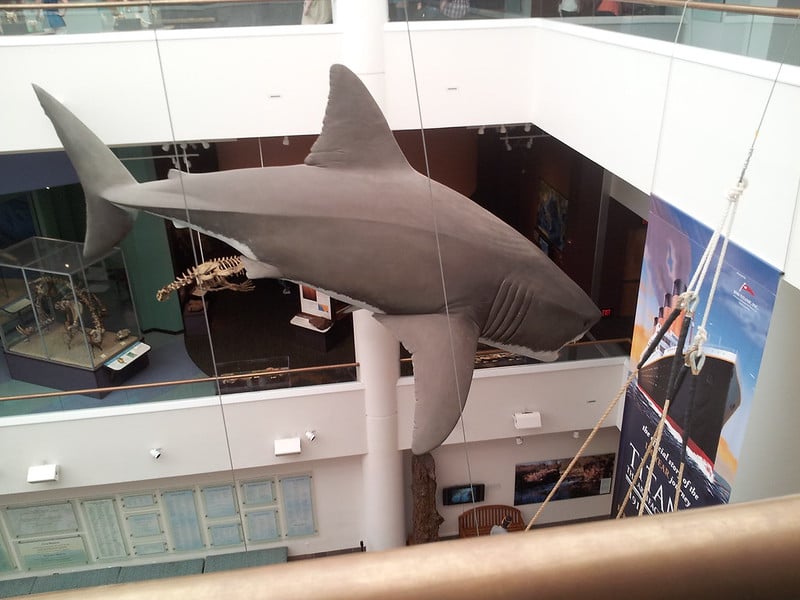
Great white sharks are terrifying enough, but Megalodon was in a completely different league. This prehistoric shark reached lengths of up to 60 feet and had teeth the size of a human hand.
Its bite force was so powerful it could crush a car, and it regularly hunted whales as its primary food source. Megalodon ruled the oceans for millions of years before going extinct around 3.6 million years ago, possibly because its prey migrated to colder waters where the giant shark couldn’t follow.
Dunkleosteus
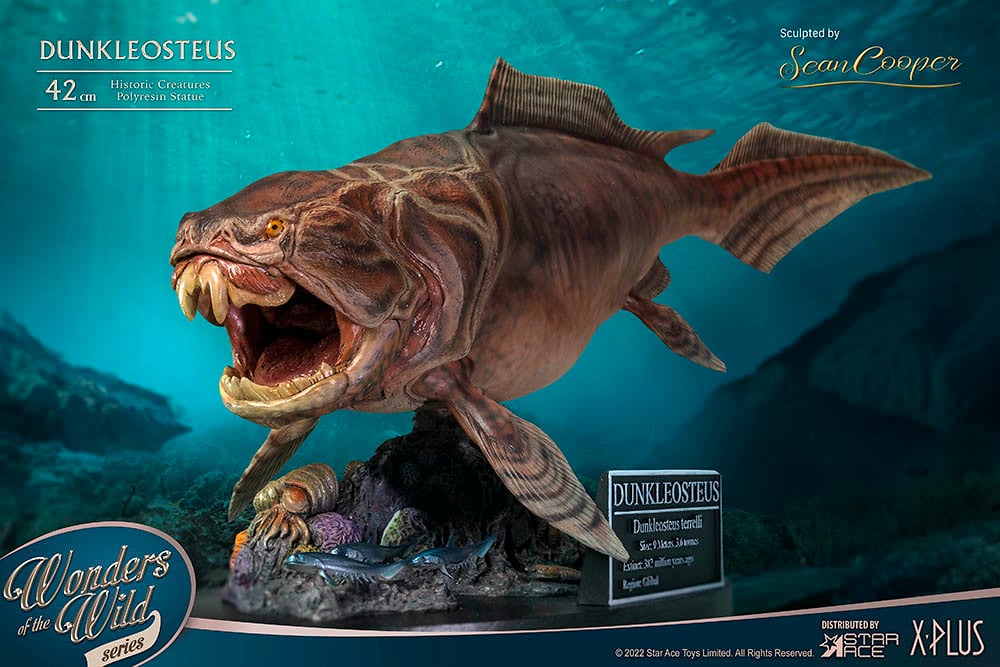
Before sharks dominated the seas, armored fish called placoderms were the ocean’s top predators. Dunkleosteus was the largest and most fearsome of these ancient fish, growing up to 30 feet long with a head covered in thick bony plates.
Instead of teeth, it had sharp bony blades that could bite through almost anything with a force comparable to modern crocodiles. This prehistoric predator lived around 360 million years ago and likely fed on other armored fish, sharks, and anything else it could catch.
Paraceratherium
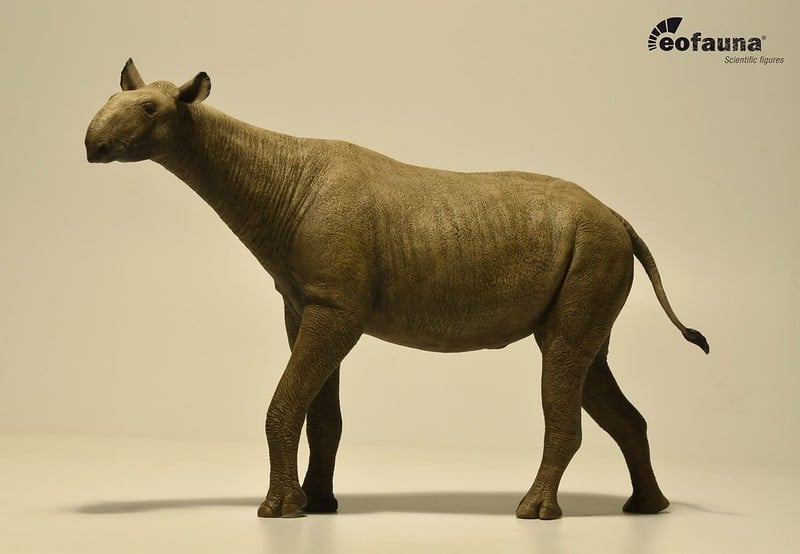
Imagine a creature that looks like a cross between a rhinoceros and a giraffe, then make it the size of a house. Paraceratherium was the largest land mammal that ever lived, standing about 18 feet tall at the shoulder and weighing up to 20 tons.
These massive herbivores roamed across Asia around 30 million years ago, using their long necks to reach leaves high in trees. Despite their size, they were actually relatives of modern rhinos and horses.
Quetzalcoatlus
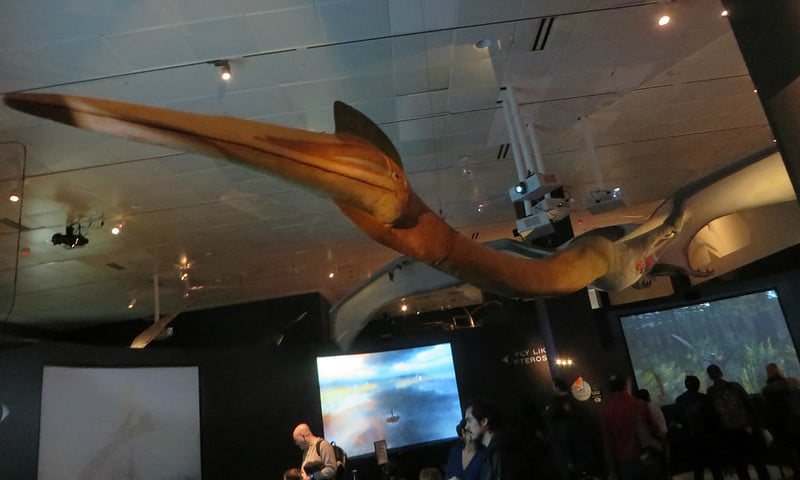
Named after an Aztec feathered serpent god, Quetzalcoatlus was a pterosaur so large it challenges our understanding of flight. With a wingspan of up to 36 feet, this flying reptile was as tall as a giraffe when standing on the ground.
Scientists still debate exactly how it hunted, but many believe it stalked prey on land like a massive, terrifying stork. Quetzalcoatlus lived during the Late Cretaceous period and went extinct along with the dinosaurs 66 million years ago.
Jaekelopterus
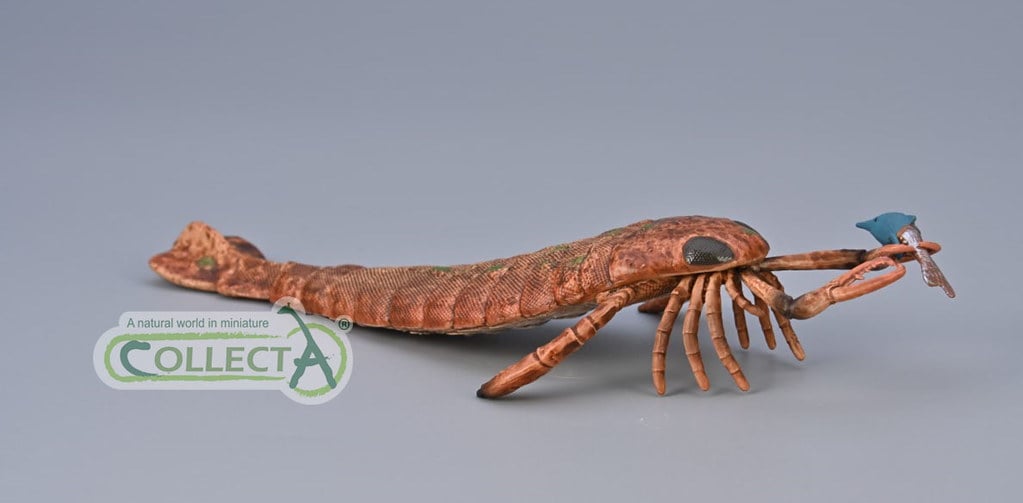
Scorpions are creepy enough at their current size, but their ancient aquatic relatives were the stuff of nightmares. Jaekelopterus was a sea scorpion that grew up to eight feet long, making it one of the largest arthropods ever to exist.
These prehistoric predators used powerful claws to catch fish and other marine creatures in rivers and coastal waters. Fossil evidence shows they had excellent vision and were formidable hunters in their ancient ecosystems.
Gigantopithecus
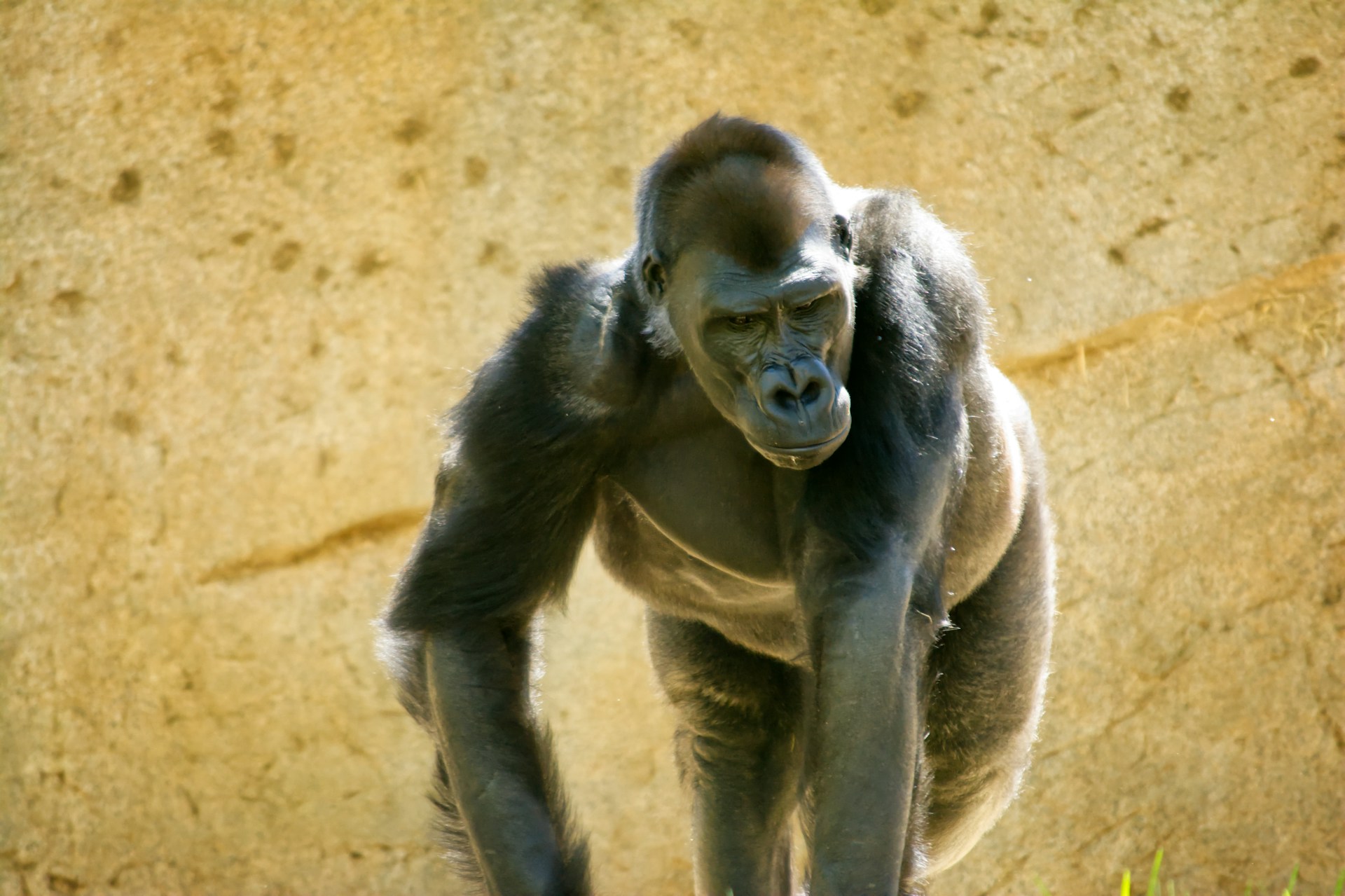
The largest primate that ever lived makes modern gorillas look small by comparison. Gigantopithecus stood up to ten feet tall and weighed over 1,000 pounds, living in the forests of Asia until around 100,000 years ago.
Despite its intimidating size, scientists believe this giant ape was primarily a herbivore that spent its time eating bamboo and other plant materials. Some researchers think early humans may have encountered these massive primates, possibly contributing to their eventual extinction through competition for resources.
Helicopter Damselfly
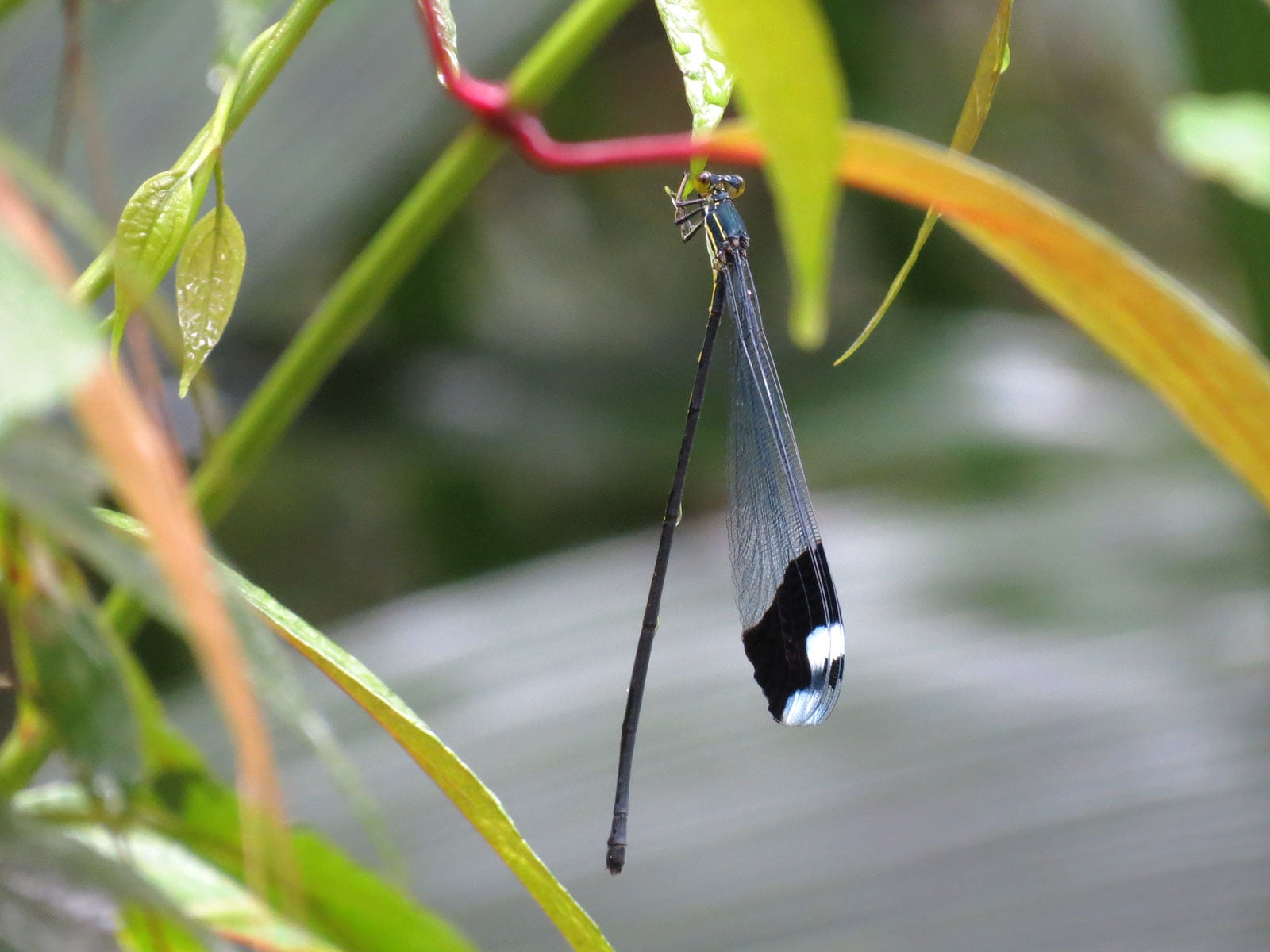
Another massive insect from the age of giants, the helicopter damselfly had a wingspan of nearly 30 inches. These prehistoric insects ruled the skies during the Permian period, catching smaller flying creatures with their long, grasping legs.
Like Meganeura, they benefited from the high oxygen levels of their time, which allowed insects to grow far beyond modern limits. Their name comes from the way their wings would have looked in flight, rotating in patterns similar to helicopter blades.
Spinosaurus
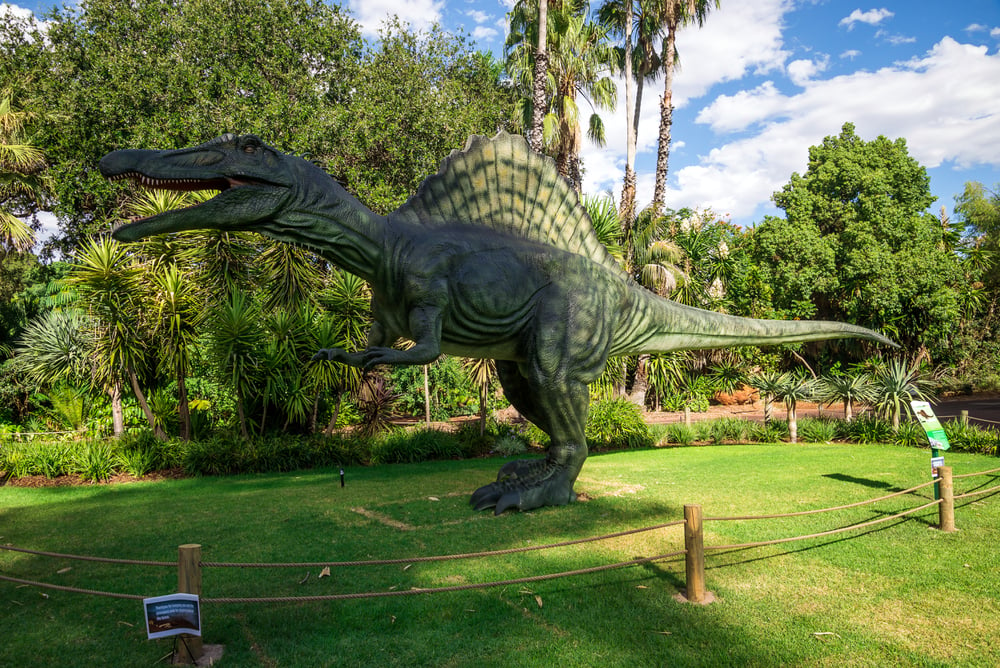
Most people think of Tyrannosaurus rex as the largest predatory dinosaur, but Spinosaurus was actually bigger. This bizarre dinosaur grew up to 50 feet long and sported a massive sail on its back that could reach six feet high.
Unlike most large carnivores, Spinosaurus spent much of its time in water, hunting giant fish with its crocodile-like jaws. Recent discoveries have revealed it had paddle-like feet and a tail built for swimming, making it the only known aquatic dinosaur.
Deinosuchus
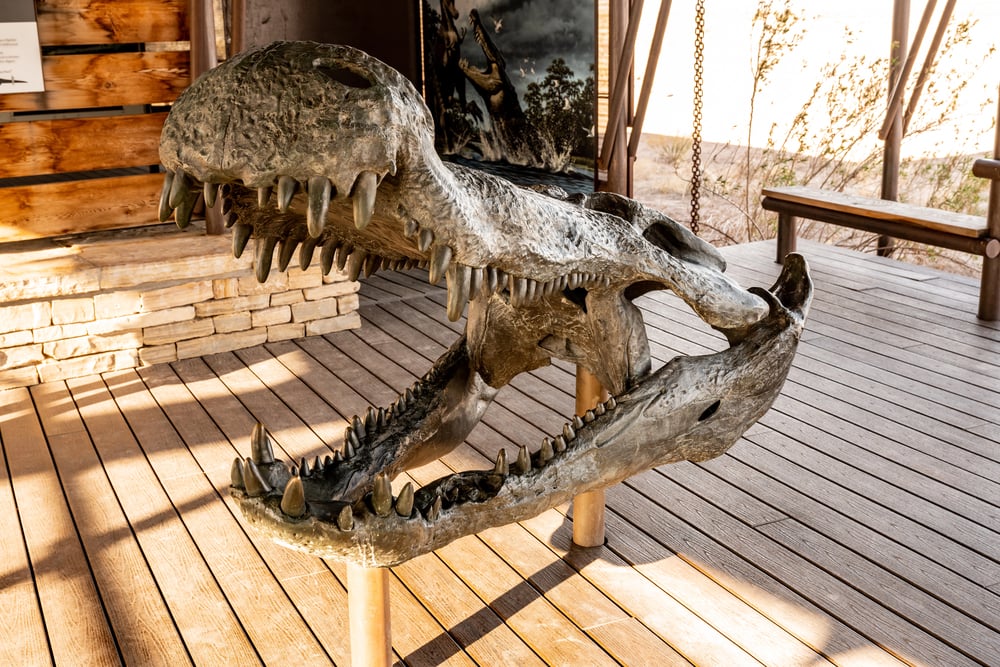
Crocodiles are ancient creatures that have changed little over millions of years, but their prehistoric relatives were much larger. Deinosuchus was a massive crocodilian that grew up to 35 feet long and weighed around eight tons.
This prehistoric predator lived in North America during the Late Cretaceous period and was powerful enough to hunt and kill dinosaurs that came to drink at the water’s edge. Bite marks found on dinosaur bones match perfectly with Deinosuchus teeth, proving these massive reptiles regularly attacked creatures much larger than themselves.
Josephoartigasia
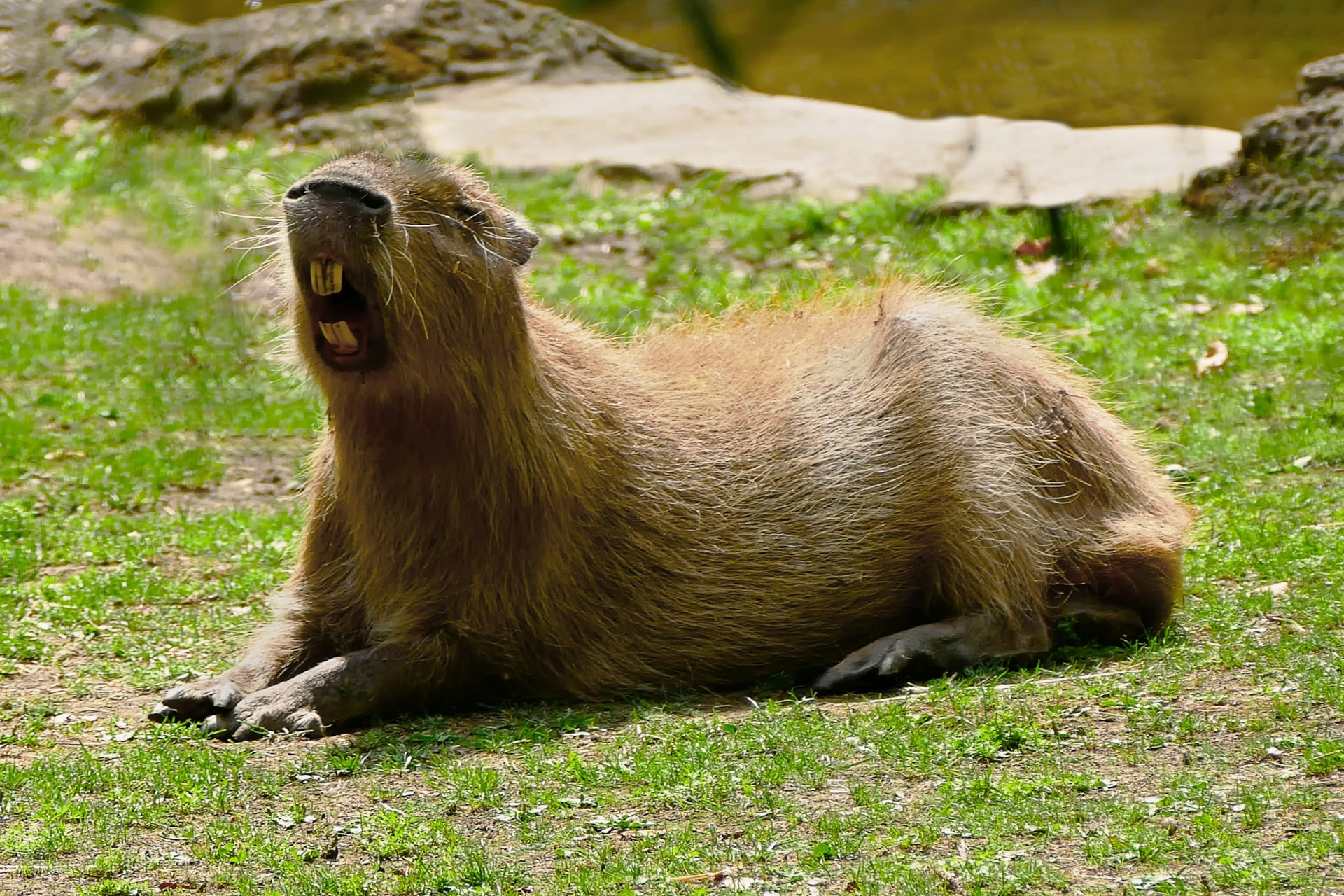
Rodents now come in all sorts, from small mice to big capybaras – though ancient ones were way larger. One called Josephoartigasia tipped the scales at roughly 2,000 pounds, stretching nearly ten feet long.
It roamed South America some two million years back, using those huge front teeth more for protection than attack. Even with such fierce-looking chompers, experts think it mostly munched on tender water plants instead of meat.
Sarcosuchus
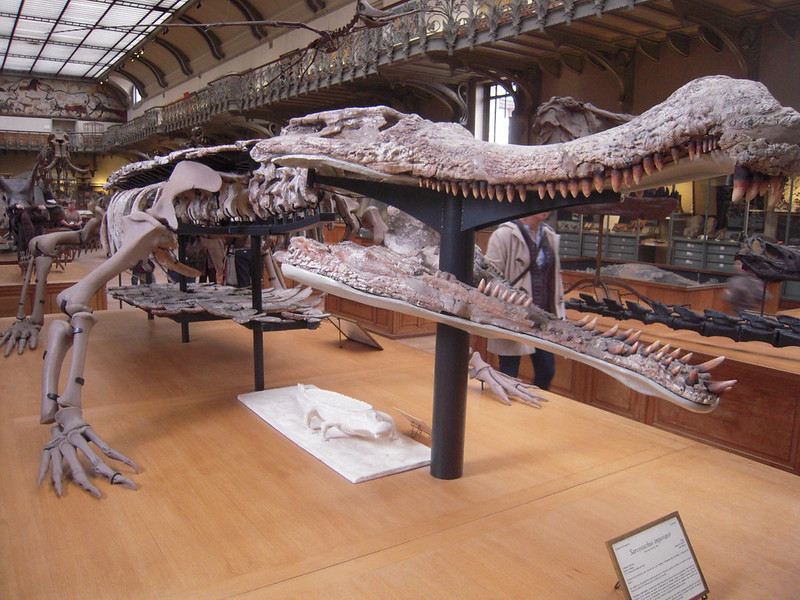
Back then called the ‘super croc’, Sarcosuchus made today’s crocs seem tiny. About 110 million years ago, it lived in Africa’s rivers – hitting 40 feet long, weighing nearly eight tons.
Just its head stretched past five feet; those jaws crushed big dinosaurs without effort. Instead of chasing meals, it waited quietly by the banks.
Much like current gators do now, yet way bulkier – and far nastier when striking.
Pulmonoscorpius
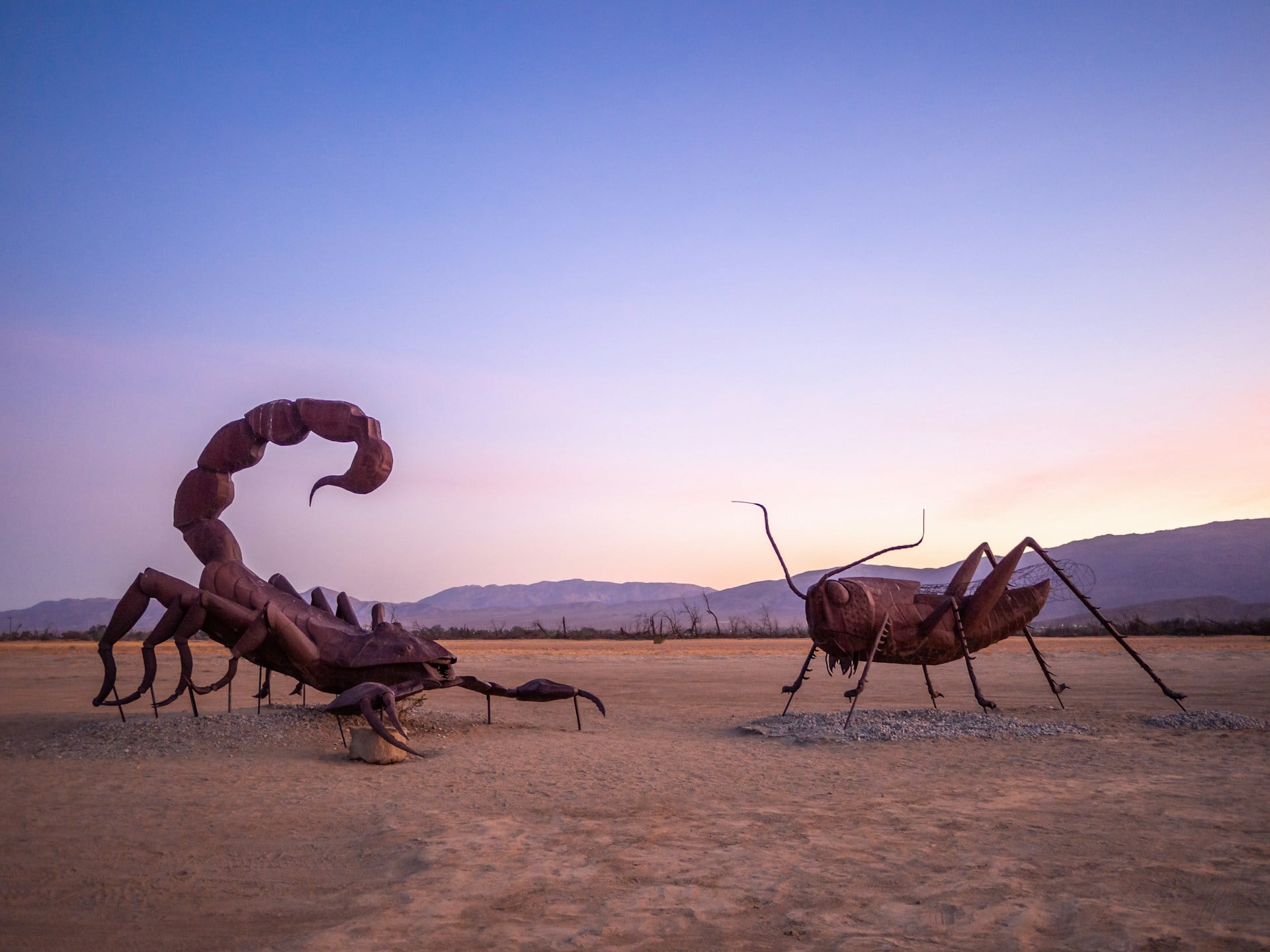
Land scorpions these days don’t get much longer than a couple inches – yet Pulmonoscorpius stretched close to three feet. Back then, in the Carboniferous era around today’s Scotland, it prowled forest floors thick with dead leaves.
Instead of just grabbing prey, its big claws could snatch tiny reptiles, while its toxic tail strike finished them off. Because oxygen filled more of the air back then, this beast reached sizes no current scorpion can touch.
Gigantopithecus
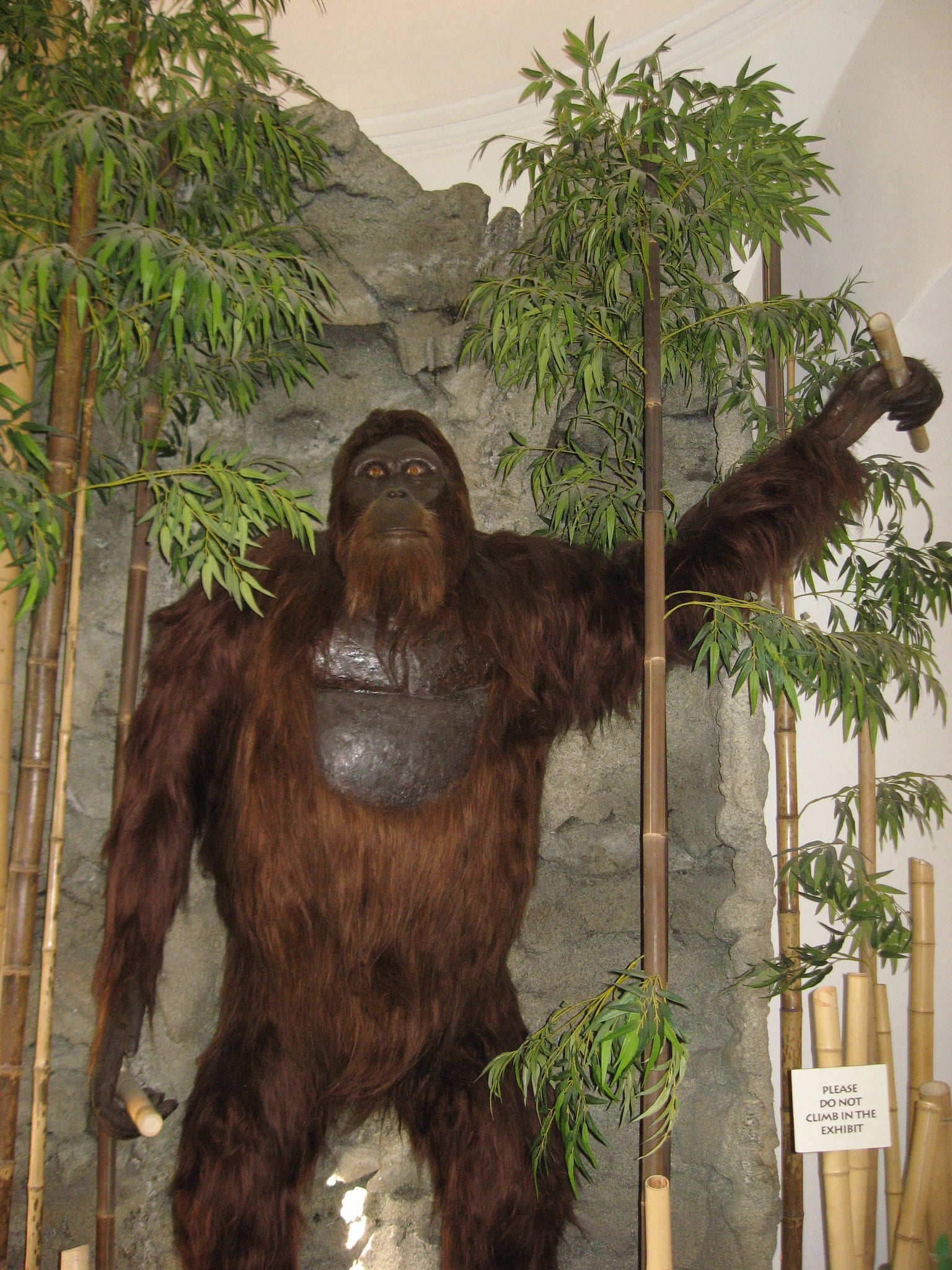
The gap in size between today’s elephants and mammoths isn’t huge when stacked against other ancient beasts – yet mammoths still stand out. Woolly ones reached heights of 13 feet, tipping scales at nearly six tons, wandering icy regions till about 4,000 years back.
Those massive, sweeping tusks stretched beyond 15 feet, serving not only for combat but also digging food or brushing away snow. A few groups lasted much longer on remote Arctic spots, even past the time pyramids rose, so they’re among the latest giant creatures from old times to vanish.
Long ago, huge beings roamed beside people
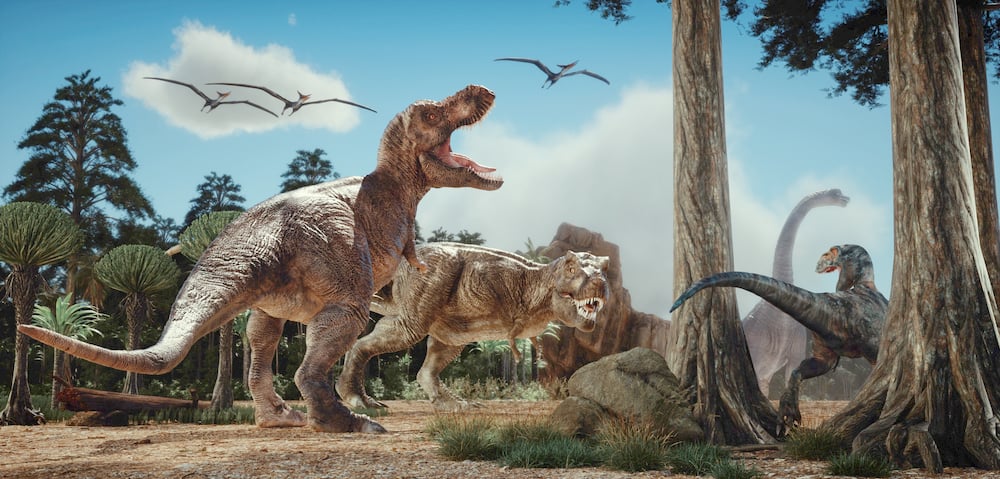
The ancient world’s huge beasts didn’t vanish randomly. Because climates shifted, oxygen dropped, also food grew scarce – giant species struggled more and more to hang on.
Right now, air holds roughly 21 percent oxygen; back then, during the era of colossal bugs, it was around 35 percent – that’s why creepy crawlies don’t reach nightmare proportions these days. Fossils keep their memory real, while stories keep them wild – proof that past life featured monsters weirder, bulkier than any we see now.
More from Go2Tutors!

- The Romanov Crown Jewels and Their Tragic Fate
- 13 Historical Mysteries That Science Still Can’t Solve
- Famous Hoaxes That Fooled the World for Years
- 15 Child Stars with Tragic Adult Lives
- 16 Famous Jewelry Pieces in History
Like Go2Tutors’s content? Follow us on MSN.