15 Desert Creatures That Live Without Water
The desert seems like the last place you’d expect to find thriving wildlife, yet some of nature’s most ingenious creatures call these harsh environments home. What makes these animals truly remarkable isn’t just their ability to tolerate extreme heat, but their incredible capacity to survive without ever taking a sip of water.
From tiny rodents that manufacture their own moisture to lizards that collect dew through their skin, these desert dwellers have evolved some of the most fascinating survival strategies on Earth. Here is a list of 15 incredible creatures that have mastered the art of desert living without relying on traditional water sources.
Kangaroo Rat
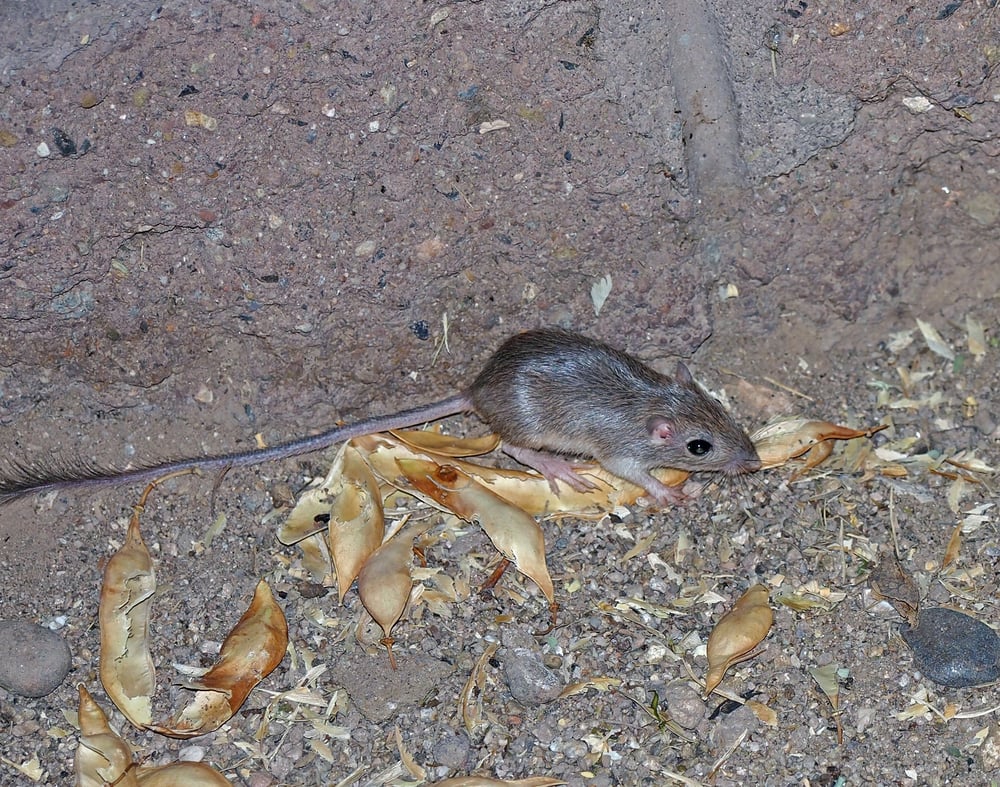
The kangaroo rat stands as perhaps the ultimate example of water independence in the animal kingdom. These small rodents extract all the moisture they need from the dry seeds they eat, literally manufacturing water through their metabolism. Their kidneys work so efficiently that they produce urine four times more concentrated than humans, and their droppings are almost completely dry, meaning virtually no water is wasted from their tiny bodies.
Thorny Devil
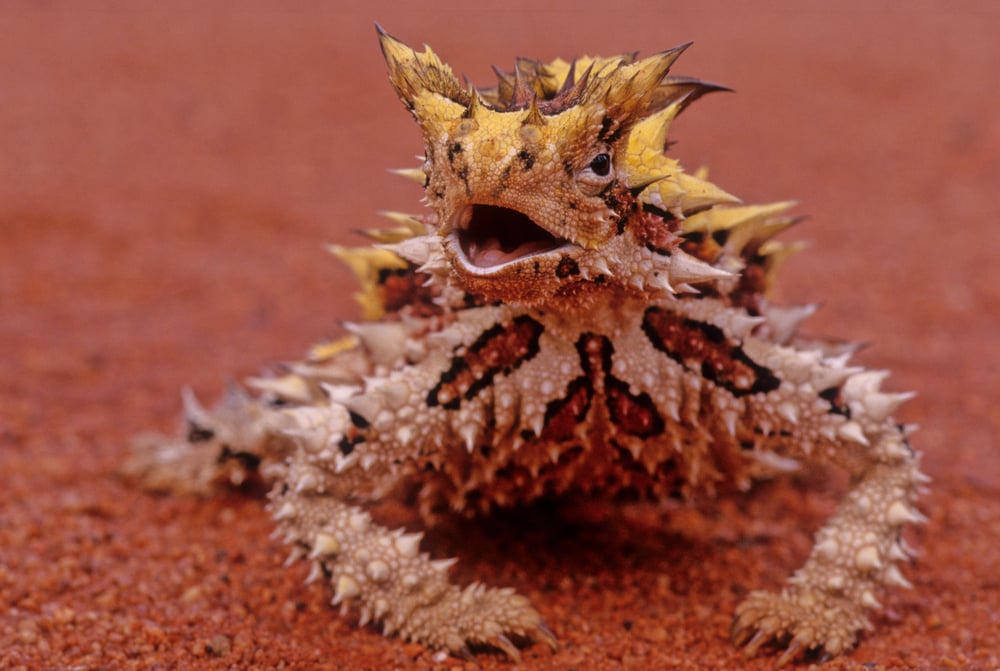
Australia’s thorny devil looks like a living piece of spiky armor, but its most impressive feature is invisible to the unaided eye. The lizard’s skin contains thousands of microscopic channels that work like a sophisticated plumbing system, collecting dew and moisture from damp sand and funneling it directly to its mouth. This remarkable creature can literally drink through its feet, making every part of its body a potential water collector.
Fennec Fox

The fennec fox’s oversized ears aren’t just adorable—they’re essential cooling systems that help this tiny predator survive in the Sahara without drinking water. These foxes get all their moisture from the small mammals, insects, and occasional plants they hunt, while their enormous ears radiate excess heat to prevent overheating. Their kidneys are so efficient at conserving water that they rarely need to urinate, making them perfectly adapted to one of Earth’s most arid environments.
Desert Kangaroo Rat

Different from their kangaroo rat cousins, desert kangaroo rats live in some of the most extreme desert conditions, including Death Valley. They seal their burrows during the day to create humid microclimates and have the longest nasal passages of all kangaroo rats, which helps them recapture moisture from exhaled air. These remarkable rodents can live their entire lives without ever seeing liquid water, surviving solely on the metabolic water produced from breaking down seeds.
Arabian Camel
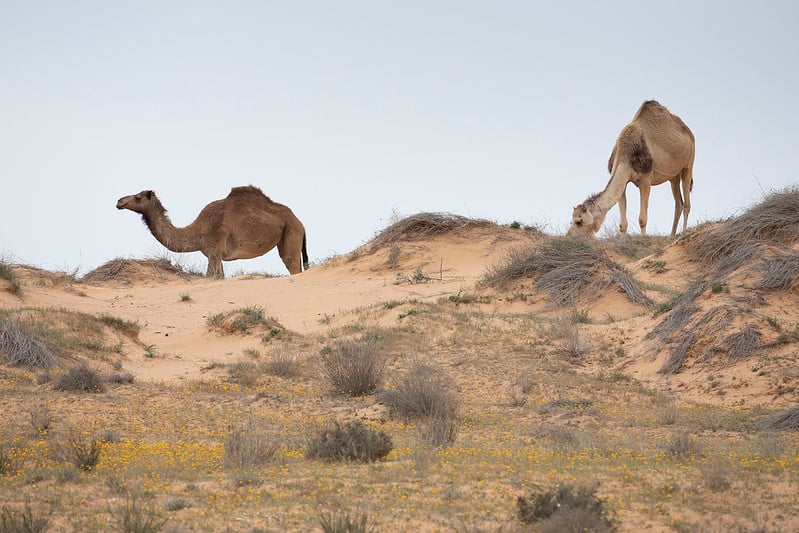
While camels can drink when water is available, they’re famous for surviving weeks without a single drop. Contrary to popular belief, their humps don’t store water—they store fat that can be metabolized into both energy and water when needed. Their oval-shaped blood cells allow them to function even when severely dehydrated, and they can lose up to 25% of their body weight in water without suffering permanent damage.
Addax Antelope
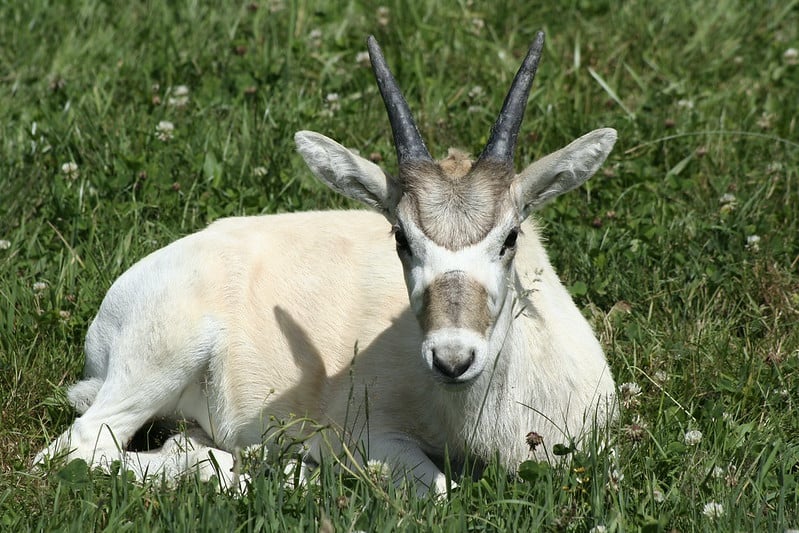
The pale, ghostly addax antelope roams the Sahara’s most remote regions where water sources are virtually nonexistent. These elegant animals extract all necessary moisture from the sparse desert vegetation they browse, particularly grasses and shrubs that retain small amounts of water. Their light-colored coat reflects sunlight while their efficient kidneys ensure that almost no water is lost through waste.
Kit Fox
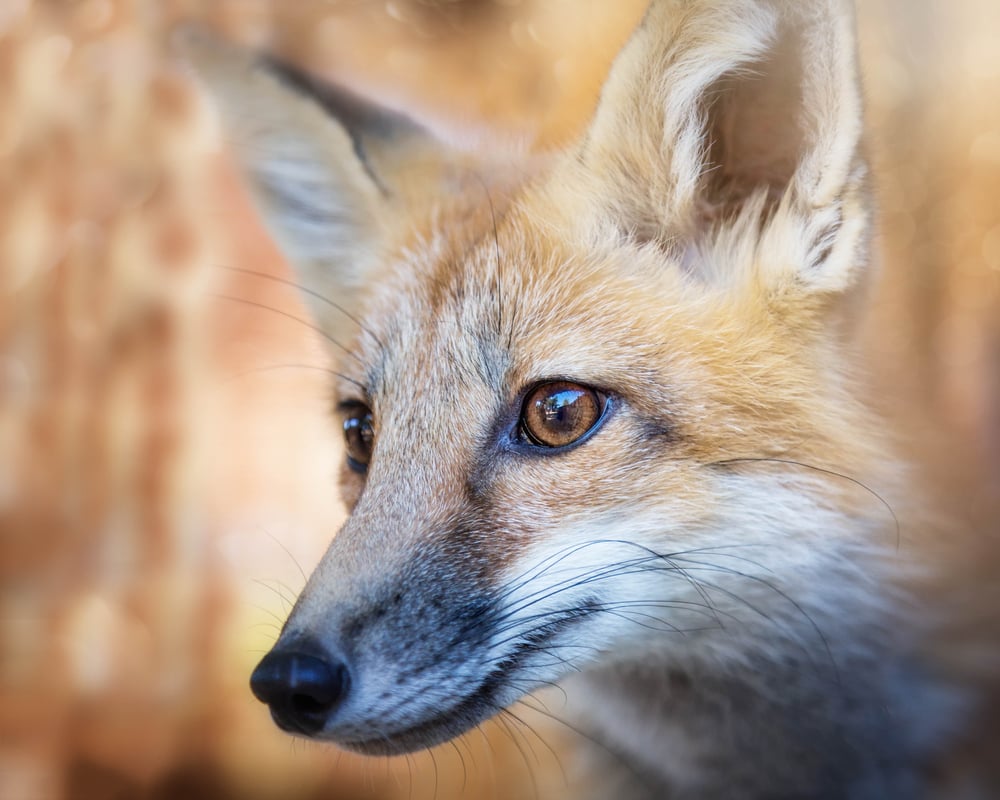
America’s smallest fox has mastered desert survival through a combination of smart hunting and efficient physiology. Kit foxes get their water from the blood and tissues of the small mammals they catch, particularly kangaroo rats and mice. They avoid the scorching daytime heat by hunting exclusively at dawn, dusk, and during cool nights, which dramatically reduces their water needs.
Sand Cat

This adorable wild cat looks like a house cat but lives in some of the world’s harshest deserts, from the Sahara to central Asia. Sand cats obtain all their moisture from their prey—mainly small rodents, birds, and reptiles—and can survive for months without drinking. Their furry paw pads protect them from burning sand while insulating them from heat, and they’re so well-adapted that they show no signs of stress even in extreme drought conditions.
Gila Monster

The Gila monster, one of only two venomous lizards in North America, survives in the Sonoran Desert through some clever water management strategies. These large lizards store water in their fatty tails and can reabsorb moisture from their own bladders when needed. They spend most of their time in underground burrows where humidity is higher, emerging only when necessary to hunt or mate.
Ruppell’s Fox

Living in the Arabian Peninsula’s most extreme deserts, Ruppell’s fox has evolved to be completely independent of drinking water. These foxes get all their moisture from their varied diet of insects, small mammals, and occasional fruits. Their kidneys are so efficient that they produce extremely concentrated urine, and their respiratory system is designed to minimize water loss during breathing.
Pack Rat
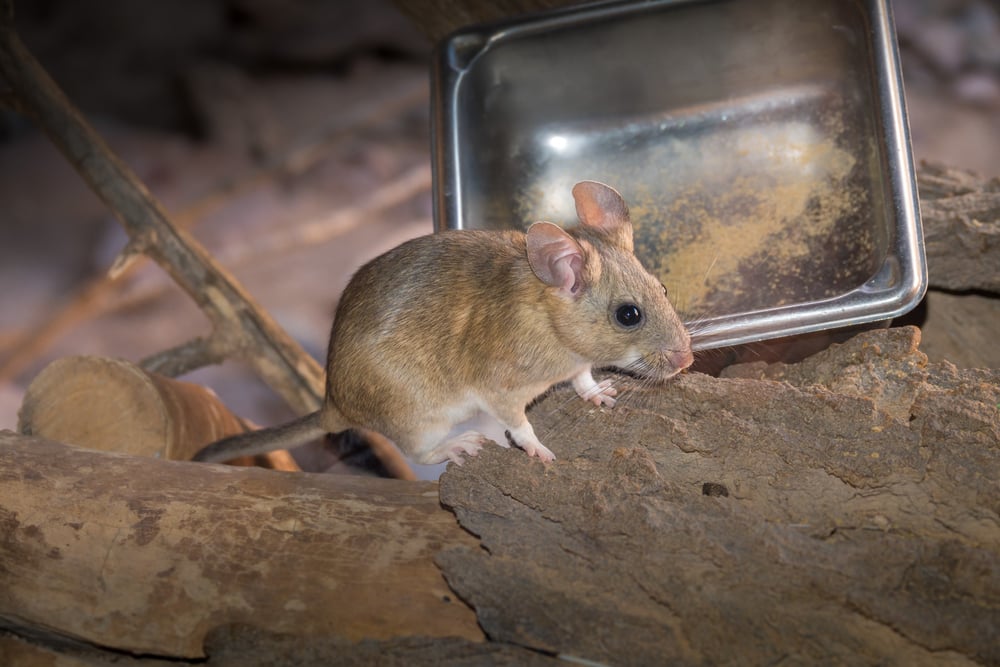
Also known as woodrats, these desert rodents have developed an unusual strategy for desert survival. Pack rats get their water from eating cacti, particularly cholla and prickly pear, whose high water content sustains them through the driest months. They’ve built up a tolerance to the acids and toxins in these plants that would be harmful to other animals.
Elf Owl
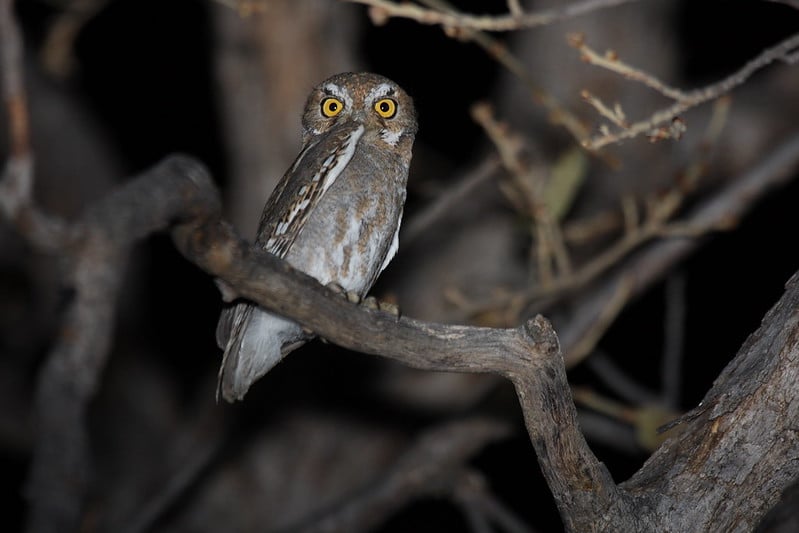
The tiny elf owl, no bigger than a sparrow, survives in the Sonoran Desert by getting all its water from its insect prey. These miniature predators hunt katydids, beetles, and scorpions during cool desert nights, extracting sufficient moisture from their catches to meet all their physiological needs. They nest in saguaro cacti, which provide both shelter and access to the insects that live around these desert giants.
Desert Hedgehog
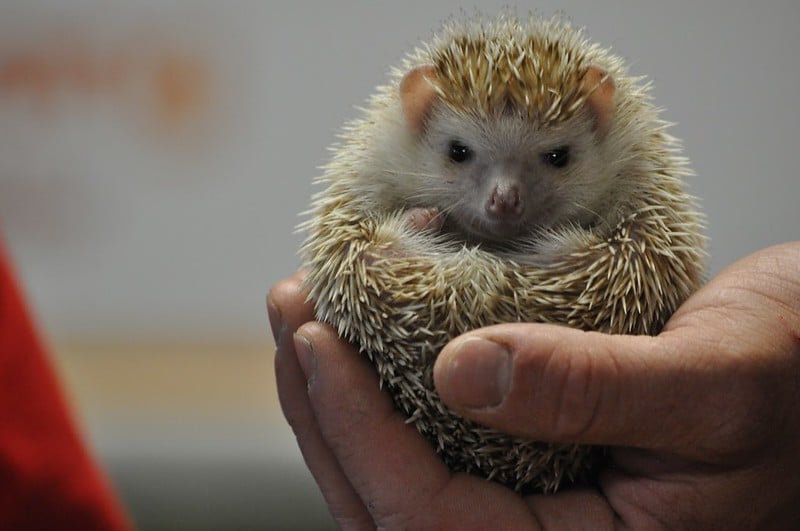
Unlike their European cousins, desert hedgehogs have adapted to survive in Middle Eastern and African deserts without access to water sources. They obtain moisture from the insects, small reptiles, and occasional eggs they consume during their nocturnal hunts. Their kidneys concentrate urine to an extraordinary degree, and they can enter a state called estivation during the hottest months to further conserve water.
Jerboa
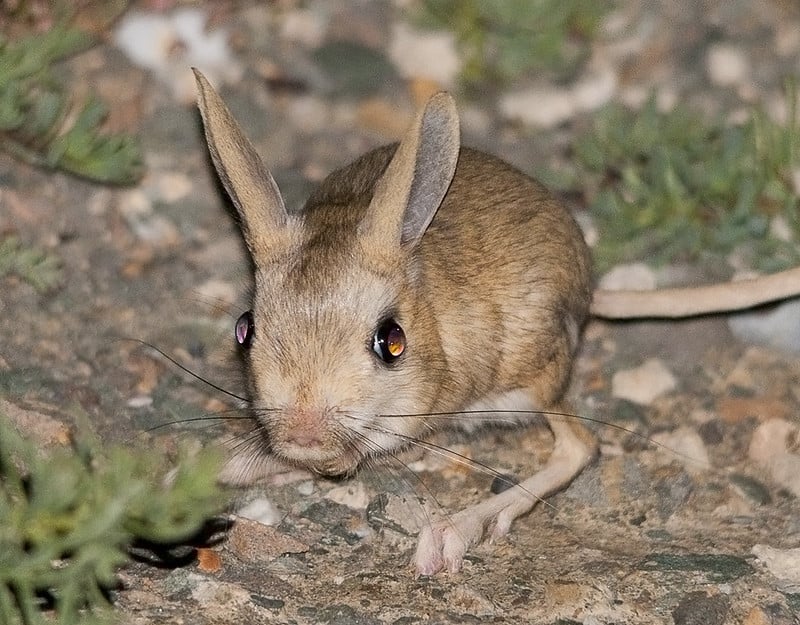
These adorable hopping rodents look like tiny kangaroos but live in the deserts of Africa and Asia. Jerboas extract water from the seeds and occasional green vegetation they eat, while their powerful kidneys ensure minimal water loss. Their large hind legs aren’t just for hopping—they keep most of their body elevated above the burning sand, reducing heat absorption and water loss through their paws.
Antelope Ground Squirrel
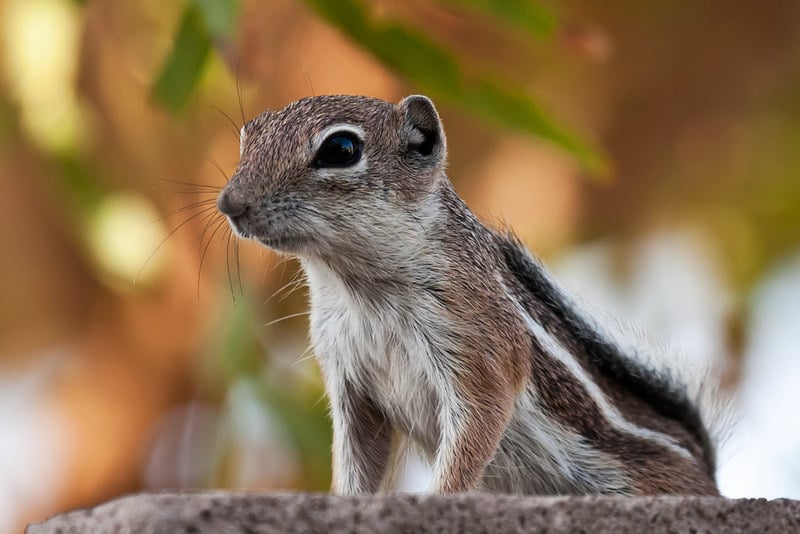
These energetic little squirrels are among the few desert animals active during the day, but they’ve evolved remarkable heat tolerance to make this possible. Antelope ground squirrels get their water from the green vegetation and seeds they gather, and they can allow their body temperature to rise significantly without harm. When they do overheat, they retreat to shaded burrows and spread saliva on their fur for evaporative cooling.
Desert’s Water Wizards

These remarkable creatures prove that life finds a way to thrive even in Earth’s most challenging environments. From the kangaroo rat’s metabolic magic to the thorny devil’s skin-based water collection system, each species has evolved unique strategies that seem almost too ingenious to be real. Their survival secrets continue to inspire scientists and engineers who study biomimicry, showing us that the solutions to our own water conservation challenges might already exist in nature’s playbook.
More from Go2Tutors!

- The Romanov Crown Jewels and Their Tragic Fate
- 13 Historical Mysteries That Science Still Can’t Solve
- Famous Hoaxes That Fooled the World for Years
- 15 Child Stars with Tragic Adult Lives
- 16 Famous Jewelry Pieces in History
Like Go2Tutors’s content? Follow us on MSN.