Holiday Traditions With Odd Roots
Every December, people haul out the same decorations, sing the same songs, and follow the same rituals their families have repeated for generations. These traditions feel ancient and meaningful, woven into the fabric of how we celebrate.
But trace them back far enough and you’ll find origins that have nothing to do with the reasons we practice them now.
Some holiday customs started as marketing campaigns. Others evolved from pagan festivals or medieval superstitions.
A few emerged from random historical accidents that stuck around long enough to become tradition. The stories behind these practices rarely match the wholesome, timeless image we’ve built around them.
Understanding where these traditions actually came from doesn’t ruin them. If anything, it makes them more interesting—proof that humans have always been weird, creative, and willing to adopt any excuse to celebrate.
Christmas Trees Started as Pagan Winter Decorations

Ancient civilizations brought evergreen branches indoors during winter solstice celebrations long before Christianity existed. Egyptians, Romans, and Druids all used evergreen plants to symbolize life persisting through the darkest part of the year.
Germans get credit for the modern Christmas tree. They started decorating entire trees indoors in the 16th century.
Martin Luther supposedly added candles to a tree to recreate the look of stars shining through forest branches, though that story might be apocryphal.
The tradition came to America slowly. German immigrants brought it with them, but it remained a curiosity until the 1840s when Queen Victoria and Prince Albert were illustrated with a decorated tree in a popular magazine.
Suddenly everyone in England and America wanted one. By the 1890s, Christmas trees had become standard in middle-class homes.
The shift from pagan winter symbol to Christian holiday centerpiece happened gradually. Nobody officially decided evergreen trees now represented Jesus.
They just looked festive and smelled nice and gave families something to decorate together.
Candy Canes Were Practical Before They Were Symbolic

The candy cane’s origin story gets told as a deliberate Christian symbol—the J shape for Jesus, the white for purity, the red for blood. But that’s retrofit meaning applied centuries after the candy existed.
Hard white sugar sticks appeared in Europe in the 1600s. Some accounts say a German choirmaster gave them to children during long church services to keep them quiet.
Bending them into a hook shape made them easier to hang on tree branches.
The red stripes didn’t appear until the early 1900s, when peppermint flavoring became popular. An American candy maker in Indiana started adding red stripes and peppermint flavor around 1900, and that version caught on commercially.
The religious symbolism came later, probably in the 1950s, when someone wrote a story attributing meaning to the shape and colors. It’s a nice story, but it’s backwards.
The candy existed first, then people assigned religious meaning to justify its presence in Christmas celebrations.
Mistletoe Has Bizarre Ancient Associations

The ancient Druids considered mistletoe sacred because it grew on oak trees and stayed green through winter. They used it in fertility rituals and believed it had healing powers.
The Norse had myths about mistletoe being used to kill the god Baldur, then later becoming a symbol of love and reconciliation.
The kissing tradition emerged in late 18th century England. The first written reference to kissing under mistletoe appears in a 1784 comic opera called “Two to One.”
By the early 1800s, the rules were specific: a man could kiss any woman standing under mistletoe, and she couldn’t refuse. He was supposed to pluck one berry for each kiss, and when the berries ran out, so did the kissing privileges.
Those original customs involved a lot more than polite pecks at office parties. The fertility associations from pagan times carried through for centuries.
By Victorian times, the tradition had been sanitized into the tame version we know now—a brief kiss between willing participants at holiday gatherings.
The plant itself is actually parasitic and toxic. It grows by stealing water and nutrients from host trees.
Eating it can cause vomiting and blurred vision. So we’re perpetuating a tradition based on a poisonous parasite that ancient people thought would boost fertility.
Fruitcake Survived Because It Lasted Forever
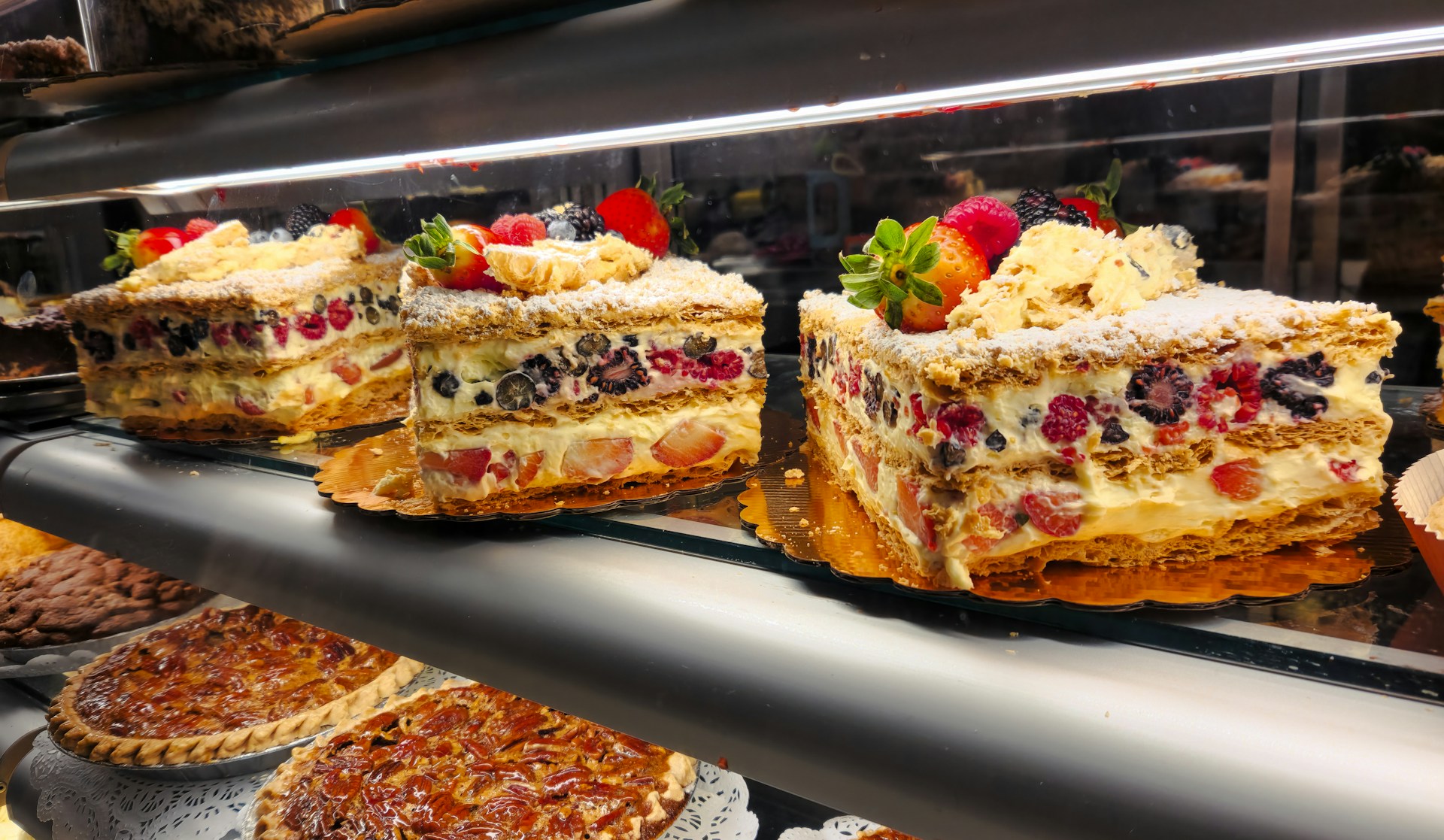
Fruitcake’s reputation as the holiday gift nobody wants obscures why it became associated with Christmas in the first place. The dense, preserved cake originated in ancient Rome, where pomegranate seeds, pine nuts, and raisins were mixed with barley mash.
Medieval Europeans made fruitcakes because the combination of dried fruit, nuts, spices, and alcohol created something that wouldn’t spoil. Before refrigeration, that mattered.
A fruitcake soaked in brandy could last months or even years.
The cakes became associated with Christmas and weddings because those were special occasions worth the expense of imported dried fruit and spices. In the 18th century, fruitcakes (then called plum cakes) were actually outlawed throughout continental Europe for being “sinfully rich.”
The ban didn’t last long, but it shows how these dense, extravagant cakes were seen as almost too decadent for everyday life.
American fruitcakes became increasingly terrible in the 20th century when mass production replaced quality ingredients with candied fruit dyed unnatural colors. The tradition persisted even as the product got worse, leaving us with a holiday food that’s mostly a punchline.
Leaving Cookies for Santa Grew from Depression-Era Gratitude

The practice of leaving cookies and milk for Santa Claus became widespread in America during the Great Depression. Parents used it to teach children about gratitude and giving to others, even during hard times.
The tradition likely has older European roots. Dutch children left food for Sinterklaas and his horse.
German children left plates for Christkind. But the specific cookies-and-milk combo is distinctly American, emerging in the 1930s when families wanted to instill the value of sharing with children who had very little.
Department stores promoted the tradition in the 1940s and 1950s. It appeared in children’s books and Christmas specials.
By the 1960s, it had become so standard that not leaving cookies for Santa seemed strange.
Now it’s just what you do on Christmas Eve. The Depression-era lesson about gratitude and generosity has faded, leaving just the ritual of setting out cookies that parents eat while assembling toys at midnight.
Poinsettias Connect to Aztec Festivals and American Marketing

The Aztecs called poinsettias cuetlaxochitl and used them in festivals honoring the goddess of fertility. They extracted red dye from the leaves and used the plant’s white sap to treat fevers.
Joel Roberts Poinsett, the first US ambassador to Mexico, brought the plant to America in the 1820s. He grew them in his South Carolina greenhouse and gave them to friends.
The plant was later named after him, though calling them cuetlaxochitl would have been more accurate.
Poinsettias had no connection to Christmas until the early 1900s, when the Ecke family in California began growing them commercially. Paul Ecke Jr. ran a brilliant marketing campaign in the 1960s, giving free plants to television stations to display during Christmas programs.
He sent them to movie studios as set decorations for holiday scenes.
The campaign worked. Within a generation, Americans associated poinsettias with Christmas.
Now they’re the most popular potted plant in America, selling by the millions each December, all because of strategic marketing by one family.
Advent Calendars Started as Chalk Marks in Germany
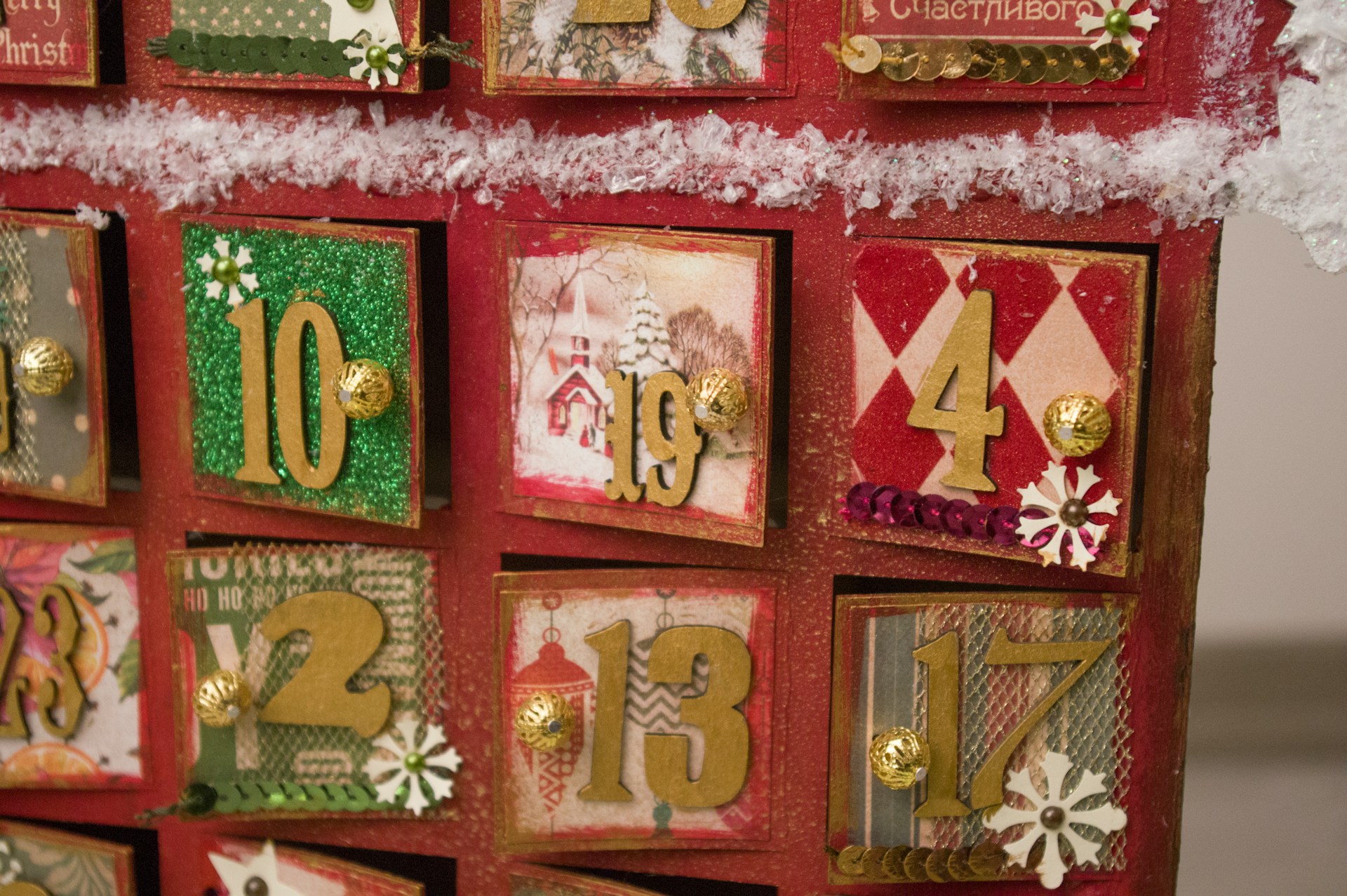
German Lutherans in the 19th century created the first advent calendars as a way to count down to Christmas. Early versions were simple—families would draw chalk lines on doors or walls and erase one each day.
Some hung pictures on the wall, taking one down daily.
The first printed advent calendar appeared in 1908. It was just a piece of cardboard with Christmas pictures, nothing fancy.
The first calendar with little doors to open came in the 1920s, created by Gerhard Lang, who remembered his mother making handmade calendars when he was a child.
Lang’s company printed these calendars until World War II, when cardboard shortages ended production. The tradition resumed in the 1950s, and by the 1980s, advent calendars had evolved into elaborate creations with chocolates, toys, or beauty products behind each door.
The religious significance—preparing for the arrival of Christ—gets lost when the doors hide mini Legos or face cream samples. But that’s tradition for you.
It starts as a spiritual practice and ends as a marketing opportunity.
Ugly Christmas Sweaters Were Genuinely Worn Before Becoming Ironic

The ugly Christmas sweater phenomenon has two distinct phases: when people wore them sincerely, and when people wore them ironically. The first phase lasted from the 1950s through the 1980s.
Knitted sweaters featuring reindeer, snowflakes, and Christmas trees became popular gift items in the post-war era. Companies like Jantzen and Pendleton made tasteful versions.
But as more people started knitting their own or buying cheaper versions, the designs got increasingly garish—puffy paint, jingle pieces sewn on, and three-dimensional ornaments.
The ironic phase began in the early 2000s, when people started hosting ugly Christmas sweater parties. The whole point was finding the most absurd, tacky sweater possible.
Thrift stores couldn’t keep them in stock.
Now companies manufacture intentionally ugly Christmas sweaters. The things people wore sincerely in 1987 became ironic costumes by 2005 and are now a genuine product category with serious money behind them.
The cycle from genuine to ironic to commercial took about 20 years.
Caroling Started as Rowdy Begging
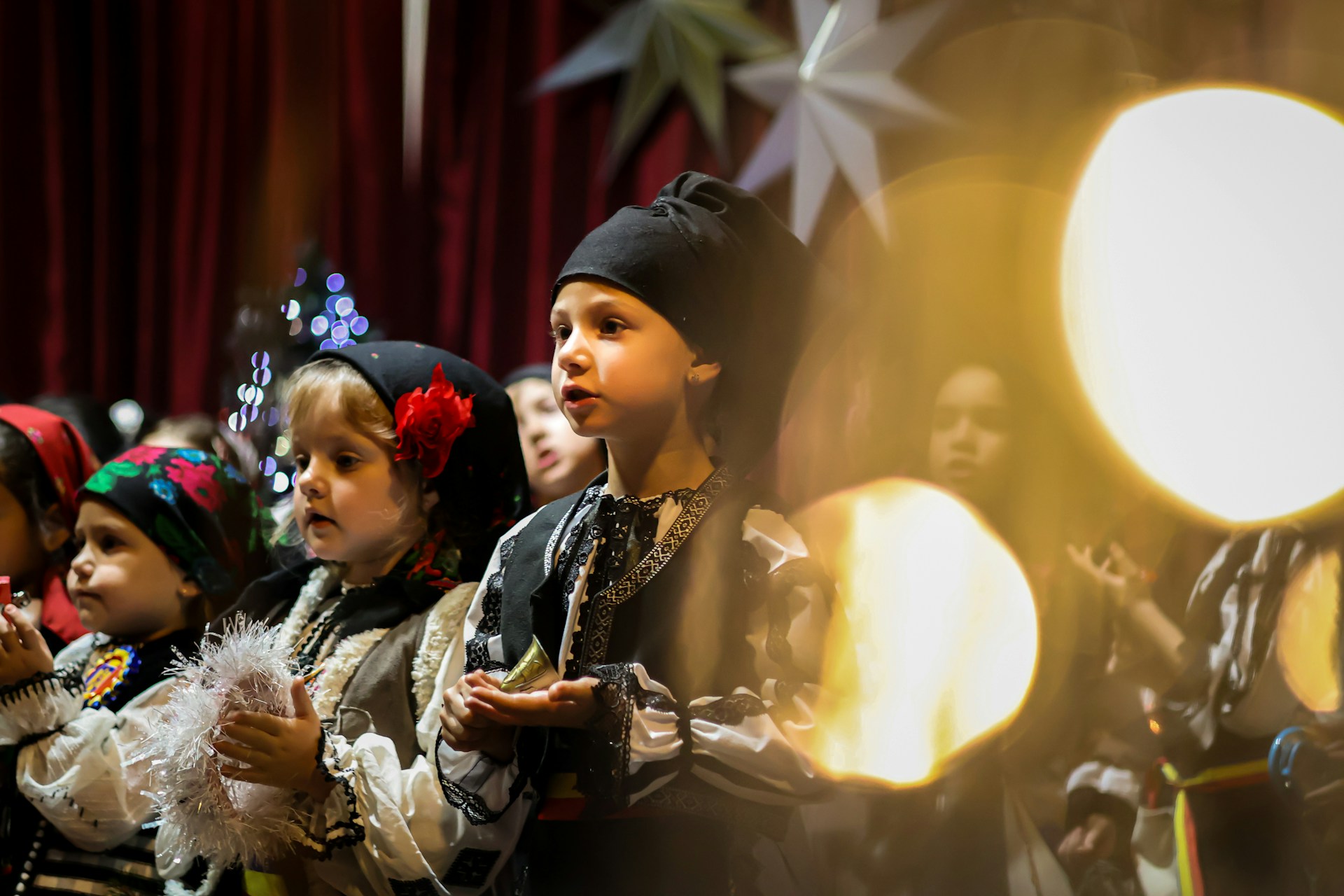
Christmas caroling wasn’t always the polite, organized activity we know now. The medieval practice of wassailing involved groups going door to door demanding food, drink, and money.
They’d sing outside until residents handed over goods or cash.
Wassailers could get aggressive. They’d refuse to leave until properly compensated.
The tradition had elements of festive extortion—give us what we want or we’ll keep singing outside your house. Some groups were essentially mobs of drunks demanding hospitality.
The custom evolved from pagan winter solstice celebrations where people went around blessing orchards and demanding offerings. The Christianized version maintained the door-to-door element and the expectation of payment.
Victorian England sanitized the tradition into the genteel caroling we recognize—organized groups singing hymns, maybe collecting for charity, but not demanding booze and threatening to linger if denied.
The modern version keeps the songs and door-knocking but drops the aggressive begging.
The Christmas Pickle Ornament Is a Marketing Invention
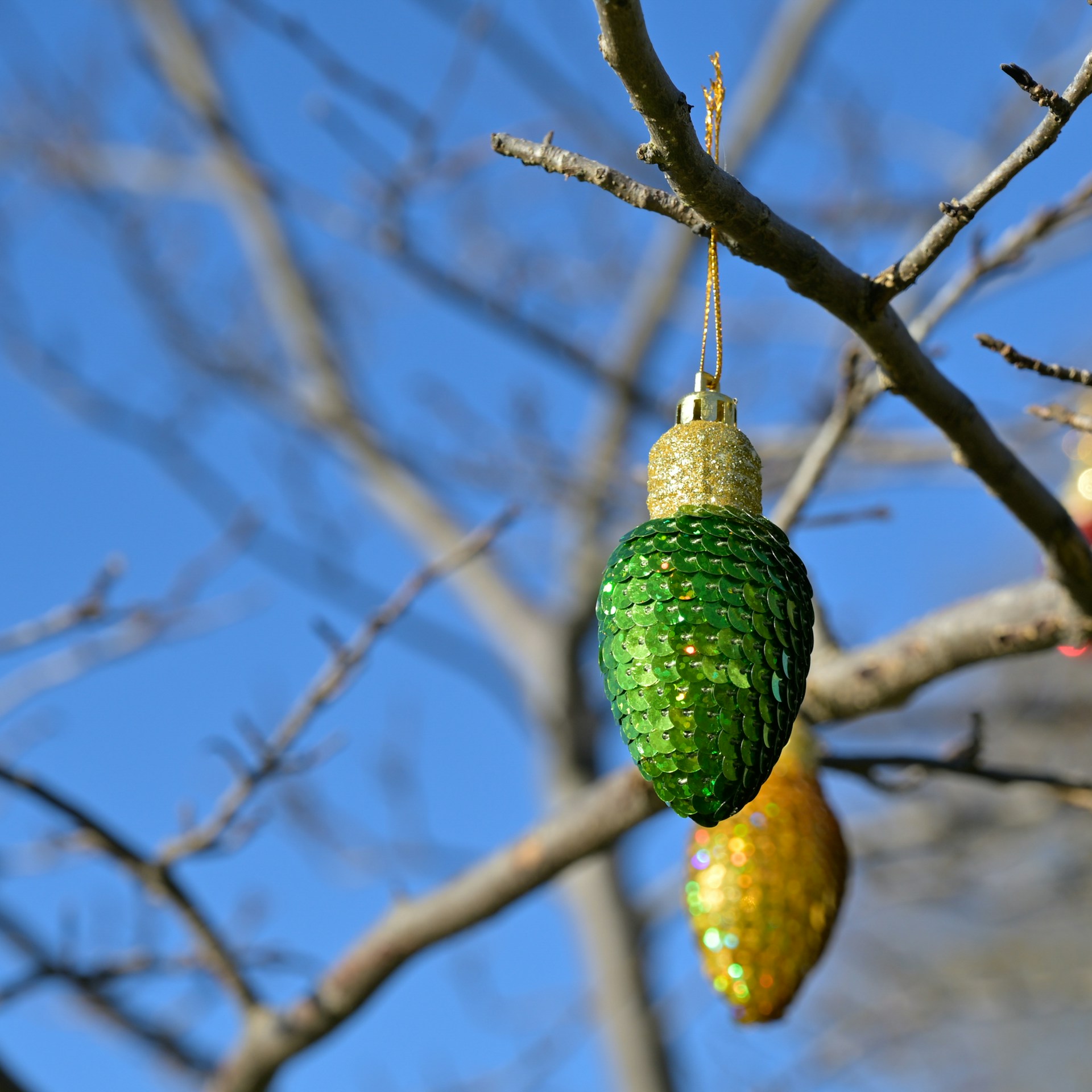
The story goes like this: Germans hide a pickle ornament on the Christmas tree, and whoever finds it gets an extra present or good luck for the year. It’s supposedly an old German tradition that immigrated to America.
Except Germans don’t do this. Ask anyone from Germany and they’ll have no idea what you’re talking about.
The tradition doesn’t exist there and never did.
Most likely, the pickle ornament was a marketing invention by Woolworth’s in the 1880s. The store imported glass ornaments from Germany and needed a story to sell the weird pickle-shaped ones.
They made up the tale about it being an old German custom, and Americans believed it.
Some versions of the story add a Civil War soldier saved by a pickle, or a medieval tale about two boys saved from a pickle barrel. These are all fabrications, created to sell ornaments.
The tradition is real now—American families really do hide pickle ornaments on their trees—but it started as a retail con.
Jingle Bells Wasn’t Written for Christmas

“Jingle Bells” has nothing to do with Christmas in its original form. James Lord Pierpont wrote it in 1857 as “One Horse Open Sleigh,” a song about winter sleigh racing.
The lyrics never mention Christmas, presents, or holiday cheer. It’s about a guy racing a sleigh and crashing into a snowbank.
The song was performed at Thanksgiving celebrations first. It only became associated with Christmas later, probably because of the winter and snow imagery.
By the early 20th century, it had been absorbed into the Christmas music canon.
Now it’s one of the most recognized Christmas songs, used in commercials, movies, and holiday displays worldwide. School children sing it at Christmas programs.
All because snow and sleighs felt Christmassy enough that people forgot the song had nothing to do with the holiday.
Rudolph Was Created to Sell Coloring Books

Montgomery Ward needed a holiday giveaway for customers that year – so they picked staffer Robert May to draft it. Instead of just another ad, he dreamed up Rudolph, a lonely reindeer teased for his bright red nose.
When fog hits on Christmas night, Santa spots him; suddenly, that odd glow saves the day. What started as filler became legend.
Montgomery Ward handed out tons of those booklets across the country. Then again, Johnny Marks – the guy married to May’s sister – penned the tune back in ’49.
Soon after, Gene Autry laid down the track, which blew up real quick. Come 1964, Rudolph scored his very own TV show.
Back then, none of this was around – definitely not before 1939. Rudolph? Not some old myth passed down through ages.
Nope – he started as a promo idea. It blew up so much folks now think he’s always been there.
Even though he showed up later than most grandpas. Over time, he just slipped right into the sleigh crew we picture every year.
The tale hits home since a misfit gains belonging by being helpful. Yet deep down, Rudolph was made to push folks into shops when holidays roll around.
How the Weird Becomes Normal

These customs seem timeless since we’ve known them forever. Yet they shape how we experience each year while linking us to moments and people from the past.
Even if they began as old nature rites, ads pushing sales, or random twists of history – they still carry real feeling.
Yet understanding where things truly began gives depth. These traditions didn’t drop from the sky or stay frozen since ancient times.
Folks created them along the way. They took bits from earlier habits, reshaped old ideas for fresh reasons, or dreamed them up entirely just to move merchandise.
After a while, constant repetition turned inventions into customs.
Here’s a twist – it beats the cleaned-up versions we always repeat. Tradition isn’t frozen; it shifts, picks up bits from here and there while dropping outdated stuff.
Stuff that seems timeless today? Probably started as some odd notion that just caught on.
More from Go2Tutors!

- The Romanov Crown Jewels and Their Tragic Fate
- 13 Historical Mysteries That Science Still Can’t Solve
- Famous Hoaxes That Fooled the World for Years
- 15 Child Stars with Tragic Adult Lives
- 16 Famous Jewelry Pieces in History
Like Go2Tutors’s content? Follow us on MSN.