Capital Cities People Get Wrong
Most people think capital cities are basic knowledge, something memorized young and accepted without doubt. Yet these locations often confuse even well-informed readers.
Big economies, strong cultural influence, past colonial ties, along with routine assumptions – these mix together quietly, making it hard to separate government centers from global spotlight spots. What runs a nation isn’t always what represents it abroad.
These errors catch attention because patterns hide inside them. Nearly always, a sensible cause explains why someone picks the incorrect choice.
One reason might be history – the place used to hold the title. Size or reputation can twist perception too – outshining the actual answer.
A closer peek into capital cities often mistaken reveals hidden reasons for their placement. Not always obvious, these locations carry subtle histories shaping their role.
Behind each lies a tale less told, yet clear once seen. Some grew quietly beside rivers others ignored.
A few emerged not from power but necessity. Geography whispered choices leaders eventually followed.
Mistakes in naming them stem from assumptions too quickly made. Truth sits lower than spectacle, harder to spot.
Canberra
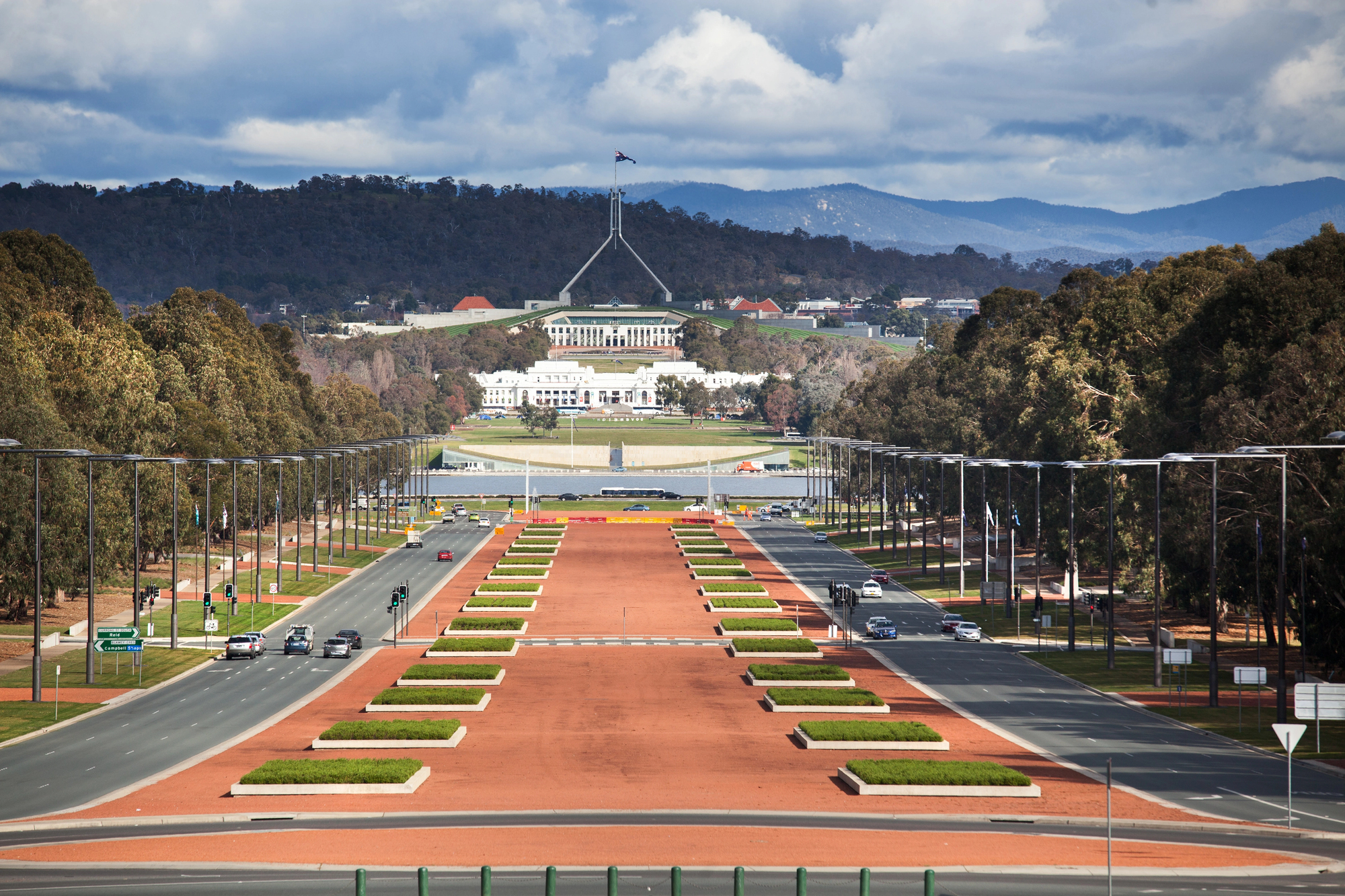
Sydney and Melbourne dominate Australia’s global image, which makes Canberra easy to overlook. The choice of Canberra was a political compromise born from rivalry between those two cities in the early 20th century.
Rather than elevate one over the other, leaders opted to build a new capital from scratch, positioned inland between the competing power centers. Canberra’s purpose-built design reflects its role.
It was never intended to be a commercial giant or cultural trendsetter. Its function is governance, not spectacle.
That intentional restraint explains why it rarely appears in global conversations, even though it sits firmly at the center of Australian political life.
Ottawa
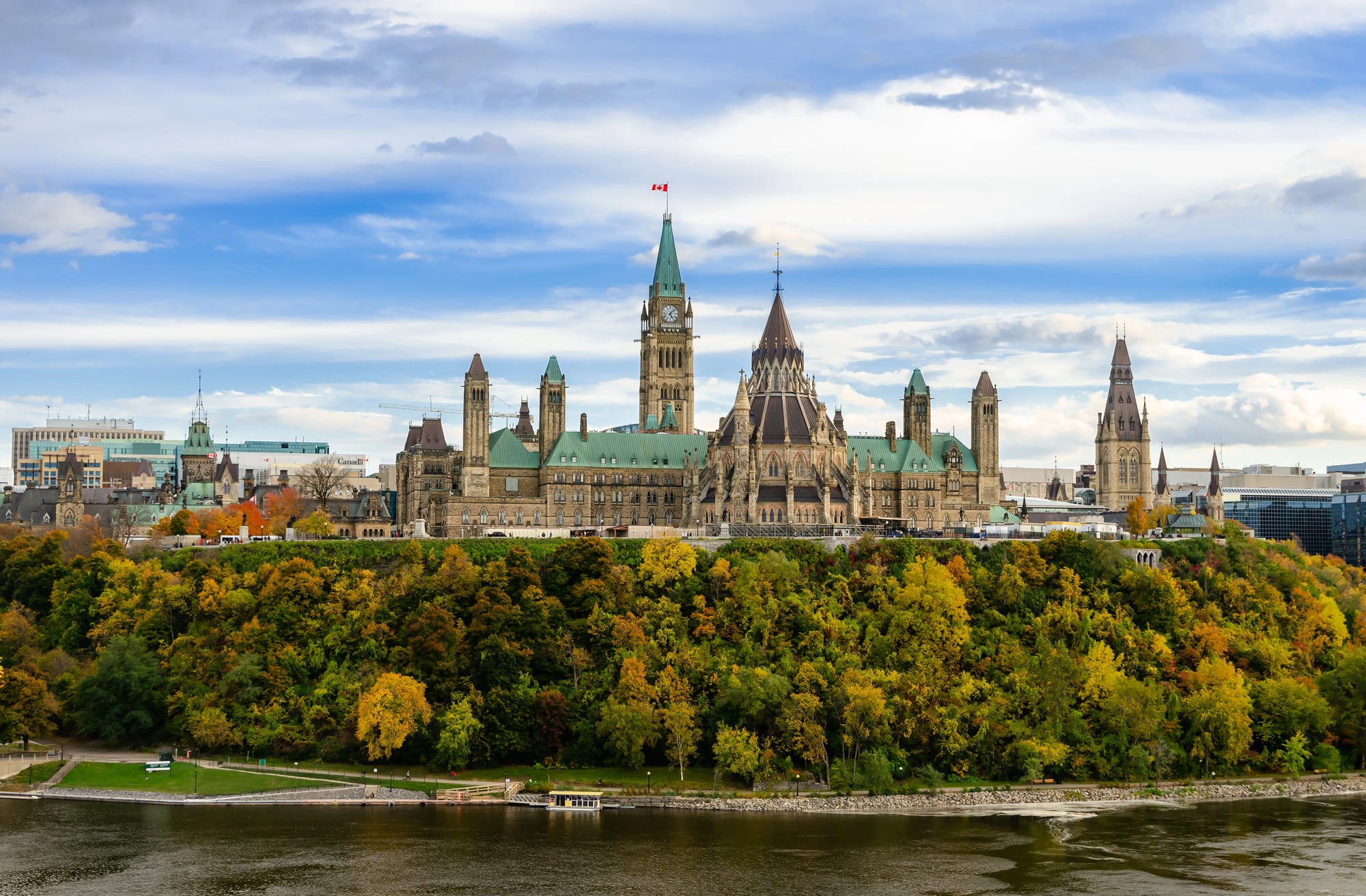
Toronto’s size and economic influence often lead people to assume it is Canada’s capital. Ottawa earned the designation in the 19th century for reasons that had little to do with scale.
Its location offered security, sitting farther from the U.S. border at a time when military concerns mattered greatly. It also lay between English- and French-speaking regions, making it a symbolic compromise.
Ottawa developed as an administrative city rather than a commercial one. Its quieter international profile is a feature, not a flaw.
The confusion persists because visibility often outweighs political function in public perception.
Brasília
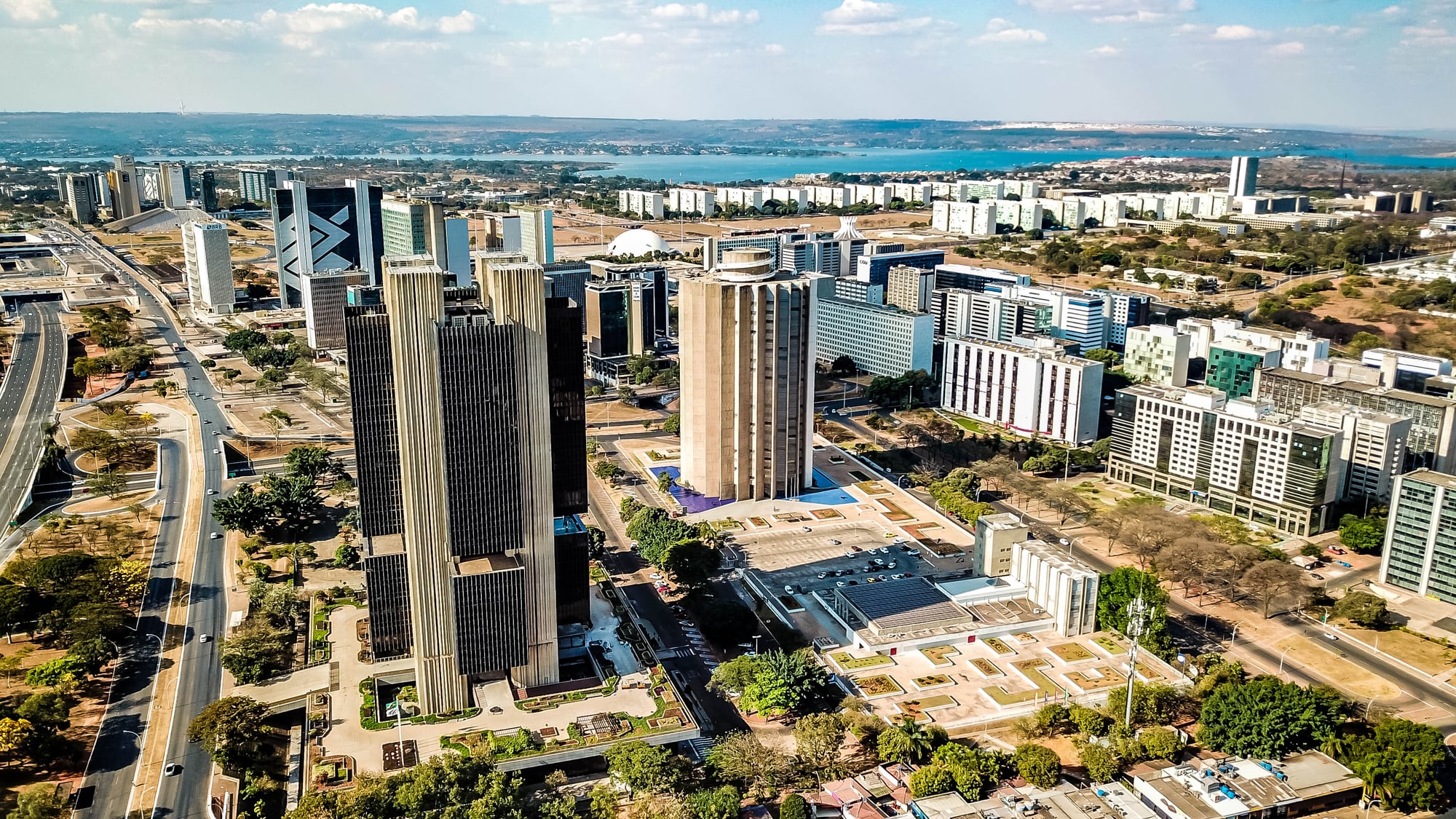
Rio de Janeiro feels inseparable from Brazil’s identity, which makes Brasília an unexpected answer for many. The capital was moved inland in 1960 as part of a national strategy to encourage development away from the coast.
Brasília was designed and built with remarkable speed, shaped by modernist ideals and long-term planning. Its layout prioritizes symbolism and organization over organic growth.
While Rio remains culturally magnetic, Brasília operates as the administrative heart. The stark contrast between the two cities keeps the misconception alive, even generations after the change.
Bern
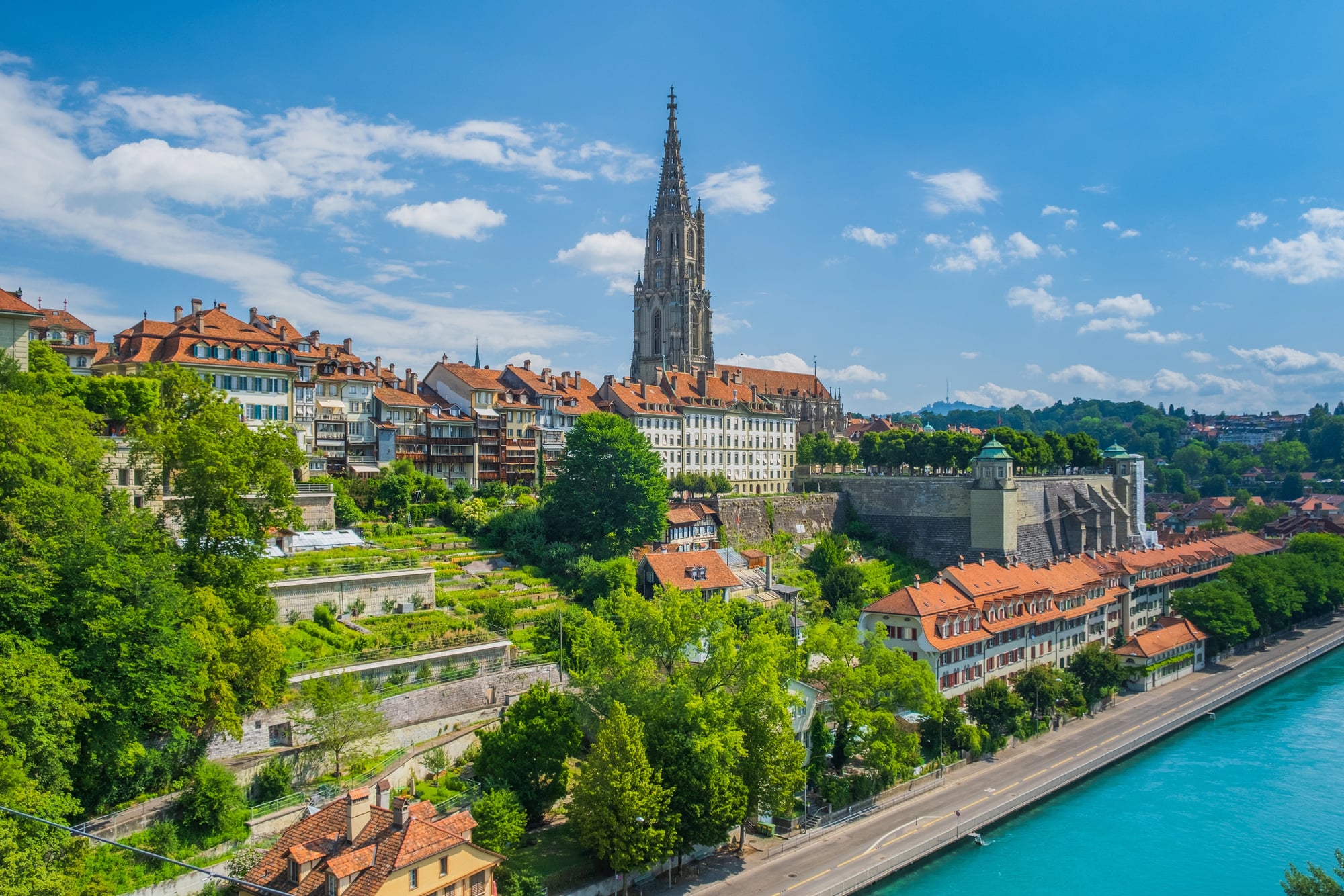
Zurich’s role as a financial powerhouse leads many to assume it is Switzerland’s capital. Bern holds that title, reflecting the country’s emphasis on balance and federalism.
Switzerland has long resisted concentrating too much power in one city, preferring distributed authority across regions. Bern’s understated presence aligns with that philosophy.
It governs without drawing attention to itself, which makes it easy to miss on a global stage. The confusion highlights how economic influence can overshadow political reality.
Ankara
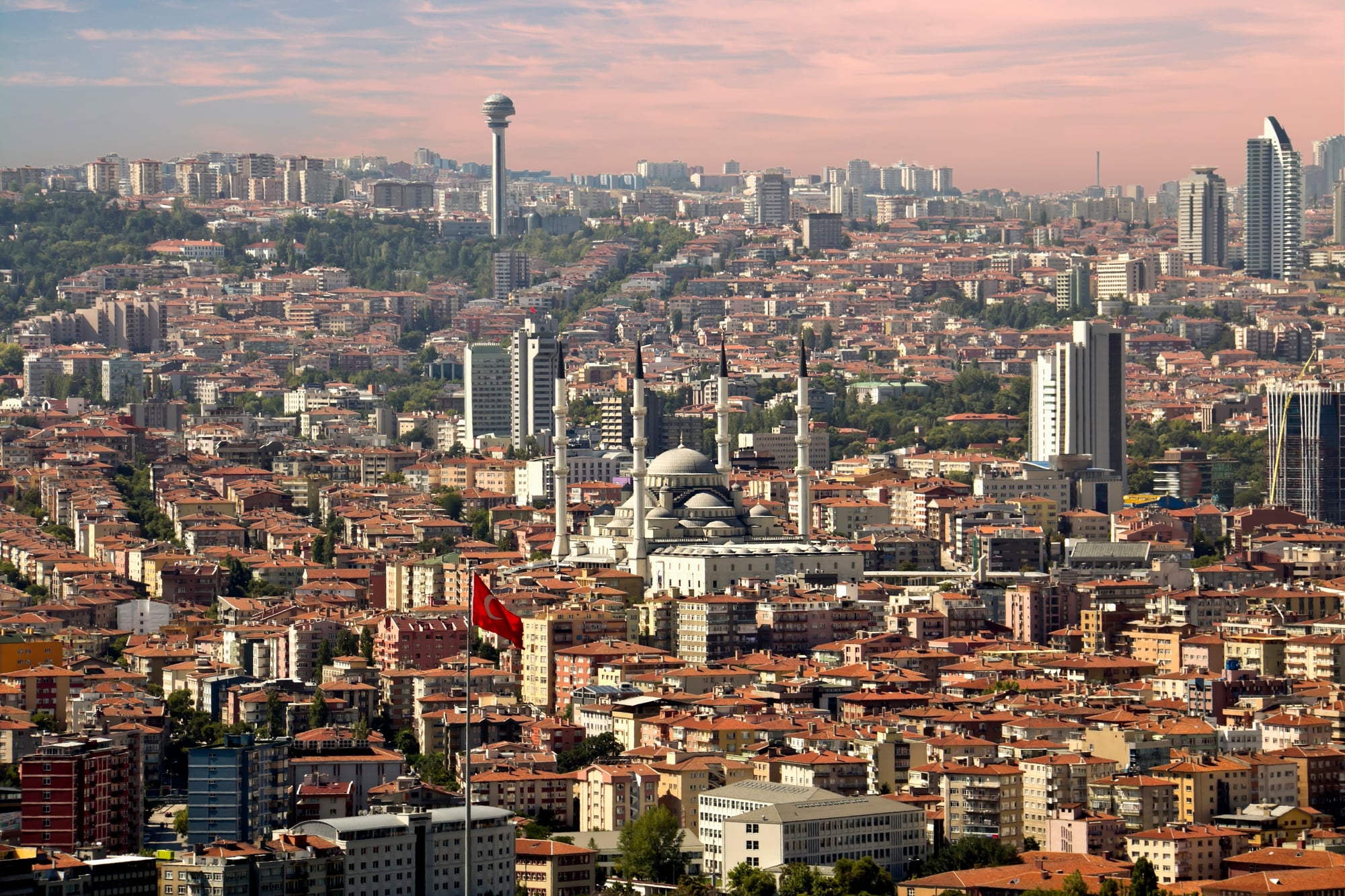
Istanbul’s history as the heart of empires makes it feel like Turkey’s natural capital. Ankara became the capital in 1923 following the establishment of the modern Turkish state.
The move symbolized a break from the Ottoman past and a turn toward a new national identity rooted in the country’s interior. Ankara lacks Istanbul’s global fame, but that is part of its role.
It represents governance rather than legacy. The persistence of the misconception shows how historical memory can outweigh contemporary political structure.
Abuja

Lagos is Nigeria’s economic engine and cultural beacon, which fuels widespread confusion. Abuja was designated the capital in the late 20th century for its central location and relative neutrality among Nigeria’s diverse ethnic groups.
The goal was to reduce regional dominance and create a more balanced seat of government. Abuja’s planned nature and administrative focus make it less visible internationally.
Lagos continues to shape Nigeria’s image abroad, even as Abuja manages its political affairs quietly.
The Hague
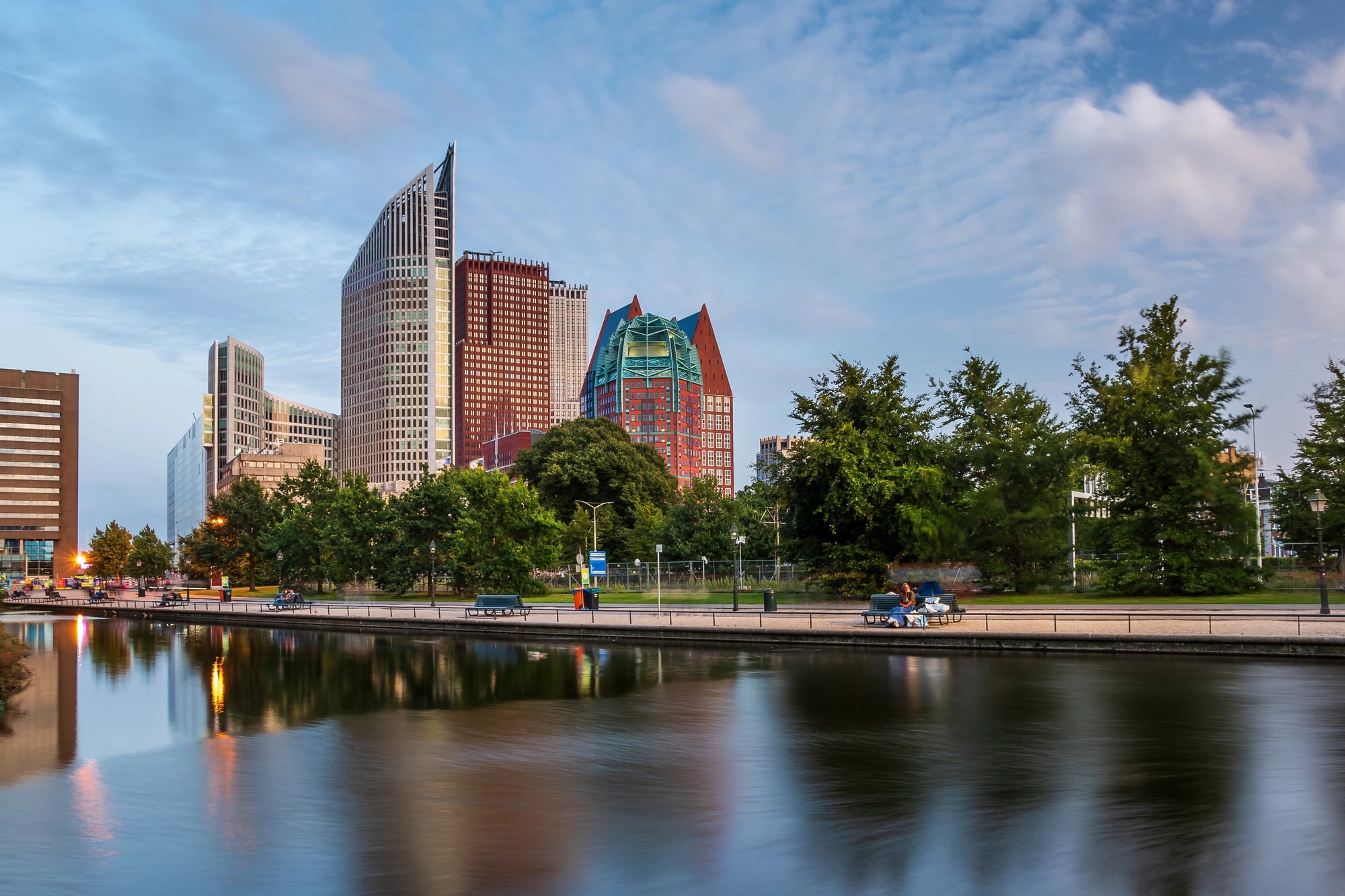
The Netherlands presents a rare case where confusion is understandable. Amsterdam is the constitutional capital, while The Hague hosts parliament, the supreme court, and the royal offices.
In daily practice, The Hague functions as the political center. This split arrangement blurs definitions of what a capital actually is.
People often default to the city where power is exercised rather than the one named in law. It is less a mistake than a reflection of how governance is experienced.
Wellington
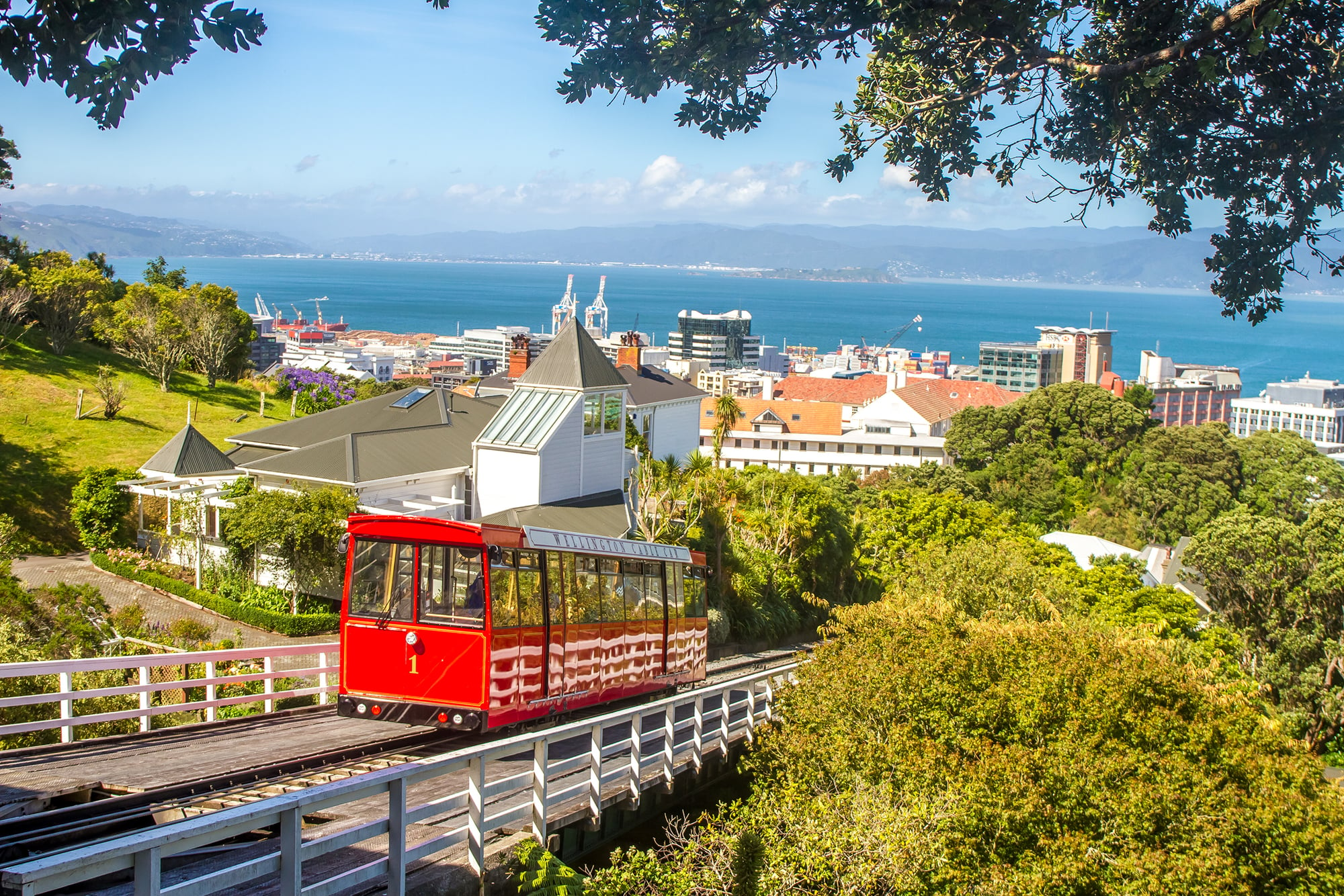
Auckland’s size and economic dominance lead many to assume it is New Zealand’s capital. Wellington was chosen in the 19th century for its central location between the North and South Islands.
Its harbor made it accessible and strategically sound for administration. Wellington’s influence is political rather than commercial.
That distinction keeps it out of the international spotlight, reinforcing the assumption that Auckland holds the title.
Pretoria
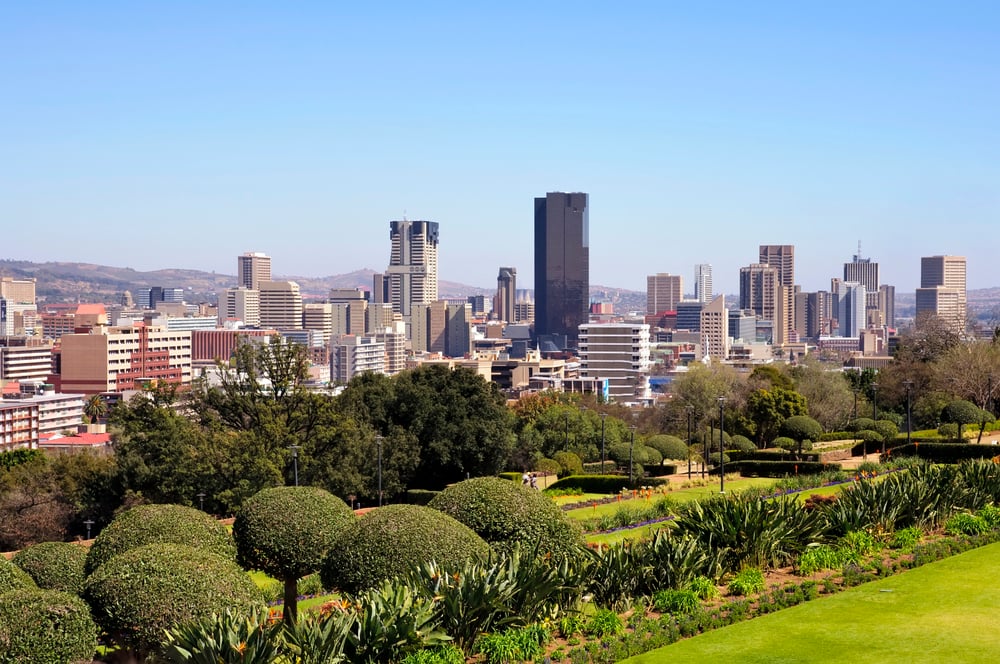
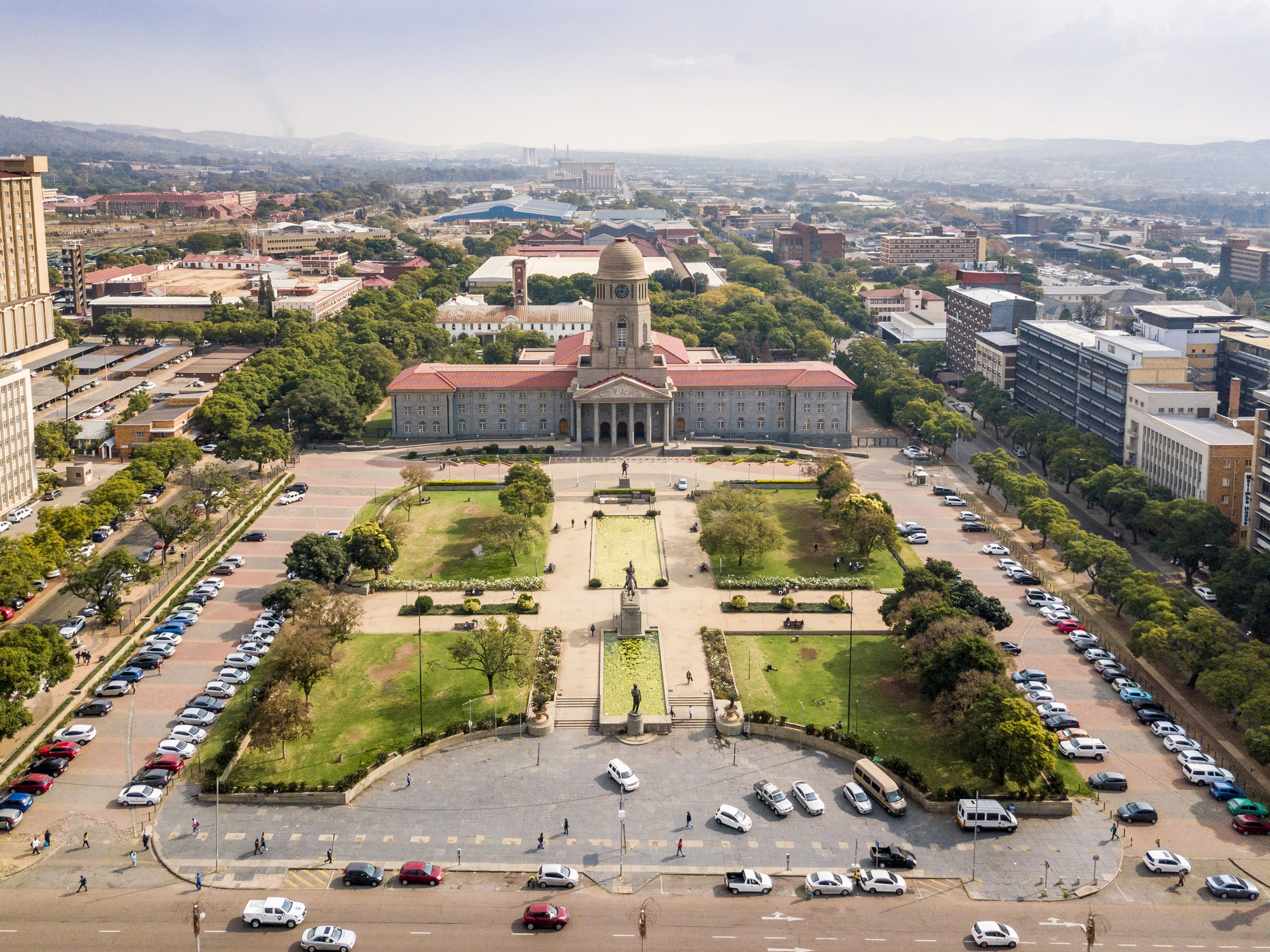
South Africa’s system is uniquely complex, which makes confusion almost inevitable. Pretoria serves as the administrative capital, Cape Town hosts the legislature, and Bloemfontein handles judicial functions.
Many people default to Cape Town due to its global recognition. Pretoria’s role is precise but understated.
The division of power reflects historical compromise, yet it complicates simple answers. Outside the country, that nuance is often lost.
Washington, D.C.
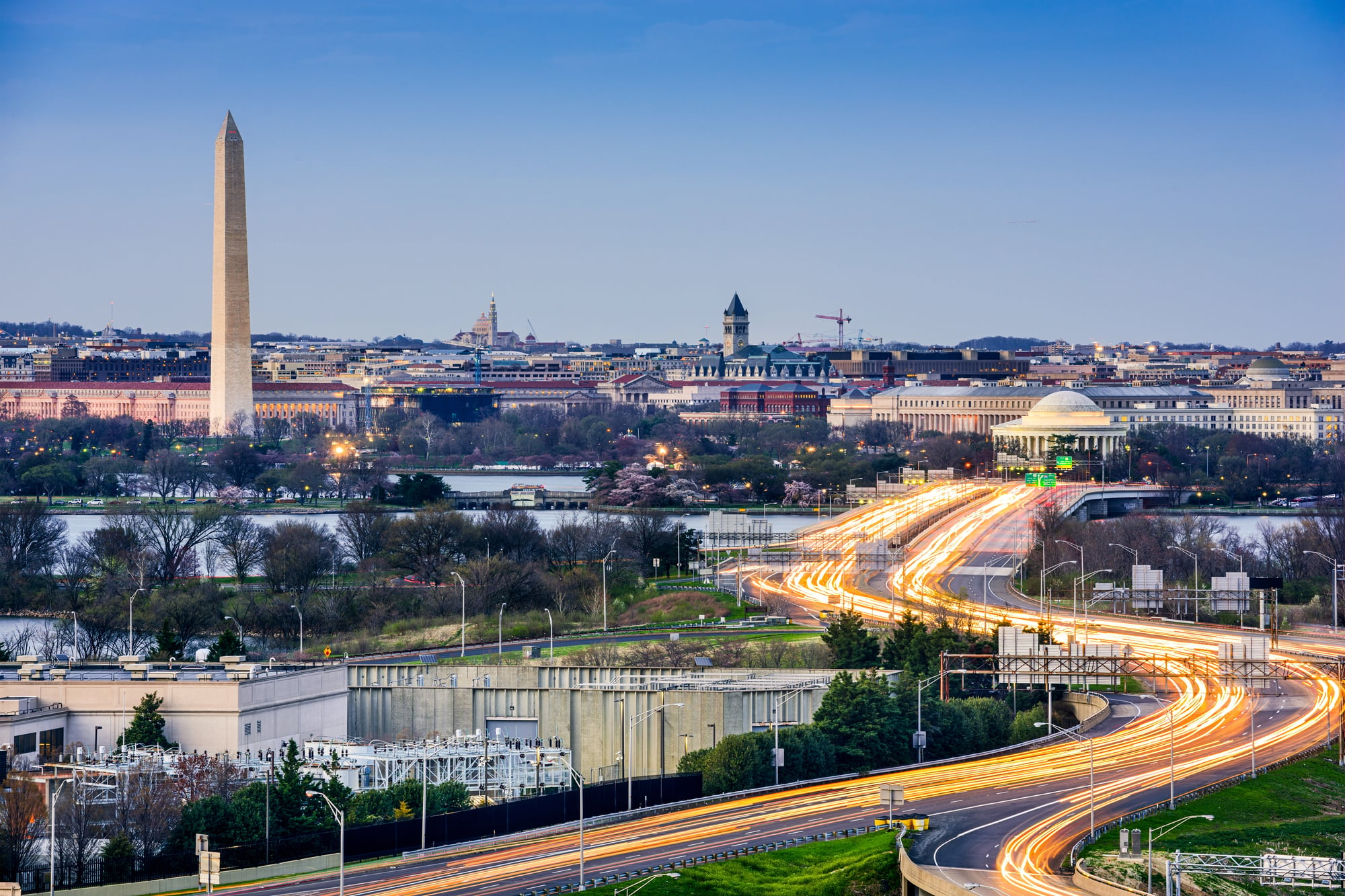
Even widely taught capitals are not immune to error. Some assume New York City is the U.S. capital due to its global influence and historical role.
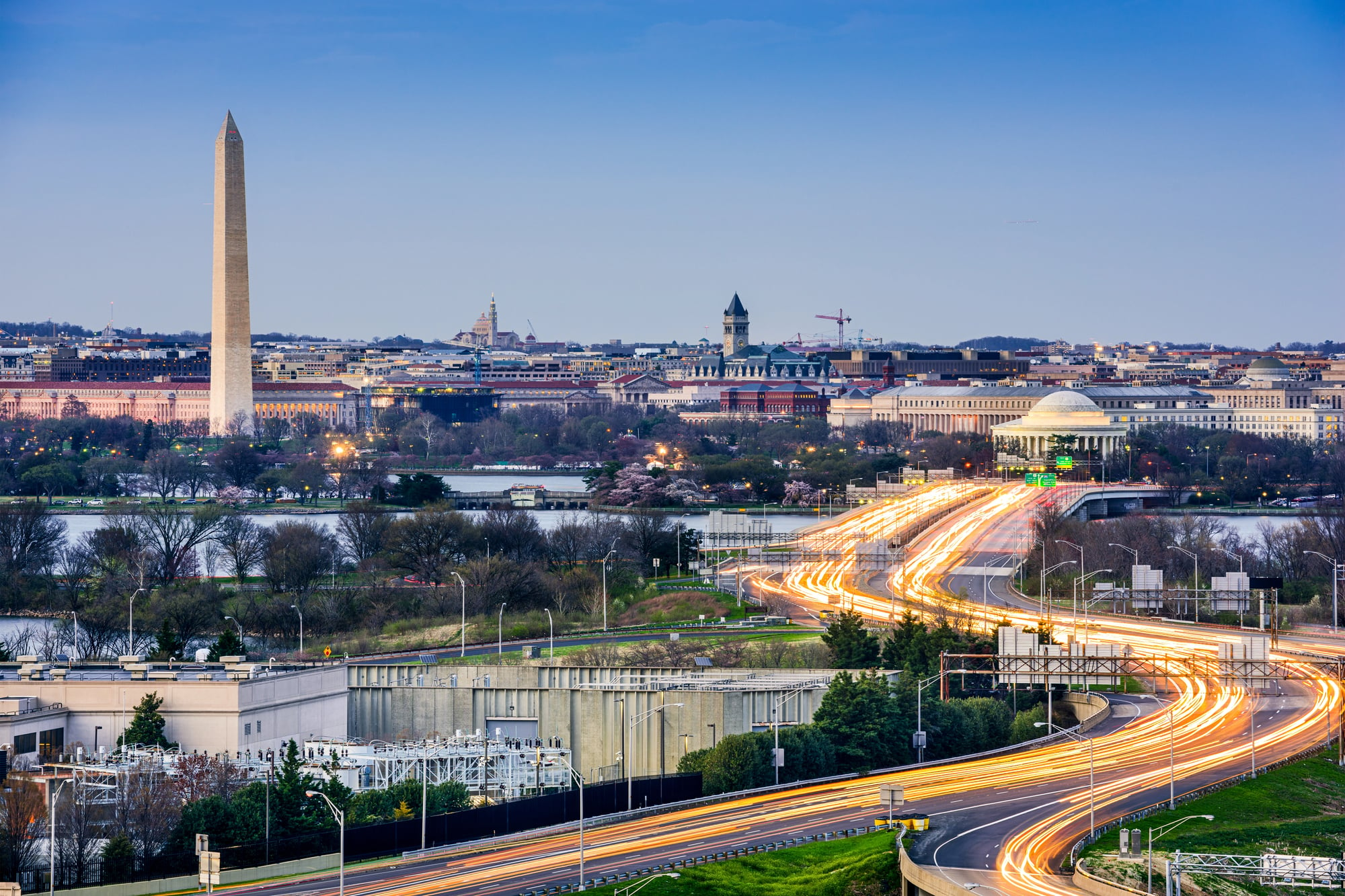
Washington, D.C. was created as a neutral federal district to prevent any state from holding disproportionate power. Its purpose-built nature separates it from economic dominance.
The confusion reflects how cultural visibility can distort even the most established facts.
Islamabad
Karachi’s size and former status as Pakistan’s capital make it a common wrong answer. Islamabad was chosen in the 1960s to replace Karachi, partly for security reasons and partly to promote balanced development.
Its location near the foothills of the Himalayas was also considered strategically advantageous. Islamabad was planned as a calm administrative center rather than a commercial hub.
Its reserved character keeps it out of global headlines, allowing older assumptions to linger.
Why These Misunderstandings Endure
Some capital cities grow from deals, not votes. Where peace feels reachable, leaders plant them – away from bright lights and loud places.
Years pass. Money flows elsewhere. Art thrives in different zones.
Quiet offices fade behind louder names. Mistaking fame for control shows a gap: what we see does not always shape what stands.
Beyond quiz answers, capital cities reveal deeper truths. Stability often wins over flashiness, even if that seems odd at first glance.
More from Go2Tutors!

- The Romanov Crown Jewels and Their Tragic Fate
- 13 Historical Mysteries That Science Still Can’t Solve
- Famous Hoaxes That Fooled the World for Years
- 15 Child Stars with Tragic Adult Lives
- 16 Famous Jewelry Pieces in History
Like Go2Tutors’s content? Follow us on MSN.