15 Minerals That Glow in the Dark Naturally
Most people think glowing rocks only exist in science fiction movies or kids’ toy stores. The reality is far more magical than fiction.
Deep in the earth, nature has been creating minerals that light up on their own for millions of years, using chemical processes that would make any chemist jealous. These luminous minerals don’t need batteries, electricity, or special treatment to produce their ethereal glow.
They harness energy from radioactive decay, stored sunlight, or chemical reactions to create natural light shows that have fascinated humans since ancient times. Here’s a list of 15 minerals that prove nature’s light display is more spectacular than anything we could engineer.
Fluorite
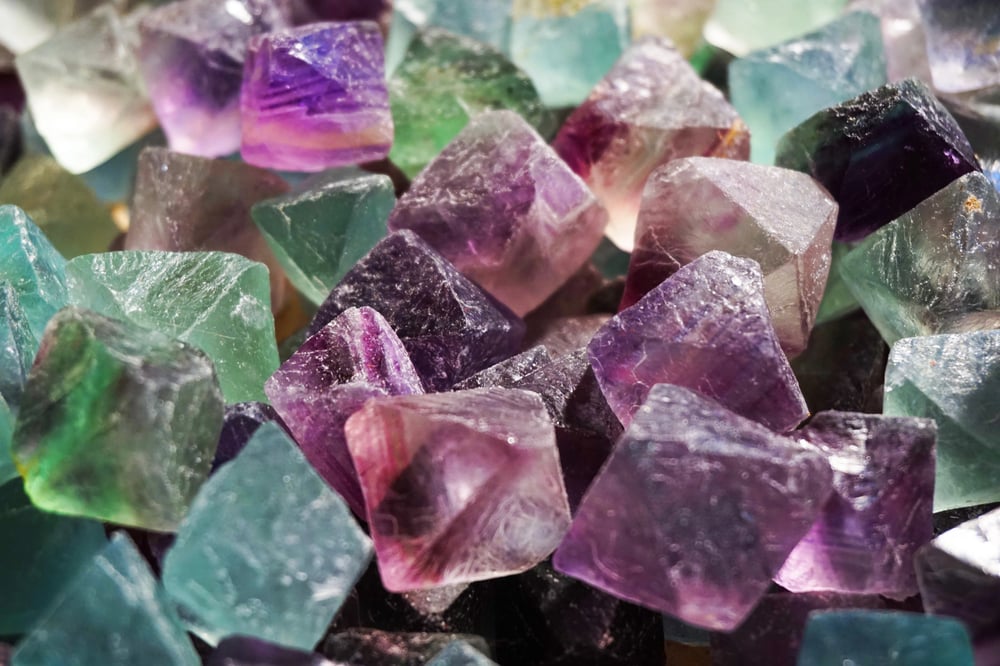
Fluorite earned its name from the Latin word for ‘flow’ because it melts easily, but its real claim to fame is the brilliant blue-purple glow it emits under ultraviolet light. Some fluorite specimens continue glowing for several minutes after the UV source is removed, a phenomenon called phosphorescence.
The mineral’s glow comes from trace amounts of rare earth elements trapped in its crystal structure, creating what looks like captured lightning frozen in stone.
Willemite
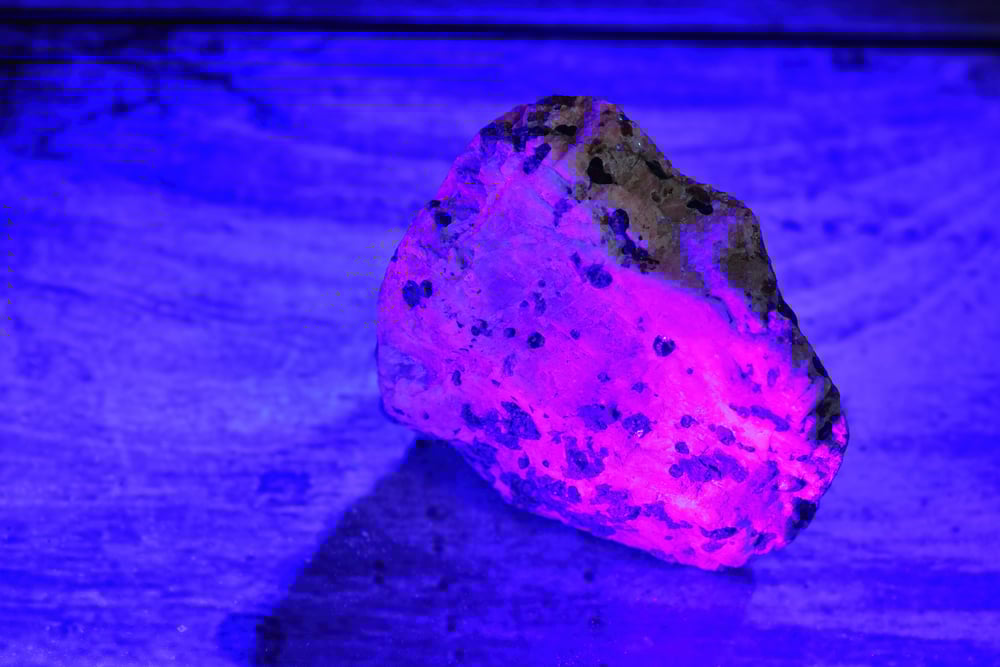
This zinc silicate mineral produces one of the most intense green glows found in nature, shining so brightly under UV light that it can illuminate an entire room. Willemite often occurs alongside other fluorescent minerals, creating rainbow displays that look like natural disco floors.
The mineral gets its luminescent properties from manganese impurities that act like tiny light bulbs embedded throughout the crystal.
Like Go2Tutors’s content? Follow us on MSN.
Calcite
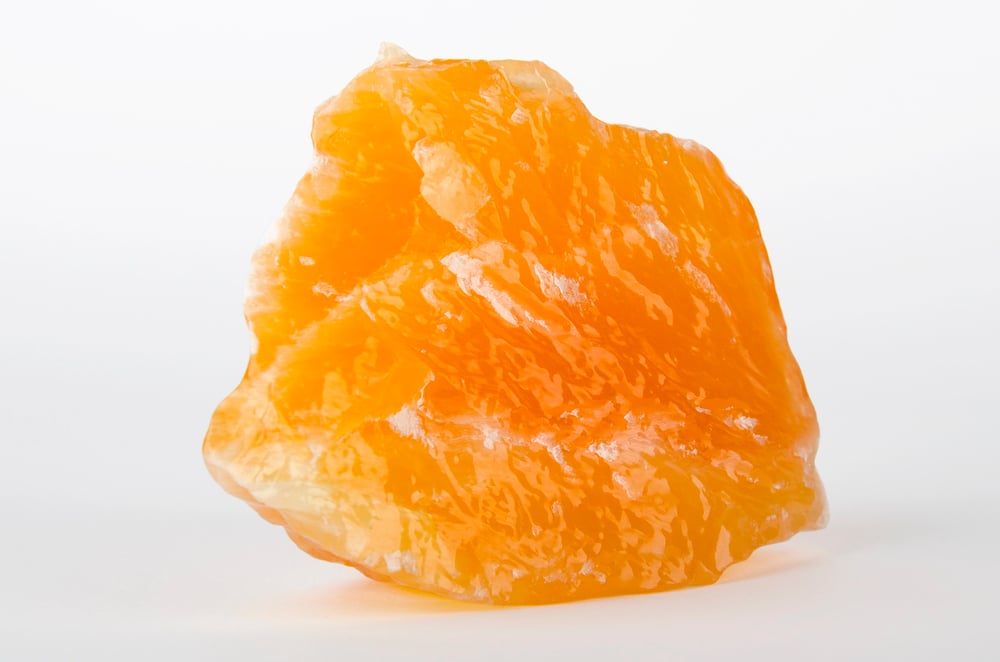
Calcite comes in more fluorescent colors than most minerals, glowing red, orange, yellow, green, blue, or pink, depending on the trace elements it contains. Some calcite specimens exhibit multiple colors in different parts of the same crystal, creating natural tie-dye patterns.
The mineral is so responsive to UV light that geologists use portable UV lamps to identify calcite deposits in the field, making it glow like neon signs against dark rock faces.
Scheelite
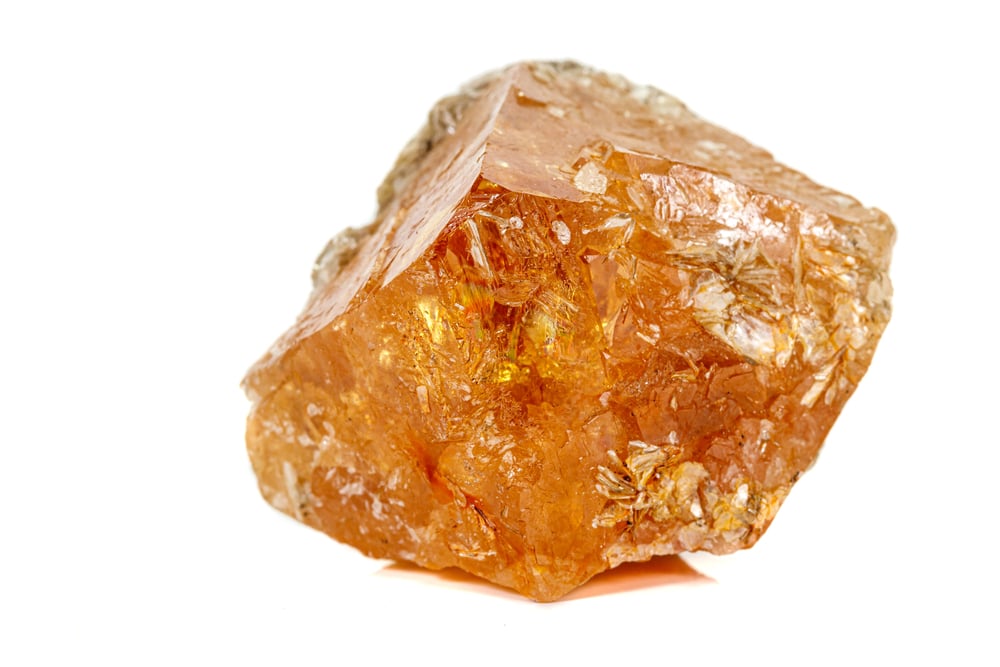
Scheelite glows bright blue-white under shortwave UV light, making it look like chunks of frozen moonlight. This tungsten-bearing mineral is so consistently fluorescent that miners use UV lamps to locate scheelite deposits in the field.
The glow is so intense that even tiny grains of scheelite scattered through rock will light up like stars against a dark sky.
Autunite
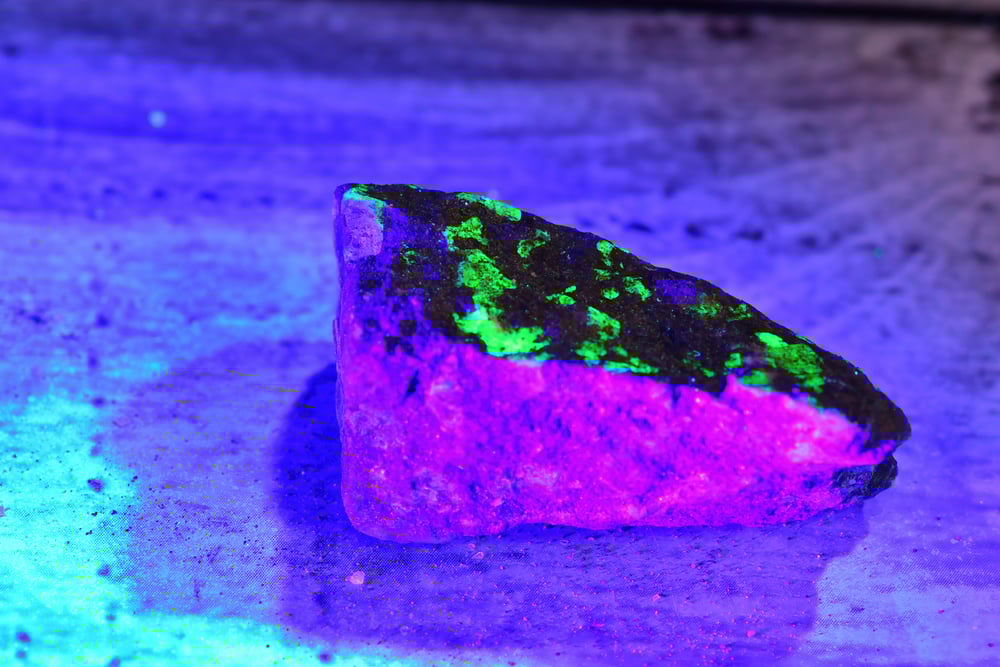
Autunite contains uranium, which makes it naturally radioactive and gives it a distinctive yellow-green glow that’s visible in darkness without UV light due to its radioactivity. This mineral literally glows in the dark without any external energy source, powered by the slow decay of uranium atoms within its structure.
The radioactive glow has been steady for millions of years and will continue for millions more, making autunite nature’s version of a nuclear battery.
Like Go2Tutors’s content? Follow us on MSN.
Hyalite Opal
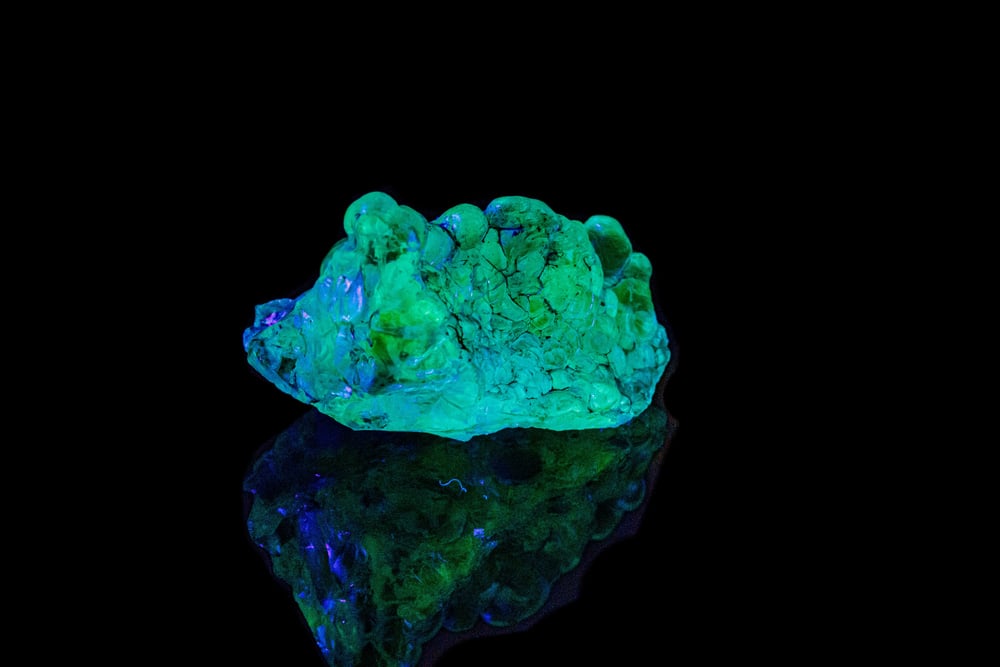
Hyalite opal looks like clear glass in normal light but transforms into glowing green gelatin under UV illumination. This variety of opal contains uranium traces that create its otherworldly fluorescence, making specimens appear to be filled with glowing jelly.
The contrast between its transparent appearance in daylight and brilliant glow under UV light makes hyalite one of the most dramatic fluorescent minerals.
Aragonite

Aragonite produces soft, creamy fluorescence that ranges from pale yellow to bright green, depending on its chemical composition. Some aragonite formations create entire glowing caves when illuminated with UV light, turning underground chambers into natural cathedrals of light.
The mineral’s gentle glow has a warm quality that makes it popular among collectors who appreciate subtlety over intensity.
Sodalite
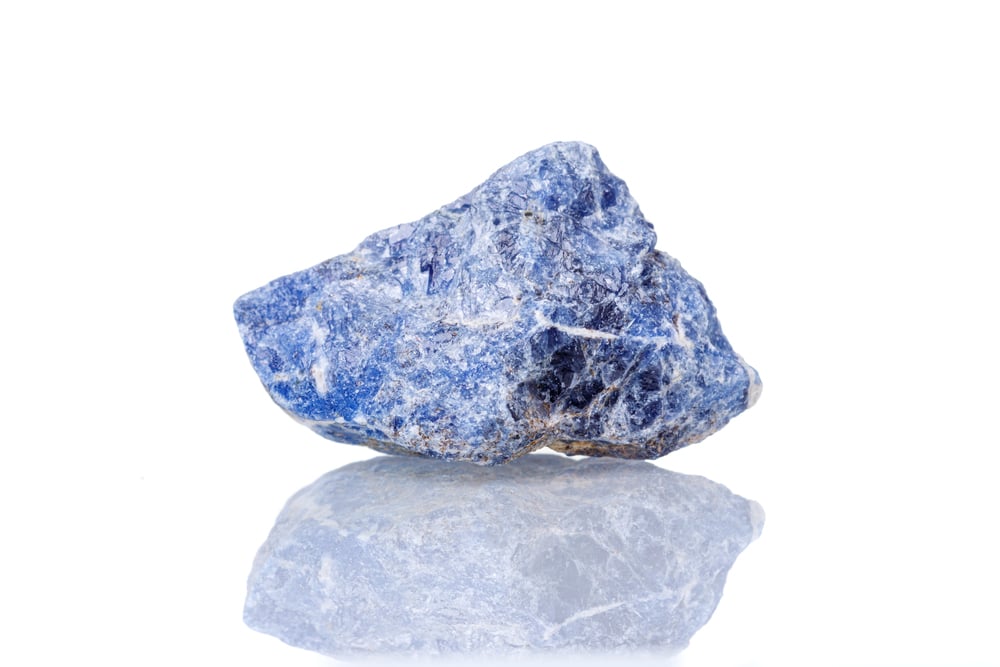
Sodalite glows bright orange under UV light, creating a stunning contrast with its deep blue color in normal lighting. This transformation from cool blue to fiery orange makes sodalite one of the most visually striking fluorescent minerals.
The orange glow comes from sulfur-containing compounds within the mineral’s structure that absorb UV energy and re-emit it as visible orange light.
Like Go2Tutors’s content? Follow us on MSN.
Hackmanite
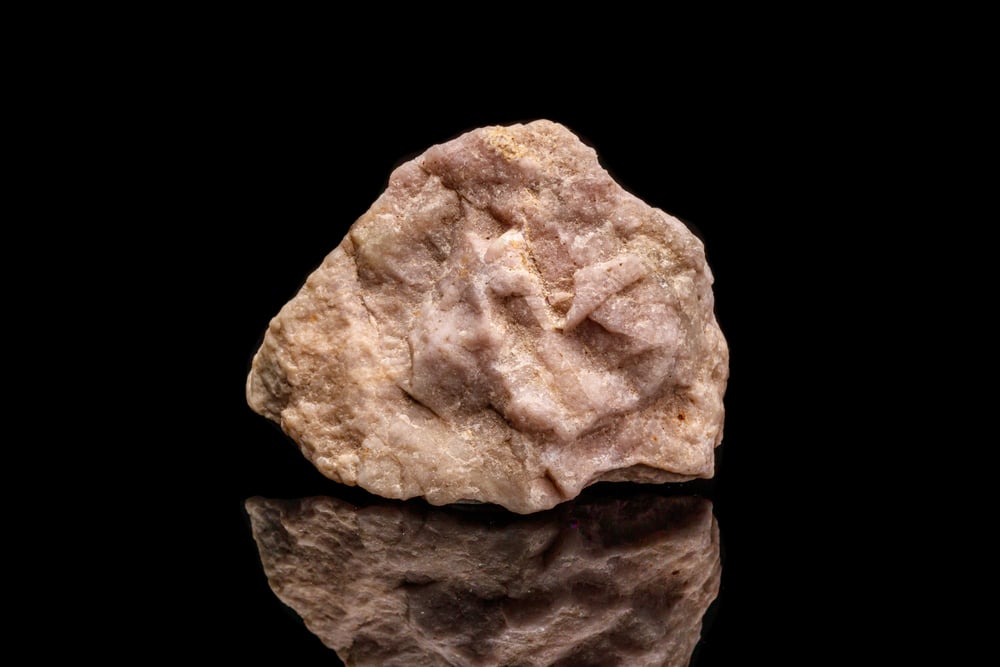
Hackmanite performs one of nature’s most amazing light tricks by changing color when exposed to sunlight, then slowly fading back to its original hue in darkness. This variety of sodalite can shift from pale gray to deep purple in seconds when exposed to UV light, then gradually return to gray over several hours.
The color-changing ability makes hackmanite seem almost alive, responding to light like a mineral chameleon.
Smithsonite
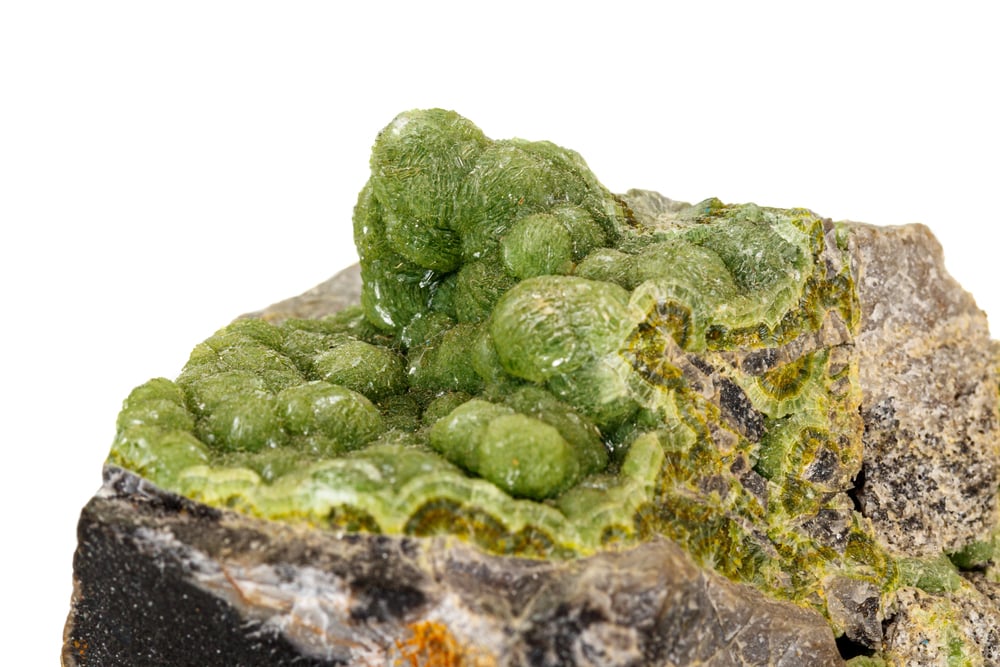
Smithsonite produces a soft blue-green glow that’s often described as ethereal or ghostly, giving specimens an otherworldly appearance under UV light. The mineral’s fluorescence varies in intensity depending on zinc content, with some specimens glowing brightly while others emit only a faint luminescence.
This variability creates mystery around each specimen, as collectors never know how brightly a piece will glow until they test it.
Wollastonite
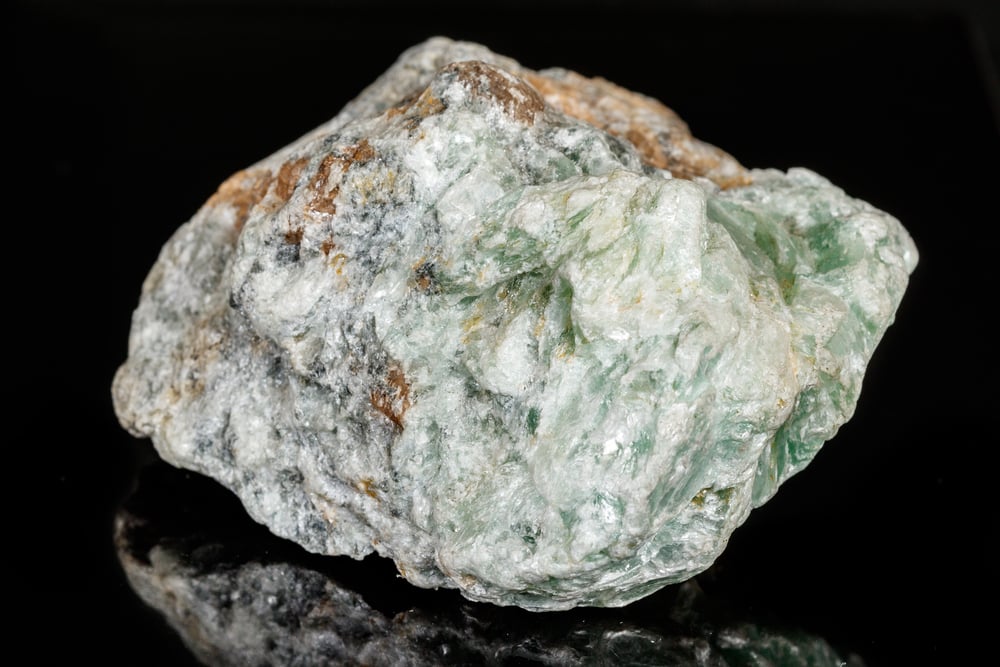
Wollastonite glows cream to yellow under UV light, creating what looks like illuminated ivory or bone. This calcium silicate mineral often forms needle-like crystals that create fiber-optic effects when they fluoresce.
The mineral’s glow has a warm, organic quality that makes it appear almost biological rather than geological.
Like Go2Tutors’s content? Follow us on MSN.
Petroleum Quartz
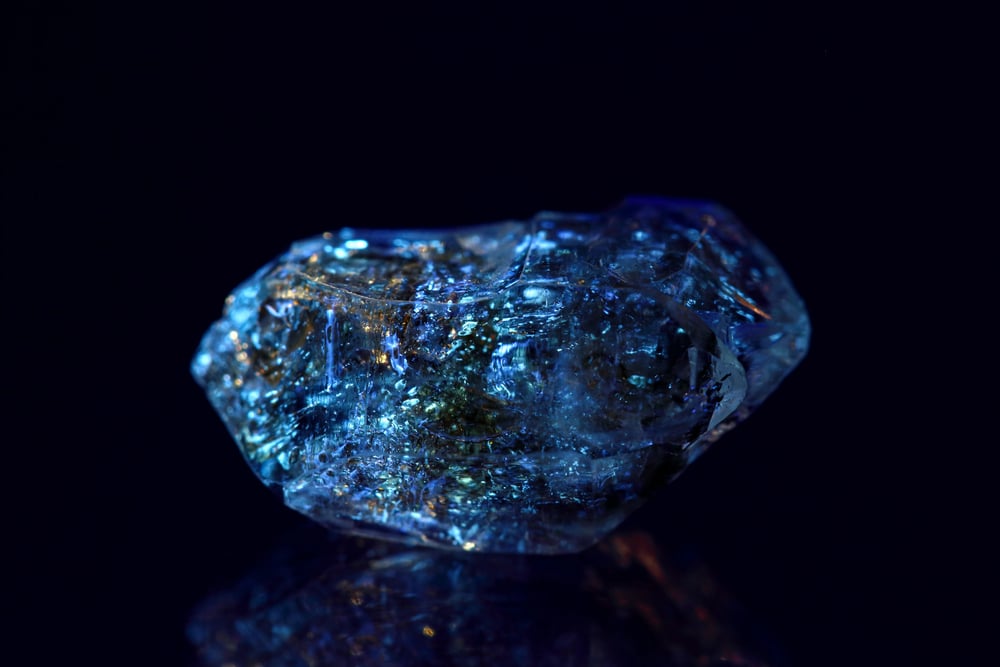
Petroleum quartz contains tiny pockets of ancient oil that fluoresce bright yellow-green under UV light, creating what looks like liquid sunshine trapped in crystal. These inclusions are millions of years old, representing some of the oldest organic materials preserved on Earth.
The fluorescent oil droplets scattered throughout the quartz create a starry effect that’s both beautiful and scientifically fascinating.
Esperite
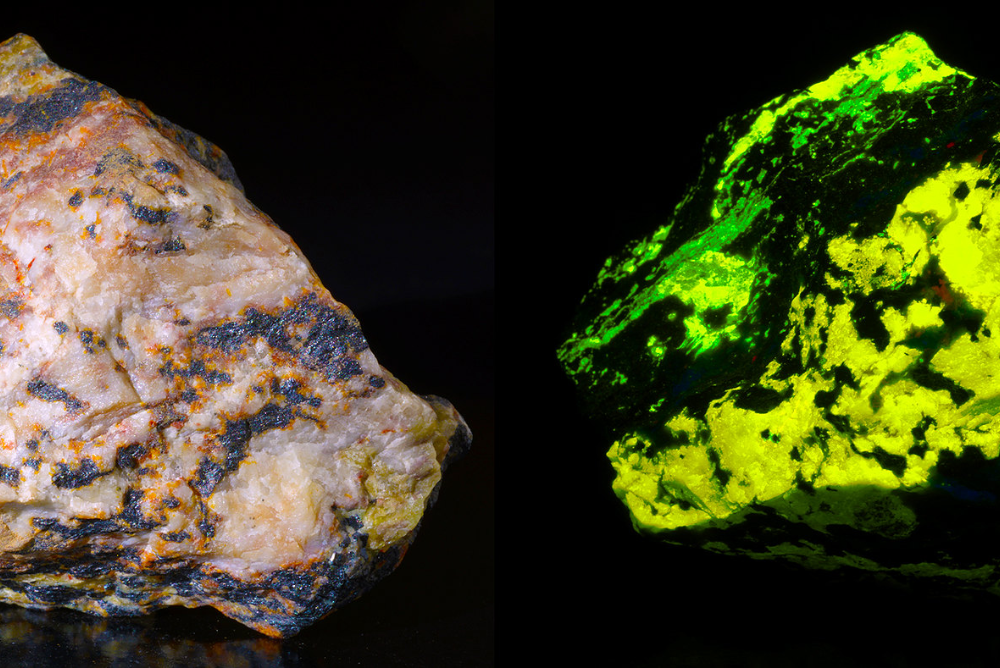
Esperite produces bright yellow fluorescence that’s so intense it can be seen even under bright ambient lighting. This lead zinc silicate mineral is relatively rare, making fluorescent specimens highly prized by collectors.
The mineral’s name comes from the Esperanza Mine in Mexico, where some of the finest fluorescent specimens have been found glowing like yellow beacons in the dark underground workings.
Powellite
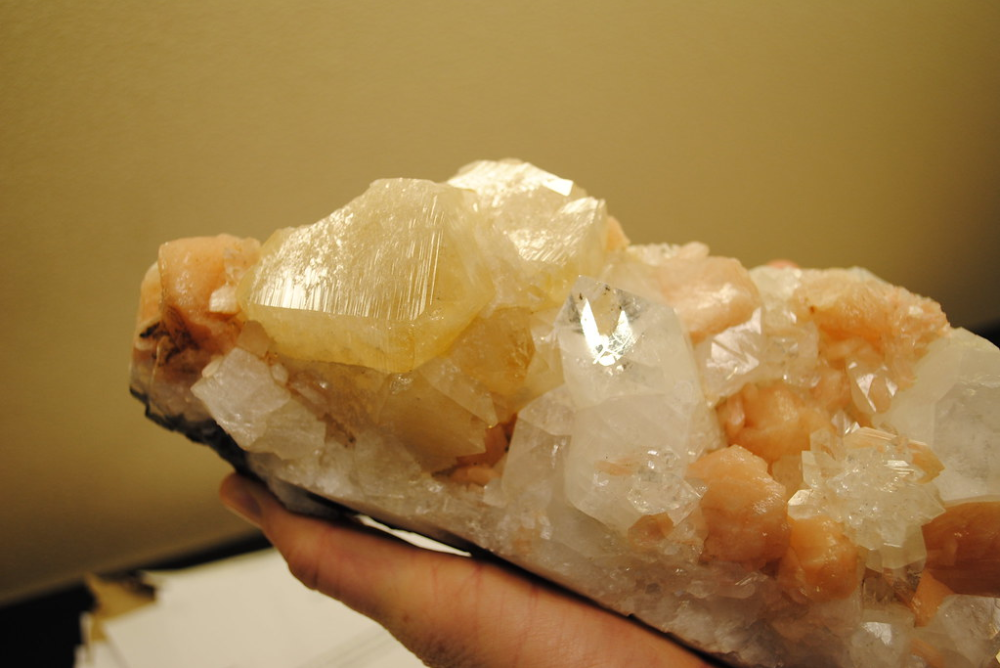
Powellite glows bright yellow to yellow-green under UV light, often occurring as tiny crystals scattered through host rock like fluorescent confetti. This molybdenum mineral creates some of the most intense fluorescence found in nature, with individual crystals shining like miniature suns.
The mineral often occurs alongside scheelite, creating blue and yellow light shows that resemble natural fireworks displays.
Like Go2Tutors’s content? Follow us on MSN.
Adamite
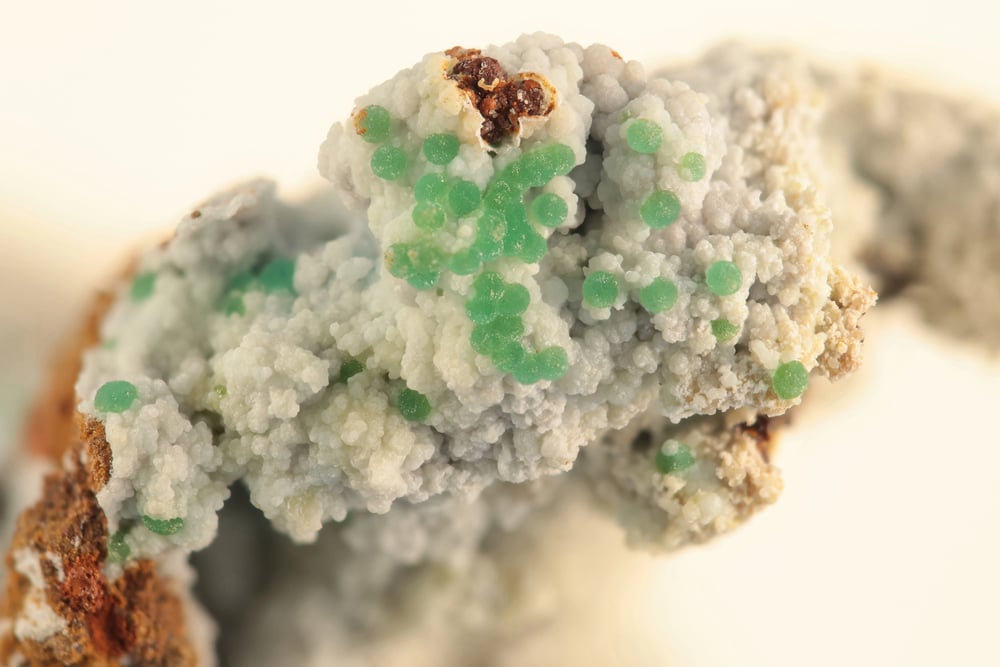
Adamite produces lime-green fluorescence so vivid it looks artificial, glowing with an intensity that seems impossible for a natural mineral. This zinc arsenate mineral often forms delicate crystal clusters that light up like green Christmas trees under UV illumination.
The mineral’s bright fluorescence, combined with its attractive crystal habit,s makes it one of the most sought-after specimens among collectors of fluorescent minerals.
Underground Light Shows Continue Today

These glowing minerals prove that Earth’s most spectacular light displays happen far from any stage or screen, hidden in caves, mines, and rock formations around the world. While humans have only recently learned to create artificial fluorescence, these minerals have been putting on their light shows for millions of years, powered by atomic processes that continue working regardless of whether anyone is watching.
They remind us that some of nature’s most amazing performances happen in the darkness, waiting patiently for someone to bring a UV light and discover the hidden magic that’s been glowing beneath our feet all along.
More from Go2Tutors!

- 16 Restaurant Chains That Went Too Fast
- 12 Things Sold in the 80s That Are Now Illegal
- 15 VHS Tapes That Could Be Worth Thousands
- 17 Historical “What Ifs” That Would Have Changed Everything
- 18 TV Shows That Vanished Without a Finale
Like Go2Tutors’s content? Follow us on MSN.



