Iconic Sports Moments That Changed Rules
Sports evolve through dramatic moments that expose flaws nobody saw coming. A player finds a loophole, a controversial play sparks outrage, or someone does something so unexpected that officials realize the rulebook needs an update.
These aren’t just memorable highlights—they’re the incidents that forced leagues to rethink how the game works. Some changes protected players, others preserved competitive balance, and a few simply stopped people from exploiting clever workarounds that nobody had considered before.
These moments didn’t just make history. They rewrote the actual rules that govern how millions play and watch sports today.
The Hail Mary That Wasn’t
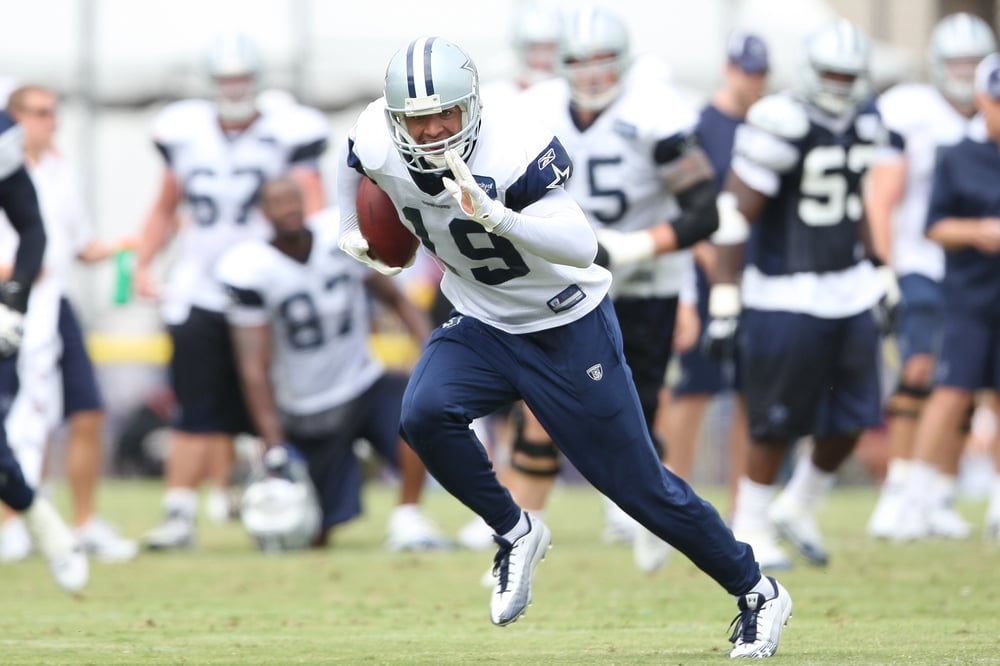
Drew Pearson’s push-off against the Minnesota Vikings in the 1975 playoffs looked obvious to anyone watching. The Dallas Cowboys receiver shoved defender Nate Wright to the ground before catching Roger Staubach’s desperation heave for a touchdown.
No flag came, the Cowboys won, and Vikings fans spent decades bitter about it. The NFL eventually tightened offensive pass interference rules because this play demonstrated how receivers could get away with blatant fouls on desperation throws when officials struggled to track everything happening downfield.
Michael Jordan’s Hand Check Advantage
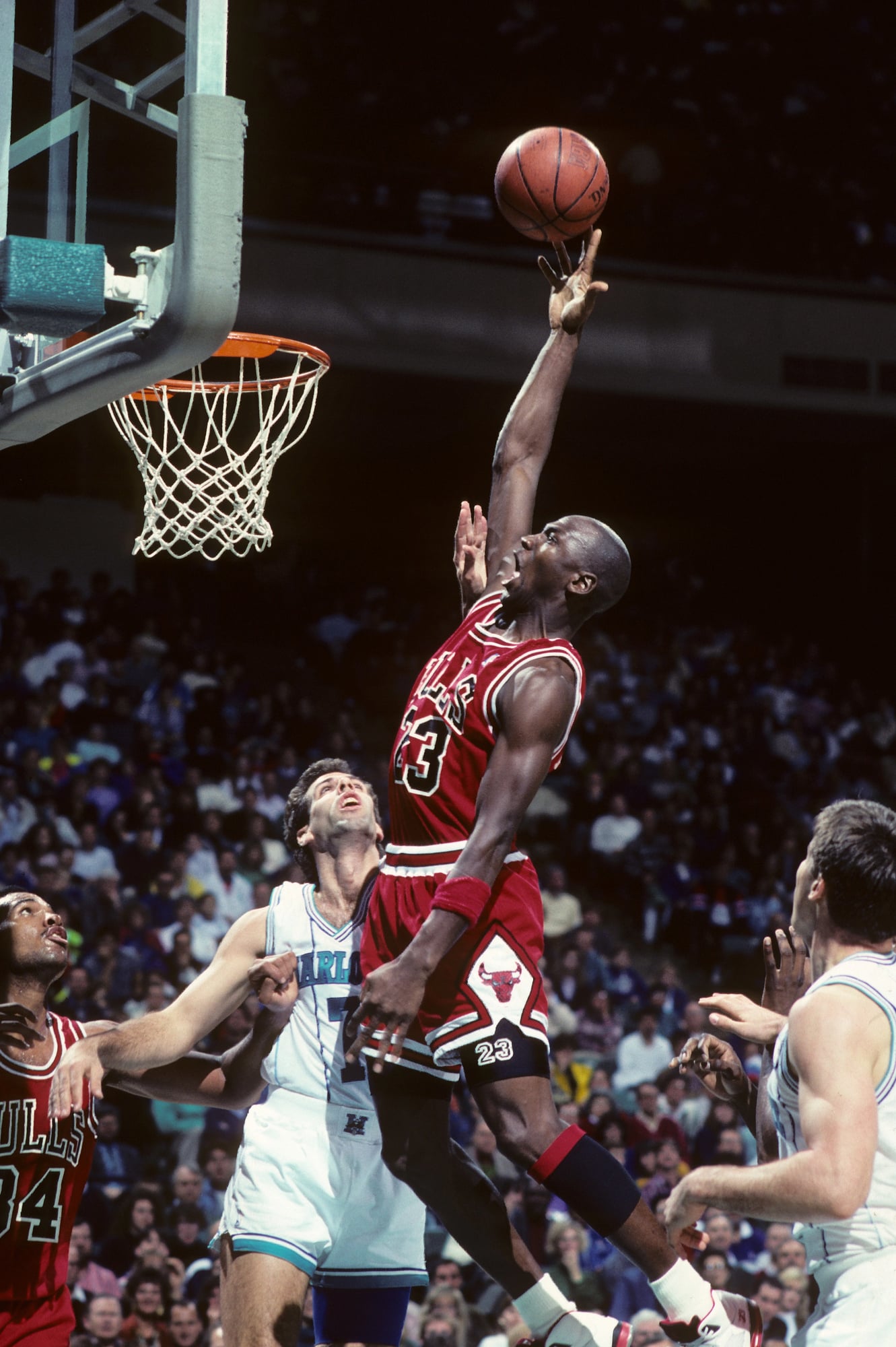
Basketball in the 1980s and early 1990s allowed defenders to essentially maul offensive players. Hand-checking meant a defender could place his hand on an opponent and guide him wherever he wanted.
Jordan mastered playing through this physical style, but once he retired, the NBA noticed scoring had dropped dramatically and games felt sluggish. The league progressively eliminated hand-checking between 1994 and 2004, opening up the game for a new generation of perimeter players.
This rule change gets credit for the modern three-point heavy game, though it also sparked endless debates about whether Jordan could have averaged 40 points per game under current rules.
The Frozen Orb Trick
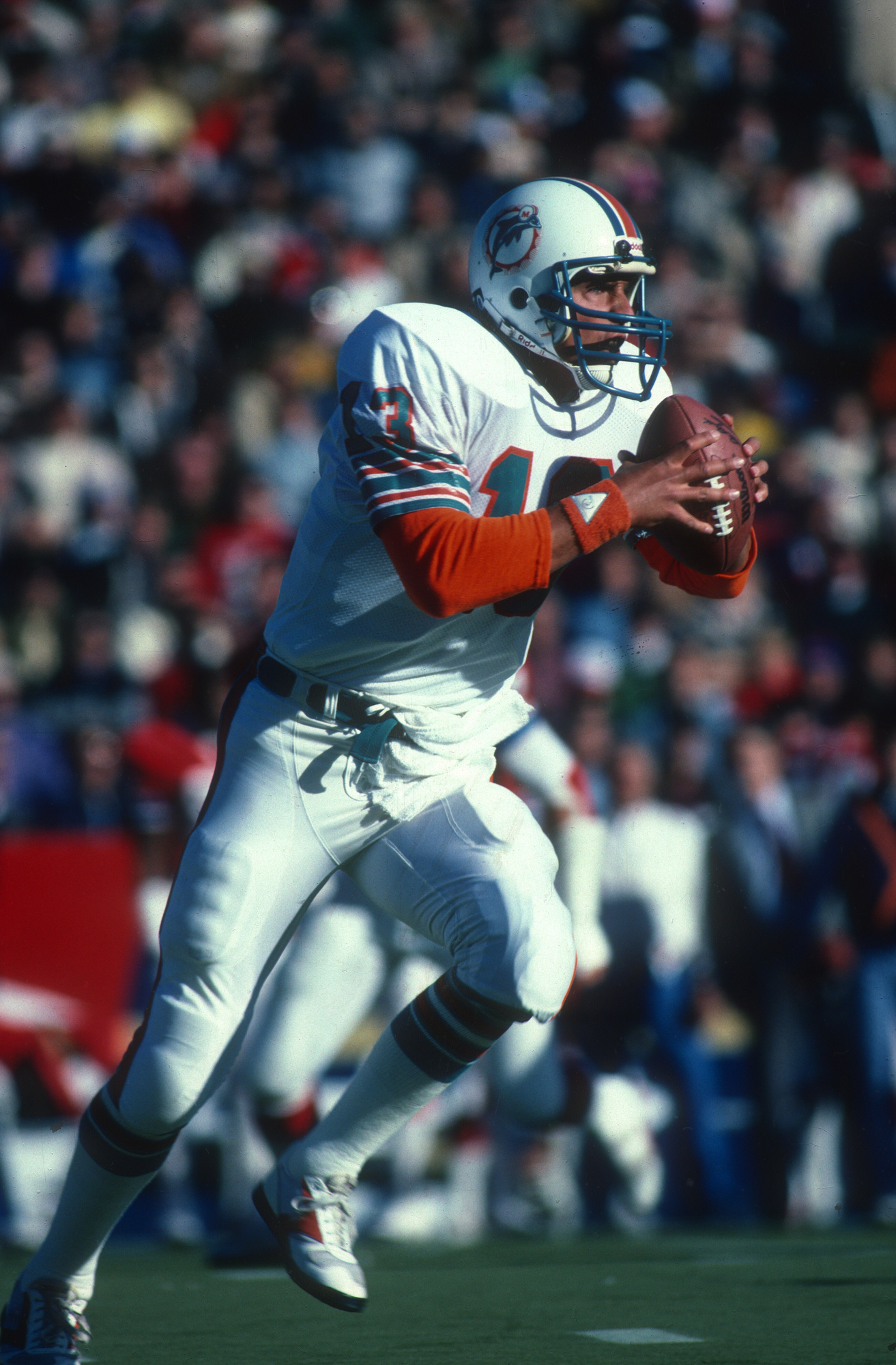
In a 1982 playoff game, the San Diego Chargers faced the Miami Dolphins in brutally cold weather. Dolphins coach Don Shula had his boys warming footballs on the sideline heaters between possessions, giving Miami’s offense easier orbs to grip while San Diego struggled with frozen ones.
This obvious competitive advantage led the NFL to mandate that game orbs stay at field temperature and officials maintain custody of them. The rule seemed straightforward until decades later when another controversy about orb pressure involving the New England Patriots reminded everyone why these regulations existed in the first place.
Roy Riegels Runs the Wrong Way

The 1929 Rose Bowl featured one of sports’ most bizarre plays when California’s Roy Riegels recovered a fumble and sprinted 65 yards toward his own end zone. Teammate Benny Lom chased him down and tackled him at the one-yard line, but Georgia Tech scored a safety on the next play.
This incident didn’t directly change rules but sparked discussions about player awareness and led to enhanced coaching about field orientation. More importantly, it established the template for how officials handle players running the wrong direction, clarifying that teammates can legally stop them without penalty.
Wilt Chamberlain Breaks Basketball

Wilt Chamberlain dominated so completely that the NBA kept changing rules specifically because of him. He could stand at the free throw line, take a running start, and dunk his free throws.
The league banned that. He’d camp in the lane on offense, so they widened it from 12 feet to 16 feet. He’d grab rebounds before they hit the rim, leading to offensive goaltending rules.
Chamberlain’s physical dominance forced basketball to evolve from a game designed for average-sized men into one that could handle athletic giants. His impact on the rulebook exceeded any other single player in NBA history.
The Music City Miracle Lateral Debate
The Tennessee Titans’ kickoff return against the Buffalo Bills in the 2000 playoffs featured a lateral that looked suspiciously forward to anyone wearing Bills gear. The play stood, Tennessee won, and the NFL realized replay officials needed better angles and technology to judge lateral passes.
This led to enhanced camera placement specifically for judging the legality of laterals and backward passes. The rule itself didn’t change, but enforcement improved dramatically because this single play demonstrated how difficult these calls were to make in real time without proper video evidence.
Lester Hayes and the Stickum Era
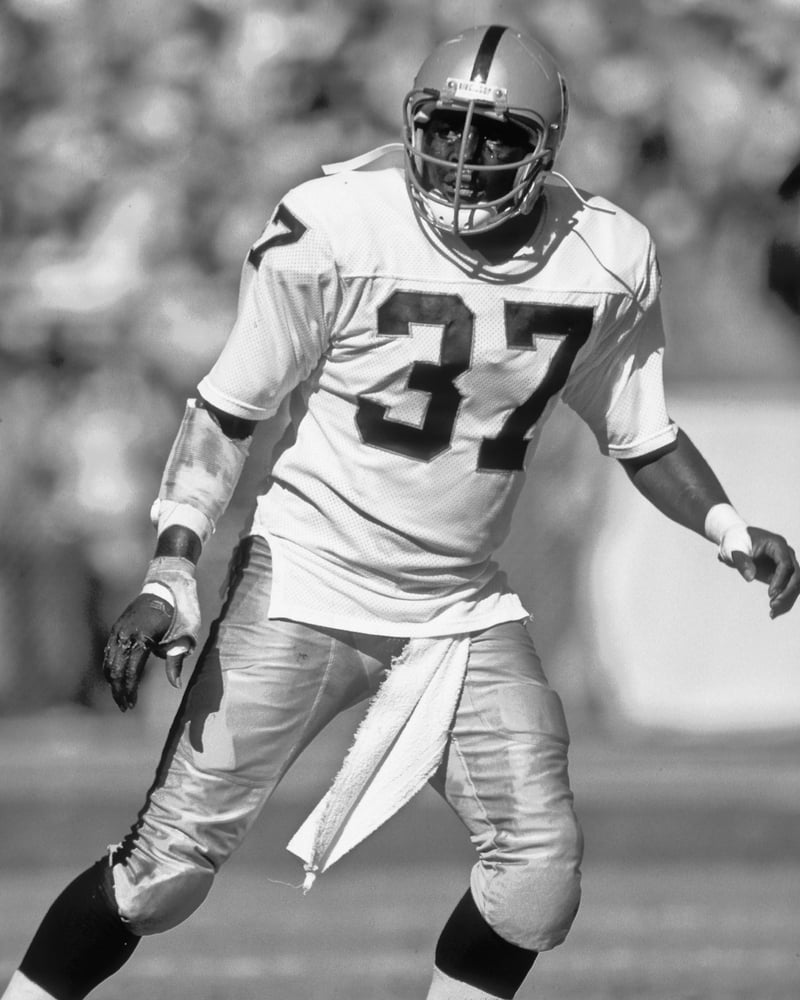
Oakland Raiders cornerback Lester Hayes covered himself in so much Stickum that receivers complained about getting stuck to him. The adhesive substance gave defenders such an advantage in batting down passes and intercepting orbs that the NFL banned it in 1981.
Hayes went from an All-Pro in 1980 to merely good afterward, proving how much the substance had helped him. This rule change came at a time when the league wanted to increase offensive production, and eliminating Stickum fit perfectly into that strategy.
Modern players still debate whether Hayes would have dominated without his chemical advantage.
The Tuck Rule Game
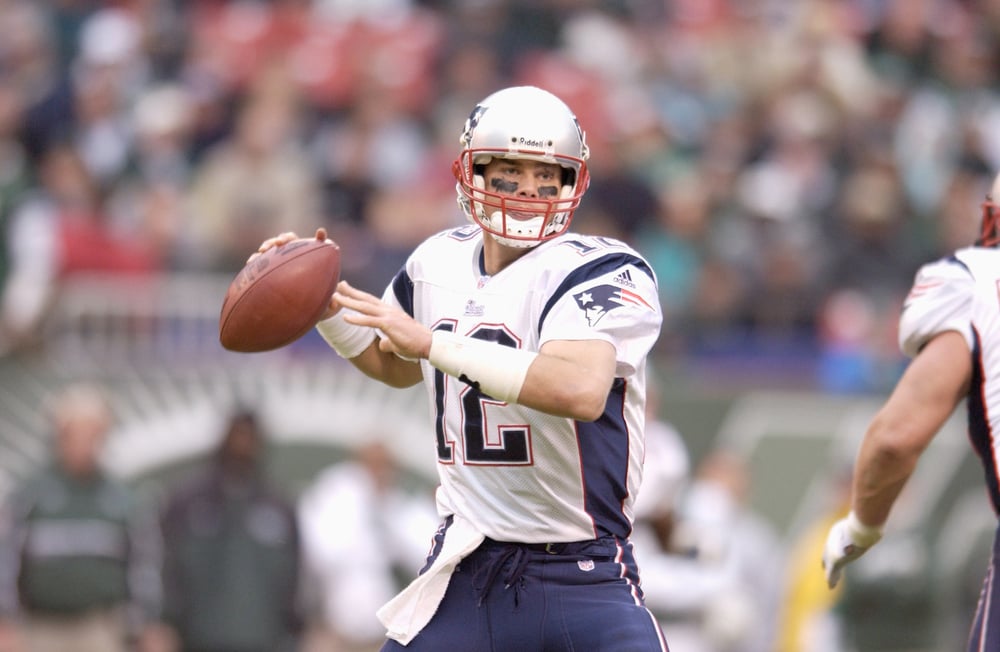
Tom Brady fumbled in the 2002 playoff game against Oakland. Everyone watching knew it, but officials ruled it an incomplete pass under the obscure tuck rule, which stated that a quarterback bringing the orb back toward his body hadn’t completed his throwing motion yet.
The Raiders lost, Brady’s dynasty began, and the NFL spent years defending an obviously ridiculous rule before finally eliminating it in 2013. This single play probably kept the rule alive for over a decade longer than it deserved.
Albert Haynesworth’s Stomp
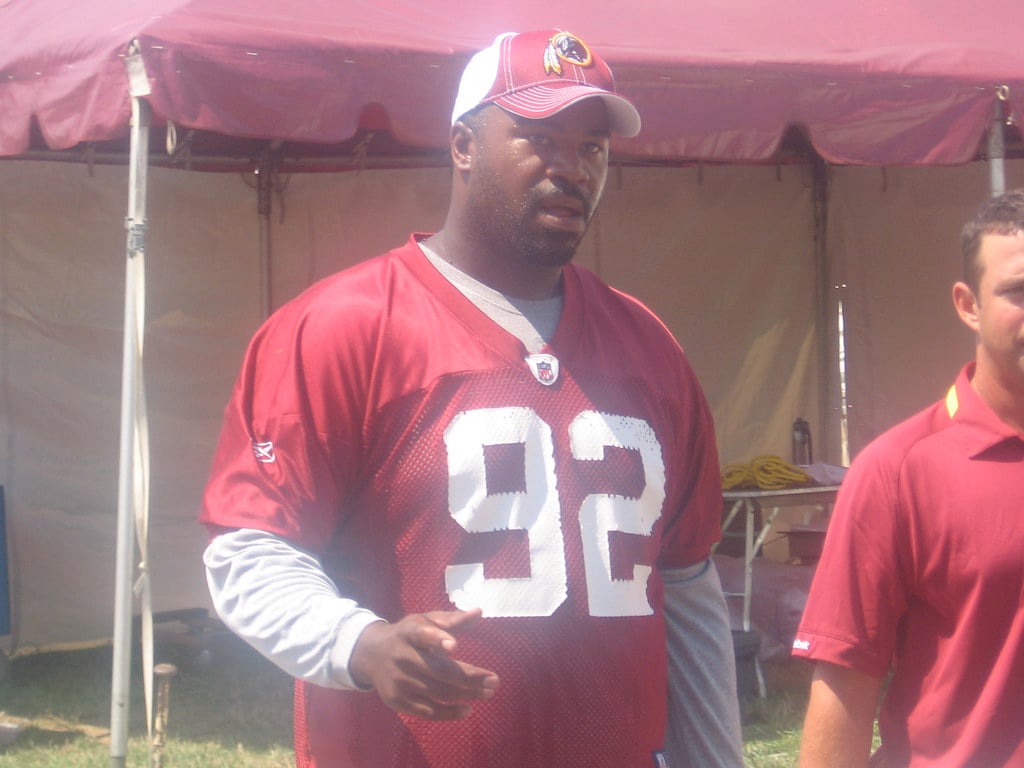
Tennessee Titans defensive tackle Albert Haynesworth removed his helmet and stomped on Dallas Cowboys center Andre Gurode’s unprotected face in 2006. The horrifying incident led to a five-game suspension and sparked new rules about helmet removal and player protection.
The NFL tightened regulations around post-play altercations and specifically addressed using helmets or cleats as weapons. Haynesworth’s action was so egregious that it became the template for what constitutes crossing the line from rough play into assault.
The Malice at the Palace
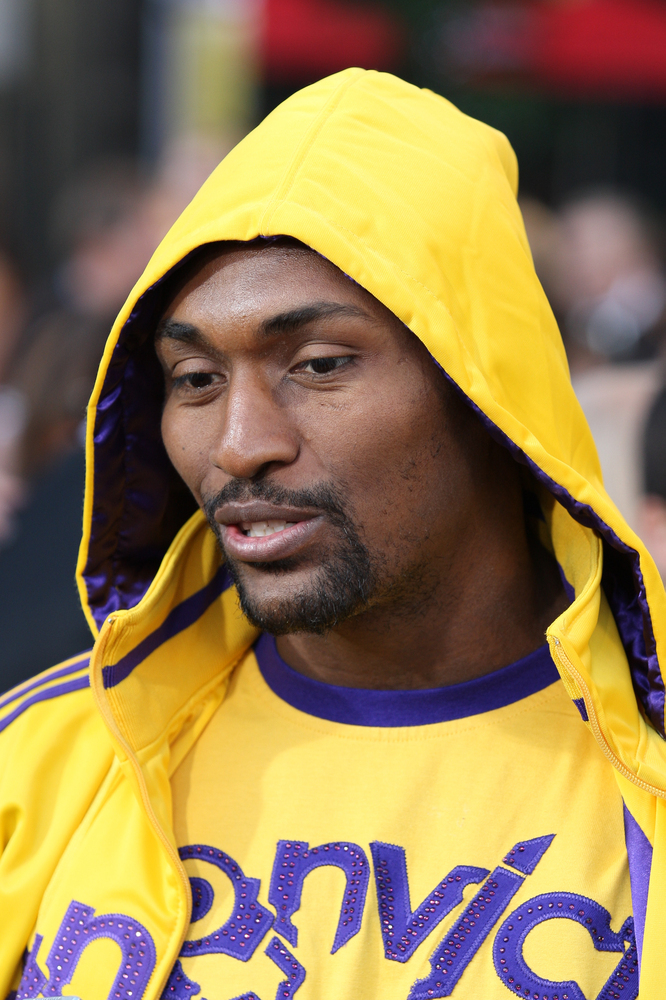
Ron Artest charging into the stands during a 2004 NBA game between the Indiana Pacers and Detroit Pistons created chaos that transcended sports. Players fighting fans forced the NBA to completely overhaul security protocols and player conduct rules.
The league installed barriers between fans and players in certain sections, enhanced security presence, and created strict policies about players entering spectator areas for any reason. This incident changed how every major sport thinks about the boundary between athletes and fans.
The Forward Pass Becomes Legal
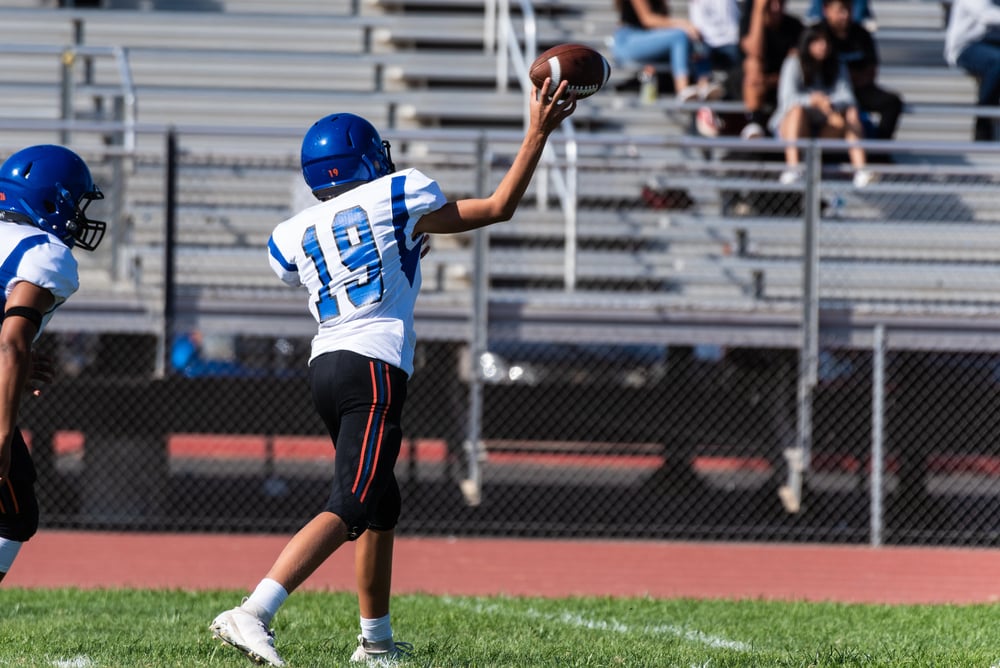
Football in the early 1900s resembled rugby more than the modern game. Players died regularly from the brutal pile-ups that defined play.
The 1905 season saw 18 deaths and over 150 serious injuries, prompting President Theodore Roosevelt to threaten banning the sport entirely unless rules changed. The forward pass became legal in 1906, though with significant restrictions that took years to remove.
This single rule change transformed football from a grinding ground game into the aerial sport that eventually dominated American culture.
Tiger Woods and the Club Length Measurement
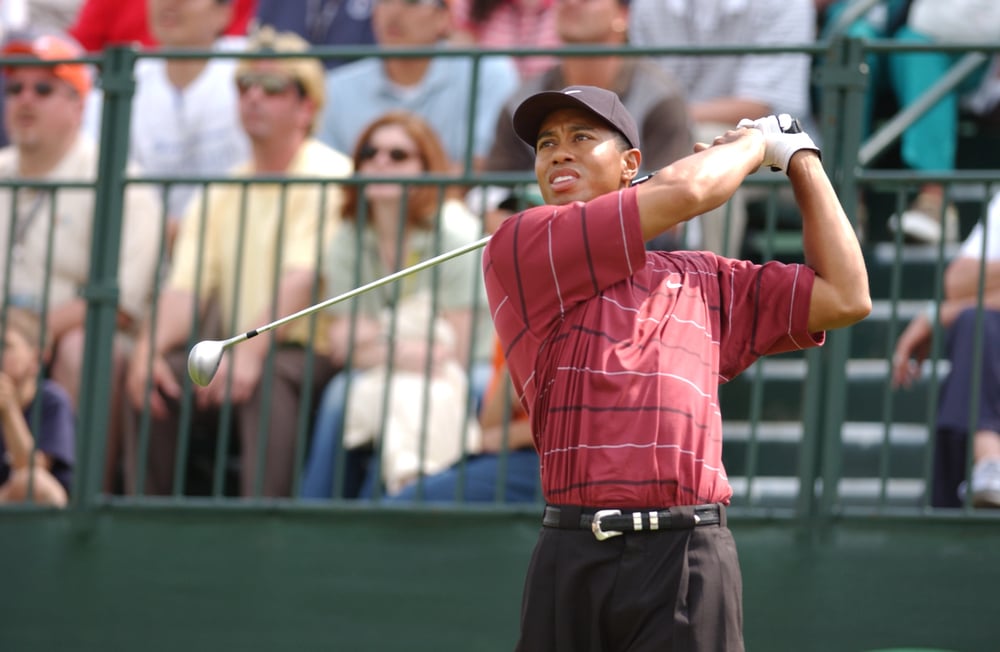
Tiger Woods’ famous shot from behind a tree at the 1999 Players Championship involved him kneeling to hit the orb. Television replays showed his knee might have touched the ground outside the defined stance area.
This led the PGA Tour to clarify rules about what constitutes a legal stance and how officials measure club lengths for relief situations. Golf’s embrace of technology for enforcement started partly because Woods’ shot exposed how inadequate existing monitoring had become.
Draymond Green’s Natural Shooting Motion
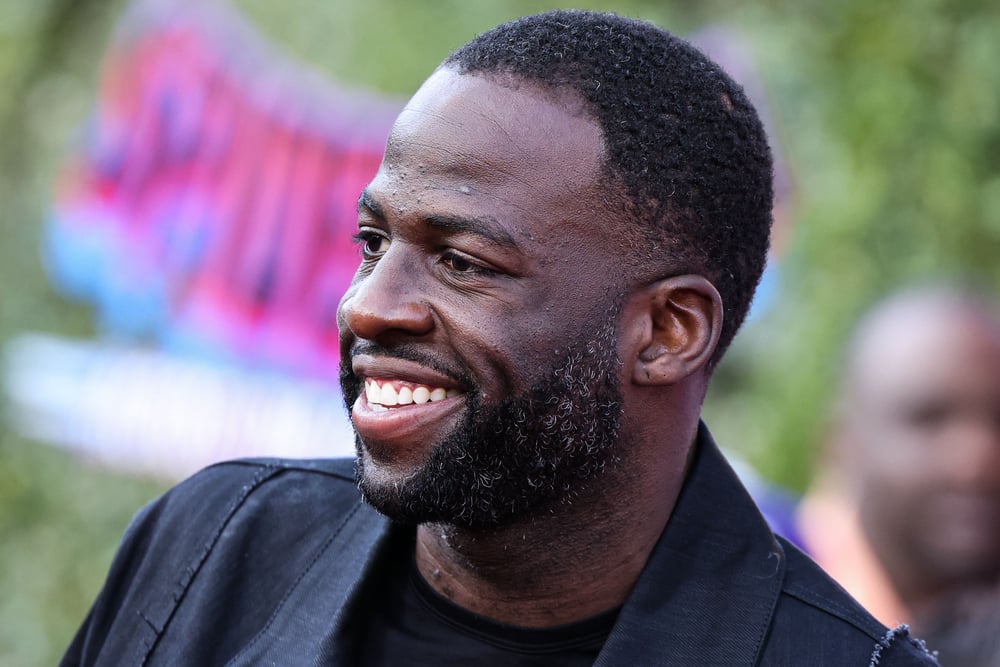
Golden State Warriors forward Draymond Green developed a habit of kicking his legs out wildly on jump shots, often connecting with defenders’ sensitive areas. After multiple incidents during the 2016 playoffs, the NBA clarified its rules about unnatural shooting motions and enhanced penalties for dangerous leg kicks.
The rule change affected how officials call shooting fouls across the league, reducing the advantage players gained from dangerous lower-body movements.
The Immaculate Reception’s Ambiguous Deflection
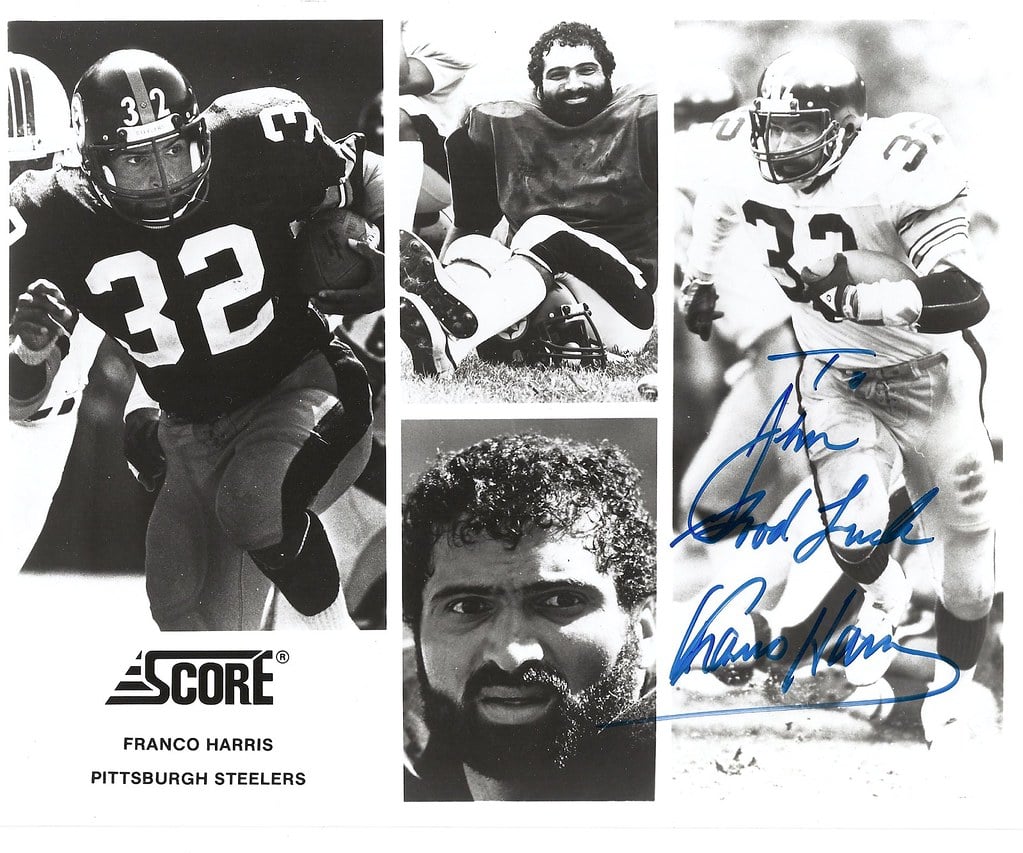
Franco Harris’ catch in the 1972 playoffs remains controversial because nobody could definitively prove whether the orb deflected off his Steelers teammate or the Raiders defender. Rules at the time prohibited offensive players from catching passes that deflected off other offensive players.
The play stood, Pittsburgh won, and the NFL improved its camera coverage and replay systems to prevent similar ambiguous situations. This moment accelerated the league’s eventual embrace of instant replay decades later.
Dennis Rodman’s Flopping Masterclass
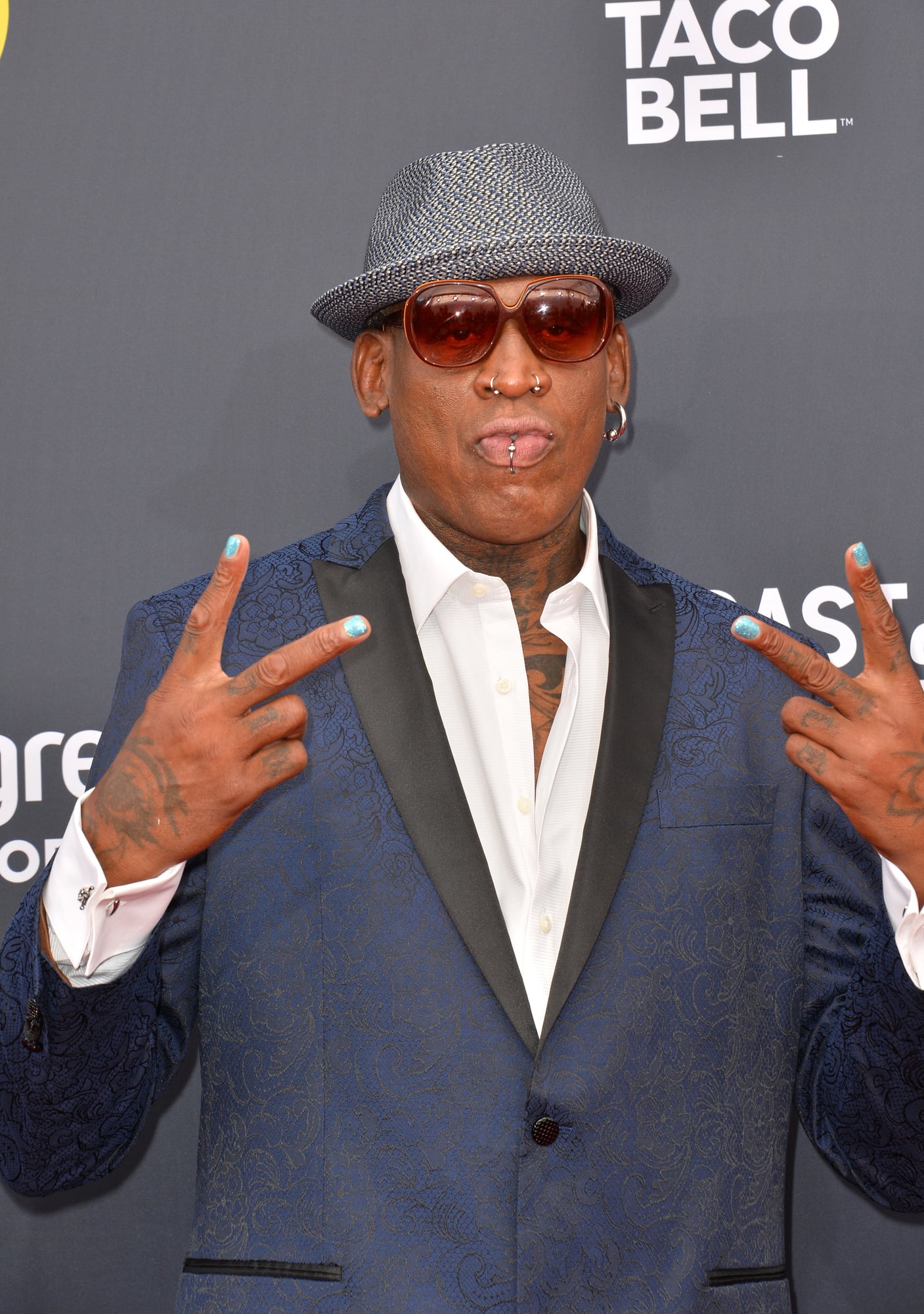
Chicago Bulls forward Dennis Rodman turned flopping into performance art during the 1990s. He’d fly backward from minimal contact, crash to the floor dramatically, and convince officials that devastating fouls had occurred.
His theatrical approach eventually prompted the NBA to implement anti-flopping rules with fines for egregious violations. Modern flopping rules trace directly back to Rodman’s ability to manipulate officials through pure acting rather than basketball fundamentals.
The End of the Flying Wedge
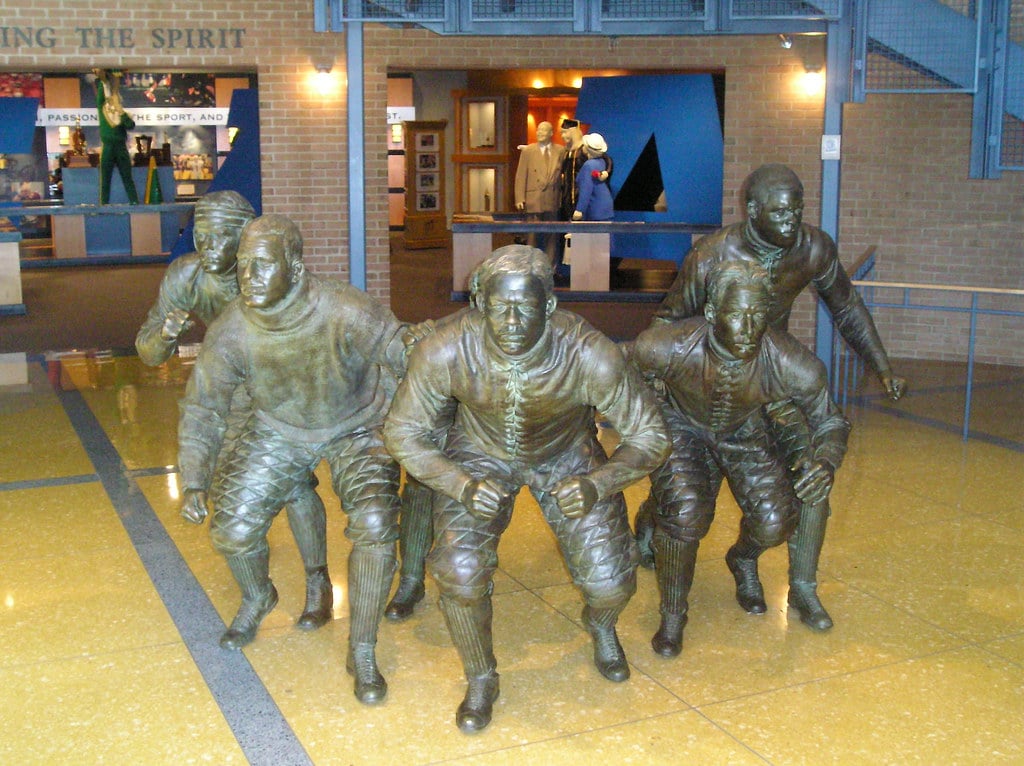
Back in the 1800s, college football teams used a move called the Flying Wedge. Guys would lock arms, charging forward like a moving wall to shove defenders aside.
Because of this, brutal crashes happened often; players slammed into one another headfirst without padding or protection. By 1894, referees finally banned the formation. This moment set a pattern: safety matters more than clever tactics.
Wayne Gretzky’s Equipment Manipulation
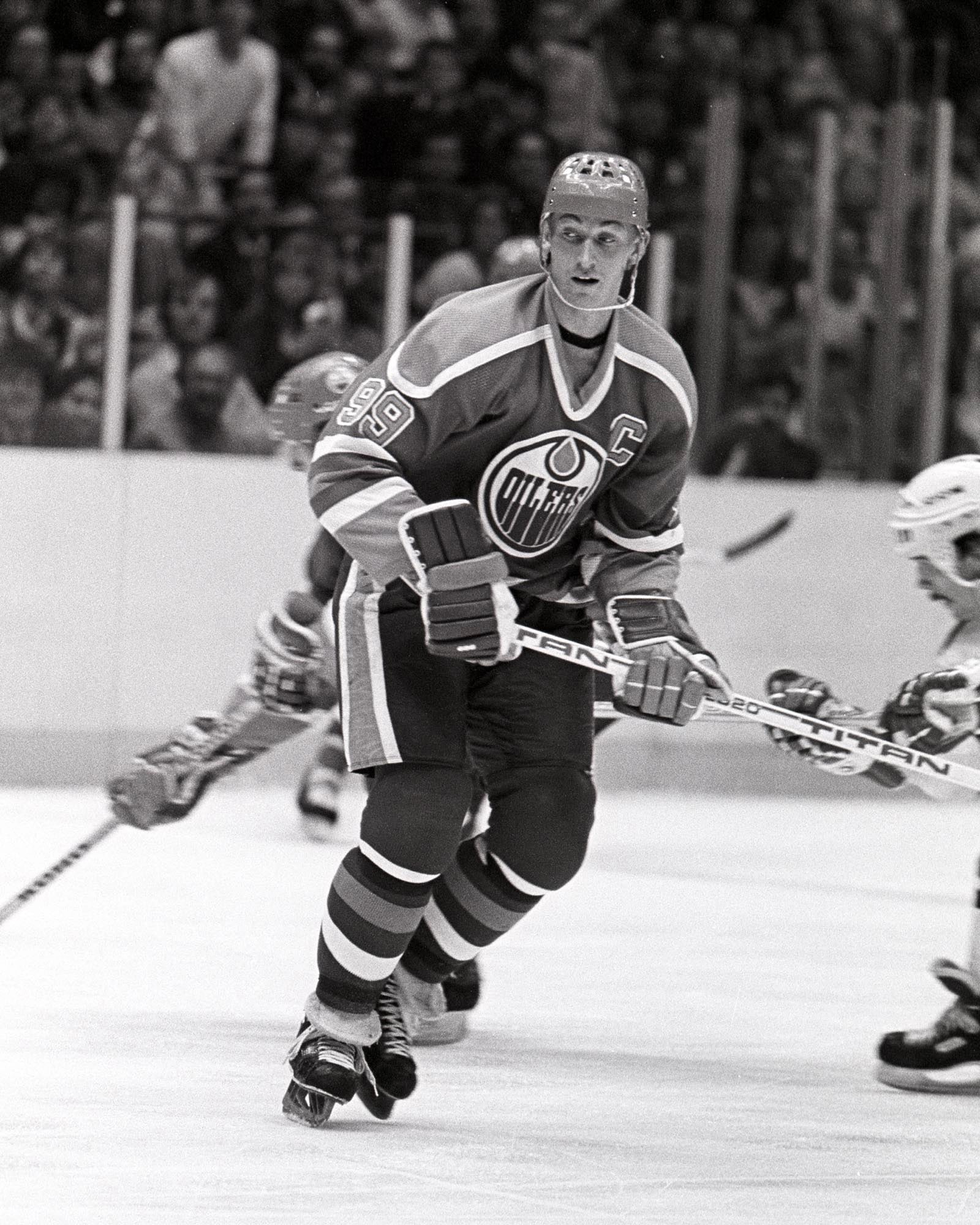
Wayne Gretzky pulled his jersey into his pants just so, making it harder for rivals to snag him. Because of this trick, more athletes started tweaking their gear, which caught the league’s eye.
Officials stepped in, adjusting dress codes after noticing how small changes could shift gameplay. Rules got stricter on uniforms and kit setups, shutting down sneaky edge-seeking moves.
Muhammad Ali’s Rope-a-Dope Forces Corner Changes
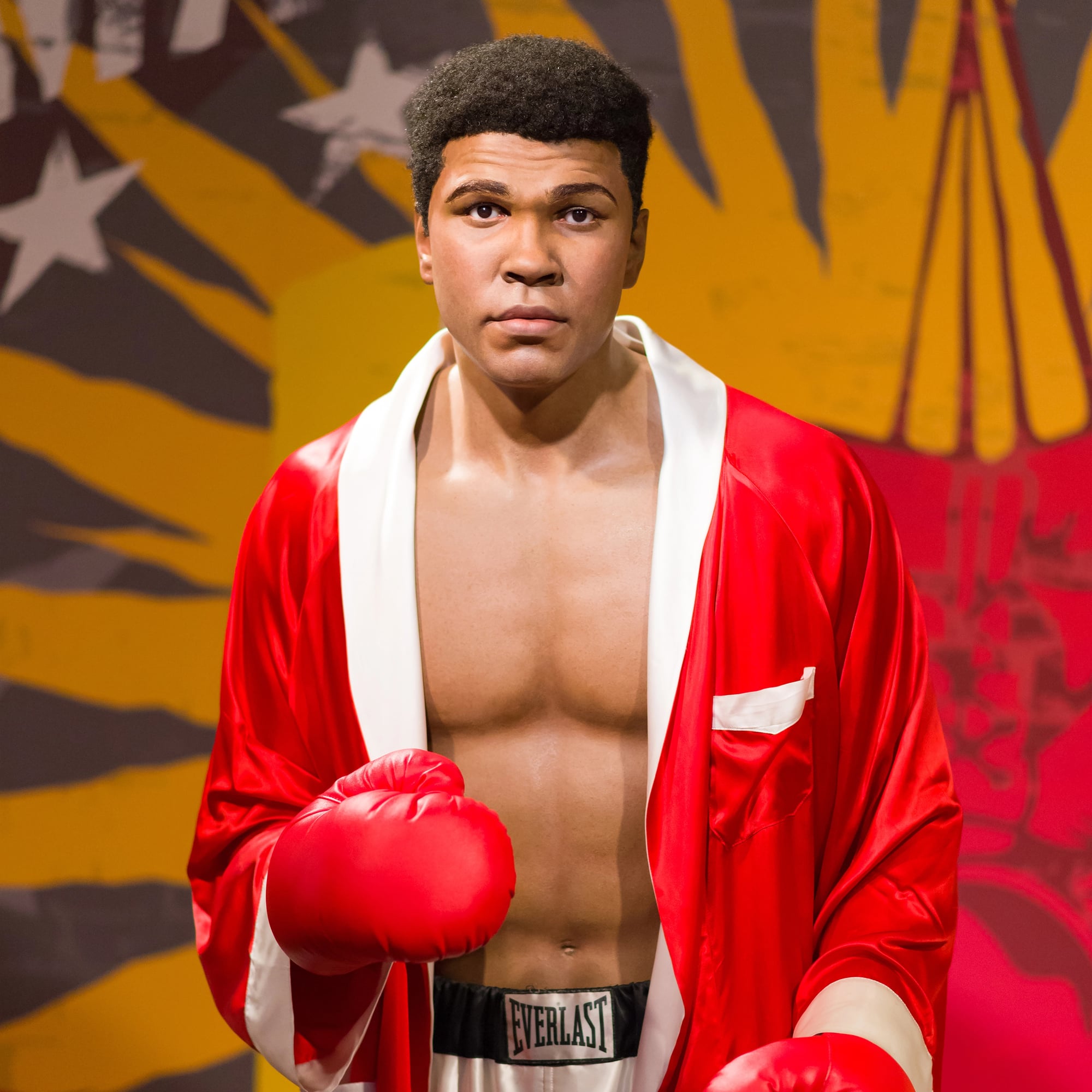
Muhammad Ali’s plan during his 1974 bout with George Foreman was to hang back on the ropes, letting Foreman waste energy swinging hard. Since the ropes weren’t tight, Ali could sway backward, dodging most hits while wearing down his opponent.
Afterward, boxing regulators changed guidelines on how tightly ropes should be strung, closing a loophole used for defense. That clever move revealed how gear differences might swing a match, pushing officials to enforce more consistent ring setups everywhere.
Once the Regulations Finally Kicked In

Sports now are way different from how they used to be – athletes constantly spot openings in current rules. When leagues drag their feet, issues pile up until fans demand fixes.
Good updates protect players without killing the thrill, but getting it right is always tricky. Each tweak opens doors to fresh tactics – and often brand-new headaches down the line. Change keeps coming since competitors won’t quit stretching limits or seeing how much referees let slide.
More from Go2Tutors!

- The Romanov Crown Jewels and Their Tragic Fate
- 13 Historical Mysteries That Science Still Can’t Solve
- Famous Hoaxes That Fooled the World for Years
- 15 Child Stars with Tragic Adult Lives
- 16 Famous Jewelry Pieces in History
Like Go2Tutors’s content? Follow us on MSN.