Massive Brand Failures That Cost Companies Millions
Every company dreams of launching the next big thing. The product that changes everything.
The campaign that gets everyone talking. But sometimes, that dream becomes a nightmare that plays out in public, costs millions, and gets studied in business schools for decades.
Brand failures aren’t just about losing money—they’re about losing trust, credibility, and sometimes an entire market position that took years to build. When a major brand stumbles, the ripple effects can last for years, affecting everything from stock prices to employee morale to consumer loyalty.
New Coke
Coca-Cola had dominated the soft drink market for nearly a century when they made one of the most infamous product decisions in corporate history. In 1985, facing pressure from Pepsi’s sweeter formula and declining market share, Coke executives decided to reformulate their flagship product entirely.
The backlash was swift and brutal. Within days of the launch, the company was receiving over 1,500 angry calls per day.
Consumers hoarded old Coke, protesters gathered outside company headquarters, and sales plummeted. After just 79 days, Coca-Cola brought back the original formula as “Coca-Cola Classic.”
The failure cost the company an estimated $4 million just in development, plus immeasurable damage to brand trust that took years to rebuild.
Google Glass

Google positioned Glass as the future of wearable technology—a sleek, high-tech device that would seamlessly integrate digital information into daily life. The reality was far more complicated, and the public rejection was immediate and harsh.
Privacy concerns dominated the conversation from day one (people wearing Glass were dubbed “Glassholes”), the $1,500 price point alienated potential customers, and the technology itself felt clunky and intrusive rather than revolutionary.
So Google pulled Glass from the consumer market in 2014, just two years after launch—which is particularly embarrassing when you consider this was supposed to be the next smartphone-level breakthrough. The company had invested hundreds of millions in development and marketing, but the cultural backlash proved impossible to overcome.
And the failure stung extra because it wasn’t just about money: it damaged Google’s reputation as an innovative company that understood what people actually wanted.
McDonald’s Arch Deluxe
McDonald’s spent $300 million trying to convince adults that they could enjoy a sophisticated burger experience at the Golden Arches. The Arch Deluxe campaign, launched in 1996, featured children grimacing at the “grown-up” taste and positioned McDonald’s as a place for refined palates.
The fundamental problem was obvious to everyone except McDonald’s executives: people don’t go to McDonald’s for sophistication. They go for consistency, speed, and familiarity.
The burger itself was fine, but the entire concept contradicted everything the brand represented. After two years of disappointing sales, McDonald’s quietly removed the Arch Deluxe from menus, having learned an expensive lesson about brand identity.
Crystal Pepsi

There’s something almost touching about Crystal Pepsi’s failure—like watching someone earnestly explain why invisible soda makes perfect sense. PepsiCo spent over $40 million developing and marketing a clear cola that tasted like regular Pepsi but looked like water, launching it in 1992 with massive fanfare and celebrity endorsements.
The disconnect between appearance and taste created a cognitive dissonance that consumers couldn’t resolve. People expected citrus or lemon-lime flavors from clear sodas, not cola.
But Crystal Pepsi delivered the full Pepsi taste in a completely unexpected visual package, and the brain simply rejected the combination. Sales dropped 80% within months of launch.
The product disappeared from shelves by 1993, though it occasionally resurfaces as a limited-edition novelty—which somehow makes the original failure feel even more poignant.
Segway

Dean Kamen’s Segway was supposed to revolutionize personal transportation. The hype before its 2001 launch was extraordinary—Steve Jobs called it “as big a deal as the PC,” and investors predicted it would become as common as automobiles.
The $5,000 price tag immediately limited its market to enthusiasts and tourists. Regulatory restrictions banned Segways from sidewalks in many cities, while their size and weight made them impractical for most commutes.
The learning curve was steeper than promised, and early accidents generated negative publicity. Most importantly, the Segway solved a problem that most people didn’t think they had.
Walking and bicycles worked fine for short distances, while cars remained superior for longer trips. Segway had raised $90 million in funding and generated massive media attention, but by 2020, production had ceased entirely.
The company sold fewer than 140,000 units over 19 years—a tiny fraction of initial projections.
Windows Vista
Microsoft’s Windows Vista represents one of the most expensive software failures in history, though the company would never frame it that way. Launched in 2006 after five years of development and billions in investment, Vista was meant to be a revolutionary upgrade that would secure Microsoft’s dominance for another decade.
Instead, Vista became synonymous with frustration and disappointment. The User Account Control feature constantly interrupted users with permission requests, making simple tasks feel like navigating a bureaucratic maze.
Compatibility issues rendered countless older programs useless, and the hefty system requirements meant many computers couldn’t run Vista smoothly even when it worked properly. And then there were the drivers—or rather, the lack of working drivers for printers, graphics cards, and other essential hardware that people expected to function immediately.
But perhaps the most damaging aspect was the timing: Vista’s problems coincided with Apple’s “Get a Mac” advertising campaign, which mercilessly mocked Windows’ reliability issues. Microsoft had handed their biggest competitor the perfect ammunition, and Apple used it ruthlessly.
The company was forced to extend Windows XP support and eventually rushed Windows 7 to market as a Vista replacement, effectively admitting the failure publicly.
Quibi
Jeffrey Katzenberg and Meg Whitman raised $1.75 billion to launch Quibi, a mobile-only streaming service focused on short-form premium content. The concept seemed logical: busy people wanted high-quality entertainment in bite-sized chunks they could watch during commutes or lunch breaks.
Everything that could go wrong did go wrong. The April 2020 launch coincided with pandemic lockdowns, eliminating the commute viewing Quibi was designed for.
The mobile-only restriction felt arbitrary when people were stuck at home with large screens available. The content itself, despite featuring major stars and directors, never found an audience.
Users couldn’t share clips on social media, removing a crucial discovery mechanism for new platforms. After six months and fewer than 500,000 paying subscribers, Quibi shut down, burning through nearly all of its funding.
Samsung Galaxy Note 7
Samsung’s Galaxy Note 7 was supposed to compete directly with Apple’s iPhone, featuring cutting-edge technology and premium build quality. Instead, it became a cautionary tale about rushing products to market without adequate testing.
Reports of overheating batteries began within weeks of the August 2016 launch. Then phones started catching fire.
Airlines banned the devices, the Consumer Product Safety Commission issued warnings, and Samsung faced a crisis that threatened the entire Galaxy brand. The company attempted a recall and replacement program, but even the replacement phones had battery problems.
Eventually, Samsung discontinued the Note 7 entirely, taking a $5.3 billion loss and suffering immeasurable damage to its reputation for quality and safety. The failure was particularly painful because the Note 7’s features were actually impressive—when they weren’t literally exploding.
Google+
Google spent years watching Facebook’s growth with obvious envy before launching Google+ in 2011 as their answer to social networking. The platform had clean design, innovative features like Circles for organizing contacts, and the full weight of Google’s resources behind it.
None of that mattered because Google+ felt forced and artificial from day one. Google aggressively pushed users to join by integrating it with YouTube, Gmail, and other services, creating resentment rather than enthusiasm.
The platform never developed the organic conversations and community feeling that made Facebook successful. Despite Google’s claims of having hundreds of millions of users, actual engagement remained embarrassingly low.
Most accounts were essentially dormant, created only because Google required them for other services. The company quietly began shutting down Google+ in 2018 after spending an estimated $585 million on development and promotion.
Pepsi’s Kendall Jenner Ad
In April 2017, Pepsi released a commercial featuring Kendall Jenner that managed to trivialize social justice movements while simultaneously selling soda. The ad showed Jenner leaving a photo shoot to join a protest march, where she hands a Pepsi to a police officer, apparently solving social tensions through carbonated beverage diplomacy.
The backlash was immediate and savage. Critics pointed out the ad’s tone-deaf appropriation of Black Lives Matter imagery and the absurdity of suggesting that police brutality could be resolved with soft drinks.
Social media erupted with mockery and outrage. Pepsi pulled the commercial within 24 hours and issued multiple apologies, but the damage was done.
The company had spent millions creating and promoting an ad that made their brand look completely out of touch with the cultural moment they were trying to capitalize on.
Yahoo’s Rejection of Microsoft
In 2008, Microsoft offered to buy Yahoo for $44.6 billion, which represented a 62% premium over Yahoo’s stock price at the time. Yahoo’s board, led by CEO Yang, rejected the offer as inadequate, believing the company was worth more and could compete independently against Google.
This decision cost Yahoo shareholders billions and marked the beginning of the company’s irreversible decline. Yahoo never recovered its 2008 valuation and continued losing ground to Google, Facebook, and other competitors.
By 2017, Verizon acquired Yahoo’s core internet business for just $4.48 billion—one-tenth of Microsoft’s original offer. Yang later called the rejection his biggest regret, but the damage was permanent.
Yahoo went from being a potential Microsoft division with guaranteed resources and integration to becoming a declining brand that eventually disappeared entirely.
Theranos

Elizabeth Holmes built Theranos into a $9 billion company based on claims that her technology could run hundreds of medical tests from a single drop of blood. The promise was revolutionary: faster, cheaper, more convenient blood testing that would transform healthcare.
The problem was that the technology never actually worked. Theranos used conventional machines for most tests, diluting tiny blood samples in ways that produced inaccurate results.
The company misled investors, patients, and regulators for over a decade while burning through more than $900 million in funding. When whistleblowers exposed the fraud in 2015, Theranos collapsed almost immediately.
Holmes was eventually convicted of four counts of fraud and sentenced to prison. The scandal destroyed not just Theranos but also damaged Silicon Valley’s credibility and made investors more skeptical of healthcare technology claims.
JCPenney’s Pricing Strategy
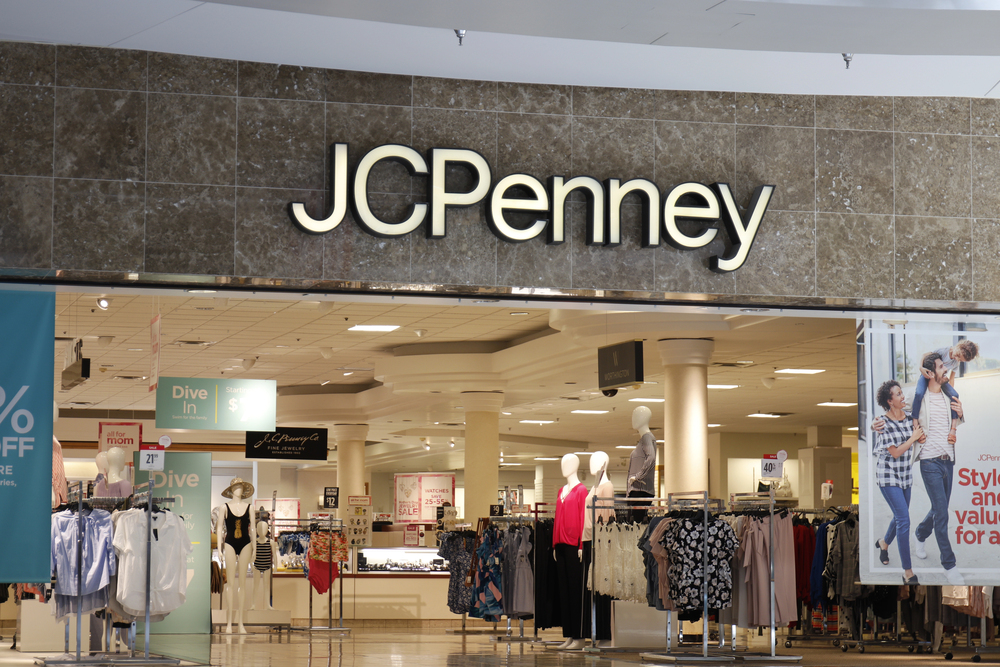
Ron Johnson joined JCPenney as CEO in 2011 with a bold plan to eliminate the constant sales and coupons that defined the retailer’s pricing strategy. Instead of marking items up and then discounting them, JCPenney would offer “everyday low prices” with honest, transparent pricing.
The strategy was logical but ignored fundamental aspects of consumer psychology. JCPenney’s customers were trained to expect sales and felt uncomfortable paying full price, even when the full price was lower than previous sale prices.
The constant promotions had created a treasure hunt mentality that everyday low pricing couldn’t replicate. Sales dropped 25% in Johnson’s first year, and the company lost $985 million.
Johnson was fired after 17 months, and JCPenney immediately returned to its previous pricing model. The failed experiment cost the company nearly $1 billion and accelerated its decline in an already challenging retail environment.
When Brands Forget Who They Are

The most expensive business failures aren’t always about bad products or poor timing—they’re about companies losing sight of their fundamental identity. Each of these disasters shares a common thread: brands that tried to become something their customers never wanted them to be.
Whether it’s Coca-Cola abandoning their century-old formula or McDonald’s pretending to be sophisticated, these failures remind us that brand identity isn’t just marketing fluff. It’s the invisible contract between companies and consumers, built on years of shared experiences and expectations.
Break that contract, and no amount of money can repair the damage quickly enough to matter.
More from Go2Tutors!

- The Romanov Crown Jewels and Their Tragic Fate
- 13 Historical Mysteries That Science Still Can’t Solve
- Famous Hoaxes That Fooled the World for Years
- 15 Child Stars with Tragic Adult Lives
- 16 Famous Jewelry Pieces in History
Like Go2Tutors’s content? Follow us on MSN.