Political Nicknames That Outlived The Politicians Themselves
Some names stick around long after the person is gone. Politicians especially seem to collect these labels, and the interesting ones refuse to fade away.
History remembers them through these shortcuts, these compressed versions of who they were or what people thought of them. The nickname becomes the legacy, sometimes more than anything they actually did.
Honest Abe
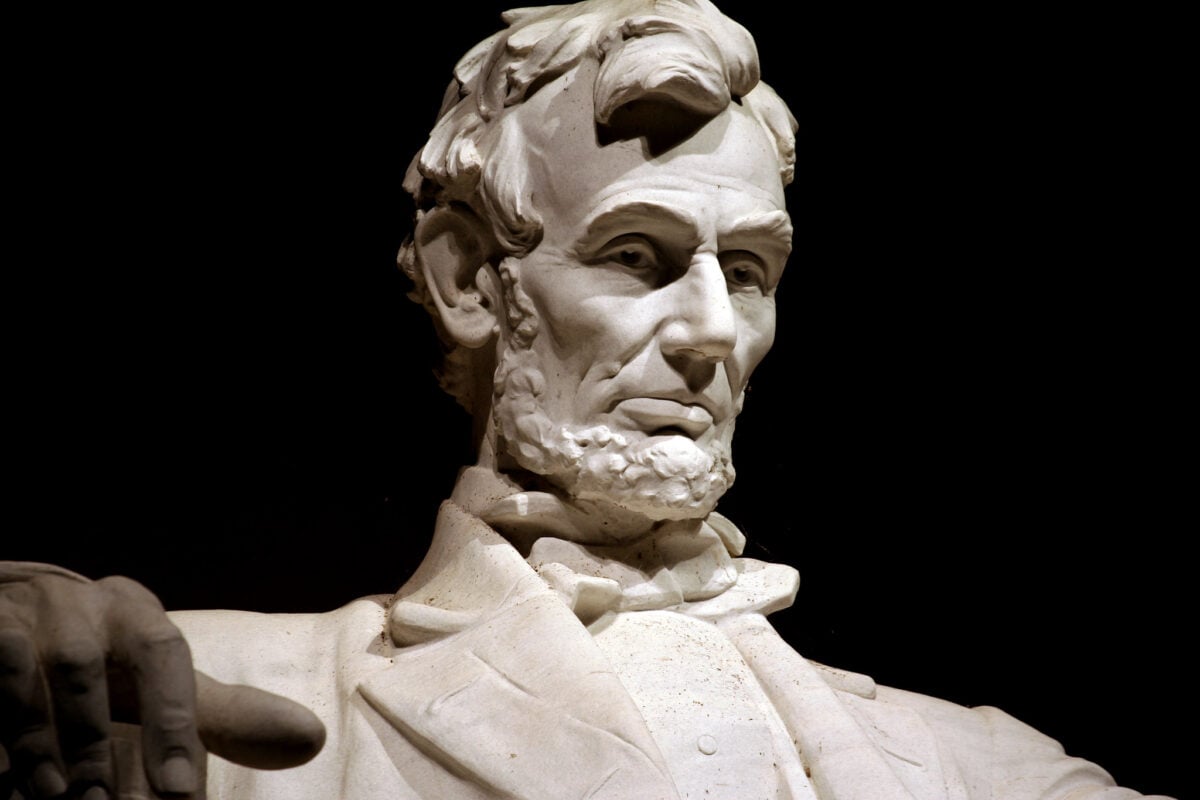
Abraham Lincoln got tagged with this one early in his legal career, and it followed him all the way to the White House and beyond. The name worked because people wanted to believe it.
Whether it was completely accurate doesn’t matter now. The nickname survived because it captured something people needed from their president during the Civil War.
You still hear this one in elementary schools across the country. Kids learn about Honest Abe before they learn about the complex politics of the 1860s.
The nickname did its job—it made Lincoln approachable, trustworthy, memorable.
The Iron Lady
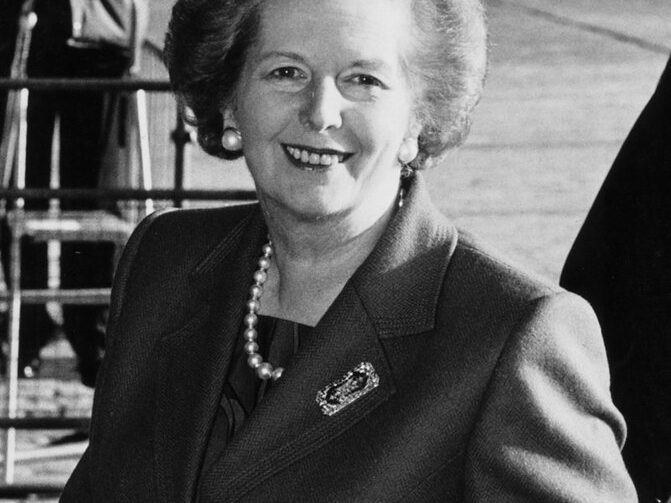
Margaret Thatcher earned this title from a Soviet journalist who meant it as criticism. She took it as a compliment.
The name captured her uncompromising style and her refusal to bend on policy positions that she believed were right. Decades after her time as Prime Minister, people still use this nickname as shorthand for a certain type of political leadership.
Strong. Unbending. Controversial. The name outlasted the woman and became a template for describing other leaders who share similar qualities.
Old Hickory
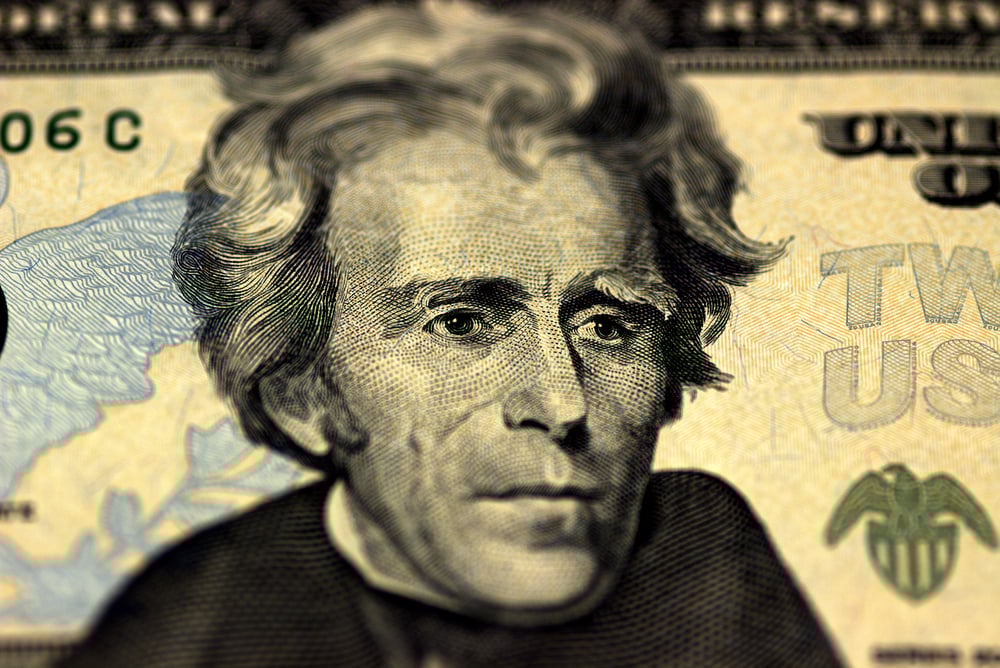
Andrew Jackson got this name from his soldiers, who thought he was as tough as hickory wood. The nickname reflected his military reputation and his frontier persona.
It made him sound like an American folk hero rather than a politician. The name endures in history books and on battlefields where Jackson fought.
It captures an era when physical toughness and military prowess translated directly into political capital. The nickname carries the whole mythology of Jacksonian democracy in just two words.
The Great Communicator
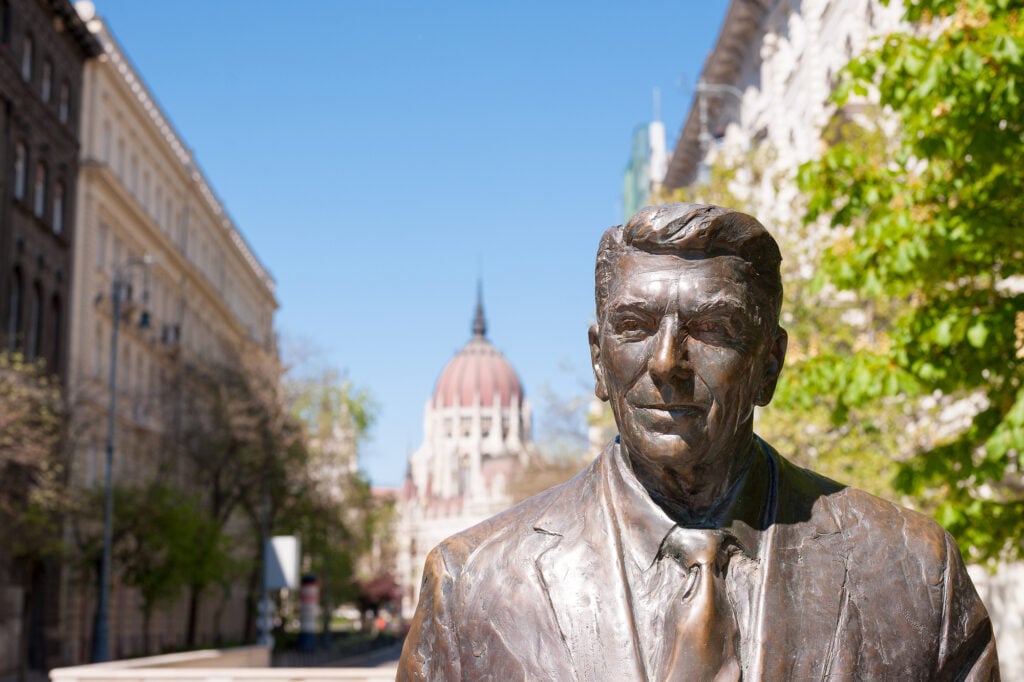
Ronald Reagan’s nickname acknowledged his skill at connecting with audiences. He knew how to tell a story, how to simplify complex ideas, how to make people feel like he was talking directly to them.
Whether you agreed with his politics or not, you had to admit he was good at the performance. Television made this nickname possible.
Reagan understood the medium better than most politicians of his era. The name still gets used when people discuss presidential communication styles.
It set a standard that later politicians tried to match.
Teddy
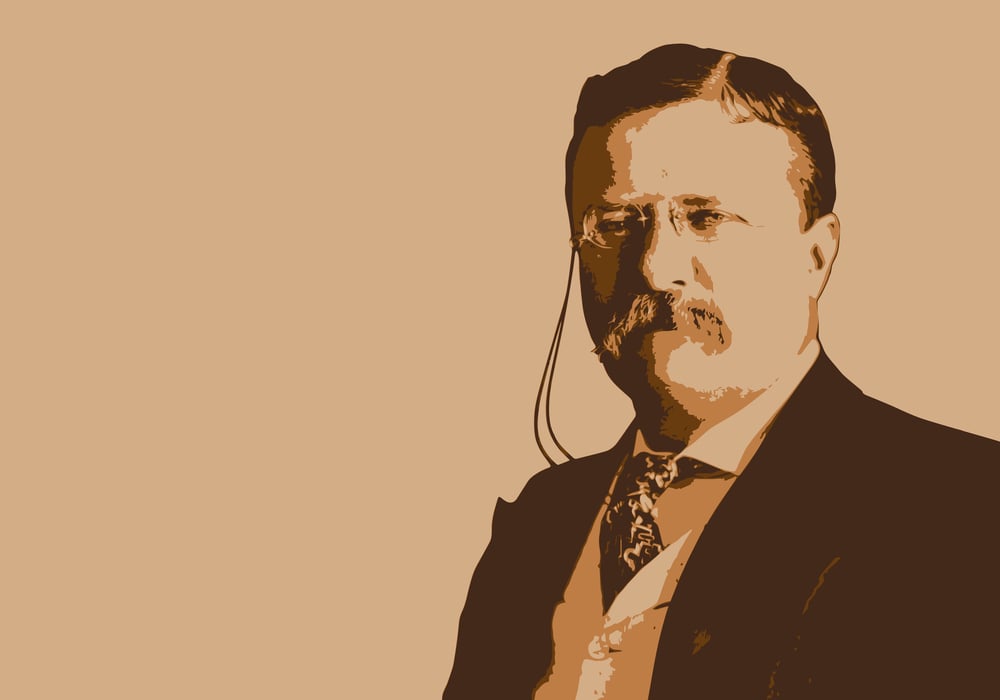
Theodore Roosevelt’s childhood nickname became universal. Most people know him as Teddy, even though he actually disliked the informal name.
The teddy bear got named after him following a hunting incident, which only reinforced the nickname’s staying power. This one works because it makes a larger-than-life president feel accessible.
Teddy sounds friendly, approachable, despite Roosevelt’s aggressive foreign policy and trust-busting activities. The nickname humanized a figure who could otherwise seem too bold, too energetic, too much.
FDR
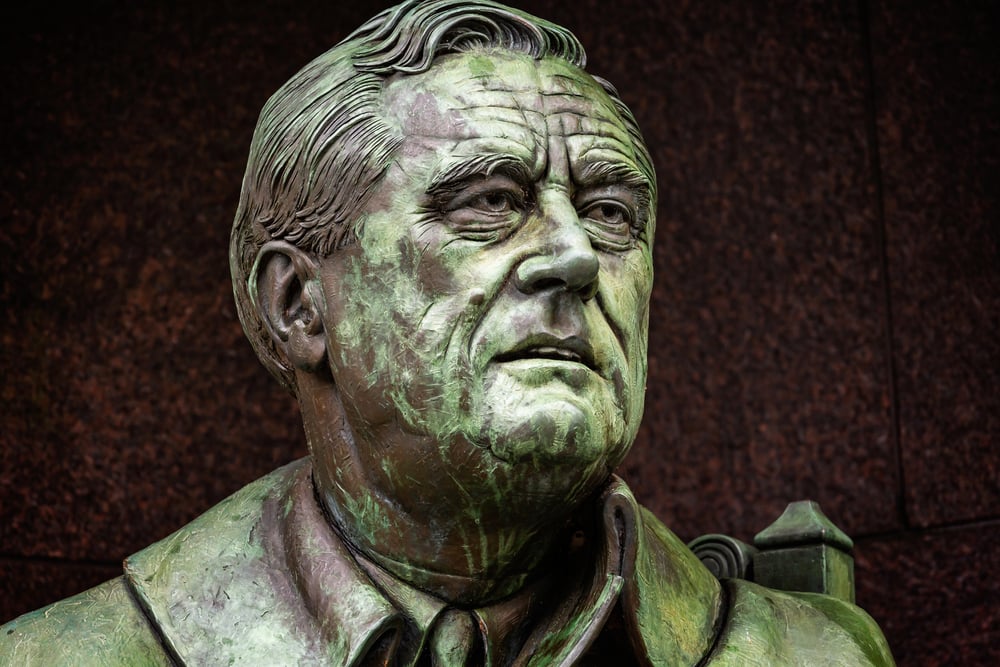
Franklin Delano Roosevelt’s initials became his identity. The nickname compressed his long name into something manageable for newspaper headlines and radio broadcasts.
During twelve years in office, people stopped using his full name altogether. The abbreviation outlasted the man because it’s efficient.
You can say FDR and everyone knows exactly who you mean. The New Deal, World War II, four terms in office—all of it gets packed into those three letters.
It’s branding at its most effective.
Ike
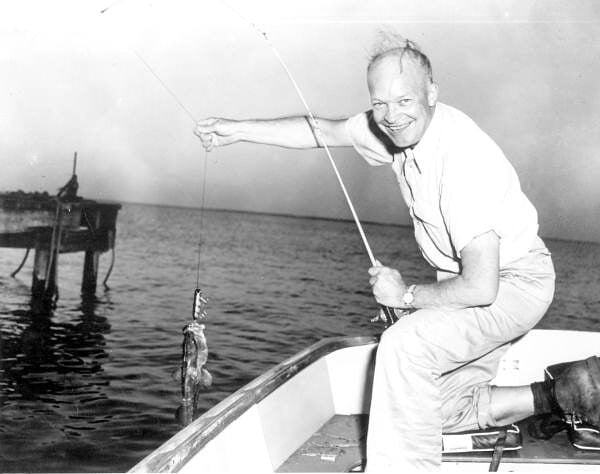
Dwight Eisenhower’s nickname came from his family, but the American public adopted it during his military career and presidential campaigns. “I Like Ike” became one of the most memorable campaign slogans in American history, partly because the nickname was so catchy.
You can’t separate the man from the nickname now. Military historians and political scholars still call him Ike.
The informality of the name contradicted his military precision and presidential dignity, which made it even more appealing to voters who wanted a leader who felt like a regular person.
Silent Cal
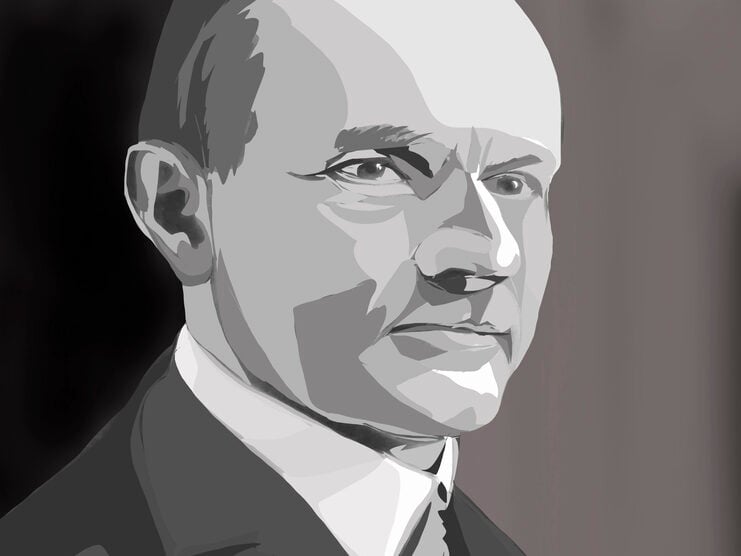
Calvin Coolidge earned this nickname because he didn’t talk much. In an era when most politicians loved the sound of their own voices, Coolidge’s restraint stood out.
The nickname captured his entire personality in two words. The name persists because it represents something rare in politics—someone who thought before speaking and didn’t feel the need to fill every silence with words.
Modern politicians get compared to Silent Cal whenever they show unusual restraint in public statements.
The Little Magician
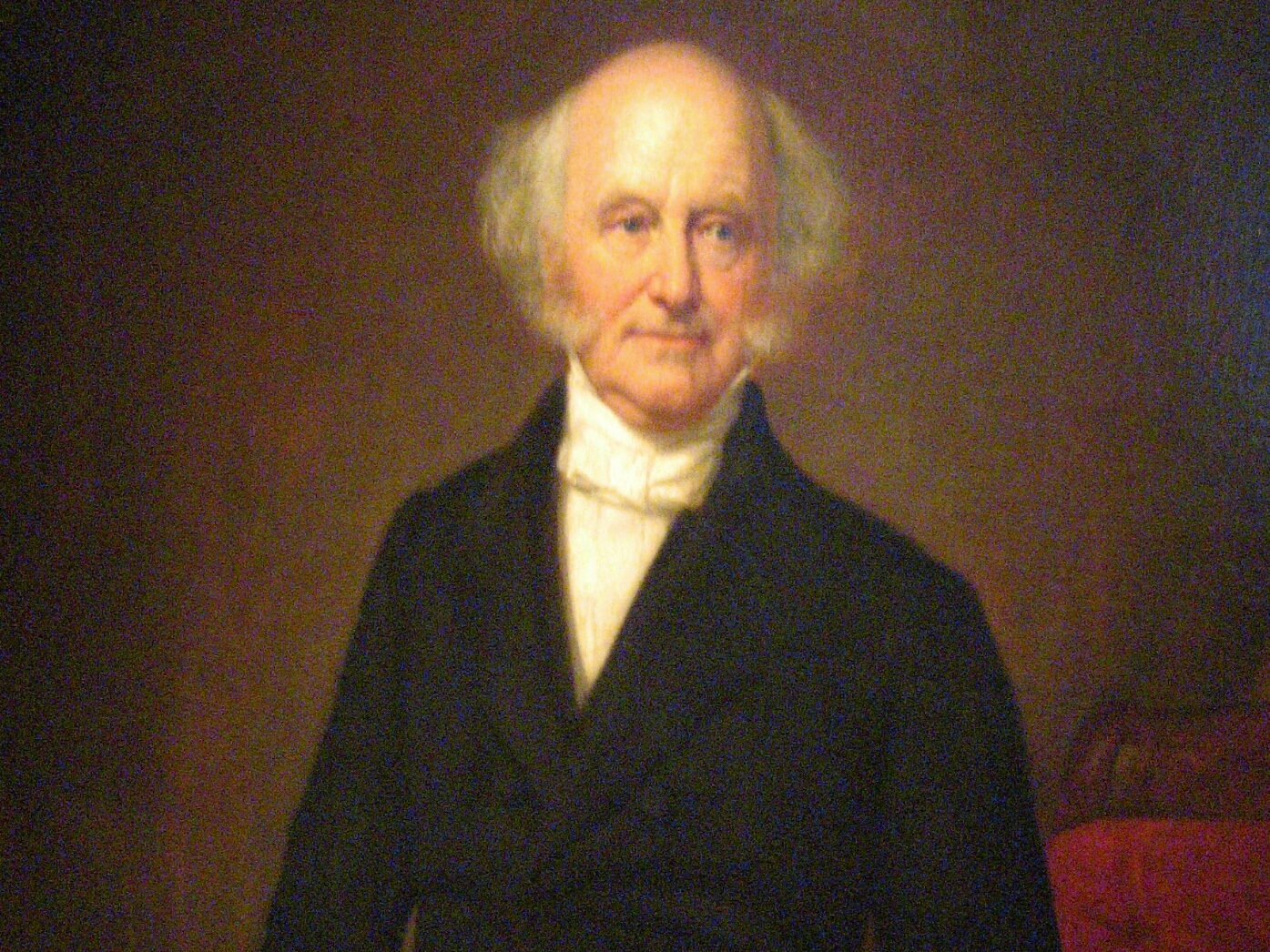
Martin Van Buren got this nickname for his political maneuvering and his short stature. He was skilled at behind-the-scenes dealmaking and coalition building.
The name acknowledged his talents even as it diminished him physically. This nickname fell out of common use more than the others on this list, but historians still use it when discussing Van Buren’s career.
It captures the craft of politics in the early American republic when backroom deals and careful alliances determined who held power.
Old Rough and Ready
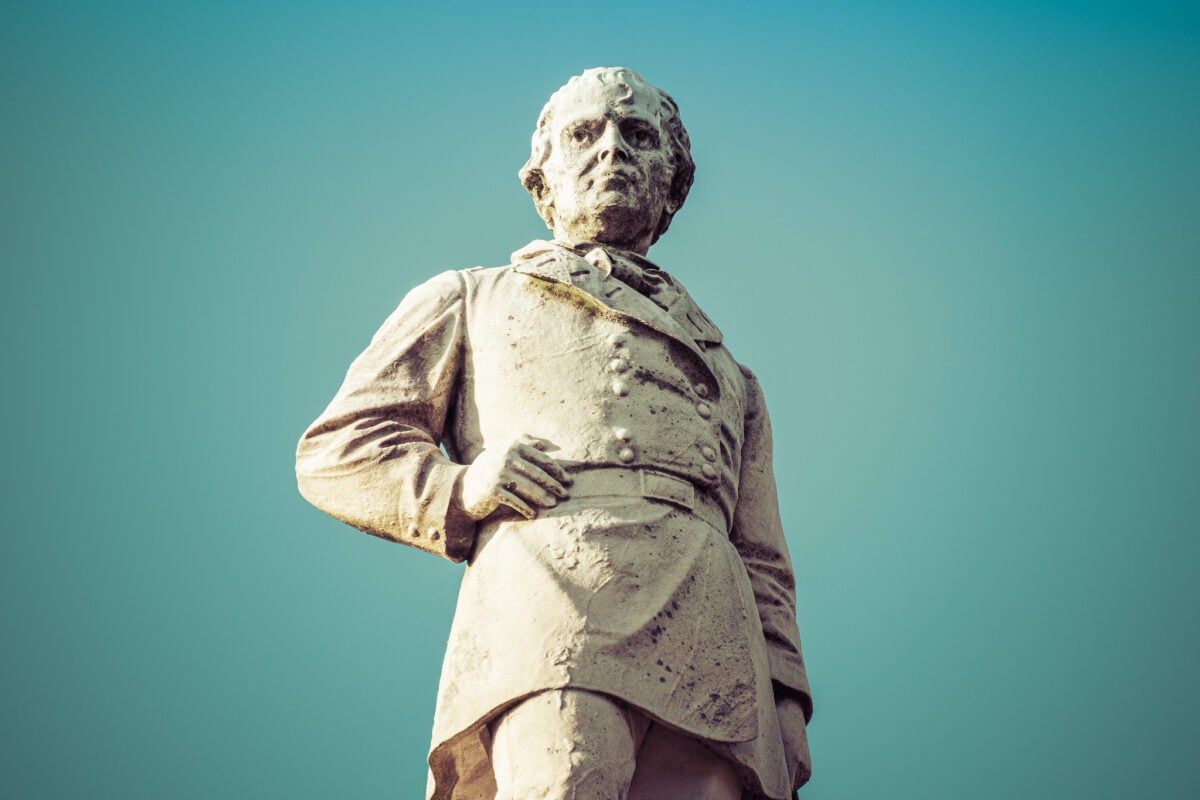
Zachary Taylor got a military nickname that stuck when he became president. Since he faced the same struggles as his troops – yet stayed humble – they called him that.
This down-to-earth vibe clicked with people bored by fancy, slick leaders. The nickname stands for a kind of leader – a soldier turned commander-in-chief thanks to combat fame, not years in politics.
Though Taylor passed away only a year and four months after taking office, the label stuck around afterward, shaping how folks looked back at his short term.
The Sphinx
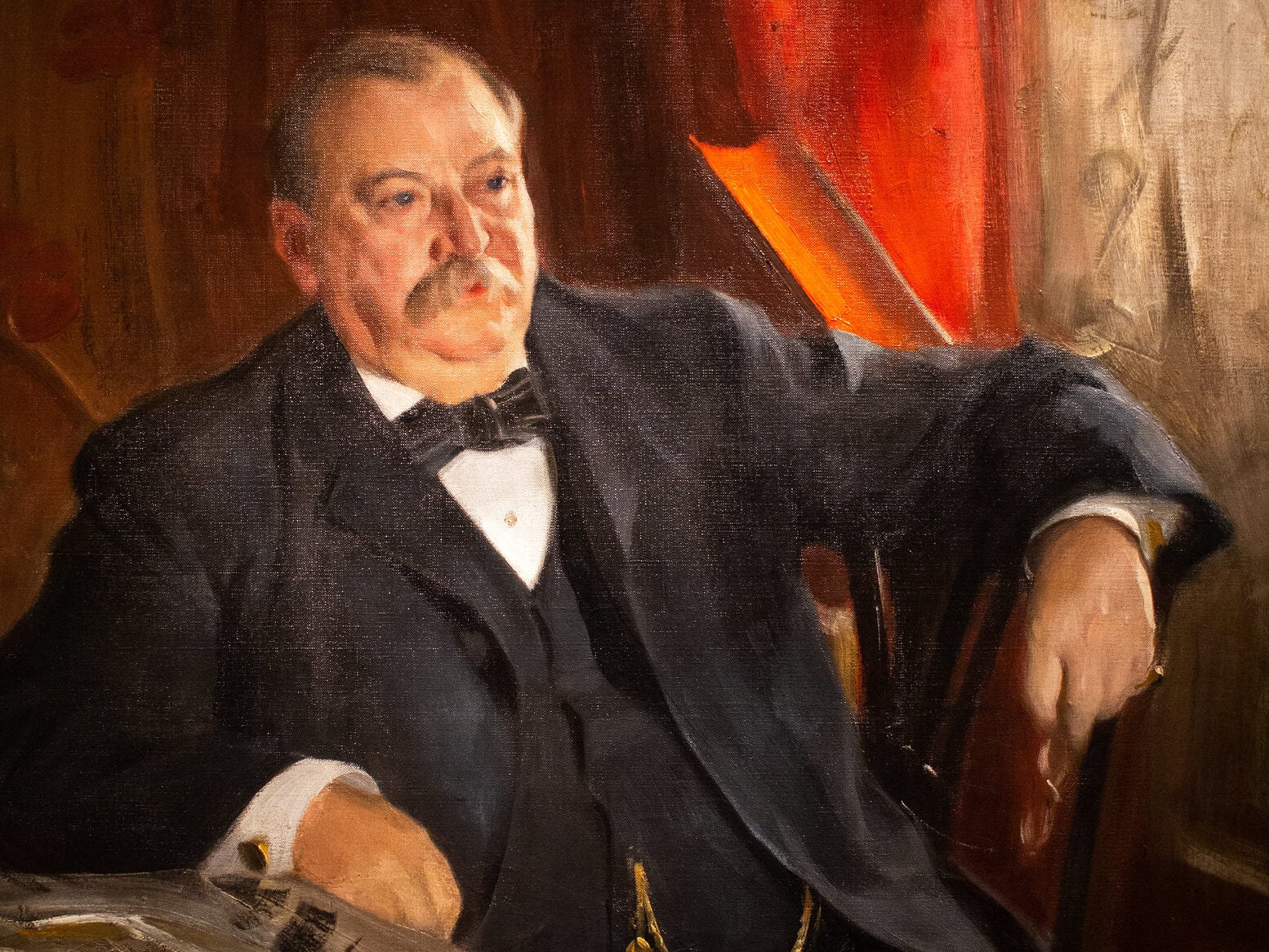
Grover Cleveland got tagged with this one because he kept his thoughts to himself. He didn’t explain his decisions or share his reasoning publicly.
The nickname suggested mystery and inscrutability, which frustrated his opponents but intrigued the public. This type of nickname works differently from the obvious ones.
It requires you to know something about Egyptian mythology and to appreciate the comparison. The name elevated Cleveland while also criticizing his unwillingness to engage more openly with the press and public.
The Napoleon of the West
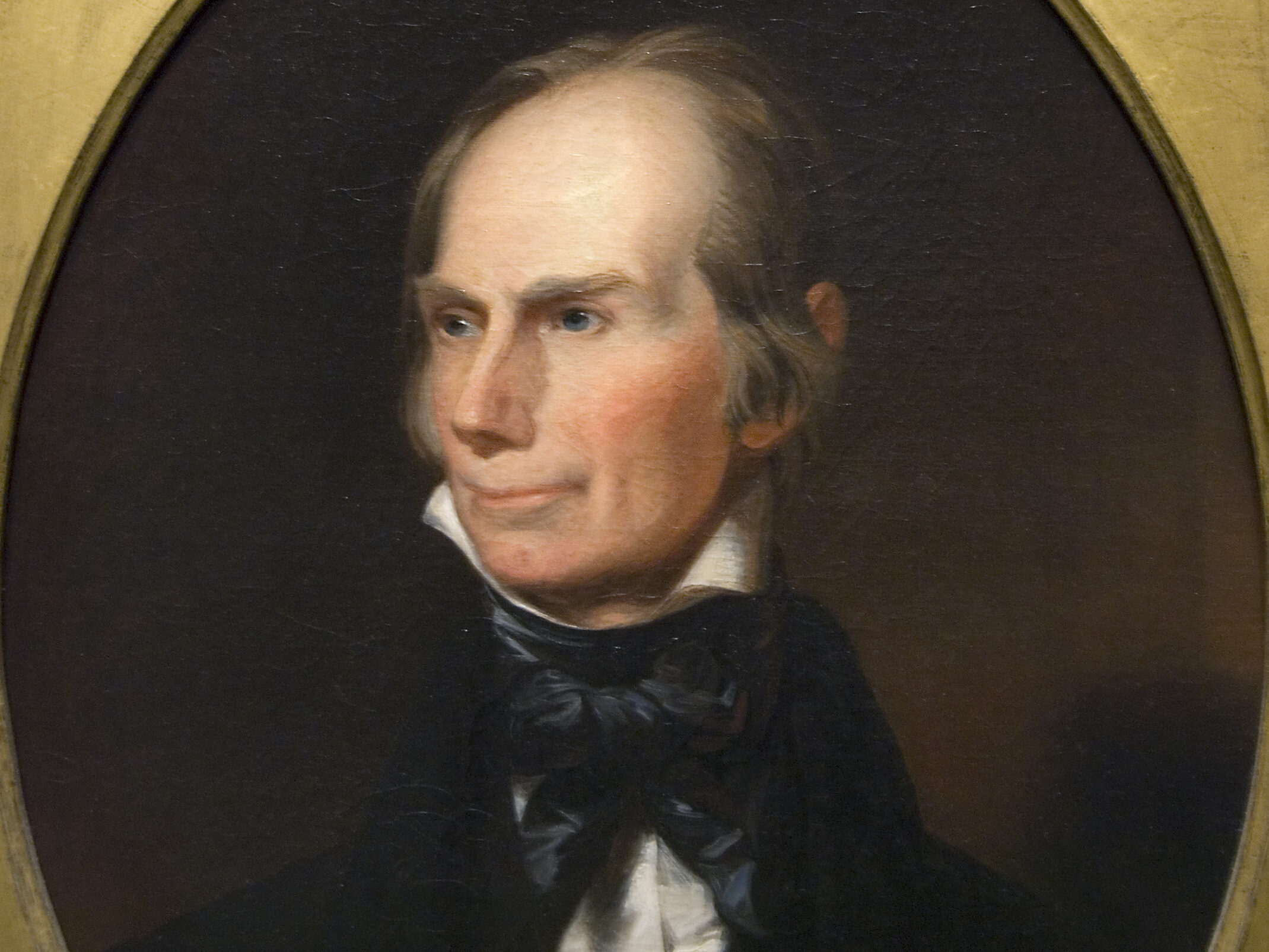
Henry Clay got labeled like Bonaparte since he dreamed big and planned far ahead. Even though he kept chasing the presidency and never grabbed it, his role in American politics still stood out.
That nickname didn’t only show off his cleverness – it quietly hinted at his flaws too.
The name stays because Clay represents a certain type of politician – clever, influential, good at guiding choices and winning others over – but never quite reaching the top job.
At first, comparing him to Napoleon seemed flattering; still, it came with flaws that made the label stick in people’s minds.
Old Tip
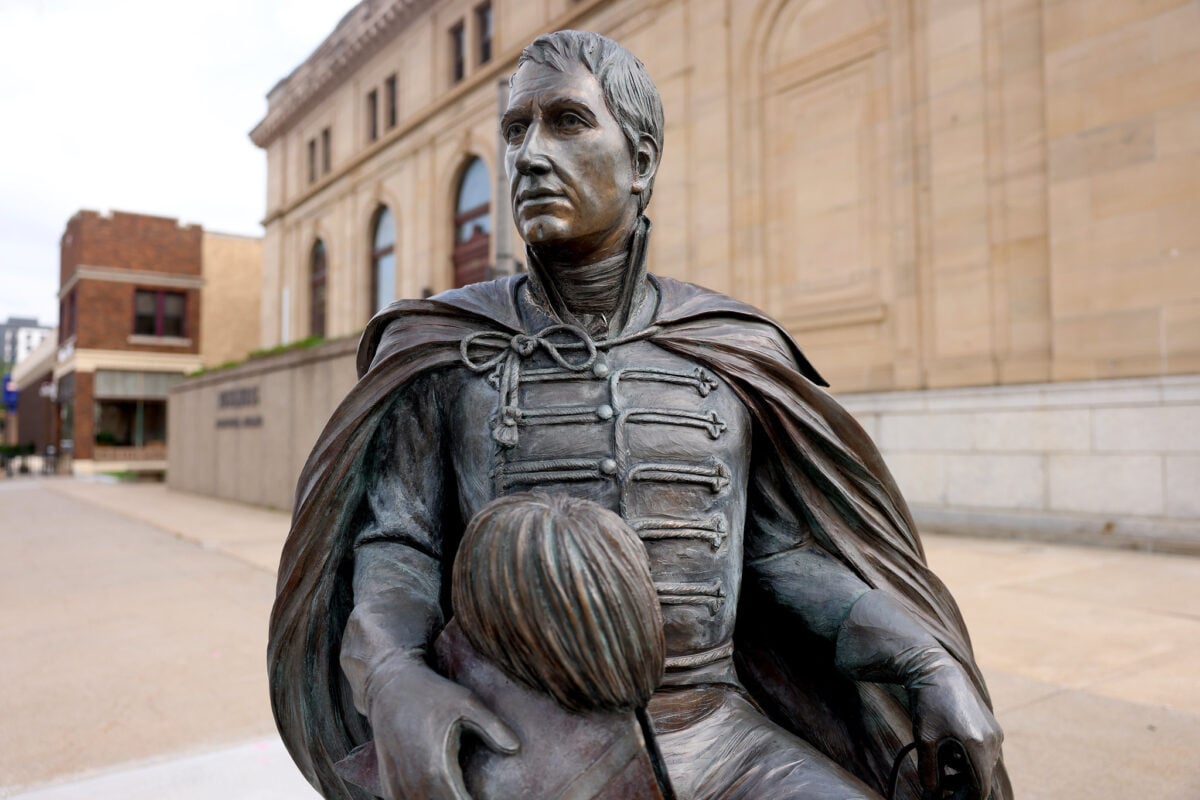
William Henry Harrison got the nickname “Tippecanoe” after leading a battle in 1811. People near him – or folks who supported his cause – began saying Old Tip from then on.
When he went for president, they shouted “Tippecanoe along with Tyler Too,” a slogan that somehow stayed memorable longer than most political phrases in American history. Harrison died just weeks after taking office, so his presidency was really brief.
But the name stayed because it linked to that famous campaign slogan and also showed an era marked by American expansion plus conflict with Native peoples.
When Names Become History
Political nicknames do more than name – it sticks in our minds, shapes how we see a leader’s run, yet shifts what gets remembered later. Some chose theirs on purpose; others fought back or never cared at all.
The ones that last usually show a person’s mark – or the time they changed. They stay around since they pack huge tales into tiny tags, useful whether you’re talking or reading.
Even when rules fade and fights from before blur, the label holds up – tougher than rock, tougher to wipe out.
More from Go2Tutors!

- The Romanov Crown Jewels and Their Tragic Fate
- 13 Historical Mysteries That Science Still Can’t Solve
- Famous Hoaxes That Fooled the World for Years
- 15 Child Stars with Tragic Adult Lives
- 16 Famous Jewelry Pieces in History
Like Go2Tutors’s content? Follow us on MSN.