Retail Concepts Borrowed from Older Models
Walk into any modern shopping center and you’ll see ideas that feel fresh and current. The sleek displays, the digital interfaces, the carefully curated experiences—it all seems designed for right now.
But most of what passes for innovation in retail is actually recycled. Store owners keep reaching back to methods that worked decades or even centuries ago, repackaging them with new technology and marketing language.
The funny thing is, it works. These old concepts solve problems that haven’t really changed. People still want convenience, personal attention, and a sense of discovery when they shop.
The tools change, but the underlying needs stay the same.
Pop-Up Shops from Market Stalls
— Photo by HenryStJohn
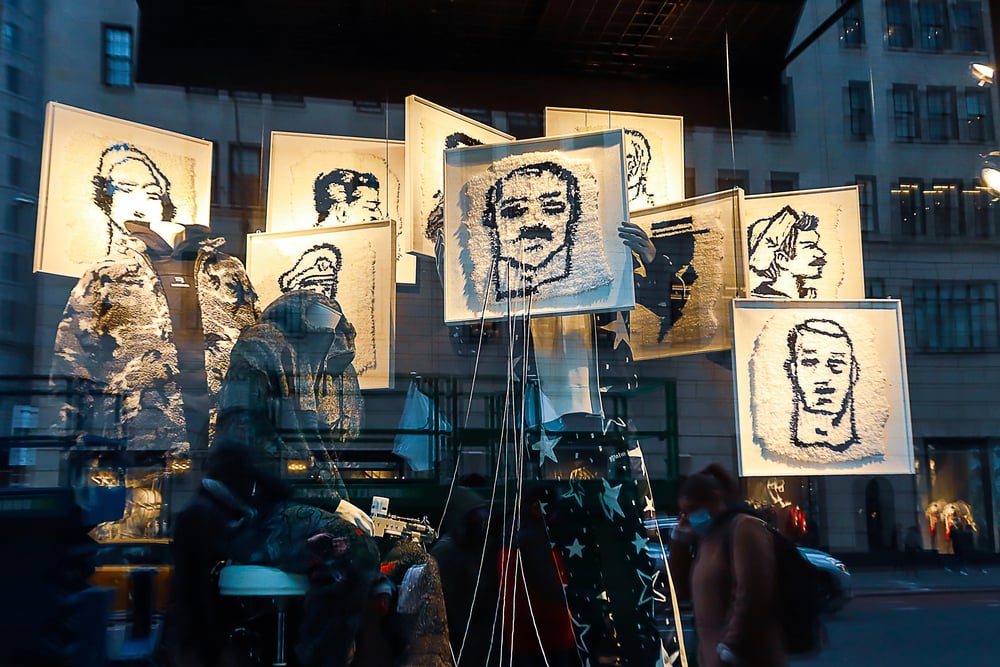
Those temporary stores that appear in empty storefronts or shopping mall corridors? That’s just market stalls with better branding. Vendors have been setting up temporary selling spaces for thousands of years.
Medieval markets, street fairs, traveling salespeople—they all understood that scarcity and limited availability create urgency. Modern retailers discovered that the same psychology works in prime real estate locations.
Set up for a few weeks, create buzz, then disappear before people get bored. The temporary nature isn’t a weakness. It’s the entire appeal.
Subscription Boxes from Home Delivery
Your monthly beauty box or snack subscription copies the milkman model. In the early 1900s, dairy companies delivered fresh milk to doorsteps on regular schedules.
Customers paid weekly or monthly, and the product just showed up. No shopping required.
Subscription services today follow the exact same pattern. Regular deliveries, predictable billing, curated selection. The milkman figured out that consistent, automated purchasing removes friction and builds loyalty.
Modern companies just applied that lesson to everything from razors to pet food.
Buy Now, Pay Later from Layaway
Layaway plans dominated mid-century department stores. You picked out what you wanted, made payments over time, and took the item home once you’d paid in full.
The store held your merchandise until you completed the payments. Current payment plans like Affirm and Klarna flip this around—you get the product immediately but still make installments.
The core concept remains unchanged: spreading costs over time makes expensive items accessible to more buyers. Technology changed, but financial psychology didn’t.
Personal Shopping Services from Department Store Attendants
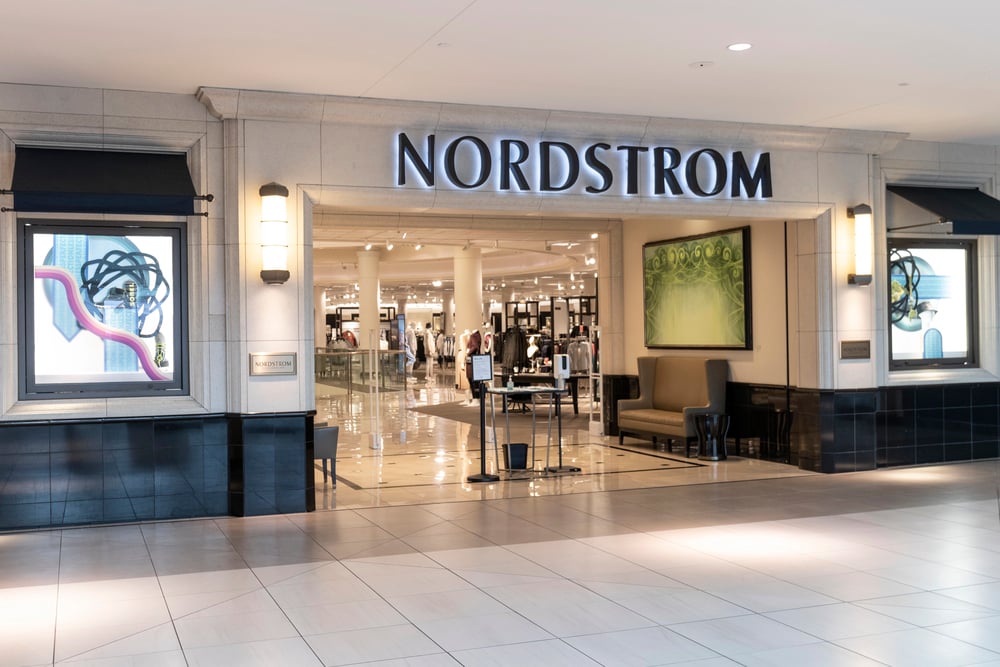
Nordstrom didn’t invent personal shopping. Department stores in the 1800s employed floor attendants who knew their regular customers, understood their preferences, and pulled merchandise specifically for them.
These relationships built loyalty and increased sales. Today’s personal shopping services use customer data and algorithms to replicate what those attendants did through memory and observation.
The approach got more sophisticated, but the goal is identical—make customers feel understood and reduce the effort required to find what they want.
Experiential Retail from General Stores
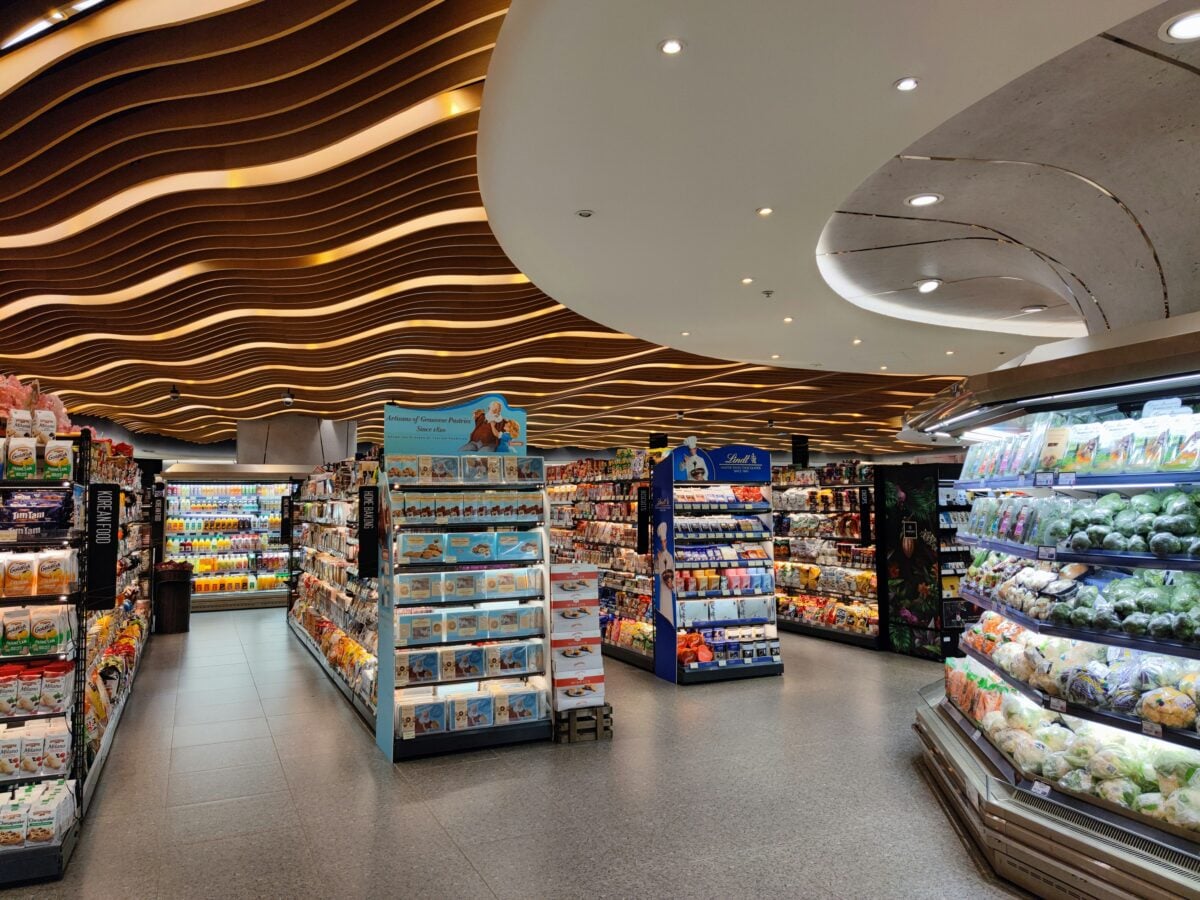
The general store wasn’t just a place to buy supplies. It was a community gathering spot where people exchanged news, socialized, and spent time.
Store owners knew that creating an environment where people wanted to linger led to more purchases. Apple stores, bookshops with coffee bars, and outdoor retailers with climbing walls all borrowed this concept.
When your space becomes a destination rather than just a transaction point, people visit more often and stay longer. The products almost sell themselves once you’ve created the right atmosphere.
Curbside Pickup from Drive-In Services

Drive-in restaurants and theaters in the 1950s proved that people loved staying in their cars for convenience. Some stores offered curbside service where customers could call ahead and have purchases brought to their vehicles.
The pandemic accelerated this old idea, but it wasn’t new. Retailers just needed a push to invest in the systems required to make curbside pickup efficient.
The concept waited in the background for decades until circumstances made it essential again.
Flash Sales from Clearance Events

Department stores have run clearance sales since they opened. Create urgency, mark down prices dramatically, and limit the time available.
Customers respond by shopping faster and buying more than they planned. Online flash sales copied this playbook directly.
Sites like Gilt and Rue La La took the clearance sale model and added timers, limited quantities, and email notifications. The mechanics changed, but the psychological triggers—scarcity, urgency, bargains—came straight from traditional retail.
Live Shopping from Home Shopping Networks
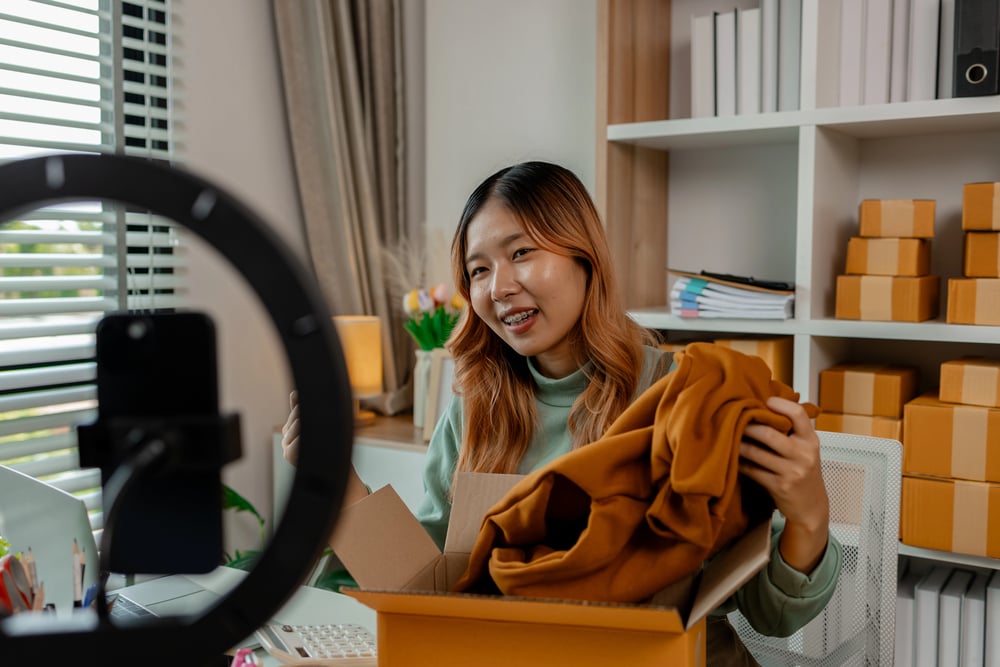
QVC launched in 1986 and proved that people would buy products while watching hosts demonstrate them on television. The format created urgency through limited-time offers and built trust through personality-driven presentations.
Live shopping on social media platforms follows the same script. Influencers showcase products in real-time, answer questions, and create artificial scarcity.
The only difference is the screen size and the ability to comment during the broadcast.
Store Within a Store from Market Halls
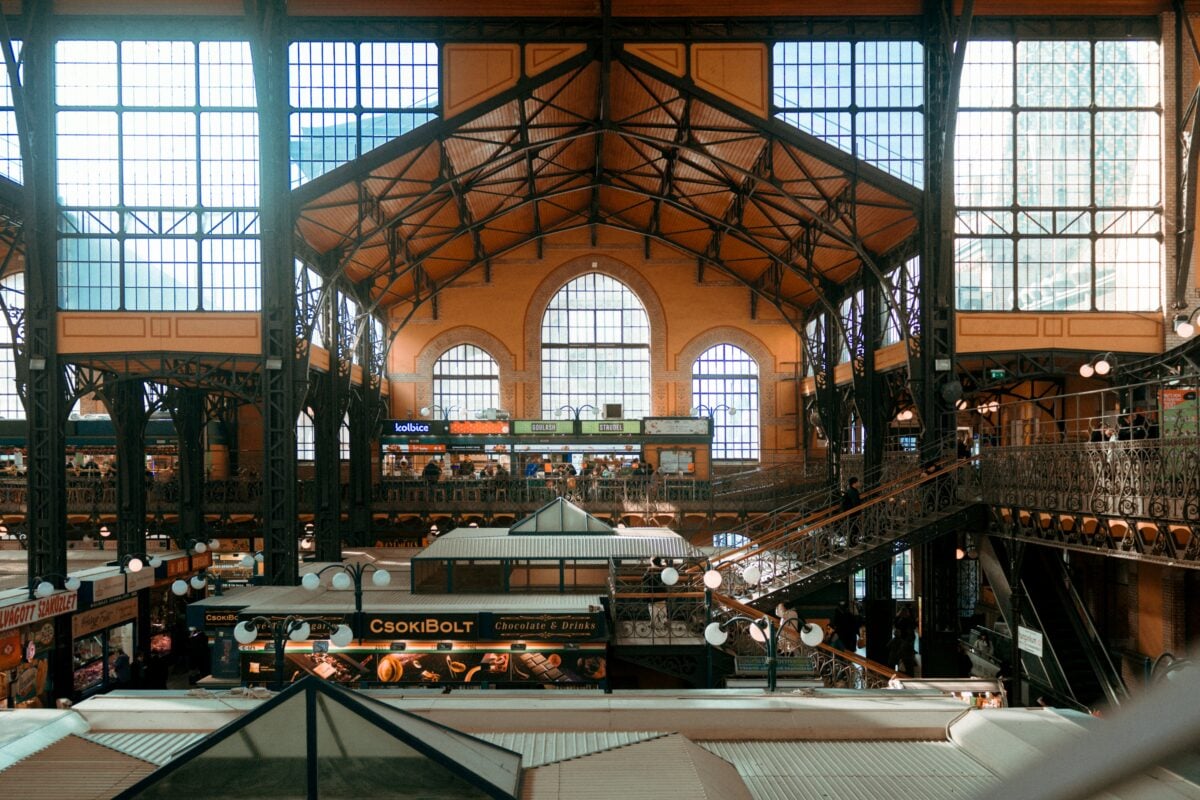
Victorian-era market halls housed multiple vendors under one roof. Each stall operated independently, but they benefited from shared foot traffic and the variety that drew customers to the building.
Target’s partnership with Ulta Beauty or Nordstrom’s partnership with local boutiques uses this exact structure. The host store provides space and traffic, while the smaller brand brings specialized products and expertise.
Both parties win, just like market hall vendors did 150 years ago.
Membership Clubs from Co-Ops
Consumer cooperatives let members pool resources to get better prices and selection. You paid a membership fee, which gave you access to wholesale pricing and exclusive products.
The model worked because it aligned the interests of the store and the customer. Costco and Sam’s Club took this cooperative model and scaled it up.
Members pay annual fees, which fund the operation and allow the stores to offer lower prices. The financial structure hasn’t changed since the first co-ops opened in the 1800s.
Flexible Return Policies from Store Credit

General stores and small shops built customer loyalty through generous return policies. If something didn’t work out, you could bring it back for credit toward future purchases.
Store owners knew that removing purchase risk encouraged people to buy more freely. Zappos made this old practice famous again by offering free returns and a 365-day return window.
Other retailers followed because the same logic still applies: reducing purchase anxiety increases sales volume enough to offset the cost of processing returns.
Product Sampling from Apothecaries
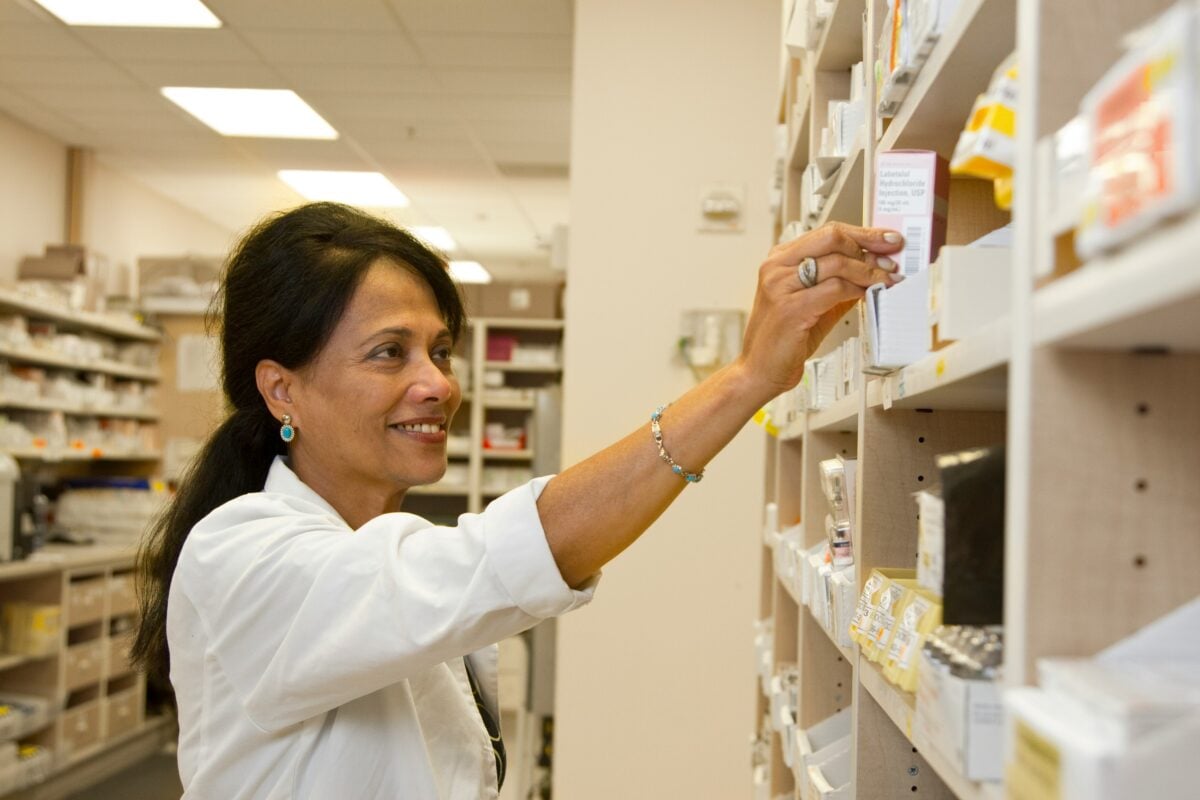
Pharmacists and grocers have offered samples since they started mixing their own products. A small taste or trial helped customers decide if they wanted to purchase the full-size version.
The practice built trust and introduced new items effectively. Sephora’s sampling program and Costco’s weekend tastings directly borrowed this approach.
When customers can try before committing, conversion rates improve. The method is ancient, but it works as well now as it did when apothecaries were mixing tinctures by hand.
Brand Ambassadors from Door-to-Door Sales

Traveling salespeople built entire industries by going directly to customers’ homes. They demonstrated products, answered questions, and created personal connections that led to sales.
Companies like Fuller Brush and Avon grew massive businesses using this model. Modern brand ambassadors do the same work with different tools.
They promote products on social media, host events, and create personal connections with potential customers. The face-to-face interaction moved online, but the relationship-driven sales approach remained central.
Concierge Services from Luxury Retail Attendants
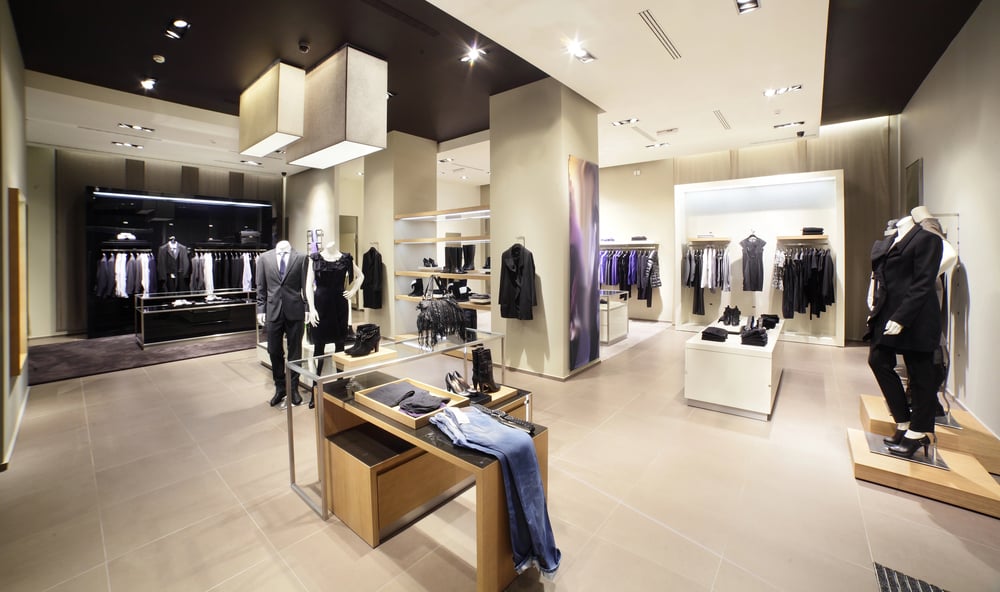
High-end shops in the early 1900s employed staff who catered to wealthy customers’ every need. These attendants arranged deliveries, sourced special items, and provided white-glove service that justified premium prices.
Hotels and credit card companies now offer concierge services that mirror this luxury retail approach. The service creates a sense of exclusivity and personal attention that makes customers feel valued.
The execution modernized, but the concept of making someone feel important through dedicated service never went out of style.
The Cycle Continues
Retail keeps stumbling back into ideas that already proved useful. Every era believes it’s come up with something fresh, yet most often it’s simply using yesterday’s insights in today’s gadgets.
That’s not wrong. Those approaches stick around since they match basic ways people act and choose – stuff that stays steady across years.
You can follow these patterns if you stay alert. When you spot the latest trendy store idea, take a glance at the past. Odds are, folks tested something like it years – or even ages – back.
Sure, small things change, yet the main thought sticks around since it tackles an actual need in line with how humans really buy stuff and choose what they want.
More from Go2Tutors!

- The Romanov Crown Jewels and Their Tragic Fate
- 13 Historical Mysteries That Science Still Can’t Solve
- Famous Hoaxes That Fooled the World for Years
- 15 Child Stars with Tragic Adult Lives
- 16 Famous Jewelry Pieces in History
Like Go2Tutors’s content? Follow us on MSN.