15 Ancient Roads That Still Exist Today
The world’s oldest highways tell fascinating stories. They’ve witnessed empires rise and fall, carried countless travelers on journeys of commerce and conquest, and somehow, despite centuries of weather, war, and development—parts of them still remain intact for us to walk upon today.
Here’s a list of 15 ancient roads that have survived the centuries and continue to connect us with our distant past:
Via Appia
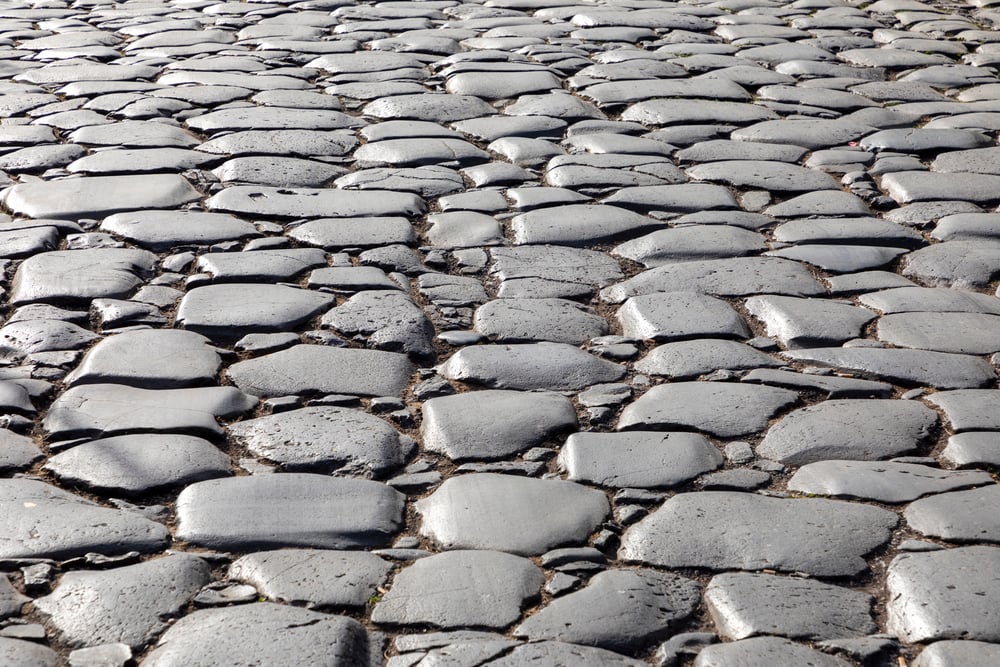
The Romans weren’t kidding when they nicknamed it the ‘Queen of Roads.’ Constructed in 312 BCE, significant stretches of the Via Appia remain remarkably intact after more than 2,300 years of continuous use.
Its perfectly fitted basalt paving stones have supported everything from Roman legions to modern tourists strolling between umbrella pines outside Rome. What’s truly impressive isn’t just that it’s survived—it’s that parts of its original drainage system still work effectively during heavy Mediterranean downpours.
The Silk Road
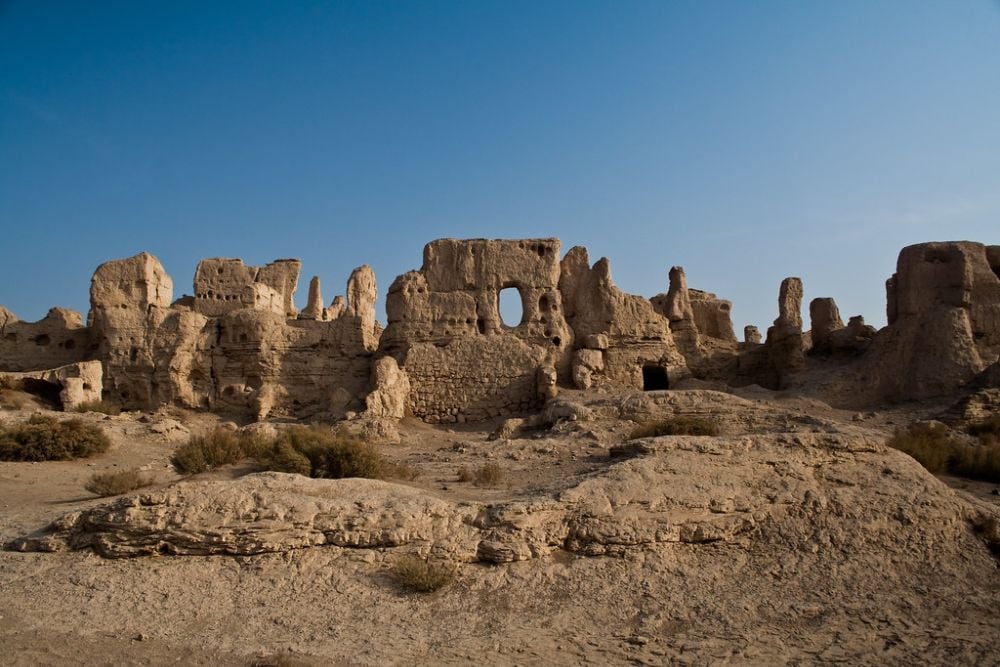
Not a single road, but a vast web of trade routes stretched over 4,000 miles of rugged terrain, connecting ancient China with the Mediterranean world. These routes crossed deserts, mountains, and windswept steppes, forming the arteries of one of history’s greatest exchanges of goods and ideas.
Some segments still survive today as dusty tracks through Central Asia, traveled mostly by local herders—descendants, perhaps, of those who once led caravans laden with treasures. Modern highways often trace these same paths—not out of nostalgia, but because geography still demands it.
The Nakasendo
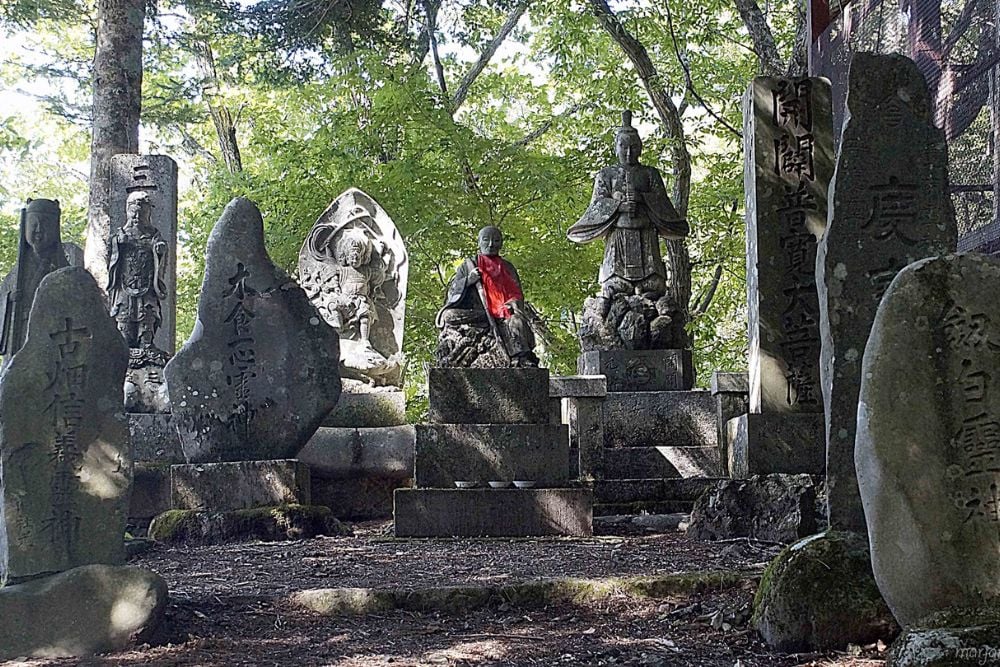
This well-preserved route connected Edo (today’s Tokyo) with Kyoto during Japan’s feudal period, when samurai and merchants traveled its carefully maintained path through the mountainous interior. Stone-paved sections remain intact, particularly around the post towns of Magome and Tsumago, where travelers can experience something remarkably close to what medieval Japanese travelers saw.
Walking these ancient paths today takes you through bamboo forests and past traditional wooden buildings that have somehow survived modernization.
The Inca Road System

How did a civilization without wheeled vehicles or draft animals build over 18,000 miles of roads across some of Earth’s most challenging terrain? The Inca achieved this engineering marvel through sheer determination and brilliant design.
Sections like the famous Inca Trail to Machu Picchu feature original stonework that has withstood five centuries of earthquakes, landslides, and torrential Andean rains. These roads included suspension bridges woven from grass, elaborate drainage systems, and staircases carved directly into mountain faces—all without metal tools or mortar.
The Persian Royal Road
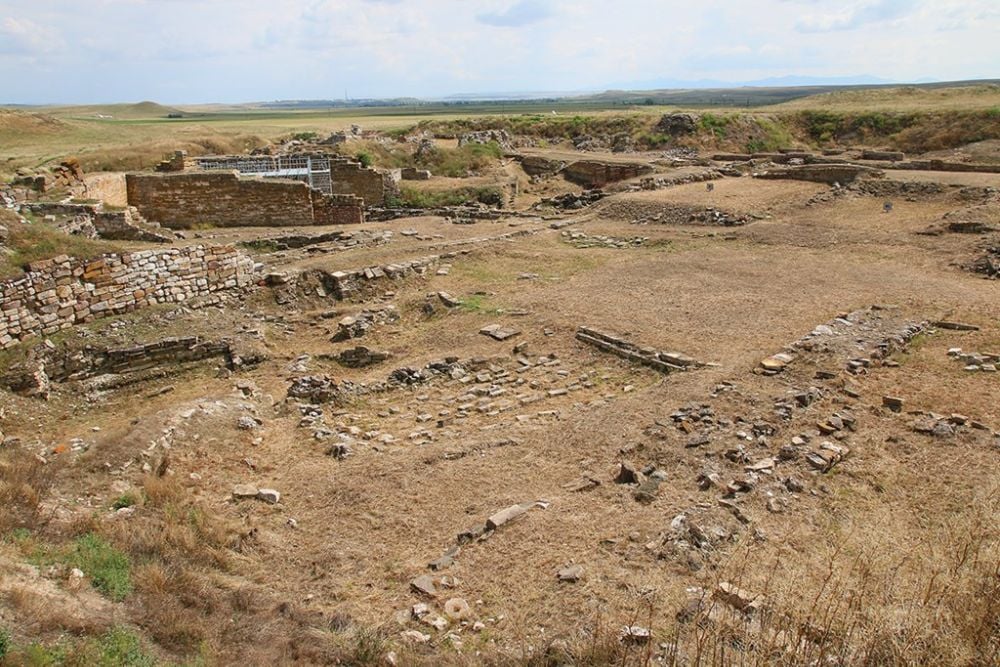
King Darius I wasn’t messing around when he established this highway around 500 BCE. Stretching nearly 1,600 miles from Susa (in modern Iran) to Sardis (in Turkey), this ancient superhighway facilitated rapid communication across the Persian Empire.
Parts survive today as local paths and sections of modern highways that follow the same sensible route across Anatolia. It was so well designed that imperial messengers could reportedly travel its entire length in just seven days—an almost unbelievable speed for the ancient world.
The Appalachian Trail
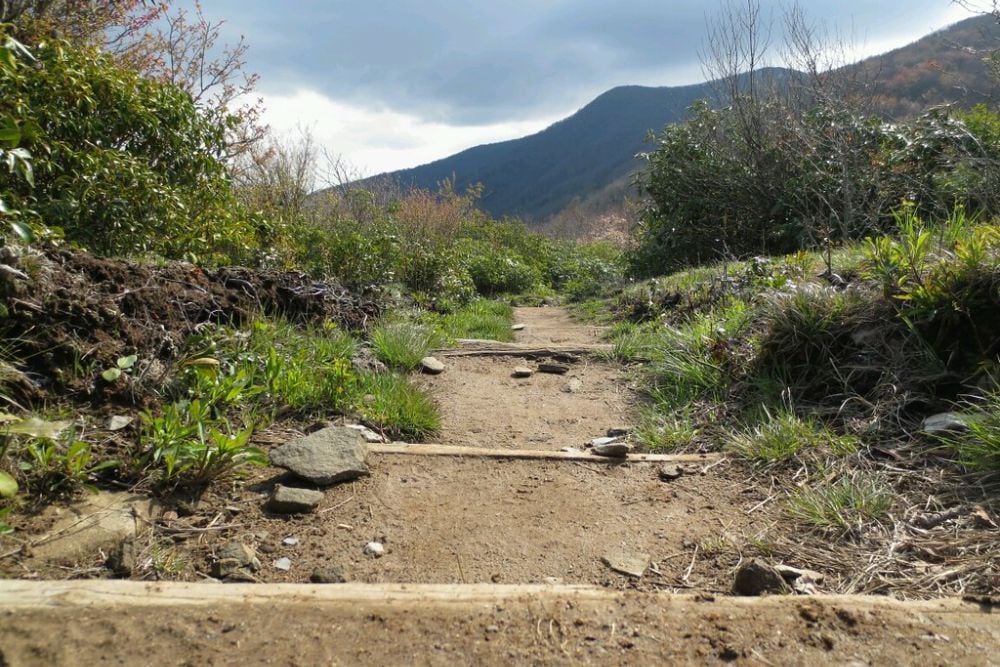
Long before European arrival, Native Americans established this network of footpaths through the eastern United States. Though we know it today primarily as a recreational hiking route, many sections follow trails originally blazed by Indigenous peoples thousands of years ago.
The paths cleverly followed watersheds and mountain gaps, demonstrating sophisticated geographical knowledge. Early European settlers relied heavily on these established routes for their own westward migration—and in many cases, modern highways still follow these ancient corridors.
Via Egnatia
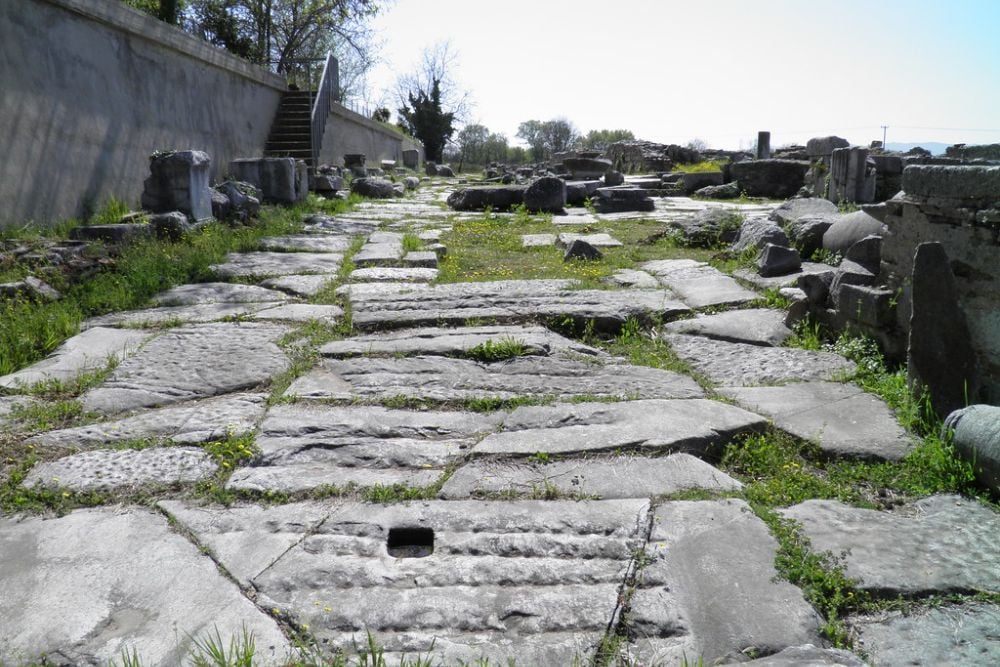
When the Romans needed to connect the Adriatic Sea to the Bosporus, they built this impressive military road across what’s now Albania, North Macedonia, and northern Greece. Constructed around 146 BCE as an extension of the Via Appia, substantial sections of the original paving stones can still be seen and walked upon today.
You’ll find modern highways often running parallel to this ancient route—not from historical respect, but because the Roman engineers had already found the most practical path through the challenging Balkan terrain.
The King’s Highway
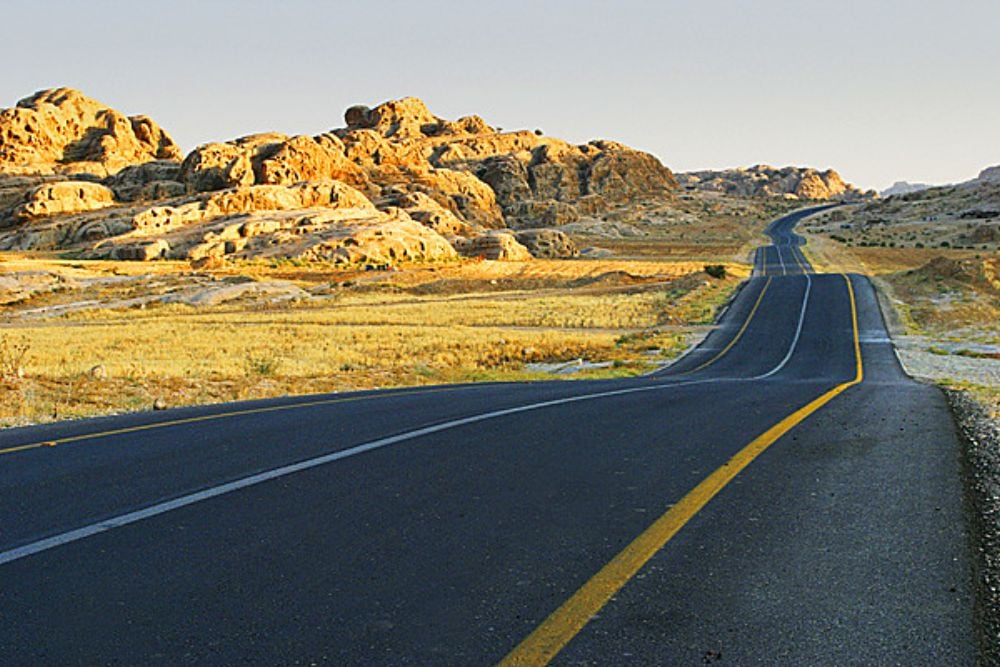
This might be one of the oldest continuously used trade routes on Earth, running through modern Jordan and in use for well over 4,000 years. Mentioned in biblical texts and used by countless civilizations from the Egyptians to the Nabataeans to the Ottomans, parts of the original route now form Jordan’s modern Highway 35.
The road connected ancient kingdoms and served as a crucial conduit for pilgrims, armies, and merchants braving the harsh Middle Eastern landscape.
The Grand Trunk Road
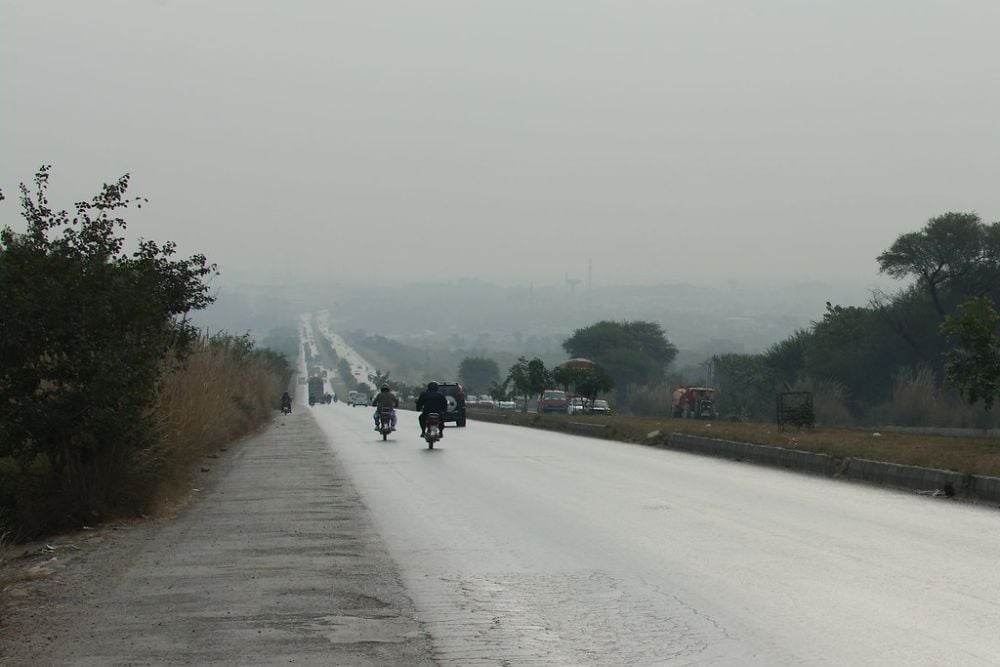
This historic artery has connected South Asia for over two millennia, stretching from Bangladesh through India and Pakistan into Afghanistan. First established by the Mauryan Empire around 300 BCE and later improved by the Mughals, much of its route is now covered by modern highways serving as transportation lifelines for the subcontinent.
In rural areas, you can still find sections of the original path marked by ancient milestones and caravanserais (rest houses) that once sheltered weary travelers.
The Ridgeway
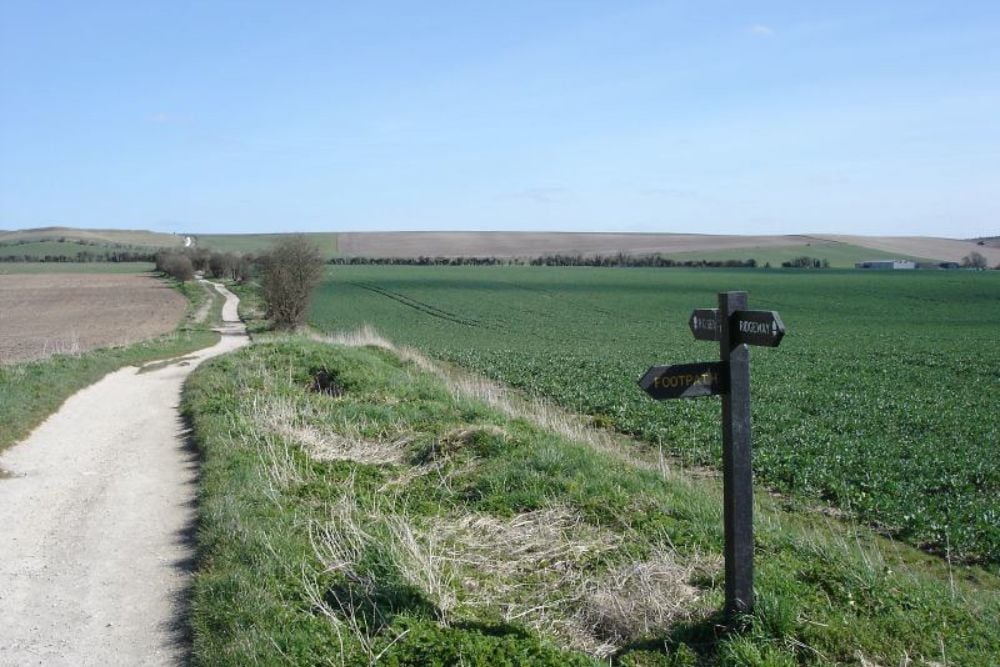
Crossing the rolling chalk hills of southern England, this path has remained in continuous use for at least 5,000 years—earning it the title of Britain’s oldest road. Prehistoric travelers chose the high ground to avoid dense forests and swampy lowlands that dominated the ancient landscape.
Today’s hikers can follow almost the entire 87-mile National Trail along the same path used by their Neolithic ancestors. Archaeological finds along its length—from Bronze Age burial mounds to Iron Age hill forts—testify to its long history.
Via Domitia

Built in 118 BCE as Rome’s first major highway in Gaul, this road connected Italy to Spain across what’s now southern France. Exceptionally well-preserved sections can be found in Narbonne and Ambrussum, where deeply rutted stone paving bears witness to centuries of cart traffic.
In many places, modern French highways and railways parallel their ancient course—not from historical reverence but because the Romans had already figured out the most logical routes through mountain passes and along river valleys.
The Amber Road

For over two millennia, this network of trade routes carried precious amber from the Baltic Sea shores to Mediterranean civilizations hungry for the golden, fossilized resin. Portions of the original paths survive in Eastern Europe, particularly in mountain passes and river crossings, where geography limited possible routes.
These ancient pathways facilitated cultural exchange across the continent and helped establish some of Europe’s earliest towns at key junctions and trading posts—many of which remain important cities today.
The Shu Roads
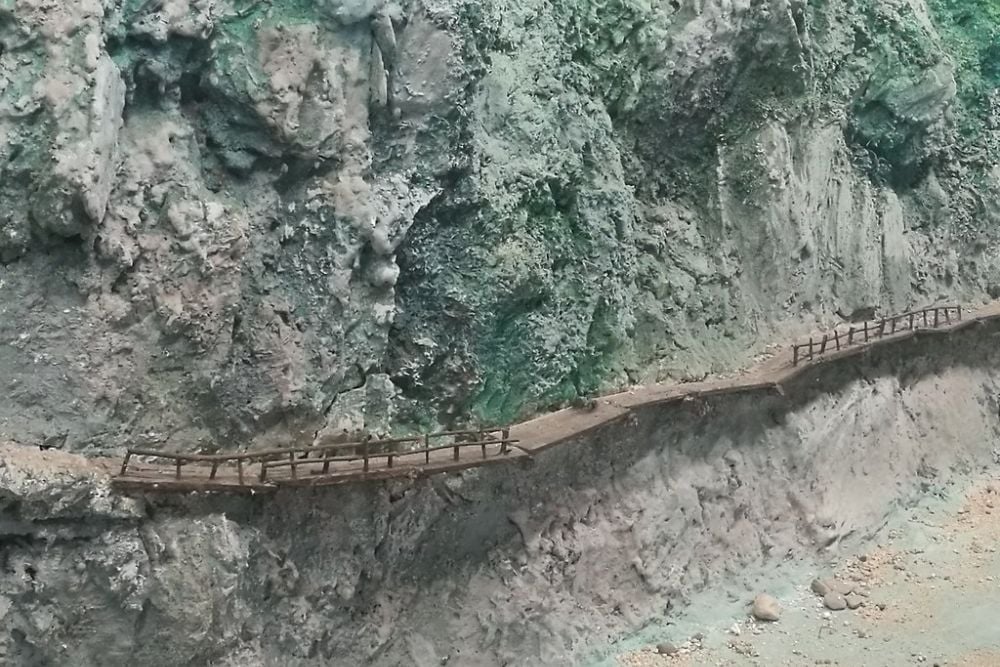
When ancient Chinese engineers faced the challenge of connecting Sichuan’s fertile basin with the North China Plain, they created some of history’s most impressive mountain highways. Built around 300 BCE, sections of these stone-paved roads with their elaborate switchbacks and tunnels remain visible today despite the region’s frequent landslides and earthquakes.
Modern Chinese highways often follow remarkably similar routes, a testament to the ancient engineers’ skill at finding practical paths through seemingly impassable terrain.
The Horus Road

This ancient Egyptian highway connected the Nile Delta with settlements in southern Canaan more than 4,500 years ago, serving as a crucial military and trade corridor. Archaeologists have uncovered military fortresses built along this strategic route, and sections of the original path can still be traced through the northern Sinai Desert.
Egyptian pharaohs maintained this vital corridor for millennia, leaving behind wells and outposts that guided travelers through the harsh desert landscape.
The Shudaka-michi
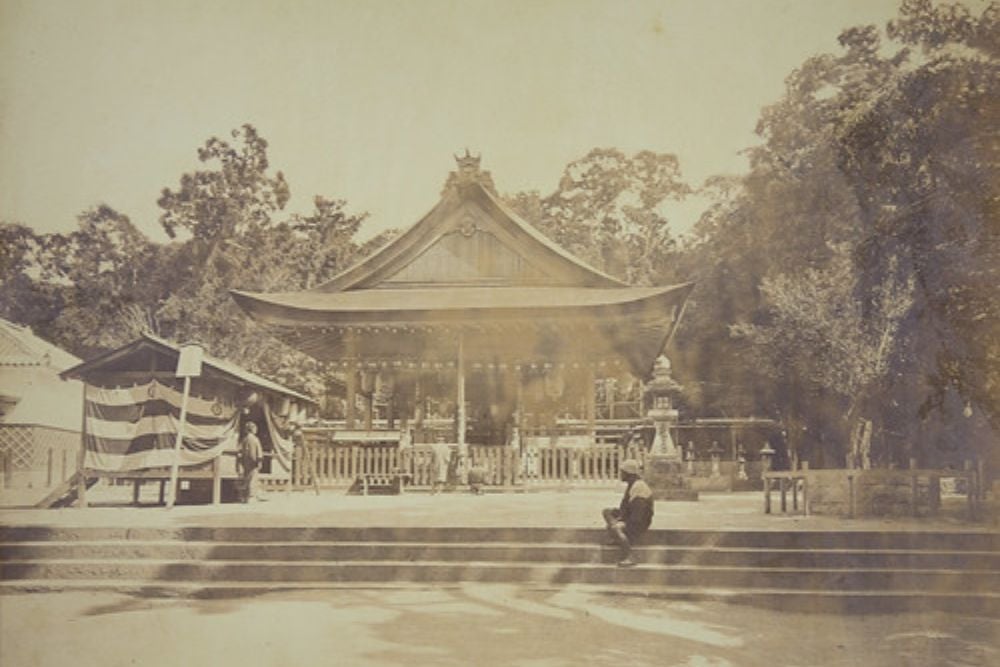
Japanese pilgrims have walked this ancient route between Kyoto and the sacred Shinto shrines at Ise since at least the 7th century CE. Stone-paved sections remain intact along mountain paths and through preserved villages that haven’t changed much in centuries.
Modern spiritual seekers and tourists still travel portions of this historical road, passing through vermilion torii gates and stopping at tea houses that have served travelers for hundreds of years, creating a living connection to Japan’s spiritual past.
Pathways Through Time

There’s something profoundly moving about walking on the same stones that carried Roman legionaries, medieval pilgrims, or ancient traders. These enduring routes remind us that beneath our modern world lies a deeper layer of human history, physically connecting us to countless ancestors who traveled the same paths.
The remarkable engineering and practical wisdom of ancient road builders created thoroughfares so well-designed that many continue serving travelers thousands of years after their construction. As our vehicles follow highways that often trace these ancient routes, we’re participating in a continuous human journey stretching back to our earliest civilizations—a journey that continues to unfold beneath our feet with every step we take.
More from Go2Tutors!

- The Romanov Crown Jewels and Their Tragic Fate
- 13 Historical Mysteries That Science Still Can’t Solve
- Famous Hoaxes That Fooled the World for Years
- 15 Child Stars with Tragic Adult Lives
- 16 Famous Jewelry Pieces in History
Like Go2Tutors’s content? Follow us on MSN.