Unusual Holiday Superstitions From Around the Globe
Everywhere on Earth, holiday moments shape up in ways all their own. Sure, that tracks. Yet some habits born from those festivities twist into something unexpected – customs smooth as day to neighbors, yet puzzling to outsiders who blink and wonder. Not your usual festive routines dished out in travel blogs. Nah, these are the oddball moves – the ones folks cling to like winter coats when January bites, convinced they’ll shield them, lift them, or steer fortune near.
Breaking Pomegranates for Good Fortune
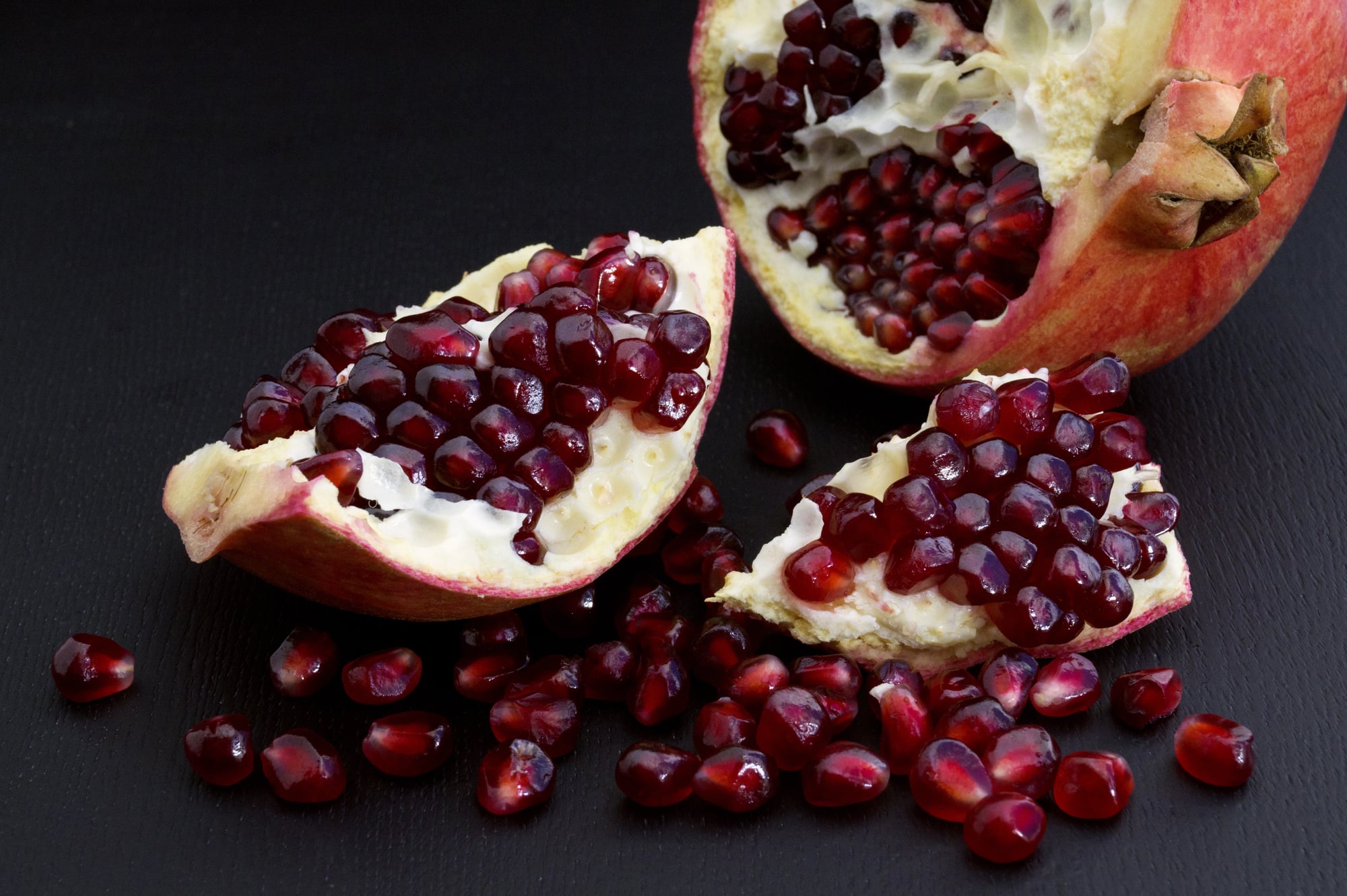
In Greece, the first person to enter your home after midnight on New Year’s gets handed a pomegranate. But they don’t eat it. They smash it against the door with as much force as they can manage.
The more seeds that scatter across the threshold, the better your luck for the year ahead. Some families even compete to see whose pomegranate explodes the most dramatically. The cleanup happens later—good fortune comes first.
Twelve Grapes Before the Clock Stops
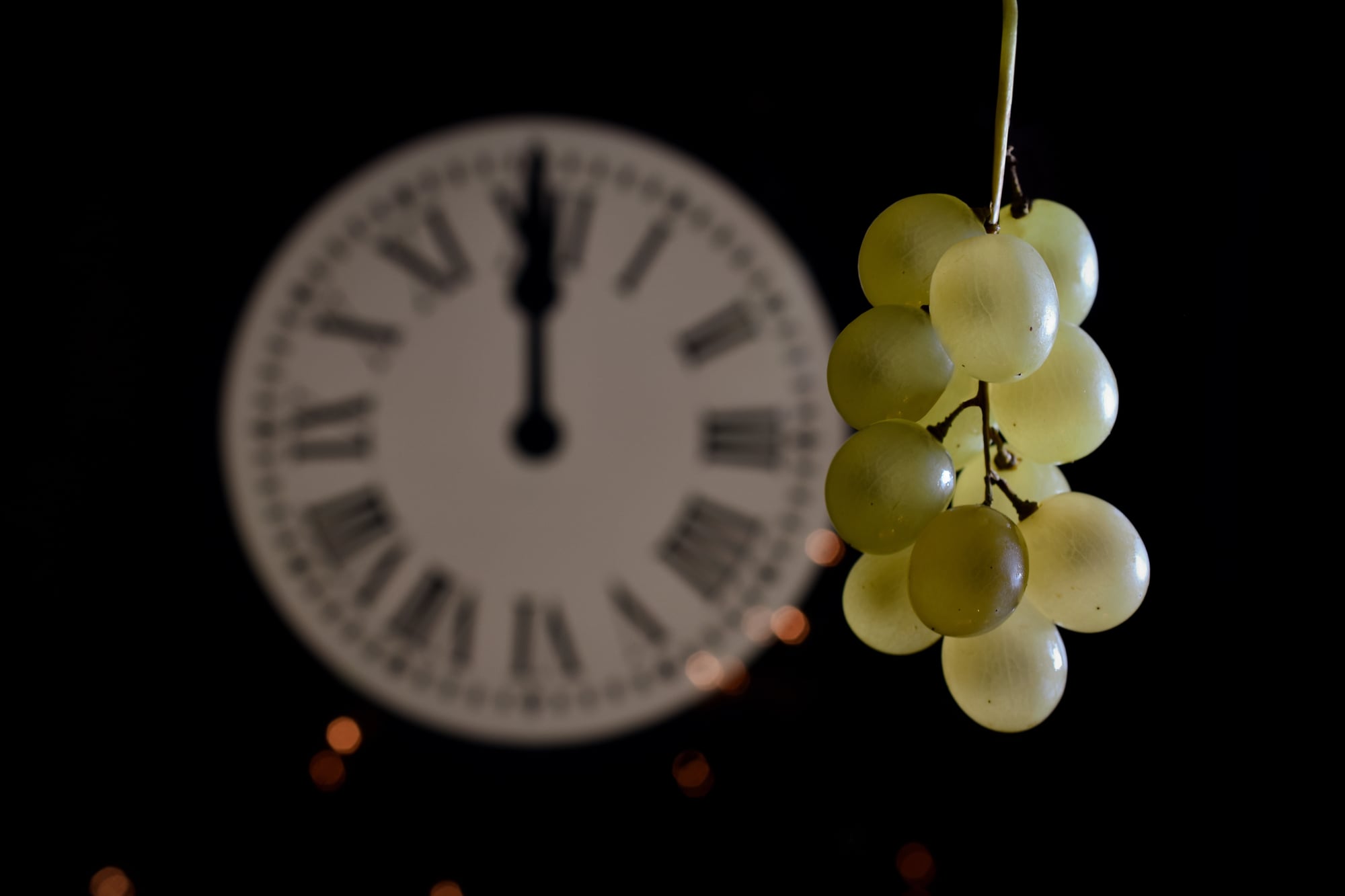
Spaniards spend the last twelve seconds of the year with their mouths full. As each bell chimes at midnight, you’re supposed to pop a grape into your mouth and chew quickly.
Miss even one grape before the final chime, and bad luck follows you for the next twelve months. The tradition started in 1909 when grape growers had a surplus and needed a creative marketing strategy. Now everyone panics about choking on grapes when they should be celebrating.
Hiding Every Knife in the House
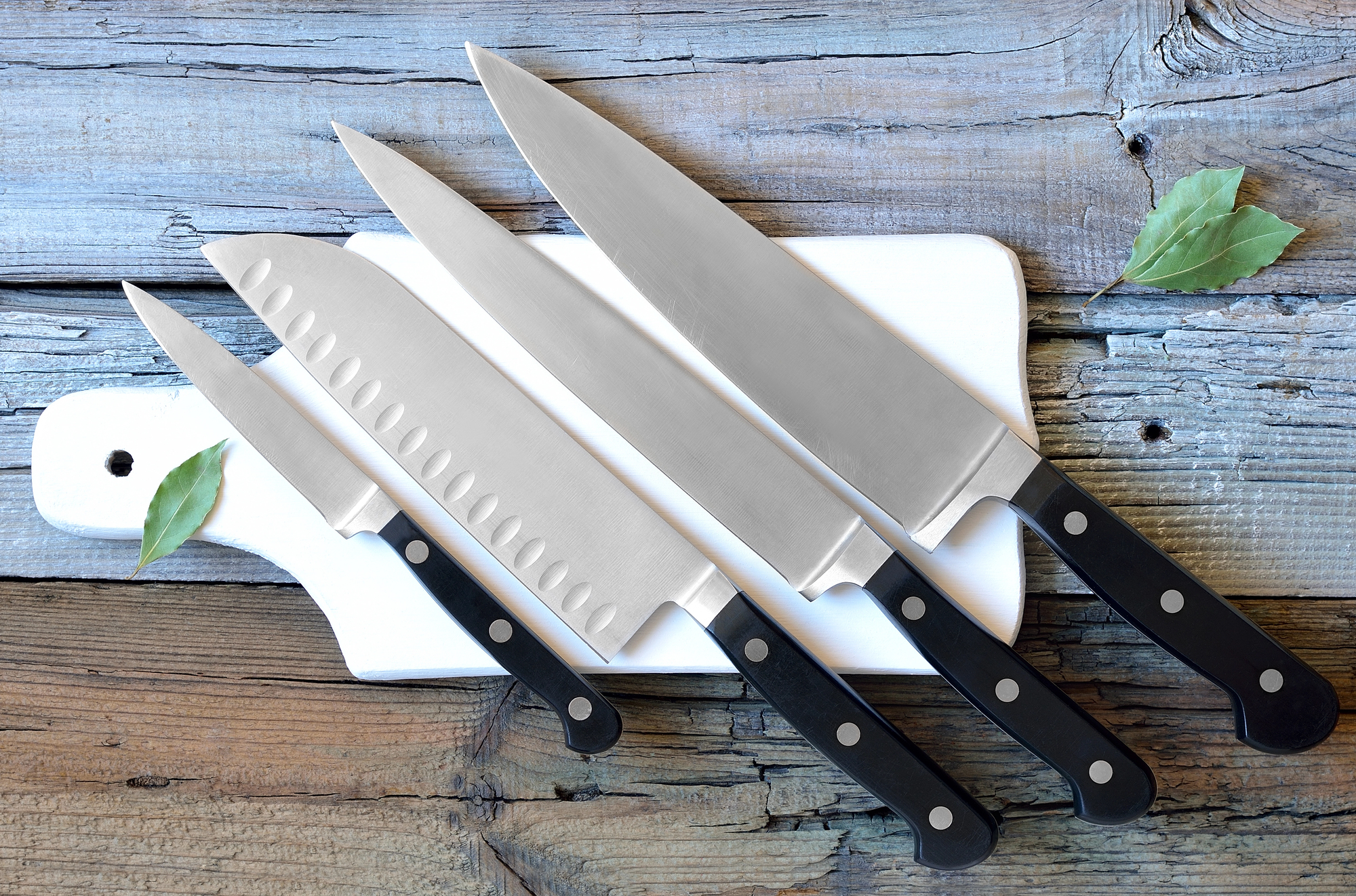
Japanese families don’t leave knives lying around on New Year’s Eve. Every blade gets tucked away in drawers or cabinets before the day ends.
The belief says that exposed knives can cut the good luck coming your way in the new year. Some people extend this to scissors, box cutters, and anything with a sharp edge. Better safe than severed fortune.
Shoes Flying Over Shoulders

Young Czech women throw shoes over their shoulders on certain holidays, then check how the shoe lands. If the toe points toward the door, marriage happens within the year.
If it points elsewhere, another year of waiting. Some women practice their throwing technique to improve their odds, which sort of defeats the purpose of a superstition. But desperation makes people creative.
Polka Dots Bring Money
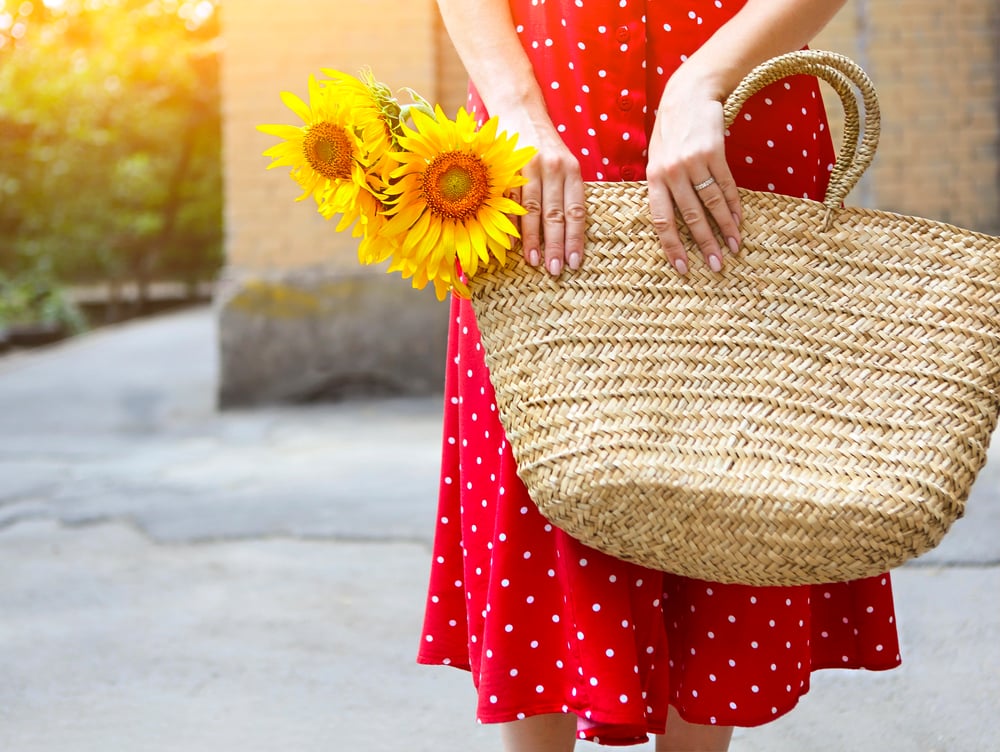
Filipinos wear polka dots on New Year’s Eve because round shapes represent coins. The more circles on your outfit, the more prosperity you attract.
Markets fill with polka-dotted everything in December—shirts, dresses, even underwear covered in spots. Some people layer multiple polka-dotted items just to hedge their bets. Fashion takes a backseat to financial security.
Yellow Undergarments for Prosperity
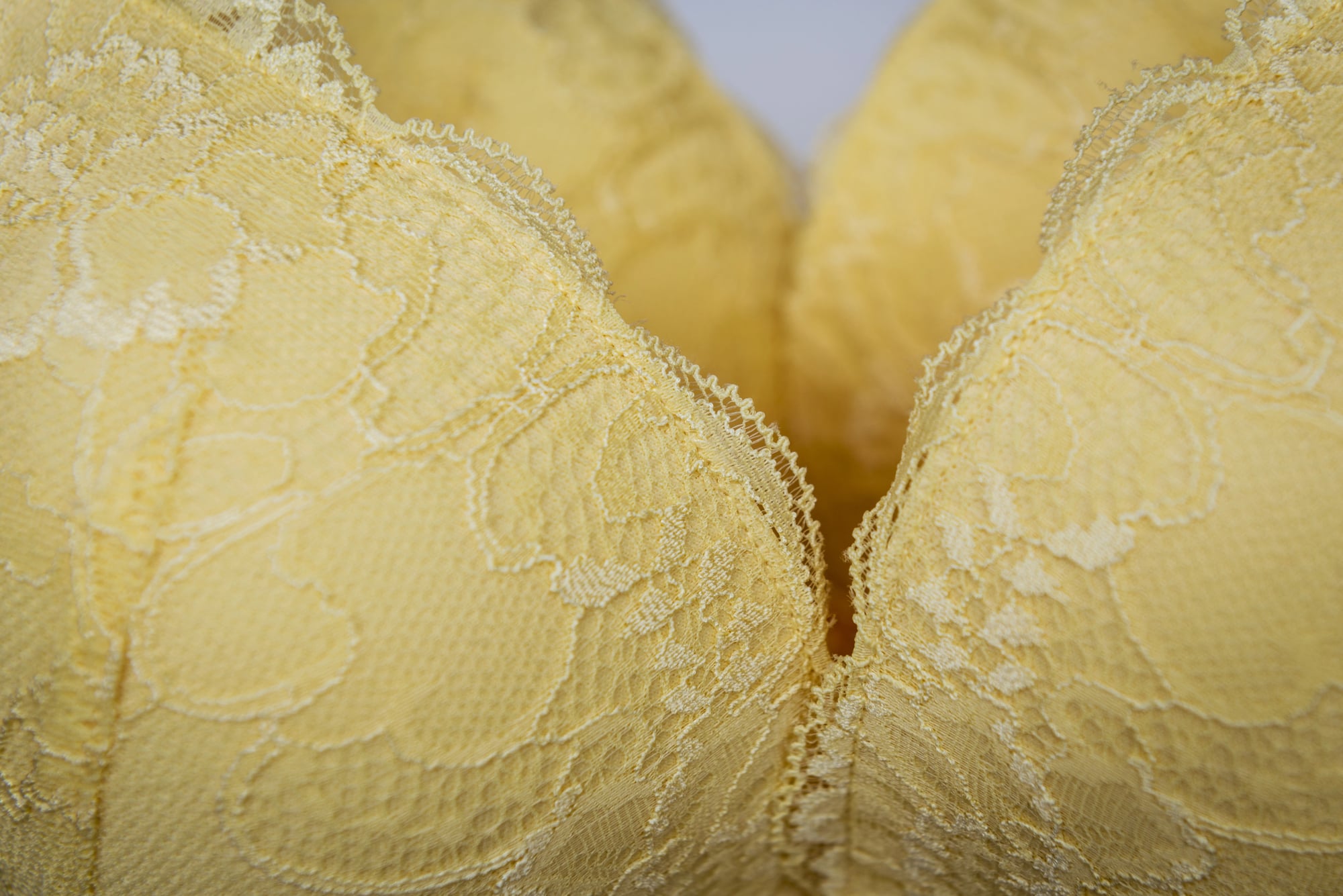
Venezuelans believe yellow underwear brings good luck and money in the coming year. Stores sell out of yellow undergarments every December.
The superstition gets so intense that some people wear yellow everything—socks, shirts, pants—creating neighborhoods full of people dressed like giant bananas. The color choice comes from the association between gold and wealth, though yellow cotton doesn’t exactly feel like gold.
Smashing Plates on Doorsteps
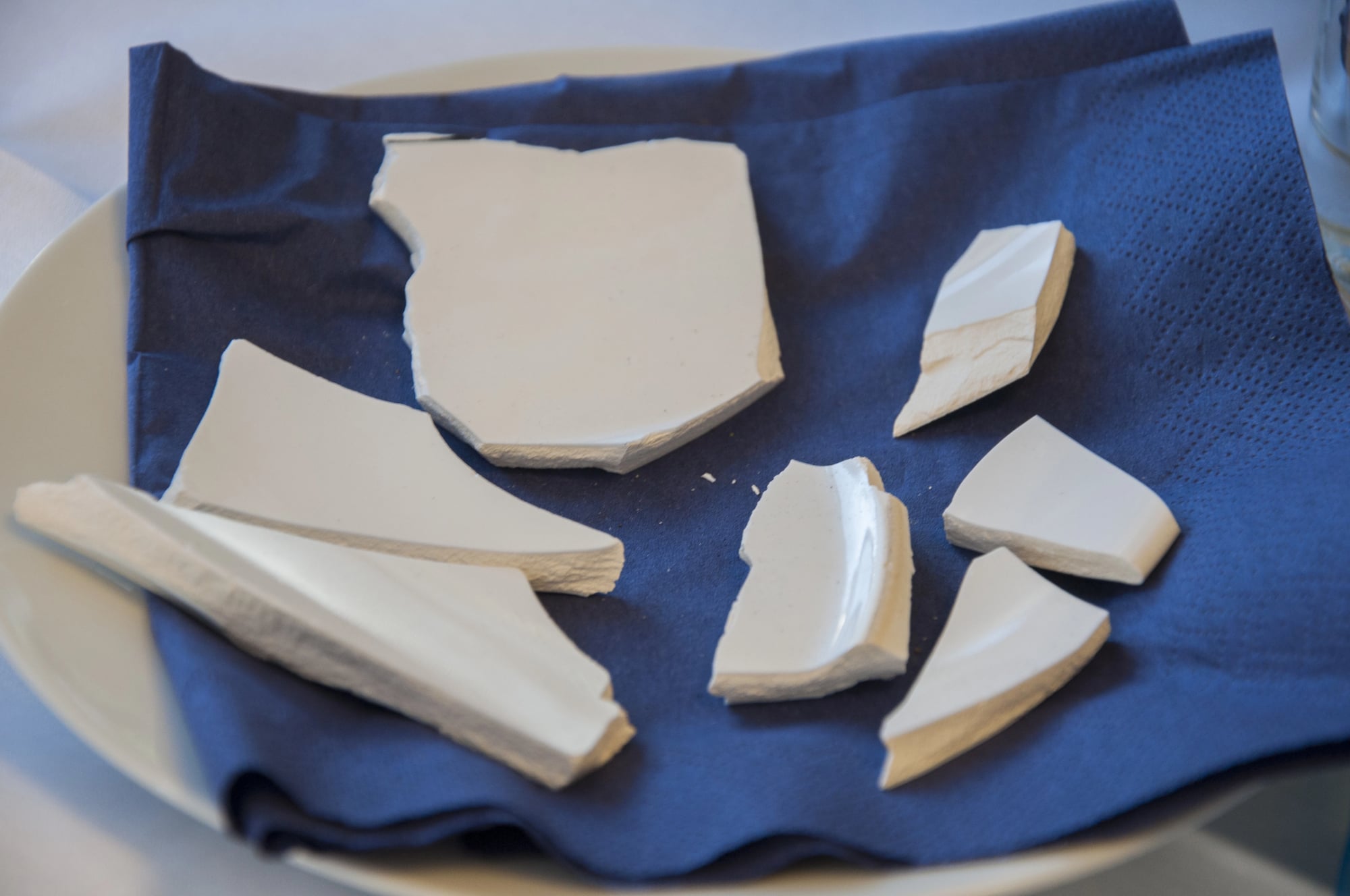
Danes collect old dishes throughout the year just to throw them at friends’ houses on New Year’s Eve. A pile of broken pottery on your doorstep means you have many friends and good fortune ahead.
The bigger the pile, the more popular you are. This might be the only culture where vandalism equals affection. Cleanup crews probably hate this tradition.
Setting a Place for the Invisible

Austrians set an extra plate at the Christmas table for dead relatives. The empty chair and full plate honor ancestors and invite their spirits to join the meal.
Nobody touches the food on that plate—it stays there as an offering. Some families talk to the empty seat during dinner, updating deceased relatives on family news. The living and dead share the same table, at least symbolically.
Brooms Hidden from Witches
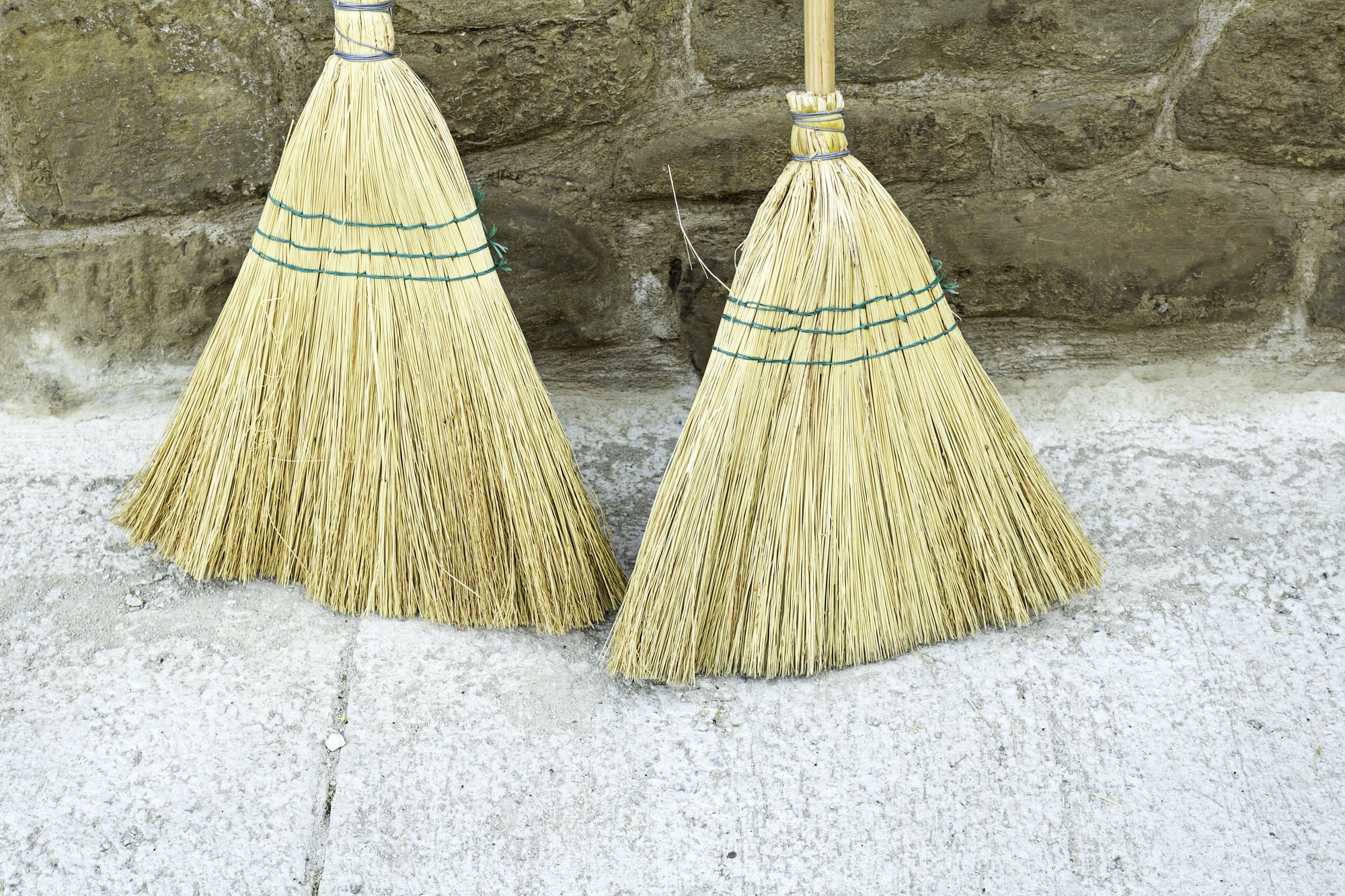
Norwegians hide their brooms on Christmas Eve because witches and evil spirits supposedly come looking for transportation that night. Every broom in the house gets locked away.
Some people even hide their mops and dustpans just to be thorough. The tradition dates back centuries, and plenty of modern Norwegians still do it, even if they don’t believe in witches. Old habits stick around.
Diving Into Frozen Water

Austrians jump into icy lakes on New Year’s Day while dressed as polar bears or other animals. The shock of freezing water supposedly cleanses you of the previous year’s bad luck.
Hundreds of people gather to watch others torture themselves with hypothermia. Some participants train for months, treating it like an extreme sport. Most just scream and immediately regret their decision.
Furniture Launched From Windows
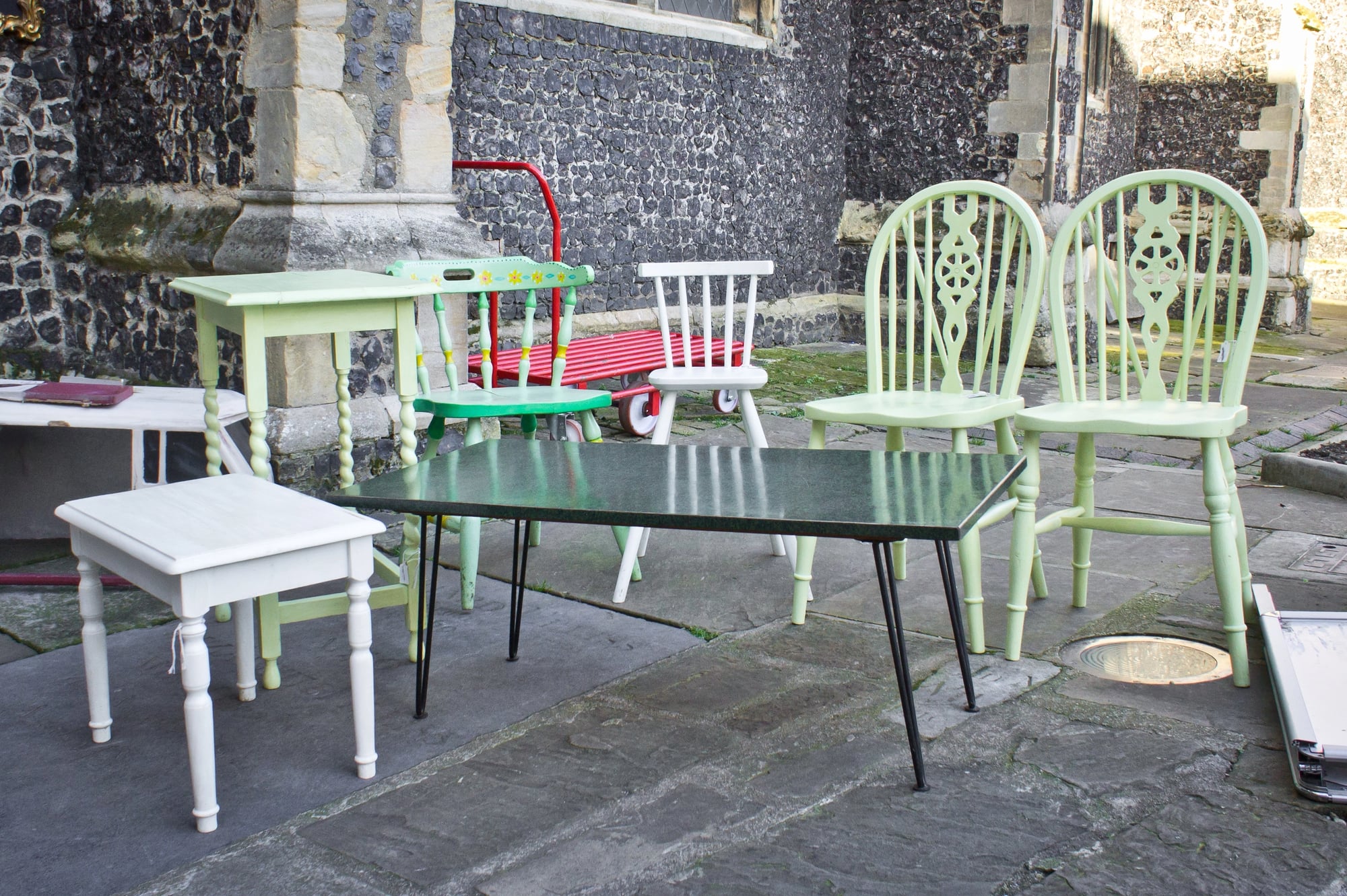
South Africans in some areas throw old furniture out of windows on New Year’s Eve. Chairs, tables, even couches go flying onto the streets below.
The practice symbolizes getting rid of the old to make room for the new. City workers spend New Year’s Day clearing massive piles of broken furniture from sidewalks. This tradition probably originated from someone who just really hated their couch.
Red Underwear for Romance
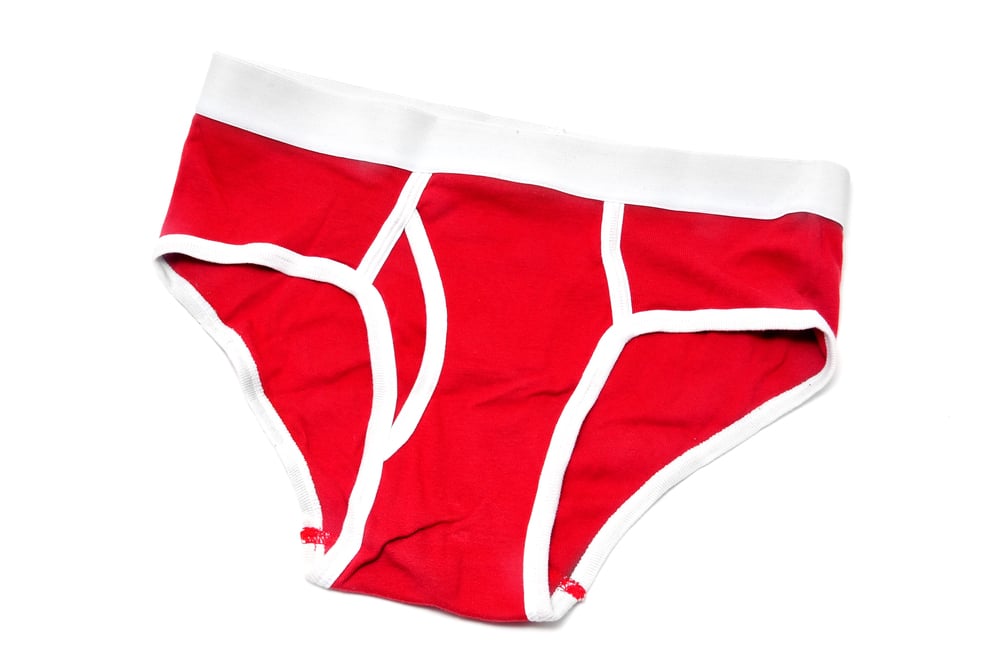
Italians wear red underwear on New Year’s Eve to attract love in the coming year. The tradition matches the Spanish grape custom in its specificity—wrong color underwear means missed romantic opportunities.
Lingerie stores make most of their annual profit in the last week of December. Some people even receive red underwear as gifts, which creates awkward family moments.
Bear Costumes to Scare Evil
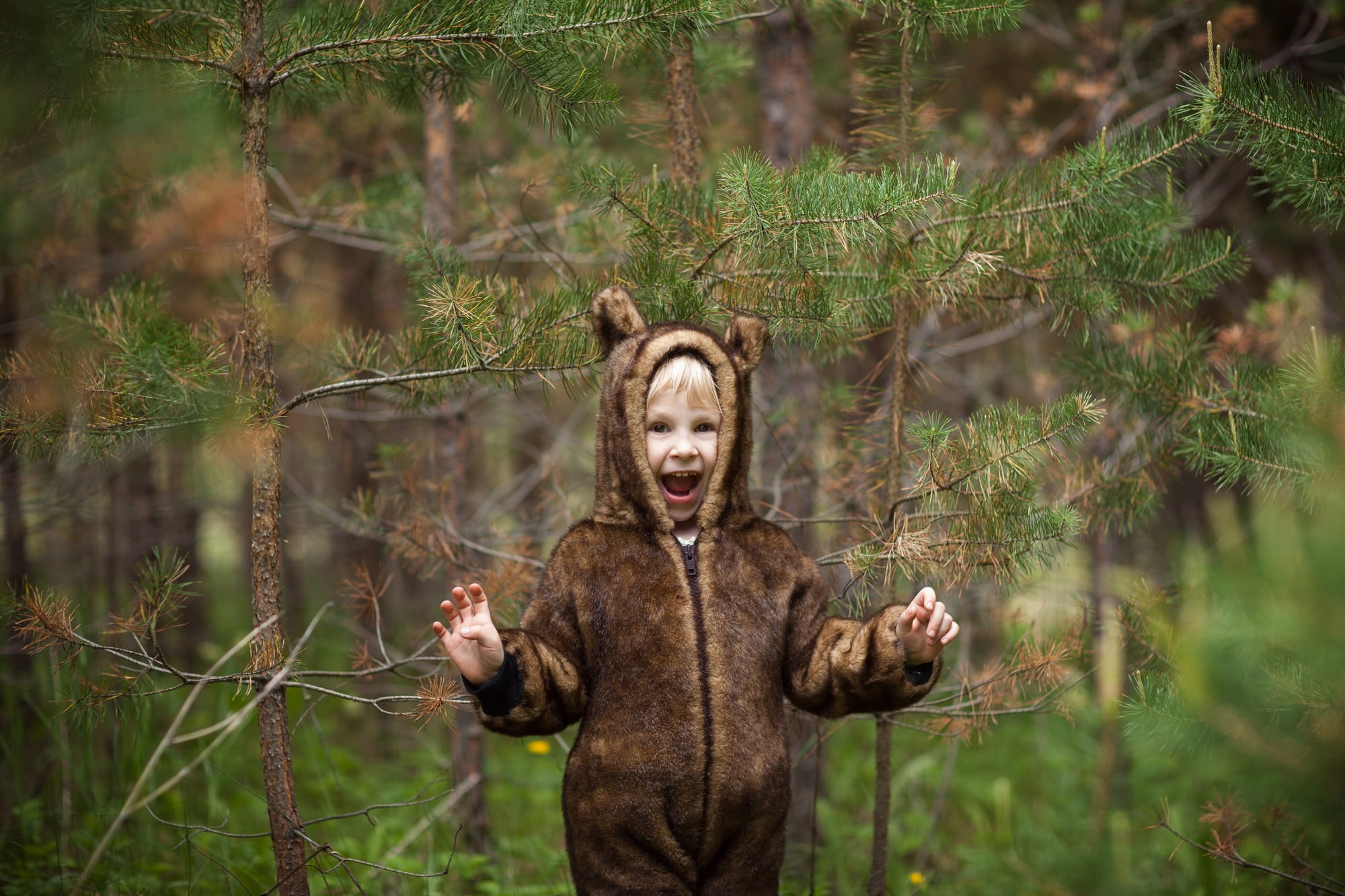
Romanians slip into bear skins when winter grips the land, moving between houses with heavy steps. These figures loom like shadows from old tales, their presence tied to cycles of ending and beginning.
Fear clings to the sight – unless you’ve heard the stories behind the mask. Each suit drags at the shoulders, some still made with fur shed from actual bears. Money changes hands after a performance, passed quietly from homeowner to dancer. Movement becomes ritual, not entertainment, shaking silence out of cold village nights.
Burning Scarecrows at Midnight
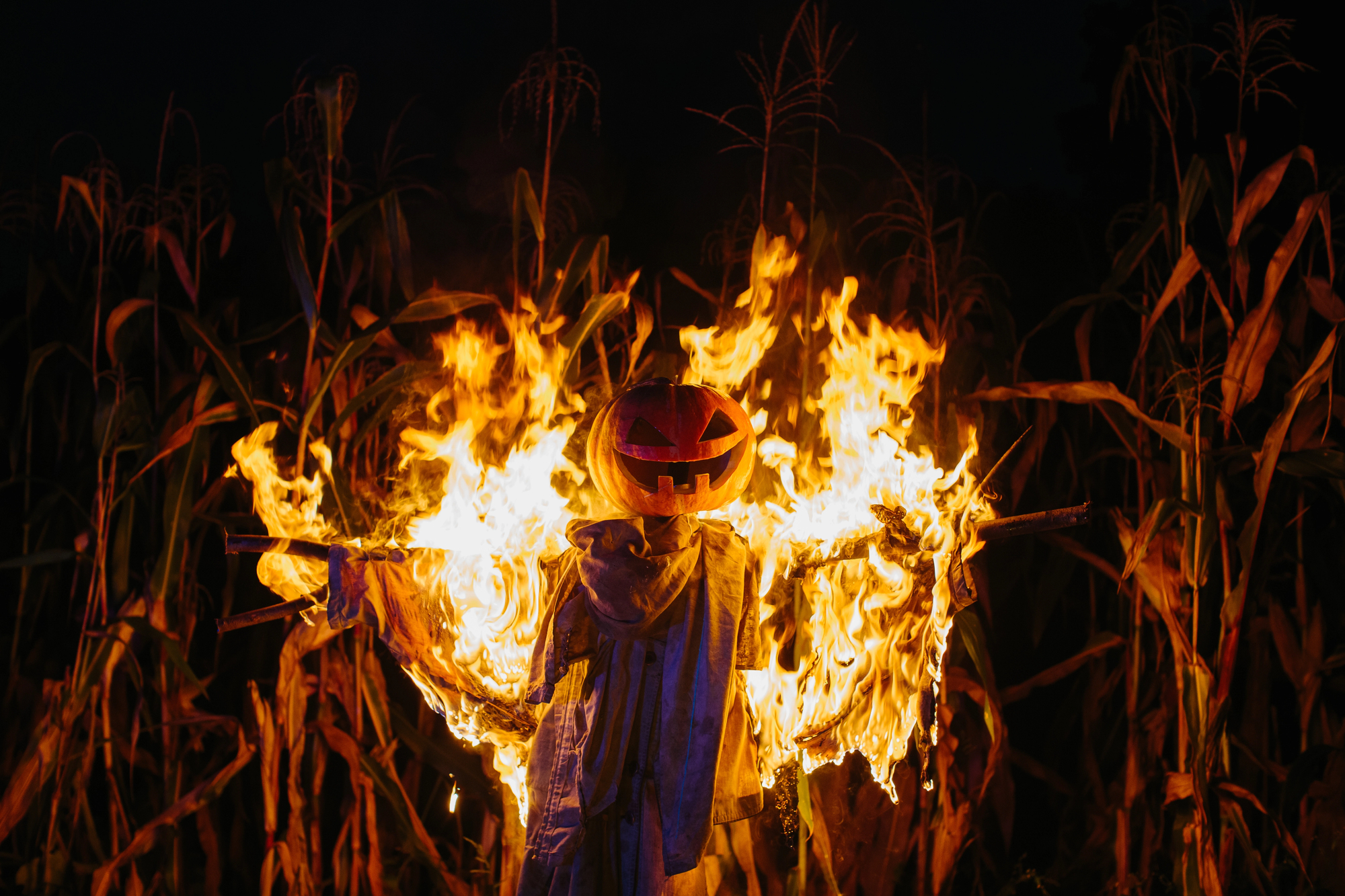
Ecuadorians craft straw-filled dummies dressed as the outgoing year. These figures take the shape of politicians or anyone widely disliked. Come midnight December 31st, they set them ablaze without exception.
Whole blocks erupt in flames, glowing red under the night sky. Smoke rolls heavy through alleys, fogging up windows and street signs. Some neighborhoods go all out, turning it into an unspoken contest of spectacle and detail. Burning them feels like wiping a smudged page clean. Others see it as settling scores with cardboard and fire instead of words.
When luck turns into habit

These beliefs linger not because they change fate, yet because they bind people through moments. Recall the time you nearly coughed up a grape at dinner, or how your grandma hurled a pomegranate across the room – red juice climbing wallpaper like paint gone wild.
It’s never really about the act itself, more about what gets told after. Each tradition, odd as it seems, carries a quiet wish for tomorrow being kinder; though unspoken, everyone understands.
More from Go2Tutors!

- The Romanov Crown Jewels and Their Tragic Fate
- 13 Historical Mysteries That Science Still Can’t Solve
- Famous Hoaxes That Fooled the World for Years
- 15 Child Stars with Tragic Adult Lives
- 16 Famous Jewelry Pieces in History
Like Go2Tutors’s content? Follow us on MSN.